

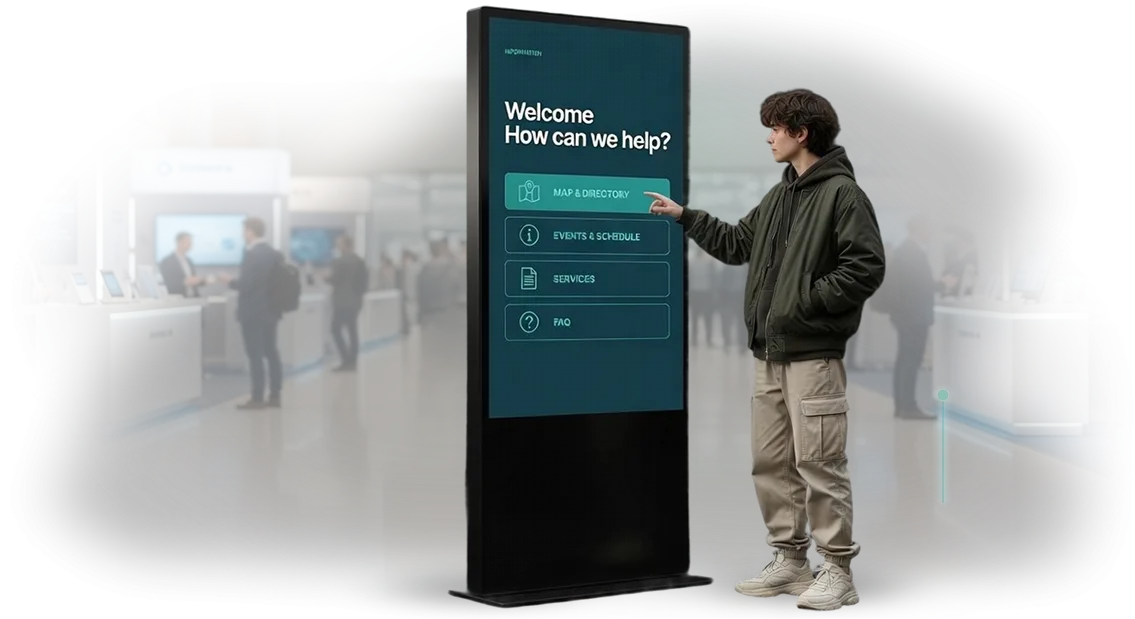
קונים עוזבים במכירת רכב? קיוסק יעצור אותם
קונה בעסקי קמעונאות הרכב עוזב בשקט — בדרך כלל לא כי לא אהב את הרכב, אלא כי לא קיבל תשובה מהירה.
יועץ המכירות עסוק בלקוח אחר, הקטלוג הנייר מיושן, מבצעים מיוחדים וזמינות רכבים לא נראים לעין. ואנשים רגילים לקבל מידע באופן מיידי: אם זה לא שם, הם הולכים למתחרה.
עבור סוכנות, זו לא רק פגישה אבודה, אלא אובדן לקוח שלם: הרכב, החלקים, השירות, הביטוח, ביקורים חוזרים. מבקר שלא קיבל שירות היום הוא הכנסה עתידית שנכנסת לאולם תצוגה אחר.
המכירות של סוכנות תלויות ישירות בכמה מהר ובאופן נוח קונה מקבל את המידע שהוא צריך.
קיוסק אינטראקטיבי פותר את הבעיה הזו. הקונה מוצא את הדגם הנדרש בעצמו, משווה רמות גימור, רואה את המחיר, זמני אספקה ומבצעים — עוד לפני שדיבר עם מנהל.
איש המכירות נכנס לפעולה בשלב הבחירה, כשהלקוח מוכן לקנות, במקום לבזבז זמן על שאלות מידע.
הקיוסק משמש כעוזר אישי של המבקר: הוא מציג נתוני רכב עדכניים, זמינות באולם התצוגה ובמלאי, ומציע תנאים נוחים. אולם התצוגה נראה מודרני, האמון גדל, והמנהלים מתמקדים במכירות במקום לחזור על אותו מידע.
התוצאה: פחות לקוחות שעוזבים, המרה גבוהה יותר לנסיעות מבחן ורכישות, יותר ביקורים חוזרים. קיוסק אינטראקטיבי בקמעונאות רכב עוצר אובדן לקוחות והופך ביקור רגיל להחלטת רכישה מושכלת.
מה טרמינל אינטראקטיבי מביא לעסק שלך
בקמעונאות רכב, לקוח נכנס לאולם התצוגה עם בקשה ספציפית אבל מאבד עניין אם הוא צריך לחכות למנהל. טרמינל אינטראקטיבי לוקח על עצמו את הקטלוג, רמות הגימור, המחירים והמבצעים.
המבקר חוקר את המידע בעצמו, והמנהל נכנס לפעולה ברגע הנכון — כל ביקור מביא יותר ערך.
פורמט זה משפר המרה: הלקוח לא עוזב בגלל המתנה אלא מתערב בתהליך הבחירה. במקביל, הקיוסק מפחית את עומס העבודה על הצוות — אנשי המכירות מפסיקים לחזור על מידע שגרתי ומתמקדים באורחים שמוכנים לקנות. זה משפיע ישירות על איכות השירות ועל סל הקניות הממוצע.
בונוס נוסף הוא הכרת המותג. עמדה עם עיצוב ממותג נראית מודרנית, האורחים זוכרים אותה ומצלמים אותה לרשתות החברתיות. כך הקיוסק הופך לחלק מהתדמית וממשיך לעבוד בשבילך אחרי הביקור.
"מנהלים נהגו להיות מוסחים על ידי שאלות על רמות גימור," אומר הבעלים של סוכנות, "עכשיו הלקוחות רואים הכל בעצמם על המסך. מהירות השירות עלתה, וההמתנה כבר לא מפחידה מבקרים."
אנחנו משתמשים בציוד מקצועי ובארכיטקטורת שרתים מוכחת כך שהקיוסק פועל ללא תקלות בשעות השיא. זהו כלי מכירה אמין שמחזק את תדמית החברה ועוזר להפוך מבקרים לקונים.
פורמטים של קיוסקים אינטראקטיביים לקמעונאות רכב
במכירת רכב, לא רק המחיר חשוב, אלא גם מהירות התגובה לבקשת הלקוח. בזמן שמנהל מוסח או מחפש מפרט, המבקר הולך למתחרה — קיוסק אינטראקטיבי מבטל את הבעיה הזו.
להלן הפורמטים שמכסים משימות טיפוסיות של סוכנות: מקטלוג ועד תצוגה פרסומית.
| פורמט | למי | מה זה נותן לעסק |
|---|---|---|
| קטלוג אינטראקטיבי של מוצרים ושירותים | סוכנויות, מרכזי סוכנים | הלקוח חוקר דגמים, רמות גימור ומחירים בעצמו, ומשחרר את המנהלים |
| חלון ראווה עם מסך מגע | אזורי הדגמה, אולמות תצוגה | מושך תשומת לב לדגמים חדשים, מגדיל את זמן השהייה בעמדה ואת העניין בדגם |
| קיוסק הזמנת נסיעת מבחן | אולמות תצוגה ומרכזי שירות | אוסף אנשי קשר ובקשות ללא תורים, מסיים את הביקור תוך דקה |
| טרמינל שירותים נוספים | אזורי שירות, נקודות איסוף | מעלה את סל הקניות הממוצע: מציע ביטוח, אביזרים ותוספות לרכישה |
כל פורמט עובד ללא מעורבות צוות ולא מאבד לקוח גם אם כל המנהלים עסוקים. המבקר מקבל תשובה מיידית, ואתה מקבל סטטיסטיקות על תחומי עניין ואפשרויות שנדחו — שימושי להתאמת מלאי ופרסום.
קיוסק יחיד כזה מחליף יועץ בעומס שיא ומחזיר את עצמו באמצעות מכירות נוספות ועיבוד מהיר יותר של בקשות.
איך אנחנו בונים קיוסק: שלבי העבודה עם הלקוח
אנחנו מתחילים עם בריף קצר ומסיימים עם השקת טרמינל שעוזר למכור מהימים הראשונים. כדי שהקיוסק יהיה שימושי ולא יעמוד בטל בפינה, אנחנו פועלים לפי תהליך ברור ולא דוחפים פרטים טכניים אליך.
לפני ההתחלה, אנחנו מגדירים את המטרות: מה המסך צריך להציג, איפה המארז יעמוד, ומי ישתמש בו. על בסיס זה, אנחנו מרכיבים הערכת עלות ותוכנית — ללא עבודה נסתרת או אישורים מיותרים.
- בריף וניתוח משימה. אנחנו דנים במה אנחנו מוכרים: מכוניות, תוספות, אביזרים, הצעות שירות. אנחנו קובעים נקודות מיקום וקהל יעד.
- אב טיפוס ועיצוב. אנחנו יוצרים את מבנה הקטלוג, פריסות מסך ודוגמאות עיצוב המותאמות לזהות המותג. אתה מאשר את האב טיפוס — אנחנו מדייקים אותו עד לפרטים.
- אישור חומרה ומארז. אנחנו בוחרים טרמינל אמין לסביבת אולם התצוגה: גודל, התקנה, הגנת מארז. אתה מקבל עמדה אינטואיטיבית ועובדת.
- פיתוח ממשק ותוכן. אנחנו ממלאים את הקטלוג, מגדירים חיפוש, מסננים, השוואת דגמים ואינטגרציה עם מסד הרכבים שלך. אנחנו מציגים את המסך המוגמר פנים אל פנים או מרחוק.
- בדיקות והשקה. אנחנו בודקים תרחישי משתמש, ביצועים ועדכוני תוכן. אנחנו מתקינים את הקיוסק באתר ומגדירים אינטגרציה עם המערכות שלך.
- הדרכת צוות ותיעוד. המנהלים מקבלים מדריך קצר: איך לעדכן מחירים, להוסיף מכוניות ולטפל בבקשות. אתה לא תלוי במפתח.
- תמיכה ושיפורים. אנחנו מגיבים במסגרת זמנים מוסכמת, מעדכנים תוכן לדגמים ומבצעים חדשים ומוסיפים פונקציות. הקיוסק לא הופך ל"אנדרטה" אחרי חודש.
נקודת המפתח היא לוח הזמנים. פרויקט טיפוסי אורך 3–5 שבועות מרגע אישור אב הטיפוס. אם אתה צריך את זה לתערוכה או למבצע עונתי, אנחנו מבצעים השקה מואצת ועומדים בתאריך.
אנחנו עובדים מרחוק אבל תמיד זמינים: אתה רואה התקדמות בכל שלב. הטרמינל האינטראקטיבי מיושם מבלי לעצור את העסק שלך — הקיוסק מתחבר למסד הנתונים שלך ומתחיל לעבוד ביום הראשון.
חבילת אספקה של קיוסק אינטראקטיבי
אנחנו מרכיבים את חבילת האספקה כך שתקבל פתרון סוהר — ללא סעיפי עלות נסתרים או כיוונונים ארוכים באתר.
להלן מה שכלול בחבילת הטרמינל הסטנדרטית ואילו אפשרויות מרחיבות את היכולות שלו לצרכים של הסוכנות, מרכז הסוכנים או דוכן התערוכה שלך.
חבילה בסיסית
- טרמינל מסך מגע עם מארז עמיד בפני ונדליזם. עמיד בפני אבק, לחות ופגיעות מקריות — עובד באזורים עם תנועה גבוהה ודוכני תערוכה ללא פגיעה באיכות.
- תוכנה מקצועית לקטלוג אינטראקטיבי. מלא את הקטלוג במוצרים ושירותים בעצמך, ללא מתכנת: הוסף תמונות, מחירים, תיאורים ומבצעים תוך דקות ספורות.
- ניהול תוכן. צפה בסטטיסטיקות לכל קיוסק: אילו דגמים נצפו הכי הרבה, כמה זמן מבקר שהה מול המסך. נתונים אלה עוזרים להתאים את התצוגה והמלאי.
- ניהול ועדכונים מרחוק. שנה מבצעים ומחירים בכל הטרמינלים בו זמנית, גם אם הם ממוקמים בערים שונות.
- השקה מהירה. הטרמינל מגיע מוגדר מראש, עם המערכת מותקנת מראש ותושבות הרכבה מורכבות — פשוט חבר חשמל ואינטרנט.
אפשרויות נוספות
- יצירת לידים: טופס לאיסוף פרטי קשר של מבקרים ששולח בקשות ישירות ל-CRM שלך או למייל של המנהל.
- הדפסה ושליחה במייל. המבקר מקבל עמוד עם הרכב או השירות שנבחרו — כך הקטלוג ממשיך לעבוד לשימור הלקוח אחרי שהוא עוזב את המתחם.
- אינטגרציה עם 1C ומערכות מלאי. זמינות מוצרים ומחירים עדכניים נמשכים אוטומטית — המנהלים לא צריכים לאמת נתונים ידנית.
- מודול ניווט ובחירה. המבקר מציין פרמטרים רצויים של הרכב — הקיוסק בונה מסלול לתצוגה או מציג רשימה של אפשרויות מתאימות.
- עיצוב ממותג. אנחנו מיישמים את הלוגו והצבעים הארגוניים של הסוכנות על המארז — הקיוסק נראה כמו חלק מאולם התצוגה, לא עמדה זמנית.
ההרכב הסופי תמיד מתועד בחוזה, כך שאתה יודע בדיוק מה כלול במחיר וזמן האספקה של כל רכיב. אם אתה צריך אפשרות לא סטנדרטית, נדון בה בבריף ונכין הצעה נפרדת.
מקרה אמיתי: מרכז סוכנים הגדיל המרה ב-23%
למרכז הסוכנים AvtoPrime, בנינו קיוסק אינטראקטיבי שהחליף קטלוגים מנייר ואת היועץ בשלב הראשוני. בעבר, מבקר חיכה למנהל כדי ללמוד על רמות גימור ומחירים — עד 15 דקות של המתנה.
עם הקיוסק, האורח בחר את הדגם בעצמו וראה הצעות עדכניות, בעוד המנהל נכנס לפעולה בשלב המוכנות לקנייה.
מה השתנה אחרי ההשקה
בחודשיים של פעילות הקיוסק, ההמרה ממבקר לנסיעת מבחן גדלה ב-23%. הזמן הממוצע להיכרות ראשונית עם הקטלוג נחתך בחצי: במקום 15 דקות של המתנה — 4–5 דקות של עיון עצמי.
לקוחות שהשתמשו בקיוסק היו בסבירות גבוהה ב-30% לבקש הערכת עלות ולהגיש בקשה לנסיעת מבחן.
"הקיוסק הפך למשתתף מלא במכירה, לא רק לתצוגה. מבקרים מגיעים עם בקשה ספציפית, כך שמנהלים מבלים זמן בסגירת עסקה במקום במצגת בסיסית. שלושה חודשים אחר כך, הזמנו טרמינל שני לאולם תצוגה אחר." — ראש מחלקת מכירות
הקיוסק עיבד עד 120 סשנים ביום, ועד 200 בימי שיא בסוף השבוע. ההזמנה החוזרת הייתה בולטת במיוחד: שישה חודשים אחר כך, מרכז הסוכנים הרחיב את הפרויקט לאולם תצוגה שני והוסיף מודול הזמנת שירות. עבורנו, זה המדד העיקרי — הלקוח ראה אפקט מדיד והשקיע בצמיחה.
איך לבחור את פורמט הקיוסק הנכון למשימה שלך?
בחירת פורמט קיוסק מתחילה לא במסך או במארז, אלא בשתי שאלות: איפה הטרמינל ימוקם ואיזו משימה הוא פותר.
בקמעונאות רכב, יש בדרך כלל שלוש משימות כאלה — הצגת הקטלוג המלא של דגמים ורמות גימור ללקוח, הזמנת נסיעת מבחן או תור לשירות, ואיסוף אנשי קשר למנהל.
לאולם תצוגה מרווח עם זרימת מבקרים קבועה, דגם עומד עם מסך גדול הוא בחירה הגיונית. טרמינל כזה עובד כמו יועץ וירטואלי: הקונה חוקר דגמים, משווה רמות גימור ומשאיר בקשה בלי לחכות לאיש מכירות פנוי.
הקיוסק גם הופך לחלק מהפנים — הוא מושך תשומת לב והופך את אולם התצוגה למודרני יותר.
אם השטח מוגבל או שמבקרים עוברים באזור ההמתנה לשירות, תצורה קומפקטית צמודת קיר מתאימה יותר. היא לא חוסמת מעברים אבל מאפשרת ללקוח לנצל את הזמן בצורה פרודוקטיבית: לעיין בשירותים, להזמין ביקור וללמוד על מבצעים עדכניים.
בפועל, הבחירה מסתכמת בשלושה גורמים: תנועת המיקום, שטח הרצפה והמטרה העיקרית של הטרמינל — ליידע, למכור או לבנות מאגר לקוחות.
זה קובע את גודל המסך, שיטת ההתקנה וההיגיון של הממשק: שירות עצמי מלא לאולם תצוגה או ממוקד בהעברת בקשות למנהל.
אנחנו עוזרים לך להחליט על התצורה בשלב הבריף: אנחנו מנתחים את אולם התצוגה שלך, את זרימת הלקוחות ואת המשימות, מציעים אפשרות מתאימה ומתאימים אותה לפרטי המיקום שלך אם צריך. כתוצאה מכך, אתה מקבל קיוסק שמתאים לחלל ומתחיל לייצר בקשות מהיום הראשון.
תשובות לשאלות נפוצות על טרמינלים אינטראקטיביים
לפני התקנת טרמינל אינטראקטיבי בסוכנות או במרכז שירות, כמעט כל בעל עסק שואל את אותן שאלות: באיזו תדירות הקיוסק מתקלקל, מי מתחזק אותו, מה קורה לנתוני הלקוחות, וכמה זמן לוקח להחליף רכיבים. זה נורמלי — מה שחשוב הוא שתקבל תשובות לפני חתימת החוזה, לא אחרי ההשקה.
אנחנו מתכננים ומיישמים קטלוגים אינטראקטיביים לתעשיית קמעונאות הרכב כבר יותר מעשר שנים: מעמדות באולמות תצוגה ועד לוחות מידע באזורי המתנה.
במשך הזמן הזה, פיתחנו תרחישי תקלות טיפוסיים, שגרות תחזוקה ותוכניות תגובה מהירה. להלן תשובות לשאלות הנפוצות ביותר שאנו שומעים ממנהלים ומנהלי שיווק.
האם קיוסק אינטראקטיבי אמין לעבודה מסביב לשעון באולם תצוגה?
הקיוסק מורכב מרכיבים תעשייתיים המיועדים לפעולה רציפה. בפרויקטים שלנו, טרמינלים עובדים ללא תקלות במצב ללא הפסקה — עם תחזוקה נאותה, החלפת חלקים נדרשת לא יותר מפעם בכמה שנים. גם עם זרימת מבקרים אינטנסיבית, אתה מקבל פעולה יציבה ללא הקפאות או אובדן נתונים.
מי מתחזק את הטרמינל וכמה מהר פותרים בעיות?
אנחנו לוקחים על עצמנו את התחזוקה: תחזוקה מונעת, עדכוני קטלוג וניטור מרחוק של מצב המערכת. במקרה חירום, זמן התגובה הממוצע הוא כמה שעות, ואנחנו יוצאים לאתר אם צריך.
כל העבודה מתבצעת לפי לוח זמנים, כך שהקיוסק לא יושב בטל בשעות שיא המכירות.
מה יקרה לנתוני הלקוחות אם הטרמינל ייכשל?
כל הנתונים מאוחסנים באופן מרכזי בארכיטקטורת השרתים של הלקוח ומגובים אוטומטית. הקיוסק הוא רק מסך אינטראקציה, כך שכאשר הוא מוחלף או מתוקן, היסטוריית הבקשות, אנשי הקשר והעדפות הלקוחות נשמרים במלואם. אובדן נתונים נשלל לחלוטין.
שאלות אלה הן רק חלק ממה שאנו שומעים במשא ומתן. עבור כל פרויקט קמעונאות רכב, אנחנו מכינים שאלות נפוצות מותאמות אישית: תוך התחשבות בתרחישים שלך, בפורמט העבודה ובציפיות המבקרים. כך אתה יודע מראש איך הטרמינל יתנהג בעסק שלך ואיזו תועלת הוא יביא למחלקות המכירות והשיווק.השאר בקשה — נחשב את העלות ואת לוח הזמנים של הפרויקט
אתה בעסקי קמעונאות הרכב ויודע את זה: לקוח באולם התצוגה רוצה להשוות במהירות רמות גימור, לראות את המחיר והאפשרויות, וחשוב למנהל לא לאבד את הלקוח בגלל המתנות ארוכות.
קיוסק אינטראקטיבי פותר את הבעיה הזו, אבל לפני ההשקה אתה צריך להבין את התקציב והזמן. אנחנו מציעים דרך ברורה: אתה משאיר בקשה — אתה מקבל הערכת עלות ולוח זמנים להשקה.
אחרי הפנייה שלך, יש לנו ייעוץ קצר על קיוסקים: אנחנו מבהירים איפה הטרמינל ימוקם, איזה קטלוג נדרש, ואילו תרחישים חשובים — בחירת רכב, רשימת שירותים או הזמנת נסיעת מבחן.
על בסיס זה, אנחנו מכינים הערכת עלות שקופה ותוכנית עבודה, כך שאתה רואה את כל הדרך מההחלטה ועד קיוסק עובד.
מה אתה מקבל מיד אחרי הבקשה שלך:
- הערכת עלות לקיוסק המותאמת למשימה שלך ולמספר המיקומים;
- לוח זמנים להשקה — מבריף ועד התקנה והגדרת תוכן;
- ייעוץ קיוסק: פורמט, מיקום, תרחישי מבקרים;
- המלצות על מבנה הקטלוג וחומרי תוכן;
- רשימה ברורה של מה שנדרש ממך ומי עושה מה;
- מנהל אישי שמטפל בפרויקט עד ההשקה.
ללא תנאים נסתרים: אתה מקבל את המספרים ולוחות הזמנים לפני תחילת העבודה. גם אם אתה עדיין מעריך את האפשרות, נשלח אמות מידה כדי שתוכל לקבל החלטה.
וכשאתה מוכן, כבר תהיה לך תוכנית השקה מלאה לקטלוג האינטראקטיבי של הסוכנות שלך.