

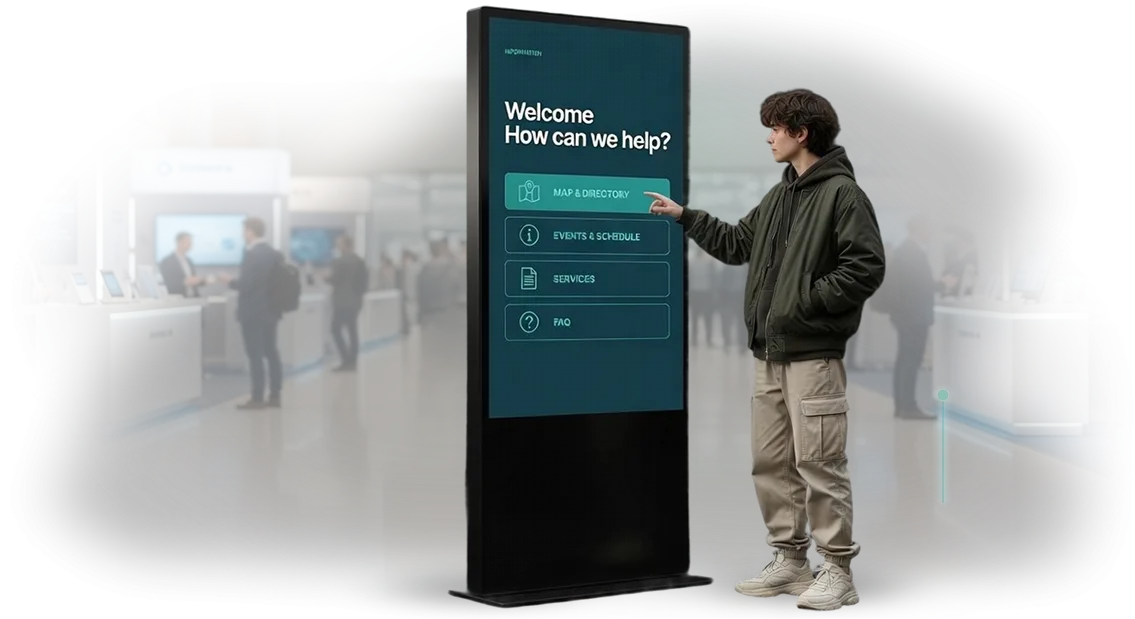
קיוסקים בשירות עצמי: איך לחסל תורים ולקצץ עלויות
תורים בענף המזון הם אובדן הכנסות ישיר. כאשר 5–7 אנשים מצטופפים ליד הקופה בשעות העומס, חלק מהלקוחות לא מחכים להזמנה שלהם ועוזבים למקום סמוך.
קיוסקים בשירות עצמי פותרים את הבעיה: הלקוח מבצע הזמנה תוך 30–40 שניות ללא קופאי, והתור מפסיק להיות צוואר בקבוק.
סעיף העלות השני הוא כוח אדם. צריך לגייס קופאים, להכשיר אותם, לשלם משכורות ומסים, לכסות משמרות, ולהשלים עם תחלופת עובדים. עמדות בשירות עצמי משתלטות על פעולות שגרתיות: קבלת הזמנות, בחירת מוצרים, תשלום בכרטיס.
עובד אחד יכול בו זמנית לסייע ללקוחות ולפקח על ביצוע ההזמנות במקום לעמוד מאחורי הקופה. זה מפחית את העומס על הצוות ומאפשר לקצץ במספר העובדים או להפנות אנשים למשימות בעלות ערך גבוה יותר.
אוטומציה של השירות מועילה גם ללקוח: אין שגיאות של קופאי, תוכן ההזמנה והסכום הסופי גלויים, ואפשר לבחור תוספות בנחת. הביקורים החוזרים גדלים כי התהליך הופך צפוי ומהיר.
מבחינת העסק, זה אומר חשבון ממוצע גבוה יותר הודות למכירות נוספות שהממשק עצמו מציע.
קיוסקים בשירות עצמי מחזירים את ההשקעה באמצעות חיסכון בכוח אדם והגדלת התפוקה. בימי עומס, המקום משרת 30–40% יותר לקוחות ללא הרחבת שטח או גיוס עובדים נוספים. אנחנו מטפלים בתכנון, אספקה, התקנה ותמיכה — אתם מקבלים מערכת עובדת, לא רק ציוד.
למה לקוחות בוחרים בעמדות ומה זה נותן לעסק
לקוחות מודרניים מעריכים את הזמן שלהם. במקום לחכות ליד דלפק הקבלה, הם מעדיפים להבין את השירותים במהירות בעצמם, וקיוסק מידע מציע בדיוק את ההזדמנות הזו — בלי תורים ובלי שיחות מיותרות.
שירות מהיר יותר משפיע ישירות על הרושם: מבקר מקבל את המידע הדרוש או מבצע הזמנה תוך דקה במקום עשר. זה מפחית תסכול ובונה יחס חיובי כלפי המקום.
כאשר שירות לא גורם לאנשים לחכות, הלקוחות מוכנים יותר לחזור ולהמליץ על המקום לחברים. נאמנות מוגברת באה לידי ביטוי גם בביקורים חוזרים וגם בביקורות חיוביות שמשמשות כפרסום חינם.
הקיוסק נתפס כסימן לגישה מודרנית — המשתמשים מרגישים טוב כשהם יודעים שהזמן שלהם מוערך.
העמדות גם עוזרות להגדיל את החשבון הממוצע. במהלך תהליך הבחירה, הקיוסק מציג באופן לא פולשני מוצרים נוספים, מבצעים עונתיים או שירותים נלווים, וחלק מהלקוחות נענים להצעה.
במקביל, עומס העבודה על הצוות פוחת: העובדים מפסיקים לבזבז זמן על פעולות שגרתיות ויכולים להקדיש יותר תשומת לב לנושאים מורכבים שדורשים מעורבות אישית.
בסופו של דבר, כל עמדה הופכת לנקודת צמיחה: היא חוסכת זמן ללקוחות, מגדילה הכנסות ומקלה על הצוות. הבעלים מקבל תהליך שירות ניתן לניהול בלי לאבד איכות, והלקוחות מקבלים שירות צפוי בכל שעה ביום. זה יתרון שכל המשתתפים מבחינים בו במהירות — מבקרים, צוות והנהלה כאחד.
פורמטים של קיוסקים בשירות עצמי לצרכי העסק
פורמט הקיוסק קובע עד כמה הוא משתלב בצורה אורגנית בחלל שלך וכמה מהר הוא מתחיל לייצר ערך. עמדת שולחן קומפקטית ליד הקופה היא דבר אחד; עמדה חיצונית מלאה שעובדת בכל מזג אוויר היא דבר אחר.
אנחנו בוחרים את המבנה והמידות כך שיתאימו לחצרים, לתנועת הלקוחות ולמקרה השימוש שלך, כך שהציוד לא יאסוף אבק בפינה אלא יחזיר את ההשקעה כבר מהשבועות הראשונים.
| פורמט | למי זה מיועד | מה זה נותן ללקוח |
|---|---|---|
| קיוסקים עומדים | קניונים, חנויות סלולר, בנקים | מושכים תשומת לב, מתמודדים עם תנועת רגלים גבוהה, מחליפים תורים פיזיים. |
| עמדות שולחן | בתי קפה, דלפקי קבלה, חנויות קטנות | חוסכות מקום, מזרזות את השירות בלי לשפץ את הרצפה. |
| צמודות קיר ומובנות | בתי מרקחת, מרפאות, תחנות דלק | משתלבות בצורה קומפקטית בעיצוב הפנים, לא חוסמות מעבר. |
| קיוסקים חיצוניים | תחנות דלק, פארקים, תחנות אוטובוס, חלונות ראווה | פועלים מסביב לשעון, מקבלים תשלומים ומחלקים הזמנות ללא צוות. |
| קיוסקים למסעדות | מזון מהיר, מתחמי אוכל, קנטינות | מקצרים תורים, מגדילים את החשבון הממוצע באמצעות מכירות נוספות ומפחיתים את העומס על הקופאים. |
לקמעונאות ושירותים, אנחנו часто משלבים פורמטים: קיוסק עומד באזור הכניסה סופג את עומסי השיא, בעוד עמדת שולחן מזרזת את השירות ללקוחות קבועים. בחירת הפורמט משפיעה ישירות על המרת ההזמנות ועל מהירות החזר ההשקעה.
ננתח את תנועת הלקוחות ונקודות המגע שלך, נציע את התצורה האופטימלית ונעזור לחבר קופות רושמות ומערכות תשלום כך שהכל יעבוד מיום ההשקה.
איך אנחנו משיקים פרויקט במפתח מלא: שלבים ולוחות זמנים
אנחנו עובדים במפתח מלא: מהפגישה הראשונה ועד קיוסק עובד ותמיכה שוטפת. השקה טיפוסית של מיקום אחד אורכת 3–6 שבועות — אנחנו קובעים את לוח הזמנים המדויק לאחר הבריף ולא משנים אותו ללא הסכמתך.
להלן שלבי היישום ולוחות הזמנים להתקנה:
- בריף וסקירת משימה. אנחנו לומדים את תחום העסק שלך, את זרימת המבקרים ואת המטרות: הזמנה עצמית, תשלום, הנפקת מסמכים, ניווט. אנו קובעים את פורמט הקיוסק ואת דרישות המיקום.
- תוכנית, הערכת עלות ולוחות זמנים. אנחנו מאשרים את היקף העבודה, העלות ותאריך ההתקנה. אתה מקבל מסמך ברור עם שלבים ואחראים — בלי עבודה נסתרת.
- עיצוב תרחיש וממשק. אנחנו מפתחים את היגיון המסך סביב פעולות משתמש אמיתיות. אבות טיפוס מאושרים לפני תחילת הייצור.
- הכנת תוכן ותוכנה. אנחנו מעבירים את הטקסטים, המחירים וההוראות שלך, ומגדירים אינטגרציה עם מערכת הנהלת החשבונות או מסד הנתונים שלך. הכל נעשה לפני ההתקנה.
- התקנת הקיוסק והשקה. אנחנו מתקינים את הציוד, מחברים חשמל ורשת, ובודקים את האינטראקציה עם השירותים שלך. ההשקה מתבצעת בשעה נוחה כדי לא להפריע למבקרים.
- בדיקות וקבלה. אנחנו מריצים את כל תרחישי המשתמש בשטח. אנחנו בודקים אמינות ונוחות שימוש — רק אז אנחנו מוסרים את הקיוסק לתפעול.
- תמיכה ועדכונים. אנחנו עוקבים אחר הביצועים, מעדכנים תוכן לפי בקשתך ופותרים בעיות במהירות כדי שהקיוסק לעולם לא ישבת בטל.
מה כלול במסירה ובתמיכה
אתה מקבל פתרון מוכן במפתח מלא, לא רשימת חלקים והוראות הרכבה. אנחנו מטפלים בכל המסע: מהמסירה ועד המסך הראשון שנטען ביום המיועד.
- חומרת קיוסק בשירות עצמי — מעטפת, מסך מגע, מודול מחשב ורכיבי תשלום. הכל נבדק לתאימות ומיועד לפעילות 24/7 במרחב ציבורי.
- תוכנה — ממשק מבקרים, פאנל ניהול ומערכת עדכונים מרחוק. אנחנו מתאימים את הממשק לסגנון ולהיגיון התפריט שלך כך שלקוחות יוכלו לנווט בו ללא סיוע צוות.
- התקנה וחיבור בשטח — מסירה, הגדרה, תצורת רשת וחשמל. אנחנו מגיעים לפי לוח הזמנים שלך כך שהפעילות שלך לעולם לא נעצרת.
- אינטגרציה עם מערכות הנהלת חשבונות — אנחנו מחברים את הקיוסק לתוכנת הנהלת החשבונות, רישומי המלאי ושירותי התשלום שלך. אתה רואה נתונים עדכניים ותשלומים במערכת המוכרת לך.
- הכשרת צוות — מפגש מעשי קצר למנהלים: איך לטעון מוצרים, לשנות מחירים, להפיק דוחות ולטפל בשאלות אופייניות של מבקרים. ניתן בשטח או בשיחת וידאו.
- אחריות ותמיכת שירות — אחריות רשמית על תפעול הקיוסק, אבחון מרחוק וביקורי מהנדס בעת הצורך. אנחנו עוקבים אחר תקינות המערכת כדי שהיא לא תשבת בטל.
- חומרים מתכלים ותחזוקה — אנחנו מספקים נייר קבלות, סרטים תרמיים ורכיבים כך שלא תצטרך למצוא אותם בנפרד. תחזוקה שוטפת מפחיתה את הסיכון לתקלות בשעות העומס.
בסופו של דבר, אתה מקבל חבילה אחת עם נקודת אחריות אחת: כל בעיה — חומרה, תוכנה, קישוריות או שירות — מטופלת על ידי הצוות שלנו. זה חוסך ממך ריצה בין קבלנים שונים ומבטיח שהקיוסקים פועלים בצורה אמינה.
מקרה בוחן: איך רשת בתי קפה קיצרה את זמן השירות
עבור רשת בתי הקפה «Зёрна», הבעיה הייתה חריפה: בשעות העומס, 8–10 אנשים הצטופפו ליד הקופות, וחלק מהלקוחות עזבו בלי לחכות להזמנה שלהם. הרחבת צוות הקופאים לא הייתה אטרקטיבית — זה אומר עלויות גבוהות יותר ופחות גמישות.
הצענו להעביר חלק מההזמנות לקיוסקים בשירות עצמי תוך שמירה על התפריט המוכר והשירות החם.
תוך שלושה שבועות פרסנו קיוסקים בחמישה מיקומים עם התנועה הגבוהה ביותר. ההתקנה לקחה זמן מינימלי: תפריט, מחירים, מבצעים — הכל סונכרן עם הקופה, והצוות עבר הכשרה קצרה. הפעילות של בית הקפה לא נעצרה ליום אחד.
מדדנו את התוצאות לאחר חודש. זמן השירות הממוצע ירד משלוש עד ארבע דקות לדקה וחצי, והתור בשעת הצהריים נחתך בחצי. הלקוחות הפסיקו לעזוב, והתפוקה של המיקום גדלה ב-45%.
שמחנו במיוחד מהעלייה של 12% בחשבון הממוצע: הקיוסק מציע באופן לא פולשני להוסיף סירופ, קינוח או להגדיל את המשקה. הלקוחות נענים יותר מאשר עם קופאי כי ההחלטה היא שלהם, בלי מבוכה.
ההשקעה החזירה את עצמה תוך שבעה חודשים — הודות להפחתת עומס הקופאים ולמכירות נוספות. העובדים עברו להכנת קפה ולקשר עם הלקוחות, בעוד הקיוסק לקח על עצמו הזמנות שגרתיות.
לאחר התוצאות הראשונות, הרשת הזמינה שלושה קיוסקים נוספים למיקומים חדשים — מה שמאשר את ערך הפתרון.
מה אם יש לך דרישות ספציפיות?
כל עסק מתמודד עם משימות שפתרון מוכן לא מתאים להן. קיוסקים לא סטנדרטיים הם לא בעיה — הם מצב נפוץ עבורנו: אנחנו לא כופים את המשימה שלך על מוצר סטנדרטי אלא מפתחים פתרון אישי מאפס או משכללים פתרון קיים.
דרישות ספציפיות חורגות מהמראה החיצוני אל היגיון התפעול. אנחנו מתאימים את הממשק לתרחישים שלך: הכפתורים הנכונים, זרימה ברורה ללקוח, אינטגרציה עם מערכות הנהלת החשבונות שלך — כל זה כבר כלול בפרויקט. הקיוסק עובד בדרך שנוחה למבקרים שלך, לא בדרך ש"הנוהג הסטנדרטי" מכתיב.
ראשית, אנחנו לומדים כיצד בדיוק הציוד ישמש: באזור המתנה, בחוץ או באזור ללא השגחה. לאחר מכן אנחנו בוחרים את המעטפת הנכונה, ההגנה, שיטת ההצבה ויוצרים אב טיפוס מסך.
אתה רואה את התוצאה לפני ההשקה ויכול לבצע שינויים — זה זול ומהיר יותר מאשר לתקן מערכת מוגמרת.
המהנדסים שלנו מוצאים פתרונות אפילו למשימות שנראות בלתי תואמות: גורמי צורה יוצאי דופן, תנאי הפעלה לא סטנדרטיים, דרישות נגישות מיוחדות.
במקביל, אנחנו נשארים במסגרת התקציב ולוחות הזמנים המוסכמים — לאחר ההשקה, אנחנו תומכים בקיוסק, וניתן לחדד את הממשק ככל שהעסק שלך מתפתח.
עשה לך הרגל להשמיע את הדרישות הכי לא נוחות שלך — נייעץ לך כיצד ליישם אותן בעלות מינימלית ובתועלת מקסימלית ללקוחותיך. פתרון אישי מחזיר את ההשקעה בדיוק במקום שבו הסטנדרט יוצר מגבלות.
שאלות נפוצות על תפעול העמדות ואחריות
אנחנו מתייחסים לחששות האופייניים לפני רכישת קיוסקים בשירות עצמי: באיזו תדירות העמדות מתקלקלות, מי מטפל בתיקונים, האם קשה לצוות לשלוט בציוד החדש, ומה קורה עם הקופה הקיימת.
איזו אחריות חלה על קיוסקים בשירות עצמי ומה היא מכסה?
אנחנו מספקים אחריות רשמית על כל החומרה והתוכנה — מ-12 חודשים. האחריות מכסה החלפת חלקים פגומים, תיקון העמדה ועדכוני מערכת אם הם נדרשים לפעילות יציבה.
אם הבעיה נובעת מההרכבה או הרכיבים שלנו, אנחנו פותרים אותה על חשבוננו, כולל ביקור מהנדס. האחריות אינה מכסה רק נזק מכני שנגרם על ידי צד שלישי (לדוגמה, אם הקיוסק נפל במהלך העמסה).
באיזו מהירות תתקנו עמדה אם היא מפסיקה לעבוד?
זמן הפתרון הממוצע לבעיה אופיינית הוא 1 עד 3 ימי עסקים מרגע פנייתך אלינו. יש לנו מחסן חלקי חילוף ואבחון מרחוק: מהנדס מתחבר למערכת, מוצא את הסיבה ולעתים קרובות פותר אותה ללא ביקור בשטח.
אם התקלה חמורה, אנחנו מחליפים את הרכיב בשטח או לוקחים את הקיוסק למרכז השירות שלנו. במהלך התיקונים, הלקוח לעולם לא נשאר ללא יחידה עובדת — אנחנו יכולים לספק עמדה חלופית.
עד כמה העמדות יציבות במצב שירות עצמי?
אנחנו משתמשים ברכיבים בדרגה תעשייתית המיועדים לפעילות 24/7, לא לעומסי משרד. העמדה עומדת בזרימת מבקרים גבוהה, תנודות טמפרטורה ומגעים חוזרים במסך.
התוכנה מוגדרת כך שלאחר הפסקת חשמל הקיוסק מופעל מחדש לבדו וחוזר למצב פעולה. התערבות צוות נדרשת רק לעתים רחוקות — המנהל צריך רק לבדוק את הסטטוס בלוח הבקרה.
האם קשה לשלב את הקיוסק עם מערכת הקופה שלנו?
זו אחת המשימות הסטנדרטיות עבור המהנדסים שלנו. אנחנו מחברים את הקיוסק לתוכנות קופה פופולריות, מערכות מלאי ושירותי משלוחים, תוך שמירה על זרימת נתונים אחת להזמנות ותשלומים.
האינטגרציה מושלמת לפני ההשקה: אתה מקבל עמדה עובדת יחד עם תצורה, בדיקות ותיעוד. אם תרצה מאוחר יותר לשנות את פתרון הקופה, נעזור לך להגדיר מחדש את החיבור.
מי מאמן את הצוות לעבוד עם הקיוסקים, ואיך?
כל הפקדים מתוכננים לעובד ממוצע: לקחת הזמנה, להנפיק קבלה ולהחזיר את הלקוח למסך הבית במידת הצורך. המומחים שלנו מאמנים מנהלים וקופאים במפגש קצר אחד — בדרך כלל לא יותר משעה.
ההכשרה מתבצעת מרחוק עם הדגמה על עמדה אמיתית. אנחנו גם מספקים הוראות קצרות ומדריכי עזר מהירים כך שעובדים חדשים יוכלו להתעדכן במהירות בלי לשאול שאלות את ההנהלה כל הזמן.
קבל הערכת עלות ראשונית תוך יום אחד
שלח בקשה לקיוסק בשירות עצמי — ועד יום העסקים הבא תקבל הערכת עלות ראשונית לפרויקט. אנחנו מבינים כמה חשוב להעריך במהירות את התקציב ולוחות הזמנים לפני קבלת החלטה.
לכן הייעוץ הראשון הוא ללא התחייבות: תלמד את עלות היישום בפועל, את האפשרויות האפשריות ואת שלבי העבודה.
מה כלול בהערכת העלות:
- עלות ראשונית של פיתוח והשקת הקיוסק למשימה הספציפית שלך.
- המלצות פונקציונליות: מתצוגת מידע פשוטה ועד חוויית שירות עצמי מלאה.
- הערכת לוח זמנים: מבריף ועד השקה בשטח.
- אפשרויות מונטיזציה והחזר השקעה אם הקיוסק מקבל תשלומים.
- תוכנית אינטגרציה עם מערכות הנהלת החשבונות, תוכנית הנאמנות או ה-CRM שלך.
- הצעה מסחרית עם מחיר קבוע לאחר סיום הפרטים.
לאחר קבלת הבקשה שלך, המנהל שלנו יצור איתך קשר תוך מספר שעות, יבהיר כמה שאלות ויכין את המסמך. לא תצטרך ללמוד פרטים טכניים — אנחנו נציע את הפתרון האופטימלי בעצמנו.
בלי עמלות נסתרות ובלי התחייבויות: הערכת העלות היא נקודת פתיחה לדיאלוג. אם הפרויקט לא מתאים, נגיד זאת בכנות. אם כן, תקבל תוכנית פעולה שקופה והתחלה מהירה לפיתוח.
שלח את הבקשה שלך עכשיו כדי לדעת עד מחר כמה עולה הקיוסק בשירות עצמי שלך ובעוד כמה שבועות הוא ישרת את הלקוחות שלך.