

לקוחות מוסך עוזבים בלי לקנות: איך מתקנים את זה?
כשלקוח מגיע למוסך כדי לקנות חלק, הוא מצפה לפתרון מהיר: אומרים את שם החלק — מקבלים תשובה על זמינות ומחיר.
אבל לעתים קרובות זה קורה אחרת: המכונאי הולך לחדר האחורי, דפדף בקטלוגים מנייר או מתקשר לספקים, בזמן שהלקוח ממתין 10–15 דקות.
הדקות האלה הופכות לעצבנות, וחלק מהמבקרים בסופו של דבר אומרים "אחשוב על זה" ועוזבים כדי לחפש את החלק במקום אחר — לרוב באינטרנט, שבו הכל נראה מיד.
אובדן לקוחות בשלב הזה פוגע בהכנסות יותר ממה שנדמה. ראשית, זה מכירה אבודה של החלק עצמו.
שנית, לקוח שלא חיכה לתשובה לא סביר שיחזור למוסך לתיקונים ותחזוקה — הוא יזכור את חוסר הנוחות וילך למתחרים.
שלישית, מבקר לא מרוצה יספר לחברים על החוויה שלו, והמוניטין של המוסך ייפגע לפני שאפילו תבינו את הסיבה.
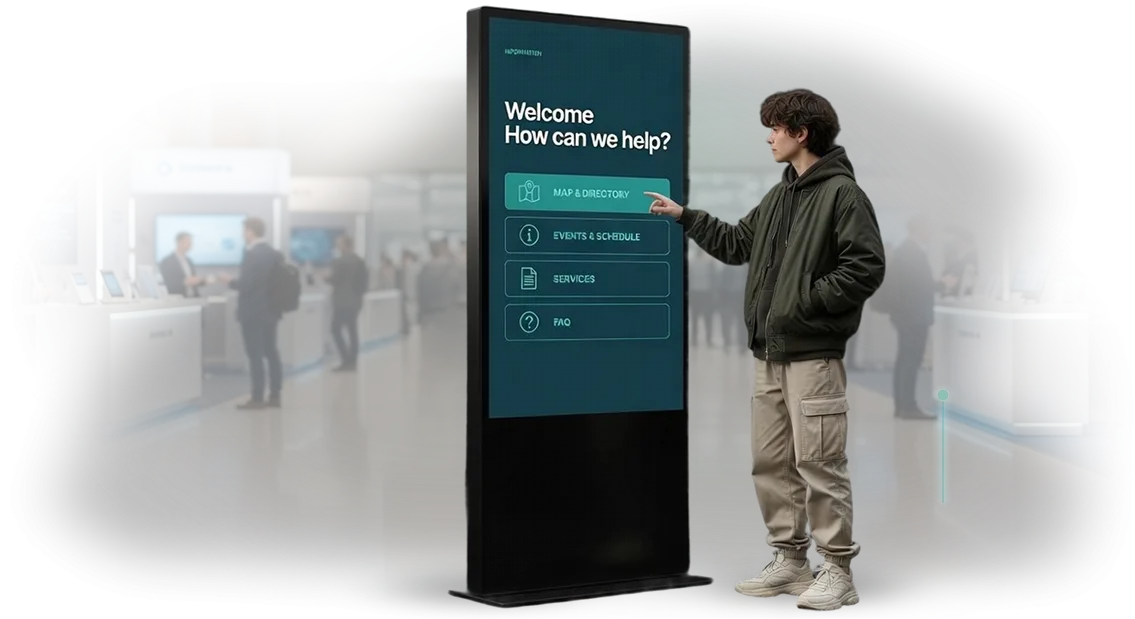
הפתרון ברור — תנו ללקוחות אפשרות לראות את קטלוג החלקים והשירותים בעצמם. קטלוג אינטראקטיבי על מסוף או טאבלט באזור ההמתנה מאפשר למבקר למצוא את החלק המתאים בכמה הקשות, לראות את המחיר, הזמינות וזמני האספקה.
הם כבר לא תלויים במהירות של המכונאי ושולטים בתהליך בעצמם. התוצאה היא מעורבות במקום עצבנות, ורכישה או הזמנת חלק בתשלום מראש במקום עזיבה.
גישה זו משפיעה ישירות על גידול במכירות במוסך: זמן הטיפול בפנייה פוחת, מספר ההזמנות שהושלמו והחשבון הממוצע עולים, ומופיעה היכולת להציע מוצרים ושירותים נלווים. הלקוח רואה שהמוסך מתקדם עם הזמן וחוזר ברצון רב יותר.
אנחנו מפתחים קטלוגים אינטראקטיביים למוסכים ועוזרים לפתור את בעיית החיפוש הארוך אחר חלקים. אנחנו מעצבים את הממשק סביב המטרות העסקיות שלכם, משלבים את הקטלוג עם מערכת הנהלת החשבונות, ומכשירים את הצוות — כך שהלקוחות שלכם יפסיקו לעזוב בלי לקנות.
שלושה יתרונות עיקריים של קטלוג אינטראקטיבי לעסק שלכם
לקוחות מוסך לא אוהבים לחכות — לא בתור לתיקונים ולא כשהם בוחרים חלקים. קטלוג אינטראקטיבי על מסוף פותר את שתי הבעיות: לקוחות יכולים לעיין בשירותים ובמחירים בעצמם בזמן שהמכונאי עסוק.
אנחנו מפתחים קיוסקים כאלה לצרכים העסקיים שלכם, והנה מה שהם משיגים בפועל.
יתרון: שירות מהיר יותר
המסוף לוקח על עצמו את המשימות השגרתיות: הלקוח רואה את הרשימה המלאה של השירותים, בוחר את מה שהוא צריך, ועובר מיד לתשלום. המכונאי לא צריך להיות מוסח על ידי הסברים וניירת — זמן הקבלה מתקצר פי אחד וחצי עד פי שניים.
הצוות מתמקד בתיקונים במקום בשיחות בתור. המהירות משפיעה ישירות על תפוקת אזור העבודה — אתם מקבלים יותר מכוניות באותו זמן.
יתרון: חשבון ממוצע גבוה יותר
הקטלוג מציג פריטים נלווים — שמנים, פילטרים, עבודות נוספות. לקוח שכבר בחר את השירות העיקרי מוסיף לעתים קרובות פריט נוסף. זה מעלה בהתמדה את החשבון הממוצע לביקור ללא מכירה אקטיבית של הצוות. המוסך מייצר הכנסה נוספת מכל לקוח בלי להוציא על פרסום.
יתרון: נאמנות לקוחות
שקיפות ומהירות הן הסיבות העיקריות לחזור. כשהלקוח רואה, מבין ומזמין הכל בעצמו, האמון במוסך גובר. והיכולת להזכיר לו על הטיפול הבא דרך הקיוסק הופכת ביקור חד-פעמי לשיתוף פעולה מתמשך. לקוחות ממליצים בשמחה על המוסך לחברים — אלה לידים חדשים בחינם.
שלושת היתרונות מחזקים זה את זה: שירות מהיר יותר — לקוח מרוצה יותר — חשבון ממוצע גבוה יותר — ביקורים חוזרים. אתם מקבלים צמיחה ברווחים ללא השקעות פרסום נוספות.
פורמטים של קטלוג אינטראקטיבי למסוף במוסך
מבקר במוסך מגיע עם משימה ספציפית: למצוא במהירות את המחיר של שירות, לבחור חלק, או להבין כמה זמן תהיה ההמתנה. אם המידע לא ברור, הלקוח מתחיל להסס ועוזב כדי להשוות מחירים באינטרנט.
קטלוג אינטראקטיבי על מסוף פותר את הבעיה הזו — הוא נותן תשובה בכמה הקשות ומוריד עומס מהמנהלים.
מוסכים שונים עובדים עם תהליכים שונים: אחד צריך רק רשימת מחירים פשוטה, אחר צריך בחירה חכמה לפי מספר רכב (VIN). כדי לבחור את פורמט הקיוסק האופטימלי, בדקו אילו משימות הוא צריך לכסות — להלן פירוט האפשרויות העיקריות.
| פורמט | למי זה מתאים | מה זה נותן ללקוח |
|---|---|---|
| רשימת מחירים אינטראקטיבית | מוסכים עם רשימת שירותים סטנדרטית ומחירים יציבים | מבקרים רואים את עלות השירות בעצמם ולא מחכים לייעוץ; למנהל יש יותר זמן לשיחה איכותית עם הלקוח |
| בחירה לפי מספר רכב (VIN) | מוסכים שבהם דיוק התאמת חלקים חשוב | לקוחות מזינים את קוד הרכב ומקבלים רשימה של פריטים תואמים — פחות טעויות, החזרות ומחלוקות |
| קטלוג רכב עם פילטרים | מוסכים רב-מותגיים עם קטלוג חלקים גדול | משתמשים מוצאים חלקים לפי יצרן ודגם ללא מעורבות הצוות; בקשות מגיעות עם מספר חלק מוכן |
| קטלוג משולב | מוסכים שמוכרים מוצרים נלווים ושירותים נוספים | המסוף הופך לחלון ראווה: מבקרים רואים שירותים, חלקים ואביזרים בממשק אחד ולעתים קרובות יותר מוסיפים פריטים להזמנה |
בחירה לפי מספר רכב (VIN) ורשימת מחירים אינטראקטיבית אפשר לשלב במסוף אחד — הלקוח בוחר את התרחיש הנוח לו. אנחנו נעזור לתכנן קטלוג למשימות שלכם ולזרימת המבקרים כך שהקיוסק ישתלם כבר מהשבועות הראשונים לפעילות.
איך תהליך פיתוח הקיוסק עובד: מהבריף ועד ההשקה
בצוות שלנו, פיתוח קיוסק למוסך הוא תהליך שקוף שבו אתם שולטים בכל שלב. אנחנו קובעים לוחות זמנים, מציגים את האב-טיפוס לפני התכנות, ולא נוטשים את הפרויקט אחרי ההתקנה — אנחנו עוזרים בהשקה ובתמיכה טכנית שוטפת.
- בריף וניתוח צרכי המוסך. אנחנו בודקים אילו שירותים ומוצרים צריך להציג, איך לקוחות מקבלים מידע כיום, ואילו תרחישים צריך לכסות: מחיפוש שירות ועד הזמנת תור.
- אישור אב-טיפוס ומודל. אנחנו מציגים את מבנה הקטלוג ואת לוגיקת הניווט על המסך. אתם רואים איך הקיוסק ייראה לפני התכנות ויכולים לבצע שינויים ללא עלויות נוספות.
- פיתוח הקטלוג האינטראקטיבי. אנחנו בונים את הממשק, ממלאים אותו במוצרים ובשירותים שלכם, ומחברים תמונות, מחירים ותיאורים. לקוחות מוצאים את מה שהם צריכים בכמה הקשות — בלי תור למנהל.
- אינטגרציה עם מערכת הנהלת החשבונות ושירותי ההזמנות. אם צריך, אנחנו מחברים את המסוף לתוכנת הנהלת החשבונות שלכם — הנתונים תמיד עדכניים, ולקוחות יכולים להזמין תור ישירות בקיוסק.
- בדיקות והשקת הקיוסק. אנחנו מוודאים פעולה על חומרה אמיתית, מגדירים לעומס שיא, ומתקינים את המסוף באזור ההמתנה. אנחנו עוברים את ההשקה יחד איתכם כדי שהכל יעבוד מהיום הראשון.
- הכשרת צוות ותמיכה טכנית. אנחנו מלמדים מנהלים איך לעזור לאורחים ולעדכן את הקטלוג, ואז נשארים בקשר: פותרים בעיות במהירות, מעדכנים תוכן ומשפרים פונקציונליות ככל שהמוסך גדל.
מה כלול במסירת הקיוסק האינטראקטיבי
כשאתם מזמינים קיוסק אינטראקטיבי למוסך, חשוב להבין: אתם לא מקבלים רק מסך אלא כלי מכירה עובד. אנחנו מרכיבים חבילת מפתח מלאה כך שהמסוף מתחיל לספק ערך מהיום הראשון — בלי תוספות מחיר נסתרות או התקנה ארוכה. כל מה שצריך להשקה ולפעילות שוטפת כלול במסירה.
- מסך מגע במארז מוגן — עמיד בפני אבק, לחות ופגיעות מקריות, כך שהוא עובד באופן אמין באזור המתנת הלקוחות.
- עמדה או תושבת קיר — נבחרת לפי החלל שלכם, לא תופסת מקום נוסף ומתאימה לעיצוב הפנים.
- תוכנה — קטלוג המוצרים והשירותים כבר מוגדר למבחר, למחירים ולמבצעים שלכם. לקוחות מוצאים את הפריט המתאים בעצמם ורואים מידע עדכני.
- פאנל ניהול לעדכונים — אתם משנים מחירים, תיאורים ותמונות בעצמכם בלי לערב מתכנתים.
- הוראות והכשרת צוות — מדריך קצר: איך להפעיל, להפעיל מחדש את המסוף ולפתור בעיות פשוטות במקום.
- התקנה והפעלה — המומחים שלנו מתקינים את הציוד, בודקים את החיבור למסד הנתונים שלכם ומוודאים שהכל עובד.
- אחריות ותמיכה טכנית — במקרה של תקלה כלשהי, אנחנו משחזרים את הפעולה במהירות כדי שהקיוסק לא יעמוד בטל וימשיך לייצר בקשות.
בסופו של דבר, אתם מקבלים נקודת שירות עצמי מוכנה שעוזרת ללקוחות לבחור שירותים מהר יותר ומעלה את החשבון הממוצע. אתם לא צריכים לקנות שום דבר נוסף או להבין בפרטים טכניים — הכל כבר מחושב.
מקרה בוחן: החשבון הממוצע עלה ב-20% אחרי השקת הקיוסק
כשרשת המוסכים AvtoTech פנתה אלינו, הבעלים התלוננו על ירידה בחשבון הממוצע ועל בחירת חלקים איטית.
לקוחות עזבו לעתים קרובות בלי לחכות לייעוץ, ומנהלים בילו עד 15 דקות על פנייה אחת, מוסחים מטיפול במכוניות שכבר היו באתר. הצענו להציב קיוסק אינטראקטיבי עם קטלוג מוצרים ושירותים באזור ההמתנה.
הקיוסק אפשר ללקוחות לבחור חלקים ואביזרים באופן עצמאי לפי מותג הרכב, להשוות מחירים ולראות מיד זמינות. הממשק היה פשוט כמו אפליקציה ניידת — מבקרים הסתדרו בלי עזרת הצוות, ומנהלים היו מעורבים רק בשלב ההזמנה.
זמן הבחירה הממוצע ירד פי שלושה, ומספר הלקוחות ה"אבודים" ירד באופן ניכר.
רשמנו את התוצאות חודשיים אחרי השקת הקיוסק. החשבון הממוצע עלה ב-20% — לקוחות החלו להוסיף יותר מוצרים ואפשרויות שראו על המסך לשירותים שלהם. ההכנסות של המוסך גדלו, וההזמנות החוזרות עלו בכמעט שליש.
זמן הבחירה ירד פי שלושה — מ-15 ל-5 דקות — כך שמנהלים יכולים לשרת יותר לקוחות במשמרת. הנה מה שהמנהל אומר: "לפני כן איבדנו לקוחות בשלב הבחירה; עכשיו הם בוחרים וקונים בעצמם. הקיוסק החזיר את ההשקעה תוך חודשיים."
מה שמשמח במיוחד הוא שהלקוח לא עצר במסוף הראשון. הם הזמינו שני קיוסקים נוספים לסניפים אחרים — עבורנו, זה המדד העיקרי לכך שהמערכת באמת מייצרת רווח.
מה אם יש לכם דרישות ספציפיות למסוף?
במוסך, מסוף rarely עובד לפי תבנית: לכל חברה יש שירותים, מחירים, מבצעים ולוגיקת הזמנות משלה.
תפריט סטנדרטי often לא משקף את הפרטים — למשל, ייתכן שתצטרכו להציג ללקוחות שלבי תיקון, להשוות עלות בין חלקים מקוריים וחלופיים, או לארגן הזמנת תור עם טכנאי ספציפי.
אנחנו לוקחים את זה בחשבון ולא מציעים פתרון "ארוז"; במקום זאת, אנחנו מעצבים ממשק סביב התהליכים העסקיים שלכם.
אם אתם צריכים מארז לא סטנדרטי — מובנה בדלפק הקבלה, חיצוני עם הגנה נגד ונדליזם, או בסגנון המותג של החברה — אנחנו נעצב ונייצר אותו.
כך גם לגבי עיצוב: מסך המסוף יכול לעקוב לחלוטין אחרי ספר המותג שלכם, לתמוך בצבעי המותג, בלוגו ובטון התקשורת, כך שהקיוסק נראה כמו חלק מהמוסך ולא כמו מכשיר זר.
אנחנו גם מטפלים באינטגרציות בנפרד. המסוף יכול לעבוד עם מערכת ה-CRM או הנהלת החשבונות שלכם: לשלוף מחירים עדכניים, זמינות חלקים, היסטוריית פניות לקוחות, ולשלוח אוטומטית בקשות הזמנה.
זה מבטל הזנת נתונים ידנית, מונע טעויות של מנהלים ומאיץ את השירות — לקוחות רואים מידע עדכני ואתם מקבלים נתונים מובנים לניתוח.
אנחנו עובדים מרחוק בכל הארץ ומטפלים בכל המחזור: מהבריף והאב-טיפוס ועד המסירה וההתקנה. אם יש לכם משימה לא סטנדרטית, שלחו לנו תיאור ואנחנו נציע פתרון שמתאים לתהליך ולתקציב שלכם. העיקר הוא שהמסוף פותר את הבעיה שלכם, לא רק עומד בפינה.
אנחנו עונים על שאלות נפוצות על תפעול הקיוסק האינטראקטיבי
אנחנו מבינים ששאלות מעשיות עולות כשמיישמים קיוסק אינטראקטיבי במוסך: אמינות, עדכניות הקטלוג, מוכנות הצוות, ומה קורה אם הציוד מתקלקל. אנחנו עונים ישירות כדי שתוכלו לקבל החלטה בביטחון.
האם הקיוסק אמין? אילו ערבויות אתם נותנים?
הקיוסק מורכב מרכיבים תעשייתיים ומיועד לפעילות רציפה במוסך — יציבות חשובה כאן יותר מאשר עם ציוד משרדי. אנחנו נותנים אחריות רשמית על הציוד, ההתקנה והחלק התוכנתי.
אם מתרחש מקרה אחריות, אנחנו מגייסים את צוות השירות ופותרים את הבעיה במהירות — אתם אף פעם לא נשארים לבד עם בעיה.
איך מעדכנים את קטלוג המוצרים והשירותים?
אתם יכולים לתחזק את הקטלוג בעצמכם דרך פאנל ניהול פשוט — בלי מתכנת ועלויות נוספות. או להשאיר את העדכונים לנו: אתם שולחים נתונים, אנחנו מבצעים שינויים ובודקים דיוק. בשני המקרים, לקוחות באזור ההמתנה רואים תמיד פריטים, מחירים ומבצעים עדכניים. זה משפיע ישירות על הזמנות לעבודות נוספות.
האם יהיה קשה לצוות ללמוד את הציוד החדש?
ההכשרה אורכת לא יותר משעה: אנחנו מראים איך להפעיל את הקיוסק, לשנות חומרים ולתקן בעיות קטנות. אנחנו מספקים מדריך עזר קצר ונשארים זמינים בשעות העבודה.
רוב העובדים מתחילים לעבוד באופן עצמאי אחרי המשמרת הראשונה, כך שההנהלה לא צריכה לבזבז זמן על פיקוח מתמיד.
מה עושים אם הקיוסק מתקלקל?
פנו לתמיכה שלנו — אנחנו קודם מבצעים אבחון מרחוק; לעתים קרובות אנחנו יכולים לפתור את הבעיה מרחוק תוך דקות. אם צריך להחליף חלק, אנחנו מביאים אותו ומבצעים את התיקון במקום.
במקרים קריטיים, אנחנו מסדרים מכשיר חלופי כדי ששירות הלקוחות לא ייפסק ואתם לא תאבדו הכנסות.
קבלו ייעוץ על פיתוח קיוסק לעסק שלכם
קיוסק במוסך הוא לא רק מסך עם רשימת מחירים, אלא כלי שמקצר את זמן ההמתנה ומעלה את החשבון הממוצע.
בזמן שהמנהל עסוק, מבקרים חוקרים את קטלוג השירותים, החלקים והאביזרים בעצמם — ולעתים קרובות מזמינים משהו שלא חשבו עליו קודם.
כשהקטלוג נפתח במגע אחד, לקוחות מפסיקים לשאול את אותן שאלות. הצוות מבלה פחות זמן בייעוץ שגרתי, ואתם מקבלים יותר הזמנות במשמרת בלי להגדיל את מספר העובדים.
כדי להזמין קיוסק למוסך שלכם, אתם לא צריכים להבין בטכנולוגיה. בואו לייעוץ — נדון במשימות שלכם, נציע פרויקט אישי ונכין חישוב עלות. זה לוקח זמן מינימלי, ותקבלו תוכנית פעולה ברורה.
מה תלמדו מהייעוץ:
- העלות המדויקת של הפיתוח למשימות שלכם — מהעיצוב ועד תוכן הקטלוג;
- לוח הזמנים להשקה ובאיזה שלב הקיוסק יתחיל לפעול במוסך שלכם;
- איך הקיוסק ישתלב באזור ההמתנה ואיזה תוכן יביא את הערך הרב ביותר;
- איזה ציוד מתאים לחלל ולזרימת הלקוחות שלכם;
- אפשרויות תמיכה לאחר ההשקה והתחייבויות אחריות;
- דוגמאות לאיך קיוסקים כבר החזירו את ההשקעה ללקוחות בתעשיות דומות.
השאירו פנייה באתר — זה לא מחייב. נחזור אליכם, נברר את הפרטים ונכין חישוב עלות, ואתם תוכלו להחליט בשלווה אם זה משתלם לעסק שלכם.