

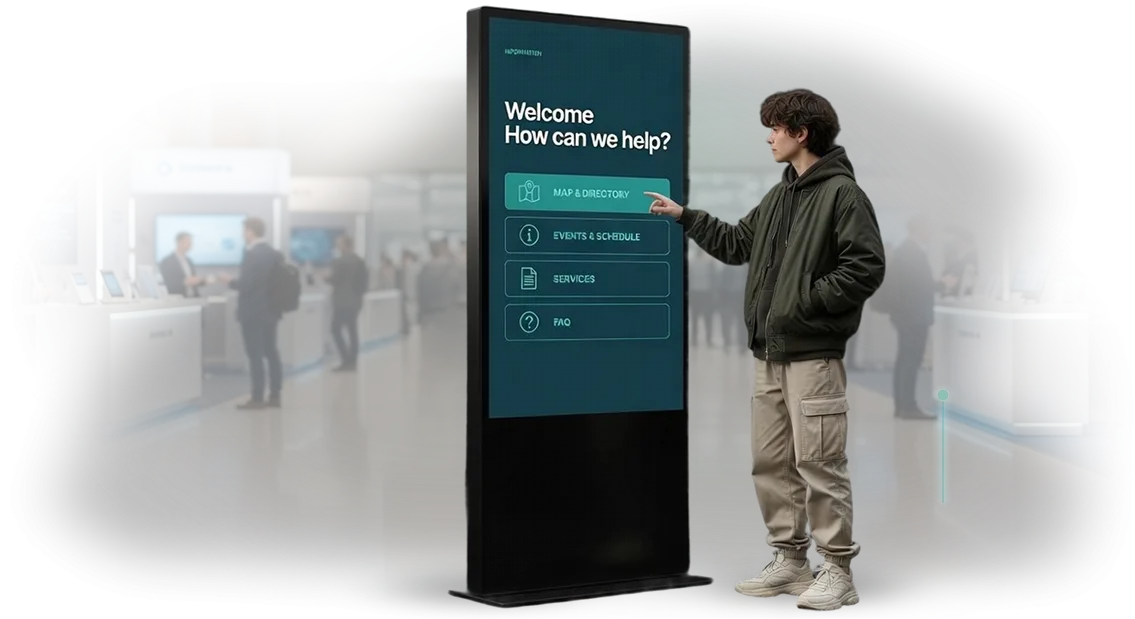
מדוע הקיוסק שלכם לא עובד לפיתוח ילדים
ילד מושך את אמא שלו לכיוון היציאה, למרות שבמרכז הילדים יש קיוסק מסך מגע גדול עם קטלוג שירותים. המסך מציג בנימוס רשימה, אבל אין שם שום דבר שהילד יכול לעשות, ולהורה אין זמן להבין את זה.
הקיוסק מותקן, אבל הוא לא פותר את הבעיה: המבקרים חולפים על פניו, לא לומדים על השירותים, ולא משאירים פרטי קשר.
למה זה קורה? התפתחות ילדים מונעת על ידי משחק וסקרנות, אבל רוב הקיוסקים מיועדים למבוגרים: מיקום גבוה, אלמנטים קטנים, רשימות ארוכות, ללא משוב. ממשק כזה לא מעורר רגש, ולכן גם ילדים וגם הורים לא משתמשים בו.
עבור העסק, זהו אובדן הכנסות: המבקר לא לומד על חוגים נוספים, לא נרשם, ולא חוזר. קיוסק אינטראקטיבי הופך לרהיט יקר שלא מביא לא חשיפה, לא ביקורים חוזרים, ולא לידים שימושיים.
המנהלים נאלצים להמשיך לענות על אותן שאלות, ואין לכם נתונים על מה שמעניין את הלקוחות שלכם.
כדי שקיוסק יועיל למרכז ילדים, הוא חייב לעניין ולשעשע, לא רק להציג מחירון.
אנחנו יוצרים קיוסקים אינטראקטיביים למרכזי ילדים כבר 10 שנים: ציוד מקצועי, סצנריונים צבעוניים, ודמויות שמדברות אל ילדים.
קיוסק כזה הופך לנקודת משיכה, הקטלוג הופך למשחק, ולהורים יש זמן לחקור את השירותים ולרשום את הילד שלהם לחוג ניסיון.
מה קיוסק אינטראקטיבי מביא לעסק שלכם
במרכז ילדים, ההורה מקבל את ההחלטה בזמן שהילד עסוק. קיוסק אינטראקטיבי עם קטלוג חוגים הופך את זמן ההמתנה להכרות עם התוכניות שלכם.
עבור הבעלים, הוא מספק כלי שמחזיק תשומת לב, אוסף אנשי קשר, ומגביר את ההכרות עם המותג.
החזקת תשומת לב ומעורבות
בזמן שההורים מטפלים בניירת, הילד גולש בקטלוג עם כרטיסים צבעוניים, סרטונים, וחידונים קצרים. החוויה האינטראקטיבית שומרת על עניין: הקשות, אנימציות, משימות — אלה דברים שילדים מבינים. הילד עסוק, וההורה לומד ברוגע מידע על החוגים.
יותר לידים בלי לשלם על פרסום
הקיוסק מציע להשאיר מספר טלפון בתמורה לחומר שימושי על התפתחות ילדים. לידים מגיעים מעצמם, מהורים מתעניינים שכבר ראו את התוכניות על המסך. המנהל מקבל אנשי קשר מוכנים להזמנה לחוג חינם.
נאמנות והכרות עם המותג
הדמויות הצבעוניות של הקטלוג מעוררות רגשות חיוביים אצל ילדים, שעוברים למותג של המרכז. ילדים מבקשים לחזור, הורים ממליצים על המרכז למשפחות אחרות.
הקיוסק הופך לנקודת משיכה: מבקרים מצלמים את המסך ומשתפים ברשתות החברתיות — החשיפה גדלה בלי השקעות פרסום.
אמינות
הצוות שלנו מתקין ומגדיר את הקיוסק כך שיתאים למטרות המרכז: קטלוג שירותים, לוח אירועים, הרשמה לחוגים. הכל רץ על ציוד מקצועי ומנוהל דרך פאנל פשוט — אתם מעדכנים מחירים ולוחות זמנים תוך כמה דקות.
פורמטים של קיוסק אינטראקטיבי לפיתוח ילדים
בפיתוח ילדים, קיוסק משרת שלושה קהלים בו זמנית: הילד מקבל פעילות מרתקת, ההורה מקבל נוחות וניווט ברור, ואתם מקבלים מעורבות מוגברת וביקורים חוזרים.
אנחנו בוחרים את פורמט הקיוסק לפי סוג המתחם והמטרות שלכם: מקטלוג משחקי במועדון התפתחות ועד קיוסק חינוכי במוזיאון או במרכז ילדים.
| פורמט קיוסק | למי הוא מיועד | מה הוא נותן ללקוח |
|---|---|---|
| קטלוג משחקי | מועדוני ילדים, מרכזי התפתחות, חנויות צעצועים | הילד בוחר חוגים או מוצרים בעצמו דרך משחק, ההורים רואים את העניין ובוטחים בהמלצות שלכם. גודל הסל הממוצע ומספר ההרשמות לחוגי ניסיון גדלים. |
| קיוסק חינוכי | מוזיאונים, תערוכות, חללים אינטראקטיביים, חוגי העשרה | חידונים, פאזלים ומשימות קטנות שומרים על הילד ליד המסך, מגדילים את זמן השהייה ועוזרים לספוג את החומר. אתם מקבלים מעורבות גבוהה וביקורות נלהבות של מבקרים. |
| קיוסק מידע להורים | מרכזים רפואיים, בתי ספר לשפות, בתי קפה משפחתיים | ניווט בין אזורים, לוחות זמנים של חוגים, הזמנת תורים, תוכניות ומבצעים — הכל במקום אחד. הורים לא צריכים לחכות למנהל, ואתם מפחיתים את עומס העבודה על הצוות תוך הגברת הנאמנות. |
כל שלושת הפורמטים מותאמים למותג שלכם ולמטרה הספציפית: שנו את התוכנית, הוסיפו חוגים, חגים והצעות מיוחדות בלי לשנות את הציוד.
עבורנו, זה לא "טרמינל עם תפריט" אלא כלי פיתוח ילדים מלא שמביא הורים, שומר על מעורבות ילדים, ועושה את המתחם שלכם מודרני.
איך תהליך פיתוח הקיוסק עובד עבור המטרה שלכם
אתם מקבלים פתרון סוהר — בלי צורך להיכנס לפרטי היישום. אנחנו מטפלים בכל השלבים: מהפגישה הראשונה ועד ההשקה והתמיכה השוטפת.
בכל שלב, אתם רואים את התוצאה הבינונית ומאשרים החלטות מפתח, כך שהמוצר הסופי עונה במלואו על הציפיות שלכם.
-
בריף והבנת המטרה. אנחנו דנים מי ישתמש בקיוסק, אילו פונקציות נדרשות, ואיזו תוצאה אתם רוצים להשיג. אנחנו קובעים לוחות זמנים וקריטריוני הצלחה — זה הבסיס לכל השלבים הבאים.
-
עיצוב סצנריון. אנחנו חושבים כיצד המבקר יתקשר עם המסך: מבנה הקטלוג, לוגיקת החיפוש של מוצרים או שירותים, ונקודות שבהן נדרשת עזרה. כתוצאה מכך, אתם מקבלים דיאגרמה ברורה שקל לבדוק ולשנות.
-
עיצוב וסגנון ויזואלי. אנחנו יוצרים ממשק שמתאים לסגנון המותג שלכם ומתאים לתפיסה של ילדים: אלמנטים גדולים, הדגשים צבעוניים, תוויות פשוטות. אתם רואים את האב-טיפוס לפני תחילת הפיתוח ויכולים לבצע שינויים.
-
פיתוח והרכבת הפתרון. אנחנו מגדירים את לוגיקת ההפעלה, מחברים את הקטלוג, ובמידת הצורך, משתלבים עם מערכת הנהלת החשבונות שלכם. אנחנו משתמשים בכלים מוכחים כדי שהלקוח יקבל תוצאה יציבה ללא תקלות ברגע הקריטי ביותר.
-
בדיקות ואיתור באגים. אנחנו בודקים סצנריונים על מכשירים אמיתיים, כולל מצבים עם משתמשים מרובים ופעולה ממושכת. אנחנו מתקנים כל בעיה לפני שהקיוסק מגיע למתחם שלכם.
-
השקה והדרכה. אנחנו מתקינים את הציוד, מגדירים אותו, ומראים לצוות שלכם כיצד להעלות עדכונים ולנטר את המצב. אתם מקבלים מדריך קצר וגישה לתמיכה.
-
תמיכה וצמיחה. אחרי ההשקה, אנחנו נשארים בקשר: אנחנו עוזרים לעדכן תוכן, לשפר פונקציות, ולנטר יציבות. אם הקטלוג משתנה או נוצרות משימות חדשות — פשוט שלחו בקשה.
תהליך זה מבטיח שלעולם לא תישארו לבד עם מורכבויות טכניות. אתם שולטים בתהליך בכל שלב, ואנחנו אחראים לתוצאה — קיוסק עובד שעוזר למבקרים למצוא במהירות את מה שהם צריכים ומגביר את היעילות של החלל שלכם.
מה כלול במסירת הקיוסק האינטראקטיבי
אנחנו מוסרים את הפרויקט "מפתח ביד": הלקוח מקבל לא רק טרמינל, אלא פתרון מוכן לפיתוח ילדים שניתן להתקין ולהשתמש בו מיד. חבילת המסירה כוללת כל מה שצריך — מציוד ועד תוכן והדרכת צוות.
- ציוד: קיוסק מסך מגע עם בית מגן ומסך עמיד לוונדליזם, המיועד לשימוש אינטנסיבי של מבקרים.
- תוכן מותאם: משחקים אינטראקטיביים, חידונים וסצנריונים חינוכיים המותאמים למטרות המרכז או האירוע שלכם.
- התקנה והגדרה: המומחים שלנו מספקים, מתקינים ומחברים את הקיוסק, ובודקים את ההפעלה והתפקוד של כל הסצנריונים.
- הדרכת צוות: בריף קצר כדי שעובדים יוכלו להפעיל, להפעיל מחדש ולהחליף מצבים של הטרמינל.
- ניהול תוכן: פאנל פשוט לעדכון משחקים וטקסטים בלי מתכנת — בעצמכם.
- תמיכה טכנית: סיוע מרחוק, ייעוץ טלפוני וביקורים מהירים באתר בעת הצורך.
- אחריות ושירות: אחריות רשמית על הציוד, בדיקות תקופתיות ותחזוקה מונעת מהצוות שלנו.
חבילה זו מאפשרת לכם להשיק אזור אינטראקטיבי תוך ימים, לא חודשים. הכל כבר מוגדר לקהל שלכם — כל מה שנותר הוא להציע למבקרים חוויה חדשה.
מקרה בוחן: איך החיינו מרכז ילדים עם קיוסק
מרכז הילדים "מכטה" פנה אלינו עם כאב טיפוסי: היו הרבה שירותים, אבל ההורים בחרו רק מה שהיה ישירות מולם.
פליירים מנייר ומודעות במעלית לא הניבו את האפקט הנדרש — ההרשמות לחוגים נוספים היו איטיות, ומקומות פנויים ישבו ריקים. מנהלים בילו זמן בחזרה על אותה אינפורמציה, ומבקרים עזבו בלי לבצע רכישה.
הצענו להציב קיוסק אינטראקטיבי עם קטלוג מוצרים ושירותים בלובי. על המסך הגדול, הילד בוחר פעילות בעצמו באמצעות תמונות צבעוניות, וההורה רואה מיד את לוח הזמנים, הכיוון והשעות הפנויות. הכל קורה בפורמט משחקי, בלי תורים ובלי ניירת מיותרת.
מה השגנו בחודש הראשון
הקיוסק הפך לנקודת משיכה בלובי: ילדים ניגשים אליו מעצמם, ולהורים יש זמן לחקור את כל הכיוונים. הורים מבלים זמן ליד המסך בזמן שילדים עושים את הבחירות שלהם, והצוות יכול להתמקד במשימות שוטפות.
כתוצאה מכך, נוכחות המרכז גדלה ב-18%, ומספר ההרשמות לחוגים חוזרים גדל פי 1.5. כל שבוע, יותר מ-150 הרשמות בוצעו דרך הקיוסק — הרשמות שאבדו בעבר.
המרכז חזר אחרי כמה חודשים וביקש לעדכן את הקטלוג לתוכניות ולוחות זמנים חדשים. זה אומר שלא פתרנו בעיה חד-פעמית; בנינו כלי שמספק ערך כל יום.
גישה זו עובדת בכל פרויקט פיתוח ילדים — מסטודיו קטן ועד מרכזים עם מספר סניפים — כך שהפתרון קל לקנה מידה לכיוונים אחרים.
איך לבחור פורמט קיוסק למטרות שלכם?
אין קיוסק אוניברסלי שמטפל בכל המשימות באותה מידה. יש לבחור את הפורמט לפי המצב הספציפי: היכן הטרמינל ממוקם, מי משתמש בו, ואיזו תוצאה העסק צריך להשיג.
בפיתוח ילדים, חשוב להתחשב בשני קהלים בו זמנית — הילד שמתקשר עם המסך וההורה שמקבל את החלטת הרכישה או ההרשמה. פורמט שנבחר נכון מטפל בשתי המשימות בבת אחת.
התחילו מהשאלה "מה האורח צריך לעשות?". אם אתם צריכים להעסיק ילד בזמן שההורה מדבר עם מנהל, מעמד צמוד קיר וקומפקטי בגובה העיניים של הילד יעבוד.
אם המטרה היא להציג תוכניות התפתחות ולאסוף לידים, קיוסק עומד עם מסך גדול עדיף: הוא מושך תשומת לב, ולהורה יש זמן לקרוא את תיאורי החוגים.
לפורמטים קבוצתיים, כמו ימי פתוח, שולחן מסך מגע נוח — כמה ילדים יכולים להתאסף סביבו בבת אחת.
טעות אופיינית היא לבחור קיוסק לפי גודל ומחיר במקום לפי סצנריון השימוש. מסך גדול במסדרון צר יחסום את תנועת הולכי הרגל, בעוד טרמינל המוצב נמוך מדי יכריח מבוגרים להתכופף.
שימו לב לגובה האזור הרגיש למגע, ליציבות הבית, ולהגנה מפני הקשות מקריות. עבור מוסדות ילדים, אלה לא פרטים קטנים — הם דרישות בסיסיות של בטיחות ונוחות.
קריטריון חשוב נוסף הוא היכולת לעדכן תוכן בלי לשנות את המבנה. לוחות זמנים של חוגים, רשימות אירועים ורשימות מועדונים משתנים באופן קבוע. ודאו שאתם יכולים לעדכן חומרים במהירות — דרך פאנל ניהול קל לשימוש או דרך הקבלן שלכם לפי בקשה. אחרת, הקיוסק יתיישן במהירות ויפסיק לספק ערך.
עצה אחרונה: רשמו על נייר את המטרות העסקיות שלכם — שימור מבקרים, איסוף אנשי קשר, יידוע על שירותים — ואז בחרו את הפורמט שיתאים. אם אתם לא בטוחים, התחילו עם סצנריון אחד ובדקו אותו עם אורחים אמיתיים.
אנחנו עוזרים לכם לבחור תצורה לחלל ולמטרות שלכם, ובמידת הצורך, לחדד את העיצוב והתוכן — כך שהקיוסק יעבוד למען התוצאות של המרכז שלכם.
שאלות נפוצות על פיתוח ותמיכה בקיוסק
אנחנו מבינים כמה חשוב שקיוסק אינטראקטיבי במרכז ילדים יפעל ללא תקלות. הורים מקבלים החלטות על חוגים, ילדים מקבלים חוויות חדשות, והצוות חוסך זמן בהסברים.
לכן אנחנו מקדישים לא פחות תשומת לב לתקלות, לוחות זמנים ועדכונים מאשר לפרויקט עצמו.
להלן תשובות לשאלות נפוצות וחששות מרכזיים.
מה קורה אם הקיוסק מתקלקל?
אנחנו מספקים אחריות על הציוד והתוכנה, וכן חוזה שירות עם תמיכה. אם משהו נשבר, אתם מתקשרים אלינו — אנחנו מבצעים אבחון מרחוק, ואם נדרש תיקון, מחליפים את היחידה תוך 2–3 ימי עסקים. במהלך התיקון, אנחנו מספקים ציוד חלופי כדי שהקיוסק לא יעמוד בטל.
כמה זמן לוקח הפיתוח?
מהבריף ועד ההשקה, בדרך כלל לוקח 2–4 שבועות תלוי בכמות התוכן ובמורכבות הלוגיקה. אנחנו עובדים בשלבים ברורים ומציגים גרסאות ביניים, כך שאתם רואים את התוצאה בכל שלב. אם אתם צריכים השקה לאירוע ספציפי — נדון בלוחות זמנים מואצים.
האם אפשר לשנות תוכן בלי מתכנת?
כן, יש פאנל ניהול פשוט לכך. אתם מעדכנים את לוח הזמנים, הקטלוג, המחירים והחדשות בעצמכם, והדרכת הצוות אורכת יום אחד. עדכונים מתרחשים תוך כמה דקות, בלי צורך בידע טכני.
מהם תנאי האחריות והתמיכה?
האחריות מכסה את הציוד והתוכנה. החוזה מפרט את זמני התגובה ואת הליך ההחלפה, וניתן להאריך את התמיכה לכל תקופה נוחה. אנחנו זמינים לאורך כל זמן פעולת הקיוסק.
הזמינו פיתוח קיוסק אינטראקטיבי
מרכז פיתוח ילדים חי לפי לוח הזמנים שלו: חוגים, מועדונים, ייעוצי מומחים.
הורים מגיעים עם השאלה "מה מתאים לילד שלי?", וככל שהם מקבלים תשובה מהר יותר, כך האמון שלהם במרכז שלכם גבוה יותר ומספר ההרשמות לחוגי ניסיון גדל.
קיוסק אינטראקטיבי הוא היועץ הדיגיטלי שלכם בלובי. הוא עוזר למבקרים לנווט בין השירותים, למצוא תוכנית לפי גיל או עניין, להציג את לוח הזמנים, ולרשום את הילד לחוג מיד.
אתם מקבלים יותר פניות בשירות עצמי, הפחתת עומס על המנהלים, ותדמית מודרנית למרכז שלכם.
מה תקבלו אחרי הפנייה
אנחנו מטפלים בכל המסע: מהרעיון ועד ההשקה והתמיכה. השאירו בקשה — ותוך יום עסקים אחד, נדון במשימה שלכם.
- מחיר מחושב לאחר בדיקה — נמסור לכם את המחיר אחרי בריף קצר, בלי עמלות נסתרות.
- ייעוץ על סצנריון הקיוסק — נייעץ אילו סעיפים ופונקציות יספקו את הערך הרב ביותר למבקרים הספציפיים שלכם.
- אב-טיפוס ממשק לפני תחילת הפיתוח — אתם רואים ומאשרים איך הקיוסק ייראה לפני שלב התכנות.
- התאמה לזהות המותג שלכם — הקיוסק הופך לחלק טבעי מהפנים, לא אלמנט "זר".
- הדרכת צוות והוראות — המנהלים שלכם לא יצטרכו הכנה טכנית.
- אחריות על העבודה ותמיכה לאחר ההשקה — אנחנו נשארים זמינים לאחר מסירת הפרויקט, ועוזרים בעדכונים ושיפורים.
כדי לקבל הערכה ראשונית, פשוט התקשרו או השאירו בקשה באתר — ספרו לנו אילו משימות הקיוסק צריך לפתור, ואנחנו נציע את הפתרון האופטימלי לתקציב וללוח הזמנים שלכם.
הזמינו פיתוח קיוסק אינטראקטיבי עכשיו — ותוך כמה שבועות, המרכז שלכם יקבל את פני המבקרים עם עוזר דיגיטלי מודרני שעובד עבורכם כל יום.