

אורחים עוזבים בגלל שירות ירוד: בעיה בענף האירוח
האירוח מתחיל לא בעיצוב הפנים או בתפריט, אלא במהירות שבה אורח מקבל את המידע שהוא צריך.
כשאורח במלון או במסעדה לא מוצא תשובה — היכן השולחן שלו, איך להזמין מונית, אילו שירותים זמינים — הוא חש אי-נוחות ותסכול.
בענף האירוח זה כואב במיוחד: הרושם נוצר בתוך הדקות הראשונות, ואורח שאבד לא חוזר.
שירות ירוד הוא לא תמיד עניין של צוות לא קשוב. לעיתים קרובות, העובדים פשוט לא יכולים פיזית לעמוד בקצב של מענה לאותן שאלות, במיוחד בשעות העומס.
בזמן שפקיד הקבלה עסוק, האורח עומד בתור, מבזבז זמן, וכבר בוחר בראשו מלון או מסעדה אחרים בקרבת מקום. כך עסק מאבד לקוחות בלי לדעת אפילו למה הם עזבו.
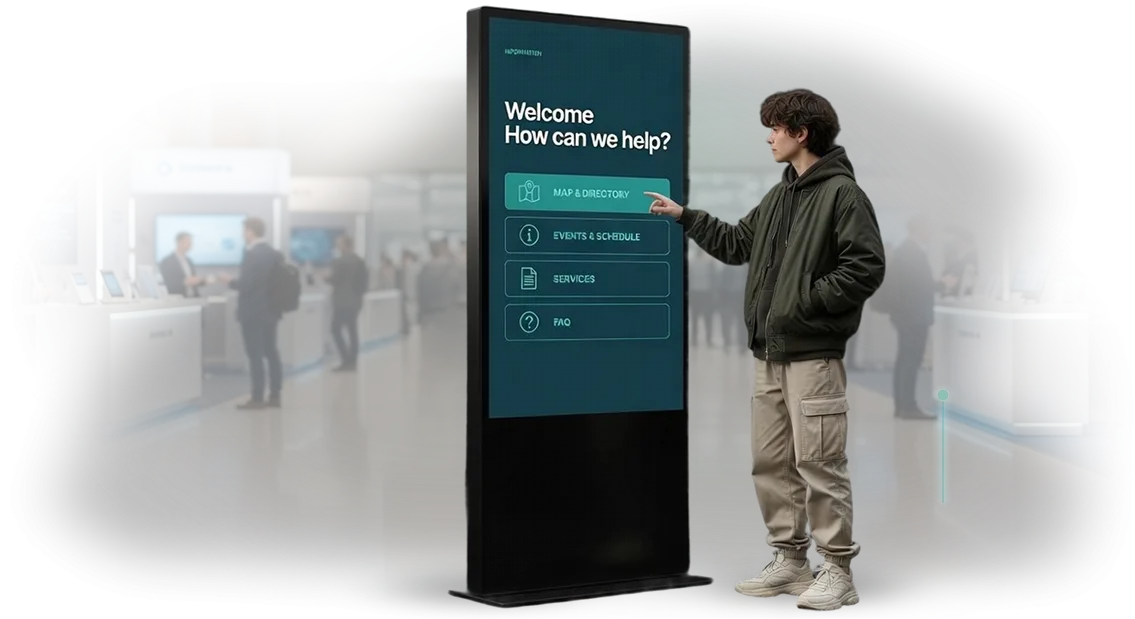
קיוסקים אינטראקטיביים פותרים את הבעיה הזו לפני שהיא נוצרת. אורחים מקבלים מידע על חדרים, שירותים, מבצעים וניווט בעצמם — בכל זמן, בלי לחכות ובלי מעורבות צוות.
התשובה מופיעה מיידית, ולעובדים נשאר זמן לאינטראקציה אישית עם אורחים שבאמת זקוקים לעזרה.
הטמעת קטלוג אינטראקטיבי בבתי מלון ומסעדות אינה תחליף לשירות אנושי אלא שיפור שלו. עסק שדואג למהירות ולנוחות נתפס כקשוב לפרטים.
הפרטים האלה הם שבונים נאמנות אורחים ומחזירים אותם שוב. אנחנו עוזרים לסגור את הצורך הזה: אנחנו מוודאים שאורחים תמיד מוצאים את מה שהם צריכים תוך שניות ועוזבים עם רושם חיובי.
מה מקבלים מהטמעת קטלוג אינטראקטיבי
אורח במלון או במסעדה לא תמיד יודע מה לבחור, והצוות לא יכול למצוא זמן לכל אדם. קטלוג אינטראקטיבי על מסך מגע הופך את ההמתנה להיכרות עם השירותים שלכם: אורחים חוקרים את התפריט, תוכניות הספא או הטיולים בעצמם. הכלי עובד מסביב לשעון, בלי ימי חופש.
נאמנות נולדת מתוך דאגה. כשהאורח מוצא בקלות את השירות שהוא צריך, רואה תיאור מפורט ותמונות, הוא מקבל רושם שמישהו דאג לו מראש. זה מוריד את החסם לפנייה הראשונה ומגביר את הרצון לחזור.
הקטלוג מוכר שירותים נוספים ברגע שבו האורח כבר נמצא במצב רוח קנייני. בזמן שאדם ממתין לשולחן או לצ'ק-אין, המסך מציג קינוחים, טיולים וטקסי ספא — והאורח מוסיף אותם להזמנה הראשית. החשבון הממוצע גדל בלי מעורבות פעילה של הצוות.
השאלות הקבועות — "מה יש לכם?", "כמה זה עולה?", "איך מזמינים?" — גוזלות שעות מפקידי הקבלה וממלצרים. הקטלוג לוקח על עצמו את השגרה: הוא עונה, מציג ועוזר להגיש בקשה. העובדים מתפנים לאינטראקציה אישית ולפתרון בעיות מורכבות של אורחים.
מסך מודרני בלובי או בדלפק הקבלה הוא סימן לכך שהעסק דואג לנוחות ולזמן של האורחים. אורחים זוכרים את החוויה הטכנולוגית ומספרים עליה לחברים. כך הקטלוג מחזק את המותג גם אחרי שהביקור מסתיים.
אנחנו מפתחים קטלוגים מותאמים לנכס הספציפי שלכם: ממבנה התפריט ועד לזהות המותג, תוך שימוש בציוד מקצועי ובהסתמך על ניסיון מעשרות פרויקטים בענף האירוח.
ההטמעה מספקת תוצאות מדידות — צמיחה בנאמנות, בחשבון הממוצע ובתדמית, לא רק "עוד מסך בלובי".
פורמטים של קטלוג אינטראקטיבי למשימות אירוח
בענף האירוח, אורחים מעריכים מהירות ותשומת לב: מבקר לא רוצה לחכות עד שעובד יתפנה — קל לו יותר למצוא את התשובה בעצמו.
הבחירה הנכונה של פורמט הקטלוג האינטראקטיבי קובעת כמה מהר אורחים מקבלים את המידע שהם צריכים וכמה תורידו מהעומס של שאלות שגרתיות מהצוות.
אנחנו בוחרים את גורם הצורה בהתאם לתרחיש שלכם: עמדות מגע לחקר עצמי של תפריטים ושירותים, קיוסקים אינפורמטיביים לניווט 24/7 במבנה או במתחם, וטאבלטים לצוות כך שעובד יכול לקבל אורח עם הקטע הנכון כבר פתוח.
בכל האפשרויות פועלת מערכת קטלוג מוצרים ושירותים אחת: התוכן משתנה במקום אחד ומתעדכן מיידית בכל המכשירים.
להלן השוואה בין משימות אירוח טיפוסיות לפורמטים מתאימים.
| פורמט | תרחיש אירוח טיפוסי | מה זה נותן ללקוח |
|---|---|---|
| עמדת מגע | לובי מלון, אזור המתנה במסעדה, מרכז ספא | אורחים חוקרים את התפריט, מחירון ומפת הנכס בעצמם, בלי להסיח את דעת הצוות |
| קיוסק אינפורמטיבי | מבואה, אזור כניסה, חניה, אזור כנסים | ניווט 24/7, לוח אירועים וקטלוג שירותים בלי מעורבות צוות |
| טאבלט לצוות | צ'ק-אין אורחים, שירות שולחנות, ליווי סיורים | גישה מהירה לקטלוג המלא: העובד עונה על כל שאלה וסוגר מכירה נוספת במקום |
אנחנו עוזרים לכם לבחור את הפורמט בשטח — אנחנו מציגים תרחישי הדגמה ומתאימים את הפתרון לעיצוב הפנים שלכם ולהיגיון של מסלולי האורחים. כתוצאה מכך, אתם מקבלים כלי שעובד לחיזוק המותג ולהגדלת החשבון הממוצע, לא רק "עוד מסך בפינה".
איך מתנהל תהליך הפרויקט: מהבריף ועד ההשקה
כדי לוודא שקיוסק אינטראקטיבי פותר את המשימות של העסק שלכם ולא סתם עומד בלובי, אנחנו מבנים את העבודה כתהליך שקוף. אתם מבינים בכל שלב מה קורה ומה תקבלו בסוף.
-
בריף והתעמקות במשימה. אנחנו מתעדים את המטרות: הצגת קטלוג, ניווט, הזמנת שירותים, הצגת נכס. אנחנו חוקרים את האורחים שלכם ואת תרחישי ההתנהגות שלהם — זה עוזר לעצב ממשק שלא יהיה צורך לשנות.
-
קונספט ואב-טיפוס. אנחנו מציעים מבנה מסך, היגיון מעברים וסגנון ויזואלי שמתאים לעיצוב הפנים. אתם רואים איך האורח ישתמש בקיוסק עוד לפני שפיתוח מתחיל.
-
אישור עיצוב. אנחנו דנים בעיצוב, בטקסטים ובהרכב הקטלוג ומבצעים תיקונים במהירות — בזמן שהעיצוב עוד לא עבר לפיתוח. זה חוסך תקציב ושומר על לוחות זמנים.
-
פיתוח ומילוי תוכן. אנחנו בונים את הממשק, מחברים את מאגר המוצרים והשירותים ומגדירים מחירים ותיאורים עדכניים. אנחנו עובדים עם ציוד מקצועי וכלים מוכחים, כך שהתוצאה יציבה.
-
בדיקה על תרחישים אמיתיים. אנחנו בודקים איך הקיוסק מתנהג בשימוש פעיל: תורים במסך, רשימות ארוכות, נגיעות מקריות. אנחנו מונעים תקלות אפשריות לפני שהאורח שלכם בכלל רואה את המכשיר.
-
השקת הקיוסק והדרכת צוות. אנחנו מתקינים, מגדירים ומראים לצוות שלכם איך לנהל תוכן. אתם מקבלים קיוסק עובד, מדריך ברור וביטחון שהכל תחת שליטה.
-
תמיכה ופיתוח. אנחנו עוקבים אחר יציבות תפעולית, מעדכנים את הקטלוג ועוזרים להוסיף פונקציות חדשות. הקיוסק נשאר כלי שימושי לצמיחה במקום להפוך למוצג חסר תועלת.
כל השלבים מתועדים בתוכנית ברורה — אתם תמיד יודעים מה קורה ומתי התוצאה תגיע. התוצאה: לוחות זמנים צפויים, עבודה שקופה וקיוסק שבאמת עוזר לאורחים שלכם.
מה כלול במסירה: חבילה מלאה ללקוח
אתם מקבלים לא רק מכשיר נפרד אלא פתרון סוהר שמתחיל לעבוד ביום ההתקנה. אנחנו מטפלים בעיצוב הממשק, בהגדרת התוכנה ובהדרכת הצוות — כל מה שנשאר לכם זה להשתמש בתוצאה.
מה כלול בחבילה הסטנדרטית
- תוכנה מותקנת מראש, כבר מותאמת למשימות שלכם: קטלוג מוצרים, תפריט, שירותים, מבצעים.
- אבות-טיפוס של עיצוב ממשק בסגנון המותג של החברה — הצבעים, הלוגו, התמונות והטקסטים שלכם.
- מערכת ניהול תוכן כדי שתוכלו לעדכן מחירים, להוסיף חדשות או לשנות באנרים בלי מתכנת.
- הוראות מפורטות לצוות: איך להפעיל את הקיוסק, להחליף חומרים מתכלים ולטפל במצבים טיפוסיים.
- הדרכה לצוות שלכם — קורס מעשי קצר שלאחריו העובדים עובדים עם המסך בביטחון.
- אחריות על חומרה ותוכנה.
- תמיכה טכנית לאחר ההשקה — אנחנו מייעצים, עוזרים בעדכונים ומגיבים במהירות לפניות.
כל פריט פותר משימה ספציפית. תוכנה מותקנת מראש חוסכת שבועות של זמן הגדרה, והדרכת צוות מבטלת שאלות אינסופיות של "איך זה עובד?".
זו לא רק רשימת שירותים — זו חבילה שנותנת לכם מיידית כלי עובד לשיפור איכות השירות לאורחים.
אם צריך להתאים או להוסיף משהו אחרי ההשקה, אנחנו נשארים בקשר. תמיכה באחריות עבורנו היא לא פורמליות אלא מחויבות לתוצאות שלכם ולנוחות של המבקרים שלכם.
מקרה בוחן: איך מלון הגדיל מכירות של שירותים נוספים
לכל מלון יש פוטנציאל נסתר למכירות נוספות: טיולים, טיפולי ספא, מסעדה, הסעות. אבל אורחים פשוט לא יודעים עליהם, ודלפק הקבלה עמוס בשאלות.
הצענו לפתור את זה עם קטלוג שירותים אינטראקטיבי על קיוסק — והסיפור של לקוח אחד אישר שהגישה עובדת.
איך זה קרה
רשת המלונות Lago Resort פנתה אלינו עם משימה: להגדיל הכנסות משירותים נוספים בלי להרחיב את הצוות.
אורחים נכנסו אבל לא השתמשו בספא או הזמינו טיולים — לא היה מספיק מידע, ולעובדים לא היה זמן לספר לאורחים על כל אפשרות.
התקנו קיוסק מגע עם קטלוג אינטראקטיבי: תוכניות ספא, סיורים, מסעדה, הסעות — הכל עם תמונות, תיאורים וכפתור הזמנה ישירות על המסך. חודשיים לאחר מכן, המלון ראה תוצאות מדידות.
מכירות השירותים הנוספים גדלו ב-40%. גם החשבון הממוצע עלה: אורחים בחרו יותר חבילות משולבות — למשל, יום ספא עם ארוחת צהריים.
למה זה עבד? אורח רואה את הקיוסק בלובי, מבלה 2–3 דקות בגלישה בקטלוג ומזמין בלי לחכות בתור. הצוות לא מבזבז זמן בחזרה על אותו מידע, והמלון מגדיל הכנסות מאותם מטרים רבועים. הקיוסק החזיר את ההשקעה בתוך החודש הראשון לפעילות.
אחרי זה, הלקוח הזמין קיוסק נוסף לסניף שני — בלי אישורים ארוכים. עכשיו הקטלוג האינטראקטיבי הפך לחלק מתקן השירות של הרשת, ומנהלים משתמשים בניתוח נתוני הקיוסק כדי להבין אילו שירותים אורחים בוחרים הכי הרבה.
איך לבחור את פורמט הקטלוג האינטראקטיבי הנכון לעסק שלכם
בחירת פורמט קטלוג אינטראקטיבי מתחילה לא במפרט טכני אלא בשאלה: מה אורח צריך לעשות מול המסך ב-30–60 שניות?
במסעדה, זו הזמנה מהירה בלי לחכות למלצר; במלון, זה צ'ק-אין עצמי או מידע על שירותים; בחלל תערוכה, זה חקר התערוכה. התשובה לשאלה הזו קובעת גם את סוג הציוד וגם את מערך הפונקציות.
אם מבקר צריך לבחור במהירות פריט ולגשת לשולחן, מספיק קיוסק קומפקטי צמוד קיר עם תפריט גדול וניווט פשוט.
אם אורח עומד בלובי וחוקר תוכניות ספא או מסעדות, צריך מסך עומד עם מסך גדול שנוח לקרוא גם בתאורה חזקה ובהמולה מסביב.
המאפיינים הספציפיים של העסק שלכם קובעים גם את עומק הקטלוג: מסעדה עם ישיבה פעילה צריכה אינטגרציה עם מערכת ניהול הזמנות, בוטיק במלון צריך תמונות באיכות גבוהה ואיש קשר של יועץ, ומוזיאון צריך מצב מולטימדיה שאנשים ירצו לחזור אליו.
דרישות לקיוסק עצמו נובעות גם מהמתחם שלכם. האם יש שקע חשמל ורשת בקרבת מקום? האם צריך הגנה מפני לחות אם המסך עומד ליד בריכה או על טרסה קיצית?
באיזו תדירות המבחר משתנה — זה קובע אם צריך יכולת עדכון תוכן מרחוק או שהעלאה מקומית מספיקה.
אנחנו עוזרים לכם להחליט על הפורמט לפני שפיתוח מתחיל: אנחנו מנתחים את תנועת האורחים, תרחישים טיפוסיים ומאפיינים פיזיים של האתר, כך שתקבלו לא "קיוסק לשם קיוסק" אלא כלי שמקל על הצוות ומגדיל את החשבון הממוצע.
ככל שתדמיינו בצורה מדויקת יותר את התנהגות האורח מול המסך, כך ההשקעה מחזירה את עצמה מהר יותר וקל יותר להרחיב את המערכת למשימות עסקיות חדשות.
התייחסות לחששות נפוצים של לקוחות
לפני הטמעת קיוסקים אינטראקטיביים, לבעלי מלונות, מסעדות ואתרי נופש יש בדרך כלל את אותם חששות. בואו נסתכל על העיקריים — בקצרה ולעניין, ולהלן תמצאו פירוט מפורט יותר.
האם הקיוסק יהיה מסובך מדי עבור הצוות?
ההגדרה אורכת כמה שעות, והממשק אינטואיטיבי בלי הוראות. אנחנו מדריכים פקידי קבלה ומלצרים בביקור אחד, וכל החומרים נשארים זמינים בצורה אלקטרונית.
עד כמה הציוד אמין לפעילות 24/7?
הקיוסקים בנויים עם רכיבים תעשייתיים ומיועדים לשימוש אינטנסיבי. במשך שנים של עבודה, חידדנו תוכנית תחזוקה מונעת: תקלות נדירות, ובמידת הצורך, אנחנו מחליפים את המכשיר במהירות בלי השבתה לעסק שלכם.
מתי יופיעו התוצאות הראשונות והפרויקט יחזיר את ההשקעה?
הקיוסק מתחיל לספק ערך מהיום הראשון: הוא מזרז את השירות, מעלה את החשבון הממוצע ומפחית תורים. תקופת ההחזר המדויקת תלויה בתרחיש, אבל רוב הלקוחות מחזירים את ההשקעה תוך כמה חודשים.
מה לגבי אחריות ותמיכה?
אנחנו מספקים אחריות על חומרה ותוכנה, ובמידת הצורך, מגיעים לאתר שלכם. כל העדכונים כלולים בחוזה — אתם יכולים להתמקד באורחים במקום בטכנולוגיה.
עדיין יש שאלות אחרות? עיינו בסעיף למטה — הוא מכיל תשובות לחששות נפוצים. אם המצב שלכם לא מכוסה שם, כתבו לנו: נעזור לכם להעריך תרחיש ולחשב את היתרונות.מוכנים להעלות את רמת השירות במלון או במסעדה שלכם?
קטלוג אינטראקטיבי במלון או במסעדה הוא כלי עבודה שמשפר את השירות ונותן לאורחים דרך נוחה לחקור תפריטים, שירותים ובידור. אורחים מקבלים החלטות מהר יותר, ואתם מקבלים יותר הזמנות בלי להרחיב את הצוות. אנחנו יוצרים פתרונות כאלה לענף האירוח ומבינים מה חשוב לעסק שלכם.
השאירו פנייה לייעוץ, ונחשב את עלות הקיוסק למשימות שלכם, וכן נייעץ איזה פורמט קטלוג אינטראקטיבי יביא את התועלת הגדולה ביותר דווקא לעסק שלכם. במקום דיונים ארוכים, תקבלו תוכנית פעולה ברורה ולוחות זמנים מובנים.
הנה מה שאתם מקבלים כבר בהתחלה:
- חישוב עלות הקטלוג האינטראקטיבי ולוחות זמנים להתקנה;
- ייעוץ מומחה על תרחישי שימוש בקיוסק;
- בחירת פורמט קיוסק שמתאים לעיצוב הפנים, לעומס ולמטרות העסקיות שלכם;
- המלצות על מיקום הקיוסק ותוכן הקטלוג;
- הצעה מסחרית ברורה עם שלבי השקה.
רוצים להזמין קיוסק למלון או למסעדה שלכם? השאירו פנייה באתר — ניצור קשר תוך יום עסקים אחד ונתחיל בהערכת עלות.
זה לא מחייב אתכם בשום צורה, ובסוף תדעו בדיוק איך לשפר את השירות ולשמח את האורחים שלכם.