

לקוחות לא מוצאים את השירות שהם צריכים בהיצע ה-IT ופונים למתחרים
לקוח נכנס למשרד של חברת IT עם מטרה ברורה: הוא צריך שירות מסוים, פתרון או ייעוץ. אבל במקום תשובה מהירה, הוא רואה דלפק קבלה, תורים ומנהל שעסוק במבקרים אחרים.
מבלי יכולת להתמצא, הלקוח הולך לאיבוד בזרם המידע ועוזב — לעיתים קרובות למתחרה שנמצא בבניין הסמוך או בראש תוצאות החיפוש.
כל עזיבה כזו היא לא רק פגישה אבודה — היא פנייה שמעולם לא מומשה והכנסות שמעולם לא נלכדו.
העסק כבר שילם כדי למשוך את הלקוח — פרסום ממוקד, האתר, פניות טלפוניות — ובשלב האחרון, במשרד, החוט נשבר.
המבקר לא מוצא את המחלקה הנכונה, לא מצליח להבין איך להזמין שירות, ומבזבז זמן בהמתנה במקום לקבל מענה.
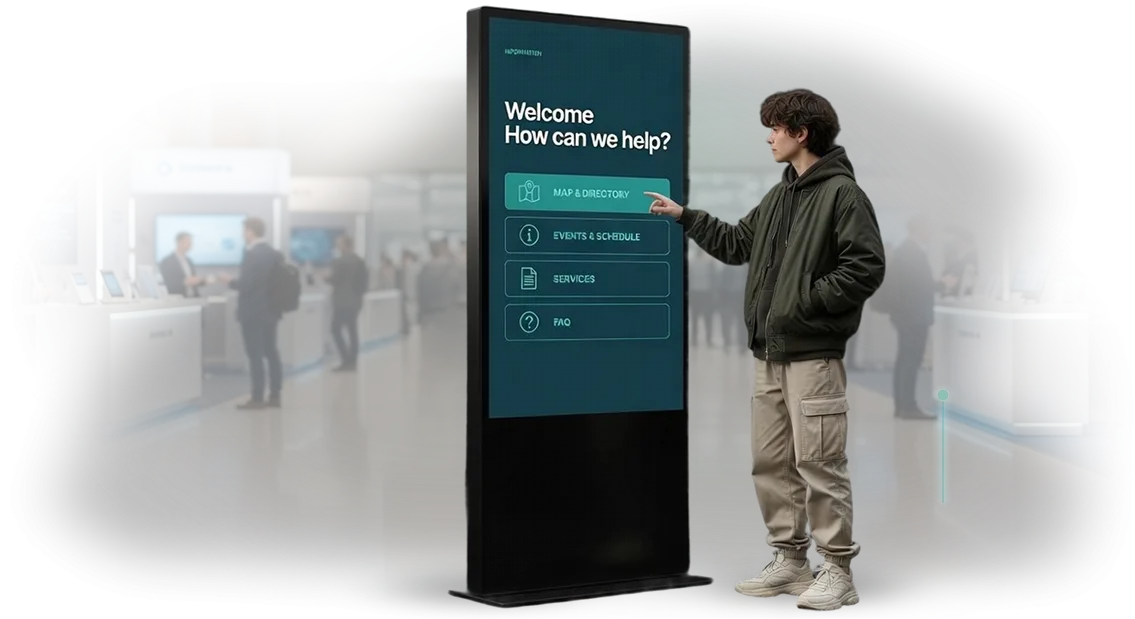
קיוסק אינטראקטיבי פותר את הבעיה הזו לפני שללקוח יש סיכוי להסתובב וללכת. על מסך המגע, המבקר רואה קטלוג מובנה של מוצרים ושירותים: קטגוריות, תיאורים, לוחות זמנים ומחירים.
הוא בוחר את הפריט שמעניין אותו, עיין בפרטים ומגיש פנייה בכמה הקשות — ללא תור וללא צורך במנהל. הקיוסק פועל כיועץ אישי הזמין לכולם בכל רגע.
עבור חברת IT, זה אומר שאף לקוח שנכנס לא נשאר ללא מענה. גם בשעות השיא, כשהמנהלים עסוקים, הקיוסק ממשיך לקבל פניות ולהעביר אותן ל-CRM.
המבקר עוזב עם התחושה שהחברה מעריכה את זמנו, והעסק רואה צמיחה מדידה בפניות באותה הוצאה פרסומית.
מה קיוסק אינטראקטיבי יכול לעשות לעסק שלך
לקוחות מעריכים מהירות ותשומת לב, בעוד העובדים שלך מבזבזים עד שליש מזמן העבודה שלהם על שאלות חוזרות: איפה נמצא מוצר, איך עובד שירות, אילו תעריפים זמינים. זה מאט את השירות ומסיח את דעת הצוות ממשימות חשובות באמת.
קיוסק אינטראקטיבי פותר את הבעיה הזו. מסוף מסך מגע בלובי או באזור ההמתנה מאפשר למבקרים לקבל את המידע שהם צריכים בעצמם בכל עת — ללא תורים וללא המתנה ליועץ.
אנחנו מפתחים פתרונות כאלה על חומרה מקצועית, כך שהקיוסק פועל בצורה אמינה ומתעדכן בקלות למבצעים ושירותים חדשים.
מה אתה מקבל מיד:
- יותר פניות. הקיוסק מציג ללקוחות אילו שירותים זמינים והופך את הבקשה לפשוטה יותר — מבקרים פונים אליך לעיתים קרובות יותר כי הם כבר קיבלו את המידע הראשוני.
- עומס עבודה מופחת לצוות. יועצים מטפלים רק בשאלות מורכבות ולא שגרתיות; המסוף סופג את השאלות השגרתיות.
- מכירות גבוהות יותר. קטלוג עם מחירים, מבצעים ותמונות מוצרים בקיוסק מעודד הזמנות נוספות: הלקוח רואה פריטים פופולריים ומקבל החלטה מיד.
- שירות לקוחות טוב יותר. מבקרים מוצאים תשובות בעצמם תוך 30 שניות — זה יוצר רושם של אכפתיות ומגביר נאמנות.
- תדמית חברה מודרנית. קיוסק מסך מגע באזור הקבלה מראה מיד שאתה משתמש בטכנולוגיה מודרנית לנוחות הלקוחות.
בזכות זה, המסוף מחזיר את השקעתו באמצעות חיסכון בזמן צוות ופניות נוספות, והחברה שלך נשארת צעד אחד לפני המתחרים.
פורמטים של קיוסק אינטראקטיבי לשירותי IT
פורמטים שונים של קיוסק משפיעים ישירות על האופן שבו מבקרים מתקשרים עם הקטלוג. מסופים צמודי קיר, עומדים וניידים פותרים משימות עסקיות שונות: מחיסכון בשטח רצפה ועד ניידות בתערוכה.
בחר מסוף בהתאם לתרחיש השימוש. עבור חברות שמוכרות שירותי IT, חשוב שלקוח ימצא במהירות את הפתרון הנכון וישאיר פנייה — ללא המתנה לייעוץ.
| פורמט קיוסק | מתאים במיוחד ל | מה הוא מציע ללקוח |
|---|---|---|
| צמוד קיר | כניסות, דלפקי קבלה, מעברים צרים | גודל קומפקטי וגישה מהירה לקטלוג |
| עומד | לובי מרווחים, אולמות תצוגה, אזורי המתנה | מושך תשומת לב, נוח לחקירת שירותים |
| נייד | תערוכות, כנסים, מבצעים זמניים | ניידות — קל לשנות מיקום |
קיוסק צמוד קיר תופס מינימום מקום, קיוסק עומד הופך לאלמנט ניווט בולט, ונייד מאפשר לשרת נקודות שונות ללא פגיעה באיכות.
בחירת מסוף היא אפוא פשרה בין שטח רצפה, זרם מבקרים ויעדים עסקיים.
אנחנו עוזרים לך לבחור את הפורמט כבר בשלב הבריף: אנו מנתחים את המיקום, המטרות וקהל היעד. אתה מקבל מסוף שמשתלב בתהליכים שלך ומניע צמיחה בהזמנות — לא כזה שרק עומד בפינה.
איך עובד פיתוח קיוסק: 6 שלבים
בנינו את תהליך הפיתוח כך שבכל שלב אתה מבין מה קורה ואיפה נדרשת המעורבות שלך. להלן ששת השלבים: מבריף ועד קיוסק עובד.
-
בריף וניתוח דרישות. אתה מספר לנו היכן ימוקם הקיוסק, מי הקהל המרכזי ומה הוא צריך לעשות — קטלוג, ניווט, סקרים או מצגת. אנו מבהירים את הפרטים ושולחים לך תיאור של התרחישים יחד עם המלצות חומרה.
-
אב טיפוס ואישור פריסה. אנו יוצרים מודל אינטראקטיבי של כל המסכים, המציג את זרימת הניווט ואפשרויות עיצוב. אתה רואה איך הקיוסק יעבוד לפני תחילת התכנות ויכול לבקש שינויים — זה חוסך זמן וכסף בשלבים מאוחרים יותר.
-
קונספט עיצובי. אנו מעצבים את הממשק כך שיתאים למותג שלך: גופנים, צבעים, קומפוזיציית מסך. הקיוסק הופך לחלק טבעי מהחלל, לא "קופסה לא במקום."
-
הרכבה והגדרת המערכת. מתכנתים מחברים את קטלוג המוצרים או השירותים, מגדירים עדכוני נתונים ומקשרים אותו לגיליונות הנתונים או למסד הנתונים שלך. במקביל, אנו מכינים את המעטפת — אתה מקבל חבילת "תוכנה + חומרה" אחת.
-
בקרת איכות. אנו בודקים את כל התרחישים: פעולה ארוכת טווח ללא תקלות, התנהגות במהלך אתחולים ומהירות תגובת המגע. אתה מקבל דוח בדיקה וגישת בדיקה כדי שתוכל לאמת את התוצאה בעצמך.
-
השקה ותמיכה. אנו מתקינים את הקיוסק, מאמנים את העובדים שלך ומוסרים לך את הכניסה ללוח הבקרה. לאחר ההשקה, אנו עוקבים אחר ביצועיו ועוזרים לעדכן תוכן — גם בזמן שאירוע כבר בעיצומו.
מה כלול בקיוסק אינטראקטיבי
בקיוסק אינטראקטיבי, הלקוח מעריך לא חלקים בודדים אלא כלי עבודה שלם שמגביר את נאמנות המבקרים ומקל על הצוות.
לכן אנו מציעים חבילה מלאה של מפתח לפתח: מהמעטפת ועד הדרכת עובדים, כך שלא תצטרך להרכיב פתרון מחלקים שסופקו על ידי קבלנים שונים.
כל מרכיבי החבילה נבחרו והוכחו בעשרות פרויקטים. אתה מקבל מערכת מכווננת, לא סט של רכיבים — זה מבטיח פעולה יציבה של המסוף מהיום הראשון ותחזוקה קלה בעתיד.
- מעטפת ומסך מגע. מעטפת עמידה עם הגנה מפני אבק ולחות מתאימה לאזורים עם תנועה רבה. מסך המגע מגיב במדויק למגע, כך שמבקרים לא צריכים מאמץ נוסף — אפילו ילדים וקשישים יתמודדו בקלות.
- תוכנה מותקנת מראש. קטלוג המוצרים או השירותים שלך כבר טעון לקיוסק ומוגדר למשימות שלך. אתה יכול להפעיל את המסוף מיד לאחר ההתקנה ולהתחיל לקבל פניות ביום ההשקה.
- התקנה והגדרה באתר. המומחים שלנו מספקים את הקיוסק, מתקינים אותו במקום הנכון, מחברים אותו לרשת ובודקים את כל התרחישים. אתה לא צריך לחפש צוות נפרד או להתעסק בפרטים טכניים.
- הדרכת צוות. אנו מעבירים תדריך קצר לעובדים שלך: איך לשנות מידע בקטלוג, לעדכן מחירים ולטפל בשאלות מבקרים פשוטות. ההדרכה אורכת לא יותר משעה ולא מרחיקה את הצוות מהעבודה.
- מדריכים ותיעוד ברורים. אתה מקבל סט חומרים: מדריך מפעיל קצר, כללי תחזוקה ואנשי קשר לתמיכה טכנית. אם משהו משתבש, יהיה לך תוכנית פעולה ברורה ואדם אחראי זמין.
אנחנו מטפלים בעיצוב, באספקה ובהשקה — ואתה מקבל ערוץ מוכן לתקשורת עם מבקרים. לאחר המסירה, כל מה שנשאר הוא לעדכן את הקטלוג; אנחנו דואגים לכל השאר.
מקרה בוחן: איך קיוסק הגדיל פניות ב-37%
לפני התקנת הקיוסק, מבקרים במשרד הלקוח שלנו — חברת ה-IT Systematica — חיכו 10–15 דקות לייעוץ, מנהלים הוסחו מעבודתם, וחלק מהלקוחות הפוטנציאליים עזבו בלי לדבר עם אף אחד.
המצב נראה מוכר מדי, אבל כשחישבנו את המספרים, התברר שכל אובדן כזה הוא פניית שירות שהוחמצה.
הצענו להציב קיוסק אינטראקטיבי באזור הקבלה. על המסך: קטלוג שירותי IT, תיק פרויקטים, המלצות וטופס פנייה פשוט.
המבקר חוקר את הכיוון הרלוונטי בעצמו, צופה במקרי בוחן ומשאיר פרטי קשר — ללא צורך במנהל. בתוך החודש הראשון, הקיוסק הפך לכלי העיקרי לייעוץ ראשוני.
תוצאות עסקיות
בתוך שלושה חודשים, מספר הפניות מהמסוף גדל ב-37% בהשוואה לתקופה שלפני ההתקנה. הזמן שבו אורח בילה בקבלת מידע ראשוני ירד מ-12 דקות ל-2 — זה הגדיל את ההמרה של מבקרים ללידים.
מנהלים הפסיקו להיות מוסחים על ידי שאלות חוזרות על שירותים ומחירים: הקיוסק מטפל ביסודות בעצמו.
גם המודעות למותג גדלה: כל מבקר שלישי צילם מסך עם מקרה בוחן או תעריף ושיתף אותו ברשתות החברתיות. זה נתן לחברה חשיפה נוספת ללא עלות פרסום.
החזר השקעה ושורה תחתונה
הקיוסק החזיר את השקעתו תוך ארבעה חודשים — אך ורק באמצעות פניות לשירותי הטמעה ותמיכה טכנית. עלות הציוד ופיתוח הממשק הוחזרה לפני שהתוכן היה זקוק לעדכון ראשון.
מאז, המסוף עובד כמנהל מכירות 24/7: הוא מקבל פניות, מסיר עומס שגרתי מהעובדים וממשיך להניב תוצאות גם לאחר סיום הפרויקט.
איך לבחור פורמט קיוסק לצרכים שלך?
בחירת פורמט קיוסק לא מתחילה בגודל מסך או בעיצוב מעטפת — היא מתחילה בשאלה: איזו משימה הוא צריך לפתור בעסק שלך? עבור חברת שירותי IT, זו יכולה להיות קטלוג מוצרים, הזמנת ייעוץ או מצגת אינטראקטיבית של פתרונות. הגדר מטרה עיקרית אחת — וכל השאר יסתדר סביבה.
השאלה הראשונה: היכן ימוקם הקיוסק, וכמה זמן יהיה למבקר לתקשר איתו? בלובי רועש עם תנועה רבה, אתה צריך ממשק גדול ותרחיש שלוקח רק כמה הקשות.
בחדר ישיבות או אולם תצוגה, שבו אורח שוהה דקות, אתה יכול להציע יותר חומרים, סרטונים ופרטי מוצר.
השאלה השנייה: איזו פעולה המשתמש צריך לבצע — ללמוד, להשוות, להשאיר פרטי קשר או להזמין מיד? אם המטרה היא איסוף פניות, טופס קצר וקריאה ברורה לפעולה מקבלים עדיפות.
אם מדובר בקטלוג מוצרים למסוף, העדיפות היא ניווט נוח בקטגוריות וחיפוש מהיר של הפריט הרצוי.
השאלה השלישית: תקציב ולוחות זמנים. בחירת קיוסק קשורה תמיד לתקציב: לפעמים מסך צמוד קיר קומפקטי מספיק; במקרים אחרים, יש צורך במסוף עומד עם עיצוב מותאם אישית התואם לזהות התאגידית שלך.
אנחנו אומרים לך בכנות היכן אתה יכול לחסוך מבלי לאבד איכות, והיכן ההשקעה תשתלם באמצעות שירות מהיר יותר ועומס מופחת על הצוות.
קחו בחשבון גם את המאפיינים הספציפיים של העסק שלך: עונתיות, מספר מיקומים ומוכנות הצוות לעדכן תוכן באופן קבוע. על ידי מענה על שאלות אלה יחד, נבחר פורמט שמביא ערך ולא רק תופס מקום.
התחל עם בריף קצר — על בסיסו, נציע שתיים או שלוש אפשרויות מתאימות עם עלות מחושבת לתקציב שלך.
שאלות נפוצות על פיתוח ותפעול קיוסק
לפני השקת קיוסק, לכל לקוח יש את אותן דאגות: איך החומרה תעמוד בפעולה מתמדת, מי יעדכן את התוכן, ומה יקרה אם היא תתקלקל.
אספנו את השאלות האופייניות ועונים עליהן על סמך עשרות פרויקטים שיושמו על ידי הצוות שלנו — כך שתדע מראש מה אתה מקבל ועל איזו תמיכה אתה יכול לסמוך.
כמה זמן לוקח פיתוח קיוסק?
פרויקט סטנדרטי אורך 2–4 שבועות: מבריף ואב טיפוס ועד בדיקות והשקה. בזכות המודולים המוכנים שלנו, משימות דחופות מושלמות מהר יותר — אנו קובעים את לוח הזמנים בחוזה לפני תחילת העבודה.
מה קורה אם הקיוסק מתקלקל?
החומרה מתוכננת לפעולה מסביב לשעון באזורים עם תנועה רבה, והמעטפת מגנה מפני פגיעות ותנודות מתח.
במקרה של תקלה, זמינים ניטור מרחוק ושירות תמיכה — הם מתחברים תוך יום עסקים אחד ופותרים את הבעיה ללא כל מעורבות מצידך.
איך אעדכן תוכן?
באמצעות פאנל ניהול פשוט: אתה משנה מחירים, תמונות ותיאורים תוך דקות ספורות. אין צורך במתכנת — הנתונים מאוחסנים על השרת, כך ששינויים מופיעים מיד בכל המסופים.
איזו אחריות ותמיכה ניתנות?
אחריות רשמית מכסה את החומרה והתוכנה, בתוספת תחזוקה לאחר תקופת האחריות בתוכנית אישית. במידת הצורך, אנו מבצעים ביקורי אתר לתחזוקה מונעת, עדכוני מערכת והחלפת חומרים מתכלים.
כך, אתה מקבל לא רק מסוף אלא פתרון ניתן לניהול עם כללי פעולה ברורים. בואו נדון בפרויקט שלך — נמליץ איזה פורמט קיוסק וסט תכונות מתאימים ביותר למטרותיך.הזמן קיוסק אינטראקטיבי והגדל פניות
לקוחות עוזבים לעיתים קרובות ללא תשובות: הם לא מוצאים את המחיר, היקף השירות או פרטי קשר. קיוסק אינטראקטיבי פותר את הבעיה הזו — אבל רק אם הוא מעוצב כראוי לעסק שלך.
כדי להזמין קיוסק ללא סיכון, התחל בייעוץ — נייעץ איזה פתרון יביא יותר פניות.
הגש בקשה באתר: תוך יום עסקים אחד, נחשב את העלות ונציע תוכנית יישום. כך עובד תהליך ההזמנה:
- פנייה וייעוץ — אנו דנים ביעדים העסקיים שלך ובתרחישי השימוש בקיוסק.
- הערכת עלות — אנו מכינים הערכת עלות ללא עמלות נסתרות; אתה יודע את התקציב שלך מיד.
- ביקור מומחה באתר — מהנדס מגיע למיקום שלך, בודק את נקודת ההתקנה ואת חיבורי הרשת הזמינים.
- הדגמת פתרון — אנו מציגים דוגמאות פרויקטים וממשקים לפני תחילת העבודה.
- פיתוח והשקה — אנו יוצרים את העיצוב, מגדירים את הקטלוג, משלבים אותו עם מסד הנתונים שלך ומשיקים על חומרה מקצועית.
- הדרכת צוות ותמיכה — העובדים שלך מקבלים הוראות, אנו נשארים בקשר ועוזרים לעדכן תוכן.
אתה מקבל קיוסק שמגדיל את מספר הפניות, ואתה לא מבזבז זמן על פרטים טכניים. קבע ייעוץ — זה ללא התחייבות. נחשב במהירות את העלות, נבחר את הפתרון המתאים למטרותיך ונבקר באתר שלך.