

שעמום בהדרכה ארגונית: איך להחזיר את המעורבות
עובדים בהדרכות קלאסיות מאבדים מהר את הריכוז: האזנה פסיבית, שקופיות עם כמויות גדולות של טקסט, והעברת תוכן חד-כיוונית יוצרים רק אשליה של למידה.
בתוך שבוע, לא יותר משליש מהמידע נשמר — וההשקעות בהדרכה ארגונית לא משיגות את התוצאות הצפויות.
כתוצאה מכך, החברה נתקלת באותן שגיאות תהליך, בירידה בפרודוקטיביות, ובצורך לעבור על החומר שוב ושוב.
הבעיה בהדרכה ארגונית היא לא התוכן — הוא בדרך כלל חזק. הבעיה היא הפורמט, שלא לוקח בחשבון כיצד מבוגרים באמת שומרים מידע: דרך פעולה, בחירה, טעויות ומשוב מיידי.
זו הסיבה שמעורבות העובדים צונחת באמצע הרצאה סטנדרטית, ומסכי הטלפונים שלהם תופסים את תשומת הלב שמסך המצגת נכשל להחזיק.
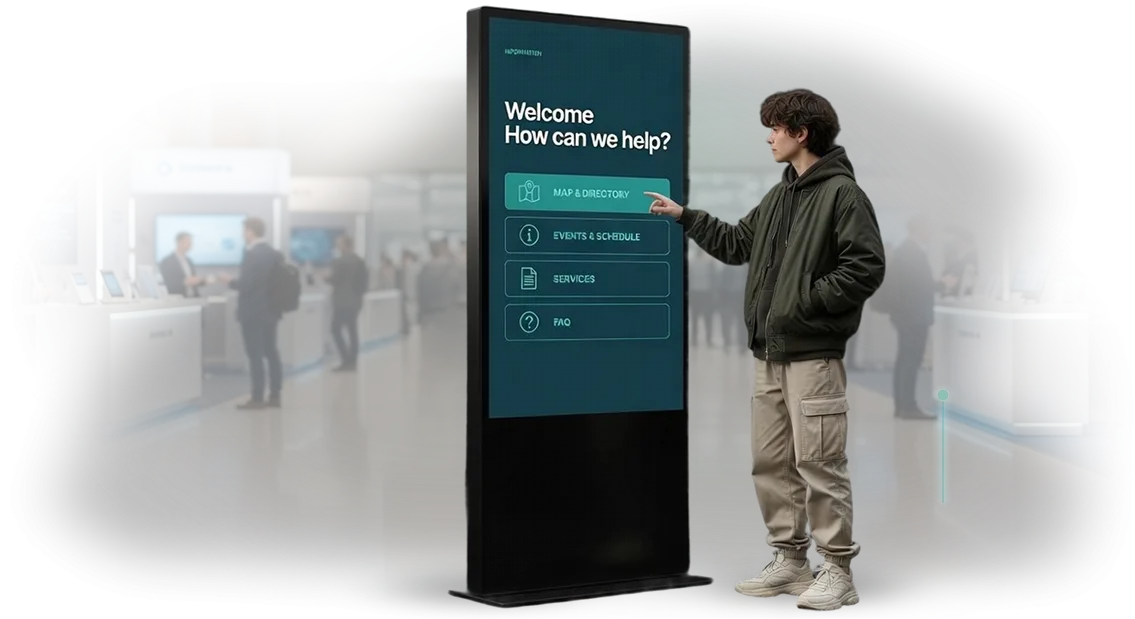
עמדת הדרכה אינטראקטיבית הופכת את התרחיש הזה. העובד הופך למשתתף פעיל: עונה על שאלות, פותר מקרי מבחן, משלים תרחישים קצרים, ורואה את התוצאות שלו מיד.
במקום שעמום — התרגשות והתקדמות נראית לעין, עם האצה של שימור החומר פי כמה בזכות השתתפות פעילה.
עמדה באזור ההדרכה עובדת ללא מדריך: עובד עוצר בזמן שנוח לו, משלים מודול של 10-15 דקות, ומקבל ציון. המנהל רואה את הסטטיסטיקות — מי קלט את החומר ומי צריך חזרה נוספת. זה הופך את ההדרכה מחובה פורמלית לתהליך ברור ומדיד.
אנחנו מטפלים בנקודת הכאב הזו: אנחנו מפתחים עמדות אינטראקטיביות שמחזירות את מעורבות העובדים והופכות את ההדרכה לכלי צמיחה ולא לזמן מבוזבז. בהמשך, נפרק אילו פורמטים משיגים השפעה מקסימלית ואיך נראית ההטמעה בפועל.
מה עמדה אינטראקטיבית להדרכות משיגה
מפגש הדרכה טיפוסי הופך לעיתים קרובות להאזנה פסיבית: עובדים יושבים עם הטלפונים שלהם, ובתוך שבוע הם שכחו חצי מהחומר.
עמדה אינטראקטיבית מעבירה את ההדרכה למימד מעשי — כל משתתף מתקשר עם התוכן ישירות, עונה על שאלות, ורואה את התוצאה מיד.
זה בדיוק מה שמניע את היתרון המרכזי: מעורבות הצוות מוכפלת, והידע נספג דרך פעולה ולא דרך התבוננות.
היתרונות של עמדות להדרכה יוצרים רשימת בדיקה ברורה שכל מנהל מעריך. ראשית, יש שימור ידע גבוה: העובד עובד על התרחיש בקצב שלו, חוזר לקטעים קשים, ומחזק את החומר דרך משימות אינטראקטיביות.
שנית, העמדה מסירה עבודה שגרתית מהמדריך — בדיקת מבחנים אוטומטית, רמזים וסטטיסטיקות לכל משתתף משחררים שעות למשוב חי וסקירת מקרי מבחן.
עבור העסק, זה גם אומר חיסכון בזמן על הדרכות חוזרות. במקום שבו בעבר היית צריך לאסוף קבוצות ולחזור על אותו חומר, העמדה פועלת מסביב לשעון, שבעה ימים בשבוע.
עובד חדש יכול להשלים את קורס הקליטה מיד, ועובד מנוסה יכול לרענן את הידע לפני הסמכה — בלי להסיח את דעתם של עמיתים.
היתרון המרכזי של עמדות אינטראקטיביות הוא שהן הופכות את ההדרכה לתהליך מדיד. המנהל רואה תמונה אובייקטיבית: מי הצליח, איפה נוצרו קשיים, ואיזה חומר כדאי לשפר.
ההדרכה מפסיקה להיות תיבת סימון ומתחילה להניב תוצאות מדידות — קליטה מהירה יותר של עובדים חדשים, צמיחה במיומנויות, ופחות שגיאות בעבודה.
בסופו של דבר, העמדה האינטראקטיבית עונה על שלושה צרכים מרכזיים של החברה: היא מגבירה את מעורבות הצוות, משפרת את שימור החומר, וחוסכת זמן של המדריך. אתה מקבל כלי מוכן שעובד עבור התוצאות שלך מהיום הראשון.
פורמטים של עמדות אינטראקטיביות להדרכה ארגונית
הדרכה ארגונית היא אף פעם לא פתרון אחד שמתאים לכולם: יש קורסי קליטה לעובדים חדשים, הדרכות תקופתיות לעובדים מנוסים, והסמכות אחרי תוכנית.
בכל שלב, למשתתפים יש שאלות — איפה החדר, מה המודול הבא, איך לבדוק את הידע שלהם. עמדה אינטראקטיבית מטפלת בשאלות האלה לבד, ללא מעורבות צוות.
אנחנו מתאימים את הפורמט למשימה ולא מציעים תבנית אחת לכולם. אם אנשים צריכים להתמצא במתחם גדול, אנחנו מציבים עמדת התמצאות. אם בדיקת שימור החומר היא החשובה ביותר, אנחנו מגדירים בדיקות עם מסירת תוצאות אוטומטית. כל זה רץ על ממשק מגע אינטואיטיבי שלא דורש עקומת למידה.
| פורמט | למי | מה הוא מספק ללקוח |
|---|---|---|
| עמדת התמצאות | משתתפים באירועי הדרכה גדולים | חיפוש מהיר של חדרים ואזורים, פחות איחורים ופחות שאלות למארגנים |
| עמדת מידע | עובדים חדשים, מבקרים במשרד | גישה ללוחות זמנים, נהלים וחומרי למידה במקום אחד |
| עמדת בדיקת ידע | מתאמנים לאחר סיום הקורס | בדיקת תשובות אוטומטית, הערכה אובייקטיבית, תוצאות מיידיות |
| עמדת הרשמה להדרכה | עובדים שמתכננים התפתחות מקצועית | בחירה עצמית של קורס וזמן, חיסכון בזמן של צוות משאבי אנוש |
עמדה כזו מחזירה את ההשקעה דרך חיסכון בזמן של הצוות ומעורבות גבוהה יותר של המשתתפים.
אנחנו מטפלים בהגדרת התרחיש: נמליץ על הפורמט שמתאים לתוכנית שלך ונכין את העמדה לפעולה על ציוד מקצועי שלא יאכזב אותך ברגע קריטי.
איך עובד פיתוח עמדה לתרחיש שלך
פיתוח עמדה להדרכה ארגונית מתחיל לא בבחירת חומרה אלא בתרחיש שלך. לכן חילקנו את התהליך לשלבי פיתוח סטנדרטיים של עמדות — מהבריף ועד לתמיכה בפרויקט. אתה מקבל תוכנית שקופה, בלי שיחות מיותרות או שינויים בלתי צפויים.
-
בריף וניתוח משימה. אנחנו נפגשים, בוחנים את תוכנית ההדרכה ואת הקהל, וקובעים אילו חומרים ותכונות יהיו נחוצים. אנחנו נועלים לוחות זמנים וקריטריוני הצלחה.
-
עיצוב לוגי. אנחנו יוצרים את מבנה הקטלוג ותרחישי המסך: איך המשתמש מחפש קורס ולאיזה מידע הוא פונה הכי הרבה.
-
עיצוב ותוכן. אנחנו מכינים סקיצה בסגנון הארגוני שלך ומתאימים טקסטים וסרטונים. אתה רואה את האב-טיפוס לפני תחילת הייצור.
-
ייצור והרכבה. אנחנו מייצרים את המארז, בוחרים רכיבים אמינים, מתקינים את התוכנה ובודקים אותה.
-
התקנת העמדה האינטראקטיבית. אנחנו מספקים את המכשיר לאתר שלך, מחברים אותו לרשת ולחשמל, ומגדירים אותו לחלל שלך.
-
השקה והדרכת צוות. אנחנו מראים למנהלים איך לעדכן חומרים ולפתור תקלות נפוצות. אנחנו מוסרים תיעוד ונהלים.
-
תמיכה בפרויקט. אנחנו שומרים על תקינות, מעדכנים את הקטלוג כשתכניות ההדרכה משתנות, ומגיבים במהירות לפניות.
מה כלול במסירת העמדה האינטראקטיבית
אנחנו מספקים לא רק עמדה אלא מערכת מוכנה לפעולה להדרכה ארגונית. החבילה כוללת את כל מה שצריך כדי שהעמדה תספק ערך מהיום הראשון — מחומרה ועד צוות מיומן.
הנה מה שאתה מקבל:
- חומרת העמדה — מסך מגע, מארז ומודול בקרה. הכל מורכב, נבדק ומוכן להתקנה, כך שאין צורך להיכנס לפרטים טכניים.
- תוכן העמדה — חומרים אינטראקטיביים הבנויים סביב המשימות שלך: קטלוגי מוצרים, מודולי הדרכה, מבחנים והוראות. אנחנו יוצרים את המבנה והעיצוב החזותי למותג שלך.
- תוכנה — מערכת ניהול קלה לשימוש שמאפשרת לך לשנות חומרים בלי לערב מפתחים. עריכה אורכת דקות, לא שבועות.
- התקנה וחיבור — המומחים שלנו מגיעים לאתר שלך, מתקינים את העמדה, מוודאים פעולה תקינה ומספקים המלצות מיקום להשגת חשיפה מקסימלית לקהל.
- הדרכת צוות — מפגש קצר לעובדים שלך, שלאחריו הם עובדים עם העמדה בביטחון: מפעילים חומרים, עוקבים אחרי סטטיסטיקות ומעדכנים תוכן תוך כדי תנועה.
- תמיכה ותחזוקה — אנחנו לא נעלמים אחרי מסירת הפרויקט. אתה תמיד יכול לפנות אלינו לעזרה, עדכונים או שיפורי תוכן.
חבילת המסירה המלאה היא פתרון סוהר. אין צורך לחפש קבלנים בנפרד: כל הציוד, התוכן, ההתקנה וההדרכה מכוסים על ידי צוות אחד. אתה מקבל כלי עבודה להדרכת עובדים וחוסך זמן בתיאום.
מקרה בוחן: עמדות אינטראקטיביות ברשת קמעונאית
ברשת קמעונאית עם אלפי עובדים, הכשרת עובדים חדשים היא כאב ראש מתמיד.
מצגות ורשימות נייר נסרקו במהירות, מבחנים עברו באופן פורמלי, וחודש לאחר מכן חצי מהעוזבים הודו: "לא ידענו איך לטפל בלקוח לא מרוצה." תחלופת העובדים אכלה את תקציב הגיוס, ואיכות השירות סבלה.
הצענו להציב עמדות אינטראקטיביות ממש באזור ההדרכה ובמשרד האחורי. העמדה הפכה לסימולטור הדרכה: תרחישים קצרים של "בחר את התשובה", ניתוח מצבי קונפליקט וחידוני מוצר.
ההדרכה הפכה למפגשים של 5-7 דקות בין משמרות — בלי להוריד אנשים מהעבודה ובלי תחושת חובה כפויה.
מה הראה הפיילוט
רשת קמעונאית רצה פיילוט בשלוש חנויות. תוך רבעון, השלמת מבחני חובה עלתה ב-30% — עובדים הפסיקו לדחות את הבחינות ליום האחרון.
התחלופה בקרב אלה שסיימו הדרכה ירדה בכחמישית, ועובדים חדשים החלו לעבוד באופן עצמאי שבועיים מוקדם מהרגיל.
ההשפעה לא הייתה מוגבלת למספרים. מנהלי חנויות שמו לב שהצוות פחות מתקשר לממונה עם שאלות פשוטות, התצוגה עמדה בתקן, ולקוחות התלוננו פחות על שירות גס.
עבור החברה, זה חיסכון ישיר בגיוס ובקליטה — כל עובד שנשמר מקזז את עלות הגיוס מחדש והופך את הצוות ליציב יותר.
אחרי הפיילוט, הרשת הרחיבה את העמדות לכל סניפיה. התוצאות על עובדים אמיתיים — השלמת מבחנים גבוהה יותר ותחלופה נמוכה יותר — הן שהצדיקו את הרחבת הפרויקט.
איך לבחור את פורמט העמדה המתאים למשימה שלך?
בחירת פורמט העמדה מתחילה לא במפרט טכני אלא בשאלות: מי ישתמש בעמדה, באיזו תדירות, ולשם מה. בהדרכה ארגונית, קטלוג אינטראקטיבי יכול לשמש כספריית חומרים, כסימולטור לבדיקת ידע, או כניווט בתוכנית. התשובות קובעות את סוג המארז, גודל המסך ושיטת השליטה.
תקציב העמדה מעצב את התצורה, אבל לא באופן ליניארי. אין טעם לשלם יותר מדי על מסך מגע ענק אם ההדרכה מתבצעת אחד-על-אחד ליד שולחן.
לעומת זאת, עבור לובי או אזור כניסה שבו מתאספות קבוצות, צריך עמדה אנכית בולטת עם תגובה מהירה וממשק ברור. התפקיד שלנו הוא למצוא את האיזון בין עלות לתרחיש השימוש.
בבחירת תצורה, אנחנו שואלים כמה שאלות הבהרה: כמה עובדים ישתמשו בעמדה, איזה תוכן מתוכנן, האם יש צורך במשוב ובאינטגרציה עם מערכת הלמידה.
זה עוזר להימנע משני קצוות — קניית ציוד מוגזם או דגם חלש מדי שלא יכול להתמודד עם המשימה.
אנחנו עוזרים לך לבחור תצורת עמדה שמתאימה למשימות ולתקציב שלך, בלי אפשרויות מיותרות.
אנחנו מראים אילו תכונות באמת חשובות להדרכה ארגונית: תפריט קטלוג נוח, הגנה מפני גישה לא מורשית, ויכולת לעדכן חומרים במהירות בלי מתכנת. ואנחנו אומרים בכנות איפה אפשר לחסוך ואיפה לא כדאי.
בסופו של דבר, אתה מקבל לא רק חומרה אלא פתרון שלם: עמדה שעובדים נהנים להשתמש בה ושמחזירה את ההשקעה דרך הדרכה מהירה יותר. כל מה שנשאר הוא להגדיר את המשימה — ואנחנו נעזור בבחירת הפורמט והתצורה.
שאלות נפוצות על הטמעת עמדות אינטראקטיביות
לקוחות בדרך כלל חוששים לא מהעמדה עצמה אלא מהטרחה סביבה: שהיא תתקלקל, שתהיה קשה לעדכון, או שלא תחזיר את ההשקעה.
אנחנו מטפלים בחששות האלה דרך שאלות ספציפיות — ככה קל יותר לראות שעמדה אינטראקטיבית היא כלי שניתן לניהול, לא מקור לבעיות.
מה קורה אם העמדה מתקלקלת במהלך אירוע או מפגש הדרכה?
אנחנו מתכננים עמדות לשימוש אינטנסיבי ומגדירים ניטור מרחוק. המערכת תתריע על תקלה מראש, ורוב הבעיות נפתרות עם אתחול או עדכון מרחוק.
אם נדרשת התערבות פיזית, מהנדס יגיע, ואנחנו נספק יחידה חלופית בזמן שהתיקונים מתבצעים.
מי יטפל בתוכן ובעדכונים בתוך העמדה?
כל העבודה מתבצעת דרך פאנל ניהול פשוט: העלאת חומרים חדשים, שינוי מבצעים או הוספת סרטונים יכולה להתבצע על ידי עובד ללא רקע טכני.
ההדרכה אורכת פחות משעה, ומאותו רגע אתה מנהל את העמדה בקלות כמו אתר ארגוני.
כמה מהר העמדה מחזירה את ההשקעה בהדרכה ארגונית?
כשעמדה מחליפה קטלוגי נייר, אזורי קבלה וחלק מהעבודה של צוות אנושי, החיסכון נראה מיד.
חשב את הזמן שעובדים מבלים בחיפוש מידע ואת עלות ההדפסה — החזר ההשקעה מגיע בדרך כלל תוך כמה חודשים, ומאותו רגע העמדה עובדת כמו עובד דיגיטלי חינמי.
כמה זמן אורכת ההטמעה ומי אחראי על ההשקה?
מבריף ועד עמדה עובדת לוקח 2-4 שבועות. אנחנו מכינים את הציוד, מתקינים את התוכנה, מעלים את התוכן הראשון ומבצעים השקת ניסיון בעצמנו. אתה מקבל עמדה מוגדרת לחלוטין סוהר — כל מה שנשאר הוא לחבר אותה לחשמל.
אם עדיין יש לך ספקות — שלח לנו את תרחיש ההדרכה שלך, ואנחנו נראה איך העמדה משתלבת בתהליך. נחשב לוחות זמנים, עלויות והשפעה עבור הצוות שלך.דון בפרויקט שלך עם מהנדס עוד היום
החברה שלך כבר השקיעה בהדרכת עובדים, אבל קטלוג אינטראקטיבי על עמדה לא ייבנה את עצמו.
בלי ייעוץ הנדסי מקדים, קל לטעות בלוחות זמנים ובתקציב: מסתבר שהציוד לא יכול להתמודד עם המשימה, או שהתוכן לא נוח לעדכון.
כדי להימנע מכך, אנחנו מזמינים אותך לשיחה קצרה כדי לבדוק את הרעיון שלך להיתכנות ולקבל תוכנית ברורה.
השאר בקשה לעמדה — מהנדס יחזור אליך תוך יום עסקים אחד. אחרי הייעוץ, תקבל:
- חישוב עלות מדויק של העמדה: הערכה בלי עבודות נסתרות, המבוססת על צרכי ההדרכה הארגונית שלך.
- תוכנית הטמעה: שלבים מאב-טיפוס ועד השקה עם תאריכים ואחראים.
- הצגת פתרון: איך הקטלוג ייראה על המסך ואיך עובדים יעבדו איתו.
- המלצות למבנה תוכן: איך לארגן חומרים לתפקידים ורמות מיומנות שונות.
- ייעוץ הנדסי: הערכה כנה אילו תכונות נחוצות עכשיו ואילו אפשר לדחות.
- תשובות על אינטגרציה: איך העמדה תשתלב בפלטפורמת הלמידה שלך.
אנחנו עובדים מרחוק, כך שהייעוץ זמין בכל עיר. אין מקדמות ואין התחייבויות — רק סקירה של המצב שלך.
אחרי השיחה, תדע בדיוק אם עמדה אינטראקטיבית מתאימה להדרכה הארגונית שלך, כמה זמן תימשך ההטמעה, ואילו תוצאות היא תביא.
מלא את הטופס בצד ימין — מהנדס יחזור אליך היום.