

מאבדים לקוחות בענף הספא בגלל קטלוג שירותים מיושן?
בענף הספא, הרושם הראשוני קובע הכול: אורח מגיע כדי להירגע, אבל במקום זה נתקל בקטלוג שירותים מיושן שבו קשה למצוא את הטיפול המתאים, לא ברור כמה זמן הוא אורך, ומה הוא כולל.
כמה דקות של בלבול בדלפק הקבלה — ואווירת הרוגע כבר אבדה, יחד עם האמון בסלון.
בזמן שהמנהלת מסבירה את ההבדל בין התוכניות, אורחים אחרים מצטברים בתור, ומכירת טיפולים משלימים הופכת להגרלה.
לקוחות רבים עוזבים בלי לדעת על עיסוי גב, טיפול פנים אקספרס או טקס ערב לזוג — פשוט כי מחירון נייר לא הצליח לעניין אותם.
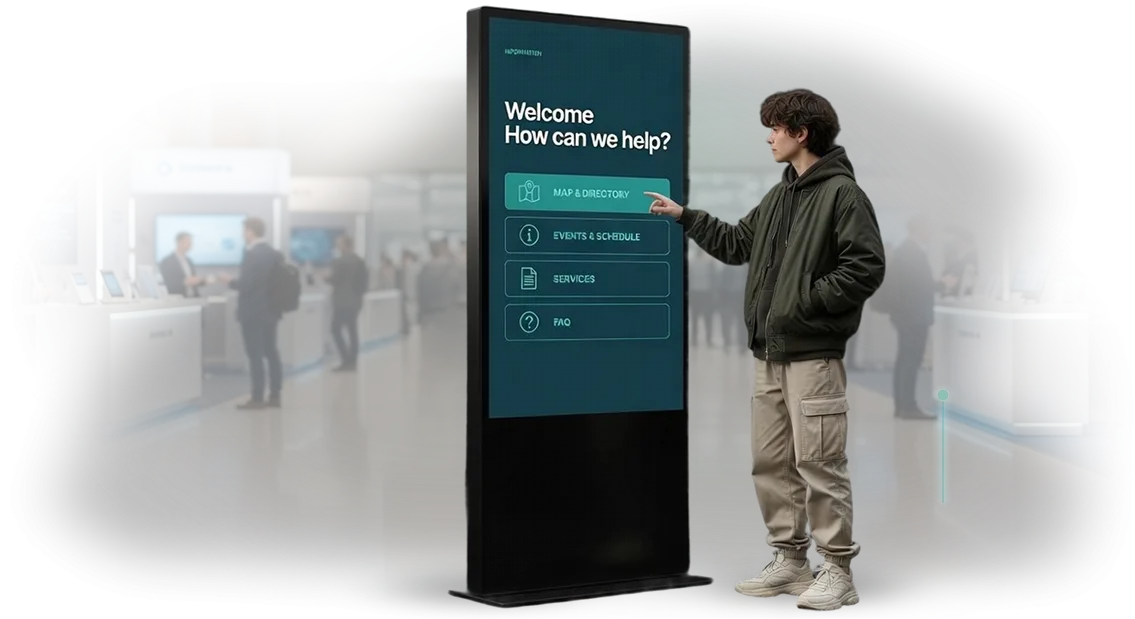
קטלוג שירותים אלקטרוני מודרני פותר את הבעיה הזו. קיוסק אינטראקטיבי לספא, המוצב באזור ההמתנה, מאפשר לאורחים לעיין בתפריט ברוגע, לראות תמונות של טיפולים, לבחור משך זמן ולקבוע שעה נוחה.
המסוף לספא פועל ללא מעורבות של מנהלת ומסיר לחלוטין את המתח בכניסה.
הפתרון הזה יוצר נוחות לאורחים ומעלה באופן ניכר את מכירות הטיפולים: המערכת מציעה בעדינות תוכניות פופולריות, מציעה שירותים נוספים לטיפול הנבחר ומראה חלונות זמינים להזמנה.
האורח מרגיש שמטפלים בו; הסלון מקבל קבלה לא עמוסה וזרם קבוע של ביקורים חוזרים. אנחנו יוצרים קיוסקים אינטראקטיביים במיוחד למשימות אלה של ענף הספא — מתכנון רשימת השירותים ועד להשקת המסוף.
אילו יתרונות עסק ספא מקבל מקיוסק אינטראקטיבי
אורחי ספא מגיעים כדי להירגע, אבל לעתים קרובות נתקלים בתורים בקבלה, בבחירה ארוכה של טיפולים ובהפסקות מביכות עם המנהלת. כל זה מוריד את הרושם מהביקור וגורם לאורחים לקצר את התוכנית שלהם — ולכן גם את חשבון הקנייה הממוצע.
קיוסק אינטראקטיבי פותר את הבעיה הזו: האורח בוחן את השירותים בעצמו, קורא תיאורי טיפולים, ועובר ישירות להזמנה. זה נוח ללקוח ורווחי לעסק — הנה מה שמשתנה בפעילות הספא לאחר ההטמעה.
חשבון קנייה ממוצע גבוה יותר
כשאורח רואה מפת טיפולים מלאה עם תיאורים חיים ותוכניות נלוות, הוא בוחר לעתים קרובות יותר בחבילות מקיפות. הקיוסק מציע תוספות לשירות הראשי — עיסוי עם עטיפת גוף, טיפול פנים עם תוכנית ספא.
כתוצאה מכך, סכום החשבון גדל ללא שכנוע פעיל מצד הצוות. האורח מקבל את ההחלטה בעצמו, בקצב נוח, ותופס את המכירה הנוספת כדאגה, לא כלחץ.
חיסכון בזמן הצוות
מנהלות ספא מקדישות עד שליש מיום העבודה לייעוץ והסברים חוזרים. הקיוסק לוקח על עצמו את השגרה: הצגת שירותים, תיאור מרכיבים, משכים והתוויות נגד.
העובדות מתפנות לתקשורת חיה עם אורחים ולפתרון שאלות לא שגרתיות. זה מפחית את עומס העבודה של הצוות ומקטין שגיאות בהזמנות.
מהירות ונוחות לאורח
האורח לא עומד בתור ולא מחכה שהמנהלת תתפנה. כל המסע — מבחירת טיפול ועד אישור ההזמנה — אורך כמה דקות.
עבור ספא, זה חשוב במיוחד: הלקוח מגיע רגוע, ושום מהומה לא צריכה להרוס את המצב הזה. הקיוסק שומר על אווירת רוגע גם בשעות השיא.
תדמית מודרנית ואמון
קטלוג אינטראקטיבי בכניסה הוא סימן לכך שהספא הולך עם הטכנולוגיה ודואג לנוחות. זה מעלה את מעמד המקום בעיני קהל תובעני שרגיל לשירותים דיגיטליים.
אורחים חוזרים ברצון רב יותר למקום שבו כל פרט מחושב. ציוד מודרני הופך לחלק מהמותג שלכם וסיבה לספר עליכם לחברים.
ניתוח ביקוש לטיפולים
המערכת אוספת נתונים אנונימיים: אילו שירותים נצפים יותר, אילו תוכניות נבחרות בימי חול ובסופי שבוע, והיכן האורח "נתקע". אתם רואים ביקוש אמיתי, לא הנחות.
הנתונים האלה עוזרים להתאים את התפריט, להשיק מבצעים מבוקשים ולהסיר פריטים לא פופולריים. כתוצאה מכך, תקציב השיווק עובד בצורה מדויקת יותר, ותפוסת החדרים הופכת ליציבה יותר.
כבר יישמנו פתרונות דומים לענף השירותים — אנחנו לוקחים על עצמנו פיתוח, הגדרה ותמיכה כך שהקיוסק יביא רווח מהיום הראשון.
פורמטים של קיוסקים אינטראקטיביים לענף הספא
אורח ספא מגיע למנוחה, אבל לעתים קרובות נתקל בתורים, בשאלות "מה בתפריט" ובהמתנה למנהלת.
קיוסק אינטראקטיבי מסיר את הגורמים המעצבנים האלה: טיפולים נראים מיד, ההזמנה אורכת דקה, והרושם מהסלון נשאר ברמה של שירות פרימיום.
| פורמט | למי מתאים | מה הוא נותן ללקוח |
|---|---|---|
| קיוסק ספא עומד | סלונים מרווחים, מרכזי ספא עם אזור המתנה | אורחים בוחנים את תפריט הטיפולים ומזמינים בעצמם — בלי תורים |
| מסוף סלון צמוד קיר | סטודיו קטנים, קבלה | חוסך מקום, תמיד בהישג יד, מזרז הזמנות |
| טאבלט למנהלת | צוות בדלפק | גישה מהירה ללוח הזמנים, חלונות פנויים נראים מיד |
| לוח תפריט טיפולים אינטראקטיבי | לובי, אזור רגיעה | מטביע באווירה, מעורר רצון לנסות משהו חדש |
בחירת הפורמט תלויה בחלל הסלון ובמטרות — אבל בכל מקרה, הקיוסק מחזיר את ההשקעה באמצעות הזמנות נוספות והקלה על הצוות. אורחים לא עוזבים "רק כדי להסתכל": הם רואים את המחירון המלא, תמונות טיפולים וחלונות פנויים, ולכן מזמינים במקום.
אנחנו בוחרים את התצורה לחלל שלכם, מעצבים ממשק בסגנון המותג שלכם ומגדירים אינטגרציה עם מערכת ההזמנות.
עבור ספא, זה כלי מוכן להגדלת חשבון הקנייה הממוצע: תוכניות טיפול ויזואליות, מבצעים וחבילות נמכרים מעצמם, בלי שאלות לחצניות מצד המנהלת.
איך מתנהל הפיתוח: 6 שלבים מבריף ועד השקה
כדי לוודא שהקיוסק באמת עובד עבור העסק שלכם, אנחנו עוברים את כל השלבים יחד אתכם — מהבריף הראשוני ועד לרגע שבו הצוות מקבל אורחים דרך הממשק החדש. להלן שישה שלבים שהופכים משימה לכלי נוח לספא שלכם.
-
ניתוח מטרות ותרחישי אורחים. אנחנו לומדים אילו שירותים ומוצרים אתם רוצים להציג, איך אורחים בוחרים טיפולים, ואילו שאלות הם שואלים את המנהלת בתדירות הגבוהה ביותר. על בסיס זה, אנחנו מתכננים את מבנה הקטלוג ואת לוגיקת הניווט.
-
אב טיפוס עיצוב ממשק. אנחנו יוצרים פתרון ויזואלי בסגנון המותג שלכם: צבעים רגועים, כפתורים גדולים, אייקונים ברורים. בשלב הזה אתם כבר רואים איך הקיוסק ייראה בלובי או באזור ההמתנה.
-
אישור ותיקונים. אנחנו מציגים את האב טיפוס ומבצעים שינויים לפני תחילת התכנות. אתם מוודאים שהממשק משקף בדיוק את סגנון התקשורת שלכם עם האורחים.
-
תכנות ואינטגרציה עם הנתונים שלכם. אנחנו מגדירים את הקיוסק עצמו: טעינת מחירים עדכניים, תיאורי טיפולים ולוחות זמנים של מומחים. המערכת קלה לעדכון — אתם יכולים לשנות את רשימת השירותים בעצמכם בלי מתכנת.
-
בדיקת המסוף. אנחנו בודקים תרחישי אורחים אמיתיים: בחירת שירות, הזמנה, תשלום ללא מזומן. אנחנו מתקנים שגיאות אפשריות לפני ההתקנה כדי שלא יהיו תקלות ביום הראשון לעבודה.
-
התקנה והדרכת צוות. אנחנו מתקינים את הקיוסק במקום המתאים, מחברים אותו לאינטרנט ולקופה, ומכשירים מנהלות וצוות ניהולי. לאחר ההשקה, אנחנו נשארים בקשר לתמיכה מהירה.
מה כלול במסירת הקיוסק האינטראקטיבי
קיוסק אינטראקטיבי לסלון ספא הוא פתרון סוהר, לא רק מסך מגע. אתם מקבלים ציוד מקצועי, תוכנה מוגדרת ותמיכה — הכול בחבילה אחת. פירטנו את התכולה להלן כדי שתדעו מראש מה כלול.
- מסוף מסך מגע. פאנל מקצועי המוגן מאבק ולחות. אורחים יכולים לבחור שירות או מוצר ללא עזרת מנהלת — זה מקל על הצוות ומזרז את השירות.
- מארז והתקנה. מעמד אמין או תושבת קיר שמתאימים לעיצוב אזור הספא. אנחנו מספקים, מתקינים ומחברים את הציוד בעצמנו — אתם לא צריכים לעשות כלום.
- תוכנת קיוסק. קטלוג וירטואלי של שירותים ומוצרים: אורחים גולשים בתיאורים, מחירים ותמונות, ואז עוברים להזמנה או רכישה. הממשק מותאם למסך מגע ועובד מהר.
- מערכת ניהול תוכן. אתם מעדכנים מחירים, מבצעים ומוסיפים שירותים ותמונות חדשים בעצמכם — בלי מפתח או אישורים נוספים.
- אינטגרציה עם המערכות שלכם. הזמנות והזמנות מהקיוסק מועברות אוטומטית למערכת הזמנות הלקוחות או ל-CRM שלכם. זה חוסך זמן בהזנה ידנית ומפחית שגיאות.
- הדרכת צוות. אנחנו מספקים הוראות למנהלות ולמנהלים: איך לעבוד עם הקיוסק, לשנות תוכן ולפעול במצבים לא שגרתיים.
- אחריות על הקיוסק. אנחנו מעניקים אחריות על חומרה ותוכנה. אם מתעוררות בעיות, אנחנו מתחברים מרחוק ועוזרים לפתור אותן במהירות.
התוצאה: אתם מקבלים חבילה מלאה — מציוד ועד הדרכה ותמיכה. עם קיוסק כזה, אורחים לא מצטופפים בקבלה, והצוות מתמקד במשימות חשובות יותר.
מקרה בוחן: איך קיוסק הגדיל הזמנות טיפולים במרכז ספא
כשיש תור בקבלה של מרכז ספא, אורחים עוזבים בלי להזמין: המנהלת עסוקה בטלפון, הייעוץ נמשך, וטיפולים נשארים ריקים.
עם הכאב הזה הגיע אלינו מרכז הספא "אורה" — רשת של שלושה סטודיו שבהם זרם המבקרים גדל והשירות התחיל להיכשל.
הצענו להטמיע קיוסק אינטראקטיבי עם קטלוג שירותים: האורח בוחר טיפול, צופה במשכו ובתיאורו, רואה חלונות פנויים וקובע שעה נוחה. המנהלת צריכה רק לאשר את ההזמנה וללוות את האורח לחדר.
מה השתנה לאחר ההשקה
התוצאות נרשמו לאחר חודשיים של פעילות הקיוסק. הזמנות הטיפולים גדלו ב-35% — אורחים הפסיקו לעזוב "לחשוב" והזמינו מיד, בעודם במצב רוח לטיפול עצמי. השירות הפך למהיר יותר: ייעוצי הקבלה ירדו מ-10–15 דקות לשתיים-שלוש.
המנהלות הפסיקו לענות על אותן שאלות — הקיוסק הציג מחירים עדכניים, תכולת טיפולים ושעות פנויות. הצוות התמקד בתקשורת חיה עם אורחים במקום בשגרה, והמבקרים הרגישו את זה מיד.
למה הפרויקט היה מוצלח
גורם המפתח לא היה הציוד אלא התרחיש: הקיוסק חושב כמו אורח ספא, לא כמו תצוגת מוצרים. הממשק מציע טיפולים לפי מטרה — רגיעה, התאוששות, טיפוח פנים — וממליץ על משך הביקור האופטימלי.
מרכז הספא הגדיל את הזמנות הטיפולים בלי להרחיב את הצוות או את תקציב הפרסום.
כעבור שישה חודשים, הרשת הזמינה קיוסקים לשני סטודיו נוספים: הפרויקט החוזר היה האישור הטוב ביותר לכך שהטמעת קיוסק משתלמת לא רק בכסף, אלא גם בנאמנות אורחים.
איך לבחור את פורמט המסוף המתאים לספא שלכם?
בחירת פורמט מסוף לספא מתחילה בשלוש שאלות: איזה חלל יש לכם, איזו תנועת מבקרים יש לכם, ואילו משימות אתם מציבים למכשיר.
אין אפשרות אוניברסלית שעובדת טוב באותה מידה לחדר קטן עם קבלה ולמרכז ספא עם אזור המתנה וכמה חדרי טיפולים.
קיוסק קומפקטי עומד או צמוד קיר נוח במקום שבו כל מטר חשוב: הוא מתאים לסלונים קטנים ולמרפאות שבהן אורח עומד בדלפק וצריך לראות במהירות שירותים ומחירים.
אם יש לכם אזור המתנה מרווח או לובי עם טרקלין, מסוף קלאסי עם מסך גדול יכול להחזיק את תשומת הלב של האורח באופן לא פולשני ולהטביע אותו באווירת הספא עוד לפני שהטיפול מתחיל.
תנועת מבקרים היא הקריטריון השני בחשיבותו. עם זרם מבקרים צפוף, המסוף צריך לבצע פונקציה אחת או שתיים עיקריות בלי שלבים מיותרים: להציג את הקטלוג, לעזור להזמין טיפול או לספק מידע על תוכניות ספא. ככל שהתרחיש פשוט יותר בהתחלה, כך קל יותר לאורחים ולמנהלות שלכם.
לבסוף, החליטו לשם מה הקיוסק נחוץ בשנים הקרובות. אם זה רק קטלוג שירותים אינטראקטיבי, מכשיר פשוט באזור הקבלה מספיק.
אם אתם מתכננים הזמנות מקוונות, מכירת שוברים או אינטגרציה עם מערכת הנהלת החשבונות שלכם, כדאי לבנות רזרבה פונקציונלית ולבחור דגם שיוכל לקבל בקלות מודולים חדשים בעתיד.
אנחנו עוזרים לכם לבחור פורמט לחלל, לתנועה ולמשימות שלכם, ואז להתאים את התרחיש להתנהגות האורחים. אתם מקבלים מסוף שמחזיר את ההשקעה באמצעות הזמנות נוספות והפחתת עומס על המנהלות, לא רק מכשיר שעומד על הקיר.
תשובות לשאלות נפוצות על קיוסקים לספא
לפני השקת קיוסק, לבעל ספא יש בדרך כלל את אותם ספקות: האם זה יהפוך לנטל, מי ינהל את זה, ומה יקרה אם הציוד יתקלקל. אנחנו מתייחסים לשאלות הנפוצות ביותר — בקצרה ולעניין.
האם קשה להתקין קיוסק ולשלב אותו בפעילות הספא?
ההתקנה אורכת יום אחד ואינה דורשת שיפוץ או תכנון מחדש. אנחנו מספקים מסוף מוכן, מחברים אותו לחשמל ולרשת המקומית, ומגדירים אותו לרשימת השירותים ולעיצוב שלכם.
כל התהליך מנוהל על ידי המומחה שלנו: אנחנו מסכמים על המיקום, בודקים את נוחות האורחים ומכשירים את המנהלת בפעולות בסיסיות. לאחר ההשקה, הקיוסק פועל באופן אוטונומי ואינו דורש בקרה יומיומית.
מה אם המסוף מתקלקל?
ציוד rarely מתקלקל — אנחנו משתמשים במארזים תעשייתיים וברכיבים אמינים המיועדים לפעילות סביב השעון. אבל אם זה קורה, לא תישארו לבד עם הבעיה.
פשוט התקשרו או כתבו לנו — אנחנו מאבחנים את המערכת מרחוק, ובמידת הצורך מגיעים לאתר. כל העבודות והציוד מכוסים באחריות, כך שתיקונים לא הופכים לסעיף הוצאה.
האם הקיוסק צריך חיבור אינטרנט קבוע?
חיבור אינטרנט יציב נחוץ לעדכוני תוכן ואם תרצו, להזמנת טיפולים מקוונת. אבל גם במהלך הפסקת רשת זמנית, הקיוסק ממשיך לעבוד: קטלוג השירותים, המחירים ותיאורי התוכניות נשארים זמינים לאורחים.
זה חשוב במיוחד לספא — אורח לא צריך לחכות או להתעצבן בגלל בעיות טכניות. אתם מקבלים עמידות לתנאים חיצוניים שלא משפיעה על הרושם מהשירות שלכם.
באיזו תדירות ואיך צריך לעדכן תוכן על הקיוסק?
העדכונים מתבצעים מרחוק, בלי ביקור של מומחה. אתם משנים מחירים, מוסיפים טיפולים או מבצעים חדשים דרך פאנל ניהול פשוט — בקלות כמו עריכת מסמך במחשב.
השינויים מופיעים על מסך הקיוסק מיד. זה נוח כשצריך להשיק במהירות מבצע עונתי או להסיר פריט מהמחירון — אין צורך לחכות או לשלם עבור ביקור באתר.
אם אתם לא בטוחים אם הפורמט הזה מתאים לסלון או למרכז הספא שלכם, פשוט שאלו אותנו. נסביר איך קיוסק משתלב בלוגיקת הלקוחות שלכם ואילו משימות הוא יפתור מהר יותר מאשר מנהלת.הזמינו פיתוח קיוסק אינטראקטיבי לספא שלכם
השאירו פנייה — ונכין פתרון למטרות הספא שלכם: אורחים בוחרים טיפולים מהר יותר, המנהלת מקבלת הקלה, וקטלוג השירותים עובד ללא הפרעות.
אנחנו מטפלים בכל התהליך — מרעיון ועד קיוסק עובד — כך שאתם לא צריכים להבין בפרטים.
לאחר פנייתכם, אתם מקבלים:
- ייעוץ והערכת עלות ראשונית לפיתוח הקיוסק;
- קונספט עיצובי בסגנון הספא שלכם — בחירת ויזואליה, מבנה תפריט ולוגיקת ניווט;
- פיתוח והגדרה של הקטלוג האינטראקטיבי של שירותים ומוצרים;
- התקנה על המסוף, בדיקות והשקה באתר שלכם;
- הדרכת צוות: איך לנהל תוכן ולפתור במהירות בעיות קטנות;
- אחריות על חומרה ותוכנה, וכן תמיכה שוטפת.
אנחנו מאשרים כל שלב אתכם כך שהתוצאה תתאים בדיוק לציפיות האורחים ולמטרות השיווק — בין אם זה הגדלת מכירות של שירותים נוספים או הארכת זמן השהייה של האורח בספא.
להערכת פרויקט, שלחו פנייה או התקשרו אלינו: תוך 15 דקות נדון במשימה ובעלות הראשונית. אם הפרויקט מתאים, נגיע לאתר שלכם, נבחן את מיקום המסוף ונכין הצעה אישית.