

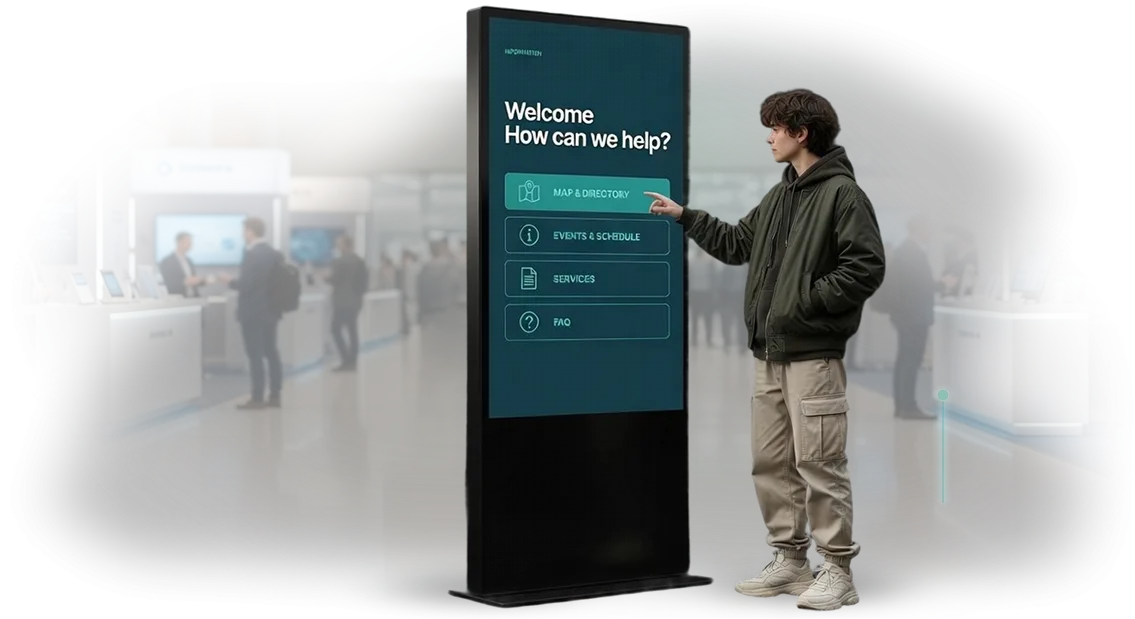
מאבדים הזמנות בתעשיית הטקסטיל? קיוסק יחזיר את העניין
בחנות טקסטיל, הלקוח עומד מול מאות אפשרויות: מבדים קלים לשמלות ועד בדים צפופים לריפוד. הדוגמה הנכונה עשויה להיות על המדף התחתון או באולם הרחוק — והמבקר פשוט לא מצליח למצוא אותה. הוא מגיע למוצר ספציפי, מבזבז 15–20 דקות בחיפוש, ועוזב בידיים ריקות.
כל עזיבה כזו היא הזמנה אבודה. המבחר גדול, אבל ללא ניווט ברור הוא לא עובד לטובתכם: הצוות עונה על אותן שאלות — "איפה הבטנה" — במקום לייעץ על שילובי בדים והרכב. כתוצאה מכך, החנות מפסידה גם הכנסות וגם נאמנות לקוחות, כשהלקוחות עוברים למתחרים.
קיוסק אינטראקטיבי לתעשיית הטקסטיל פותר את הבעיה — למעשה מסוף קטלוג מוצרים שהופך מבחר מורכב לחלון ראווה נוח. הלקוח בוחר קטגוריה, צבע והרכב בעצמו ומיד רואה לאיזו מדף לגשת. מציאת בד בחנות הופכת למהירה וצפויה.
העסק מקבל תוצאות מדידות: פחות לקוחות אבודים, המרה גבוהה יותר, ואנשי המכירות מקדישים זמן לייעוץ חי במקום ל"סיורים" ברחבי החנות. הקיוסק מציע פריטים משלימים — חוטים, מוצרי תפירה — ומעלה בעדינות את הסל הממוצע.
זה חשוב במיוחד כשיש לכם מספר סניפים עם פריסות שונות: המסוף מדריך מבקרים באותה מידה בכל חנות.
כבר פרסנו קיוסקים כאלה ברשתות קמעונאיות ואנחנו עוזרים ללקוחות להימנע מאובדן הזמנות במבחר גדול. ספרו לנו כמה פריטים (SKU) יש בקטלוג שלכם ואילו קשיי ניווט נתקלים בהם הלקוחות — נציע פתרון מותאם למשימות שלכם.
מה מסוף אינטראקטיבי ייתן לעסק וללקוחות שלכם
עבור חנות בדים וטקסטיל, מהירות ושלמות המידע הן חצי מההצלחה של מכירה. לקוח מגיע לחומר ספציפי אבל לעיתים קרובות לא יודע אילו צבעים, הרכבים ומלאי זמינים.
המוכר מוסח על ידי שאלות שגרתיות, התור גדל, והסל הממוצע נשאר נמוך.
מסוף אינטראקטיבי פותר את הבעיה: הלקוח בוחר קטגוריה בעצמו, מסתכל בתמונות, הרכב, רוחב בד וזמינות. חלון הראווה מפסיק להיות מגבלה — אפשר להציג את כל הקולקציה גם אם חלק מהגלילים נמצאים במחסן. עבור הבעלים, זה אומר סל ממוצע גבוה יותר ונאמנות ללא הרחבת שטח המכירה.
יותר רכישות ללא הגדלת עומס העבודה של הצוות
בזמן שהיועץ עובד עם לקוח אחד, המסוף משרת בו זמנית אחרים. הלקוח חוקר את המבחר, בוחר שילובי בדים ויוצר רשימה של פריטים מועדפים.
כתוצאה מכך, איש המכירות מקבל לקוח עם הזמנה מוכנה במקום שיחה מאפס. פחות מכירות אבודות בשעות השיא, הכנסות גבוהות יותר מאותו מספר עובדים.
נוחות שמעלה את הסל הממוצע
המסוף מציע פריטים נוספים: בדים לבטנה, חוטים, מוצרי תפירה — עבור המוצר הראשי שנבחר. זה מגדיל את הסל ללא לחץ על הלקוח. הלקוח רואה את המחיר המלא וההרכב, מרגיש ביטחון בבחירתו, וחוזר לרכישות חוזרות.
תדמית מודרנית ואמון
שירות מבוסס טכנולוגיה יוצר רושם של חברה אמינה. הלקוחות תופסים את החנות כמודרנית ומכבדת את זמנם.
הצוות שלנו עובד עם תעשיית הטקסטיל כבר יותר מ-10 שנים ומשיק מסופים שמחזירים את ההשקעה באמצעות סלים ממוצעים גדולים יותר ושירות מהיר יותר.
כלים מכווננים היטב וציוד מקצועי מבטיחים פעולה יציבה ללא תקלות גם ביום העמוס ביותר.
פורמטים של קיוסק אינטראקטיבי לתעשיית הטקסטיל
עסקי הטקסטיל מתמודדים עם מבחר רחב: בדים, מוצרי תפירה, דוגמיות, קולקציות. קשה ללקוח או לשותף למצוא במהירות את החומר המתאים — הם מבזבזים זמן, ואתם מפסידים מכירה פוטנציאלית.
פורמט קיוסק אינטראקטיבי שנבחר נכון עוזר לכוון מבקרים תוך דקות, להציג את כל המבחר ולאסוף פרטי קשר.
| פורמט | למי | מה זה נותן ללקוח |
|---|---|---|
| קיוסק מסך מגע לחנויות בדים | לקוחות קמעונאיים | חיפוש מהיר לפי הרכב, צבע וצפיפות; פחות תורים, והיועץ מתמקד במכירה במקום במעבר בין גלילים. |
| קיוסק לייצור טקסטיל | טכנולוגים, קונים, שותפים | קטלוג נוח של חומרי גלם ותעודות, פחות שגיאות הזמנה ובקרה על מלאי החומרים. |
| קיוסק לתערוכות | מבקרי תערוכות | הצגה ברורה של קולקציות ויכולת להשאיר בקשה ישר בדוכן — יותר לידים איכותיים במהלך ימי התערוכה. |
| מסוף לחדר תצוגה (Showroom) | לקוחות סיטונאיים, מעצבים | הדגמה של כל קו המוצרים, שילובי צבע ומרקם ללא פריסת דוגמיות — רושם מותג חזק וחסכון בזמן המנהל. |
אנחנו נבחר תצורה למיקום שלכם, נגדיר את הקטלוג ונכשיר את הצוות. כל הפורמטים רצים על ציוד מקצועי עם עיצוב סובלני תקלות — מבקר לא יתקל בהקפאה ברגע הקריטי.
איך הפרויקט עובד: מבריף ועד מסוף פעיל
פריסת מסוף אינטראקטיבי עשויה להיראות מסובכת, לכן פיצלנו את העבודה לשלבי פיתוח קיוסק ברורים — מהבריף הראשון ועד לרגע שבו המכשיר פועל בחנות שלכם. אתם תמיד יודעים מה שלב הפרויקט, מי אחראי על מה ומה תקבלו בסופו של דבר.
-
בריף והבנת המשימה. אנחנו מבינים מה הקיוסק צריך לעשות: להציג את קטלוג הבדים, לעזור בבחירת פריטים (SKU), לקבל בקשות לדוגמיות. אנחנו מתחשבים במיקום ההתקנה ובקהל היעד.
-
סקיצה ואישור עיצוב הקיוסק. אנחנו מציעים מעטפת וממשק שמתאימים לעיצוב הפנים שלכם. אתם מבצעים תיקונים לפני תחילת הייצור — ללא עבודות חוזרות בשלבים מאוחרים יותר.
-
פיתוח מבנה הקטלוג. אנחנו בונים את הלוגיקה של המוצרים: קטגוריות, פילטרים לפי הרכב ועונה, כרטיסים עם תמונות. אתם רואים כיצד מבקר ימצא את החומר המתאים ומאשרים את המבנה.
-
ייצור והכנת תוכן. אנחנו מייצרים את המעטפת, מתקינים אלקטרוניקה ומעלים את הקטלוג שלכם במקביל. זה מקצר את לוחות הזמנים של הפרויקט.
-
פריסת המסוף האינטראקטיבי. אנחנו מספקים את הקיוסק המוגמר, מתקינים אותו במיקום המוסכם, מחברים לרשת ובודקים את כל התרחישים. הוא מוכן לחלוטין להשקה.
-
השקת קיוסק סוהר והדרכה. אנחנו מוסרים הוראות ומראים כיצד לשנות מחירים ולהוסיף מבצעים. העובדים מנהלים את התוכן בעצמם.
-
תמיכה ופיתוח. אנחנו נשארים בקשר, עוזרים בעדכונים ומוסיפים פונקציות ככל שהעסק גדל — מאינטגרציה עם CRM ועד מסופים נוספים.
מה כלול במסירה: חבילת השקה מלאה
אתם לא מזמינים "חומרה בקופסה" אלא כלי מכירה עובד — הכל כבר מוגדר ונבדק עבור חנות הבדים שלכם. חבילת המסירה כוללת את כל מה שצריך: מהמעטפת ועד עדכוני קטלוג.
ניתן להשיק את המסוף ביום ההתקנה, ללא מעורבות של מומחים טכניים משלכם.
-
מעטפת ומסך מגע — מבנה עמיד שעומד בשימוש מתמיד בחנות. העיצוב נבחר כך שהקיוסק משתלב בהרמוניה בעיצוב הפנים שלכם ונוח ללקוחות בגבהים שונים.
-
תוכנה עם רישיון — פעולה יציבה ללא הקפאות או תקלות פתאומיות. המערכת מתאוששת אוטומטית לאחר הפסקת חשמל, כך שהמסוף תמיד מוכן לעבודה.
-
פיתוח קטלוג מוצרים ושירותים לקולקציה שלכם — אנחנו מעלים פריטים (SKU) עדכניים, מחירים, תמונות ותיאורי בדים. מבקרים מוצאים בעצמם את הפריט המתאים, משווים אפשרויות ורואים זמינות — ללא עזרת איש מכירות.
-
התקנה וחיבור באתר — אנחנו מספקים את הקיוסק, מתקינים אותו במיקום הנכון ובודקים את פעולתו. אין צורך לחפש קבלנים, לתאם לוחות זמנים או לפקח על התהליך.
-
הדרכת צוות — אנחנו מראים כיצד להפעיל את הקיוסק, לשנות מידע ולעזור ללקוחות. העובדים שולטים במסוף במהירות ויכולים להסביר לקונים היכן למצוא מוצר על המסך.
-
עדכוני קטלוג לפי בקשה — אתם שולחים מחירון חדש, מבצע או משלוח בדים, ואנחנו מבצעים שינויים במהירות. הקטלוג תמיד תואם למבחר העדכני, והקיוסק לא הופך לעמדה מיושנת.
-
אחריות ותמיכה טכנית — אנחנו פותרים בעיות מרחוק או מבקרים באתר. זמן השבתה מינימלי פירושו שהקיוסק ממשיך לספק ערך ואינו משבש את פעילות החנות.
מקרה בוחן: איך קטלוג אינטראקטיבי העלה את הסל הממוצע ב-23%
הלקוח הוא רשת חנויות בדים "עולם הבדים" עם מבחר של עשרות אלפי דוגמיות. לקוחות הגיעו לחומר ספציפי אבל טבעו במבחר: הם עזבו ללא קנייה, חזרו מאוחר יותר או עברו למתחרים.
אנשי המכירות פיזית לא יכלו לייעץ לכולם — בשעות השיא התור גדל, והסל הממוצע נשאר נמוך.
הצענו קטלוג אינטראקטיבי: הלקוח בוחר סוג בד, צבע, הרכב ותקציב על המסך, והקיוסק מציג אפשרויות מתאימות עם מחיר ומיקום בחנות.
הפתרון נפרס בשלוש חנויות של הרשת תוך שבועיים — ללא עצירת מכירות או הסבה של הצוות.
תוצאות היישום
בחודשיים הראשונים, הסל הממוצע עלה ב-23%, וחלקם של הלקוחות שהשתמשו בקטלוג לפני הקנייה היווה יותר ממחצית מכלל התנועה.
זמן בחירת החומר כמעט נחתך בחצי: הלקוחות מבלים פחות זמן בעמידה ליד המדפים, והקופאים מעבדים יותר רכישות במשמרת.
מנהל הרשת מציין: "בעבר, לקוח הלך לאיבוד בין המדפים ועזב בידיים ריקות. עכשיו הם מחדדים פרמטרים על המסך בעצמם, הולכים במהירות למדף הנכון ובוחרים מהר יותר.
ראינו את העלייה בסל כבר בחודש הראשון והחלטנו להרחיב את הפתרון לכל חנויות הרשת."
כעבור שישה חודשים, הקטלוג פועל בכל הסניפים. הוא משמש גם מתחילים שלא מבינים בבדים וגם קונים סיטונאיים שצריכים להשוות מחירים במהירות.
המקרה הזה מראה שקטלוג אינטראקטיבי מחזיר את ההשקעה לא כ"מסך בכניסה" אלא ככלי שמגדיל הכנסות ומפנה את הצוות.
איך לבחור את פורמט הקיוסק המתאים למשימה שלכם?
בחירת קיוסק היא לא שאלה של "מסך גדול או קטן יותר" אלא של איך הלקוח מכיר את המבחר שלכם.
עבור תעשיית הטקסטיל, קריטי שהמסוף יעזור למצוא במהירות את הבד, מוצרי התפירה או המוצר המוגמר המתאים בין מאות פריטים, במקום להפוך לתצוגה חסרת תועלת. הפורמט משפיע ישירות על מהירות השירות ועל ההמרה להזמנה.
קודם כל, התחילו מהשטח והפריסה. בחדר תצוגה קומפקטי או בוטיק בדים, פאנל צמוד קיר מתאים — הוא לא תופס שטח רצפה שמיש ועובד כקטלוג דוגמיות אינטראקטיבי.
עבור מחסן-חדר תצוגה מרווח עם זרימת מבקרים גדולה, מסוף עומד עם מסך גדול עדיף — הוא נראה מרחוק ומאפשר ללקוח לחקור את כל הקטגוריות בעצמו ללא המתנה ליועץ.
הקריטריון השני הוא עומק המבחר. אם יש לכם מאות סוגי בדים, גלילים ומוצרי תפירה, הצגה פיזית של דוגמיות היא בלתי אפשרית.
במקרה זה, קיוסק עם חיפוש לפי מאפיינים (הרכב, צפיפות, צבע, שימוש) פותר את המשימה מהר יותר מאשר דפדוף בקטלוג.
אם אין הרבה מוצרים והלקוחות רק צריכים עזרת ניווט מהירה, מדריך מסך מגע עם תפריט פשוט מספיק.
הנקודה השלישית היא מטרת המסוף. אם צריך להפחית את התור בקופה, בחרו דגם עם תשלום ללא מגע והדפסת קבלות.
אם המטרה היא לאסוף בקשות לדוגמיות או הזמנות מוקדמות, קיוסק עם טופס משוב ושליחת נתונים למייל המנהל מתאים.
אנחנו גם מקימים חדרי מדידה וירטואליים שבהם לקוחות "מרכיבים" סט בדים על המסך — זה מגדיל את הסל ומפחית החזרות.
אין תצורה אוניברסלית, לכן אנחנו בוחרים מסוף למשימות שלכם: אנחנו מעריכים תנועה, מבחר ו-ROI רצוי, ואז מציעים פתרון מוכן עם תוצאה מובטחת. כתבו לנו — נשלח המלצת פורמט לחנות שלכם.
שאלות נפוצות על פריסת קיוסקים אינטראקטיביים
לפני הזמנת קיוסק, מנהלים שואלים את אותן שאלות: האם הציוד יאכזב ביום העמוס ביותר, כמה מהר אפשר לשנות את המבחר, כמה זמן תימשך ההשקה, ומה קורה אם יש תקלה.
אלה ספקות סבירים — הם קובעים אם המסוף יהפוך לכלי מכירה עובד או סתם לקישוט בלובי. אנחנו עונים על סמך ניסיון מפרויקטים בתעשיית הטקסטיל.
מה אם הקיוסק יקפא מול לקוח?
הקיוסק פועל באופן אוטונומי: הקטלוג נפתח גם ללא אינטרנט, כך שהלקוח תמיד רואה מבחר עדכני של בדים, מוצרי תפירה ומוצרים מוגמרים.
במקרה של תקלה, המסוף מופעל מחדש אוטומטית, ואם הבעיה חוזרת, נכנס לפעולה שליטה מרחוק — אנחנו בדרך כלל פותרים את הבעיה בזמן שאתם עדיין מדברים עם הלקוח.
כמה מהר מתעדכן קטלוג הקיוסק?
המבחר, המחירים והמלאי מתעדכנים דרך פאנל הניהול — ללא מתכנת. שיניתם את הרכב הקולקציה או הוספתם פריט (SKU) חדש? השינויים מופיעים בקיוסק תוך שעה.
זה חשוב במיוחד בתעשיית הטקסטיל: בזמן שפריט אחד אוזל במחסן, אחר כבר מוצג בהמלצות.
כמה זמן אורכת פריסת קיוסק?
פרויקט טיפוסי אורך שבועיים עד ארבעה: בריף, מבנה קטלוג, עיצוב ממשק, מילוי תוכן והפעלת ניסיון. אינטגרציה עם מערכת מלאי, אם נדרשת, רצה במקביל — לא תצטרכו לדחות את ההשקה בגלל תהליכים פנימיים של החברה.
מי מתחזק את המסוף לאחר ההשקה?
מנהל אישי מוקצה לכל פרויקט, ותמיכת השירות כוללת ניהול עדכונים והחלפת ציוד. הצוות שלנו עובד מרחוק ונשאר בקשר עם הלקוח, כך שאין צורך להחזיק מומחה טכני בצוות.
אם עדיין יש לכם שאלות לגבי המצב שלכם, נראה דוגמאות לתעשיית הטקסטיל ונדון בלוחות זמנים למבחר שלכם.מוכנים לדון בפרויקט שלכם? השאירו בקשה לייעוץ
אתם כבר רואים כיצד קיוסק אינטראקטיבי יפשט את בחירת הבדים, מוצרי התפירה והקולקציות המוגמרות — אבל נשארו שאלות לגבי פורמט, תקציב ולוחות זמנים.
בואו נדון בהן בייעוץ: נייעץ איזה מסוף ישתלם בחדר התצוגה או בתערוכה שלכם, וכיצד להשתמש בו כדי להאיץ את שירות הלקוחות ולהגדיל את הסל הממוצע.
השאירו בקשה לפיתוח — ובתוך יום עסקים אחד נכין הערכת עלות לקיוסק המותאם למשימות שלכם. ללא התחייבויות: רק פרטים על ציוד, תוכן ותוכנית השקה.
מה תקבלו לאחר פנייתכם:
- בחירת פורמט הקיוסק האופטימלי למשימה שלכם — מעמדת חדר תצוגה ועד מסוף נייד לתערוכות תעשייתיות.
- הערכת עלות לקיוסק, תוך התחשבות בעיצוב, ציוד, קטלוג מותקן מראש ואינטגרציה עם מסד הנתונים של המוצרים שלכם.
- לוחות זמנים ברורים ליישום: מבריף ועד מסירה והתקנה — אתם יודעים מראש מתי הפרויקט יפעל.
- המלצות על מבנה הקטלוג: איך לארגן את המבחר כך שלקוח ימצא את הפריט המתאים ב-2–3 נגיעות.
- מפרט טכני מוכן לצוות ולקבלנים שלכם — ללא אישורים מיותרים.
- תמיכה לאחר ההשקה: עדכוני תוכן, הדרכת צוות ותמיכה טכנית כך שהקיוסק לעולם לא יישאר בטל.
הזמינו קיוסק אינטראקטיבי סוהר — השאירו בקשה לייעוץ באמצעות הטופס למטה. נשיב בתוך יום עסקים אחד, נעזור לכם להחליט על פתרון ונחשב מיד את עלות הפרויקט שלכם.