

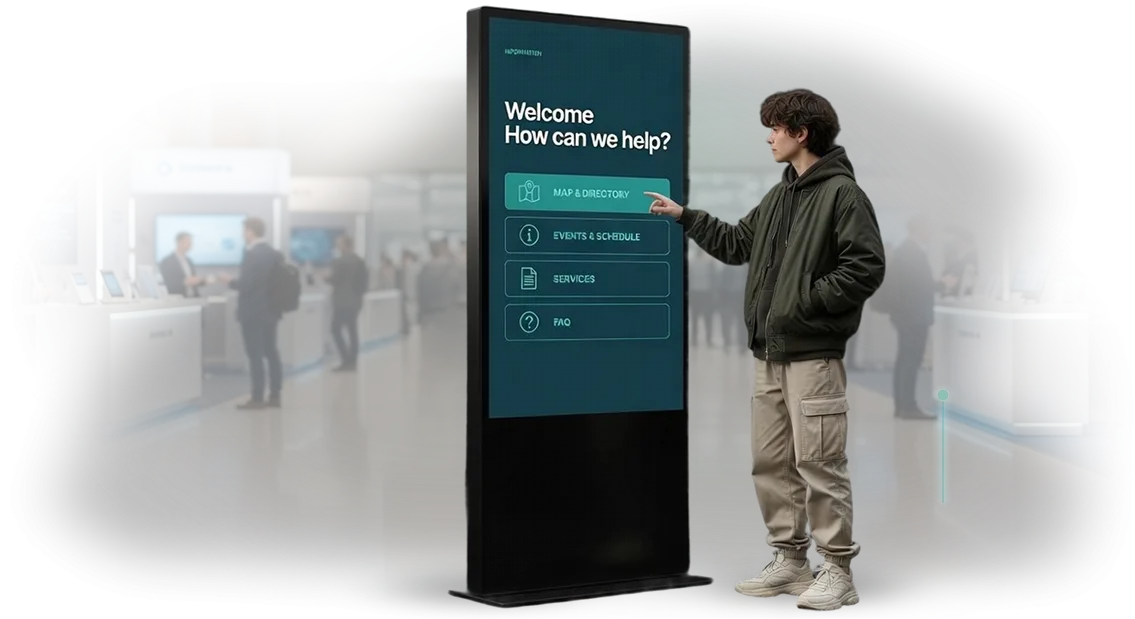
מאבדים לקוחות בתעשיית העיסה והנייר בגלל הקטלוג שלכם?
מבקר במפעל עיסה ונייר מגיע עם משימה ספציפית: למצוא נייר, קרטון או אריזות לייצור שלהם, להשוות מפרטים, לבדוק מחיר וזמינות.
אבל במקום תשובה מהירה, הם מקבלים קטלוג רב-עמודים שבו הם צריכים לסרוק עשרות פריטים כדי למצוא את מה שהם צריכים. בזמן שהם דפדפו בעמודים, הזמן אוזל — וכך גם הסבלנות שלהם.
חלק מהלקוחות פשוט סוגרים את העמוד והולכים למתחרים שהופכים הכל לברור מהמסך הראשון.
בתעשיית העיסה והנייר, מגוון המוצרים הוא כמעט תמיד עצום: כמה סוגי נייר, צפיפויות שונות, פורמטים, סוגי קרטון וחומרי אריזה.
ללא מערכת חיפוש מתאימה, הקונה או מבקש ממנהל לבזבז חצי שעה בבחירת מוצרים או מחליט לטובת ספק נוח יותר. וזה לא אובדן חד-פעמי — כל מקרה כזה מערער את האמון ומפחית את הסבירות להזמנות חוזרות. החברה בסופו של דבר מפסידה לא רק עסקה אחת, אלא הזמנות חוזרות, הכנסות ונתח שוק.
קטלוג לא נוח הוא לא רק על לקוחות אבודים — זה גם אומר מנהלים עמוסים שמבזבזים זמן על בקשות פשוטות ולעולם לא מגיעים לפרויקטים מורכבים באמת.
ויש גם גורם המוניטין: בעיני הלקוח, עסק שלא יכול לארגן את מגוון המוצרים שלו נראה כמו שותף לא אמין. הקונה של היום בוחר בספק שמכבד את זמנם ועוזר להם לקבל החלטה במהירות.
הפתרון הוא קטלוג אינטראקטיבי שעובד כמו עוזר חכם: הוא מוצא במהירות את המוצר הנכון, מציג מפרטים, זמינות וחלופות, ומציע חומרים דומים.
הוא הופך רשימת מוצרים משעממת למדריך ניווט ברור דרך המגוון, ומשפיע ישירות על מספר הפניות והביקורים החוזרים. אנו בונים קטלוגים כאלה במיוחד עבור תעשיית העיסה והנייר ועוזרים לפתור את בעיית חיפוש המוצרים אחת ולתמיד. הלקוח מקבל כלי נוח, והחברה מקבלת לקוחות נשמרים וצמיחה בהכנסות.
היתרונות של קטלוג אינטראקטיבי: בחירה מהירה יותר, ערך עגלה גבוה יותר, נאמנות לקוחות
כל קונה מגיע לדלפק או למסוף עם בקשה מגובשת, אבל בלי ראייה שיטתית של כל מגוון המוצרים. בזמן שהם מחפשים את פורמט הנייר או הקרטון הנכון בעיניים שלהם, התסכול שלהם גדל — וכך גם התור שלכם.
הקטלוג האינטראקטיבי מסיר את החיכוך הזה: המבקר רואה את כל הפריטים, המפרטים והזמינות ב-2–3 נגיעות ומקבל החלטה מהר יותר.
מהירות הבחירה משפיעה ישירות על ערך העגלה. כאשר לקוח רואה טבלת השוואה של צפיפות, פורמט ומחיר על המסך, הם לא תופסים את האפשרות הראשונה הזמינה — הם בוחרים באופטימלית למשימה שלהם.
לעתים קרובות האפשרות הזו יקרה יותר — כתוצאה מכך, העגלה הממוצעת עולה ללא מכירה אקטיבית מצד הצוות. היועץ מבלה פחות זמן בהסברים שגרתיים ויותר זמן במכירות נוספות ובדיון בהזמנות גדולות.
הנוחות בונה נאמנות. קונה שפעם הבין את הקטלוג ללא עזרה יזכור שהביקור אצלכם קל. ביקור חוזר הופך לא לצירוף מקרים אלא להרגל.
בתעשיית העיסה והנייר, שבה התחרות היא על לקוחות סיטונאיים וקבועים, ניווט צפוי במגוון פותר שימור טוב יותר מהנחות.
קטלוג אינטראקטיבי הוא יתרון תחרותי. בזמן שמתחרים עובדים עם מחירונים מודפסים וייעוץ מילולי, אתם נותנים לתהליך הבחירה שקיפות ופורמט מודרני.
מנקודת המבט של הקונה, זהו אות: החברה היא שיטתית, מונעת טכנולוגיה, ואפשר לסמוך עליה בחוזים ארוכי טווח. בפלח B2B, אות כזה הוא בעל ערך רב.
תרחישי הדרכה מובנים עוזרים למבקר לנווט במגוון באופן עצמאי, גם ללא מעורבות מנהל. ובשבילכם, זה אומר הכנסה גבוהה יותר למטר רבוע של שטח מכירה ויכולת למכור יותר פריטים ללא הרחבת כוח האדם.
פורמטים של קטלוג אינטראקטיבי לתעשיית העיסה והנייר
במפעלי עיסה ונייר, מגוון המוצרים רחב, ומפרטי המוצר חשובים לכל לקוח. ממיר צריך להשוות במהירות צפיפות, פורמט וזמינות במחסן; מפיץ צריך למצוא במהירות את הפריט המתאים למשימה.
קטלוגי נייר מתיישנים, וכל בקשה המועברת דרך מנהל מגדילה את הזמן לסגירת עסקה.
כדי לפתור את נקודת הכאב הזו, הצוות שלנו מפתח קטלוגים אינטראקטיביים למסופים, טאבלטים וחנויות מקוונות.
זוהי ויטרינה אלקטרונית אחידה שבה הלקוח מוצא מוצרים, לומד מפרטים ועובר לפנייה — ללא מתווכים או שיחות טלפון מיותרות.
פורמטי קטלוג והיתרונות ללקוח
| פורמט | למי | מה זה נותן ללקוח |
|---|---|---|
| קיוסק מסוף | לובי, משרדי מכירות, תערוכות תעשייתיות | חיפוש מוצרים מהיר וניווט עצמי, המשחרר את הצוות משאלות חוזרות |
| קטלוג טאבלט | נציגי מכירות ומנהלים במשא ומתן | הצגת מגוון משכנעת, גישה מיידית למפרטים עדכניים |
| חנות מקוונת | אתר החברה וקונים מרוחקים | גישה לקטלוג 24/7, רמות מלאי שקופות, אינטגרציה עם מערכת הנהלת החשבונות |
בחירת פורמט יחיד אינה חובה: קיוסק באולם התצוגה והטאבלט של המנהל משלימים את החנות המקוונת.
שילוב זה מספק ניווט חלק מהמגע הראשון ועד לפנייה, והלקוח מקבל יותר לידים מוסמכים ללא הרחבת מחלקת המכירות.
כיצד פועל השקת הקטלוג האינטראקטיבי במפתח מלא
כדי להבטיח שהשקת הקטלוג האינטראקטיבי תעבור ללא הפתעות, בנינו תהליך שקוף של שבעה שלבים. בכל שלב, אתם רואים את התוצאה, מאשרים החלטות מפתח ומקבלים מסוף מוכן במפתח מלא בדיוק בלוח הזמנים.
-
בריף פיתוח — אנו מתעדים אילו מוצרים ושירותים צריך להציג, מי ישתמש בקיוסק, ואילו תרחישים חשובים. הפלט הוא מפרט טכני המובן באותה מידה לצוות שלכם ולמומחים שלנו.
-
אב טיפוס ולוגיקת קטלוג — אנו יוצרים זרימת מסכים אינטראקטיבית המראה כיצד המבקר יחפש מוצרים, ידפדף בקטגוריות ויקבל תיאורים. אתם בודקים את התרחישים בעצמכם ועורכים שינויים לפני תחילת העיצוב.
-
אישור עיצוב — אנו מפתחים סגנון ויזואלי התואם את זהות המותג שלכם: צבעים, גופנים, מיקום כפתורים. לאחר אישור העיצוב, אנו עוברים למילוי תוכן.
-
מילוי תוכן — אנו אוספים מידע על מוצרים: שמות, מפרטים, תצלומים, תיאורים. אנו עוזרים לבנות את הנתונים — זה מאיץ את ההשקה ומפשט עדכונים עתידיים.
-
אינטגרציה עם המערכות שלכם — במידת הצורך, אנו מחברים את הקטלוג למאגר המוצרים כך ששינויים יופיעו במסוף אוטומטית. לא תצטרכו לערוך ידנית כל קיוסק.
-
בדיקה על ציוד אמיתי — אנו בודקים מהירות ביצועים, תצוגה על המסך ותגובת מגע. אנו מבטלים תקלות לפני שהקיוסק פוגש מבקר.
-
השקה ותמיכה — אנו מתקינים את התוכנה, מגדירים את המסוף ומכשירים את הצוות שלכם. לאחר ההשקה, אנו נשארים בקשר: אנו מעדכנים את הקטלוג לפי בקשה ומנטרים יציבות.
מה כלול במסירת הקטלוג האינטראקטיבי
מנהל צריך להבין בדיוק מה כלול בעבודת פיתוח הקטלוג האינטראקטיבי — היקף המסירה המלא קבוע בחוזה. אנו מוסרים פתרון מלא במפתח מלא, כולל מבנה, עיצוב, פאנל ניהול ותמיכה.
-
מבנה קטלוג המותאם לנומנקלטורת הייצור שלכם: עיסה, נייר, קרטון, חומרי אריזה. הפילוח והמסננים מעוצבים כך שקונה סיטונאי ימצא מוצר בשתיים או שלוש נגיעות מסך.
-
עיצוב ממשק מותאם אישית בסגנון המותג של החברה. המראה בונה אמון לקוחות ומבדל את המוצרים שלכם מהמתחרים.
-
פאנל ניהול קטלוג — פאנל ניהול קל ללמידה שבאמצעותו הצוות שלכם מעדכן מחירים, מוסיף פריטים חדשים ומפרסם מבצעים ללא מעורבות מפתחים.
-
תוכן למילוי: טקסטים מקצועיים, תצלומים, מפרטים טכניים ותיאורים המותאמים לתעשיית העיסה והנייר. אנו מכינים חומרים ברורים גם לטכנולוגים וגם למומחי רכש.
-
הכשרת צוות — סדנה מעשית למנהלים שלכם: כיצד להשתמש בפאנל הניהול, כיצד לבצע שינויים, ומה לעשות במצבים לא סטנדרטיים. לאחר ההכשרה, העובדים שלכם עובדים בביטחון.
-
אחריות ותחזוקת קטלוג: במהלך תקופת האחריות, אנו מתקנים שגיאות, מתאימים את הקטלוג לשינויי מגוון ומבטיחים פעולה יציבה של המסוף. מסירת הפרויקט מתרחשת בדיוק בלוח הזמנים.
בסופו של דבר, הלקוח מקבל לא אוסף תוכניות, אלא כלי מכירה שלם שקל לתחזק עם צוות פנימי. התוכן תמיד עדכני, המסוף פועל ללא תקלות — כל מה שנשאר זה להדליק את הקיוסק ולהתחיל לקבל פניות לקוחות.
מקרה בוחן: כיצד קטלוג אינטראקטיבי הגדיל את העגלה הממוצעת במסוף
יצרן עיסה ונייר, «Volga-CBK», פנה אלינו עם אתגר אופייני לתעשייה: במסוף השירות העצמי שלהם, קונים הלכו לאיבוד במגוון רחב — יותר מ-300 פריטים של נייר, קרטון ואריזות.
לקוחות בילו זמן רב בגלילה ברשימה סטטית, לא הבינו את ההבדל בין מוצרים דומים, ובחרו בפריט הלא נכון או עזבו ללא קנייה. העגלה הממוצעת במסוף נפלה מהיעדים המתוכננים.
פיתחנו קטלוג אינטראקטיבי שמבנה את כל המגוון לקטגוריות ברורות: סוג מוצר, צפיפות, פורמט, מטרה.
במקום רשימה, קונים קיבלו כרטיסים ויזואליים עם תמונות, תיאורים ומחירים, ומסננים אפשרו לצמצם את הבחירה לפריט הדרוש בכמה נגיעות. הממשק הציע מוצרים משלימים — למשל, אריזות או סרט דביק מתאימים.
תוצאות הפרויקט
מקרה הקטלוג האינטראקטיבי הזה הניב השפעה עסקית מדידה למפעל בתוך החודש הראשון לפעילות:
- העגלה הממוצעת גדלה ב-35%;
- זמן בחירת המוצר כמעט נחתך בחצי;
- הזמנות נטושות ירדו ב-40%.
הקונים החלו לבצע הזמנות בביטחון רב יותר, והצוות הפסיק לבזבז זמן על ייעוץ לגבי פריטים סטנדרטיים. בנוסף, חלק הפניות החוזרות גדל — לקוחות חזרו כי התהליך הפך לפשוט ומהיר יותר.
המלצת לקוח
"לפני כן, קונים שאלו לעתים קרובות: במה הנייר הזה שונה מהנייר שלידו? עכשיו הקטלוג עונה על השאלה הזו בעצמו. אנשים רואים את המפרטים, משווים ומקבלים החלטה ללא עזרת איש מכירות.
זה הפחית את התור במסוף והעלה את ערך העגלה — קיבלנו כלי שבאמת מוכר," ציינה ראש חטיבת המכירות הקמעונאיות של המפעל.
אם העסק שלכם עובד עם מגוון רחב בתעשיית העיסה והנייר, אותה גישה יכולה לעזור להגדיל את מכירות המסוף. השאירו פנייה — נראה לכם כיצד להתאים את הפתרון לצרכים שלכם.
כיצד לבחור את פורמט הקטלוג האינטראקטיבי הנכון לעסק שלכם?
בחירת הפורמט תלויה לא ב"פתרונות אופנתיים" אלא באופן שבו הלקוח יעבוד עם המוצרים שלכם. בתעשיית העיסה והנייר, זה כרוך לעתים קרובות במפרטים טכניים, דוגמאות, אישורים ותנאי אספקה.
אז לפני שבוחרים בין קטלוג לדוכן, ענו על שלוש שאלות: מה אנחנו מציגים, כמה מהר המבקר צריך למצוא את מה שהם צריכים, ואיזה רושם אתם רוצים להשאיר?
אם המגוון גדול וחשוב להתאים במהירות חומר לפי צפיפות, סוג או מטרה — קטלוג מסוף עם מסננים והשוואת מוצרים הוא הבחירה הנכונה.
הוא עובד כמו יועץ וירטואלי: המבקר בוחר את המוצר, צופה במפרטים ומסיים עם סיכום קצר או בקשה להצעת מחיר. זה חוסך זמן לצוות שלכם בתערוכות ומגדיל את מספר הפניות המעובדות.
אם המוצרים צריכים להיות מוצגים "בפעולה" — נייר אריזה, קרטון גלי, עיסה — דוכן אינטראקטיבי הוא הבחירה הטובה יותר. הוא יכול להציג דוגמאות, ויזואליזציות של קווי ייצור ותרחישי יישום.
דוכן כזה מושך תשומת לב ומחזיק מבקרים זמן רב יותר מאשר קטלוג שולחני רגיל, וזו דרך ישירה לשיחה עמוקה יותר על שיתוף פעולה.
בחירת הפתרון הנכון מסתכמת באיזה קטלוג אתם באמת צריכים: למסוף אחד או כמה מיקומים, משולב עם מאגר המוצרים שלכם או עצמאי.
אבל העיקרון המרכזי הוא להתחיל מהיקף פריטי המוצר, תרחיש המבקר ומיקום ההתקנה. אנו מרבים לשלב פורמטים: דוכן אינטראקטיבי למעורבות וקטלוג מלא למציאת SKU ספציפיים — הכל בממשק אחד.
אל תתחילו מהשאלה "מה ייראה מרשים." התחילו מאיך הלקוחות שלכם בוחרים ומשווים מוצרים היום. תארו את המשימה שלכם — נבחר פורמט שמחזק את הצגת המוצרים שלכם ומפחית את זמן הייעוץ בתערוכה או באולם תצוגה.
שאלות נפוצות על קטלוגים אינטראקטיביים למסופים
בעת יישום קטלוג אינטראקטיבי למסוף בתעשיית העיסה והנייר, לרוב הלקוחות יש את אותם חששות — ממורכבות העדכון ועד אמינות הציוד בתנאי סדנה.
אספנו את השאלות האופייניות ועונים עליהן בכנות כך שהפתרון יהיה צפוי וברור בכל שלב.
כיצד מתעדכן קטלוג המוצרים והשירותים?
עדכון אורך לא יותר מ-15 דקות — דרך פאנל ניהול פשוט. אתם משנים מחירים, מוסיפים פריטים חדשים, עורכים תיאורים ותמונות, והמסוף מקבל את הנתונים המעודכנים אוטומטית בסנכרון הבא. אין צורך לקרוא למתכנת או לחכות לקבלן.
האם המסוף דורש חיבור אינטרנט קבוע?
לא. הקטלוג מאוחסן על המסוף עצמו, כך שמבקרים יכולים להשתמש בו גם בהפסקת רשת מוחלטת. לעדכונים, נדרש רק חיבור קצר טווח — זה יכול לקרות בלוח זמנים או להיות מופעל ידנית בכל עת שנוח.
האם קשה להכשיר צוות לעבודה עם הקטלוג?
הממשק מעוצב במיוחד להטמעה מהירה: רוב המומחים תופסים את העניין תוך יום. הוראה קצרה ו-30–60 דקות של תרגול מספיקות לעובדים שלכם כדי לנהל תוכן באופן עצמאי, ללא מעורבות מפתחים.
האם המסוף אמין בתנאי סדנה?
אנו משתמשים במארזי מגן ורכיבים מקצועיים המדורגים לאבק, לחות ותנודות טמפרטורה. אורך החיים הממוצע של ציוד כזה הוא 7–10 שנים, והוא מגיע גם עם אחריות ותמיכה לאחר אחריות כך שלא תצטרכו לדאוג לתיקונים.
מה כוללת תמיכת הקטלוג לאחר ההשקה?
התחזוקה כוללת עדכוני תוכן מרחוק, ייעוץ לצוות, ניטור ביצועים והחלפה בזמן של חומרים מתכלים. אנו זמינים בימי עסקים ומגיבים לפניות תוך יום אחד — כך שהמסוף לעולם לא עוצר את הפעילות שלכם.
הזמינו קטלוג אינטראקטיבי במפתח מלא וקבלו הצעת מחיר
השאירו פנייה — ובתוך יום עסקים אחד נשלח לכם הצעה מסחרית עם חישוב עלות ולוחות זמנים. תקבלו לא מספרים מעורפלים אלא רשימת עבודות קונקרטית: מה אנחנו לוקחים על עצמנו, אילו מסכים ופונקציות יהיו בקטלוג.
כך אתם מבינים את התקציב והתוצאה מראש, ללא חיובים נסתרים. אנו עובדים עם מפעלי עיסה ונייר ומכירים את הפרטים של מסופים בסדנאות ומחסנים: הקטלוג יהיה נוח למפעיל, לעובד המחסן ולמנהל.
מכם: בריף וגישה לנתונים עדכניים. מאיתנו: פיתוח קטלוג אינטראקטיבי במפתח מלא — מהמבנה והעיצוב ועד הטעינה על המסוף והוראות לצוות. רוצים לשנות את המגוון או המחירים? נראה לכם איך לעשות זאת בעצמכם, ללא הזמנת קבלן.
מה כלול בהזמנה:
- חישוב עלות ולוחות זמנים לפני תחילת העבודה — קבוע בחוזה;
- עיצוב מבנה קטלוג המותאם למשימות הייצור והנומנקלטורה שלכם;
- טעינת כל הפריטים: מפרטים, רמות מלאי, תגי מחיר, תמונות, זרימת בחירה;
- התאמת ממשק לגודל המסך ולשיטת השליטה — מגע או כדור עקיבה;
- הכשרת הצוות שלכם לעבודה עם הקטלוג ומדריך משתמש;
- אחריות ותמיכה לאחר השקה: נתקן כל בעיה במסגרת הזמן המוסכם.
כדי לקבל הצעת מחיר, צרו קשר בכל דרך נוחה. שלחו את רשימת המוצרים שלכם או פשוט תארו את המשימה — נבהיר את הפרטים ונכין הצעה. הזמינו קטלוג אינטראקטיבי במפתח מלא היום והשתמשו בו במסוף הייצור שלכם תוך מספר שבועות בלבד.