

מצגת אינטראקטיבית למרכז התפתחות ילדים
הורים בוחרים מרכז התפתחות ילדים עם הלב, אבל מגבים את ההחלטה בטיעונים. פרסומת רגילה או עלון נייר לא יכולים להעביר את האווירה של השיעורים, את הגישה של המורים, או את השמחה שבה ילדים רצים לשיעורים שלהם.
ללא אינטראקטיביות ויזואלית, מרכז מאבד עד 30–40% מלקוחות פוטנציאליים — הורים פשוט חולפים על פניהם מבלי להבין מה מייחד אתכם מעשרות סטודיו שכנים.
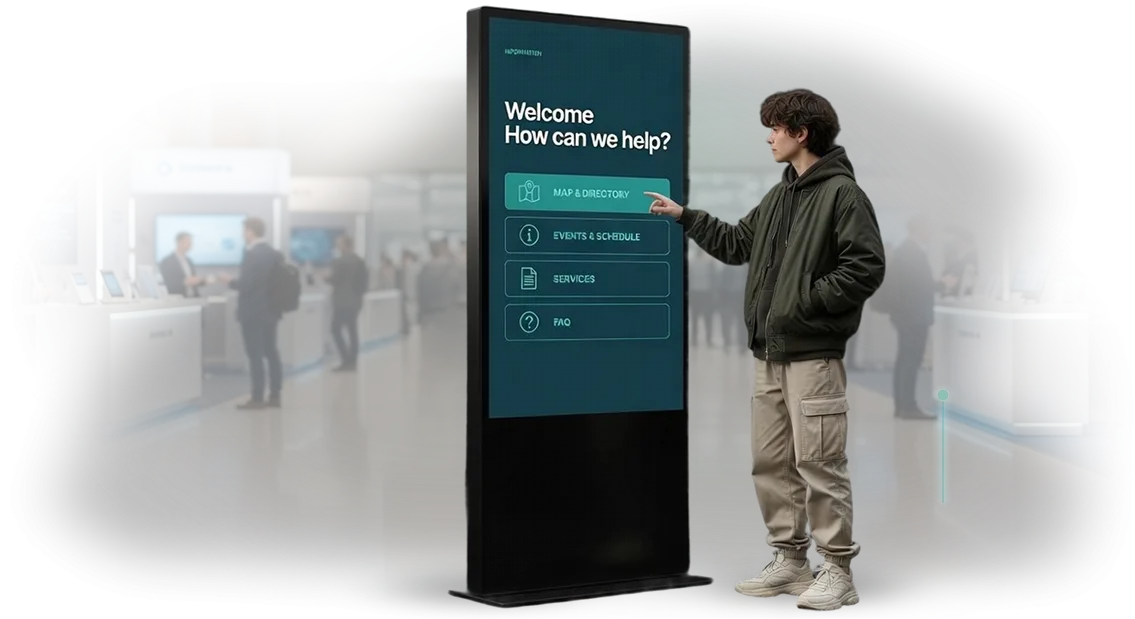
מצגת אינטראקטיבית על פאנל מסך מגע פותרת את הבעיה הזו תוך דקה. המבקר רואה את תוכנית ההתפתחות, הישגי התלמידים, תמונות מהשיעורים ולוח הזמנים — הכל בפורמט מגע נוח שילד יכול גם לדפדף בו יחד עם ההורים.
זה לא רק מסך בלובי אלא כלי שמנחה בעדינות את ההורה להזמין שיעור ניסיון במקום.
תסכימו: כשילד לוחץ על המסך בעצמו ומראה לאמא "את השיעור הזה כאן", ההחלטה לקנות מנוי מבשילה מהר יותר. ההורה רואה שהמרכז מודרני, שהם דואגים לחוויות, לא רק לתוכנית הלימודים. פאנל מסך המגע הופך למנהל המכירות החי שלכם שעובד ללא הפסקות או ימי חופש.
קיוסק כזה יעיל במיוחד באזור ההמתנה, שבו הורים מבלים 5–15 דקות לפני השיעור. במקום המתנה משעממת — היכרות אינטראקטיבית עם המרכז, המורים והשיטות.
חלק מההורים מגיעים עם ספקות, והמצגת מסירה אותם עוד לפני השיחה עם המנהל, וחוסכת את הזמן שלכם ומגדילה את ההמרה להזמנות.
אנחנו יוצרים מצגת אינטראקטיבית המותאמת למטרות של מרכז התפתחות הילדים הספציפי שלכם: אנחנו מדגישים את החוזקות שלכם, מציגים תוצאות אמיתיות של תלמידים ומוסיפים תרחישים נוחים להורים.
זה פותר את נקודת הכאב המרכזית — המרכז מפסיק להיות "עוד סט של חוגים" והופך למקום שהורים רוצים לחזור אליו ולהמליץ עליו לחברים.
מה פאנל מסך מגע ייתן למתחם שלכם
פאנל מסך מגע במרכז התפתחות ילדים הוא לא רק מסך בלובי. הוא הופך את ההמתנה למשחק, מגביר את אמון ההורים ועוזר לרשום ילד לשיעור ניסיון.
מעורבות ילדים מהדקה הראשונה
בעוד ההורים מדברים עם המנהל, הילד לא משועמם. הקיוסק מציע משחקים פשוטים ומשימות בהירות שמחזיקות תשומת לב ויוצרות תחושת חגיגה. כך, מהביקור הראשון, הילד זוכר את המרכז כמקום שהוא רוצה לחזור אליו.
פחות התקפי זעם ורגשות שליליים — גם ההורים מרגישים רגועים יותר. הם מוכנים יותר להביא את ילדיהם לשיעורים וסביר יותר שיחדשו את המנוי.
תדמית מודרנית ואמון
פאנל מסך מגע בלובי הוא סימן בולט לכך שהמרכז דואג לאיכות ונשאר עם הזמן. עבור הורים, זה אות: כאן לא חוסכים בהתפתחות הילדים, כלומר אפשר להפקיד בידיהם את היקר מכל.
ציוד מודרני מעלה את הערך הנתפס של השיעורים בעיני הלקוחות. הורים מספרים לחברים על המרכז, והמלצות מפה לאוזן מביאות מבקרים חדשים ללא הוצאות על פרסום.
גידול בהזמנות שיעורי ניסיון
מהקיוסק נוח לצפות מיד בלוח הזמנים ולהשאיר בקשה לשיעור ניסיון. ההורה לא צריך לחפש את המנהל או לבדוק את לוח הזמנים ברשתות החברתיות — הכל קורה בכמה נגיעות.
הזמנה מהירה היא מה שמשפיע על ההחלטה. ככל שעובר פחות זמן בין הרצון לבקשה, כך הסיכוי שהילד יגיע לשיעור גבוה יותר. ושיעור ניסיון הוא הצעד הראשון לקראת לקוח קבוע.
פורמטים של מצגות אינטראקטיביות למרכז התפתחות
עבור מרכז התפתחות, קיוסק אינטראקטיבי הוא "עובד שני" שמקבל את פני האורחים, מעסיק את הילדים ומעצב את התדמית של חלל מודרני.
הכנו שלושה פורמטים בסיסיים של מצגות — מתפריט ניווט פשוט ועד מודול חינוכי מלא. בחירת הפורמט תלויה במטרה שלכם: מה חשוב יותר — ניווט, בידור או למידה.
| פורמט | למי הוא מיועד | מה הוא נותן למרכז |
|---|---|---|
| תפריט ניווט | הורים ומבקרים בלובי | עוזר למבקרים למצוא באופן עצמאי את לוח הזמנים, השיעורים והמחירים — מוריד עומס מהמנהל ומאיץ את ההחלטה להזמין |
| משחק חידון אינטראקטיבי | ילדים בגילאי 4–10 בחגיגות ובשיעורים קבוצתיים | מחזיק תשומת לב, הופך חזרה על חומר למשחק קבוצתי מהנה, יוצר רגשות ורגעים ראויים לצילום לרשתות החברתיות |
| מודול חינוכי עם משימות | לעבודה אישית וקבוצות קטנות | הילד בוחר את הרמה שלו ומקבל משוב מיידי — מפתח עצמאות, והמורים רואים התקדמות |
אלה לא גבולות נוקשים: סוגי האינטראקטיביות ניתנים לשילוב והתאמה בקלות לגילאי הילדים, לפריסת המתחם ולזהות המותג של המרכז.
במהלך הייעוץ, נעזור לכם לבחור את הפורמט האופטימלי — מעלון מגע ועד תוכנית חינוכית רב-רמות שתהפוך ליתרון התחרותי שלכם.
איך אנחנו יוצרים מצגת: 6 שלבים מבריף ועד השקה
אתם עסוקים בפיתוח המרכז, לא בפרטים טכניים — לכן בנינו תהליך כך שתמיד תבינו מה קורה ומתי התוצאה תהיה מוכנה.
כל שלב מסתיים בנקודת בקרה: אתם רואים את התוצאה הביניים, עורכים שינויים ללא לחץ ויודעים את לוחות הזמנים המדויקים. להלן ששת השלבים מהשיחה הראשונה ועד מצגת עובדת על הפאנל שלכם.
-
בריף ומטרות. ראיון קצר: מי ואיך ישתמש בקיוסק — ילדים, הורים, מנהל. אנחנו מגדירים את היעדים: הזמנת שיעורים, ניווט קבוצתי, בידור באזור ההמתנה. אנחנו מתעדים את הרצונות והאילוצים שלכם.
-
קונספט ומבנה. בהתבסס על הבריף, אנחנו מציעים תרחיש מצגת: סעיפים, לוגיקת ניווט, מספר מסכים. אנחנו מיישרים את המבנה איתכם לפני תחילת העיצוב — זה מונע עבודה חוזרת יקרה בשלבים מאוחרים יותר.
-
אב טיפוס עיצובי. סגנון ויזואלי ברוח המותג שלכם: כפתורים גדולים לילדים קטנים, תוויות ברורות למבוגרים, הדגשים בהירים באזורי תשומת לב. אתם מקבלים את האב טיפוס לפני ההשקה ומאשרים אותו.
-
הרכבה ותוכן. אנחנו יוצרים את המסכים האינטראקטיביים: אנימציות, מעברים, הנחיות קוליות, תגובות למגע. אנחנו ממלאים את הטקסט והתמונות בחומרים שלכם — תמונות שיעורים, לוח זמנים, אנשי קשר.
-
בדיקה על הפאנל. אנחנו בודקים איך המצגת מתנהגת על מסך המגע שלכם: מהירות תגובה, קריאות ממרחקים שונים, נוחות שימוש לילדים בגבהים שונים ולמבוגרים. אנחנו מתקנים ליקויים לפני שהמבקרים רואים אותם.
-
השקה ותמיכה. אנחנו מתקינים את המצגת, מאמנים את הצוות ומוסרים את ההנחיות. אנחנו נשארים בקשר: אם תרצו לשנות את לוח הזמנים, להוסיף תמונות או לערוך טקסט — אנחנו מבצעים את השינויים במהירות.
התוצאה היא כלי מוכן שעובד למען המטרה שלכם: מוריד עומס מהמנהל, מחזיק את תשומת הלב של ילדים והורים ויוצר תדמית מודרנית למרכז.
אתם מקבלים לא "קובץ למסך מגע" אלא מערכת ניתנת לניהול שקל לעדכן ולפתח.
מה כלול במסירה: ערכת עבודה מלאה
אתם מקבלים לא רק קובץ מצגת אלא פתרון מוכן לעבודה, סוהר. אנחנו מרכיבים את הערכה עבור מרכז התפתחות הילדים שלכם כך שפאנל מסך המגע מתחיל לספק ערך מיד לאחר ההתקנה.
- מצגת אינטראקטיבית המותאמת לשליטה במגע ולמטרות המרכז שלכם — עם חומרים לשיעורים, משחקים וניווט.
- תוכנה מוגדרת: נפתחת אוטומטית, מוגנת מפני תקלות מקריות ומיועדת לשימוש יומיומי של ילדים ומורים.
- מדריך הפעלה ברור: איך להדליק, להפעיל מחדש, לשנות חומרים או להוסיף משימות חדשות — ללא צורך בקריאה למומחה.
- הכשרת צוות: אנחנו מראים למנהלים ולמורים איך לעבוד עם הקיוסק, עונים על שאלות ומשתפים תרחישי שימוש מוכנים.
- אחריות על העבודה ותמיכה: במהלך תקופת האחריות, אנחנו עוזרים מרחוק, ובמידת הצורך, מתחברים במהירות למערכת ופותרים את הבעיה.
- עדכוני תוכן ושיפורים: אם בעוד כמה חודשים תרצו להוסיף תוכניות חדשות או לשנות את התפריט — זה ניתן לביצוע במסגרת התמיכה הטכנית.
ערכה כזו מבטלת את הסיכון המרכזי של הלקוח — לקנות ציוד ולהישאר לבד איתו. אתם מקבלים מערכת עובדת שמובנת לצוות ובטוחה לילדים, והמהנדס שלנו נשאר בקשר לאחר ההשקה.
מקרה בוחן: איך מרכז התפתחות הגדיל את הזמנות השיעורים
מרכז ילדים יכול להציע תוכניות מצוינות — אבל הורים זוכרים לא עלון אלא חוויה. לפני הפרויקט הזה, הזמנות השיעורים עברו דרך המנהל: אמהות התקשרו, הגיעו לסיור ולעתים קרובות דחו את ההחלטה. לא היה רגע שיעסיק את הילד ויענה מיד על שאלות המבוגר.
פתרנו את זה עם קיוסק אינטראקטיבי על פאנל מסך מגע. הלקוח שלנו היה מרכז ההתפתחות "צעדים ראשונים".
עבורם, עיצבנו מסע קטן: הילד "מטייל" בין האולמות, משלים משימות, ובינתיים מופיעים על המסך שיעורים המתאימים לגילו. ההורה רואה את לוח הזמנים והחבילות — ללא הסברים ארוכים מהמנהל.
התוצאה הורגשה תוך חודש: הזמנות השיעורים גדלו ב-40%. הפאנל יושב באזור ההמתנה, ומשך הסשן הממוצע הוא 6 דקות — בזמן הזה הילד מספיק לשחק, וההורה מספיק להשאיר בקשה.
במקביל, הקיוסק מטפל בכ-70% מהשאלות האופייניות של המנהל, ומשחרר את הצוות לעבודה עם אלה שכבר מוכנים לבחור.
למה זה עובד: הורים מחליטים רגשית כשהם רואים ילד מעורב. והאינטראקטיביות לא רק מבדרת — היא מציגה את התוכניות הספציפיות של המרכז ומובילה להזמנה, ומפחיתה היסוסים.
אחרי העונה הראשונה, המרכז הזמין עדכון תוכן לקבוצות החדשות — האינטראקטיב ממשיך להביא פניות.
זו דוגמה אחת למקרה שבו קיוסק אינטראקטיבי מחזיר את ההשקעה דרך הזמנות, לא רק על ידי יצירת תמונה יפה. השקנו פורמטים דומים לבתי ספר פרטיים וסטודיו לשפות — בכל מקום, הלקוחות חזרו לשלב הבא.
איך לבחור את פורמט המצגת הנכון?
בחירת פורמט מצגת לפאנל מסך מגע מתחילה לא במפרט טכני אלא בתשובה לשאלה פשוטה: מה אתם רוצים להשיג בסופו של דבר?
חלק ממרכזי הילדים צריכים להראות להורים במהירות את התוכניות ואת לוח הזמנים, אחרים צריכים לעסוק ילדים בלמידה מבוססת משחק, ועוד אחרים צריכים לבצע אוטומציה של הזמנות שיעורים.
המטרות האלה, לא "קופסה" אוניברסלית עם תבניות מוכנות, קובעות איזה תרחיש יהיה שימושי עבורכם.
חשבו מי יהיה המשתמש העיקרי של הקיוסק. אם אלה ילדים — אתם צריכים כפתורים גדולים, דימויים חיים ותרחישים קצרים שמחזיקים תשומת לב לשתיים או שלוש דקות.
אם אלה הורים — ניווט ברור, מידע על מורים, מחירים ויכולת להשאיר בקשה חשובים יותר.
הניסיון מראה שהתוצאות הטובות ביותר מגיעות ממצב משולב, שבו ילד מוצא בקלות משחק או אגדה, ומבוגר מקבל אנשי קשר ואת לוח השיעורים בשתיים או שלוש נגיעות.
חשבו באיזו תדירות התוכן משתנה. לוח החוגים, לוח האירועים וחדשות המרכז מתעדכנים מדי שבוע — כלומר צריכה להיות לכם אפשרות לערוך טקסטים ללא מעורבות מפתח.
אם השינויים נדירים ואתם צריכים סרטון מיתוג מלוטש, תרחיש קבוע עם עיצוב ואנימציה מחושבים יעבוד. אנחנו ממליצים על פורמט עם פאנל ניהול פשוט: תוכלו לעדכן מחירים או להוסיף חג בכמה דקות, בלי להסיח דעת של מומחה טכני.
ולבסוף, התקציב. פורמט המצגת צריך להחזיר את עצמו: לחסוך בזמן המנהל, להגדיל את מספר ההזמנות דרך הקיוסק וליצור תדמית בלתי נשכחת למרכז.
הדרך האופטימלית היא להתחיל עם ערכה בסיסית: סעיפי מידע, לוח זמנים, גלריית תמונות ומשחק פשוט לילדים, ואז להרחיב את הפונקציונליות ככל שהמשימות גדלות. גישה זו אינה דורשת השקעות גדולות בהתחלה אבל משאירה מקום לפיתוח.
כדי לבחור פורמט, מספיק ייעוץ אחד: נשאל שאלות על המטרות, הקהל והעדכונים המתוכננים שלכם, ואז נציע תרחיש שפותר את משימות המרכז ומתאים לתקציב.
אתם תקבלו לא רק מצגת אלא כלי שעובד למען הזמנות, נאמנות והכרת המותג.
שאלות נפוצות על פיתוח מצגות
שאלות לפני ההשקה הן נורמליות: אתם משקיעים בפורמט חדש ורוצים שהכל יעבור חלק. ריכזנו תשובות למה שבעלי מרכזי ילדים שואלים לרוב לפני הזמנת מצגת אינטראקטיבית.
כמה זמן לוקח לפתח מצגת?
לוח הזמנים האופייני הוא 7 עד 14 ימי עבודה. הכל תלוי במספר המסכים, במורכבות התרחיש ובמהירות שבה אתם מספקים את החומרים: לוגו, תמונות של המתחם, תיאורי שיעורים.
אם אתם צריכים לעמוד בזמן לפתיחת סניף או לפגישה שנתית, נדון בלוח זמנים דחוס. בדרך כלל אנחנו ממנים מנהל ייעודי שמתאם את התהליך ומעדכן אתכם בכל שלב.
האם נוכל לשנות את לוח הזמנים, המחירים או מידע על השיעורים מאוחר יותר?
כן, זה היתרון המרכזי של מצגת אינטראקטיבית. כל שינוי — מחירים חדשים, לוח זמנים, הודעות על אירועים — אתם שולחים אלינו, ואנחנו מעדכנים את התוכן. זה בדרך כלל לוקח יום עד שלושה ימים.
לעריכות קטנות, אנחנו יכולים להגדיר פאנל ניהול פשוט כך שהמנהל שלכם יוכל לשנות טקסט או תמונות בעצמו. זה נוח אם הנתונים מתעדכנים לעתים קרובות.
האם פאנל מסך המגע בטוח לילדים?
אנחנו עובדים עם ציוד מקצועי המיועד לשימוש אינטנסיבי בחללים ציבוריים. אנחנו משתמשים בזכוכית עמידה בפני פגיעות והגנה מפני שריטות — ילדים יכולים ללחוץ באופן פעיל, לגרור אצבעות, ולא ישברו את המסך.
כל רכיבי הממשק גדולים, והאנימציות חלקות ללא הבזקים חדים, כדי לא להעמיס על תשומת הלב של הילד. ההורים יכולים להיות רגועים: הפאנל בטוח אפילו למבקרים הצעירים ביותר.
מה לגבי אחריות ותמיכה לאחר ההשקה?
אנחנו מספקים אחריות על העבודה והציוד, כמו גם תמיכה חינמית בחודש הראשון — במהלך תקופה זו אנחנו מבצעים עריכות במהירות ועוזרים בהסתגלות.
לאחר מכן, תוכלו לבחור חבילת תמיכה: עדכוני תוכן שוטפים, תחזוקה טכנית ומענה עדיפות לפניות. אם משהו משתבש, אנחנו זמינים בשעות העבודה ופותרים בעיות במהירות.
האם המצגת תעבוד עם כל סוג של פאנל מסך מגע?
אנחנו מתאימים את הפרויקט לציוד שלכם, בין אם זה עמדה נייחת בלובי או טאבלט נייד על שולחן המנהל. בשלב הבריף, אנחנו מבררים את הדגם והמפרט של הפאנל כך שהממשק יתאים בדיוק לרזולוציה ולגודל המסך.
אם עדיין אין לכם ציוד, נייעץ לכם באיזו אפשרות לבחור למשימות ולתקציב שלכם — תוך התחשבות בגודל המתחם, מספר המבקרים ותרחישי השימוש.
כפי שאתם רואים, חשבנו על הכל כדי שתקבלו כלי עובד ללא הפתעות. צרו קשר כדי לדון בפרויקט שלכם ולקבל תוכנית פעולה ברורה.הזמינו מצגת אינטראקטיבית לפאנל מסך המגע שלכם
כדי לקבל מצגת אינטראקטיבית לפאנל מסך מגע שבאמת עובדת על המבקרים שלכם, אתם לא צריכים להבין בפרטים טכניים.
פשוט השאירו בקשה — נספק ייעוץ חינמי, נחשב את העלות בהתבסס על המטרות של מרכז התפתחות הילדים שלכם, ונראה לכם דוגמאות של ביצועים שהושלמו.
- ייעוץ חינמי: נבין איזה פורמט אינטראקטיבי מתאים לאורחים ולמורים שלכם.
- עלות מחושבת לאחר בדיקה — תוך יום אחד: אתם מקבלים הערכה שקופה ללא תוספות נסתרות.
- דוגמאות ביצוע למרכזי ילדים: ראו איך אינטראקטיביות עוזרת להחזיק תשומת לב ולהגדיל הזמנות שיעורים.
- התאמה לפאנל מסך מגע: ממשק שילד יכול לשלוט בו בעצמו והורה יעריך.
- השקה סוהר: אנחנו מגדירים את הציוד, מעלים את התוכן ובודקים שהכל עובד לפני הפתיחה.
לוחות זמנים ותקציב קבועים בחוזה — אתם יודעים מראש מה תקבלו. לחישוב, מספיק לספר לנו על מספר המבקרים והמטרות: ניווט, למידה, בידור או הצגת שיעורים. נציע פתרון שמחזיר את עצמו באמצעות מעורבות מוגברת וביקורים חוזרים.
השאירו בקשה באתר או התקשרו אלינו — נגיב תוך יום עסקים אחד. נספר לכם איך להזמין מצגת אינטראקטיבית, ניתן לכם מושג על לוחות הזמנים ונכין הערכת עלות שלוקחת בחשבון את המאפיינים של המרכז שלכם. נתחיל עם בריף קצר — תוך 10 דקות תהיה לכם בהירות על הפתרון.