

מדוע תערוכות בפארק מדע נכשלות להישאר בזיכרון המבקרים?
מבקרי פארק המדע מגיעים לחוויות חיות, אבל מקבלים שלטים וויטרינות. תערוכה סטטית מאבדת תשומת לב כבר בעמדה השלישית: המבקרים סורקים את הטקסט וממשיכים הלאה. כמה ימים לאחר מכן, כל מה שנשאר הוא כמה תמונות גנריות במקום ידע ורגש מתמשכים.
זה עולה לפארק המדע ביוקר: אתם משקיעים במודלים ופיתוחים ייחודיים, אבל האורחים אף פעם לא מקבלים הזדמנות להרגיש את הערך שלהם. אם אי אפשר לנסות תערוכה, לשנות אותה או "לגעת" בה, המוח לא יוצר את החיבור הדרוש.
כתוצאה מכך, האפקט המרכזי של תערוכת מדע נעלם: הרצון ללמוד עוד ולחזור בשביל זה.
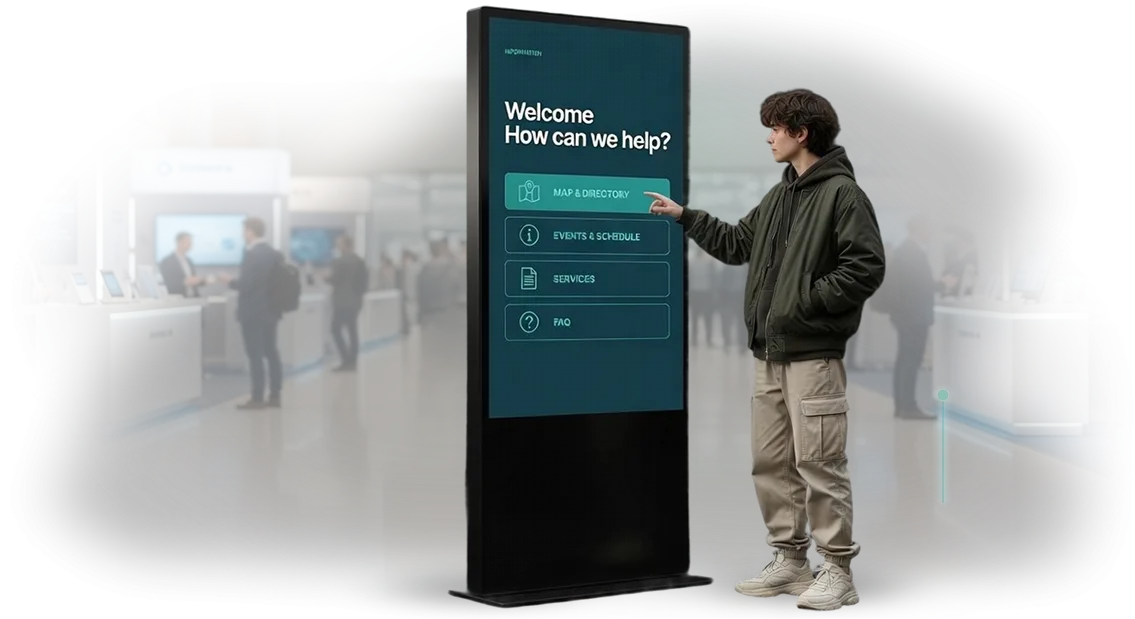
אינטראקטיביות לפארק מדע משנה לחלוטין את התנהגות המבקרים. פאנל מגע מזמין לפעולה: הפעילו תהליכים, שנו פרמטרים, ראו משוב מיידי. במקום קריאה — ניסוי; במקום המתנה בעמדה — עניין והתרגשות.
מעורבות המבקרים עולה לרמה שבה זמן ורגשות הופכים לביקורים חוזרים והמלצות.
אנחנו עוזרים להפוך את התערוכה שלכם למרחב של גילויים. הצוות שלנו, עם ניסיון של עשר שנים, מפתח פתרונות מגע אינטראקטיביים במפתח מלא — מהקונספט והעיצוב ועד ההתקנה וההגדרה.
אתם מקבלים מערכת שעובדת באופן אמין, והפארק שלכם מקבל אורחים שזוכרים כל עמדה לאורך זמן.
אל תיתנו לתערוכה שלכם להישאר "עוד תמונה בפיד." הפכו אותה למוקד משיכה ולסיבה לחזור לפארק המדע שוב.
מה תיתן לכם מצגת אינטראקטיבית על פאנל מגע?
מבקר בפארק מדע מגיע לחוויות, אבל לעתים קרובות נתקל בקירות של טקסט ודיאגרמות שאיש לא רוצה ללמוד.
מצגת אינטראקטיבית על פאנל מגע הופכת את חקר התערוכה להרפתקה קצרה ומרתקת: האורחים בוחרים מה ללמוד עוד ומקבלים תשובות תוך דקות ללא חיפוש אחר איש צוות.
זה מגביר את העניין בתערוכות ושומר על תשומת הלב של המבקרים זמן רב יותר מאשר עמדות רגילות.
עבור הפארק עצמו, מצגת מגע כזו הופכת גם לניווט נוח. המבקרים מוצאים במהירות את האולם, האירוע או המעבדה הנכונים ללא הצטופפות סביב דלפק המידע.
פחות תורים ופחות פניות לצוות — יותר אורחים מרוצים שמצליחים לראות יותר ומוכנים יותר לחזור.
ממשק מודרני ומצגת מחושבת מעצבים את תדמית פארק המדע כמרחב עדכני וטכנולוגי. ממש בכניסה, האורחים מבינים: המקום הזה דואג לנוחות ויודע לדבר על מדע בלי שעמום.
זה עובד גם לזיהוי מותג — תמונות מושכות מעין מפאנלי מגע מגיעות לעתים קרובות לרשתות החברתיות, ויוצרות חשיפה נוספת ללא תקציב פרסום.
הגדלת הביקורים החוזרים היא האפקט המרכזי לטווח הארוך. כשהמבקרים יכולים לנווט בקלות, לקבל ערך רגשי ולראות שהפארק מתפתח, הם רוצים לחזור שוב ולהביא חברים.
מצגת אינטראקטיבית קלה לעדכון: תערוכות, לוחות זמנים ופוסטרים של אירועים משתנים — הפאנל תמיד נשאר עדכני ללא הדפסה חוזרת של חומרים בנייר.
אנחנו יוצרים פתרונות כאלה על ציוד מגע מקצועי ופלטפורמה אמינה, כך שהמערכת עובדת ביציבות גם בשעות השיא ואינה דורשת תחזוקה מתמדת.
ניסיון מפרויקטים דומים מראה: המבקרים משתמשים בפאנל באופן פעיל, והצוות מקדיש פחות זמן לשאלות חוזרות. אתם מקבלים לא רק מסך, אלא כלי שמחזיר את ההשקעה דרך עניין הקהל, נוחות המבקרים ותדמית פארק מודרנית.
פורמטים של מצגת אינטראקטיבית לפארק מדע
מבקרי פארק המדע מגיעים לחוויות, לא לטקסטים ארוכים על שלטים. עמדות סטטיות הופכות במהירות למשעממות, והאורחים חולפים על פניהן מבלי לקבל את הערך המרכזי — ידע ורגשות חדשים.
קיוסק אינטראקטיבי פותר את הבעיה הזו, אבל רק אם התוכן על המסך באמת מושך ולא משכפל עלון נייר.
אנחנו מפתחים מצגות לתרחישים הספציפיים של הפארק שלכם. במקום פתרונות תבניתיים, אנו מציעים פורמט שתואם בדיוק למטרה: להדריך אורחים בשטח, להסביר תיאוריה מדעית מורכבת או ליצור בידור לכל המשפחה. קל לעדכן את התוכן, כך שהקיוסק לא מתיישן יחד עם התערוכה.
| פורמט | למי | מה זה נותן ללקוח |
|---|---|---|
| מפה אינטראקטיבית | ניווט בפארק | המבקרים בונים מסלול משלהם, עומס העבודה של הצוות יורד, נוחות האורחים גדלה. |
| חידון אורחים | קבוצות בתי ספר ומשפחות | התרגשות ורוח תחרותית; האורחים נשארים זמן רב יותר ורוצים לחזור. |
| מודל תלת-ממדי של תערוכה | לימוד עצמים מורכבים | פרטים ומבנה פנימי שנסתרים מהעין הופכים לגלויים; התערוכה מקבלת עומק. |
| ציר זמן של גילויים | סיורים מודרכים וסקירות כלליות | התעמקות מהירה בהיסטוריה של המדע; הידע מובנה למתחילים. |
| תרחישי משחק | תוכניות ילדים ופסטיבלים | למידה דרך בידור, רגשות עזים ומעורבות מלאה של מבקרים צעירים. |
גישה זו מחזירה את ההשקעה מיד: המבקרים מבלים יותר זמן מול המסכים, משתפים את התרשמותם ברשתות החברתיות וחוזרים שוב. ואתם מקבלים כלי גמיש שקל להתאים לתערוכות חדשות ולאירועים עונתיים.
איך ניצור את המצגת שלכם: שלבי הפרויקט
אנחנו מבנים את העבודה כך שתראו תוצאות בכל שלב — ללא "קופסאות שחורות" או הפתעות. לאחר הבריף, אתם מקבלים תוכנית; לאחר אישור העיצוב, אתם מקבלים אינטראקטיב מוכן להפעלה.
הצוות שלנו השתמש בגישה זו במאות פרויקטים, כך שלוחות הזמנים והאיכות צפויים.
-
בריף מצגת — שיחה קצרה או שאלון: אתם מספרים לנו על המטרות, הקהל והתוכן שלכם. אנחנו הופכים זאת למבנה ברור — מה להציג, באיזה סדר ועל מה לשים דגש.
-
אישור עיצוב — אתם רואים אב טיפוס חזותי של המצגת העתידית: מיקום כפתורים, גופנים, סגנון והיגיון ניווט. התיקונים נעשים לפני התכנות, כך שאין עבודה חוזרת או הוצאות מיותרות.
-
פיתוח אינטראקטיבי — אנחנו בונים את היגיון המסך, האנימציות והחיבורים לטקסטים וסרטונים. אתם מקבלים מצגת שעובדת באופן אמין על פאנלי מגע ולא תאכזב אתכם ברגע הקריטי ביותר.
-
בדיקה על ציוד — אנחנו בודקים תגובת מגע, מהירות טעינה ועמידות לפעולה ארוכת טווח. זו ערובה לכך שהכל ירוץ ללא תקלות ביום הפתיחה או באירועים.
-
השקה והגדרה — אנחנו מתקינים את הפרויקט על הפאנל שלכם, מגדירים הפעלה אוטומטית ומראים לצוות שלכם כיצד לעדכן מידע בעצמם. אתם נשארים עצמאיים מאיתנו בעניינים שוטפים.
-
תמיכה ועדכונים — אנחנו נשארים בקשר: מעדכנים תוכן, מתקנים אי-דיוקים ומייעצים לגבי תרחישים. אם תצטרכו להוסיף סעיפים חדשים מאוחר יותר, נעשה זאת במהירות ובזהירות.
התוצאה: אתם מקבלים לא רק "קובץ מצגת," אלא כלי עבודה שמושך מבקרים לפארק המדע, מקל על הצוות ומגביר מעורבות. התהליך שקוף, ולוחות הזמנים קבועים בחוזה — אתם תמיד יודעים מה קורה עם הפרויקט.
מה כלול במסירה: ערכת השקה מלאה
כשאתם מזמינים קיוסק אינטראקטיבי לפארק מדע, חשוב להבין שאתם לא מקבלים רק פאנל מגע עם מצגת טעונה. אנחנו מספקים פתרון מלא ומוכן שאתם יכולים לעבוד איתו מיד לאחר ההתקנה. להלן הרשימה המלאה של מה שכלול במסירה: מתוכן ועד התחייבויות אחריות.
- תוכן אינטראקטיבי מוכן שפותח לצרכים הספציפיים של פארק המדע שלכם. זה כולל תרחישים למבקרים בכל הגילאים: מקבוצות בתי ספר ועד קהל מבוגר. התוכן מובנה כך שהאורחים יוכלו להבין בעצמם היכן להקיש ומה לצפות.
- תוכנה מותקנת מראש עם רישיון. אין צורך לקנות או להגדיר דבר נוסף. המומחים שלנו מגדירים הפעלה אוטומטית של המערכת והגנה מפני כיבוי accidental — הקיוסק פועל 24/7 ללא התערבות צוות.
- חומרי מקור ועיצובים. אתם מקבלים את כל קבצי המקור של התוכן: טקסטים, תמונות, קבצי וידאו ומבנה התרחיש. זה אומר שאתם לא תלויים בנו לעריכות עתידיות — כל מעצב או משווק שלכם יכול לבצע שינויים.
- פאנל ניהול לעדכונים. נהלו מידע דרך ממשק אינטואיטיבי: החליפו פוסטר, הוסיפו תערוכה חדשה, שנו לוח זמנים — השינויים מופיעים בקיוסק מיד. אין צורך להזמין קבלן.
- הוראות הפעלה. מדריכים פשוטים וברורים לצוות שלכם: כיצד להדליק, לכבות, להפעיל מחדש את הקיוסק ומה לעשות במצבים נפוצים. כתובים בשפה פשוטה, ללא ז'רגון טכני.
- הדרכת צוות. אנו עורכים מפגש הדרכה מעשי קצר למנהלים ולצוות דלפק הקבלה — בדרך כלל 40–60 דקות מספיקות. הצוות שלכם לומד כיצד לקבל מבקרים בקיוסק, לעזור להם ולפתור במהירות בעיות קטנות.
- אחריות מוצר ותמיכה טכנית. האחריות מכסה גם את החומרה וגם את התפקוד התקין של התוכנה. אם משהו משתבש, אתם פונים אלינו — ואנחנו פותרים את הבעיה מרחוק או עם מומחה בשטח.
ערכה זו מכסה את כל הצרכים של פארק מדע: אתם מקבלים מערכת עובדת עם ניהול קל, צוות מיומן ותמיכה לאורך כל חיי השירות. אין צורך לחפש מפתחים, מעצבים או טכנאים — הכל כבר כלול בעלות הפרויקט.
מקרה בוחן: איך להחיות תערוכה ולהגדיל את זמן השהייה
הלקוח — פארק המדע "המעבדה של העתיד" — התמודד עם בעיה אופיינית: המבקרים סיירו בתערוכה בממוצע 40–50 דקות ועזבו מבלי להתעכב באזורים האינטראקטיביים.
המידע על השלטים לא תפס את תשומת הלב, ומחזור הביקור חזר על עצמו באותה דרך יום אחר יום.
הצענו תרחיש שהופך צפייה פסיבית למשחק. על פאנלי המגע, השקנו מצגת אינטראקטיבית בסגנון משימה: המבקרים עברו מתערוכה לתערוכה, ענו על שאלות וקיבלו "תעודת חוקר" על השלמת המשימות.
הפאנלים גם שלטו בחלק מהתערוכה — למשל, הפעלת אנימציות ותאורה לאזורי ניסוי.
תוצאות הפרויקט נמדדו לאחר חודשיים של פעילות:
- זמן השהייה הממוצע בפארק גדל מ-45 דקות לשעה ו-20 דקות.
- יותר משליש מהאורחים חזרו תוך חודשיים.
- העמדות האינטראקטיביות זכו לפי שלושה יותר מעורבות מאשר ויטרינות רגילות.
הנהלת הפארק גם שמה לב לאפקט הנאמנות: האורחים החלו להשאיר יותר ביקורות ולפרסם תמונות של האזורים החדשים ברשתות החברתיות. זה הגדיל את החשיפה האורגנית ללא הוצאות פרסום נוספות.
מה לקחנו על עצמנו
גישה זו ניתנת להרחבה כעת: עבור מתקן חדש, אנו מכינים התאמה של התרחיש, העיצוב וההיגיון של המשימות לתערוכה שלכם. היישום אורך שבועיים עד שלושה, ואנחנו מטפלים בתמיכת התוכן והעדכונים בעצמנו.
כך מצגת אינטראקטיבית פותרת את הבעיה לא "רק לראייה," אלא עם מדדים הגיוניים עסקית — זמן מסך, חזרת אורחים וחשיפה.
איך לבחור את הפורמט הנכון למשימה שלכם?
בחירת פורמט קיוסק אינטראקטיבי מתחילה לא בשאלה "איזה מסך או תוכנה," אלא במטרה שהצבתם לפרויקט.
מה חשוב לכם יותר: לעזור למבקרים להתמצא במהירות בשטח, לעניין אותם בסיפור חינוכי או ליצור נקודה בולטת לתמונות ואזכורים ברשתות החברתיות?
התשובה לשאלה זו מצמצמת את רשימת הפתרונות לאחד או שניים שבאמת יעבדו במרחב שלכם.
לדוגמה, לניווט בפארק מדע גדול, מספיקים פאנלי מגע פשוטים עם מפה וחיפוש עצמים. הם פותרים את המשימה במהירות וללא הוצאות מיותרות.
אם המטרה היא להחזיק אורח בעמדה 5–7 דקות ולהטביע אותו בנושא דרך משחקים או חידונים, יש צורך בפורמט אחר: עם יותר היגיון אינטראקציה, תרחיש ועיצוב מקורי.
אפשרות שלישית היא מצגת ממוקדת מותג לשותפים ונותני חסות, שבה פתרונות חזותיים מרשימים והצגה פרימיום עומדים בחזית.
חשוב גם להתחשב בקהל של פארק המדע. משפחות עם ילדים מצפות לתרחישים פשוטים וצבעוניים; מבקרים מבוגרים מצפים לעומק וחומר.
אנחנו עוזרים לכם לבחור פורמט שנוח לשניהם, ושמתאים בקלות לאירועים שונים — מביקורים יומיומיים ועד פסטיבלים נושאיים.
התקציב גם לא מגביל אתכם באופן נוקשה: אפשר להתחיל עם קיוסק אחד ולהרחיב בהדרגה את הרשת על ידי הוספת תרחישים ואזורים חדשים.
כתוצאה מכך, אתם מקבלים לא רק פתרון טכני, אלא כלי שמגביר באופן מדיד את מעורבות האורחים, מפחית את עומס העבודה של הצוות ומחזק את תדמית הפארק כמקום מודרני.
מהצד שלנו, אנחנו לוקחים את כל המחזור — מהרעיון ועד ההשקה והתמיכה — ובשלב הבריף אנחנו עוזרים לכם להגדיר בבירור איזה פורמט יצדיק את התקציב שלכם ויספק את הערך הרב ביותר.
שאלות נפוצות על פיתוח מצגת לפאנל מגע
לכל לקוח יש את אותן שאלות לפני תחילת פרויקט — על לוחות זמנים, תקציב, אמינות ואיך האינטראקטיב ישתלב בתערוכה. כדי שתוכלו לקבל החלטה מושכלת מיד, הנה תשובות לחששות המרכזיים.
כמה זמן ייקח הפיתוח האינטראקטיבי?
בדרך כלל שבועיים עד ארבעה — לוח הזמנים המדויק תלוי בנפח התוכן ובמספר התרחישים. אנו קובעים את השלבים בלוח זמנים ושולחים גרסאות ביניים כדי שתוכלו לראות התקדמות ולהתאים פרטים לפני השקת התערוכה.
איך מחושב העלות של האינטראקטיב?
העלות תלויה במספר נקודות האינטראקציה, במורכבות הגרפיקה ובצורך באינטגרציה עם ציוד אחר בפארק. לפני שאנחנו מתחילים, אתם מקבלים אומדן מפורט, והוא לא משתנה לאחר חתימת החוזה. זה מסיר את הפחד הגדול ביותר — הוצאות בלתי צפויות באמצע הפרויקט.
מה קורה אם פאנל המגע מתקלקל?
אנחנו מספקים אחריות על העבודה שלנו ומשתמשים בציוד מקצועי המיועד לשימוש אינטנסיבי במרחבים ציבוריים. אם מתרחשת בעיה, לא תישארו לבד עם החומרה: לפי בקשה, אנו שולחים מומחה לאתר, מחליפים את הפאנל או מגדירים אותו מרחוק. התערוכה ממשיכה לעבוד.
איך האינטראקטיב ישתלב בתערוכה הנוכחית של הפארק?
אנחנו מעצבים את המצגת סביב המרחב שלכם: אנו מתחשבים במיקום העמדות, בסגנון העיצוב ובזרימת תנועת המבקרים.
הפתרון יכול לרוץ על פאנלי מגע קיימים או להפוך לתחנה נפרדת — אתם בוחרים את האפשרות הנוחה ביותר, ואנחנו מטפלים באינטגרציה חלקה.
השאירו פנייה — בואו נדון בפרויקט שלכם
השאירו פנייה, ונתחיל בייעוץ. ננתח היכן ואיך קיוסק אינטראקטיבי יועיל למבקרים שלכם, כמה זמן ייקח הפיתוח ואילו תוצאות תקבלו.
זו לא התחייבות: תקבלו הערכה מקצועית של המשימה והבנה של העלות לפני שתחליטו אפילו להזמין.
משם, אנחנו עוקבים אחר תהליך פשוט ושקוף — אתם תמיד יודעים מה קורה ובאיזה שלב נמצא הפרויקט.
- אנחנו מקבלים את הפנייה שלכם ויוצרים קשר תוך יום עסקים אחד.
- אנחנו עורכים ייעוץ: מבהירים את המטרות, קהל פארק המדע ומיקום הקיוסק.
- אנחנו מכינים אומדן עלות ולוחות זמנים שקוף — ללא עמלות נסתרות.
- אנחנו מציעים אב טיפוס של המצגת העתידית כדי שתוכלו להעריך את הקונספט לפני תחילת הפיתוח.
- אנחנו מסכמים את הפרטים וקובעים את תוכנית העבודה, לוחות הזמנים והתקציב בחוזה.
- אנחנו מספקים את הפתרון המוגמר ונשארים זמינים לאחר ההשקה.
השאירו פנייה לאומדן עכשיו — בואו נדון איך להפוך את פארק המדע שלכם למרתק עוד יותר עבור המבקרים ומה זה ידרוש.