

מדוע מבקרי הפלנטריום מאבדים עניין בתערוכות סטטיות
מבקרי הפלנטריום מגיעים לחוויה, אך פוגשים דוכנים ופוסטרים סטטיים. עיניהם מרפרפות על הטקסט למשך כמה שניות — ואז הם עוברים לאזור הבא מבלי לשקוע בנושא.
ילדים, הקהל המרכזי של הפלנטריומים, מאבדים עניין אפילו מהר יותר: הם מוצאים שקריאה משעממת ורוצים לגעת, ללחוץ ולהפעיל דברים.
תוך 10–15 דקות, המסלול בתערוכה מסתיים, והמשפחה פונה ליציאה — אף שהיו יכולים לבלות פי שניים או שלושה זמן בחלל.
עבורכם, זהו אובדן הכנסה ישיר. ככל שמסלול המבקר קצר יותר, כך קטנים הסיכויים למכור תוכניות נוספות, מזכרות או ביקורים בבית הקפה.
העניין בתערוכה משפיע ישירות על ביקורים חוזרים: אם מבקר לא מקבל רגשות עזים, הוא לא חוזר ולא ממליץ לחברים על הפלנטריום. דוכנים סטטיים מורידים בהדרגה את ערך הכרטיס, וההכנסה הממוצעת למבקר יורדת.
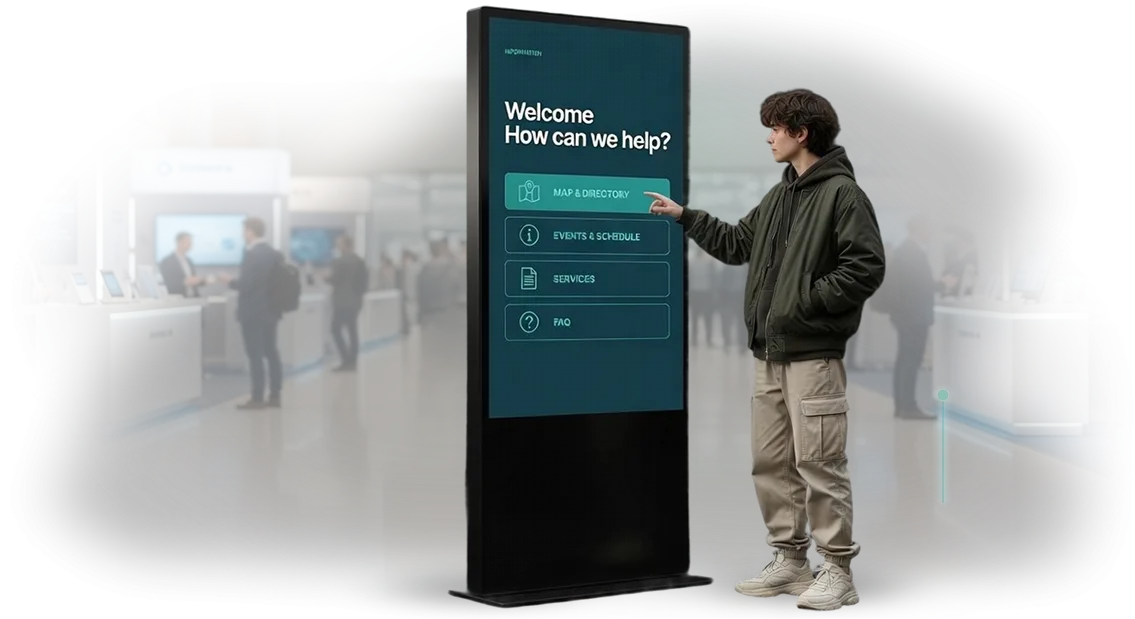
קיוסק אינטראקטיבי משנה את התמונה. מסך מגע מערב את האורח: הוא יכול לסובב מודל של השמיים, לבחור קבוצת כוכבים, להפעיל אנימציה — האדם הופך למשתתף ולא רק לצופה.
משך הקשב גדל, מבקרים נשארים באזור למשך מספר דקות וחוזרים לחקור את התוכן לעומק — ולצד זה, טווח ההגעה של התוכניות וההכנסה לכל אורח גדלים.
אנחנו מתכננים פתרונות כאלה עבור פלנטריומים: אנו חוקרים את התערוכה שלכם, את הקהל ואת המטרות, מציעים תרחיש מעורבות ומציידים את המתחם במפתח מלא.
מה קיוסק אינטראקטיבי משנה: מהשניות הראשונות ועד ביקורים חוזרים
כשאורח ניגש לתערוכה, יש לכם כמה שניות לתפוס את תשומת ליבו. שלט רגיל מפסיד לסמארטפון, ולכן אנשים לעיתים קרובות חולפים על פניו.
מצגת אינטראקטיבית על מסך מגע לוכדת עניין: האורח בוחר תרחיש משלו, מקיש וחוזר לפרטים. הזמן המושקע בתערוכה גדל פי כמה — האדם לא רק מסתכל, אלא חוקר.
לאחר מכן נכנס אפקט הרושם. אינטראקציה יוצאת דופן נזכרת, ומבקרים מספרים עליה זה לזה ברשתות החברתיות. זה מגביר את המודעות למותג ללא עלויות פרסום נוספות.
עבור פלנטריום, קיוסק כזה הופך לאטרקציה עצמאית שיוצרת באזז ומביאה קבוצות חדשות של אורחים.
השלב הבא הוא מכירות נוספות. על מסך המגע אפשר להציג תוכניות של העונה הבאה, להציע להזמין כרטיס למופע או להירשם לסיור מודרך. האורח כבר מעורב, ולכן ההצעה נתפסת כעזרה, לא כפרסומת חודרנית. חלק מהאורחים הללו חוזרים בכוונה — במיוחד עבור הפורמט שראו בקיוסק.
לבסוף, הקיוסק בונה נאמנות. אדם שבילה שלוש דקות מול המסך מרגיש שהפלנטריום יוצא לקראתו. סביר יותר שהוא ישאיר ביקורת, יירשם לעדכונים ויחזור שוב. מצגת אינטראקטיבית הופכת מבקר חד-פעמי לאורח קבוע.
כדי להשיג את כל האפקטים הללו, חשוב לבנות את התרחיש והממשק נכון — ללא עומס או טקסטים ארוכים. אנחנו עושים זאת עבורכם: מהרעיון ועד ההשקה על ציוד מקצועי שעובד באופן אמין תחת עומס מבקרים.
פורמטים של מצגת אינטראקטיבית לפלנטריום: איזה מהם לבחור
כל אזור בפלנטריום פותר משימה משלו: הלובי צריך להעסיק אורחים לפני המופע, אולם התצוגה צריך להעמיק את מעורבותם בנושא, ותוכניות חינוכיות צריכות לערב תלמידי בית ספר.
הפורמט של המצגת האינטראקטיבית קובע באיזו יעילות החלל פועל ליצירת רושם והנעת ביקורים חוזרים.
אנחנו עוזרים לבחור ולפתח תרחיש לנקודת מגע ספציפית כך שמסך המגע יביא ערך ולא יעמוד כקישוט.
| פורמט | למי | מה הוא נותן ללקוח |
|---|---|---|
| קיוסק אינטראקטיבי בלובי | למבקרים הממתינים למופע | מפחית לחץ בתור, מציג את התוכנית, יוצר רושם ראשוני ומשפר את מצב הרוח |
| מסך מגע בתערוכה | לאורחי אולם התצוגה | מעמיק את המעורבות בנושא, משלים את המופע בפרטים, שומר על תשומת לב הצופה |
| קיוסק רצפתי לילדים | לקבוצות בית ספר ומשפחות | הופך למידה למשחק: חידונים, מבחנים, גילויים עצמאיים |
בבחירת פורמט, אנו מבססים את החלטתנו על גודל האזור, זרימת המבקרים והמטרה העיקרית: ניווט, מכירת כרטיסים, חינוך או בידור.
עבור פלנטריום, אנו משלבים לעיתים קרובות שניים או שלושה פורמטים — כך שכל נקודת מגע פועלת למען התוצאה הכוללת: אורחים נשארים יותר, לומדים יותר וחוזרים שוב.
מצגת שנבחרה כראוי לפלנטריום היא לא רק מסך עם תמונות אלא תרחיש מבוקר שמנחה את המבקר מהיכרות ראשונה ועד לשותפות.
אנחנו לוקחים על עצמנו את פיתוח התוכן והממשק כך שתקבלו כלי ברור ושמיש ולא כאב ראש.
שלבי הפרויקט: מהבריף ועד השקת האזור האינטראקטיבי
אנחנו לא מוסרים את הפרויקט שלכם ל"קופסה שחורה": אתם תמיד יודעים באיזה שלב נמצאת העבודה ומה קורה בהמשך.
תהליך שקוף בן שישה שלבים — מהבריף הראשוני ועד השקת הקיוסק האינטראקטיבי — מאפשר לכם לשלוט בלוחות הזמנים ובתקציב, וכל מה שנדרש מכם הוא לאשר החלטות מפתח.
- בריף פיתוח. אתם עונים על שאלות קצרות: מי קהל היעד, אילו משימות הקיוסק צריך לפתור ואיזה תוכן כבר קיים. זה מספיק לנו כדי להציע קונספט ולהעריך לוחות זמנים.
- תרחיש ומבנה. אנחנו עובדים על היגיון המסכים, הניווט והטקסטים — כך שמבקר בפלנטריום ימצא את מה שהוא צריך בכמה הקשות. אנו מאשרים את התרחיש לפני תחילת העיצוב.
- אב טיפוס עיצובי ואישור. אנחנו מכינים פתרון ויזואלי: נושא חלל, צבעי מותג, גופנים קריאים. אתם רואים איך כל מסך ייראה ומבצעים תיקונים לפני הגימור.
- פיתוח ממשק והרכבה. בהתבסס על האב טיפוס המאושר, אנו מרכיבים את המצגת האינטראקטיבית. אנו מגדירים בקרות מגע, אנימציות וטיפול בשגיאות — כך שהקיוסק יהיה מובן אפילו למבקר בפעם הראשונה.
- בדיקות והשקת קיוסק אינטראקטיבי. אנו מוודאים פעולה על ציוד מקצועי, מבטלים תקלות ומתקינים את המערכת במקום שלכם. לאחר מכן אנו מאמנים בקצרה את הצוות שלכם: איך להפעיל, לאתחל ולעדכן תוכן.
- תמיכה ופיתוח. לאחר ההשקה, אתם לא נשארים לבד עם הציוד. אנו עוזרים לעדכן את לוח התוכניות, להוסיף מדורים חדשים ולשפר את המערכת לתערוכות עתידיות.
גישה זו כבר עזרה למספר מתחמים להשיק אזורים אינטראקטיביים ללא כאוס — כל שלבי הפיתוח מתועדים, ואתם תמיד מבינים מה תקבלו כתוצאה. אם אתם צריכים תאריך השקה ספציפי, נייעץ כיצד לעמוד בלוח זמנים לחוץ.
מה כלול במסירה: ערכה מלאה להשקה וצמיחה
כשאתם מזמינים קיוסק אינטראקטיבי לפלנטריום, אתם מקבלים לא רק פאנל עם תוכנית אלא פתרון מוכן להשקה וצמיחה.
הרכבנו חבילה שמכסה את כל השלבים — מההפעלה הראשונה ועד עדכוני תוכן שוטפים — כך שהצוות שלכם מתחיל מיד לראות ערך במקום להתעסק בהתקנה.
הנה מה שכלול במסירה:
- ציוד מוכן לעבודה. קיוסק עם מסך מגע במעטפת עמידה, שנבחר לתנאי הפלנטריום: מלובי מואר ועד אזור תצוגה חשוך. אין צורך בהרכבה עצמית או בחיפוש אחר חלקים תואמים.
- ממשק מותאם למשימות הפלנטריום. ניווט בלוחות מופעים, רשימות תוכניות, מפות ותיאורי תוכניות — המבקר מוצא את המידע הדרוש בכמה הקשות, ללא סיוע צוות.
- תוכן לקיוסק. טקסטים, תרחישים, מבנה וחומרי מדיה המותאמים לקהל שלכם — ממשפחות עם ילדים ועד קבוצות בית ספר ומבקרים מבוגרים.
- מערכת עדכונים שאינה דורשת מתכנת. המנהל יכול לשנות את לוח התוכניות, להוסיף תוכניות חדשות ולפרסם חדשות עדכניות בעצמו. זה מסיר תלות בקבלנים ומאיץ את הפעילות.
- הדרכת צוות. מפגש קצר למנהלים, קופאים ומלווים: איך להשתמש במערכת, מה לעשות במקרה של תקלה ואיך לא לאבד אורחים בשעות העומס.
- אחריות לקיוסק ותמיכה טכנית. במהלך תקופת האחריות, אנו מתקנים תקלות ועונים על שאלות ללא תשלום. אם משהו משתבש, אנו פותרים זאת מרחוק או שולחים מומחה לשטח.
חבילה זו מבטלת את הסיכון הגדול ביותר: אתם לא נשארים לבד עם החומרה והממשק. תוך חודש מההשקה, הקיוסק עובד כמו חלק מהצוות שלכם — עוזר לאורחים, מקל על הצוות ומגביר עניין בתוכניות הפלנטריום.
מקרה בוחן: כיצד פאנל אינטראקטיבי בלובי הגדיל מכירות כרטיסים
לכל פלנטריום יש בעיה אופיינית: מבקרים מגיעים רגע לפני תחילת המופע, אין להם זמן לחקור את הלובי, והם עוזבים מיד לאחר המצגת.
כרטיסים למופעים הקרובים נמכרים לאט, ושירותים נוספים — סיורים מודרכים, מזכרות, אזורי צילום — נעלמים מעיני המבקרים.
עבור פלנטריום אזורי, בנינו פאנל אינטראקטיבי ללובי — מצגת מסך מגע עם תוכניות היום, התערוכה ועובדות יוצאות דופן. הפרויקט הפך למקרה הבוחן שלנו בפלנטריומים, והראה כיצד מסך אחד משנה התנהגות מבקרים.
איך זה התנהל
פלנטריום "הליוס" פתח את הלובי 45 דקות לפני המופעים. בעבר, אנשים פשוט ישבו וחיכו, ושאלות למנהל תפסו זמן צוות. הפאנל הותקן ליד הכניסה — הוא מושך תשומת לב עם גרפיקה מונפשת.
אורחים ניגשו למסך במשפחות, עיינו בתוכניות, צפו בסרטוני חלל ועיינו בלוח הזמנים. הזמן הממוצע מול המסך היה 4–5 דקות — מספיק זמן למבקר לקבל החלטת רכישה.
תוצאות הפאנל האינטראקטיבי
- מופעים לימים הקרובים החלו להתמלא מהר יותר — מכירות הכרטיסים עלו כבר בשבוע הראשון.
- אורחים נשארים יותר זמן בלובי, ורוכשים מדריכי שמע, סיורים מודרכים ומזכרות.
- המנהל מקבל פחות שאלות — הפאנל לוקח על עצמו חלק מעומס העבודה.
חודש לאחר מכן, הפלנטריום הזמין מאיתנו מסך שני לקומה השנייה.
איך לבחור את הפורמט הנכון למשימה שלכם?
לפני הזמנת קיוסק אינטראקטיבי, כדאי לענות על ארבע שאלות: היכן הוא יעמוד, מי ישתמש בו, מה צריך לקרות על המסך ואיזה תקציב מוקצה.
גודל החלל קובע את מספר נקודות המגע ואת פורמט המעטפת, הקהל קובע את התרחיש והממשק, והתרחיש קובע את אורך הסשן ואת עומק התוכן. רק לאחר מכן נבחר פתרון ספציפי — לא להפך.
עבור פלנטריום, למשל, הקריטריונים המרכזיים הם פעולה באולם חשוך וקלות שימוש בגילאים שונים. אורחים מגיעים בקבוצות, לעיתים קרובות עם ילדים, ולכן המסך חייב לספק תגובה מיידית ואלמנטים גדולים.
התאמת התרחיש למקום שלכם אינה עריכת טקסט קוסמטית — זהו עיבוד מחדש של היגיון האינטראקציה: כמה צעדים למידע המפתח, אילו רמזים נדרשים, איך לתפוס עניין תוך 30 שניות.
אם קיוסק סטנדרטי לא מתאים — פריסה יוצאת דופן, רצון להפתיע אורחים — אנו יוצרים פרויקט מותאם אישית. זה יכול להיות קיוסק עם צורה ייחודית, המשולב בפנים, עם גרפיקה מקורית ומספר תרחישים.
גישה זו דורשת קצת יותר זמן פיתוח, אך בסופו של דבר הקיוסק הופך לחלק מהתערוכה ולא רק לעמדת מידע.
בכל מקרה, אנו קודם כל מקשיבים למשימה שלכם — ורק אז מציעים פורמט. קיוסק אינטראקטיבי המותאם לצרכים הספציפיים של פלנטריום, תיאטרון או מוזיאון — זו העבודה שלנו.
אם יש לכם ספקות, בקרו אותנו או שלחו תיאור — במהלך הייעוץ נעבור על קריטריוני הבחירה ונראה כיצד הפתרון יעבוד ספציפית עבורכם.
שאלות נפוצות על הזמנת מצגת אינטראקטיבית
ההחלטה על קיוסק אינטראקטיבי היא צעד משמעותי: המצגת תהפוך לחלק מהתערוכה, ורשמי המבקרים תלויים באמינותה.
לכן ריכזנו תשובות לשאלות שלקוחות שואלים אותנו לעיתים קרובות לפני ההתחלה: אחריות, עדכוני תוכן, לוחות זמנים ופעולה בחללים יוצאי דופן.
להלן סקירה קצרה של כיצד אנו מפחיתים סיכונים כך שתקבלו פתרון אמין ולא "עוד מסך באולם."
איזו אחריות מגיעה עם הקיוסק ומה היא מכסה?
המצגת האינטראקטיבית ומסך המגע מגיעים עם אחריות רשמית — הכוללת תמיכה טכנית חינם וטיפול בתקלות במסגרת זמן מוסכמת.
אם הציוד נכשל עקב פגם ייצור או שגיאת תוכנה, אנו משחזרים את הפעולה עם הצוות שלנו, ללא עלות נוספת עבורכם.
כמו כן, לאחר ההשקה, אתם מקבלים מנהל קשר ייעודי: עם פנייה אחת, אנו בודקים מרחוק את מצב המערכת ועוזרים לפתור את הבעיה תוך יום עסקים אחד. זה מבטל את הפחד הגדול ביותר — "מה אם הקיוסק ייפול באמצע המופע."
איך מעדכנים תוכן — לוח תוכניות, זמני מופעים, חדשות?
עדכוני תוכן אורכים דקות ואינם דורשים ידע בתכנות. אתם שולחים קבצים חדשים — רשימות תוכניות, לוחות מופעים, הודעות — ואנחנו מעלים אותם לקיוסק, או שאתם עושים זאת בעצמכם דרך פאנל ניהול ידידותי.
אפשר גם להגדיר סנכרון אוטומטי עם המקורות שלכם: למשל, לוח הזמנים נמשך מהמערכת הפנימית של הפלנטריום. כתוצאה מכך, מבקרים תמיד רואים מידע עדכני, ואתם לא צריכים לחשוב על הצד הטכני.
מה לגבי פריסות יוצאות דופן ותנאי תצוגה מיוחדים?
לכל אולם ולובי יש מאפיינים משלו: עמודים, תקרות נמוכות, תאורה חזקה, שטח מוגבל. אנו מתכננים את המעטפת והממשק עבור החדר הספציפי — אנו לוקחים מידות, מתחשבים בזוויות צפייה ותאורה, כך שהמסך יהיה קריא מכל נקודה.
אם הקיוסק צריך להשתלב בעיצוב הקיים, אנו בוחרים מעטפת וסכמת צבעים בסגנון הפלנטריום. אתם מקבלים לא "קופסה עם מסך" אלא אלמנט של התערוכה שתורם לאווירה.
מהם לוחות הזמנים — והאם תפספסו את תאריך ההשקה?
פרויקט טיפוסי — מבריף ועד התקנה — אורך 2–4 שבועות, כולל אישור עיצוב ובדיקות. אנו קובעים את תאריך ההשקה בחוזה מראש ומציגים נקודות ביקורת: סקיצה, אב טיפוס, גרסת עבודה, התקנה וקבלה.
ב-10 שנים, מעולם לא פספסנו מועד סופי למפתח מלא. אם אתם צריכים התחלה מהירה — למשל, לפתיחת תערוכה — אנו מציעים פורמט מואץ: תבנית בסיס המותאמת לגרפיקה שלכם תוך מספר ימים.
האם הפתרון יעבוד עם הציוד שלנו, ומי מטפל בתמיכה הטכנית?
אנו עובדים עם מסכי מגע מקצועיים שמשתלבים בקלות בתשתית הקיימת של הפלנטריום: שרתי מדיה, תאורה ומערכות ניהול בניין. לפני ההתחלה, אנו עורכים ביקורת של החלל שלכם ומחברים את הקיוסק ללא עיבוד מחדש של מערכות סמוכות.
תמיכה טכנית היא הסכם נפרד: אתם יכולים לבחור כיסוי לשנה הראשונה או להאריך אותו על בסיס קבוע. בשני המקרים, יהיה לכם איש קשר יחיד לכל שאלה — מהחלפת מחסנית ועד שינוי היגיון התפריט.
בואו נדון בפרויקט שלכם: קיוסק אינטראקטיבי שמפתיע אורחים
כל אורח בפלנטריום מצפה לשקוע בחלל — והרושם מתחיל לפני המופע, בלובי. פאנל אינטראקטיבי לפלנטריום מקבל את פני המבקרים, עוזר להם לנווט בלוח הזמנים והופך את ההמתנה למשחק מרתק.
הוא פועל לזיהוי המותג ויוצר סיבה לחזור: אורחים מצלמים יותר ומשתפים ברשתות החברתיות, מה שאומר שהפלנטריום שלכם מקבל טווח הגעה נוסף ללא השקעה בפרסום.
השאירו פנייה לפיתוח — נקיים ייעוץ ונבחר את פורמט הפאנל האינטראקטיבי עבור החלל והמטרות שלכם.
נרשום את הדרישות שלכם, נכין תוכנית פרויקט עם שלבים ולוחות זמנים, ולאחר האישור ניקח על עצמנו את כל העבודה: מתוכן ועד התקנה.
מה תקבלו כשתפנו אלינו:
- בחירת פורמט פאנל לפלנטריום — רצפתי, צמוד קיר, מסך מגע או בקרת מחוות;
- תרחיש ששובה גם ילדים וגם מבוגרים — מחידונים ועד סיורים וירטואליים;
- תוכנית פרויקט עם שלבים ברורים, לוחות זמנים ותחומי אחריות;
- סיוע במיקום הקיוסק תוך התחשבות בזרימת מבקרים ובפנים;
- מסך שאינו דורש הכשרת צוות;
- יכולת לעדכן תוכן ללא מתכנת;
- תמיכה ותחזוקה לאחר ההשקה.
הפכו את חוויית הפלנטריום לבלתי נשכחת עוד לפני תחילת המופע. כתבו לנו — נדון בפרטים, נבחר את הפורמט ונציע פתרון שיפתיע את האורחים שלכם ויפשט את עבודת הצוות.