

מאבדים מבקרים בגלל ניווט גרוע? פתרון למרכז השיקום שלכם
במרכז שיקום, כל מבקר מגיע עם ציפייה מסוימת — להחלים, לקבל טיפול איכותי, ולחסוך זמן.
אבל לעיתים קרובות משהו אחר הורס את הרושם הראשוני: מטופלים הולכים לאיבוד במסדרונות, לא מוצאים את המשרד הנכון, או עומדים בתור בדלפק הקבלה עם שאלה פשוטה.
זה מוסיף לחץ לביקור שכבר קשה, וגורם למרפאה להיראות כמו מתקן לא מאורגן.
כשהניווט במרכז רפואי לא עובד, גם האורחים וגם הצוות סובלים.
דלפק הקבלה מוסח על ידי עשרות שאלות חוזרות — "איפה משרד הפיזיותרפיה?", "איך מגיעים לבריכה?", "מתי התור שלי לרופא?" — ובמקום לעשות את העבודה שלהם, הצוות הופך למוקד מידע.
בינתיים, חלק מהמטופלים עדיין לא מגיעים למשרד הנכון בזמן, מה שאומר שהלו"ז מתפרק, חוסר שביעות הרצון גובר, והנאמנות יורדת.
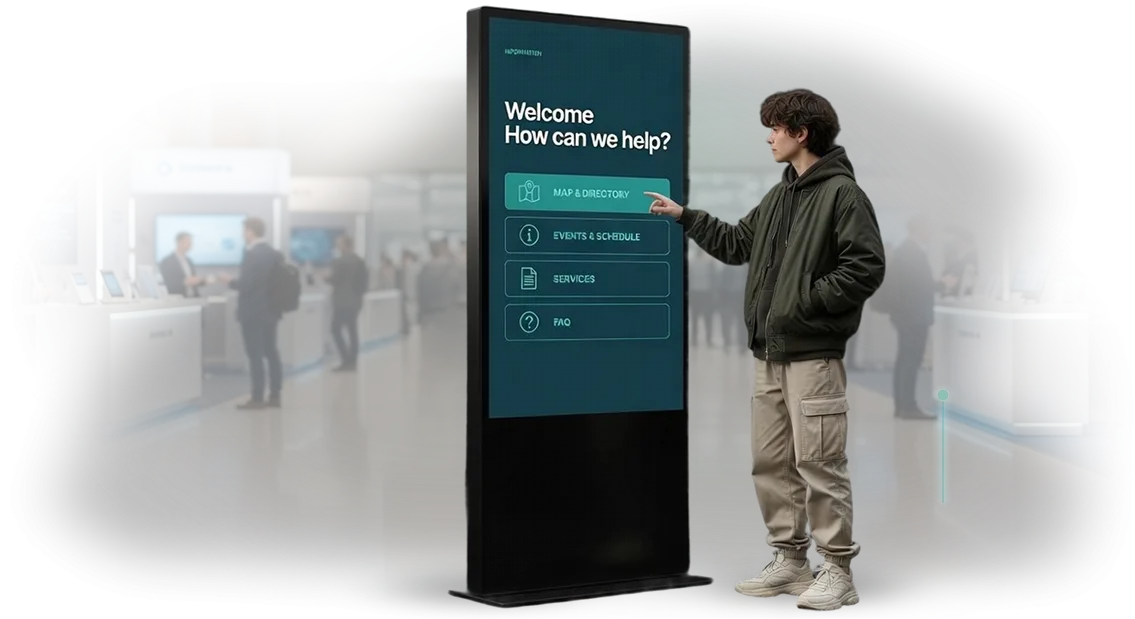
קיוסק אינטראקטיבי לשיקום פותר את הבעיה הזו בכמה נקודות בו-זמנית. מסוף מידע למטופלים עם מסך מגע מוצב בלובי ובנקודות מפתח של הבניין.
מבקרים יכולים לבחור את המחלקה שהם צריכים, לראות את המסלול על מפה ברורה, ולקבל הוראות בכמה הקשות בלבד. זה מוריד עומס מהמנהלים והופך את השהייה במרכז לנוחה אפילו עבור אנשים מבוגרים ומבקרים בפעם הראשונה.
לוח המגע למרפאה מכסה גם משימות רחבות יותר: הצגת לוחות הזמנים של המומחים, תוכניות השיקום הנוכחיות, כללי ההכנה לפרוצדורות, ואנשי קשר.
מטופלים מקבלים תשובות בלי לחכות בתור, והמרכז מקבל כלי ניווט מודרני למתקן רפואי שעובד מסביב לשעון. כבר יישמנו פרויקטים כאלה למרפאות פעמים רבות ואנחנו יודעים איך להפוך ממשק לברור עבור כל קבוצת גיל.
אנחנו נעזור לכם לבחור פתרון ללובי שלכם, לשלב אותו בחלל, ולהתאים אותו לצרכים של המרכז שלכם — כך שהמבקרים ירגישו שמטפלים בהם מהדקה הראשונה.
מה קיוסק אינטראקטיבי יביא למרכז שלכם
מבקרים במרכז שיקום מגיעים עם שאלות: איפה המשרד, איך קובעים תור, אילו שירותים זמינים. המנהלים חוזרים על אותן תשובות מאה פעמים ביום — ובשעות העומס נוצר תור.
הקיוסק האינטראקטיבי מהצוות שלנו פותר את הבעיה הזו: הוא לוקח על עצמו את המשימות השגרתיות והופך את המרכז לנוח יותר לכולם.
פחות עומס על הצוות
מסוף המגע עונה על שאלות טיפוסיות ומציג את מפת הקומות, לוח הזמנים והשירותים. המנהלים מפסיקים להיות מוסחים על ידי אותן בקשות ומתמקדים במה שדורש מעורבות אנושית: קבלה וטיפול במטופלים.
נוחות למטופלים ולאורחים
מבקרים בוחרים את הקצב שלהם — בוחנים ברוגע את המידע, מסתכלים על המפה, ומוצאים את המשרד בלי למהר. עבור מטופלים שמתקשים להתמצא בבניין לא מוכר, זה אומר פחות לחץ והתחלה מהירה יותר של הטיפול.
ניווט נוח במרכז
ניווט אינטראקטיבי מציג את המסלול בין הקומות, תוך התחשבות במעליות ובאזורי מנוחה. קרובי משפחה ואורחים מוצאים את המשרד הנכון בכמה הקשות — בלי צורך לשאול את הצוות.
תדמית מודרנית ואמון
הקיוסק מראה שהמרכז דואג לנוחות המטופלים ונשאר מעודכן עם הזמן. ציוד מודרני בונה אמון — מטופלים, בני משפחה ושותפים שמים לב לכך.
המסוף גם אוסף סטטיסטיקות אנונימיות על שירותים ושאלות פופולריות. אתם רואים מה המבקרים באמת צריכים ומשפרים את השירות על סמך עובדות.
פורמטים של קיוסק אינטראקטיבי למרכז שיקום
תצורת הקיוסק תלויה במשימות שלו: איפה הוא ממוקם ואיזו פונקציה הוא מבצע. עבור מרכז שיקום, חשוב לא רק להתקין לוח מגע, אלא לבחור פורמט שבאמת עוזר למבקרים ומקל על הצוות.
הסוגים העיקריים של קיוסקים אינטראקטיביים המשמשים במרכזי שיקום הם: עמדות מידע, מפות ניווט, מצגות שירות ומודולי בידור לאזור ההמתנה. כל אחד מהם פותר משימה ספציפית, ולעיתים קרובות מחלקה אחת משלבת שניים או שלושה פורמטים. להלן טבלה שמקלה על ההשוואה.
| פורמט | למי | מה הוא מציע ללקוח |
|---|---|---|
| עמדת מידע | מטופלים חדשים, מבקרים | הצגת שירותים, רישיונות ורופאים: מבקרים מתוודעים למרכז בעצמם בזמן ההמתנה לתור |
| מפת ניווט | מטופלים בדרך לפרוצדורה | מפת קומות אינטראקטיבית: "איך מגיעים למשרד הפיזיותרפיה" בלי לחפש אנשי צוות |
| מצגת שירות | קרובי משפחה שבוחרים מרכז | סקירה מלאה של תוכניות השיקום: לוחות זמנים, שלבים, תוצאות צפויות — עוד לפני השיחה עם הרופא |
| מודול בידור | מטופלים בתור, ילדים | משחקי מסך מגע ותרגילים שמקצרים את ההמתנה ועוזרים למטופלים להירגע לפני פרוצדורות |
הדבר החשוב ביותר בסידור הזה הוא זמן הצוות שנחסך. מנהלים לא צריכים לחזור על עצמם תריסר פעמים, ומטופלים נכנסים לקצב מהר יותר: הם כבר יודעים מה מצפה להם עוד לפני הייעוץ.
אם יש לכם זהות תאגידית, הקיוסק יהפוך להרחבה שלה. אנחנו מתאימים את הממשק לספר המותג, הפונטים ופלטת הצבעים שלכם, כך שהפאנל לא ייראה כמו אלמנט זר.
לא בטוחים איזה פורמט אתם צריכים? אנחנו עוזרים לכם לבחור את התצורה הנכונה למשימות ולגודל החלל שלכם — ללא תשלום.
איך העבודה מתנהלת מהבריף ועד ההשקה
הכל מתחיל בשיחה קצרה על המטרות של המרכז שלכם: מי ישתמש בקיוסק, איזה מידע הוא צריך לספק, ואילו תרחישים חשובים קודם כל.
על סמך זה, אנחנו מציעים את המבנה של הממשק העתידי ועוברים לאב-טיפוס — כדי שתוכלו לראות איך המסך ייראה לפני תחילת הפיתוח.
לאחר מכן העבודה מתנהלת לפי תוכנית ברורה, ובכל שלב אתם מקבלים תוצאות ומשתתפים בהחלטות מפתח:
- דיון במטרות ובדיקת החלל. אנחנו מבררים היכן ימוקם הקיוסק, מי ייגש אליו — מבקרים, מטופלים, צוות — ואילו תרחישים הם הנפוצים ביותר: קביעת תורים, ניווט, מצגות שירות.
- עיצוב המבנה והתרחישים. אנחנו ממפים את ההיגיון של המסך: תפריט ראשי, מדורים, רמזים. אתם רואים את הטקסטים של הממשק העתידי לפני שהם הופכים לעיצוב.
- יצירת אב-טיפוס ואישורו. אנחנו בונים אב-טיפוס ויזואלי בצבעים ובסגנון של המרכז שלכם. אתם מספקים משוב ואנחנו משלבים אותו — לפני תחילת הפיתוח הראשי.
- פיתוח הממשק האינטראקטיבי. אנחנו מרכיבים את המסכים, מגדירים ניווט, ומוסיפים כפתורים גדולים לנוחות כל המבקרים, כולל אנשים עם מוגבלות בניידות.
- בדיקה על המכשיר והתקנה. אנחנו בודקים על מסך מגע אמיתי: הקשות, מהירות תגובה, קריאות. לאחר מכן אנחנו מתקינים את הקיוסק במקום הנכון ומחברים את כל מה שצריך.
- השקת מסוף המידע והדרכת צוות. אנחנו מראים לעובדים איך להפעיל את הקיוסק, לעדכן מידע ולטפל בבעיות פשוטות. לאחר ההשקה, אתם מקבלים מדריך עזר מהיר וסרטון הדרכה קצר.
- תמיכה לאחר ההשקה. אנחנו נשארים בקשר: אם צריך לעדכן את לוח הזמנים, להוסיף מידע חדש או לשנות את התפריט, אנחנו עוזרים מרחוק — בלי ביקורי שטח או אישורים נוספים.
תהליך זה מאפשר להשיק את הקיוסק במסגרת זמן מוסכמת, ומעניק לכם עמדה פעילה מיד שמסייעת למבקרים ומקלה על המנהלים.
מה כלול בחבילת הפתרון
כשאתם מזמינים קיוסק אינטראקטיבי מהצוות שלנו, אתם מקבלים פתרון מקיף שניתן להפעיל במרכז שלכם מיד לאחר ההתקנה. אנחנו מטפלים בהכל: מבחירת ציוד אמין ועד הדרכת צוות. החבילה כוללת:
- לוח מגע במארז עמיד בפני ונדליזם — מוכן ללובי או לאזור ההמתנה ובנוי לעמוד בשימוש אינטנסיבי לאורך היום.
- ממשק מותקן מראש עם כפתורים גדולים — ברור למטופלים בכל הגילאים, לא דורש הכשרה מיוחדת, ומפחית את מספר השאלות המופנות למנהלים.
- תוכן אינטראקטיבי: מפת המרכז, לוח זמנים של פרוצדורות, תרגילים וחומרי שיקום — הכל מובנה כך שאורחים ימצאו בקלות את המידע שהם צריכים.
- מערכת ניהול שמאפשרת לצוות שלכם לעדכן נתונים בעצמם: לשנות לוחות זמנים, להוסיף חדשות וקבצים בלי עזרה של מתכנת.
- חבילת הוראות: מדריך עזר מהיר לצוות, מדריך להפעלה וטיפול יומיומי, ומדריך קצר למטופלים.
- אחריות ותמיכה טכנית: אם עולות שאלות על הגדרות או תפעול לאחר ההשקה, אנחנו נשארים בקשר ועוזרים במהירות.
החבילה הבסיסית כבר הופכת את הקיוסק למוכן לחלוטין לעבודה ללא צורך בהשקעות נוספות. אפשר גם להזמין פיתוח מותאם אישית: מדורים מיוחדים המותאמים למחלקות המרכז שלכם, עיצוב מותאם אישית, או אינטגרציה עם מערכת תורים אלקטרונית.
הפתרון מתחיל לספק ערך מהיום הראשון — ועובד לחיזוק ההכרה והנוחות של המטופלים.
מקרה בוחן: איך שיפרנו את שביעות רצון המבקרים
אחד ממקרי הבוחן שלנו הוא מרכז שיקום עם 40 מיטות, שבו מטופלים ובני משפחותיהם הלכו לאיבוד בין לוחות זמנים של פרוצדורות, משרדים וחוקים. מבקרים ניגשו כל הזמן למנהל עם אותן שאלות, מה שיצר תורים ומתח גובר.
הצענו להתקין קיוסק אינטראקטיבי עם מצגת ויזואלית על מסך מגע של LG.
בשבועיים אספנו וארגנו את המידע, יצרנו מדורים ברורים כמו "לוח זמנים", "מסלול במרכז" ו"מידע שימושי", והפכנו את הניווט לפשוט ככל האפשר. מיקמנו את המסך בלובי מול הכניסה כך שכל מבקר יוכל לראות את העוזר הזה.
תוצאות יישום המסוף
חודש לאחר ההשקה מדדנו את ההשפעה: מספר השאלות למנהל ירד ב-40%, והזמן הממוצע לקבלת המידע הנדרש ירד משבע דקות לדקה וחצי. אנשים הגיעו לפרוצדורות שלהם מהר יותר והרגישו פחות חרדה בזמן ההמתנה.
לפי סקרי מבקרים, שביעות הרצון עלתה ב-27%. מטופלים ציינו שהם הרגישו רגועים יותר כשהם ידעו לאן ללכת, והצוות gained שעות למשימות חשובות באמת במקום לחזור על אותן תשובות.
חודשיים לאחר מכן, הנהלת המרכז הזמינה מאיתנו קיוסק שני לסניף שלהם וביקשה להוסיף מפה של חניונים ובתי קפה סמוכים. זה בדיוק המקרה שבו פרויקט מוצלח במרכז רפואי מביא למכירות חוזרות ולמשוב חיובי מהמבקרים.
אם אתם רוצים תוצאה דומה, בואו נדון בתרחיש שלכם ונראה לכם איך קיוסק אינטראקטיבי יכול להפחית עומס על הצוות ולהגדיל את נוחות האורחים.
איך לבחור את הפורמט הנכון למשימות שלכם?
בחירת קיוסק אינטראקטיבי למרכז שיקום מתחילה לא במפרט המסך, אלא בצרכים היומיומיים של המתקן.
עמדת מידע צריכה לעזור לאורחים להתמצא, להציג תוכניות החלמה, לתזמן פרוצדורות ולהוריד עומס נוסף מהמנהלים. אותו מארז ומסך ניתן להגדיר בדרכים שונות כדי להתאים לזרימת המבקרים הספציפית שלכם.
בחירת לוח מגע סובבת סביב שאלה אחת: מי ישתמש בקיוסק ובאילו תנאים. במרכז שיקום, אלה הם לעיתים קרובות אנשים עם מוגבלות בניידות, מטופלים מבוגרים, או אורחים המלווים אותם.
הם צריכים כפתורים גדולים, תוויות ברורות, ויכולת להשתמש במסך בישיבה או ביד אחת. לוח מגע עם זווית הטיה מתכווננת ואופציה להתקנה בגובה הנכון הופך את השירות לנגיש בלי לדרוש צוות נוסף.
תצורת המסוף תלויה בנפח התוכן ובתדירות העדכון. אם צריך להציג לוחות זמנים של שיעורים, רשימת מומחים ומפות בניין, דגם קומפקטי עם תפריט פשוט מספיק.
אם אתם מתכננים להזרים סרטונים על שיטות החלמה ומפות אינטראקטיביות, אנחנו בוחרים מסך גדול יותר ומארז מחוזק שעומד בשימוש אינטנסיבי. חשוב שהתוכן יוכל להתעדכן מרחוק, בלי להזמין טכנאים בכל פעם.
התשובה לשאלה איך לבחור עמדת מידע מגיעה מתרחישי השימוש. אנחנו מעריכים את מספר המבקרים, שאלות טיפוסיות, מסלולים במרכז, ואיך הקיוסק ישתלב במערכת התורים הנוכחית שלכם.
לאחר מכן אנחנו מציעים את התצורה האופטימלית: מפאנל צמוד קיר ועד מסוף עצמאי עם עיצוב עמיד בפני ונדליזם. גישה זו מונעת תשלום יתר על אפשרויות מיותרות ומבטיחה שהעמדה באמת עוזרת לאנשים ולא רק מאירה את הלובי.
אם אתם לא בטוחים איזה פורמט מתאים למתקן שלכם, זה נורמלי. אנחנו מנתחים את המשימות שלכם ללא תשלום ובוחרים תצורה עם מקום לצמיחה עתידית.
השאירו פנייה — נראה לכם אפשרויות על פאנלים בגדלים שונים ועם תרחישי ניווט שונים, כדי שתוכלו להחליט על סמך תוצאה קונקרטית.
שאלות נפוצות על פיתוח ותמיכה
לפני השקת קיוסק אינטראקטיבי, לקוחות כמעט תמיד שואלים את אותן שאלות: האם יהיה קשה לצוות, מה עושים אם הציוד מתקלקל, וכמה מהר אפשר לעדכן מידע.
אנחנו עונים כאן — בלי פרטים טכניים, תוך התמקדות רק בהשפעה על התפעול של מרכז שיקום.
האם הצוות ישלוט בקלות בלוח המגע?
כן. הקיוסק נדלק עם כפתור וטוען אוטומטית את הממשק הנדרש — אין הגדרות מסובכות. הצוות שלכם יבין איך להשתמש בפאנל תוך 10–15 דקות: הכל עובד כמו טאבלט גדול עם כפתורים גדולים וברורים.
אם מישהו חדש מצטרף למרכז, אין צורך בהכשרה — מספיק להראות פעם אחת. התהליך אינטואיטיבי ולא דורש ידע מיוחד.
מה אם הקיוסק מפסיק לעבוד ברגע הכי גרוע?
זה קורה לעיתים רחוקות, אבל אנחנו מוכנים לזה. כל מסוף מגיע עם אחריות — בתקופה זו אנחנו מתקנים כל תקלה ללא תשלום. אנחנו מקבלים פניות בטלפון ובמסרים, ופותרים את רוב הבעיות מרחוק.
אם הבעיה חמורה יותר, מומחה יגיע אם צריך. כדי להבטיח שהמרכז לעולם לא יישאר ללא מכשיר, החוזה יכול לכלול קיוסק חלופי למשך התיקון. העיקר שהפעילות שלכם לא תיעצר.
באיזו תדירות צריך לתזמן תחזוקה של לוח המגע?
תחזוקת לוח המגע היא חלק מהתמיכה המקיפה שלנו. אנחנו מבצעים בדיקות מתוזמנות — מנקים את המסך, מעדכנים את התוכנה ובודקים את כל הפונקציות. זה לוקח זמן מינימלי ולא משבש את פעילות המרכז.
התדירות תלויה בשימוש: עם זרימת מבקרים יציבה, ביקור מתוזמן אחד ברבעון מספיק. עבודת מניעה שגרתית לא דורשת הוצאת הקיוסק משירות לזמן ממושך.
באיזו תדירות ובאיזו מהירות מעודכן התוכן?
התוכן משתנה whenever אתם צריכים: שבועי, יומי או בכל לוח זמנים. איש צוות שולח חומרים חדשים — לוחות זמנים של שיעורים, זמני רופאים, הודעות — ואנחנו מעדכנים את המידע מרחוק, בלי ביקור שטח.
לשינויים דחופים, יש ממשק פשוט: אתם יכולים לעדכן טקסטים ותמונות בעצמכם תוך כמה דקות. לא נדרש ידע בתכנות — רק גישה ללוח בקרה אישי שהקמנו במהלך ההשקה.
הזמינו קיוסק אינטראקטיבי למרכז שלכם
קיוסק אינטראקטיבי מוכן פותר שלוש משימות בבת אחת: הוא עוזר למבקרים להתמצא במרכז באופן עצמאי, מפחית את העומס על המנהלים, ויוצר תדמית מודרנית למתקן שלכם. אתם מקבלים לא רק מסוף, אלא כלי שעובד למען המוניטין שלכם ונוחות המטופלים.
כדי להזמין קיוסק אינטראקטיבי, פשוט השאירו פנייה מקוונת — נחזור אליכם תוך יום עסקים אחד, נבהיר את המטרות שלכם, ונציע פתרון שמתאים לתקציב שלכם.
העלות של פיתוח מסוף תלויה במספר המסכים, הפונקציונליות והעיצוב, ולכן אנחנו קודם מכינים הערכה שקופה — בלי עמלות נסתרות או "הפתעות" בשלבים הסופיים.
לאחר ההזמנה, אתם מקבלים:
- עיצוב תרחישים המותאם למבקרים שלכם — מניווט בין משרדים ועד לוחות זמנים של פרוצדורות.
- עיצוב מותאם אישית בסגנון המרכז — עם הלוגו, צבעי המותג והתמונות שלכם.
- מילוי תוכן: טקסטים, תמונות, סרטונים, הוראות קוליות — הכל בשפה ברורה.
- התקנה והגדרה של הציוד במקום, כולל הדרכת צוות.
- אחריות על חומרה ותוכנה, וכן תמיכה טכנית לאחר ההשקה.
- היכולת לעדכן מידע בלי מתכנת — דרך פאנל ניהול פשוט.
לוח הזמנים הטיפוסי של הפרויקט הוא משבועיים, ואנחנו מטפלים בכל השלבים: מבריף ועד השקה. השאירו פנייה דרך הטופס או צרו קשר דרך פרטי ההתקשרות כדי להזמין — ותוך כמה ימים בלבד, הקיוסק יתחיל לעזור למטופלים שלכם.