

קונים עוזבים את הסופרמרקט — למה אפשר לתקן את זה?
בסופרמרקט, קונה מחליט תוך שניות אם להישאר או לעזוב. אם הוא לא מוצא את המוצר שהוא צריך, התור ארוך, והמבצעים מבלבלים — הוא הולך למתחרים, ולשכנע אותו לחזור זה קשה. רכישת לקוח חדש היא יקרה, בעוד ששימור לקוח קיים מביא הכנסה יציבה.
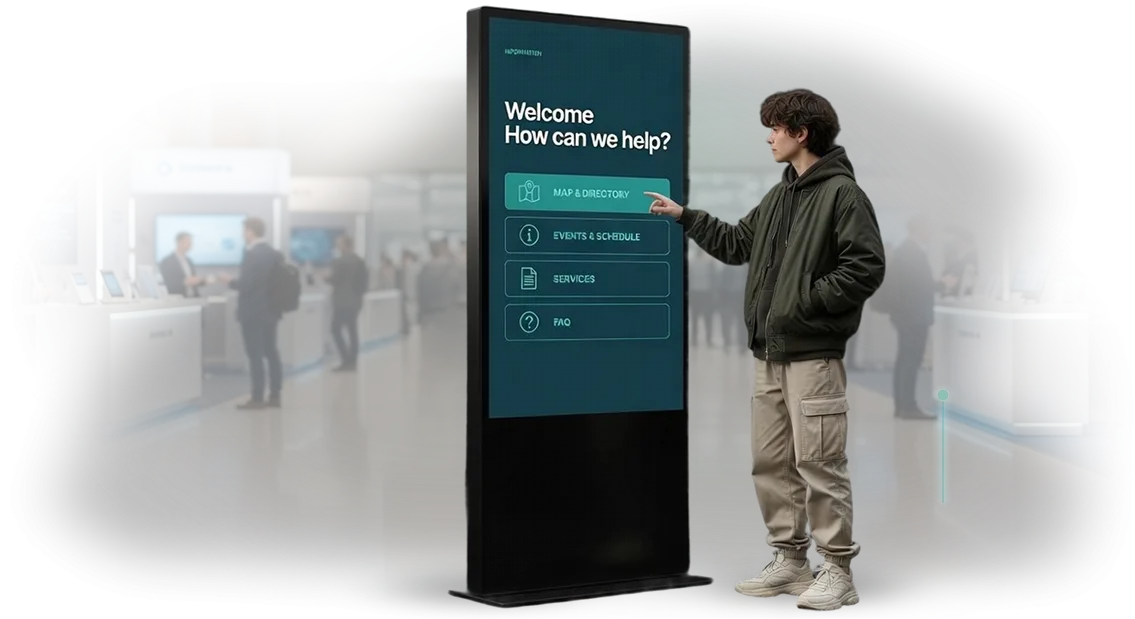
קיוסק אינטראקטיבי בסופרמרקט משנה את התרחיש הזה. הקונה רואה על המסך מפת חנות, מבצעים עדכניים והצעות מותאמות אישית — אין צורך לשוטט במעברים ולחפש את מה שהוא צריך. זה חוסך זמן ומפחית את הלחץ בקניות, מה שמגביר את נאמנות הלקוחות.
כשאנשים מוצאים במהירות את כל מה שהם צריכים, הסיכוי שהם יוותרו על רכישה קטן יותר, והם מוכנים יותר לחזור. הקיוסק מציע מוצרים משלימים ומוצרים חדשים, ומגדיל את סל הקניות הממוצע.
כך, הסופרמרקט פותר שתי משימות בו-זמנית: שימור לקוחות ועידוד מכירות נוספות.
שימור לקוחות אינו מבצע חד-פעמי אלא עבודה שיטתית עם חוויית הקנייה. קיוסקים אינטראקטיביים נותנים לסופרמרקטים את היכולת ללוות את הקונה מהכניסה ועד לקופה: ניווט, מבצעים, המלצות, משוב. כל מגע כזה מחזק את ההרגל לחזור אליכם.
אנחנו מפתחים קיוסקים אינטראקטיביים לסופרמרקטים תוך התחשבות ביעדים העסקיים שלכם. אנחנו מתאימים את התרחישים למבצעים, לפריסה ולפרופיל הלקוחות שלכם, כך שהכלי יעבוד להגדלת הביקורים החוזרים והנאמנות.
מה קיוסק אינטראקטיבי ייתן לעסק שלכם: 5 יתרונות מרכזיים
קונה בסופרמרקט מקבל החלטות תוך שניות. תגי מחיר ופוסטרים רגילים כבר לא מושכים תשומת לב — אתם צריכים כלי שתופס את העין, מנחה את הבחירה ויוצר רצון לחזור.
קיוסק אינטראקטיבי על פאנל מגע פותר את הבעיה הזו: הוא הופך קנייה בסופר לאינטראקציה מרתקת עם המותג שלכם.
הנה חמישה יתרונות מרכזיים שתקבלו מיד לאחר ההתקנה:
- נאמנות לקוחות מוגברת. מצגות אינטראקטיביות של מוצרים, מתכונים ומבצעים יוצרות חוויה חיובית. קונים זוכרים שהחנות שלכם נוחה ומעניינת — וחוזרים שוב.
- סל קניות ממוצע גבוה יותר. הקיוסק מציע מוצרים משלימים ומוצרים חדשים לצד מה שכבר נבחר. זה מעלה את סכום הרכישה ב-15–25% בממוצע — ללא עלויות נוספות של צוות.
- תשומת לב למותג. פאנל מגע עם תוכן בוהק מבדל את הסופרמרקט שלכם מהמתחרים, ומסך יוצא דופן הופך לסיבה לצילומים ואזכורים ברשתות החברתיות — הכרת מותג נוספת.
- יצירת לידים. מעבר לרכישות, הקיוסק אוסף פרטי קשר והעדפות של מבקרים. אתם מקבלים מאגר לניוזלטרים ולתוכנית נאמנות, וכן נתונים לניתוח ביקוש.
- חיסכון בזמן הצוות. ייעוץ חוזר על עצמו פעמים רבות עם אותו מידע. הקיוסק מקל על העובדים — הם מתמקדים במרצ'נדייזינג ובשירות במקום לענות על אותן שאלות.
פורמטים של קיוסק אינטראקטיבי לסופרמרקטים
עבור סופרמרקט, קיוסק אינטראקטיבי הוא לא רק מסך עם מידע שימושי אלא כלי עבודה שמנחה את הקונים בחנות ומגדיל מכירות.
הוא עוזר להם למצוא במהירות את המחלקה הנכונה, ללמוד על הנחות, להשוות מחירים ואפילו לבדר ילדים בזמן שההורים קונים. אבל קיוסק אחד לא פותר את כל המשימות — הפורמט הנכון חשוב.
אנחנו מפתחים קיוסקים אינטראקטיביים לתרחישים הספציפיים של החנות שלכם. השוואה של הפורמטים העיקריים נמצאת בטבלה למטה: היא תעזור לכם לבחור את הפתרון שמחזיר את ההשקעה הכי מהר.
| פורמט | למי | מה הוא נותן לסופרמרקט |
|---|---|---|
| קיוסק ניווט | למבקרים חדשים ולחנויות עם אולם מכירות גדול | קונים מוצאים מחלקות ומוצרים מהר יותר, מתעייפים פחות וקונים יותר. עומס העבודה על הצוות פוחת |
| קטלוג מוצרים | לקונים שמחפשים מוצר ספציפי או משווים אפשרויות | מגדיל את זמן השהייה בחנות, מציע מוצרים משלימים, מעלה את סל הקניות הממוצע |
| קיוסק פרסומי | לקמפיינים שיווקיים, מוצרים חדשים והצעות עונתיות | מושך תשומת לב לפריטים מקודמים, מגדיל מכירות של מוצרי מבצע, הופך פרסום למדיד |
| קיוסק משחק | למשפחות עם ילדים, אזורי מנוחה ובתי קפה | משאיר מבקרים זמן רב יותר, יוצר רגשות חיוביים, מגביר נאמנות לחנות |
איך מתנהל הפרויקט: מהבריף ועד השקת הקיוסק
פיתוח קיוסק אינטראקטיבי לסופרמרקט הוא תהליך מובנה עם שלבים ברורים ונקודות ביקורת. אתם לא נשארים לנחש מה קורה או מתי זה יהיה מוכן — אתם רואים את ההתקדמות מהבריף ועד ההשקה.
אנחנו מטפלים בארגון כל השלבים, כך שתקבלו כלי עובד בזמן ובלי אישורים מיותרים.
- בריף והבנה של המשימה. אתם מתארים את המטרות שלכם: איזה קהל למשוך, אילו מוצרים או מבצעים להציג, ואילו תרחישי אינטראקציה נדרשים. אנחנו שואלים שאלות הבהרה ומתעדים את הציפיות במפרט הטכני — זה הבסיס לכל הפרויקט.
- קונספט ותרחיש. אנחנו מגדירים את המבנה של המצגת האינטראקטיבית: חלקים עיקריים, ניווט, לוגיקת מעברים. אנחנו חושבים מיד איך הקיוסק יכוון את הקונה למוצר או למידע הרצוי.
- עיצוב ואישור אב-טיפוס. אתם רואים איך כל מסך ייראה ויכולים לבצע שינויים לפני תחילת הפיתוח. זה חוסך זמן ומונע עבודה חוזרת יקרה בשלבים מאוחרים יותר.
- פיתוח עיצוב ואנימציה. אנחנו יוצרים את כל המסכים, הכפתורים, המעברים ומוסיפים את הזהות החזותית של המותג שלכם. אתם מקבלים גרסאות ביניים לבדיקה בכל שלב.
- תכנות לוגיקה ושילוב נתונים. אנחנו מגדירים את פאנל המגע, מחברים את הקיוסק למאגר המוצרים, המחירים והמבצעים. אנחנו גם בונים איסוף סטטיסטיקות — אתם רואים אילו חלקים מבוקשים.
- בדיקות על חומרה אמיתית. אנחנו בודקים את כל התרחישים: נגיעות, מהירות תגובה, עדכוני תוכן ומצבים חריגים. אנחנו מונעים תקלות פוטנציאליות לפני שהקיוסק מופיע באולם המכירות.
- התקנה והשקה. אנחנו מתקינים את הקיוסק, מגדירים אותו לתנאים שלכם ומכשירים את הצוות. לאחר ההשקה אנחנו נשארים בקשר — עוזרים בעדכונים ומתחזקים את המערכת.
חבילת מסירה: מה מקבלים בפרויקט קיוסק
אין פרטים קטנים בפרויקט קיוסק מגע — מהחומרה ועד התוכן. הרכבנו את חבילת המסירה כך שתקבלו פתרון עובד מלא, לא אוסף של חלקים. הנה מה שכלול:
- קיוסק מגע: מעטפת, פאנל ומתקנים למשימה שלכם. אנחנו בוחרים את הגודל והעיצוב כך שהציוד ישתלב בפנים ויעמוד בשימוש אינטנסיבי.
- עיצוב ותוכן: מבנה תפריט, עיצוב מסכים, טקסטים ותמונות. מבקרים מוצאים לבד את מה שהם צריכים — על מוצרים, מבצעים ומיקומי מחלקות.
- התקנה והגדרה: התקנה באתר, חיבור ובדיקות. אנחנו מביאים את הקיוסק לפעילות עד שעת הפתיחה — ללא מעורבות שלכם.
- הכשרת צוות: מדריך קצר לעובדים שיסייעו לאורחים. מנהלים וקופאים לומדים במהירות לנהל את המערכת ומה לעשות במצב חריג.
- תמיכה טכנית ואחריות: ניטור מרחוק, ייעוץ וביקור באתר במידת הצורך. אם משהו משתבש, אנחנו פותרים את הבעיה במהירות.
- עדכוני תוכן: היכולת לשנות מבצעים, מחירים וחדשות ללא מתכנת. אתם שולחים קובץ חדש — הקיוסק מתעדכן עד התאריך הרצוי.
- דוחות שימוש: סטטיסטיקת נגיעות וחלקים פופולריים. אתם מבינים אילו מוצרים ומבצעים מעניינים את המבקרים.
התוצאה: אתם מקבלים כלי למכירות, מידע וניווט שעובד באמינות מהיום הראשון.
מקרה בוחן: איך קיוסק אינטראקטיבי הגדיל את סל הקניות הממוצע בסופרמרקט
בעלי רשת הסופרמרקטים "פרודוקטובי קוורטל" שמו לב שקונים הולכים לאיבוד בחנות הגדולה ולעתים קרובות עוזבים בלי המוצרים שתכננו לקנות.
שילוט רגיל ותגי מחיר לא עזרו — אורחים בילו זמן בחיפוש אחר המחלקה הנכונה והחמיצו פריטי מבצע, בעוד סל הקניות הממוצע נשאר מתחת לציפיות.
התקנו קיוסקים אינטראקטיביים עם מסך מגע בשלושה סניפים של הרשת. הקיוסקים כללו מפת חנות עם מסלול למחלקה הרצויה, רמזים לפי הקטגוריה שנבחרה ומבצעים מותאמים אישית שהופיעו מיד לאחר הנגיעה הראשונה.
קונים לא רק חיפשו מוצר — הם למדו על הנחות ומוצרים משלימים, וזה שינה את ההתנהגות שלהם.
חודש לאחר ההשקה, סל הקניות הממוצע בחנויות עם קיוסקים גדל ב-17%, ומספר הפריטים לכל קבלה עלה בממוצע מארבעה לחמישה. גם חלק הביקורים החוזרים עלה: קונים חזרו בכוונה כדי לממש קופון שהדפיס הקיוסק.
הלקוח המשיך את השותפות — הקיוסקים פועלים כעת בחמישה סניפים נוספים של הרשת. עבורנו, המקרה הזה מאשר שניווט אינטראקטיבי הופך קנייה רגילה בסופר לתהליך מנוהל שמניב רווח מדיד.
איך לבחור את פורמט הקיוסק הנכון לסופרמרקט?
אין קיוסק אוניברסלי לסופרמרקט — הפורמט הנכון נקבע לפי המשימות שאתם מציבים לו. אם צריך לעזור לקונים למצוא מוצר במהירות, צריך פתרון אחד; לעדכון על מבצעים ותוכנית נאמנות — פתרון אחר.
אז הבחירה מתחילה לא בתמונה או במעטפת, אלא בשאלה: מה הקיוסק צריך לעשות בחנות שלכם?
לדוגמה, קיוסק עומד עם מפה גדולה וחיפוש מחלקות הוא הטוב ביותר לניווט. לבדיקת מחירים וסריקת כרטיס נאמנות ליד הקופה, מסך מגע קומפקטי על קיר עובד מצוין.
לעיון בקטלוג, מוצרים חדשים ומבצעים בכניסה, עמדת מידע עם מסך גדול היא אידיאלית. כל מבנה פותר משימה משלו וצריך להיות ממוקם במקום שבו הקונה מוכן להשתמש בו.
חשוב גם להתחשב בזרימת המבקרים ובשטח רצפת הסופרמרקט. במעבר צר, קיוסק מגושם יפריע, בעוד שליד הכניסה הוא עלול להיעלם מעין. המבנה לא צריך ליצור תורים או לחסום את הדרך.
גם הממשק עצמו חשוב: מסך המגע צריך כפתורים גדולים, חלקים פשוטים ומינימום טקסט, כך שכל קונה, גם בלי ניסיון, יוכל להבין תוך שניות.
אנחנו עוזרים לכם לבחור את פורמט הקיוסק הנכון למשימה הספציפית של הסופרמרקט שלכם: אנחנו מנתחים את זרימת המבקרים, תרחישים טיפוסיים ומיקום, ואז מציעים פתרון שמתאים לחלל ועובד לתוצאות — ניווט מהיר יותר, פחות תורים, מכירות גבוהות יותר של מוצרים משלימים. אתם מקבלים לא רק מסך, אלא כלי שמחזיר את ההשקעה בפעילות היומיומית של החנות.
אנחנו עונים על שאלות על פיתוח קיוסקים אינטראקטיביים
פיתוח קיוסק לסופרמרקט הוא השקעה, וטבעי לשאול שאלות על לוחות זמנים, עלות ותמיכה שוטפת.
אנחנו בשוק מעל 10 שנים ויודעים שלכל לקוח יש מצב שונה: לחלק חשובה מהירות ההשקה; לאחרים גמישות במחיר ועדכוני מבחר קבועים.
לכן, אנחנו בונים הצעה אישית לכל פרויקט ורושמים את כל ההסכמות בחוזה.
גם שואלים אותנו לעתים קרובות:
כמה מהר נקבל את הקיוסק המוכן?
פרויקט סטנדרטי אורך 3–4 שבועות: מהבריף ועד ההתקנה וההגדרה. אם אתם צריכים רק מצגת לפאנל קיים, לוח הזמנים מתקצר לשבוע עד שבועיים. לוח הזמנים המדויק נקבע לפני תחילת העבודה.
כמה עולה לפתח מצגת אינטראקטיבית?
העלות תלויה בהיקף המידע, במספר הפאנלים ובמורכבות העיצוב. לאחר הבריף, אנחנו נוקבים בסכום המדויק ונועלים אותו באומדן, כך שלא יופיעו תוספות נסתרות במהלך העבודה.
אילו ערבויות יש, ומה לגבי תמיכה?
אנחנו נותנים אחריות על כל עבודות ההגדרה וההשקה. לאחר מסירת הפרויקט, אנחנו נשארים בקשר: עוזרים בבעיות טכניות, מבצעים תיקונים מהירים כשצריך ומעדכנים נתונים.
האם אפשר לעדכן תוכן — מחירים, מבצעים, מפת חנות?
כן. עדכון מידע אורך יום עד יומיים. אתם יכולים לשלוח שינויים למנהל החשבון, ובמידת הצורך, אנחנו יכולים להגדיר לכם דרך נוחה להעלות קבצים בעצמכם.
רוצים לדון במקרה השימוש שלכם בקיוסק? השאירו פנייה — נראה דוגמאות קמעונאיות, נחשב לוחות זמנים ונענה על כל שאלה. זה ללא התחייבות.הזמינו פיתוח קיוסק אינטראקטיבי לעסק שלכם
הזמנת קיוסק לסופרמרקט פירושה קבלת כלי שמנחה מבקרים בחנות, מציע מוצרים ומבצעים ואוסף אנשי קשר למיילים עתידיים.
אנחנו מטפלים בכל המסע: מניתוח המשימה ועד ההשקה והתמיכה, כך שתקבלו פתרון עובד, לא רק חומרה.
התחילו בייעוץ קצר — ספרו לנו אילו משימות אתם רוצים לפתור: ניווט, קטלוג, קמפיינים פרסומיים או תוכנית נאמנות. נציע פתרון מותאם אישית לפורמט ולתקציב שלכם, נראה דוגמאות ונקבע לוחות זמנים. כך תדעו מראש מה אתם מקבלים ובעד מה אתם משלמים.
לאחר ההזמנה, אתם מקבלים:
- ניתוח משימות ותרחישי שימוש לקיוסק בסופרמרקט שלכם;
- פיתוח מבנה מסכים ועיצוב בהתאמה לזהות המותג שלכם;
- הרכבה והגדרה של ציוד מקצועי מלא;
- מילוי תוכן: מפת חנות, קטלוג, מבצעים, בלוקים פרסומיים;
- הכשרת צוות והוראות ברורות להתחלה מהירה;
- אחריות על הציוד ותמיכה לאחר ההשקה;
- היכולת לעדכן מידע בעצמכם, ללא מפתחים.
השאירו פנייה באתר — נחזור אליכם תוך יום עסקים אחד, נענה על שאלותיכם ונבנה הצעה אישית לסופרמרקט שלכם. נתחיל בייעוץ כדי שתוכלו לראות בעצמכם איזה אפקט הקיוסק יביא.