

מדוע מרכז מידע לתיירים מאבד מבקרים
מרכז מידע לתיירים הוא המקום הראשון שאורח העיר מבקר בו. אבל דווקא כאן הם מאבדים עניין: תורים, יועצים עסוקים, דוכנים מיושנים. מבקר עוזב בלי תשובה לשאלה פשוטה — איפה לאכול, איך להתנייד, מה להספיק ביום אחד.
הבעיה היא לא האנשים, אלא העובדה שפורמט השירות לא מותאם לזרם האורחים של היום.
כל יציאה כזו היא הזדמנות אבודה להראות את העיר במיטבה. אורח לא סביר שיחזור בשביל ייעוץ, ורושם שלילי יתפשט ברשתות החברתיות מהר יותר מאשר האתר התיירותי הרשמי.
כתוצאה מכך, המרכז מאבד לא רק מבקר אחד, אלא קהל שלם של אורחים פוטנציאליים שיכלו להגיע דרך המלצות.
לא קל גם לצוות: אותן שאלות חוזרות עשרות פעמים במשמרת. התור לא יורד, האווירה מתחממת, והצוות נשחק עד הצהריים.
במקום להיות נקודת סיוע קלילה, דלפק המידע הופך למסוע מעייף — ובכל זאת, דווקא כאן נוצר הרושם הראשון של האורח מהעיר.
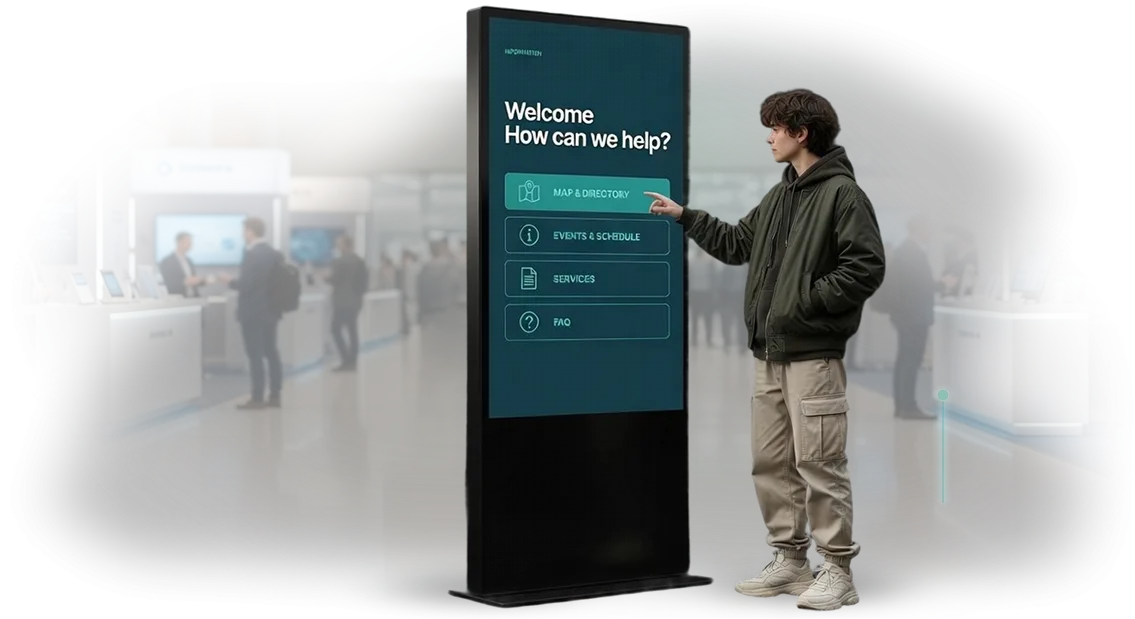
קיוסק אינטראקטיבי מוריד את המשימות השגרתיות מהיועץ ונותן לאורחים גישה עצמאית למפות, מסלולים וטיפים. הוא עובד ללא הפסקות, לא מתעייף, ולא תלוי בתור. הצוות החי נשאר לשאלות מורכבות ואישיות — במקומות שבהם מעורבות אנושית באמת חשובה.
אנחנו מייצרים פתרונות אינטראקטיביים למרכזי תיירות כבר למעלה מעשר שנים.
אנחנו עוזרים להפוך דלפק מידע לנקודת משיכה במקום לנקודת אובדן: אורחים מקבלים תשובות תוך שניות, המרכז זוכה למבקרים מרוצים ולמספר גדל של פניות חוזרות בלי להרחיב את הצוות.
מה משתנה לאחר התקנת קיוסק אינטראקטיבי
תורים בדלפק, אורחים מבולבלים, ואותן שאלות שחוזרות מאה פעמים — תמונה מוכרת למרכז מידע לתיירים שבו עובדים מבזבזים זמן על פניות חוזרות.
לאחר התקנת קיוסק אינטראקטיבי, אורחים מקבלים תשובות תוך 15–20 שניות, והצוות מקבל מרחב למשימות שדורשות מעורבות אנושית. הצוות שלנו בונה פרויקטים כאלה למרכזי תיירות ורואה תוצאות כבר בשבועות הראשונים.
הנה מה שמשתנה בפועל:
-
מהירות קבלת מידע. האורח בוחר קטגוריה על מסך המגע ומוצא את מה שהוא צריך תוך 15–20 שניות: שעות פתיחה, מסלולים, אטרקציות, רשימת אירועים. אין צורך לחכות לפקיד פנוי.
-
זמינות 24/7. הקיוסק לא לוקח הפסקות. גם כשהדלפק סגור, מטייל יכול להשתמש בטרמינל המידע בלובי או בכניסה — חשוב לתיירים שמגיעים בשעות ערב מאוחרות.
-
ניווט אינטראקטיבי. במקום מפת נייר — מפה עם מסלולים ונקודות עניין. המבקר מתכנן את המסלול שלו ויכול לשלוח את המפה לסמארטפון. זה הופך את העיר לקלה יותר להבנה בלי מעורבות צוות.
-
הקלה על הצוות. העובדים מפסיקים לענות על אותן שאלות כמו "איפה השירותים?", "איך מגיעים למוזיאון?", "מה כדאי לראות היום?". הם מתמקדים בפניות מורכבות, בהזמנות ובעזרה לתיירים.
-
מקור יחיד למידע עדכני. שינויים — רשימות אירועים, לוחות זמנים, אירועי כביש — מוזנים פעם אחת ונראים מיד לאורחים. עלונים מיושנים וסתירות בתשובות נעלמים.
תוצאה: אורחים מקבלים מהירות ועצמאות, הצוות מקבל קצב רגוע יותר, והמרכז זוכה למבקרים מרוצים ולמוניטין חזק יותר.
פורמטים של קיוסקים אינטראקטיביים למתקני תיירות
כשמדובר בקיוסק אינטראקטיבי למתקן תיירותי, המחשבה הראשונה היא עמדה נייחת עם מסך מגע. אבל הפורמט חייב להתאים לחלל: קיוסק אחד מתאים ללובי של מרכז מידע, אחר מתאים לאזור פתוח או לתערוכה.
אנחנו עובדים עם שלוש אפשרויות עיקריות: עמדות נייחות, קיוסקים עומדים ופאנלי מגע ניידים. כל אחד ממלא את התפקיד שלו ועוזר למבקרים לקבל את המידע שהם צריכים מהר יותר.
מרכז מידע לתיירים, מוזיאון, תחנת רכבת או פארק עירוני — לכל מתקן יש היגיון זרימת מבקרים משלו. אז קודם כל אנחנו מבינים איפה המבקרים עוצרים, מה הם הכי צריכים, ומי ישתמש בקיוסק.
אחרי זה, אנחנו מציעים פורמט שמתאים לעיצוב הפנים ונוח לקהל הספציפי שלכם.
| פורמט קיוסק | מתאים ל | מה זה נותן ללקוח |
|---|---|---|
| עמדה נייחת | מרכזי מידע לתיירים, מוזיאונים, מלונות | נקודת ניווט קבועה: מבקרים מוצאים מסלולים, אטרקציות ואירועים בעצמם בלי להסיח את דעת הצוות |
| קיוסק עומד | מתקנים גדולים: שדות תעופה, תחנות רכבת, אולמות תערוכה | מושך תשומת לב, מאפשר להציג מפה נרחבת של האזור, נוח לחקר תערוכה |
| פאנל מגע נייד | תערוכות, פסטיבלים, תערוכות זמניות | גמישות מיקום: ניתן להזיז את הפאנל בקלות לכל מקום ולשנות תוכן במהירות לאירוע או עונה חדשה |
בכל פורמט, הקיוסק פועל באופן אוטונומי, לא דורש השגחה מתמדת, ומשתלב בקלות בעיצוב החדר.
אנחנו נייעץ לכם איזו אפשרות מתאימה ביותר למתקן שלכם, נפתח את המבנה, ונמלא אותו במידע עדכני — כך שהקיוסק יהפוך לעוזר חי לתיירים, לא רק מסך בפינה.
איך עובד תהליך יצירת קיוסק אינטראקטיבי
יצירת קיוסק אינטראקטיבי היא לא תהליך מסתורי אלא דרך ברורה של שישה שלבים. בכל שלב אתם מבינים מה קורה, מה אתם מקבלים וכמה זמן זה לוקח.
אתם עובדים ישירות עם המבצעים, לא דרך מתווכים, כך שהעריכות נעשות במהירות ובלי לאבד משמעות.
- בריף קיוסק. אנחנו אוספים את הדרישות שלכם: מי ישתמש בקיוסק, אילו שאלות תיירים שואלים הכי הרבה, איזה מידע חשוב למרכז שלכם במיוחד. הפלט הוא מסמך עם מטרות, מבנה מידע ולוח זמנים לפרויקט.
- אישור אב טיפוס ופריסה. אנחנו מראים דיאגרמת מסך והיגיון ניווט: מעמוד הבית ועד קטגוריות עם מפות, אירועים ואטרקציות. אתם רואים איך מבקר יתקשר עם הקיוסק ויכולים לבצע עריכות לפני תחילת העיצוב.
- עיצוב והכנת תוכן. אנחנו יוצרים סגנון ויזואלי שמתאים למותג העיר או המרכז שלכם ומתאימים טקסטים לשליטה במגע. אתם מאשרים כל מסך כך שהתוצאה תעמוד בציפיות שלכם.
- יישום על חומרה. אנחנו מרכיבים את פאנל המגע, מגדירים את התוכנה ובודקים הכל על מכשיר אמיתי. הקיוסק חייב לפעול בצורה חלקה בשעות השיא עם זרם מבקרים גדול.
- השקה והדרכת צוות. אנחנו מתקינים את הקיוסק במיקום שלכם, בודקים אותו יחד איתכם ומכשירים עובדים: איך להפעיל, לעדכן מידע ולפתור תקלות קטנות בלי להזמין קבלן.
- תמיכה לאחר ההשקה. אנחנו לא נעלמים אחרי חתימת תעודת הקבלה. אנחנו מלווים את הקיוסק: מעדכנים תוכן, מנטרים פעילות ומגיבים במהירות לפניות. אתם מקבלים לא "קופסה" אלא כלי עבודה עם אחריות.
כל התהליך אורך בין שבועיים לארבעה שבועות בהתאם לכמות המידע. לאורך הדרך אתם מקבלים דוחות התקדמות קבועים, והתוצאה הסופית היא קיוסק שעוזר לתיירים למצוא במהירות את מה שהם צריכים ומציג את המרכז שלכם כמקום מודרני ונוח.
מה כלול במסירת הקיוסק האינטראקטיבי
אתם מקבלים לא רק מסך ואב טיפוס "גולמי", אלא פתרון מוכן למרכז תיירות. הוא עובד מהיום הראשון: אורח ניגש, נוגע במסך, ותוך דקה מוצא מסלול, אטרקציה או מידע על אירוע. להלן חבילת המסירה המלאה שאנחנו אחראים עליה.
- ציוד והתקנה. פאנל מגע עם מעטפת עמידה לוונדליזם ומעמד אמין, מותקן ומחובר באתר. אתם לא צריכים לקנות או להגדיר כלום — המהנדסים שלנו מספקים, מרכיבים ובודקים.
- עיצוב ממשק למותג שלכם. עיצוב מסך בסגנון העיר, האזור או המתקן הספציפי. תיירים מזהים מיד את הסגנון שלכם, ומרכז המידע נראה מודרני ואחיד.
- מילוי תוכן. אנחנו אוספים טקסטים, תמונות, מפות וסרטונים ומתאימים אותם לשליטה במגע. אתם לא צריכים לחפש קבלנים — רק לספק חומרים עדכניים, ואנחנו נטפל בשאר.
- מבנה ניווט ברור. תפריט ראשי, קטגוריות, חיפוש — מעוצבים כך שאורח בכל גיל יוכל להבין. התפריט לא מסתיר קטגוריות, והיגיון הניווט לא דורש הכשרת צוות.
- הדרכת צוות. אנחנו מראים למנהלי המרכז איך לעדכן רשימות אירועים, לשנות שעות פתיחה ולהוסיף חדשות. זה לוקח שעה; אחרי זה אתם מנהלים את הקיוסק בלי לערב מפתחים.
- אחריות ותמיכה. אם משהו קורה לציוד, אתם לא נשארים לבד עם הבעיה. אנחנו זמינים בשעות העבודה ומטפלים בנושאי החלפה ותיקון במסגרת האחריות.
החבילה הזו מכסה הכל: מהפאנל עצמו ועד להדרכת צוות. כל מה שנשאר לכם זה להשתמש בתוצאה — למשוך אורחים, להקל על המנהלים, ולהראות שהתשתית העירונית עובדת ברמה גבוהה.
תוצאת היישום: איך הקיוסק החזיר את ההשקעה
מרכז מידע לתיירים בעונת השיא פירושו תור חי בדלפק, יועצים עמוסים ואורחים אבודים שמעולם לא קיבלו תשובה.
קיוסק אינטראקטיבי מסיר את העומס הזה: תייר מקבל מסלולים, מפות ולוחות זמנים בכמה נגיעות — בלי לחכות ובלי להיות תלוי בשעות פתיחה.
יישמנו קיוסק כזה במרכז מידע לתיירים של עיר עם זרם אורחים גדול. בעונה הראשונה, זמן ההמתנה הממוצע לייעוץ ירד פי שלושה, מספר הפניות שטופלו גדל ב-40%, ו-95% מהמבקרים דירגו את הקיוסק גבוה בסקר. היועצים עברו משאלות טיפוסיות למורכבות — איכות השירות השתפרה.
הקיוסק החזיר את ההשקעה תוך ארבעה חודשים. העלויות קוזזו לא רק על ידי הקלה על הצוות אלא גם על ידי שירותים נוספים: הזמנת סיורים ומכירת מפות ישירות מהמסך.
אורחים קיבלו גישה למידע בכל שעה — המרכז ייצר הכנסות גם מחוץ לשעות העבודה.
המשוב מאשר: אנשים אוהבים את העצמאות והמהירות. הקיוסק מובן אפילו למי שמשתמש במסך מגע בפעם הראשונה, כך שאורחים חוזרים אליו בשמחה כשהם מתכננים את היום שלהם.
אחרי התוצאה הזו, המרכז הזמין מאיתנו שני קיוסקים נוספים למיקומים אחרים — הפנייה החוזרת הפכה להערכה הטובה ביותר לעבודה שלנו.
הדוגמה הזו מראה שקיוסק מידע הוא לא רק מסך עם מפה, אלא כלי לניהול זרם אורחים ולהגדלת הכנסות. ספרו לנו על המרכז שלכם — נבחר פתרון שיביא מדדים דומים במיקום שלכם.
איך לבחור את פורמט הקיוסק הנכון למשימה שלכם?
בחירת פורמט קיוסק למרכז מידע לתיירים מסתכמת בשלושה קריטריונים: מיקום התקנה, זרם מבקרים ומטרה.
קיוסק עומד עובד ליד כניסה עם תנועה גבוהה, קיוסק צמוד קיר מתאים ללובי צר, ופאנל מגע שולחני נוח על שולחן המנהל. כל השאר נקבע על ידי משימות, לא מפרטים טכניים.
השוו את הפורמטים העיקריים לפי קריטריוני מפתח.
| פורמט | היכן הוא מותקן | מתאים ל | מה זה נותן למבקר |
|---|---|---|---|
| קיוסק עומד | אזור כניסה, מרכז האולם | מיקומים עם זרם אורחים גדול | גישה מהירה למפות, מסלולים ואטרקציות בלי מעורבות צוות |
| קיוסק צמוד קיר | קירות לובי, מסדרונות, אזורי המתנה | חללים עם שטח רצפה מוגבל | חוסך מקום ומספק ניווט ברור במקום שאי אפשר להציב עמדה |
| פאנל מגע שולחני | דלפק קבלה, קופה, דלפק מידע | מתקנים שבהם המבקר מדבר עם יועץ | משלים את השיחה עם תמונות, סרטונים ודיאגרמות מסלול ישירות במהלך הדיאלוג |
בבחירת אפשרות, חשבו על התרחיש: איך מבקר ייגש למסך, מה הוא ירצה למצוא תוך 30–60 שניות, ואיזו תוצאה הוא צריך לקבל — מסלול בטלפון, המלצה או רושם.
זה, ולא מידות הפאנל או המפרטים המוצהרים, צריך להיות הקריטריון המרכזי לבחירת קיוסק.
אנחנו עוזרים לבחור פורמט לכל מיקום, מנתחים את החלל, הזרם והמשימות, ואז מציעים פתרון שמשתלב בקלות בפעילות של מרכז מידע לתיירים. כל מה שנשאר לכם זה למלא אותו בתוכן ולהתחיל להשתמש בו.
ספקות נפוצים בהזמנת קיוסק אינטראקטיבי
הזמנת קיוסק אינטראקטיבי למרכז מידע לתיירים היא צעד אחראי. חששות לגבי אמינות, עדכניות תוכן ותחזוקה עולים אצל כמעט כל לקוח שלנו. להלן אנו מתייחסים לספקות הנפוצים ביותר.
מה אם הקיוסק יתקלקל בשיא עונת התיירות?
אנחנו משתמשים ברכיבים תעשייתיים והגנה מפני תנודות מתח, כך שהציוד עובד ביציבות גם תחת עומס כבד. אם מתרחשת תקלה, צוות התמיכה מזהה מרחוק את הגורם ומחליף במהירות את המודול — אנחנו שומרים על זמן השבתה מינימלי.
האם קשה לעדכן מידע על הקיוסק?
לא. אנחנו מספקים לוח בקרה שהצוות שלכם יכול להבין: שינויים נעשים בכמה קליקים ומופיעים על המסך מיד. אין צורך במתכנת לעדכונים.
האם נצטרך להכשיר עובדים?
אנחנו מגדירים את הקיוסק באמצעות נתונים אמיתיים ומראים איך להפעיל אותו, לשנות מידע ולטפל במשימות פשוטות. מדריך עזר מהיר ותמיכה טלפונית כלולים.
האם אתם מתאימים את הקיוסק לפרטי המרכז שלנו?
כן. כל מרכז מידע הוא ייחודי: יש לכם מבנה משלכם, מערך שירותים ומסלולים. אנחנו מתאימים את העיצוב, התרחישים והיגיון הניווט, ואם צריך, מחברים לוח אירועים או הדפסת מפות.
מה לגבי אחריות ותמיכה לאחר ההשקה?
אנחנו חותמים על חוזה עם התחייבויות אחריות וזמני תגובה. הציוד והתוכנה מכוסים באחריות, וזמינה גם תמיכה לאחר ההשקה. כשעולות משימות חדשות, נעזור לחדד את הקיוסק.
כפי שאתם רואים, סיכונים טכניים, עדכוני תוכן ותחזוקה מכוסים ברמת הפרויקט. כל מה שנשאר זה לדון במשימות של המרכז שלכם — ספרו לנו עליהן, ונבחר פתרון לצרכים הספציפיים שלכם.מוכנים לדון בפרויקט שלכם? צרו קשר
כל פרויקט מתחיל בהודעה אחת. ספרו לנו איזה קיוסק המרכז התיירותי שלכם צריך — ואנחנו נטפל בהכל: מהרעיון ועד לפתרון עובד שמושך אורחים ומקל על עבודת הצוות.
לאחר הפנייה שלכם, אתם מקבלים ייעוץ והערכת עלות ראשונית — בלי אישורים ארוכים. אנחנו נעזור לכם לנסח את הדרישות, נציע תרחישים למבקרים, ונקבע לוחות זמנים בהצעה המסחרית.
מה אתם מקבלים מיד לאחר יצירת קשר:
- ייעוץ על פורמטים ויכולות של קיוסקים אינטראקטיביים למרכז התיירותי שלכם
- הערכת עלות וזמן ראשונית המותאמת למשימות שלכם
- בריף פיתוח — מבנה שבו אנו משתמשים לאיסוף דרישות במהירות
- המלצות על תוכן: מפות, מסלולים, אטרקציות, אירועים
- הצעה מסחרית עם תנאים קבועים
- תמיכה בכל השלבים — מאישור ועד השקה
אז אנחנו עובדים לפי תוכנית ברורה:
- אנחנו מאשרים את הבריף ומבהירים פרטים.
- אנחנו יוצרים קונספט ותרחישים לסוגי מבקרים שונים.
- אנחנו מסכמים על פרויקט העיצוב — מראה וממשק.
- אנחנו מפתחים את המערכת על בסיס החומרים שלכם.
- אנחנו בודקים אותה מול תרחישים ועומסים אמיתיים.
- אנחנו מספקים, מתקינים ומשיקים את הקיוסק.
- אנחנו נשארים בקשר לעדכונים ותמיכה.
השאירו פנייה — נדון בפרטים ונכין פתרון מפתח ביד למרכז המידע התיירותי שלכם. נתחיל בייעוץ ובריף, ונשלח את ההערכה תוך יום עסקים אחד.