

למה מבקרים הולכים לאיבוד באקווריום ועוזבים בלי חוויות בלתי נשכחות?
מבקרים מגיעים לאקווריום בשביל חוויות, אבל בלי ניווט ברור הם מאבדים מהר את החוט. הם לא יודעים איפה התערוכה מתחילה, אילו אזורים לראות קודם, או כמה זמן המסלול ייקח. כתוצאה מכך, מוצגים מרכזיים נעלמים מעיניהם, והרושם הכללי מהביקור מטושטש.
חוסר ההתמצאות הזה פוגע ישירות בעסק: האורחים מבלים פחות זמן, מתעכבים פחות ליד המוצגים, ועוזבים עם תחושה שהחמיצו משהו. במקום ביקורות נלהבות וביקורים חוזרים, אתם מקבלים מעורבות נמוכה יותר וזיהוי חלש בקרב תיירים ומקומיים.
זה בולט במיוחד באקווריומים עם מבנה מורכב, שבהם קשה להבין את ההיגיון של מיקום האזורים בלי מדריך.
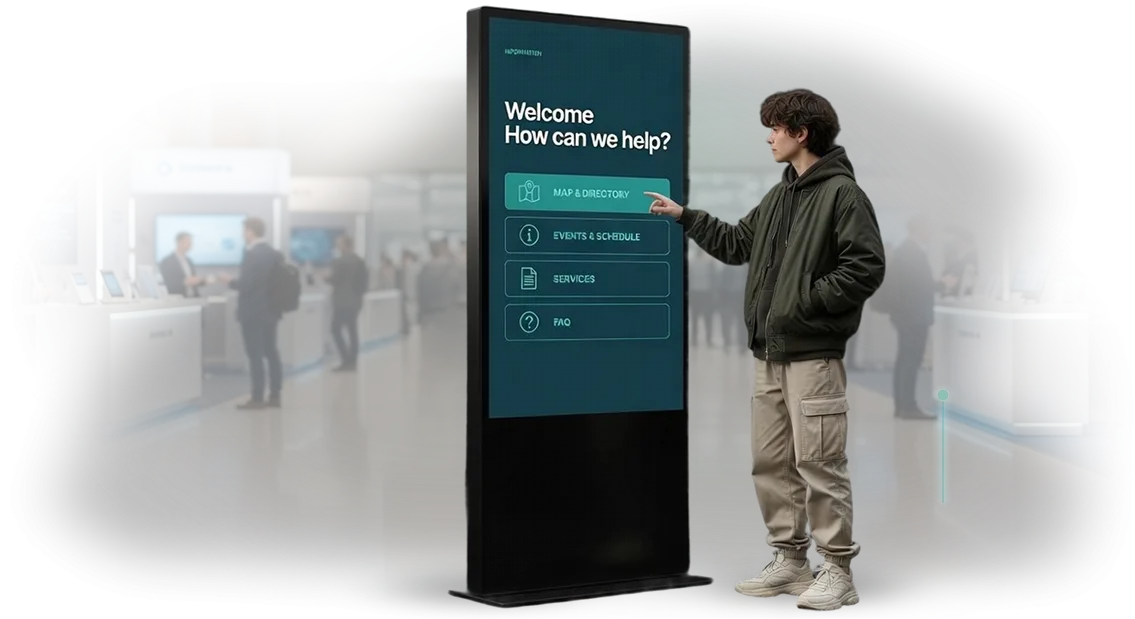
קיוסקים אינטראקטיביים פותרים את הבעיה הזו. הם נותנים למבקרים מסלול פשוט וברור, מצביעים על אילו מוצגים הכי מעניינים כרגע, והופכים את הניווט ממקור לחץ לחלק מהבידור.
במקום אורח שאבד, אתם מקבלים מבקר מעורב שמבלה יותר זמן בתערוכה ועוזב עם רשמים חיים.
מה ניווט אינטראקטיבי מספק: יותר זמן, יותר רגשות, ויותר ביקורים חוזרים
מבקרי אקווריום מגיעים לעתים קרובות עם ציפייה לחוויות מרהיבות, אבל הולכים לאיבוד בחללים גדולים: הם לא יודעים מאיפה להתחיל, איפה המוצג שהם צריכים, או איך לא לפספס מופע האכלה. כתוצאה מכך, זמן הביקור מתקצר וחלק מהאזורים המעניינים נשארים בלתי מובחנים.
ניווט אינטראקטיבי על קיוסקי מגע פותר את זה — האורחים בונים במהירות מסלול נוח ומצליחים לראות כמה שיותר ממה שבאו בשבילו.
עבור האקווריום, זה לא רק נוחות אלא תועלת ישירה: ככל שמבקר מבלה יותר זמן בפנים, כך המעורבות וההוצאות שלו בבית הקפה, בחנות המזכרות ובפעילויות הנוספות גבוהות יותר.
הקיוסק הופך לעוזר חכם שמדריך את האורחים בתערוכה, חולק עובדות מעניינות, ומפנה תשומת לב להזדמנויות נסתרות.
יותר זמן לרגשות ולחקירת התערוכה
עם קיוסק אינטראקטיבי, מבקרים מפסיקים לשוטט במסדרונות ומתחילים ליהנות ממה שהם רואים. מפה עם מסלולים, תיאורי תושבים ורמזים על אירועים קרובים עוזרים לתכנן ביקור כך ששום דבר לא יוחמץ. במקום חצי שעה של בלבול — שעתיים של רשמים חיים ותמונות ששווה לשתף.
הקיוסק גם חושף אזורים "נסתרים": הוא מספר למבקרים על דגים נדירים, מוצגים אינטראקטיביים ומופעים ייחודיים שהם עלולים לפספס אחרת.
זה מגדיל את ערך הביקור ויוצר רצון לחזור ולראות עוד — ככה אקווריום בונה קהל נאמן ומכירות חוזרות של כרטיסים.
מכירות נוספות והכרת המותג
הקיוסק הוא דרך נוחה לקדם הצעות מיוחדות: סיורים מודרכים, האכלת כרישים, אזורי צילום עם חיים ימיים. האורחים לומדים על הזדמנויות שהיו מפספסים בהמולה הרגילה, והאקווריום מקבל ממוצע כרטיס גבוה יותר בלי מאמץ נוסף של הצוות.
הנחיות אינטראקטיביות פועלות בעדינות וללא פולשניות, ומגדילות את ההמרה לשירותים נוספים.
הקיוסק יכול גם להזמין מבקרים לשתף את הרשמים שלהם ברשתות החברתיות — עם תג ממותג או מסכה נושאית. זה פרסום חינם לאקווריום: כל אורח מביא איתו חברים ועוקבים, ומי שרואה את התמונות החיות מתכנן ביקור משלו.
ההכרה גדלה בלי תקציב פרסום נוסף, וביקורים חוזרים הופכים לתוצאה טבעית של רגשות חיוביים.
פורמטים של קיוסק אינטראקטיבי לאקווריום: בחרו לפי המטרות שלכם
מבקרי אקווריום מגיעים עם שאלות שונות: איפה מנהרת הכרישים, מתי האכלת הבטאים, איזה דג שוחה מאחורי הזכוכית. קיוסק אוניברסלי אחד לא יכסה את כל התרחישים — לכן אנחנו מציעים שלושה פורמטים בסיסיים שקל לשלב לפי האזורים והמשימות שלכם.
שלושה פורמטים לצרכים שלכם
| פורמט | למי זה מיועד | מה זה נותן למבקר |
|---|---|---|
| קיוסק ניווט | משפחות עם ילדים, תיירים, מבקרים בפעם הראשונה | מפה אינטראקטיבית מציגה את המסלול בין האזורים, זמן עד להאכלות, ושירותים/יציאות קרובים — פחות תורים ופחות אורחים שאבדו |
| קיוסק מידע | מבקרים באקווריום או במוצג ספציפי | סיפורים מפורטים על התושבים, וידאו ותמונות — מבקרים נשארים יותר זמן ליד המוצג ונכנסים לעומק הנושא |
| קיוסק חינוכי | קבוצות בית ספר, מסיבות ילדים, הורים עם ילדים | חידונים ומשימות משחק הופכים את ההליכה למסע — מגדילים את המעורבות ואת הרצון לחזור שוב |
לא משנה איזה פורמט תבחרו, כל הקיוסקים ניתנים לשילוב קל במערכת ניהול אחת — זה מפשט עדכוני תוכן והוספת תרחישים חדשים.
ואנחנו נייעץ לכם אילו פורמטים וכמה להתקין כך שכל מטר רבוע באקווריום יביא ערך מרבי למבקרים ולמנהלים.
איך מפתחים מערכת ניווט: מהבריף ועד ההשקה
תהליך ברור הוא חצי מההצלחה של פרויקט. אנחנו לא שולחים מסמכים מפוזרים — אנחנו מדריכים אתכם בשלבי פיתוח שקופים, מהבריף ועד ההשקה ותמיכה שוטפת.
לכל שלב יש תוצאה שאתם יכולים לראות ולאשר, כך שמערכת הניווט יוצאת בדיוק כמו שהאקווריום והמבקרים שלו צריכים.
-
בריף וסקירת שטח. אנחנו מבקרים באקווריום או עובדים מתוך תוכניות הרצפה שלכם: אנחנו חוקרים מסלולי אורחים, מיקומי מוצגים, והנקודות שבהן מבקרים הכי הרבה פעמים הולכים לאיבוד.
אנחנו מתעדים את המטרות — מה הכי חשוב לכם: להעביר אנשים לתוכניות מופעים מהר יותר או להקל על דלפק המידע.
-
קונספט והיגיון ניווט. אנחנו מציעים מבני תפריט ותרחישי חיפוש: לפי שם מוצג, לפי סוג חיים ימיים, לפי זמני האכלה ומופעים. אנחנו מיישרים קו כך שאורח יוכל למצוא את האובייקט הרצוי ב-2–3 נגיעות במסך — בלי תורים ובלי מבקרים מבולבלים שעומדים סביב.
-
עיצוב ואישור סקיצות. אנחנו יוצרים מסכים ויזואליים בסגנון האקווריום שלכם: צבעי מותג, תמונות תושבים, אייקונים ברורים. אתם רואים את העיצובים לפני שהעבודה הטכנית מתחילה ומאשרים אותם — בשלב הזה שינויים מהירים ולא דורשים עבודה מחדש על קוד מוכן.
-
פיתוח תוכנה. אנחנו בונים את מערכת הניווט עצמה: מפות מהירות, חיפוש לפי מילות מפתח, וטיפים למבקרים עם ילדים. אנחנו עובדים על ציוד מקצועי וכלים מוכחים — אתם מקבלים מערכת יציבה בלי הקפאות בשעות השיא.
-
התקנת קיוסקים והגדרה. אנחנו מתקינים עמדות מגע בנקודות מפתח באקווריום, מחברים אותן לרשת ומסנכרנים עם לוח הזמנים שלכם: האכלות, מופעים, שעות תערוכה. אנחנו מגדירים הכל כך שהצוות שלכם לא יצטרך הכשרה מחדש או פיקוח טכני שוטף.
-
בדיקות עם מבקרים אמיתיים. אנחנו מוודאים תרחישי ניווט לפני ההשקה הרשמית: האם אנשים משלימים מסלולים בקלות, האם נוצר בלבול כלשהו, כמה זמן לוקח למצוא את האובייקט הרצוי. אנחנו מבצעים התאמות ומראים לכם את תוצאות הבדיקה הסופיות.
-
השקה ותמיכה שוטפת. אנחנו משיקים את המערכת יחד איתכם, מאמנים את הצוות שלכם ונשארים בקשר. אנחנו מקבלים בקשות עדכון תוכן — מוצגים חדשים, שינויים בלוח זמנים, הצעות מיוחדות — ומבצעים שינויים במהירות בלי לעצור את פעולת הקיוסק.
מה כלול בחבילה: מקיוסקים ועד תוכן ושירות
אנחנו מספקים מערכת סוהר — מקיוסקי מגע ותוכנה ברישיון ועד תוכן גרפי, התקנה ושירות שוטף.
אתם לא צריכים להרכיב קבלנים או להיכנס לפרטים טכניים: כל העבודה נעשית על ידי צוות אחד, ואתם מקבלים את התוצאה כמוצר אחד מוכן לשימוש המבקרים.
- קיוסקי מגע עם מעטפת ומסך עמידים, מותאמים לתנאי אקווריום: הגנה מפני לחות, סנוור ופגיעות מקריות. הקיוסקים מתוכננים לפעול בצורה אמינה גם בעומס מבקרים גבוה.
- תוכנה ברישיון עם ממשק אינטואיטיבי לאורחים ולוח בקרה ברור לצוות שלכם. אתם יכולים לעדכן מפות, להוסיף תושבים חדשים או מוצגים זמניים בכל זמן בלי לערב מפתחים.
- תוכן גרפי: מפות ניווט, דיאגרמות אזורים כלליות, תיאורי מוצגים, אינפוגרפיקה על חיים ימיים. העיצוב מפותח כך שיתאים לסגנון המותג שלכם ולמאפייני האקווריום, תומך בהכרה ומערב מבקרים.
- התקנה והפעלה: משלוח, הגדרה, חיבור ובדיקות על ידי הצוות שלנו. מחלקת ה-IT שלכם לא צריכה להתערב — אנחנו מוודאים את פעולת כל קיוסק לפני הפתיחה.
- הוראות לצוות ולאורחים: מדריכים קצרים לשימוש בקיוסקים, בתוספת תיעוד טכני לצוות המתקנים שלכם. זה מפשט את הכשרת הצוות ומפחית פניות תמיכה.
- הכשרה לצוות שלכם: אנחנו מראים איך לשנות תוכן, להפעיל תרחישים חדשים ולהגיב למצבים חריגים. תוך כמה ימים, העובדים שלכם מנהלים את כל המערכת באופן עצמאי.
- אחריות ושירות לאחר אחריות: בדיקות תקופתיות, אבחון מרחוק והחלפת רכיבים מהירה — קיוסקים פועלים בצורה אמינה בימים העמוסים ביותר, ויש לכם איש קשר אחד לכל השאלות.
מקרה בוחן: איך קיוסקים אינטראקטיביים הגדילו את זמן השהייה של המבקרים
אורחי האוקיינריום הולכים לאיבוד לעתים קרובות: האולמות נראים דומים, חיצי ניווט לא עוזרים, והזמן שיכול היה להיות מושקע במוצגים מתבזבז על חיפושים. הצוות עונה על אותן שאלות במקום לעזור למבקרים.
עבור אוקיינריום נפטון, פתרנו את הבעיה הזו באופן שיטתי: התקנו קיוסקים אינטראקטיביים עם מפות, לוחות זמנים של מופעים ותיאורי תושבים.
הקיוסקים פועלים על ציוד מקצועי — הם מתמודדים עם עומס המבקרים בסוף השבוע ולא קופאים בשעות השיא. מבקרים בונים מסלולים משלהם, רואים איפה מתרחשת האכלת הכרישים, ומקבלים עובדות קצרות על החיות.
זה מוריד עומס מהצוות והופך את הביקור לעצמאי ונוח. במהלך שעתיים של שיא בשבת, הקיוסקים בשימוש יותר מ-600 פעמים — לא נוצרים תורים, והממשק ברור גם למבוגרים וגם לילדים.
התוצאה
בחודש הראשון, הקיוסקים היו בשימוש יותר מ-40,000 פעמים. זמן השהייה הממוצע של המבקרים גדל ב-40% — אנשים התחילו להגיע לאזורים מרוחקים שנהגו לדלג עליהם.
מספר השאלות לצוות ירד בכמעט חצי: הקיוסקים מטפלים עכשיו בשאלות טיפוסיות כמו "איפה השירותים" ו"מה מאכילים עכשיו". חלקם של האורחים שראו את כל התערוכות המרכזיות גדל פי אחד וחצי.
הנהלת האוקיינריום קיבלה תוצאה מוחשית: מעורבות גבוהה יותר במוצגים ויותר זמן שהייה בבית הקפה ובחנויות המזכרות. שנה לאחר מכן, נפטון הזמין הרחבה — נוספו קיוסקים באזור הילדים ושולבה הזמנת מקומות למופעים. המערכת פועלת עכשיו ללא תקלות וממשיכה להועיל לאורחים ולעסק.
תשובות לשאלות על אמינות, אחריות ושירות
אקווריום הוא סביבה מיוחדת: לחות גבוהה, נתזים וזרם קבוע של מבקרים. מסך רגיל נכשל כאן מהר, וקיוסק שלא עובד מערער את האמון בחלל.
אנחנו מתכננים קיוסקים עם התנאים האלה בחשבון: מעטפות אטומות, מחברים עמידים למים וזכוכית מחוסמת. כתוצאה מכך, הציוד פועל ללא תקלות — זמן השבתה מינימלי ושקט נפשי בשטח.
אבל אפילו טכנולוגיה אמינה צריכה תשומת לב. הנה תשובות לשאלות המרכזיות על אחריות, שירות ועדכוני תוכן.
עד כמה הקיוסקים עמידים ללחות ונתזים באקווריום?
אנחנו משתמשים במעטפות מקצועיות עם הגנה מפני לחות ואבק — הן בנויות לפעולה מסביב לשעון בסביבות לחות גבוהה. למסכים יש ציפוי מיוחד שדוחה מים וטביעות אצבע. גם אם ילד מתיז על הקיוסק או מבקר שופך משקה, הקיוסק ימשיך לעבוד.
מה לגבי עמידות בפני ונדליזם?
המעטפת והמסך עומדים בפני פגיעות, שריטות וניסיונות "ללחוץ חזק יותר". אנחנו כוללים התקנה מחוזקת, כבלים נסתרים והגנה מפני גניבה. זה מפחית עלויות תיקון והחלפה — במיוחד באזורים עם תנועה גבוהה.
איך מעדכנים תוכן ומידע על בעלי חיים?
כל המערכת מנוהלת דרך פאנל פשוט — אתם משנים טקסטים, לוחות זמנים של האכלה, מפות והודעות בלי מתכנת. עדכונים מתבצעים מרחוק או מכונן USB תוך דקות. אם צריך, אנחנו יכולים להגדיר עדכונים אוטומטיים מהמאגר שלכם.
איזו אחריות ושירות אתם מספקים?
אנחנו מספקים אחריות רשמית על ציוד והתקנה, בתוספת חוזה שירות עם זמן תגובה קבוע. אם קורה משהו, אתם לא נשארים לבד עם הבעיה: אנחנו מגיעים, מחליפים או מתקנים על חשבוננו. התמיכה מורחבת לכל אורך חיי הציוד.
הזמינו קיוסק אינטראקטיבי: נחשב את העלות וזמני הביצוע
בזמן שאתם מחליטים איזה פורמט לבחור, מבקרי האקווריום עדיין מוצאים את דרכם עם שלטים ישנים ומאבדים זמן. האורחים לא מקבלים חוויית גילוי אינטראקטיבית, והצוות מוסח על ידי שאלות קבועות. כל יום בלי קיוסק הוא הזדמנות שהוחמצה להחזיק תשומת לב ולהגדיל מעורבות.
אנחנו פותרים את המשימה הזו סוהר: אנחנו מתכננים, מפתחים ומתקינים קיוסקי מגע שמשתלבים באופן טבעי בפנים האקווריום שלכם. השאירו פנייה — תוך כמה שעות נבחר את הפורמט, נחשב את העלות וניתן לכם לוחות זמנים ריאליים.
אתם לא צריכים לדאוג לפרטים טכניים: נראה דוגמאות של פרויקטים דומים ונספק הערכה שקופה ותוכנית עבודה.
בהזמנה, אתם מקבלים:
- ייעוץ מקדים ובחירת פורמט קיוסק לפי צרכי האקווריום שלכם.
- חישוב מדויק של עלות וזמנים לפני חתימת החוזה.
- עיצוב ממשק בסגנון המותג שלכם והתאמה לניווט בחלל.
- התקנה מקצועית, הגדרה והכשרת צוות בשטח.
- אחריות על ציוד ותוכנה, בתוספת תמיכה לאחר ההשקה.
- מנהל פרויקט ייעודי אחד לאורך כל הפרויקט.
השאירו את פרטי הקשר שלכם בטופס — נחזור אליכם תוך יום עסקים אחד, נענה על שאלותיכם ונכין הצעה אישית. הזמנת קיוסק אינטראקטיבי עכשיו פירושה קבלת מערכת עובדת בזמן בלי טרחה מיותרת. נתחיל בפגישה קצרה: נדון במשימה ונראה איך זה עובד.
איך לבחור את פורמט הקיוסק האינטראקטיבי המתאים למשימה שלכם?
פורמט הקיוסק תלוי ישירות במטרות התערוכה שלכם, לא במה שיש בקטלוג. לאקווריום קטן עם זרם מבקרים מקומי, מספיקה עמדת מגע אחת עם מפת תושבים ונקודות האכלה.
לאוקיינריום גדול עם אזורי אטרקציות ותורים, כמה קיוסקים עם תרחישים שונים עובדים טוב יותר: אחד בכניסה להצגת המסלול, אחר באזור נושאי להעמקה בסיפור של מין מסוים.
הקריטריון השני החשוב הוא התנהגות המבקרים. בשעות השיא, אנשים צריכים תשובות מהירות: איפה הכרישים, מתי המופע, איפה היציאה. קיוסק עם כפתורים גדולים ותגובת מסך מיידית מנצח כאן.
בתקופות שקטות יותר, אותו קיוסק יכול לעבוד כאנציקלופדיה אינטראקטיבית: להציג סרטוני האכלה, לשתף סיפורים על דגים נדירים ולהציע חידונים לילדים.
אנחנו בוחרים את מערך התכונות לפי תנועה בפועל וזמן שהייה של אורחים, כך שהציוד לא בטל אלא עובד למען מעורבות.
הגורם השלישי הוא אזור ההתקנה ודרישות המעטפת. הסביבה הלחה של האקווריום מציבה תנאים משלה: אנחנו משתמשים במעטפות מוגנות עם מסכים עמידים למגע ומתכננים את המיקום כך שהקיוסק לא ייצור תורים או יחסום את הנוף של התערוכה.
לכל פרויקט, אנחנו מחשבים את הממדים, זווית המסך והגובה הנוחים גם למבוגרים וגם לילדים.
בפנייה הראשונה, אנחנו עורכים סקירה קצרה: שטח האקווריום, תנועה ממוצעת, אזורי תערוכה מרכזיים ונקודות כאב נוכחיות בניווט.
בהתבסס על זה, אנחנו ממליצים על סוג הקיוסק — עומד, צמוד קיר או נייד — בתוספת מערך תכונות שפותר בעיה ספציפית ולא "הכל בבת אחת". ככה אתם מקבלים פתרון שמחזיר את ההשקעה על ידי הפחתת עומס הצוות והגדלת זמן השהייה של אורחים בכל אזור.