

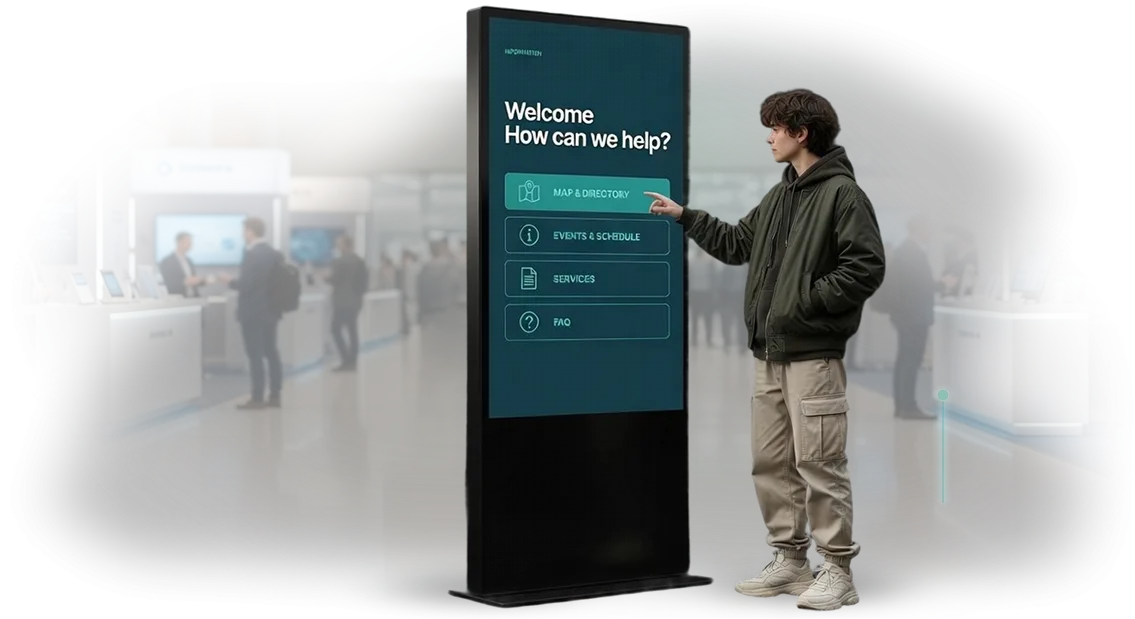
מדוע מבקרים הולכים לאיבוד במתחם המוזיאון
מבקרים במתחם מוזיאון הולכים לאיבוד לעיתים קרובות תוך דקות מהכניסה. במקום להתמקד במוצגים, הם מנסים להבין לאן ללכת הלאה, מחפשים שלטים, חוזרים אחורה ושואלים סדרנים לכיוונים. זה הופך את הביקור לחוויה מלחיצה במקום להנאה.
עבור המוזיאון, בעיית ניווט כזו משמעותה הפסדים ישירים. האורחים מבלים פחות זמן במוצגים מרכזיים, מפספסים אולמות חשובים וממהרים לעזוב לפני שהם רואים את האטרקציות המרכזיות.
כתוצאה מכך, משך הביקור הממוצע יורד, המבקרים חוזרים בתדירות נמוכה יותר, וסביר פחות שהם ימליצו על המוזיאון למכריהם.
הבעיה חריפה במיוחד במתחמי מוזיאון גדולים, שבהם יש מספר מבנים, מעברים רב-מפלסיים ועשרות אולמות.
שלטים מסורתיים ומפות נייר אינם יכולים להתמודד: הם לא נראים מרחוק, הם לא מתחשבים במסלולים אישיים, והם לא מראים היכן נמצאים השירותים, בית הקפה או היציאה. אדם מסתכל על המפה אך אינו יכול לקשר אותה למרחב האמיתי.
התוצאה היא המונים בכניסה, אולמות ריקים עמוק יותר בתוך המבנה, וסדרנים עמוסים שמסבירים את הדרך עשר פעמים בשעה. המבקרים זוכרים לא את האוסף אלא את הבלבול שלהם, וזה משפיע ישירות על המוניטין של מתחם המוזיאון.
אנחנו פותרים בעיה זו עם עמדות מגע אינטראקטיביות שעוזרות למבקרים לבנות מסלול נוח תוך שניות. הפתרון פשוט עבור האורח ויעיל עבור המוזיאון — נספר לכם עוד בהמשך.
מה ניווט אינטראקטיבי נותן למבקרים ולמוזיאון
ניווט אינטראקטיבי הופך ביקור במוזיאון מסיור פורמלי באוסף להרפתקה מרתקת. האורחים כבר לא תלויים במפות נייר, שלטים או טיפים של צוות: הם בוחרים מה לראות, כמה זמן להשקיע בכל מוצג, ואיך להגיע לאולם או לבית הקפה הרצויים.
הנוחות של האורח הופכת לרושם המרכזי מהמוזיאון — וזה מה שאנשים זוכרים ומספרים עליו לחבריהם.
עם עמדות אינטראקטיביות, נעלמים מצבים שבהם מבקרים הולכים לאיבוד במעברים, מפספסים יצירות אייקוניות או עומדים בתור. העמדות מתכננות מסלולים באופן מיידי על סמך מיקומי המוצגים, תפוסת האולמות הנוכחית ואירועים מיוחדים.
זרימת המבקרים מתחלקת באופן שווה, תורים לא נוצרים בכניסה, וכל אורח מרגיש שהמוזיאון דואג לו.
העמדות האינטראקטיביות מדברות בשפת האורח: הן מחליפות את הממשק לשפה הנדרשת, מציעות גופנים גדולים לבעלי לקויות ראייה ופריסות פשוטות לילדים.
בזכות זה, המוזיאון הופך נגיש לתיירים, משפחות עם עגלות וקשישים — אלה שאולי בעבר ויתרו על הביקור כי הניווט היה קשה מדי. כך, נוחות האורחים מרחיבה ישירות את קהל המוזיאון ומגבירה ביקורים חוזרים.
עבור המוזיאון, זה גם מפחית את עומס העבודה על הצוות. העובדים מפסיקים לענות על אותן שאלות — "איפה המלתחה?", "איך מגיעים לאולם כזה וכזה?" — הניווט עונה בעצמו.
הזמן שהתפנה מופנה לסיורים מודרכים, עבודה עם מוצגים ואינטראקציה חיה עם מבקרים, מה שמשפר את איכות השירות ללא הגדלת מצבת כוח האדם.
ניווט מודרני גם מגביר את הנראות של המוזיאון. מסכים מעוצבים היטב משתלבים בפנים, נראים היי-טק ומושכים תשומת לב.
האורחים מצלמים מסלולים צבעוניים, משתפים אותם ברשתות החברתיות ומבצעים צ'ק-אין במיקום המוזיאון — מה שנותן למוזיאון פרסום חינם בקרב מבקרים פוטנציאליים. הדימוי של מרחב מתקדם ופתוח לרעיונות חדשים מתקבע בתפיסת הקהל.
בסופו של דבר, ניווט אינטראקטיבי משתלם בשלושה כיוונים בו-זמנית: נוחות אורחים, ניהול זרימות והכרה גוברת. המוזיאון הופך למקום שאנשים רוצים לחזור אליו, להביא אליו את משפחתם ולהמליץ עליו לעמיתים וחברים.
פורמטי עמדות אינטראקטיביות לצורכי מתחם מוזיאון
במתחם מוזיאון חשוב שמבקרים ימצאו בקלות את האולם הנכון, לא יצטופפו סביב דלפק המידע ויקבלו פרטים מעניינים על המוצגים.
פורמטי עמדות שונים פותרים משימות אלה בדרכם: אחד מזרז ניווט, אחר מעמיק את הרושם, ושלישי אוסף משוב. אנו בוחרים עמדות מגע לאזורים ותרחישים ספציפיים כך שכל אחת תועיל גם לאורחים וגם להנהלה.
נשווה את הסוגים העיקריים של עמדות אינטראקטיביות שאנו משתמשים בהן במתחמי מוזיאון:
| פורמט העמדה | קהל היעד | מה היא נותנת ללקוח |
|---|---|---|
| עמדת מגע עם מפה ורשימת מוצגים | מבקרים בכניסה, משפחות עם ילדים | התמצאות מהירה במרחב, פחות שאלות לצוות, מסלולים אופטימליים |
| עמדת קיר עם ניווט לפי קומות | מבקרים עצמאיים באולמות גדולים | מפחיתה את עומס הסדרנים, עוזרת להימנע מלכת לאיבוד, מגבירה שביעות רצון |
| פאנל אינטראקטיבי ליד מוצג | מבקרים שרוצים ללמוד יותר | מעמיקה את ההיכרות עם האוסף, מאריכה את זמן השהייה, משלימה את התערוכה |
| עמדה עם סקר משוב | כל האורחים לאחר הצפייה | אוספת דירוגים ומשאלות, מספקת נתונים לשיפור השירות |
בחירת הפורמט תלויה בפריסה, בזרימות המבקרים ובמטרות התערוכה. אנו ננתח את מתחם המוזיאון שלכם, נציע שילוב אופטימלי של סוגים ונשלב אותם במערכת ניווט אחת.
בכל פרויקט אנו מתאימים את העיצוב לסגנון המוזיאון, מגדירים את הממשק ומבטיחים עדכוני תוכן — כך שהעמדות לא מתיישנות ותמיד תואמות לתערוכה הנוכחית. אנו מטפלים בהשקה ובתמיכה טכנית כך שמתחם המוזיאון יפעל ללא הפרעות.
שלבי הפרויקט: מהבריף ועד השקת הניווט
אתם מקבלים תוכנית עבודה ברורה שבה כל שלב מסוכם מראש ושקוף. גישה זו מסירה את השאלות "מה קורה ומתי נראה תוצאות": אתם רואים את השלבים, לוחות הזמנים ונקודות הבקרה, בעוד אנו מטפלים בכל היישום הטכני.
- בריף והתעמקות במשימה. אנו לומדים את מתחם המוזיאון: זרימות מבקרים, מסלולים, אזורים עם תנועה גבוהה, קהלי יעד. אנו מתעדים את דרישות הניווט ואוספים חומרי מקור.
- קונספט ואב-טיפוס. אנו מציעים את מבנה התפריט, לוגיקת החיפוש לאולם או מוצג רצוי, ותכנית מיקום העמדות. אנו מיישרים תרחישים ברמת הסכמה — זה מהיר ומאפשר עריכות לפני הפיתוח.
- פרויקט עיצוב. אנו מתאימים את העיצוב לזהות המותג של המוזיאון: גופנים, צבעים וסגנון מסך הבית. אנו מציגים מוקאפים, דנים בפרטים ומאשרים את המראה החזותי.
- פיתוח ובדיקות. אנו בונים את המערכת על ציוד מקצועי, ממלאים אותה בתוכן ובודקים ביצועים: מהירות תגובה, עמידות בעומס וקלות שימוש למבקרים בגילאים שונים.
- אישור והתאמות. אנו מציגים את העמדות בגרסת בדיקה. אתם מספקים משוב — אנו משפרים במהירות את הניווט והתוכן.
- התקנה והגדרה. אנו מתקינים את העמדות בשטח, מחברים אותן לרשת, טוענים את הנתונים הסופיים ומכווננים אותן לתנאי המוזיאון (תאורה, מיקום, רמת רעש).
- השקה ותמיכה. אנו מאמנים את הצוות שלכם, מוסרים הוראות ונשארים זמינים לתמיכה טכנית. אנו עוזרים בעדכוני תוכן לאחר שינויי תערוכות.
התוצאה היא מערכת ניווט אינטראקטיבית עובדת שעוזרת למבקרים למצוא את דרכם בקלות ומפנה את זמן הצוות שלכם. והכי חשוב — כל התהליך מתנהל בלוח זמנים שקוף, עם אישור בכל שלב.
מה כלול בחבילת המסירה
אתם מקבלים לא רק עמדת מגע אלא פתרון מלא, מוכן לשימוש. כל הציוד מוגדר, התוכנה מותקנת והתוכן כבר טעון — כל מה שנותר לכם הוא לחבר את העמדה לחשמל ולהתחיל להשתמש. היקף המסירה קבוע בחוזה כך שאתם יודעים בדיוק מה אתם מקבלים.
החבילה כוללת:
- עמדת מגע עם מעטפת מוגנת מפני פגיעות חיצוניות וונדליזם. המכשיר מוכן לפעילות מסביב לשעון במרחב הציבורי של המוזיאון.
- תוכנה עם ממשק מותאם: מפה אינטראקטיבית, קטלוג מוצגים, ניווט באולמות ומידע על תערוכות נוכחיות — מוגדרת לצרכים שלכם.
- מערכת ניהול תוכן מרחוק — אתם יכולים לעדכן מידע על תערוכות, שעות פתיחה ואירועים בעצמכם, ללא מעורבות מתכנת. השינויים מופיעים על המסך באופן מיידי.
- מערך תיעוד טכני: הוראות לצוות להפעלה ותחזוקה יומיומית, מדריך למנהל מערכת ותעודת מסירה.
- תעודת אחריות ושירותי תמיכה — לאורך תקופת האחריות אנו פותרים במהירות כל תקלה ומספקים ציוד חלופי במידת הצורך.
בזכות גישה זו, העמדה מתחילה לעבוד מהיום הראשון. הצוות שלכם לא צריך להבין בטכנולוגיה — הם רק צריכים לעקוב אחר הוראה פשוטה, בעוד אנו מטפלים בהגדרות ובתמיכה. אתם מקבלים נקודת אחריות אחת לציוד ולתוכן.
מקרה בוחן: כיצד פתרנו בעיית ניווט במוזיאון
מתחם המוזיאון משתרע על פני שלושה מבנים ויותר מארבעים אולמות — אפילו מבקר מנוסה מאבד את הכיוון אחרי הפנייה השלישית.
האורחים מבלים זמן רב בחיפוש אחר מוצג מסוים, תורים נוצרים ליד מפות הקיר, והסדרנים נאלצים לחזור על אותו מסלול עשר פעמים.
הצוות עובד על גבול היכולת, וחוויית המבקר נפגעת: במקום עניין באוסף, מצטברת עייפות מ"איך מגיעים ל...?" אינסופי.
כיצד פתרנו זאת
התקנו ארבע עמדות אינטראקטיביות בלובי ובנקודות מפתח בקומות השנייה והשלישית. על פאנלי המגע של ELO, המבקרים יכולים לבנות מסלול לכל אולם בשלוש לחיצות, לראות את לוח הסיורים ולמצוא את בית הקפה או השירותים.
המערכת טוענת את המפה תוך שניות ואינה "קופאת" גם כשקבוצה של שלושים תלמידי בית ספר מתאספת בכניסה.
מה השתנה
הזמן הממוצע למציאת מתקן רצוי ירד משבע דקות לשתיים, ומספר השאלות לסדרנים ירד בחצי. המבקרים החלו לכסות שליש יותר אולמות — הזמן בתערוכה הפסיק למעשה להתבזבז על שיטוט.
ההנהלה הפנתה את הצוות שהתפנה לסיורים מודרכים והרצאות, מה שהגדיל את ההכנסות מסיורים פרטיים ב-15%.
הפרויקט החזיר את ההשקעה תוך שלושה חודשים, וכעבור חצי שנה המוזיאון חזר אלינו עם הזמנה לשתי עמדות נוספות לתערוכות מתחלפות והתאמת ממשק למבקרים עם לקויות ראייה.
הזמנה חוזרת היא ההוכחה הטובה ביותר שהניווט באמת עובד ואינו רק גימיק בעל מראה מודרני.
כיצד לבחור את הפורמט המתאים למוזיאון שלכם?
אין עמדה אוניברסלית שמתאימה לכל מוזיאון באותה מידה — וזה נורמלי. בחירת הפורמט נקבעת לפי המאפיינים הספציפיים של החלל שלכם: גודל התערוכה, אופי המוצגים וכיצד המבקרים נעים בין האולמות.
גלריה קטנה עשויה להזדקק רק לעמדת מפה קומפקטית אחת, בעוד מתחם מוזיאון גדול עשוי לדרוש רשת של עמדות מגע עם מסלולים מותאמים אישית.
חשוב לשקול מי הקהל שלכם.
קבוצות בית ספר, תיירים זרים ומשפחות משתמשים בעמדה בצורה שונה: חלקם צריכים ניווט פשוט של "איך מגיעים לאולם הזה", אחרים צריכים מידע מעמיק על מוצגים, ואחרים רוצים לקבל במהירות מדריך קולי בשפת האם שלהם.
בחירת הפורמט הנכון עוזרת לשרת את כל התרחישים הללו מבלי להעמיס על הממשק או ליצור תורים ליד המסכים.
כדאי גם להסתכל על המשימות שאתם רוצים לפתור: הפחתת עומס הצוות, צמצום מספר שאלות "איפה...", הגדלת זמן השהייה של מבקרים בתערוכה או איסוף נתונים על מסלולים פופולריים.
זה קובע אם אתם צריכים עמדת מפה, מדריך מולטימדיה, משחק אינטראקטיבי או פתרון משולב.
המומחים שלנו עוזרים למוזיאונים לבחור את הפורמט האופטימלי בשלב הבריף — אנו מנתחים את החלל, זרימות המבקרים ומטרות התערוכה, ואז מציעים פתרון שמתאים לתקציב וללוגיסטיקה של האולם. ספרו לנו על המאפיינים של המוזיאון שלכם — ונמליץ איזו עמדה מתאימה לכם.
שאלות נפוצות על פיתוח עמדות אינטראקטיביות
לוחות זמנים, אחריות, תחזוקה, פריסות מורכבות — אלה החששות הנפוצים ביותר בהזמנת עמדות מגע למתחם מוזיאון. אין צורך לדאוג: יש לנו תהליך מוכח ותשובות ברורות לשאלות המרכזיות.
עבדנו עם מתחמי מוזיאון בגדלים שונים, ולכן בנינו תרחישים סטנדרטיים מחיפוש אולם ועד מידע על מוצג. הצוות שלכם לא מבזבז זמן על פרטים טכניים — המיקוד שלו נשאר על המבקרים.
כמה זמן לוקח הפיתוח?
פרויקט טיפוסי אורך שלושה עד חמישה שבועות, כולל הגדרת משימה, ניווט, עיצוב ובדיקות. אנו קובעים את לוח הזמנים המדויק לאחר אישור הבריף ועוקבים אחר השלבים.
מה לגבי אחריות ותחזוקה?
אנו מספקים אחריות על ההתקנה והרכיבים. לאחר ההשקה, אנו לוקחים את המערכת תחת תחזוקה: אנו מעדכנים מידע על אולמות ותערוכות, מנטרים ביצועים ומתקנים תקלות במהירות מרחוק.
האם אתם יכולים לעזור אם למוזיאון יש פריסה מורכבת?
כן. בנינו ניסיון בניווט למספר מבנים ומעברים: המבקר מקבל מסלול עם נקודות ציון, לא "חץ אל הריק". אנו מקשרים את המפה למבנה שלכם.
מה אנחנו צריכים להכין מצידנו?
רק את השמות הנוכחיים של האולמות, המוצגים ותכנית המבנה. אנחנו מטפלים בכל השאר — מבנה התפריט, התרחישים והעיצוב.
הזמינו פיתוח ניווט למוזיאון שלכם
מבקרים הולכים לאיבוד באולמות, מבזבזים זמן בחיפוש אחר התערוכה הנכונה ועוזבים בלי החוויה שבגללה הגיעו. צוות המוזיאון עונה על אותן שאלות במקום להדריך סיורים, ומוצגים נדירים נעלמים מעין.
ניווט אינטראקטיבי פותר בעיה זו — הוא מוביל את האורחים בין האולמות, מראה את המסלול למוצג הרצוי ומספק הקשר שהופך את הביקור לסיפור.
אנו מפתחים עמדות מגע במיוחד למוזיאונים: הממשק מובן למבקרים בכל גיל, המפות תואמות לפריסה בפועל, וציוד מקצועי עמיד בנוי לעומס מבקרים אינטנסיבי.
הפרויקט מתבצע מרחוק — אנו לוקחים על עצמנו את ההנדסה, העיצוב, התכנות וההשקה, בעוד הצוות שלכם מקבל מערכת מוכנה שקל לעדכן כשהתערוכות משתנות.
מה תקבלו לאחר פנייתכם אלינו:
- ייעוץ בנושא ניווט במוזיאון: נבחר את פורמט העמדה הנכון ואת עומק הפונקציונליות למשימות ולשטח שלכם.
- ניתוח דפוסי תנועת מבקרים — נזהה את הנקודות שבהן האורחים עוצרים והולכים לאיבוד לרוב, ונציע מיקום אופטימלי לעמדות.
- אב-טיפוס ממשק שמכבד את הסגנון והמותג של המוזיאון, כך שהניווט לא מתנגש עם אווירת התערוכה.
- תוכנית עבודה ברורה והערכת עלות לפני ההתחלה — אתם יודעים את לוחות הזמנים ופירוט השלבים מראש, ללא הפתעות נסתרות.
- תמיכה בהשקה והדרכת צוות: הם יוכלו במהירות לנהל תוכן ולהוסיף נקודות חדשות למפה.
- אחריות על ציוד ותוכנה — המערכת תמשיך לעבוד גם בעומסי שיא בחגים.
השאירו פנייה לפיתוח ניווט למוזיאון שלכם — נחזור אליכם תוך יום עסקים אחד, נענה על שאלותיכם ונכין הצעה אישית.
נתחיל בדיון קצר על החלל והמטרות שלכם, כך שגם בייעוץ הראשון נוכל להראות כיצד עמדות אינטראקטיביות ישפרו את חוויית המבקר ויפחיתו את עומס הצוות.