

מבקרים הולכים לאיבוד במוזיאון טכני — איך לתקן את זה
מבקרים במוזיאון טכני מוצאים את עצמם לעתים קרובות במבוך של אולמות גדולים: המוצגים מפוזרים, השילוט עמוס מדי, והמסלול ברור רק לאוצרים. האורחים מסתובבים במעגלים, מפספסים מוצגים מרכזיים ומבזבזים זמן במקום לחקור את התערוכה.
התחושה שמשהו חשוב הוחמץ גוברת על חדוות הביקור — המוזיאון מאבד ביקורים חוזרים והמלצות.
הכאב הזה מוכר להנהלת המוזיאון: שאלות כמו "איפה...", עומס סביב המפות, תורים בדלפק המידע. הצוות חוזר על אותן תשובות שוב ושוב, בעוד המבקרים עוזבים בלי לראות חלק ניכר מהאוסף.
מוזיאון טכני ראוי לניווט שעובד מעצמו, בלי להעמיס על הצוות או לתסכל את האורחים.
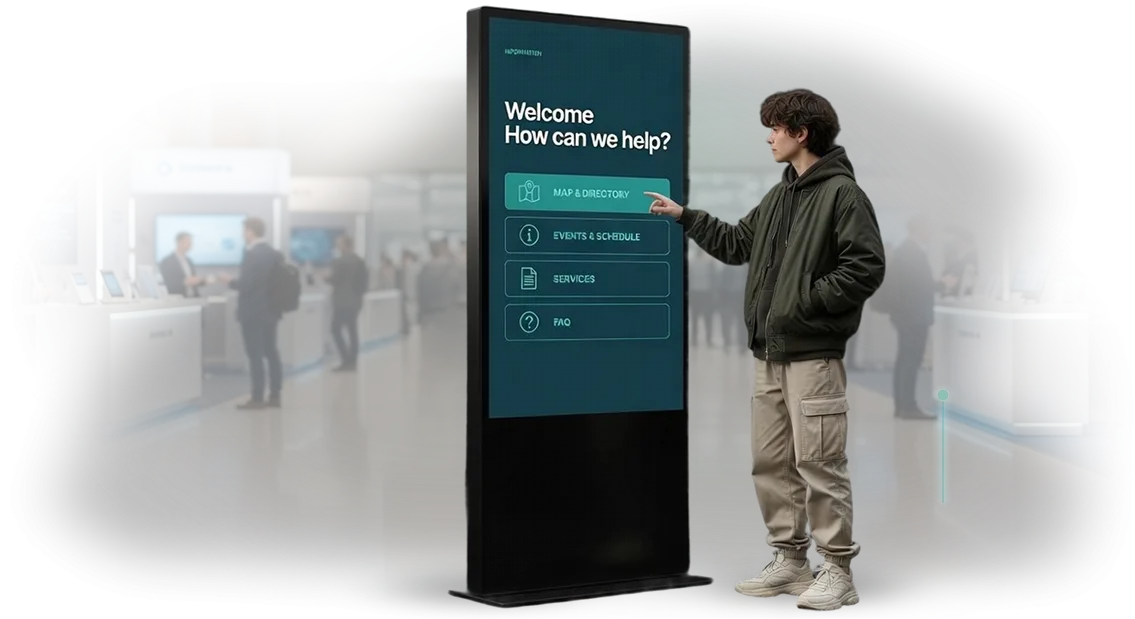
קיוסקים אינטראקטיביים למוזיאונים הופכים את החיפוש לסיפור קצר: האורח בוחר נושא, מקבל מסלול ונע בביטחון בין האולמות. ניווט מסך מגע במוזיאון מציע אילו מוצגים לראות קודם, תוך התחשבות בזמן ובתחומי עניין.
זה חשוב במוזיאון טכני, שבו מנגנונים מורכבים דורשים תשומת לב וכל מוצג שהוחמץ הוא הזדמנות אבודה לספר סיפור.
ניווט מוזיאוני נכון מפחית את עומס העבודה על הצוות, מקצר תורים ומגדיל את זמן השהייה ליד המוצגים. מבקרים מרוצים חוזרים לתערוכות חדשות ומביאים חברים, מה שמשפיע ישירות על כמות המבקרים.
אנחנו עובדים על ניווט מוזיאוני כבר יותר מעשר שנים ומכירים תערוכות גדולות מבפנים. הפתרונות שלנו משתלבים בעדינות בחלל הפנים וקלים לעדכון לתערוכות חדשות.
נחליף מבקרים שאבדו במוזיאון הטכני באורחים בטוחים — צרו קשר, נעזור.
מה ניווט אינטראקטיבי נותן למבקרים ולהנהלה
מבקרים מגיעים למוזיאון טכני בשביל חוויות, לא בשביל לחפש את האולם הנכון. ניווט אינטראקטיבי עוזר להם להתמצא מיד: לבחור מסלול לפי עניין, למצוא מוצג ספציפי או לגלות את שעת ההקרנה הבאה. המבקר מפסיק להסתובב ומבלה זמן במה שבא בשבילו — חקר התערוכה.
במקביל, עומס העבודה על הצוות פוחת. העובדים עונים על אותן שאלות כמה פעמים במשמרת; הקיוסקים לוקחים על עצמם את המשימות האלה.
מנהלים ומלווים יכולים להתמקד באינטראקציה אישית ולעזור במקום שבו באמת צריך, במקום לחזור על המסלול בפעם העשירית.
ממשק מעוצב היטב מגדיל את הנראות של המוזיאון: האורחים זוכרים את הצגת המידע הלא שגרתית ומשתפים אותה ברשתות החברתיות.
תרחישים יוצאי דופן, אנימציה וויזואליזציות הופכים מעבר רגיל בין אולמות לחלק מהחוויה — וזה עובד לטובת תדמית המוזיאון.
ניתוח נתוני מבקרים הוא ערך נפרד. הקיוסקים מתעדים אילו מוצגים נבחרים הכי הרבה, כמה זמן מושקע ליד הדוכנים ואילו מסלולים מבוקשים.
צוות המוזיאון רואה תמונה אמיתית של תחומי העניין של הקהל ויכול לתכנן תערוכות, סיורים וקמפיינים פרסומיים בצורה מדויקת יותר.
התוצאה היא מערכת שמועילה לכולם: נוחות ורגשות חדשים למבקרים, פחות שגרה לצוות ומספרים ברורים למנהל לפיתוח המוזיאון.
אילו קיוסקים אינטראקטיביים להתקין במוזיאון טכני
במוזיאון טכני, המבקרים מתמודדים עם משימות שונות: למצוא את האולם הנכון, להבין מוצג או לבלות עם ילדים. אין פתרון אוניברסלי — ולכן בפועל משתמשים בכמה פורמטים של קיוסקים. כל אחד מכסה תרחיש מבקר מסוים ועוזר למוזיאון להפחית את עומס העבודה על הצוות.
| פורמט | למה הוא מיועד | מה הוא נותן למבקר |
|---|---|---|
| קיוסק עומד | ניווט מרכזי, מפת מוזיאון, חיפוש מוצג לפי שם או מספר | תשובה מהירה לשאלה "לאן ללכת", בלי תורים בהלבשה או בקופות |
| שולחן מגע | תרשימים אינטראקטיביים של מנגנונים, עבודה משותפת עם מוצג | חקר משותף: ילדים ומבוגרים שולטים במודל בו זמנית |
| פאנל צמוד קיר | השלמה לדוכן תצוגה, תיאורים של מכשירים מורכבים | שקיעה בנושא בלי מדריך — טקסט, תמונות, תרשימים |
שולחנות מגע חשובים במיוחד במוזיאונים טכניים: הם מאפשרים למבקרים "לגעת" במנגנונים שאי אפשר להציב בתערוכה. אורח מסובב גלגלי שיניים, מניע מנוע מודל, רואה את המכשיר בחתך — אפקט שאי אפשר להשיג בויטרינה רגילה. זה מגדיל את זמן השהייה בתערוכה ואת הרצון לחזור שוב.
קיוסק עומד פותר משימה אחרת — שמירה על סדר במבנה. האורחים מוצאים לבד את המסלול לאולם הרצוי, למעלית או לבית הקפה, והמוזיאון נפטר משאלות קבועות של "איך מגיעים".
פאנלים צמודים לקיר, בתורם, הופכים דוכן סטטי לדיאלוג עם המבקר, וזה חשוב במיוחד לקהל צעיר יותר.
השילוב הנכון של פורמטים מכסה את כל שלבי הביקור: התמצאות, רושם ולמידה.
אנחנו בוחרים את התצורה לפי שטח האולם, תנועת המבקרים ואופי התערוכה — כך שכל קיוסק משרת את מטרתו ולא סתם עומד כקישוט.
איך מתנהל פרויקט: מהפנייה הראשונה ועד ההשקה
כל פרויקט במוזיאון טכני מתחיל בפנייה פשוטה — ומסתיים בניווט עובד שמקל על המבקרים למצוא את המוצגים שהם צריכים.
אנחנו מבנים את התהליך כך שתבינו מה קורה בכל שלב, מי אחראי על מה ומתי תופיע התוצאה. להלן נתיב טיפוסי מפנייה ועד השקת מערכת ניווט.
- פנייה ובדיקת צרכים — אנחנו דנים במשימות המוזיאון, לומדים את המבנה, את זרימת המבקרים ואת הנקודות שבהן קיוסקים יהיו הכי שימושיים.
- תוכנית ואישור פרויקט — אנחנו מכינים תוכנית מיקום לפאנלי מגע, מבנה תפריט ומפת מוזיאון. אתם מאשרים את הקונספט לפני תחילת העבודה.
- עיצוב ממשק — אנחנו יוצרים ממשק מגע ידידותי עם כפתורים גדולים ולוגיקה ברורה, כך שגם ילדים וגם מבוגרים יוכלו להשתמש בו בלי הנחיות.
- פיתוח ותוכן — אנחנו אוספים מידע על מוצגים, מעלים תיאורים, מסלולים, שעות פתיחה ומשלבים תמונות וסרטונים. בשלב הזה אנחנו ממלאים את הקיוסקים בתוכן מוזיאוני.
- התקנת פאנלי מגע — אנחנו מתקינים את הקיוסקים בנקודות המאושרות, מחברים את הציוד ובודקים אותו בשטח.
- השקת ניווט במוזיאון — אנחנו בודקים את המערכת בתנאים אמיתיים, מאמנים את הצוות שלכם ועוזרים בימים הראשונים של הפעילות.
- תמיכה ופיתוח — אנחנו נשארים בקשר: מעדכנים תוכן, עוקבים אחר יציבות ומוסיפים תכונות חדשות ככל שהמוזיאון גדל.
כל התהליך אורך בין שבועיים לחודש וחצי, תלוי בהיקף ובמספר המיקומים. אתם מקבלים תוכנית ברורה, דוחות קבועים ומערכת מוכנה לשימוש שעובדת מהיום הראשון.
מה כלול באספקת קיוסק והתקנתו
כשמוזיאון טכני מזמין קיוסק אינטראקטיבי, חשוב לקבל לא "קופסה עם חומרה" אלא נקודת ניווט מוכנה לשימוש שעובדת מהיום הראשון. אנחנו מספקים את הפרויקט כמכלול — מבחירת פאנלי מגע ועד הכשרת צוות ותמיכה באחריות.
חבילת האספקה הסטנדרטית כוללת:
- בחירה ואספקת פאנלי מגע למוזיאון. הציוד נבחר לפי פורמט התערוכה ועוצמת זרימת המבקרים, תוך התחשבות בהגנה מפני ונדליזם וביכולת לפעול בצורה אמינה לאורך כל היום.
- עיצוב ממשק. עיצוב בסגנון החזותי של המוזיאון, פקדים גדולים ומבנה סעיפים הגיוני כך שמבקרים בכל גיל יוכלו למצוא בקלות את האולם, השירותים או היציאה.
- התקנה והגדרה בשטח. הרכבת הפאנל על מעמד או קיר, חיבור לחשמל ולרשת המוזיאון ובדיקת כל תרחישי הניווט במקום.
- הכשרת צוות. סדנה קצרה למנהלים ומלווים: איך להפעיל את הקיוסק, להפעיל מחדש את המערכת, להחליף חומרים מתכלים ולענות על שאלות אופייניות של אורחים.
- תיעוד לצוות התחזוקה. הוראות להפעלה, כוונון עוצמת קול, עדכון מפות ותוכניות קומה, וכן מדריך לטיפול במצבי חירום.
- אחריות ותמיכה טכנית. החלפת ציוד ותמיכה מרחוק בתקופת האחריות — כך שהקיוסק לעולם לא יישאר בטל ולמבקרים תמיד תהיה גישה לניווט.
עם חבילה כזו, המוזיאון מקבל מערכת עובדת בלי להשקיע מאמץ נוסף בליטוש פנימי. תוך כמה ימים מההתקנה, האורחים מנווטים בחופשיות בתערוכה, והעובדים לא צריכים להתרחק מהמשימות שלהם כדי לעזור ליד המסכים.
מקרה בוחן: איך ניווט חדש הפחית את זרם השאלות
במוזיאון הטכני Politechn, הניווט היה נקודת הכאב המרכזית: מבקרים הלכו לאיבוד בין אולמות, והצוות הסביר את הדרך לאותו מוצג 30 פעמים ביום.
מרכז המידע עבד במלוא התפוסה, התור לא ירד, והאורחים המעניינים ביותר עזבו בלי להגיע ליעדם.
התקנו קיוסקי מגע עם מפה אינטראקטיבית, חיפוש אולמות ומסלולים למוצגים ספציפיים. המערכת מציעה את המסלול הקצר ביותר, מתחשבת בתערוכות זמניות ובנקודות מזון ומציגה מידע עזר בלי מעורבות צוות כשצריך.
התוצאות שינו את חיי היומיום של המוזיאון. זרם השאלות לצוות ירד בשליש — זה נראה ביומן הפניות ובזמן התגובה.
שביעות הרצון של האורחים עלתה: הדירוג הממוצע בשאלונים עלה מ-4.1 ל-4.7 נקודות, וחלק המבקרים שהגיעו למוצג הרצוי בלי סיוע הוכפל.
"עכשיו המנהלים מטפלים באורחים, לא בניווט. השאלות הפכו למשמעותיות." — מנהל בכיר.
"תכננו להפחית את העומס על מרכז המידע, אבל קיבלנו רמת שירות חדשה. אנשים מודים לנו על הנוחות." — ראש מחלקת פיתוח.
"הקיוסקים לא נראים לא במקום; הם הפכו לחלק מהתערוכה. האורחים מתרגלים אליהם מהר ובונים מסלולים משלהם." — סגן מנהל לחוויית מבקר.
הניסיון שלנו מראה שניווט בנוי נכון חוסך זמן גם למבקרים וגם לצוות, וההשפעה נראית כבר בחודש הראשון. אנחנו מוכנים לחזור על התוצאה הזו גם בפרויקט שלכם.
איך לבחור את הפורמט הנכון למתחם שלכם?
בחירת פורמט קיוסק מתחילה בתרחיש המבקר, לא באסתטיקה. בכניסה, אורח מחפש מסלול; באולמות, הוא חוקר מוצגים; ליד המודלים, הוא רוצה לראות את המנגנון בפעולה.
נדרשים פורמטים שונים למשימות אלה: מפאנלי ניווט קומפקטיים ועד שולחנות אינטראקטיביים בפורמט גדול.
מבנה לא שגרתי אינו מכשול אלא הזדמנות לפתרון יצירתי. עמודים, מעברים צרים, ויטראז'ים ומוצגים מרכזיים מונעים אפשרות פשוטה להציב ארון עומד.
אנחנו משתמשים בפאנלי מגע צמודים לקיר, מבנים מובנים וקונסולות עם זוויות הטיה מתכווננות כדי לשמר תנועה חופשית ונוף פתוח. העיקר הוא לשלב את הקיוסק בגיאומטריה של האולם ולא להשתלט עליו.
קיוסקים לתערוכת מוזיאון טכני הם גם נקודת מידע וגם אלמנט של התרחיש. פורמט שנבחר נכון עוזר לנהל את זרימת המבקרים, להקל על אזורים פופולריים ולשמור על תשומת הלב במוצגים מורכבים.
כשאדם יכול לגעת במסך, לסובב מודל או לבחור רמת קושי, הוא נשאר יותר זמן ליד האובייקט וזוכר את החומר טוב יותר.
בפועל, אנחנו ממליצים להתחיל מתוכנית הקומה ומהמשימות שהצבתם לכל מיקום. שלחו לנו את פריסת התערוכה, סמנו את הכניסות, המעברים והאזורים עם תנועת מבקרים כבדה.
אנחנו ננתח את הפריסה, נציע שניים או שלושה פורמטים של קיוסקים ונראה איך הם ישתלבו בחלל. כך הבחירה הופכת למחושבת וחוסכת מכם סידורים מחדש אחרי ההשקה.
ספקות נפוצים בהזמנת קיוסקים אינטראקטיביים
לפני הזמנת קיוסקים אינטראקטיביים, צוות המוזיאון שואל לעתים קרובות את אותן שאלות: מה עושים אם משהו מתקלקל, מי יעדכן את המידע וכמה זמן תימשך ההשקה. זה נורמלי — ציוד פועל תחת זרם קבוע של מבקרים.
להלן אנו מתייחסים לחששות המרכזיים כדי שתדעו אילו ערבויות ותמיכה אתם מקבלים יחד עם מערכת הניווט.
מה קורה אם מסך המגע מתקלקל?
כל הציוד מכוסה באחריות שירות. אם מתרחשת תקלה, פשוט הגישו בקשה — נארגן תיקון או החלפה במהירות האפשרית כדי שהקיוסק לא יישאר בטל. אם התקלה מתרחשת בתקופת האחריות, התיקון והחלקים על חשבוננו.
באיזו תדירות פאנלי מגע דורשים תחזוקה?
המסכים לא דורשים טיפול מורכב. מספיק ניקוי תקופתי ושליטה בעדכונים. אם תרצו למזער את המאמץ, נוכל לכלול תחזוקה שוטפת בחוזה — מומחה יגיע לפי לוח זמנים ויבדוק את כל נקודות הניווט.
מהם לוחות הזמנים לפיתוח והערבויות?
פרויקט טיפוסי אורך שבועיים עד ארבעה שבועות. אנחנו קובעים את לוחות הזמנים בחוזה ועומדים בהם, ואנחנו מבצעים עבודה במקביל כדי למנוע עיכובים. האחריות על חומרה ותוכנה היא משנה אחת, ולאחר מכן ניתן להאריך את התמיכה.
איך מעדכנים תוכן בקיוסקים?
יש פאנל ניהול ידידותי למשתמש: אתם יכולים לשנות טקסטים, לוחות זמנים ולהוסיף תערוכות בעצמכם בלי מתכנתים. הסנכרון מתבצע אוטומטית, כך שהמבקרים תמיד רואים מידע עדכני. הכשרת מנהלים כלולה בעלות ואורכת כמה שעות.
בואו נדבר על פרויקט ניווט לתערוכה שלכם
מבקרים במוזיאון טכני מגיעים בשביל חוויות, לא בשביל הלחץ של מציאת האולם הנכון. אם הם מבזבזים זמן בשאלות למלווים במקום לחקור מוצגים, התערוכה סובלת והצוות מוסח מהמשימות שלהם.
קיוסקי ניווט אינטראקטיביים פותרים את שתי הבעיות: האורח מוצא את המסלול לבד, והמוזיאון חוסך יותר זמן לרגשות.
אנחנו יוצרים ניווט למוזיאונים ולחללי תערוכה כבר יותר מ-10 שנים, אז אנחנו יודעים איך לבנות מערכת נוחה ולא סתם לשים מסך בכניסה.
ספרו לנו על התערוכה שלכם — נייעץ לכם לגבי קיוסקים ונבחר פורמט שמתאים למבנה שלכם, לזרימת המבקרים ולנושאי המוצגים.
מה תקבלו אחרי הפנייה אלינו:
- ייעוץ קיוסקים: נספר לכם אילו תרחישי ניווט באמת עובדים במוזיאונים טכניים ואיפה הם רק יוצרים תורים.
- בחירת פורמט: מעמד נייח, שולחן מגע או קיוסק עומד — נציע את האפשרות האופטימלית לאולמות וללוגיקת התערוכה שלכם.
- הערכת פרויקט קיוסק: היקף עבודה משוער, לוחות זמנים ושלבי יישום, כדי שתבינו את הגודל לפני שמתחילים.
- הצעת לוח זמנים: לוח זמנים ברור מפיתוח ועד השקה, תוך התחשבות בהכנת החדר והכשרת צוות.
- הערכת שילוב עם הניווט הקיים שלכם: נראה איך קיוסקים ישלימו שלטים, מפות מוזיאון ואלמנטי התמצאות אחרים, כך שלאורחים תמיד יהיה מסלול ברור.
השאירו בקשה באתר או כתבו לנו בהודעה — נדון בפרטים, נענה על השאלות שלכם ונכין הצעת ניווט אישית למוזיאון שלכם.
נתחיל בשיחה קצרה ולא במפרט טכני ארוך, כך שתבינו מהר אם אנחנו מתאימים ואיך נתקדם לקראת ההשקה.