

מאבדים לקוחות במרפאה הווטרינרית שלכם?
בעלי מרפאות וטרינריות מבחינים לא פעם: התורים מלאים, אבל ההכנסות לא גדלות. או שלקוחות מגיעים לביקור ראשון אבל לא חוזרים שוב. הסיבה לא תמיד היא איכות הטיפול — לעתים קרובות יותר מדובר בתחושה של האדם במרפאה מהרגע שהוא נכנס.
תורים ארוכים, לא ברור לאן ללכת, אין מאיפה לקבל מידע — כל זה יוצר לחץ גם לבעל חיית המחמד וגם לבעל החיים עצמו.
אובדן לקוחות במרפאה וטרינרית קשור ישירות להמתנה. כשאדם עומד בתור בלי לדעת כמה זמן עוד יצטרך לחכות, הוא מתחיל לחפש מרפאה אחרת — כזו שתטפל בו בעדינות רבה יותר.
בעלים עם חיות מחמד חולות רגישים במיוחד: ברגע כזה, כל דקה מרגישה כמו נצח. שימור לקוחות מתחיל בכבוד לזמן שלהם ובתחושת הרוגע שהמרפאה משדרת מהשניות הראשונות.
תורים במרפאה וטרינרית הם לא גזר דין, אלא נקודת צמיחה. אם מבקר רואה מערכת ניווט ברורה, יודע לאן ללכת וכמה זמן תהיה ההמתנה, רמת החרדה שלו יורדת. ובעל חיית מחמד מרוצה חוזר שוב ומביא חברים.
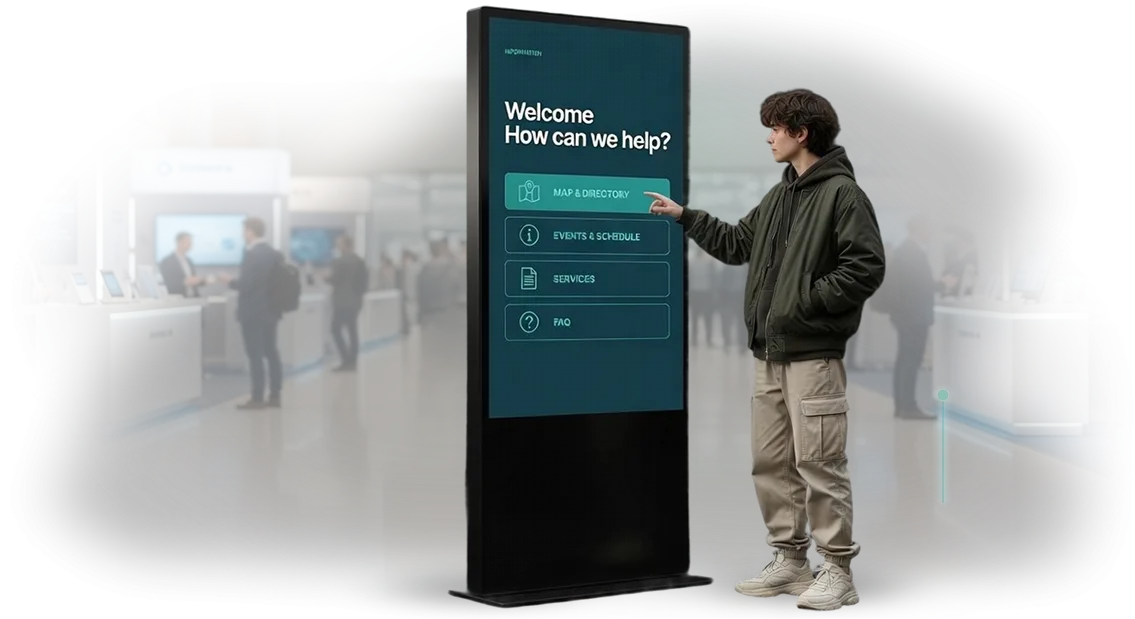
אנחנו עוזרים לסגור את נקודת הכאב הזו עם מערכות ניווט אינטראקטיביות על קיוסקים עם מסך מגע — דרך מודרנית לייעל את זרימת המבקרים ולהראות שהמרפאה אכפתית לאנשים.
מה מקבלים מקיוסק אינטראקטיבי
בעלי מרפאות וטרינריות יודעים כמה זמן מושקע ברישום מטופלים ובמענה על אותן שאלות חוזרות. כל שיחת טלפון פירושה המתנה על הקו, ובשעות העומס נוצר תור בדלפק הקבלה.
קיוסק אינטראקטיבי לוקח על עצמו את השגרה: הלקוח בוחר שירות בעצמו, רואה את שעות הפנאי הזמינות ונרשם תוך דקות ספורות בלי להסיח את דעתה של המנהלת.
היתרון ברור — מהירות השירות עולה, והצוות מפסיק להיות "בן ערובה" של הטלפון והתור. מנהלות יכולות להתמקד במשימות מורכבות יותר: ייעוץ בנושא טיפול בחיות מחמד, טיפול במסמכים, עבודה עם מטופלים.
במקביל, רישום בקיוסק מפחית את מספר השגיאות: בעל חיית המחמד רואה את הנתונים על המסך בעצמו ומאשר את בחירתו, כך שיש פחות אי-הבנות לגבי זמן ושירות.
תוצאה חשובה נוספת היא נאמנות לקוחות. בעלי חיות מחמד מעריכים אכפתיות ונוחות, במיוחד כשבעל החיים זקוק לעזרה. היכולת לנווט במהירות בין השירותים ולהירשם ללא לחץ יוצרת רושם חיובי על המרפאה.
לאחר הביקור, הבעלים נשאר עם התחושה שהזמן שלו מכובד — לקוחות כאלה חוזרים שוב וממליצים עליכם לאחרים.
קיוסק אינטראקטיבי הוא לא רק מסך עם לוח זמנים. זה כלי שמקל על המבקרים את ההרשמה ויעיל יותר לעסק: פחות עומס על הצוות, דיוק גבוה יותר בנתונים, יותר לקוחות מרוצים.
ואנחנו לוקחים על עצמנו את פיתוח המערכת לצרכים שלכם — מהתרחישים ועד ההשקה — כך שתקבלו פתרון שעובד מהיום הראשון.
פורמטים של קיוסק אינטראקטיבי: מיחידות עומדות ועד מסכים צמודי קיר
לכל מרפאה וטרינרית יש זרימת מבקרים, פריסה ותרחישים משלה.
אותו קיוסק לא יכסה את כל המשימות: בלובי מרווח, יחידה עומדת נוחה יותר; במסדרון צר, מסך קומפקטי צמוד קיר; וליד דלפק הקבלה, פאנל נייח שמשלים את המנהלת.
הפורמט קובע באיזו קלות בעל חיית מחמד יכול להירשם לרופא, למצוא משרד ולשלם עבור שירות — ולכן קובע גם את העומס על הצוות.
להלן הפורמטים העיקריים של קיוסקים שאנו מתקינים במרפאות וטרינריות. אנו בוחרים דגם על סמך הפריסה שלכם, זרימת המבקרים והתקציב. במידת הצורך, אנו משלבים כמה קיוסקים למערכת אחת כך שבעל חיית מחמד יכול להתחיל להירשם על מסך אחד ולהמשיך על אחר.
| פורמט | למי הוא מיועד | מה הוא נותן ללקוח |
|---|---|---|
| קיוסק עומד | לובי ואזור המתנה עם תנועה גבוהה | רישום מהיר לרופא ללא תור בדלפק הקבלה, תשלום עצמי וביקורים חוזרים ללא מעורבות המנהלת |
| קיוסק צמוד קיר | מסדרונות צרים, אזורים ליד חדרי בדיקה | עוזר למנוע איבוד דרך: מראה את החדר הנכון ואת זמן ההמתנה, חוסך שטח רצפה יקר |
| קיוסק דלפק | אזור הכניסה, דלפק הקבלה | משלים את המנהלת בשעות העומס, מטפל ברישום ותשלום, נראה מוצק ומעורר אמון |
בחירת פורמט היא לא רק "להציב מסך"; זו החלטה שמשפיעה על מהירות השירות ועל הרושם של המבקרים.
הכלל פשוט: קיוסק עומד משמש כעוזר עצמאי, קיוסק צמוד קיר מטפל בניווט ובקשות קצרות, וקיוסק דלפק מחליף לחלוטין חלק מתפקידי המנהלת.
ברוב המרפאות, אנו משלבים שניים או שלושה פורמטים כדי לכסות גם את שעות העומס וגם את התרחישים היומיומיים. אנו מעצבים את הממשק למשימה ספציפית ותומכים בהשקה כך שהמערכת תעבוד מהיום הראשון.
איך אנחנו מפתחים קיוסק לעסק שלכם
כל פרויקט פיתוח קיוסק מתחיל בהבנה מעמיקה של המאפיינים הספציפיים של המרפאה שלכם ותנועת המבקרים.
אנחנו לא מציעים פתרונות תבניתיים — קודם כל אנחנו מנתחים היכן נוצרים תורים לרוב, איך לקוחות מוצאים חדרי בדיקה, ומה המידע שהם צריכים ללא עזרת המנהלת.
זה מאפשר לנו להפוך את הקיוסק לכלי שמפחית את העומס על הצוות ומקצר את זמן ההמתנה לבעלי חיות מחמד.
התהליך עוקב אחר מתודולוגיית עבודה מוכחת — מבריף קצר ועד השקה ותמיכה שוטפת.
-
בריף וניתוח משימה. אנחנו נפגשים באינטרנט או במרפאה ומגדירים את המטרות: ניווט, רישום לרופא, מידע על שירותים. אנחנו מזהים תרחישים מרכזיים — ממציאת החדר הנכון ועד הגשת בקשה.
-
סקר מתקן. אנחנו לומדים את תוכנית הבניין, מיקום דלפק הקבלה, חדרי הבדיקה ואזורי ההמתנה. על סמך זה, אנו בוחרים מיקומים לקיוסקים כך שיהיו בולטים ולא יפריעו למבקרים.
-
אב-טיפוס ממשק. אנחנו יוצרים את מבנה התפריט: מפת מרפאה, מומחים, שירותים, רישום. אנחנו מסכמים על לוגיקת הניווט כך שהגעה לסעיף הרצוי תיקח לא יותר משניים או שלושה מגעים במסך — זה קריטי למבקרים בגילאים שונים.
-
עיצוב בסגנון המרפאה. אנחנו מעצבים את המסכים בסגנון הארגוני שלכם, משתמשים באייקונים ותמונות ברורים, ומתאימים גופנים לקריאה נוחה. כבר בשלב זה, אתם יכולים לראות איך הקיוסק ישתלב בפנים.
-
פיתוח ותוכן. אנחנו בונים את המערכת על ציוד מקצועי וארכיטקטורת שרתים — זה מבטיח פעולה יציבה ללא הקפאות בשעות העומס. אנחנו טוענים נתונים עדכניים: רופאים, לוחות זמנים, מחירים, מבצעים. במידת הצורך, אנו מגדירים רישום למומחים.
-
בדיקות והשקה. אנחנו בודקים את כל התרחישים: ממציאת רופא ועד השלמת רישום בכמה צעדים. אנחנו מתקינים את הקיוסק ומכשירים מנהלות לעבודה עם המערכת.
זמן היישום הסטנדרטי הוא משבועיים עד חודש, תלוי בכמות התוכן ובמספר המיקומים.
-
תמיכה ועדכונים. אתם מקבלים גישה ללוח בקרה שבו תוכלו לשנות מידע על צוות ומבצעים בעצמכם. אנחנו גם עוקבים אחר פעולה תקינה ומבצעים שינויים במהירות כשמופיעים שירותים או חדרים חדשים.
מתודולוגיית עבודה זו מאפשרת לכם להשיק את הקיוסק ללא הפתעות: אתם יודעים את לוחות הזמנים, שולטים בכל שלב ומקבלים מערכת שבאמת עובדת למען נוחות הלקוחות שלכם.
מה כלול בחבילת אספקת הקיוסק
חבילת אספקה שקופה היא מה שמבדיל קבלן אמין. מהיום הראשון, אתם יודעים איזה ציוד קיוסק תקבלו ואיך הוא עובד בלובי של המרפאה שלכם. אין "הפתעות" לאחר ההשקה.
- קיוסק עם מסך מגע במעטפת מוגנת — עמיד לניקוי רטוב ולמכות מקריות. מתאים ללובי, אזור הקבלה ואזור ההמתנה.
- ניווט אינטראקטיבי — מפת מרפאה עם חדרים, רופאים ושירותים. מבקר מוצא את החדר הנכון בכמה מגעים ומיד רואה את המסלול.
- מערכת ניהול תוכן — אתם יכולים לשנות באופן עצמאי לוחות זמנים, מבצעים, הודעות וחדשות המרפאה הווטרינרית. אין צורך להתקשר למפתח.
- לוח ניהול — ממשק פשוט למנהלות שלכם. עדכון לוח הזמנים של הרופאים לוקח פחות מדקה.
- התקנה, הגדרה וחיבור — אנחנו מתקינים את הקיוסק במקום הנכון, מחברים אותו לרשת ובודקים פעולה בשטח.
- הכשרת צוות — אנחנו מראים איך להשתמש בקיוסק ולעדכן מידע. מפגש קצר אחד מספיק.
- אחריות ותחזוקה לקיוסק — אנחנו מפרטים את תקופת האחריות ואת זמן התגובה לפניות בחוזה. אם משהו קורה, נגיע ונתקן.
- הוראות ותיעוד — מדריכי עזר קצרים לצוות ותיעוד טכני כך שלא יעלו שאלות.
חבילה זו מכסה את כל הנושאים גם עבורכם וגם עבור המבקרים שלכם. אתם מקבלים מערכת ניווט עובדת, לא קיוסק "חשוף" שצריך לבנות בעצמכם.
אחריות הקיוסק היא סעיף נפרד שאנחנו לא משאירים ליד המקרה. היא כתובה בחוזה, כך שאתם תמיד יודעים לכמה זמן ועל אילו רכיבים ניתנת תמיכה. זה מגן על התקציב שלכם מהוצאות בלתי צפויות בשנים הראשונות לפעילות.
מקרה בוחן: איך קיוסקים אינטראקטיביים עזרו למרפאה וטרינרית
מומחים מהצוות שלנו עזרו למרפאה וטרינרית עם בעיה כרונית: בשעות העומס, תורים הצטברו בדלפק הרישום, מנהלות חזרו על אותו מידע עשר פעמים, ומבקרים עם חיות מחמד היו מותשים עוד לפני שהביקור התחיל.
המטרה הייתה להקל על הצוות ולהפוך את הביקור לנוח באמת מבלי לפגוע באיכות השירות.
הצענו קיוסקים אינטראקטיביים שלקחו על עצמם חלק מתפקידי המנהלת. על מסך המגע, מבקרים בחרו שירות בעצמם, נרשמו למומחה המתאים וקיבלו מיד מסלול לחדר.
עבור המרפאה, זה אומר פחות שגיאות בתזמון ויותר זמן לצוות לטפל בבעלי חיים — במקום לענות על שאלות שגרתיות.
תוצאות היישום
ההשפעה הופיעה בחודש הראשון. כ-70% מהרישומים החלו לעבור דרך הקיוסקים, וזמן ההמתנה הממוצע בתור נחתך בחצי.
מבקרים הפסיקו להצטופף סביב דלפק הקבלה, מנהלות התמקדו במצבים מורכבים, ורופאים קיבלו לוח זמנים עקבי יותר לפגישות.
כעבור חצי שנה, חלק הביקורים החוזרים גדל בכמעט שליש.
רישום עצמי נוח וניווט ברור לחדרים השפיעו ישירות על נאמנות הלקוחות — בעלי חיות מחמד מוכנים יותר לחזור למקום שבו הם לא צריכים לעמוד בתור ולהסביר למה הגיעו.
מקרה זה הוא דוגמה לאיך תרחיש מסך מעוצב כהלכה פותר בעיה עסקית אמיתית. המרפאה השיגה תוצאות מדידות: פחות עומס על הצוות, תפוקה גבוהה יותר ומבקרים מרוצים.
עבורנו, העיקר הוא שהלקוח רואה החזר על כל השקעה ויכול להעריך את השפעת היישום במספרים.
איך לבחור פורמט קיוסק למשימה שלכם?
בחירת הקיוסק הנכון מתחילה לא במסך ובמעטפת, אלא בשאלה: מה מבקר צריך לעשות קודם במרפאה שלכם? אם בעלים הולכים לאיבוד במסדרונות ומחכים זמן רב לפגישה, יש צורך בפורמט אחד.
אם התור למנהלת אוכל זמן ועצבים, אז בפורמט אחר. לכן אנחנו קודם כל בוחנים את מסע הלקוח מהכניסה ועד חדר הבדיקה, ורק אז מציעים את הפתרון הנכון.
קריטריוני הבחירה פשוטים: מי ישתמש בקיוסק, כמה זמן יש לו לאינטראקציה, והאם צריך לשלב אותו עם מערכת התזמון הנוכחית שלכם.
במרפאה וטרינרית, מבקרים נמצאים לעתים קרובות בלחץ, ולכן הממשק חייב להיות ברור ומהיר ככל האפשר. אם הקיוסק מסבך את החיים, זו טעות, לא עזרה.
יש גם הבדל במיקום. בלובי, עמדות מידע נפוצות יותר — מפת מרפאה, לוחות זמנים של רופאים, תזכורות מועילות לטיפול בחיות מחמד.
בדלפק הקבלה, עובד מסוף מסך מגע מלא: רישום עצמי, בדיקת תור, קריאה למנהלת, תשלום עבור שירותים נוספים. ולמשימה צרה — למשל, הוצאת כרטיסים למעבדה — מספיק קיוסק קומפקטי צמוד קיר.
בבחירת פורמט, חשוב להבין את העיקר: הקיוסק צריך להקל על הצוות, לא להוסיף עבודה. אנחנו מנתחים את התהליכים שלכם, רואים היכן עולות שאלות חוזרות של מבקרים, ומציעים פורמט שמטפל בדיוק בנקודות האלה.
ברוב המקרים, מסוף אוניברסלי אחד מספיק, אבל יש משימות שבהן שילוב של קיוסק נייח וצמוד קיר נותן את התוצאה הטובה ביותר.
רוצים עזרה בבחירה? שלחו לנו פריסה של המרפאה שלכם או תיאור של התנועה — נמליץ על פורמט מתאים ונבחר תצורה לתקציב ולמשימות שלכם. הייעוץ חוסך זמן גם לכם וגם ללקוחותיכם.
שאלות נפוצות וחששות בהזמנת קיוסק אינטראקטיבי
לקוח משקיע בקיוסק לא עבור החומרה עצמה, אלא עבור נוחות המבקרים ושקט נפשי של הצוות. רוב השאלות נוגעות בדרך כלל לדבר אחד: מה יקרה אחרי שנה של פעילות, ומי יעזור אם הקיוסק יתקלקל.
הצוות שלנו מטפל בחששות אלה עם אחריות, תיקונים ותמיכה ברורה — להלן אנו עונים על השאלות הנפוצות.
איזו אחריות ניתנת על הקיוסק ומה היא מכסה?
האחריות מכסה את כל רכיבי הציוד והתוכנה ללא הגבלה לפי יחידה. אם משהו נכשל באשמתנו — תיקון, החלפת חלקים ועבודה מבוצעים ללא תשלום ובזמן קצר.
אנחנו מפרטים את התנאים בחוזה, כך שאתם יודעים מראש למה לצפות. אורך החיים הממוצע של קיוסק הוא כמה שנים של פעילות אינטנסיבית, והאחריות מכסה את התקופה הראשונית הכי פחות צפויה.
מה עלי לעשות אם הקיוסק מפסיק לעבוד?
פשוט התקשרו או כתבו לנו — צוות התמיכה זמין בשעות העבודה. בטלפון, אנחנו עוזרים לפתור את רוב הבעיות מרחוק, גם אם אתם רחוקים מהמשרד.
אם פתרון בעיות מרחוק אינו אפשרי, מהנדס מגיע עם ערכת חלקי חילוף. ברוב המקרים, הקיוסק חוזר לפעולה תוך ביקור אחד, והשבתה לא משפיעה על זרימת הלקוחות.
הקיוסק יוצב במרפאה עם בעלי חיים. האם הוא ישרט או יינזק?
המעטפת והמסך מתוכננים לשימוש אינטנסיבי בחללים ציבוריים: הם עמידים לשריטות, לניקוי רטוב ולמכות מקריות. זה לא ציוד ביתי אלא פתרון מקצועי לאזורים עם תנועה גבוהה.
מבקרים עם בעלי חיים יכולים להשתמש בקיוסק בבטחה — הוא עומד בטפרים, לוע ונגיעות קבועות לאורך היום.
האם הקיוסק צריך תחזוקה ומי מטפל בה?
תחזוקה מונעת היא פעם בשנה, ולפי החוזה אנחנו מזכירים לכם על כך בעצמנו. אנחנו בודקים את החיבורים, מנקים את המסך, מעדכנים תוכנה ומשמנים חלקים מכניים אם קיימים.
זה לוקח יום אחד ולא מפריע לפעילות המרפאה. הצוות לא צריך לעשות כלום — אנחנו דואגים להכל; אתם רק ממשיכים לקבל אורחים.
ללא קשר לפורמט הנבחר, אתם מקבלים הוראות ברורות לצוות ואנשי קשר ישירים של האחראים על תפעול הקיוסק. אנחנו מורידים מכם את דאגות הציוד — אתם מתמקדים בקבלת לקוחות, והצד הטכני נשאר אצלנו.הזמינו פיתוח קיוסק אינטראקטיבי
לקוחות של מרפאה וטרינרית הולכים לאיבוד לעתים קרובות: קבלה, חדרי בדיקה, בית מרקחת, אזור המתנה. מבקר מחפש את החדר הנכון, מרגיש לחץ — והלחץ הזה עובר לחיית המחמד.
קיוסק אינטראקטיבי עם ניווט פותר את הבעיה מיד: האדם רואה את המסלול, זמן ההמתנה והמידע הדרוש בלי להסיח את דעת הצוות.
אנחנו מפתחים קיוסקים במפתח מלא: מתרחישים ועיצוב ועד התקנה והכשרת צוות. אתם לא צריכים להבין בטכנולוגיה — אנחנו מטפלים בהכל. אתם מקבלים כלי עובד שמגביר את נאמנות הלקוחות ומקל על המנהלות.
מה אתם מקבלים לאחר פנייה אלינו:
- ייעוץ והערכת עלות תוך יום אחד — אתם מבינים את התקציב ואת לוחות הזמנים ללא התחייבות.
- אב-טיפוס של מסכים ותרחישי ניווט: אתם רואים איך הקיוסק יעבוד עבורכם לפני שפיתוח בכלל מתחיל.
- ממשק אינטואיטיבי עם רמזים — מתאים למבקרים מבוגרים ולאלה שמחזיקים חיות מחמד בידיים.
- הכשרת צוות והוראות: עובדים ישלטו במערכת ויעדכנו מידע ללא מתכנתים.
- פורמטים גמישים: קיוסק, פאנל או טאבלט — נבחר לפי החלל וזרימת הלקוחות שלכם.
- אחריות על ציוד ותמיכה — ב-10 שנות ניסיון, מתודולוגיית העבודה מוכחת — הכל עובד מהיום הראשון.
השאירו בקשה להזמנת קיוסק במפתח מלא — ותוך כמה שבועות תהיה במרפאה שלכם מערכת ניווט שחוסכת זמן לצוות והופכת כל ביקור לנוח. נגיב תוך יום עסקים אחד ונציע פתרון לפריסה ולתקציב שלכם.