

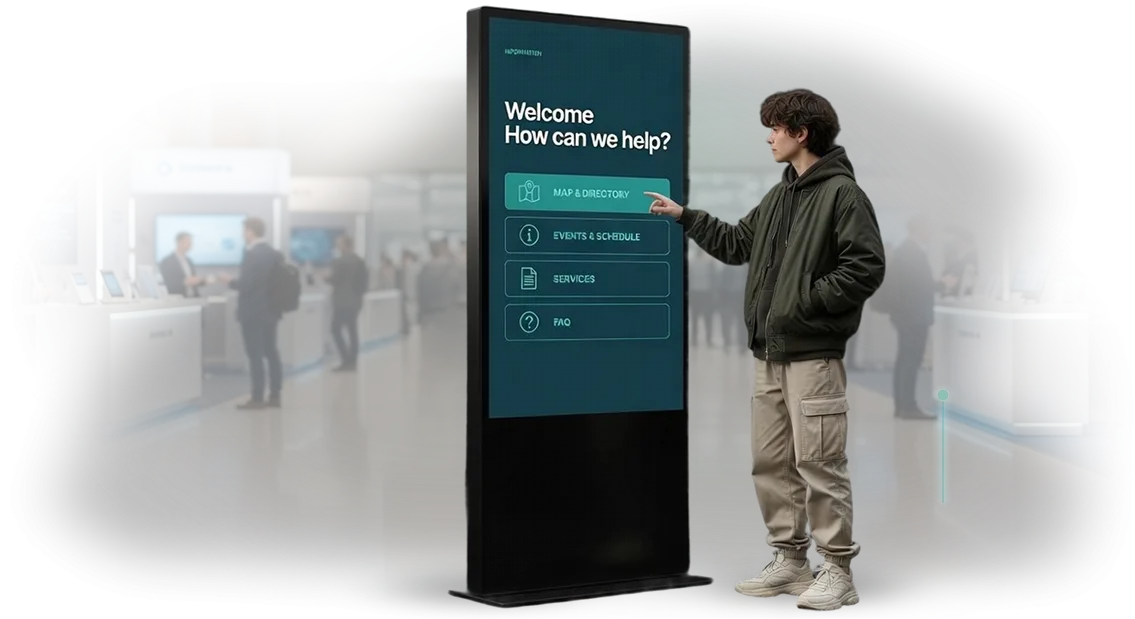
מדוע מרכז שירות מורשה מאבד לקוחות ללא קיוסק?
לקוחות במרכז שירות מורשה מעריכים את זמנם. כשהם נאלצים להמתין בכניסה בזמן שהצוות עסוק במילוי טפסים או במתן הוראות הגעה, נוצרת תחושת כאוס.
כל דקת המתנה נוספת מפחיתה את הרצון לחזור, במיוחד כאשר ישנם מרכזי שירות אחרים בקרבת מקום שבהם הכל מסודר בצורה נוחה יותר.
עמדות מיושנות ושילוט מנייר באזור השירות רק מחמירים את הבעיה. המבקרים לא מצליחים להבין לאן ללכת לאבחון, היכן נקודת האיסוף, או היכן ממתינים לחלקים.
הם שואלים את הצוות את אותן שאלות שוב ושוב — הצוות מוסח מהעבודה, והתור גדל אפילו מהר יותר. כתוצאה מכך, מרכז השירות מאבד לקוחות לא בגלל איכות התיקון, אלא בגלל תהליך לא מאורגן מהיסוד.
עבור בעל העסק, זהו אובדן הכנסות ישיר: לקוחות לא מרוצים לא חוזרים ולא ממליצים על מרכז השירות למכריהם. הם הולכים למתחרים שבהם ברור שהלקוחות מטופלים מראש.
המוניטין של מרכז שירות מורשה נבנה לא רק על מיומנות המכונאים, אלא גם על הרושם שנוצר בכל נקודת מגע עם המותג — החל מדלת הכניסה.
קיוסק מידע פותר את נקודות הכאב הללו. הוא לוקח על עצמו את הניווט באזור השירות, קביעת תורים והודעות סטטוס — הלקוחות מפסיקים לתהות לאן ללכת, והצוות מתמקד בתפקידיו העיקריים.
במקום תורים ושאלות אינסופיות, כל מבקר מקבל נתיב ברור. אנו עוזרים למרכזי שירות מורשים להטמיע קיוסקים כאלה ולהשיב ללקוחות את התחושה שמטפלים בהם, תוך הענקת נאמנות גבוהה יותר וביקורים חוזרים לבעלים.
מה העסק מרוויח מהקיוסק: צמיחה בנאמנות ובהכנסות
לקוחות שירות מורשה מעריכים זמן: ככל שהם ממתינים יותר בתור, כך אמונם במותג יורד. קיוסק אינטראקטיבי מסיר את מקור החיכוך העיקרי — ביקור יכול להתחיל תוך דקות, לא תוך חצי שעה.
הלקוחות בוחרים את השירות שלהם, מזמינים תיקון או משלמים מיד ללא הסחת דעת של הצוות מעבודתם. זהו הצעד הראשון להפיכת מרכז השירות לממוקד לקוח במקום ממוקד תור.
מהירות השירות משפיעה ישירות על ההכנסות. כשהצוות מפסיק לבזבז זמן על משימות שגרתיות כמו הזנת נתונים וחזרה על מחירון, הם מתמקדים יותר בלקוחות ובמכירות.
הקיוסק לוקח על עצמו תרחישים סטנדרטיים — הזמנה מראש, בחירת שירותים נוספים ויידוע על מבצעים.
כתוצאה מכך, הסל הממוצע גדל: המבקרים רואים הצעות עדכניות ונוטים יותר להסכים לעבודות נוספות שבעבר לא הוצעו בשל חוסר זמן.
נאמנות הלקוחות נבנית על פרטים קטנים: ניווט ברור, חישוב עלות שקוף וללא פערים בשירות. מסוף מגע מודרני באזור ההמתנה הוא גם אות גלוי לכך שהחברה מתעדכנת עם הזמן.
מרכז שירות כזה זוכה להמלצות, מקבל ביקורות חיוביות, וביקורים חוזרים הופכים להרגל. הטכנולוגיה מחזקת את תדמית המותג גם כשהקיוסק פשוט עומד בלובי.
איסוף סטטיסטיקות הוא כלי נפרד לצמיחת הכנסות. הקיוסק מתעד אילו שירותים נבחרים בתדירות הגבוהה ביותר, מתי העומס גבוה ביותר, וכמה זמן לוקח ללקוחות לקבל החלטה.
נתונים אלה עוזרים לתכנן את כושר הטכנאים בצורה מדויקת יותר, להתאים את המחירון ולהשיק מבצעים על שירותים פופולריים. בעל השירות מפסיק להסתמך על ניחושים ומקבל החלטות על סמך מספרים שמראים את מצב העסק האמיתי.
הטמעת קיוסק אינה רק רכישת ציוד; זהו כוונון של תהליכים כך שיתאימו למרכז השירות שלך. אנו מעצבים את הממשק כך שלקוחות יבינו מה לעשות הלאה ללא הנחיות, ואתה מקבל דוחות ברורים.
כתוצאה מכך, הקיוסק עובד בשבילך: הוא מזרז את השירות, מפחית את העומס על הצוות, משפר את הנאמנות ומביא הכנסות נוספות כבר מהשבועות הראשונים.
פורמטים של קיוסק מידע למשימות שונות
במרכז שירות מורשה, המבקרים מגיעים עם מטרה ברורה: למסור ציוד, לבדוק סטטוס תיקון או לקבל ייעוץ. אם כל המידע זמין רק אצל המנהל, נוצרים תורים בשעות השיא, והצוות מוסח על ידי שאלות חוזרות. קיוסק אינטראקטיבי מוריד את העומס הזה והופך את השירות לצפוי.
פורמטי הקיוסק נבחרים על פי גודל החלל ותרחיש ההפעלה: לפעמים יש צורך בעמדת רצפה בולטת, לפעמים בפאנל צמוד קיר, ולחלקת כרטיסים ומסמכים — דגם עם מדפסת.
כל הגרסאות פועלות על פלטפורמה אחת ומשתלבות בקלות בתהליכי השירות, כך שאתה מקבל בדיוק את התצורה שפותרת את המשימה שלך.
איזה פורמט מתאים למרכז השירות שלך
| פורמט | למי הוא מיועד | מה הוא נותן ללקוח |
|---|---|---|
| קיוסק עומד | אזורי המתנה מרווחים, לובי | עמדה בולטת מושכת תשומת לב, מפחיתה את התור אצל המנהל ופועלת כנקודת הזמנה ומידע עצמאית |
| קיוסק צמוד קיר | חללים קטנים, מסדרונות, אזור המנהל | חוסך מקום ומאפשר גישה מהירה לסטטוס בקשה ולמידע שירות ללא יצירת מכשולים |
| קיוסק עם מדפסת | מרכזי שירות המטפלים במסמכים: כרטיסים, קבלות, חוזים | מייצר אוטומטית את הניירת הנדרשת, מפחית שגיאות ומזרז את העיבוד |
| קיוסק עם מסך מגע | מיקומים עם תנועה גבוהה | קטלוג שירותים אינטראקטיבי, ניווט נוח והצגת מותג — מגביר נאמנות ומפחית את עומס העבודה על הצוות |
כיצד פיתוח והשקת קיוסק עובדים ב-5 שלבים
השקת קיוסק מידע במרכז שירות מורשה אינה רק התקנת מכשיר. זהו ערוץ תקשורת חדש עם לקוחות: הם מקבלים תשובות ללא מעורבות הצוות, והעובדים נפטרים ממשימות שגרתיות.
כדי לשמור על לוח הזמנים של הפיתוח, אנו פועלים לפי תהליך שקוף של חמישה שלבים. בכל שלב, אתה רואה את התוצאה ויכול להשפיע על ההחלטות. אנו מטפלים בכל העניינים הטכניים כך שתוכל להתמקד בעסק שלך.
-
בריף וניתוח משימה. אנו נפגשים ודנים במשימות שלך: קבלת בקשות, קטלוג שירותים, הזמנת תורים. אנו מבהירים מי ישתמש בקיוסק — לקוחות, מבקרים או צוות. זה עוזר לנו להציע תרחיש שבאמת מפשט את התפעול.
-
אישור תוכנית ולוח זמנים. אנו קובעים את שלבי הפיתוח, תאריכי האישור והפריסה של התוכנה. אתה מקבל ציר זמן עם נקודות בקרה ויודע מתי אב הטיפוס יהיה מוכן, מתי גרסת הבדיקה תהיה מוכנה ומתי הקיוסק יושק.
-
אישור עיצוב ולוגיקה. אנו מציגים אב טיפוס אינטראקטיבי של המסכים העתידיים: תפריטים, כפתורים, טקסטים, מעברים. אתה מבצע עריכות לפני תחילת הפיתוח — זה מבטל עבודה חוזרת יקרה ופספוס מועדים.
-
פיתוח ופריסת תוכנה. אנו בונים את הפונקציונליות: תשובות אוטומטיות, אינטגרציה עם מאגר הלקוחות שלך, עדכוני תוכן. אנו מגדירים את הקיוסק כך שתוכל לשנות מבצעים ומידע ללא מתכנת.
-
בדיקות, השקה ותמיכה. אנו בודקים את כל התרחישים על חומרה אמיתית ומכשירים את הצוות שלך. אנו משיקים את הקיוסק ולאחר מכן מספקים תמיכה שוטפת: אנו מכווננים, מעדכנים תוכן ומגיבים במהירות לשאלות.
מה כלול במסירה: חבילת מפתח מלא
כשאתה מזמין קיוסק מידע "מפתח מלא", אינך צריך להרכיב פתרון מקבלנים שונים. אנו מטפלים בפיתוח, עיצוב, תיעוד ותמיכה — אתה מקבל חבילה אחת מוכנה לשימוש.
חבילת המסירה הסטנדרטית כוללת:
- גרסה עובדת של התוכנה עם הממשק והלוגיקה המוגדרים לתרחיש שלך: מבקרים, בקשות, מידע עזר.
- רישיונות לכל הרכיבים — אתה עובד באופן רשמי, ללא סיכון של בדיקות או עמלות נסתרות.
- עיצובי ממשק: מסכים בסגנון המותג שלך, עם הלוגו, הצבעים ופרטי ההתקשרות שלך.
- הוראות לצוות: כיצד להפעיל את הקיוסק, לעדכן תוכן ולטפל במקרה חירום.
- הכשרת עובדים — מפגש קצר שמותיר את הצוות שלך בטוח בעבודה עם המערכת.
- אחריות ותמיכה טכנית: אנו מתקנים שגיאות, עונים על שאלות ומעדכנים את התוכנה במהלך תקופת החוזה.
לאחר המסירה, אתה מקבל לא רק קבצים, אלא מערכת עובדת. צוות מיומן, הוראות ברורות והתמיכה שלנו עוזרים להשיק את הקיוסק ללא לחץ או השבתה.
מכאן ואילך, המערכת עובדת מעצמה, אבל אתה לא נשאר ללא תמיכה. אנו זמינים כשצריך לשנות תוכן, להוסיף מדור חדש או לטפל במצב חריג — הכל כלול באחריות.
מקרה בוחן אמיתי: כיצד קיוסק החזיר את ההשקעה תוך 4 חודשים
תורים במרכז שירות לרכב משמעותם לקוחות אבודים. בזמן שנהג ממתין, הוא עוזב למתחרה או לא מזמין כלל. המשימה שלנו הייתה להסיר חיכוך מתהליך ההזמנה ולפנות את המנהל כדי שיוכל לשרת לקוחות חיים במקום לענות לשיחות.
התקנו קיוסק אינטראקטיבי ברשת מרכזי השירות AvtoTechCenter (השם הוא זמני). המבקרים בוחרים את הזמן הנוח להם, השירות והטכנאי — ללא טלפון או המתנה על הקו.
הקיוסק שולף נתונים ממערכת ההזמנות ושולח אישור מיידי למסך ולטלפון של הלקוח.
מספרי ההטמעה
בחודש הראשון, 40% מכלל ההזמנות החדשות עברו דרך הקיוסק. התורים באזור ההמתנה נחתכו בחצי — המנהלים הפסיקו להיות מוסחים על ידי משימות שגרתיות והקדישו יותר זמן לייעוץ.
הסל הממוצע גדל ב-12% מכיוון שהקיוסק הציע שירותים נוספים: שטיפת רכב, החלפת צמיגים, אבחון. ההזמנה אורכת כעת למבקרים 30 שניות במקום חמש דקות בטלפון.
התוצאה העיקרית — החזר השקעה מלא תוך 4 חודשים. ההשקעה בפיתוח והתקנה הוחזרה באמצעות הגדלת ההזמנות והפחתת עומס העבודה על הצוות.
לאחר שישה חודשים, הלקוח הזמין שדרוג: מודול להזמנה במספר מיקומים בו-זמנית. לאחר ההטמעה, הלקוח ציין: הביקורים החוזרים גדלו ב-25% — לקוחות חוזרים כי ההזמנה הפכה לפשוטה וצפויה. הקיוסק פועל 24/7 ללא תקלות, ואנו מספקים תמיכה טכנית מרחוק.
כיצד לבחור פורמט קיוסק למרכז שירות מורשה?
פורמט הקיוסק הנכון למרכז שירות מורשה נקבע לא לפי מפרט טכני, אלא לפי תנאי ההפעלה והמשימות שהוא צריך לפתור.
אותו מארז מסך מגע יכול להיות נקודת הזמנת תיקונים, דלפק מידע סטטוס או כלי לאיסוף משוב — לכן ראשית, כדאי להגדיר בדיוק מה הקיוסק צריך לעשות עבורך.
הקריטריון הראשון הוא תנועה ושטח רצפה. אם 50–80 לקוחות עוברים באזור ההמתנה ביום, קיוסק עומד קומפקטי או צמוד קיר מספיק: הוא לא חוסם את התנועה ותופס לא יותר מקום מכיסא אחד.
בתנועה גבוהה, כאשר כמה אנשים ממתינים בתור, עדיף לבחור עמדות דו-צדדיות או תרחישים של שניים-שלושה מסכי מגע כדי למנוע עומס ולחסוך בזמן המבקרים.
הקריטריון השני הוא מערך המשימות והצורך באינטגרציה עם מערכת החשבונאות. אם הקיוסק חייב להציג סטטוס הזמנה, להזמין תורי שירות או לקבל תשלומים, יש לחבר אותו ל-CRM או לתוכנת החשבונאות שלך.
זה משפיע ישירות על זמן ההטמעה: ככל שהאינטגרציה עמוקה יותר, כך מושקע יותר זמן בהגדרה — אבל זה מוריד יותר עבודה שגרתית מהמנהל ומייצר פחות שגיאות בהעברת נתונים.
השלישי הוא תקציב. הוא קובע את רמת המארז, אלכסון המסך וטווח האפשרויות, אבל הוא לא צריך לקבוע את הקונספט עצמו. אפילו קיוסק זול עם התרחיש הנכון מחזיר את עצמו באמצעות הפחתת עומס העבודה על הצוות והאצת השירות.
המפתח הוא לבנות מדרגיות כך שניתן יהיה להוסיף פונקציות חדשות תוך שנה מבלי להחליף את הציוד לחלוטין.
המסקנה פשוטה: ראשית, רשום את שאלות הלקוחות שעולות בתדירות הגבוהה ביותר ומדוד תנועה אמיתית. לאחר מכן החלט אם הקיוסק צריך לעבוד באופן עצמאי או לשתף נתונים עם מערכת החשבונאות. רק אז בחר את הפורמט — הוא חייב להתאים למשימות, לא להיפך.
שאלות נפוצות על פיתוח קיוסק מידע
פיתוח קיוסק הוא פרויקט, לא רכישת קופסה. לקוחות בדרך כלל מודאגים מלוחות זמנים, תקציב, תקלות ואינטגרציה עם מערכת החשבונאות שלהם. הנה תשובות לשאלות המרכזיות.
כמה זמן לוקח פיתוח קיוסק?
קיוסק טיפוסי עם קטלוג וחיפוש — 2-3 שבועות. עם חשבון אישי או אינטגרציה עם מערכת חשבונאות — 4-8 שבועות.
לוח הזמנים קבוע בחוזה, ואנו שולחים עדכוני סטטוס לכל שלב.
כמה עולה הפיתוח?
העלות תלויה בפונקציונליות ובמורכבות האינטגרציה. לאחר הבריף, אנו מכינים הערכת עלות וקובעים אותה בחוזה — היא לא תשתנה במהלך התהליך.
מה קורה אם הקיוסק מתקלקל?
לאחר ההשקה, חלים אחריות ותמיכה טכנית: אנו עוקבים אחר המערכת, מעדכנים את התוכנה ומשחזרים את הקיוסק לפי הנוהל המוסכם. זמן התגובה מצוין בחוזה.
האם הקיוסק יכול להשתלב עם מערכת החשבונאות שלנו?
כן. הקיוסק שולף רמות מלאי ומחירים, מעביר הזמנות ורושם לקוחות — בסנכרון עם CRM או תוכנת ניהול מלאי.
אנו מתכננים את האינטגרציה לפני ההשקה כך שהנתונים תמיד עדכניים.
עד כמה בטוח טיפול בנתונים?
האבטחה מובנית בארכיטקטורה: בקרת גישה, ערוצי העברה מאובטחים וניטור פעילות מפעילים. אם בענף שלך יש דרישות אחסון נתונים, אנו מתאימים את הפתרון כדי לעמוד בהן.
מוכן להגדיל מכירות? בואו נדון בפרויקט שלך
אתה כבר רואה כיצד קיוסק אינטראקטיבי מפשט את דרכו של הלקוח לרכישה: הוא עוזר להם למצוא במהירות את המוצר הנכון, לבצע הזמנה ללא המתנה בתור ולקבל מידע נוסף על המותג.
אבל כדי שהוא באמת יגדיל מכירות, אתה צריך לבחור את הפורמט, התרחיש ותוכנת הבקרה הנכונים. אנו נעזור לך לעשות זאת ללא מאמץ נוסף מצידך.
אנו שירות מורשה לפיתוח תוכנה לקיוסקים של מידע. זה אומר שאתה מקבל פתרון יציב שנמסר בזמן, בתוספת תמיכה לאחר ההשקה. התחל בפנייה — ונציע אפשרות למשימה שלך.
מה אתה מקבל לאחר פנייתך:
- ייעוץ: אנו מנתחים את המשימה שלך, קהל היעד ומיקום התקנת הקיוסק.
- הערכת עלות לפרויקט שלך — שקופה, ללא עמלות נסתרות או אפשרויות כפויות.
- בחירת פורמט: עומד, צמוד קיר או מובנה — על פי החלל והמטרות שלך.
- הערכת ציר זמן להשקה: מבריף ועד פתרון עובד במרכז השירות שלך.
- דוגמאות לפתרונות למשימות דומות — עם תוצאות אמיתיות והיקף הגעה.
- המלצות על תוכן ולוגיקת מסך כך שהמבקרים יבינו את הממשק ללא סיוע צוות.
- תמיכה לאחר ההשקה: עדכונים ותמיכה טכנית.
השאר פנייה — נחזור אליך תוך יום עסקים אחד. נדון בפרטים, נחשב את העלות ונציע פורמט שישתלם. זה לא מחייב אותך בשום צורה: אתה מקבל תוכנית פעולה ברורה ותשובות לכל שאלותיך. כל שנותר הוא לאשר את הפתרון ולהתחיל להגדיל מכירות.