

סוכנות רכב מאבדת לקוחות בגלל המתנה וחוסר מידע
מבקר נכנס לסוכנות מוכן לקנות, אבל תוך דקות ספורות של המתנה, מצב הרוח שלו משתנה.
בשעות השיא ובסופי שבוע, יועצים עסוקים בלקוחות אחרים, בעוד שאלות מצטברות: אילו רמות גימור זמינות, האם יש נסיעת מבחן, כמה זמן ייקח הטיפול בניירת.
קונה רגיש במיוחד להפסקות — ככל שהוא ממתין יותר, כך הוא ממהר יותר ללכת למתחרים.
אובדן לקוחות בסוכנות קורה לעתים קרובות לא בגלל מחיר או מבחר דגמים, אלא בגלל חוסר תשומת לב ומידע. בזמן שמנהל מתפנה, המבקר מספיק לבדוק הצעות של סוכנויות אחרות בסמארטפון שלו.
ככל שההמתנה ארוכה יותר, כך העניין ברכב הספציפי נחלש — והסיכון להחמצת מכירה גבוה יותר.
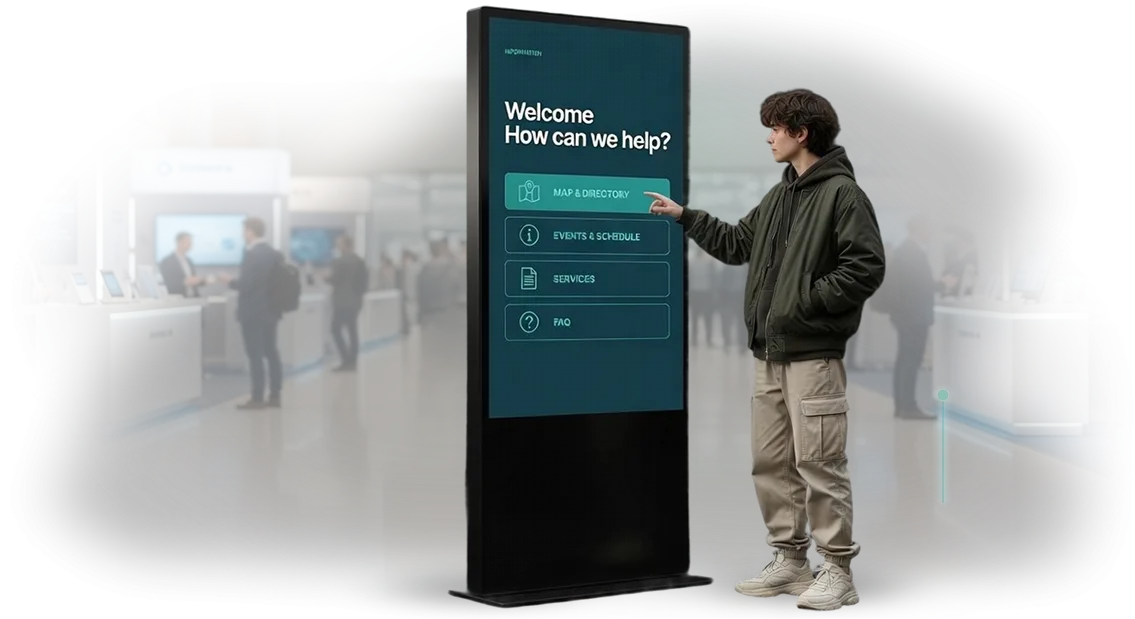
קיוסק מידע פותר את הבעיה הזו. הוא לוקח על עצמו שאלות שגרתיות: הצגת רמות גימור, מחירים, זמני אספקה, תנאי מימון ותנאי טרייד-אין. המבקר מקבל את הנתונים שהוא צריך באופן מיידי, גם כשהמחסור ביועצים ברור לעין.
זה מוריד את המתח של ההמתנה ועוזר ללקוח לנוע לעבר רכישה, לא לעבר היציאה.
הקיוסק לא מחליף את המנהל — הוא מחזק אותו: היועץ נכנס לשיחה כשהוא כבר מבין את צרכי הלקוח. פחות זמן מוקדש למידע כללי, יותר למשא ומתן ולנסיעות מבחן.
במקום לאבד לקוחות בגלל המתנה, הסוכנות מרוויחה יותר עסקאות מושלמות ושביעות רצון גבוהה יותר של מבקרים.
אנחנו מיישמים פתרונות כאלה עבור סוכנויות באמצעות כלים מוכחים. קיוסק מידע הופך המתנה לחקר רכב ובונה אמון בסוכנות — זהו מדד ישיר לצמיחה בהכנסות. פנו אלינו, והסוכנות שלכם תפסיק לאבד לקוחות ללא סיבה מוצדקת.
מה מקבלים מהטמעת קיוסק מידע
מבקר בסוכנות מגיע מוכן לקנות, אבל לעתים קרובות הולך לאיבוד בזרם המידע. בזמן שמנהל עסוק בלקוח אחר, הקונה הפוטנציאלי בוהה באולם התצוגה בלי לקבל תשובות לשאלות מפתח — ועוזב לסוכנות אחרת.
קיוסק אינטראקטיבי סוגר את הפער הזה: הלקוח חוקר דגמים, רמות גימור ומחירים בעצמו, והסוכנות לא מאבדת אף ביקור מתעניין.
מכירות גבוהות יותר
הקיוסק הופך המתנה להיכרות מעמיקה עם הרכב. מבקרים משווים באופן עצמאי רמות גימור, רואים אפשרויות זמינות ומחירים — וניגשים למנהל עם בקשה ספציפית.
למוכר רק צריך לתאם נסיעת מבחן ולדון בתנאים, במקום לבזבז חצי שעה על מצגת בסיסית. פחות זמן לעסקה פירושו יותר עסקאות במשמרת.
מספר אנשי הקשר שהוחמצו גם יורד. אם מנהל עסוק, הקיוסק מקבל בקשת התקשרות חוזרת או מזמין את הלקוח לנסיעת מבחן. כל ביקור הופך לליד שנלכד ולא הולך לאיבוד בגלל זמינות אנושית.
נאמנות לקוחות
לקוחות מעריכים יחס מכבד ולא להשאיר אותם ממתינים. היכולת "לצלול" למפרטים בעצמם, בלי לחץ מכירות, מקלה על המתח ויוצרת תחושת בחירה כנה.
אחרי חוויה כזו, קונה נוטה יותר לחזור לשירות או להמליץ על הסוכנות לחברים.
תוכן הקיוסק ניתן לעדכון כדי לשקף מבצעים עדכניים ודגמים חדשים, והלקוח רואה שהסוכנות חיה וצומחת. זה בונה אמון ארוך טווח, לא רק רכישה חד-פעמית.
עומס עבודה על המנהלים
מנהלים מפסיקים להיות ספר עיון ומתמקדים במה שמכניס כסף: שיחות עם לידים חמים, נסיעות מבחן, סגירת עסקאות.
הקיוסק מטפל בשאלות שגרתיות — "מה צריכת הדלק", "האם יש במלאי". הצוות עובד ביעילות רבה יותר, והעייפות מלחזור על אותן תשובות יורדת.
תדמית הסוכנות
קיוסק אינטראקטיבי מודרני הוא סימן לכך שהסוכנות מתקדמת עם הזמן. מבקרים תופסים את הטכנולוגיה של הסוכנות כדאגה ללקוח ומקצועיות של הצוות.
גישה זו צוברת נקודות בעיני הקונה עוד לפני תחילת השיחה עם איש המכירות.
פורמטי קיוסק לאזורים שונים בסוכנות
לכל אזור בסוכנות יש תפקיד משלו: אולם התצוגה מציג דגמים חדשים, אזור השירות מעסיק את הלקוח בזמן ההמתנה, ומחלקת הרכב המשומש דורשת סינון מהיר על פני פרמטרים רבים.
קיוסק אוניברסלי שמנסה לכסות הכל בבת אחת מפסיד לפתרון ייעודי — כי מבקר בכל אזור מגיע עם צורך שונה.
אנחנו מתכננים את הקיוסק לחלק ספציפי בסוכנות: הממשק, התרחישים והתוכן שלו תואמים למה שהאדם עושה בדיוק במקום הזה. קיוסק כזה הופך לחלק מתהליך עסקי, לא רק למסך בפינה.
מבקרים מקבלים תשובות לשאלות נפוצות בלי מעורבות מנהל, והצוות מקדיש זמן רק לעסקאות חיות.
| פורמט קיוסק | היכן ממקמים | איזו משימה הוא פותר |
|---|---|---|
| קיוסק אולם תצוגה | באולם הראשי ליד תצוגת הדגמים החדשים | הקונה מכיר את הדגמים באופן עצמאי, משווה רמות גימור ומחשב תשלומים. זה מקל על עומס השיא על המנהלים ומאיץ קבלת החלטות. |
| קיוסק שירות | באזור ההמתנה לשירות | הזמנת טיפולים, בחירת זמן נוח, בדיקת סטטוס עבודה. הלקוח לא מאבד סבלנות בדלפק השירות, ומחלקת השירות מקבלת בקשות מסודרות. |
| קיוסק רכב משומש | במחלקת הטרייד-אין | קטלוג רכבים משומשים עם סינון לפי מחיר, שנה ומצב, בנוסף לבדיקת היסטוריה. עוזר למצוא את האפשרות המתאימה בלי לחכות ליועץ ומעלה את ההמרה של המחלקה. |
פורמט הקיוסק נבחר על סמך זרימת הלקוחות ופריסת הסוכנות — אותה יחידה יכולה להריץ ממשקים שונים למשימות של כל אזור. צרו קשר כדי לדון אילו תרחישים יניבו את ההשפעה הגדולה ביותר עבור הסוכנות שלכם.
איך מתנהל הפיתוח: מהבריף ועד ההשקה
העבודה איתנו מתחילה בריף ברור, לא במפרט טכני של עשרות עמודים. אנחנו מבררים מראש אילו משימות הקיוסק צריך לפתור בסוכנות שלכם: לעזור בבחירת רכב, להפחית את התור למנהלים, או לאסוף פרטי קשר של לקוחות.
כל השלבים מתואמים בפורמט שמתאים לכם — אתם רואים תוצאות ביניים ונשארים בשליטה על לוח הזמנים.
- בריף. אתם ממלאים שאלון קצר או פשוט מספרים לנו על המטרות שלכם. אנחנו מבהירים היכן ימוקם הקיוסק, מי ישתמש בו, ומה התוצאה שחשובה לעסק.
- תוכנית ולוח זמנים. אנחנו קובעים את היקף העבודה, השלבים והתאריכים. אתם יודעים מראש מתי תקבלו גרסאות ביניים ומתי הקיוסק יושק.
- אישור תרחיש ועיצוב. אנחנו מראים איך ייראה המסך, אילו מדורים יופיעו, וכיצד מבקר יתקשר עם הקיוסק. אנחנו מבצעים התאמות לפני תחילת הפיתוח — זה זול ומהיר יותר מאשר לתקן עבודה מוגמרת.
- פיתוח ובדיקות. אנחנו בונים את הממשק, מחברים את קטלוג הרכבים ומגדירים טפסי לכידת לידים. אנחנו מוודאים שהקיוסק פועל באופן אמין לאורך תקופות ארוכות — ללא הקפאות וללא אובדן נתונים.
- השקה והדרכה. אנחנו מספקים, מתקינים ומגדירים את הקיוסק באתר. אנחנו מראים לעובדים שלכם כיצד להשתמש במערכת ומספקים מדריך הוראות ברור.
- תמיכה. אנחנו נשארים בקשר לאחר ההשקה: מעדכנים מידע, מחליפים באנרים ועוזרים כשעולות שאלות. במידת הצורך, אנחנו מנטרים את הקיוסק מרחוק.
הודות לתהליך הזה, אתם מקבלים לא "קופסה עם תוכנה" אלא כלי מכירות עובד. כל שלב שקוף, והמערכת הסופית עומדת במלוא הציפיות שלכם בלי לדרוש מכם ידע טכני כלשהו.
מה כלול באספקת הקיוסק ובהתקנה
כשאתם מזמינים קיוסק, אתם מקבלים לא רק "חומרה עם תוכנה" אלא פתרון מוכן שאפשר לחבר ולהתחיל להשתמש בו ביום ההתקנה. אנחנו דואגים להכל: מעיצוב הממשק ועד הדרכת הצוות שלכם. אתם לא צריכים לגייס מומחה נפרד או להיכנס לפרטים טכניים.
הנה מה שכלול בחבילה הסטנדרטית:
- ממשק משתמש — מותאם למשימות הסוכנות: קטלוג רכבים, זמינות, מחירים, רמות גימור ומבצעים מיוחדים. הלקוח בוחר את המסלול שלו בעצמו, בלי עזרת מנהל.
- פאנל ניהול — כלי אינטואיטיבי לצוות שלכם: עדכון מחירים, הוספת דגמים ומבצעים חדשים אורכים דקות ולא דורשים מתכנת.
- אינטגרציות עם מערכות הנהלת חשבונות — סנכרון עם מאגר הרכבים, מערכת הזמנת נסיעות מבחן ו-CRM. נתוני הקיוסק תמיד עדכניים, ללא הזנה ידנית.
- התקנה והפעלה — צד השרת מוגדר מרחוק, והקיוסק פעיל לחלוטין ביום ההשקה. המומחה שלנו מפקח על ההתקנה באתר.
- הדרכת צוות — מפגש מעשי קצר למנהלים ולמנהלי מערכת: כיצד לעדכן תוכן, לבדוק סטטיסטיקות בקשות ולטפל בבעיות נפוצות.
- הוראות ונהלים — מדריכים ברורים לפעילות יומיומית, הפעלה והפעלה מחדש של המערכת. כל מה שהצוות שלכם צריך בקובץ אחד.
- תמיכה טכנית — סיוע שוטף לאחר ההשקה: ניטור ציוד, עדכוני תוכן ופתרון מהיר של מצבים בלתי צפויים.
כתוצאה מכך, אתם מקבלים כלי מכירות ניתן לניהול, לא עוד "מסך חכם" שדורש תשומת לב מתמדת. כל העובדים מבינים איך לעבוד איתו, הקיוסק אף פעם לא יושב בטל, והנתונים תמיד תואמים למצב האמיתי בסוכנות.
מקרה בוחן: הזמנות נסיעות מבחן גדלות לאחר הטמעת קיוסק
סוכנות פנתה אלינו עם כאב נפוץ: מבקרים חיכו זמן רב למנהל, דפדפו בקטלוגים מנייר, ולעתים קרובות עזבו בלי להזמין נסיעת מבחן. בשעות השיא התור גדל, ואנשי המכירות בזבזו זמן באיסוף פרטי קשר ידני. הצענו קיוסק אינטראקטיבי שמטפל באינטראקציה הראשונה עם הלקוח.
הקיוסק הותקן באזור ההמתנה: האורח בוחר דגם, משווה רמות גימור ומזמין נסיעת מבחן בזמן נוח. הבקשה נשלחת אוטומטית למנהל, כך שבזמן הפגישה הוא כבר יודע במה המבקר מתעניין. התהליך הפך למהיר ונוח יותר לכולם.
תוצאות לאחר חודשיים
הסטטיסטיקה של הסוכנות אישרה את ההשפעה:
- בקשות לנסיעות מבחן גדלו ב-42% — לקוחות הפסיקו לעזוב "רק כדי להסתכל."
- ההמרה לנסיעת מבחן עלתה מ-18% ל-27%.
- הזמן מההגעה ועד ההזמנה כמעט נחצה — מ-12 ל-7 דקות.
- הזמנת החידוש לרבעון הבא הוזמנה עוד לפני סיום הפיילוט.
הקיוסק לא החליף מנהלים — הוא שחרר אותם משגרה. אנשי המכירות קיבלו יותר זמן לשיחות עם לקוחות שכבר מתעניינים, ומבקרים ציינו שהם מרגישים נינוחים יותר ולא חוששים מייעוץ פולשני.
יותר מ-80% מהאורחים דירגו בחיוב את נוחות ההזמנה העצמית. רבים אישרו שהאפשרות הזו בדיוק השפיעה על ההחלטה שלהם לנסות את הרכב בפועל. רוצים תוצאה דומה? אנחנו ננתח את המשפך שלכם ונראה היכן קיוסק יניב ערך מקסימלי.
איך לדעת איזה פורמט פותר את המשימה שלכם?
בחירת פורמט מתחילה לא במסך ובמעטפת, אלא במטרה העסקית. בסוכנות, קיוסק יכול להגדיל הזמנות נסיעות מבחן, לעזור בהתאמת רמות גימור, או לשחרר מנהלים בשעות השיא.
אין פתרון אוניברסלי — מה שעובד מצוין באולם תצוגה יוקרתי יכול להיות מיותר באולם עם תנועה גבוהה.
כדי לבחור פתרון שמתאים לפרטי הסוכנות שלכם, אנחנו בוחנים שלושה דברים: הפעולה שהמבקר צריך לבצע, מיקום הקיוסק וזרימת הלקוחות. אנחנו גם מתחשבים במי יהיה המשתמש העיקרי — הקונה או יועץ המכירות. התשובות לשאלות האלה פוסלות מיד חצי מהפורמטים הלא מתאימים.
לאחר מכן, אנחנו מציעים שניים או שלושה פורמטים ספציפיים עם הסבר כיצד כל אחד משפיע על המדדים שלכם. לדוגמה, אם המטרה היא להגדיל נסיעות מבחן, עמדה קומפקטית עם מסך גדול והזמנה מהירה עובדת היטב.
אם אתם צריכים לשחרר מנהלים לעבודה בעלת ערך גבוה יותר — שולחן אינטראקטיבי שבו הלקוח חוקר אפשרויות בעצמו ומכין שאלות מתאים יותר.
בחירת פתרון היא לא עניין של טכנולוגיה — אלא של תוצאות. אתם מקבלים לא מצגת מופשטת, אלא אפשרות ברורה שתואמת את תוכנית המכירות, התקציב והפריסה שלכם.
כבר יישמנו קיוסקים כאלה בסוכנויות ואנחנו יודעים אילו תרחישים מייצרים לידים ואילו נשארים ללא שימוש.
אם אתם לא רוצים להבין את זה לבד, קבעו ייעוץ — נשאל כמה שאלות ונציע פורמט שפותר את המשימה שלכם. זה לוקח שיחה קצרה אחת וחוסך חודשים של ניסוי וטעייה.
חששות נפוצים: מה אם הקיוסק יתקלקל?
לקוחות часто דואגים: מה אם קיוסק בסוכנות יקפא או יתקלקל באמצע יום עמוס? זהו פחד נורמלי לפני רכישה — הרושם של המבקרים ומהירות סגירת העסקה תלויים בפעולה רציפה. כיסינו את זה: שירות אחריות, התאוששות מהירה וערוצי גיבוי.
תמיכה היא חלק מהחוזה, לא אופציה של "להצטרף מאוחר יותר". אנחנו קובעים תנאי אחריות ברורים, מספקים מדריך טיפול פשוט ונשארים בקשר לאחר ההשקה. שיחה אחת מספיקה — הבעיה שלכם נכנסת לטיפול, ואתם לא מאבדים לקוחות בגלל תקלה טכנית.
מה כולל שירות האחריות?
האחריות מכסה את פעולת הציוד והתוכנה: תיקונים חינם, עדכונים והחלפת חלקים. אתם לא משלמים על כל פרט קטן או נכנסים לתקנות — אתם פשוט מתארים את הבעיה למנהל, ואנחנו מטפלים בשאר.
כמה מהר ישוחזר הקיוסק?
מומחה מגיע תוך מספר שעות — מרחוק או באתר. אנחנו פותרים את רוב הבעיות מרחוק, ואם נדרשת החלפה, אנחנו מביאים יחידת גיבוי. כך הקיוסק חוזר לפעולה באותו יום, לא אחרי שבוע של המתנה.
מה אם הקיוסק מושבת בשעות השיא?
לקוחות אף פעם לא נשארים ללא מידע: אנחנו מכינים ערוץ גיבוי מראש — טאבלט עם הקטלוג, קוד QR לדגמים עדכניים, או סיוע של יועץ.
צוות הסוכנות יודע בדיוק את הנוהל, ומבקרים אפילו לא שמים לב שהמסך הראשי לא זמין זמנית.
נפתח קיוסק לצרכים שלכם — השאירו פנייה
קונה בסוכנות לעתים קרובות לא מוכן לחכות ליועץ: הוא רוצה לחקור רמות גימור, להשוות מחירים ולראות תמונות וסרטונים בעצמו. ברושור קלאסי או אתר בטאבלט rarely מספקים את הדינמיקה הנדרשת. קיוסק אינטראקטיבי פותר את זה — הוא תופס תשומת לב, מדריך את הקונה ומשחרר מנהלים.
אנחנו מפתחים קיוסקים למטרות הספציפיות של הסוכנות שלכם: מסך ראשי עם מערך הדגמים, מבצעים, קטלוג וידאו וטופס לכידת פרטים. לאחר הפנייה, תקבלו:
- ייעוץ: נעריך איזה פורמט וגודל מסך מתאימים לאולם התצוגה ולתנועת הרגלים שלכם.
- הערכת פרויקט: עלות מדויקת המחושבת לאחר ביקורת עבור התקציב ומספר המיקומים שלכם, ללא תנאים נסתרים.
- אב-טיפוס ממשק: תראו כיצד קונים יתקשרו עם הקיוסק לפני ההשקה — אפשר להתאים אותו.
- התחייבויות חוזיות: לפעולה אמינה, לוח זמנים להשקה ותמיכה טכנית.
- הפעלת ניסיון: נבדוק את הקיוסק בתנאים אמיתיים בסוכנות שלכם ביום שיא.
- הדרכת צוות: מנהלים ישתמשו בקיוסק ככלי מכירות, לא כ"טאבלט מגושם."
ללא פיתוח "גולמי": אנחנו מגדירים את המערכת כך שלא תקפא תחת עומס מבקרים, והמומחים שלכם יוכלו לעדכן מחירים ורמות גימור בלי עזרת מתכנת.
השאירו פנייה בטופס למטה — נחזור אליכם תוך יום עסקים אחד, נבהיר את הפרטים ונציע את הזמן הקרוב ביותר להראות לכם את אב-הטיפוס. זה לוקח לא יותר מעשר דקות של שיחה.