

האם אורחים הולכים לאיבוד בשטח הפארק התעשייתי?
אורחים שהולכים לאיבוד בשטח הפארק התעשייתי אינם מקרה אלא דפוס: שטח גדול, עשרות מבנים, שלטים לא בולטים. מבקר מבזבז זמן בחיפוש אחר הבניין הנכון, מאחר לפגישות, ומגיע עצבני.
תורים נוצרים במחסום, והמנהלים, במקום לעבוד, עונים שוב ושוב על אותן שאלות: «איך מגיעים למחסן מס' 4?», «איפה חניית המשאיות?»
מנקודת מבט עסקית, אלה הפסדים ישירים: פגישות שנדחות, שותפים לא מרוצים, עומס על הצוות. פארק גדול חי בקצב שבו לכל דקה מזמנו של מבקר יש מחיר.
ניווט מבלבל בפארק פוגע ברושם הכללי מהאתר — גם אם הפגישות עצמן עוברות היטב, הטעם המר של החיפוש נשאר.
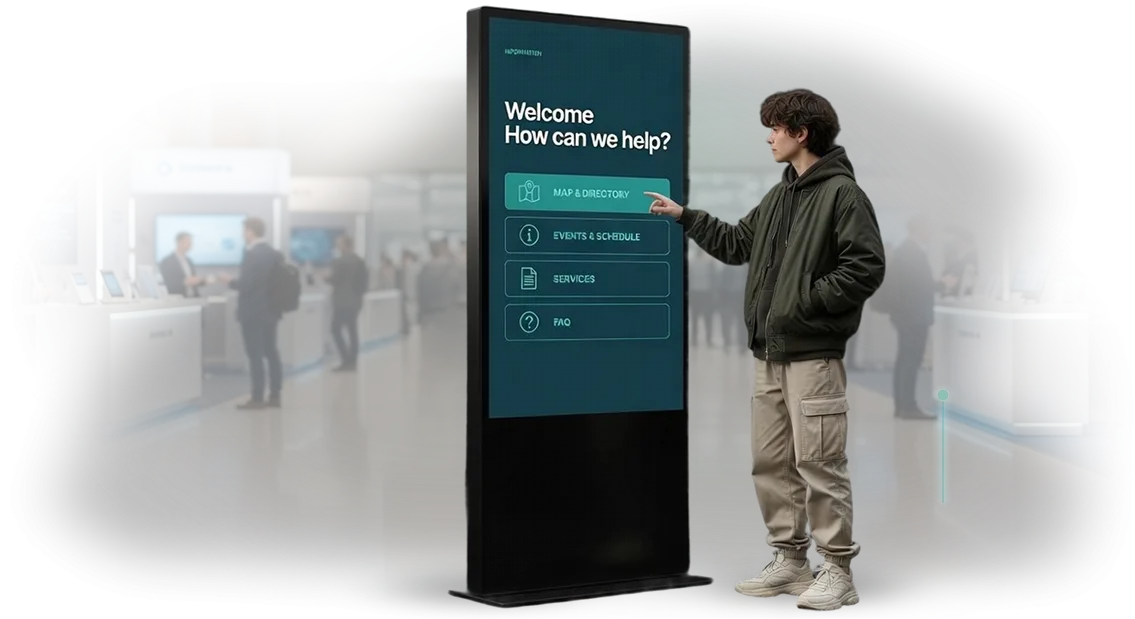
קיוסק מידע פותר את הכאב הזה באופן שיטתי. במקום מפות נייר והכוונה מילולית, האורח מקבל ניווט אינטראקטיבי: בוחר את הבניין הנכון, רואה את המסלול, נקודות ציון וזמן נסיעה.
הקיוסק לוקח על עצמו שאלות חוזרות, מקל על המחסום והקבלה, ובמקביל יוצר תדמית של פארק מודרני ומונחה טכנולוגיה — זה עובד גם עבור השוכרים וגם עבור המוניטין שלכם.
אנחנו מפתחים פתרונות כאלה כבר יותר מ-10 שנים: אנחנו מתכננים את הממשק לצרכים הספציפיים של הפארק שלכם, כותבים את התוכנה ומשיקים את הקיוסק במפתח מלא.
כתוצאה מכך, אורחים מפסיקים ללכת לאיבוד, התורים במחסום מתקצרים, והמנהלים מטפלים במשימות שלהם במקום להסביר את הדרך.
אילו יתרונות עסקיים קיוסק מספק
קיוסק מידע בפארק תעשייתי אינו רק עמדה עם מסך. הוא הופך את ביקור האורח למסלול ברור: היכן נמצאים השוכרים, איך מקבלים אישור כניסה, אילו שירותים זמינים. כתוצאה מכך, מבקרים מוצאים את מה שהם צריכים מהר יותר, והצוות מפסיק לענות על אותן שאלות.
בואו נשווה כיצד פעילות הפארק משתנה ללא קיוסק ועם קיוסק.
| מצב ללא קיוסק | מצב עם קיוסק |
|---|---|
| מבקרים הולכים לאיבוד, מחפשים קבלה או מתקשרים למחלקה | אורחים מוצאים את החברה הנכונה ומפת המסלול בכוחות עצמם |
| הצוות מבזבז זמן על שאלות חוזרות | עובדים מתמקדים במשימות שמביאות ערך |
| הפארק נשפט לפי שלטי הניווט שלו | קיוסק מודרני מחזק את התדמית של פארק מונחה טכנולוגיה |
| אין נתונים על מה שהשוכרים מחפשים | ניתן לראות כיוונים פופולריים — אפשר לשפר את השירות |
ההחזר מגיע מחיסכון בזמן הצוות והאצת הטיפול במבקרים. אפילו כמה שעות שנחסכות ביום מחזירות את ההשקעה בתוך החודשים הראשונים, והקיוסק עצמו פועל מסביב לשעון ללא הפסקות.
אחד השוכרים בפארק תיאר כיצד השירות השתנה לאחר ההשקה: «אורחים הפסיקו להסיח את דעתם של המפעילים, והשביעות רצון השתפרה מול העיניים. זה הפך לחלק מהמותג.» תוצאה זו נובעת לא רק מהטכנולוגיה אלא מההיגיון הברור של השירות.
בצוות שלנו אנחנו מתכננים תרחישים סביב המשימות של הפארק, כך שמבקר מקבל תשובה תוך דקה, והפארק מקבל נקודת קשר ניתנת לניהול.
פורמטים של קיוסק לפארק תעשייתי
בפארק תעשייתי, קיוסק חייב לעבוד בצורה אמינה באותה מידה בחדר ישיבות כמו בשטח פתוח. הפורמט קובע כמה זמן הוא יחזיק מעמד ואיזה רושם הוא משאיר על מבקרים. להלן נסקור את האפשרויות העיקריות — בחרו לפי השטח והמשימות שלכם.
| פורמט | היכן הוא מותקן | אילו משימות הוא פותר |
|---|---|---|
| דגם רצפתי עצמאי | לובי, אזור כניסה, מרכז עסקים | ניווט בשטח, חיפוש שוכרים, לוח אירועים. מסך המגע עם כפתורים גדולים נוח גם למבקרים בפעם הראשונה |
| דגם חיצוני עמיד לוונדליזם | כניסה לשטח, מחסום, חניון | עובד בכל מזג אוויר, מוגן מפני נזק מכני. מציג מפות מסלול, אנשי קשר לשירות והודעות עדכניות |
| דגם צמוד קיר | מסדרונות, אזורי המתנה, לובי מעליות | חוסך מקום. מידע מהיר: היכן נמצא המשרד הנדרש, אילו שירותים פועלים בפארק |
| דגם דו-צדדי | מרכז מידע, אזור משותף, מחסום | שני מבקרים יכולים להשתמש בו בו-זמנית — התור מתקדם מהר יותר, והמידע נראה משני הצדדים. מצוין לנקודות עם תנועה גבוהה |
לא תצטרכו לקנות מכשיר אוניברסלי ולהתאים אותו לתנאים שלכם — אנחנו בוחרים את המעטפת לאתר ההתקנה הספציפי.
קיוסק חיצוני בגרסה עמידה לוונדליזם מתוכנן לתנודות טמפרטורה ומשקעים; דגמים פנימיים מתוכננים לפעולה יומיומית רציפה.
כדי לוודא שהפורמט מכסה לחלוטין את המשימה, שקלו שלושה דברים: היכן בדיוק יעמוד הקיוסק (בפנים או בחוץ), כמה אנשים עוברים בשעות השיא, ואיזה תוכן יהיה על המסך — מפה, ספריית חברות או תצוגה אינטראקטיבית.
עם הפורמט הנכון, כל מבקר מוצא את המידע הדרוש תוך 20–30 שניות, וההנהלה מקבלת פחות שאלות שגרתיות. השאירו פנייה — נמליץ על האפשרות שמתאימה לפארק שלכם.
איך עובד פיתוח במפתח מלא
תהליך ברור וצפוי הוא המפתח לפיתוח במפתח מלא. אנחנו עוברים על כל שלב יחד איתכם: מהבריף והתכנון ועד ההשקה והתמיכה. אתם תמיד רואים היכן הפרויקט עומד ומה תקבלו בסופו של דבר.
- בריף והגדרת משימה. אנחנו לומדים את הפארק התעשייתי, זרימות המבקרים ומשימות הקיוסק: ניווט, קטלוג שוכרים, הודעות. אנחנו מגדירים יעדים וקריטריוני הצלחה כדי שלא יהיה צורך לעשות שום דבר מחדש מאוחר יותר.
- תכנון והערכת עלות. אנחנו מרכיבים רשימת מסכים, פונקציונליות ולוחות זמנים. אתם מקבלים תוכנית שקופה ללא עבודה נסתרת או תוספות מחיר בלתי צפויות.
- עיצוב ממשק ואישור תצוגה. אנחנו מכינים את מבנה המדורים, הטקסטים והסגנון החזותי. אתם עורכים שינויים לפני תחילת הפיתוח — זה חוסך זמן ותקציב.
- פיתוח והגדרה. אנחנו בונים את התוכנה ומחברים את הנתונים שלכם: חדשות, לוחות זמנים, רשימות חברות. אנחנו משתמשים בכלים מוכחים כדי שהקיוסקים יפעלו ביציבות.
- בדיקות וניפוי שגיאות. אנחנו בודקים תרחישי מבקר טיפוסיים: חיפוש חברה, מסלול, צפייה במידע. אנחנו מתקנים הכל לפני שהקיוסק פוגש את האורחים הראשונים שלו.
- השקה והדרכה. אנחנו מתקינים את התוכנה על המכשירים, מבצעים בדיקות קבלה יחד איתכם ומכשירים את הצוות שלכם. אנחנו מוסרים הוראות פשוטות לניהול תוכן.
- תמיכה ועדכונים. אנחנו נשארים בקשר: מעדכנים נתוני ייחוס, מוסיפים פונקציות ומנטרים יציבות. אתם מתמקדים בפיתוח הפארק, לא בשגרה טכנית.
מה כלול באספקת הקיוסק וההשקה
כשאתם מזמינים קיוסק, אתם לא קונים חומרה — אתם קונים שירות עובד למבקרי הפארק ולצוות. חבילת האספקה כוללת כל מה שצריך כדי שהמערכת תתחיל לעבוד מיד לאחר ההפעלה: ציוד, תוכנה, התקנה והגדרה.
- הקיוסק בתצורה הנדרשת — מעטפת, מסך והגנה, מוכן להתקנה במתקן שלכם.
- תוכנה מותקנת מראש — הממשק מוגדר לתוכן שלכם; אתם רק טוענים את החומרים העדכניים.
- התקנה והפעלה — מומחים מגיעים לאתר, מתקינים את הקיוסק, מחברים חשמל ובודקים את כל מצבי הפעולה.
- הגדרה למשימות הפארק — טעינת מפות שטח, ספריות, לוחות זמנים ואנשי קשר של חברת הניהול.
- הדרכת צוות — אנחנו מראים כיצד לעדכן מידע ולשנות עיצוב ללא מעורבות מתכנתים.
- הוראות לעובדים ומדריך למנהל — תיעוד נמסר עם הקיוסק.
- שירות אחריות ותמיכה — אנחנו פותרים בעיות לאחר ההשקה כך שלעולם לא תישארו לבד עם בעיה.
גישה זו מבטלת השבתה ועלויות נוספות עבור קבלנים נפרדים. הקיוסק הופך לעוזר עצמאי: מבקרים מוצאים את דרכם מהר יותר, והצוות מוסח פחות על ידי שאלות חוזרות.
אתם מקבלים כלי ניווט מוכן, לא סט של רכיבים שצריך להרכיב ולהגדיר בעצמכם.
מקרה בוחן: איך קיוסק פשט את הניווט בפארק
מבקרי הפארק התעשייתי הם אורחים עסקיים שמגיעים לפגישות, תערוכות ומשא ומתן.
הם מעריכים את זמנם ולא מוכנים לבזבז אותו בחיפוש אחר הבניין או חדר הישיבות הנכון: שלטים כאוטיים ומפות מפוזרות יוצרים בלבול, ושאלות למאבטחים מסיטות תשומת לב מביטחון ההיקף.
התקנו קיוסק אינטראקטיבי עם מפת שטח וחיפוש שמות חברות. אורח שואל שאלה — ומקבל מסלול קצר לדלת הנכונה עם זמן נסיעה. המאבטחים כבר לא מסבירים את הדרך — הם מתמקדים בתפקידיהם הישירים.
תוצאות הפרויקט
במהלך חודשיים של פעילות הקיוסק, הזמן הממוצע למציאת בניין ירד מחמש עשרה לשלוש דקות. זרימת שאלות המיקום למאבטחים ירדה ב-70% — צוות האבטחה הפסיק להיות מוסח, והאורחים הפסיקו לאחר לפגישות.
מנהל הפארק ציין שהקיוסק החזיר את ההשקעה במהירות דרך חיסכון בזמן הצוות ושביעות רצון גבוהה יותר של השוכרים. השוכרים, בתורם, קיבלו כלי נוח להדרכת הלקוחות שלהם מהקבלה לחדר הישיבות ללא שיחות נוספות וליווי.
הלקוח — חברת ניהול הפארק התעשייתי, מזמין השירות. המשוב שלהם: «הקיוסק פתר את מה שניסינו לפתור עם שלטים והוראות במשך שנים.
אורחים הפסיקו ללכת לאיבוד, והמאבטחים הפסיקו להיות דלפק מידע.» לאחר סקירת התוצאות, הנהלת הפארק הזמינה קיוסק שני לחלק הסמוך — התוכן מתעדכן מרחוק, כך שהרחבה לא דרשה השקעות חדשות.
רוצים להפחית באופן מדיד את העומס על הצוות ולהאיץ את הניווט לאורחים? נכין הערכת השפעה למתקן שלכם — לפי שטח השטח, מספר הבניינים ותרחישי תנועת מבקרים טיפוסיים.
מה אם יש לכם דרישות ספציפיות?
כן, זה ניתן למשא ומתן. אנחנו מתכננים פתרון סביב המשימה שלכם במקום להתאים את המשימה למכשיר מוכן. אם קיוסק סטנדרטי לא מתאים לתכנון או לתנאים של פארק תעשייתי — אנחנו משנים את המעטפת, הממשק, ההתקנה ושיטת החיבור.
קיוסק לא סטנדרטי אינו חריג עבורנו אלא פורמט עבודה מוכר: אנחנו לוכדים את כל הפרטים בשלב הבריף ומתחשבים בהם במפרט הטכני.
תכנית פתוחה, שפע אור, גובה תקרה לא סטנדרטי — הקיוסק יכול להיות עמוד עצמאי, מסוף צמוד קיר או פאנל מובנה שאינו מפריע לארכיטקטורה.
אם המכשיר חייב לעבוד בסדנה מאובקת, בחוץ או בחדר עם תנודות טמפרטורה ולחות, אנחנו בוחרים חומרים והגנה מתאימים.
כתוצאה מכך, אתם מקבלים נקודת כניסה עמידה למבקרים ולצוות שנראית מתאימה ואינה דורשת תחזוקה מתמדת.
משימה נפרדת היא אינטגרציה עם המערכות הפנימיות שלכם. אין צורך להעביר נתונים ידנית או לנהל רישומים מקבילים: הקיוסק יכול להחליף מידע עם ה-CRM שלכם, מערכת ההזמנות, המחסן או מערכת משאבי האנוש.
אנחנו מגדירים סנכרון שיתאים לתהליכי העבודה שלכם, כך שמבקרים רואים לוחות זמנים ואישורי כניסה עדכניים, והצוות מקבל נתונים ללא עיכובים. אתם מנהלים את התהליך מהמערכת המוכרת שלכם, והקיוסק הופך לחלון נוסף אליה.
פורמט אישי אינו סיבוך של הפרויקט אלא דרך להשיג בדיוק את התוצאה שפותרת את המשימה העסקית שלכם. ספרו לנו על התנאים שלכם בשלב הבריף — נציע פתרון שמתאים גם לחלל וגם לתהליך.
אנחנו עובדים מרחוק, כך שהמיקום הגיאוגרפי של הפארק לא משנה: כל הצוות בקשר — אנליסט, מעצב, מפתחים, בודק. אתם מתמודדים עם קבלן יחיד שאחראי לתוצאה מהרעיון ועד ההשקה והתמיכה השוטפת.
שאלות נפוצות ותשובות כנות
כל מנהל פארק תעשייתי שואל את אותן שאלות לפני הזמנת קיוסק: האם הציוד יתקלקל, מי יתחזק אותו, כמה מהר ההשקעה תחזיר את עצמה, מי אחראי על חשמל ואינטרנט. אנחנו עונים ישירות, ללא אותיות קטנות — כמו שהיינו רוצים לשמוע בעצמנו.
איזו אחריות ניתנת על הקיוסק ומה היא מכסה?
אנחנו מספקים אחריות על הציוד והתוכנה. בתקופה זו אנחנו מתקנים תקלות, מעדכנים את התוכנה ומייעצים לצוות שלכם ללא עלות. אם לא ניתן לפתור את הבעיה מרחוק, אנחנו מגיעים לאתר.
מי מתחזק את הקיוסק לאחר ההשקה?
התחזוקה נשארת אצלנו: ניטור מצב, עדכונים, החלפת חומרים מתכלים. אתם רק צריכים לחדש חומרים מתכלים בזמן — אנחנו דואגים לשאר. אם תרצו, נחתום על חוזה ארוך טווח במחיר קבוע.
כמה מהר הקיוסק מחזיר את ההשקעה?
תקופת ההחזר תלויה במשימות. קיוסקי ניווט מפחיתים את העומס על דלפק המידע ואת זמן המבקרים, בעוד מודולי פרסום מייצרים הכנסה משכירות. ברוב הפרויקטים, ההשקעה מחזירה את עצמה תוך מספר חודשי פעילות.
מי אחראי על חשמל ואינטרנט?
החיבור לחשמל ולאינטרנט הוא באחריות האתר. אנחנו מספקים דרישות לאספקת חשמל ולערוצי תקשורת ועוזרים לתאם אותן עם חברת הניהול. בתוך הקיוסק אנחנו משתמשים בייצוב ובגיבוי כך שתנודות לא ישפיעו על הפעולה.
עמדה זו כבר מוכחת בפועל. «הקיוסקים פועלים ללא תקלות כבר עונה שנייה, ומבקרי הפארק מוצאים בקלות את הבניינים שהם צריכים. חשוב במיוחד שהתחזוקה לא מסיחה את הצוות שלנו», מציין ראש הפארק התעשייתי סוורני.אם עדיין יש לכם ספקות, שאלו אותנו ישירות: נראה חישובי החזר לתרחיש שלכם, נסביר איך ההשקה מתנהלת ונייעץ מה להכין באתר.
קבלו ייעוץ על פיתוח קיוסק
השאירו פנייה לפיתוח קיוסק מידע — ונכין פתרון שמפשט את הניווט ומשפר את רמת השירות למבקרי הפארק התעשייתי שלכם.
זו אינה התחייבות: תקבלו תשובות לשאלותיכם ותראו איך פרויקטים דומים עובדים בפועל. ספרו לנו היכן אתם מתכננים את ההתקנה — נציע את הפורמט האופטימלי למשימות ולתקציב שלכם.
לאחר הפנייה שלכם, תקבלו:
- הערכת עלות ולוח זמנים — לפורמט שלכם ולמספר המיקומים.
- תוכנית מיקום קיוסק שמתחשבת בזרימות מבקרים.
- דוגמאות פרויקטים לפארקים תעשייתיים ועסקיים.
- המלצות לתוכן: מפות, קטלוגים, מידע ייחוס.
- אפשרויות עיצוב למותג שלכם ולסגנון השטח.
- תמיכה לאחר ההשקה ועדכוני תוכן ללא מעורבותכם.
אנחנו עובדים עם פארקים תעשייתיים כבר יותר מ-10 שנים ומבינים מה האורחים שלכם צריכים: ניווט פשוט, גישה מהירה לאנשי קשר של שוכרים ומידע עדכני על אירועים. הקיוסק יפעל בצורה אמינה, ואם יעלו שאלות, תמיד תוכלו להגיע אלינו.
המומחים שלנו יעזרו לכם לבחור את המיקום, להימנע מטעויות חיבור ולהכין את הקיוסק לפעולה במפתח מלא.
כדי לקבל ייעוץ והערכת עלות, השאירו פניית קיוסק באמצעות הטופס למטה. נחזור אליכם בזמן נוח או נשיב במייל תוך יום עסקים אחד.
אל תבזבזו זמן בחיפוש אחר קבלן — התחילו בשיחה עם מומחה שכבר פתר משימות דומות.