

מדוע מכון מחקר מאבד מבקרים
מבקר מגיע למכון מחקר ומצפה לראות עולם חי ומרתק של מדע. אבל דוכנים סטטיים, פוסטרים ושלטים לא מצליחים להטביע אותו בנושא.
תשומת הלב דועכת אחרי הדקות הראשונות — אדם עובר בתערוכה בלי לעצור במוצגים המרכזיים ועוזב עם רושם כללי בלבד, בלי ידע קונקרטי ורגשות.
עבור המכון, זה אומר אובדן מבקרים במובן הרחב. אנשים שלא זכרו את תוכן התערוכה לא יספרו עליה לעמיתיהם, לא יגיעו לפסטיבל המדע הבא ולא יתעניינו בעבודת המעבדות.
העניין במכון יורד, הקהל לא גדל, וההשקעות בארגון תערוכות לא מביאות את התוצאה המצופה.
הסיבה המרכזית פשוטה: היעדר קיוסק אינטראקטיבי. מבקר מודרני רגיל לסביבה דיגיטלית שבה אפשר להקיש, להחליק ולקבל תשובה לשאלה.
תערוכה סטטית לא מציעה הזדמנות כזו — ולכן אדם בוחר בפורמט דינמי יותר: גאדג'ט בידיים, רשתות חברתיות, מוצגים אינטראקטיביים במוזיאונים ובמרכזי מדע אחרים.
המכון מפסיד בתחרות על תשומת הלב עוד לפני שהאורח מצליח לעבור באולם.
קיוסק אינטראקטיבי משנה את המצב: הוא מאפשר למבקרים לבחור מסלול משלהם, לחקור חומרים בקצב נוח ולבחון ויזואליזציות של תופעות מורכבות.
במקום צפייה פסיבית, אדם זוכה לחוויית השתתפות שנזכרת ויוצרת רצון לחזור. עבור המכון, זה אומר שביעות רצון גבוהה יותר מהביקור, שהות ארוכה יותר וצמיחה טבעית של קהל באמצעות המלצות.
אנחנו מתכננים ומפתחים קיוסקים אינטראקטיביים במיוחד לצרכים של מכוני מחקר: כדי שהתערוכה תחזיק את תשומת הלב, המידע ייקלט והעניין במדע יהפוך לביקורים חוזרים. אנחנו עוזרים לסגור את בעיית אובדן המבקרים ולהפוך תוכן מדעי לנגיש באמת.
שלושה יתרונות מרכזיים של קיוסק מידע לאורחים
אורח מגיע למכון מחקר בפעם הראשונה ולעתים קרובות הולך לאיבוד בין מבנים, מעבדות ואולמות תצוגה.
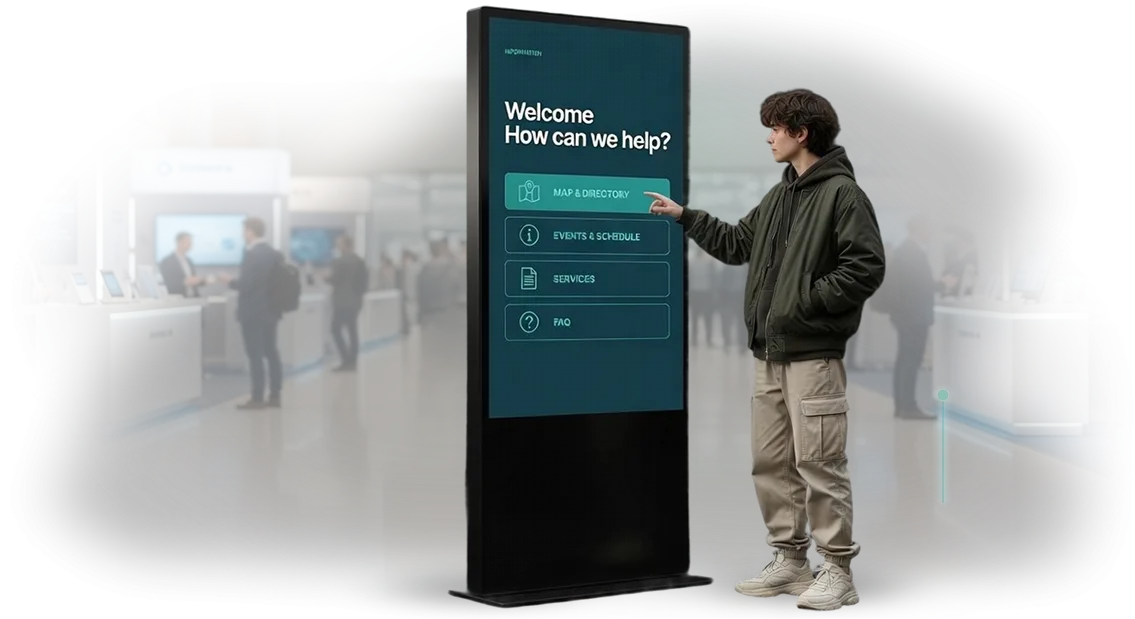
קיוסק אינטראקטיבי למכון פותר את הבעיה הזו מיד: על מסך המגע המבקרים רואים מפה, לוח זמנים של סיורים ומידע על תערוכות נוכחיות. כמה נגיעות מספיקות כדי להבין לאן ללכת ומה לראות.
לאורחים, היתרון המרכזי הוא מהירות ועצמאות. במקום לחכות בתור לדלפק המידע, אדם בוחר את המדור שמעניין אותו, מתכנן מסלול ומקבל תשובות לשאלות טיפוסיות בכל שעה.
זה חשוב במיוחד בימי פתוח ובכנסים גדולים, כשזרם המבקרים גבוה בעשרות מונים מהרגיל.
גם הצוות מקבל יתרונות מוחשיים.
מדענים ועוזרי מעבדה מפסיקים להיות מוסחים על ידי שאלות חוזרות כמו "איפה השירותים", "מתי הסיור", "איך מגיעים למוזיאון". הקיוסק לוקח על עצמו את השגרה, ומשאיר לאנשים יותר זמן למחקר ולעבודה עם אותם אורחים שבאמת זקוקים לתקשורת מדעית.
הנהלת המכון מרוויחה סדר ואנליטיקה. המערכת מראה אילו מדורים מבוקשים ביותר, עוזרת לתכנן אירועים ומשפרת את הניווט.
קיוסק מודרני מחזק את תדמית המוסד כארגון פתוח ומונחה טכנולוגיה, וזה חשוב לשותפים ולמדענים צעירים.
שלושת היתרונות המפורטים — ניווט לאורחים, שחרור זמן צוות ואנליטיקה להנהלה — קשורים זה בזה. שירות נוח משפר את הרושם הכללי מהביקור, כך שמבקרים חוזרים וממליצים על המכון לעמיתיהם.
אנחנו מתכננים קיוסקים בדיוק למשימות כאלה — עם ממשק ברור ונגיש לאנשים בכל הגילאים.
פורמטים של קיוסק מידע למשימות שונות
במכון מחקר עולות שאלות רבות מדי יום: איפה נמצאת מעבדה, איך מגיעים לכנס, איך אפשר לדעת על פרסומים חדשים. מנהלים ומזכירות מבזבזים זמן על אותן תשובות, בעוד מבקרים נאלצים לחכות.
קיוסק מידע מסיר את הנטל הזה: הוא מגיב מיידית ועובד ללא הפסקות, בעוד הצוות מתמקד במשימות שלו.
אנחנו מתאימים את פורמט הקיוסק לתרחישים הספציפיים של המוסד — מדוכן מידע פשוט ועד טרמינל מולטימדיה לאירועים מדעיים. להלן אפשרויות טיפוסיות שכבר נמצאות בשימוש בסביבות מחקר.
| פורמט | למי | מה הוא נותן ללקוח |
|---|---|---|
| דוכן מידע | מבקרים, סטודנטים פוטנציאליים, משתתפי אירועים | מידע וניווט מהירים, הקלה על המנהלים, סגנון אחיד |
| קיוסק מגע עם מפת מבנים | אורחים ועובדים חדשים | איתור בניין או משרד בכמה קליקים, פחות שאלות לצוות |
| טרמינל מולטימדיה | מדענים, משתתפי כנסים | הצגת המכון, לוח זמנים של אירועים, גישה לחומרים |
כל פורמט מותאם למותג המוסד, ואתם מעדכנים את התוכן בעצמכם ללא סיוע של מפתחים. אנחנו מטפלים במשלוח, התקנה ותחזוקה — כל מה שנשאר לכם זה להשתמש בו.
דוכן כזה הופך לפנים של המכון: הוא יוצר תדמית מודרנית, עוזר לאורחים למצוא את דרכם במהירות ואוסף סטטיסטיקות על הבקשות הנפוצות ביותר. התוצאה היא פחות פניות שגרתיות לצוות ויותר זמן למדע.
איך מתנהל פיתוח קיוסק: מהבריף ועד ההשקה
פיתוח קיוסק מידע למכון מחקר הוא תהליך מובנה שבו הצוות שלכם לא מבזבז זמן על פרטים טכניים. אנחנו מטפלים בכל שלב — מבריף ועד השקה ותמיכה — והפרויקט אורך כמה שבועות.
אנחנו קובעים את לוח הזמנים בהתחלה, ובכל שלב אתם מבינים מה כבר נעשה ומה נותר.
-
בריף והתעמקות. אנחנו לומדים מי ישתמש בקיוסק, היכן הוא ימוקם ואיזה תוכן נדרש. אנחנו מתעדים את הדרישות ומסכמים על לוח הזמנים.
-
אב-טיפוס ומבנה. אנחנו בונים תפריט הגיוני מהחומרים שלכם כך שמבקרים ימצאו את מה שהם צריכים ב-2–3 קליקים. אתם רואים את ההיגיון לפני הפיתוח ויכולים לבצע שינויים ללא עלויות נוספות.
-
קונספט עיצובי. אנחנו מתאימים את הממשק לזהות החזותית של המכון — לוגו, צבעים, פונטים. אנחנו מוודאים שהכל קריא במבט ראשון.
-
פיתוח והגדרה. אנחנו יוצרים את התוכנה ומגדירים את החומרה כך שהקיוסק יפעל בצורה אמינה כל היום ללא תקלות או אתחולים.
-
בדיקות בשטח. אנחנו מתקינים את הקיוסק בלובי, בודקים אותו עם מבקרים אמיתיים ומבטלים כל אי-נוחות.
-
השקה ותמיכה. אנחנו מאמנים את הצוות לעדכון חומרים, מספקים מדריך הוראות ונשארים בקשר לאחר ההשקה.
מה כלול במסירת קיוסק אינטראקטיבי
הקיוסק האינטראקטיבי מגיע למכון מוכן לעבודה: רק צריך לחבר חשמל ורשת. אנחנו דואגים להכל — מבחירת המעטפת ועד הוראות סופיות לצוות, כך שאין צורך לתאם מספר קבלנים או להיכנס לפרטים.
חבילת המסירה כוללת:
- חומרה. מסך מגע ומעטפת מוגנים מפני שימוש אינטנסיבי של מבקרים, עם מבנה עמיד לוונדליזם ללובי ולמסדרונות.
- תוכנה. ממשק שפותח למשימות המכון: ניווט, לוח זמנים, גישה לחומרי מחקר, משוב.
- פרויקט עיצוב. עיצוב מסך בזהות החזותית ומותאם לקהל — מתלמידי בית ספר ועד פרופסורים, עם כפתורים גדולים ומבנה נוח.
- מילוי תוכן. מבנה של טקסטים, הכנת דיאגרמות וסרטונים, התאמת החומרים הקיימים של המכון לפורמט המסך.
- ניהול. מערכת לעדכון מידע ללא מעורבות מפתחים: הצוות שלכם משנה הודעות וחומרים בעצמו.
- תיעוד והדרכה. הוראות הפעלה ברורות, דרכון טכני והדרכה קצרה לצוות.
בסופו של דבר, אתם מקבלים קיוסק מושלם: חומרה, תוכנה, עיצוב, תוכן וכל המסמכים הדרושים בחבילה אחת. כל מה שנשאר זה להשתמש בו — ואם צריך, להזמין מאיתנו עדכוני תוכן.
מקרה אמיתי: איך קיוסק שיפר את מודעות המבקרים
במכוני מחקר, למבקרים אין נקודת כניסה אחת למידע. אנשים הולכים לאיבוד במבנים, שואלים את הצוות את אותן שאלות, ושלטי נייר מתיישנים ביום שבו הנתונים משתנים.
אנחנו פותרים את הבעיה הזו עם קיוסק אינטראקטיבי שמשמש גם כנווט וגם כמדריך.
מקרה מאיר עיניים הוא פרויקט למכון מחקר עם תערוכת קבע וזרם של עד 500 אורחים ביום. לפני היישום, רק שליש מהמבקרים מצאו את המחלקה שחיפשו בעצמם; השאר פנו למנהלים.
אחרי השקת קיוסקים על ידי הצוות שלנו, חלקם של האורחים שמצאו את היעד ללא סיוע צוות גדל מ-32% ל-86%. העומס על דלפק המידע ירד פי שלושה — העובדים עברו למשימות משמעותיות יותר.
הקיוסק הפך לא רק למפה אלא למדריך מלא: 7 מתוך 10 מבקרים השתמשו בו, עם זמן אינטראקציה ממוצע של 2.5 דקות במקום 40 שניות עם ברושור נייר.
מערכת הרמזים המובנית הפחיתה את מספר השאלות החוזרות, וסטטיסטיקה אנונימית הראתה אילו מדורי תערוכה מבוקשים. הנהלת המכון השתמשה בנתונים אלה כדי לסדר מחדש את הדוכנים ולעדכן חומרי עזר.
כתוצאה מכך, הלקוח קיבל צמיחה מדידה במודעות המבקרים ומקור נוסף לאנליטיקה על התנהגות האורחים. שישה חודשים לאחר מכן, המכון הזמין קיוסק שני לבניין חדש — האישור הטוב ביותר לכך שהמערכת עובדת. הזמנה חוזרת היא המדד האובייקטיבי ביותר: לקוח חוזר רק כשהוא רואה ערך.
תשובות לשאלות נפוצות על פיתוח קיוסקים
לפני הזמנת קיוסק, לקוחות מודאגים לרוב מאותם דברים: האם קשה לתחזק, האם אפשר לפרוץ למכשיר, וכמה זמן ייקח התוצאה המוגמרת. אנחנו עונים על השאלות האלה ישירות.
תחזוקת הקיוסק אינה דורשת מומחה ייעודי בצוות. אנחנו משלבים ניטור מרחוק: הצוות שלכם רואה את מצב התפעול ומעדכן תוכן דרך ממשק ברור. פעולות טיפוסיות אורכות כמה דקות ואינן מפריעות לעבודת הדוכן.
אבטחה היא צורך בסיסי למכון מחקר, לא אופציה. הקיוסק פועל במצב מוגבל: מבקרים רואים רק את החומרים שלכם, והגישה לרשת הפנימית, לקבצים ולנתונים רשמיים חסומה. אפילו ניסיון התערבות לא יכול להוציא את המכשיר מהתרחיש המיועד שלו.
אנחנו קובעים את לוח הזמנים לפני ההתחלה ומסכמים על כל שלב: מבנה, תוכן, פיתוח, בדיקות. אתם לא צריכים לנחש מה קורה — אתם רואים נקודת ביקורת בכל שלב.
להלן תשובות לשאלות שאנחנו שומעים הכי הרבה.
מה קורה אם הקיוסק מתקלקל?
אנחנו לא עוזבים אתכם אחרי ההשקה. התמיכה כוללת אבחון מרחוק, ואם הבעיה קריטית, אנחנו מחליפים את המכשיר במכשיר גיבוי או שולחים מהנדס. אנחנו מטפלים בפניות לפי נוהל קבוע, בדרך כלל תוך יום עסקים אחד.
מי יוכל לשנות מידע על הקיוסק?
כל עובד שלכם, ללא הכשרה מיוחדת. הממשק אינטואיטיבי: הוספת ידיעה, שינוי לוח זמנים או העלאת קובץ חדש אורכים כמה קליקים. אנחנו מגדירים הרשאות עריכה לכל אדם — למשל, רק לאחראי על הדוכן.
מוכנים לדון בפרויקט שלכם? נשלח הצעה מסחרית
עבור מכון מחקר, קיוסק מידע הוא לא רק דוכן עם מסך אלא נקודת עבודה לצוות ולאורחים: לוחות זמנים של כנסים, ניווט בין מבנים, גישה לחומרי עזר.
אנחנו עוזרים לכם להזמין קיוסק שמתאים לצרכי המכון ומכינים הצעה מסחרית תוך שני ימי עסקים.
לאחר חתימת החוזה, אתם מקבלים תהליך פיתוח שקוף ומושלם. לכל פרויקט מוקצה מנהל ייעודי שעונה על שאלות, מתעד החלטות ומציג תוצאות ביניים.
כל השלבים מתועדים בתוכנית — מבריף ועד השקה — כך שאתם תמיד יודעים היכן עומד הפרויקט.
מיד לאחר החוזה אתם מקבלים:
- תוכנית פיתוח מפורטת עם תאריכים לכל שלב — ללא עיכובים בלתי צפויים.
- מנהל ייעודי — איש קשר אחד במקום רשימת קבלנים.
- אב-טיפוס ממשק לאישור לפני תחילת התכנות.
- דוחות התקדמות שבועיים והדגמות של מודולים שהושלמו.
- מפרט טכני קבוע — שקט נפשי לגבי התוצאה.
- הדרכת צוות על שימוש בקיוסק ומדריך הוראות ברור.
השאירו פנייה בעמוד — נשלח הצעה מסחרית עם היקף העבודה ולוח הזמנים המותאמים למכון שלכם. לאחר אישור ההצעה, ננעל את העלות ונתחיל בפיתוח; כל מה שנשאר לכם זה לאשר את השלבים שהושלמו.
איך לבחור קיוסק למכון מחקר?
בחירת קיוסק למכון מחקר שונה מפתרון טיפוסי לקניון או לתחנת רכבת.
כאן, הציוד פועל בסביבה מיוחדת: המבקרים כוללים סטודנטים, מדענים ואורחי כנסים שזקוקים לגישה מהירה למידע על הבניין, המעבדות, לוחות זמנים של סמינרים ופרסומים.
לכן חשוב להבין איך לבחור קיוסק למשימות הספציפיות של המכון, ולא פשוט לבחור מעטפת מוכנה עם מסך.
קודם כל, שימו לב לפורמט האינטראקציה. לוחות מידע עם מגע על דוכנים נוחים לניווט בקמפוס — הם בולטים ומיועדים לשימוש פעיל.
לרישום לאירועים או לעבודה עם נתונים מוגבלים, קיוסקים סגורים עם מקלדת וקורא כרטיסי גישה מתאימים יותר. אם צריך גמישות, שקלו מבנים ניידים שניתן להעביר במהירות לאולם כנסים, לובי או תערוכה.
הנקודה החשובה השנייה היא תוכן וניהול תוכן. למכון יש סוגים רבים של מידע: חדשות, פרסומים, דיאגרמות אינטראקטיביות, הוראות לעובדים חדשים. תצטרכו מערכת שמאפשרת העלאת עדכונים ללא מעורבות מתכנתים.
בררו באיזו תדירות הנתונים משתנים ומי יתחזק את הקיוסק — זה קובע את בחירת הפלטפורמה ואת המאמץ הנדרש לתמיכה שוטפת.
בחירת הפורמט תלויה גם בתוצאה שאתם רוצים להשיג. אם המטרה היא לבנות תדמית של מכון מחקר מודרני ולהחזיק את תשומת הלב של האורחים, מסך מגע גדול עם תרחיש ייחודי מתאים.
אם אמינות ופעולה רציפה באזורים ציבוריים הם העדיפות, בחרו מעטפות מוגנות ורכיבים תעשייתיים.
מה שחשוב הוא שהקיוסק לא יהפוך לכאב ראש קבוע עבור התמיכה הטכנית: הדרכת צוות, עדכונים פשוטים וגיבוי צריכים להיפתר מההתחלה.
אנחנו עוזרים ללקוחות לנווט בנושאים אלה עם בריף קצר, מנתחים תרחישי שימוש ומציעים אפשרויות שבהן הטכנולוגיה תואמת את משימות המכון — לא להפך.
אתם מקבלים לא "חומרה" אלא נקודת גישה מוכנה למידע שקל להשתמש בה גם למבקרים וגם לצוות.