

מדוע פארק שעשועים מאבד מבקרים ללא קיוסקים אינטראקטיביים
האורחים מגיעים לפארק בשביל חוויות, אבל לעתים קרובות מבלים את חצי השעה הראשונה בתחושת אובדן: איפה המתקן הנכון, איפה אפשר לנשנש, איך לא לפספס את המופע. שלטים ומפות נייר לא עונים על השאלה המרכזית — איך להימנע מתור.
ללא קיוסק אינטראקטיבי לפארק, המבקרים מסתמכים על צוות אקראי ועל הניחושים שלהם, וכל מסלול כאוטי הוא זמן שהיו יכולים לבלות במתקנים בתשלום. זה חוזר על עצמו כל יום בעונת השיא.
זמן אבוד הופך להכנסות אבודות: פחות מכירות של מתקנים נוספים, פחות הזמנות בבתי קפה ובחנויות מזכרות. אורחים מתוסכלים לא חוזרים ולא ממליצים על הפארק לחברים, וביקורת שלילית אחת על בלבול בניווט גוברת על תריסר תמונות מהמתקנים. כתוצאה מכך, צריך להשקיע יותר במשיכת מבקרים חדשים כדי לפצות על הנשירה.
ניווט נוח בפארק הוא ניהול זרימת אורחים: כשאדם רואה זמני המתנה, אפשרויות אוכל בקרבת מקום, ומסלול המותאם לגילו בכמה הקשות, הוא מספיק יותר ומשלם יותר.
ממשק מעוצב היטב מוריד עומס מהצוות — במקום לחזור על הוראות הגעה, העובדים מתמקדים בשירות ובמכירות. למשפחות עם ילדים, זה גם ההבדל בין יום שמח לחוויה מקולקלת.
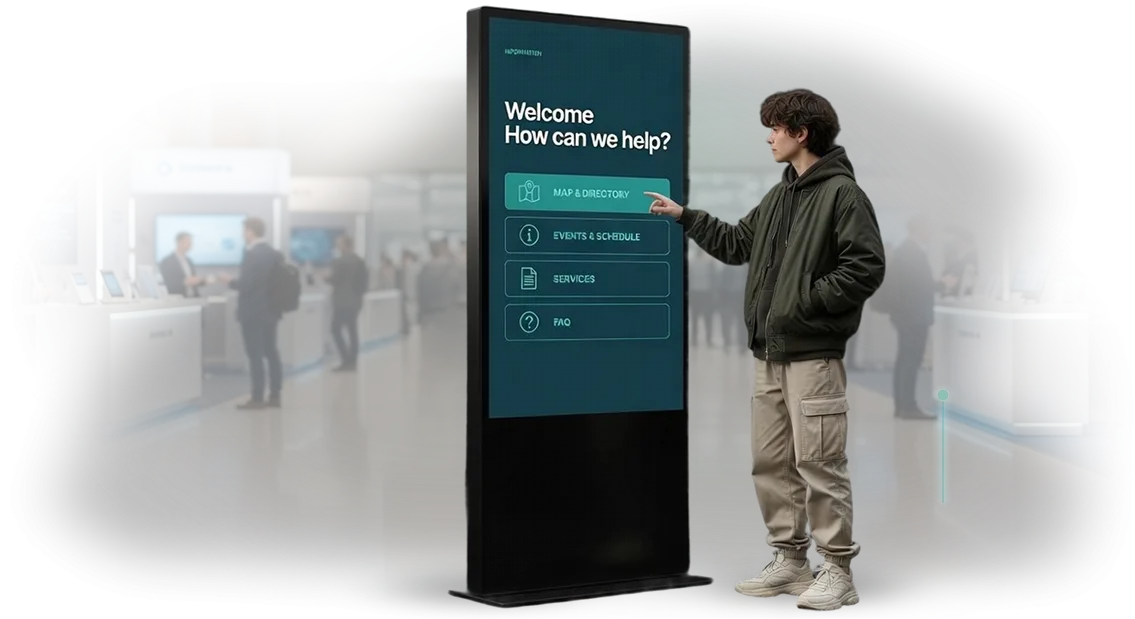
קיוסק אינטראקטיבי לפארק מחזיר את ההשקעה באמצעות מכירות נוספות וביקורים חוזרים.
אנחנו עוזרים להפוך אורח מבולבל ללקוח מרוצה: פחות שאלות על כיוונים, יותר רכישות וביקורות חיוביות, מה שאומר שההכנסות של הפארק גדלות כבר מהעונה הראשונה.
אילו יתרונות קיוסקים אינטראקטיביים מביאים לאורחים ולעסק
קיוסקים אינטראקטיביים בפארק שעשועים עובדים עבור האורח: הם מבטלים תורים ומקצרים את זמן החיפוש אחר מידע נחוץ. המבקרים בוחרים את המסלול שלהם, רואים זמני המתנה עדכניים, ומבינים לאן להמשיך.
ככל שיש פחות עצירות ובלבול, כך הרושם הכללי מהביקור טוב יותר — והאורחים חוזרים ברצון רב יותר.
מעורבות היא ערך נפרד. הקיוסק הופך לאלמנט חי בפארק: אפשר לשחק בו במשחק מיני, לצפות במפה אינטראקטיבית, או להשלים משימה קצרה. האורחים נמשכים פנימה, מבלים יותר זמן מול המסך, והפארק מקבל הפסקות טבעיות להצעות נוספות.
היתרון הבא הוא מכירות נוספות. ברגע שהאורח כבר מעוניין, המסך מציע כרטיסי קומבו, כניסה עדיפה, או הזמנת שולחן בבית הקפה. זה מגדיל את הסל הממוצע ללא מוכרים אגרסיביים וללא עומס נוסף על הצוות.
הקיוסק הוא מקור לאנליטיקה עבור הבעלים. הוא מראה אילו מתקנים מבוקשים, באילו שעות העומס גבוה ביותר, ומה האורחים מחפשים הכי הרבה. בהתבסס על נתונים אלה, קל יותר לתכנן לוחות זמנים, חלוקת אזורים ומבצעים שמייצרים רווח.
לבסוף, פתרונות כאלה עובדים עבור התדמית. ממשק אינטראקטיבי מודרני בונה אמון ומפתיע לטובה — ואורחים, כידוע, משתפים את ההתרשמות שלהם ברשתות החברתיות. זו חשיפה חינמית ועוד סיבה לחזור לפארק.
אתה מקבל לא רק עמדה עם מסך, אלא כלי שמשפר בו זמנית את השירות ומגדיל את ההכנסות.
פורמטים של קיוסק אינטראקטיבי לפארק שעשועים: מה לבחור
בפארק שעשועים, אותו קיוסק לא מכסה את כל המשימות — בכניסה האורח צריך מפה ולוח זמנים, במתקנים — זמני המתנה, ובבית הקפה — תשלום מהיר. אם מתקינים מסכים זהים בכל מקום, חלקם ישבו בטלים, וחלקם לא יעמדו בעומס.
לכן אנחנו מתחילים בבחירת הפורמט: עמדת מידע, ניווט, בידור, או תשלום.
להלן טבלה של פתרונות טיפוסיים שאנחנו מיישמים לפארקי שעשועים. אפשר לשלב פורמטים: למשל, קיוסק ניווט עם הדפסת קופונים או מסך בידורי עם הזמנת אוכל מהירה.
| פורמט | למי | מה זה נותן ללקוח |
|---|---|---|
| עמדת מידע | אורחים בכניסה, אזורי המתנה | מוריד עומס מהצוות, האורחים מוצאים תשובות לשאלות נפוצות בעצמם |
| קיוסק ניווט | מבקרים שמחפשים מתקן, בית קפה או שירותים | עוזר לפזר זרימות, מקצר תורים וזמן חיפוש |
| קיוסק בידורי | משפחות עם ילדים, קבוצות חברים | שומר על האורחים בפארק זמן רב יותר, יוצר סיבה לתמונות וביקורים חוזרים |
| קיוסק תשלום | בתי קפה, חנויות, אזורי כרטוס | מאיץ את השירות, מגדיל את הסל הממוצע באמצעות פריטים נוספים |
בחירת הפורמט קובעת לא רק את הממשק אלא גם את עיצוב המעטפת ואת מיקום ההתקנה.
אנחנו עוזרים בזה כבר בהתחלה: אנו מנתחים מיקומים, זרימות אורחים ותרחישי שימוש כך שכל קיוסק בפארק יניב תוצאות מדידות — פחות תורים, יותר זמן בפארק, והכנסות גבוהות יותר.
איך נראה פרויקט הטמעת קיוסק: שלב אחר שלב
כדי שהקיוסקים יתחילו לספק ערך מהיום הראשון, בנינו תהליך שקוף של שבעה שלבים. הוא ברור ללקוח, מאפשר לשלוט בלוחות הזמנים, ולאשר מראש את כל ההחלטות — מהמראה ועד לוגיקת התפעול. אתה תמיד יודע באיזה שלב נמצא הפרויקט ומתי הקיוסקים יופיעו בפארק.
-
בריף והבנה של מטרות הפארק. אנחנו לומדים איך האורחים נעים, אילו אזורים זקוקים לניווט, אילו שירותים פופולריים. אנחנו מתעדים מטרות — הפחתת תורים, הקלה על המנהלים, הגדלת מכירות של שירותים נוספים.
-
קונספט ואב-טיפוס. אנחנו מציעים אפשרויות לתרחישי עבודה: איך מבקר ימצא מתקנים, יקנה כרטיסים, וילמד על מופעים. אנחנו דנים במבנה התפריט ובלוגיקת המסך.
-
אב-טיפוס עיצובי המשקף את הסגנון של הפארק. אנחנו מציירים את הממשק, בוחרים גופנים, צבעים ואייקונים כך שהקיוסקים ישתלבו באופן אורגני במרחב ויהיו מזוהים כחלק מהמותג.
-
אישור הפרויקט. אנחנו מציגים את האב-טיפוסים והלוגיקה, מבצעים תיקונים. בשלב זה מאושרים גם הארכיטקטורה הכללית של הפתרון וגם לוח הזמנים — ומעוגנים בחוזה.
-
פיתוח ומילוי תוכן. המומחים שלנו בונים את המערכת ומחברים אותה לנתונים שלך — לוחות זמנים של מופעים, מחירים, מפות פארק. אתה מקבל גרסת בדיקה לאימות.
-
בדיקות על תרחישים אמיתיים. אנחנו בודקים כמה מהר האורחים מוצאים את מה שהם צריכים, והאם מתרחשות שגיאות בתשלום או בניווט. אנחנו מתקנים תקלות ומבצעים הגדרה סופית של הציוד.
-
השקה ותמיכה. אנחנו מתקינים את הקיוסקים ומכשירים את הצוות שלך. משם אנחנו לוקחים על עצמנו את התחזוקה: עדכון תוכן, ניטור יציבות, ותגובה מהירה לפניות.
פרויקט סטנדרטי אורך 4-6 שבועות — לוח הזמנים המדויק תלוי במספר המסכים ובמורכבות האינטגרציה. בכל שלב אתה מקבל תוצרים ברורים לאישור ולא דוחות טכניים. לכן ההטמעה עוברת ללא הפתעות או עיכובים.
מה כלול במסירת הקיוסק האינטראקטיבי
הקיוסק האינטראקטיבי מגיע לא כ"קופסת חומרה" אלא ככלי עבודה מוכן לשימוש.
המסירה כוללת כל מה שצריך כדי להשיק מהיום הראשון: קיוסק עם מסך מגע ומעטפת מקצועית עמידה לוונדליזם, תוכנה מותקנת מראש עם ממשק המותאם למותג שלך ולצרכי הפארק, וכן התקנה וחיבור באתר.
לאחר מכן מגיעה הגדרה לתרחיש שלך: לוח זמנים תפעולי, מפת פארק, מבצעים, אינטגרציה עם מערכת הקופה או מערכת בקרת הכניסה.
הכשרת צוות היא סעיף נפרד: מנהלים וקופאים יוכלו לשנות תוכן, לעדכן מחירים, ולהוסיף מתקנים חדשים בעצמם ללא צורך בהזמנת קבלן.
מה אתה מקבל במסגרת החוזה
- תוכנה עם ממשק המותאם למותג שלך וללוגיקה של הפארק.
- קיוסק עם מסך מגע במעטפת עמידה לוונדליזם המיועדת לפעילות 24/7 באזורים עם עומס גבוה.
- התקנה, חיבור והפעלה — אנחנו מתקינים את הקיוסק, מחברים חשמל ורשת, ומאמתים את התפעול.
- הגדרה מלאה: מפה, לוח זמנים, מחירים, ניווט, אינטגרציות עם השירותים שלך.
- הכשרת צוות — אנחנו מעבירים הדרכה לצוות שלך כדי שיוכלו לנהל תוכן באופן עצמאי.
- אחריות על חומרה ותוכנה — התחייבויות רשמיות בחוזה, לא הבטחות בעל פה.
- תמיכה לאחר ההשקה — עדכונים, תמיכה טכנית, ועידון תרחישים לצרכים חדשים של הפארק.
אחריות ותמיכה הם חלק מהמסירה
הקיוסק פועל בתנאים קשים: שמש, לחות, ילדים, עומס כבד. לכן אנחנו מספקים אחריות מורחבת על המעטפת, מסך המגע והאלקטרוניקה, ומחליפים חלקים ללא אישורים ארוכים.
אנחנו תומכים בתוכנה לאורך כל חיי הפרויקט — מעדכנים מפות, מתקנים שגיאות, ומוסיפים פונקציות ככל שהפארק שלך גדל.
אתה מזמין לא נקודת מכירה אלא שירות מלא: עם אחריות, תיעוד, ומודל תפעול ברור לשנים קדימה. כל השאר הוא הצד שלנו בטיפול.
מקרה בוחן: איך קיוסק אינטראקטיבי הגדיל הכנסות ב-30%
עבור פארק שעשועים עם זרימה של עד 10,000 אורחים ביום, נקודות הכאב העיקריות היו תורים בבית הקפה ובמתקנים, plus סל ממוצע נמוך — מבקרים קנו כרטיס אחד ועזבו.
פתרונות מסורתיים כמו קופות נוספות רק הגדילו את עלויות כוח האדם אבל לא האיצו את השירות.
פיתחנו קיוסק אינטראקטיבי ששילב ניווט בפארק, מכירת כרטיסים, והזמנת אוכל מראש. התקנו לוחות מגע עמידים של Advantech — הם עומדים בתנאי חוץ ובשימוש אינטנסיבי.
האורחים בוחרים את המסלול שלהם, משלמים על כרטיסים, ומזמינים אוכל תוך דקות ספורות בלי להתמודד עם תורים.
תוצאות ההטמעה עלו על הציפיות כבר בחודש הראשון. הסל הממוצע גדל ב-30% — האורחים התחילו לקנות הצעות קומבו ומזכרות בזמן ההמתנה להזמנות שלהם.
התורים בבית הקפה ירדו בשליש כי ההזמנות מגיעות למטבח מיד והמבקרים מקבלים הודעה כשההזמנה מוכנה. זרימת המזומנים התחלקה מחדש, והמנהל לא נאלץ לגייס צוות נוסף.
תוך חודשיים, הפארק הזמין ארבעה קיוסקים נוספים לאזורי הכניסה והמתקנים. סיפקנו עדכוני תוכן מרחוק ותמיכה 24/7 — המנהלים לא צריכים להבין בטכנולוגיה, הכל מנוהל דרך לוח בקרה אישי נוח.
מקרה בוחן זה של קיוסק לפארק שעשועים מראה: אוטומציה נכונה לא רק חוסכת זמן אלא גם מגדילה הכנסות. האורחים ממתינים פחות, קונים יותר, וחוזרים לפארק — הביקור הופך קל ומהנה יותר, והבעלים מקבל צמיחה בהכנסות ללא השקעות גדולות.
שאלות נפוצות על קיוסקים אינטראקטיביים
קיוסק בפארק שעשועים הוא אחד מאלמנטי התשתית העמוסים ביותר: ילדים ומבוגרים, מזג אוויר, תורים, פעילות ללא הפסקה.
לקוחות רבים חוששים שהציוד ייכשל בעונת השיא, האורחים יהיו לא מרוצים, והצוות לא יוכל לתקן את המצב במהירות.
החששות האלה מובנים, ולכן אנחנו מתכננים עמדות אינטראקטיביות לפעילות 24/7 ובונים בהן קלות תחזוקה מההתחלה.
בקצרה על העיקר: הקיוסק שלנו הוא לא "קופסה שחורה" שאי אפשר לתקן. בפנים יש רכיבים סטנדרטיים ומוכחים שניתן להחליף במהירות, והבקרות מעוצבות כך שכל מנהל פארק יכול לשלוט ביסודות. להלן ענינו על החששות הנפוצים ביותר.
מה קורה אם הקיוסק מתקלקל באמצע יום העבודה?
מערכת הניטור נכנסת לפעולה: אנחנו יכולים לראות את הסטטוס של כל קיוסק מרחוק וברוב המקרים לפתור את הבעיה מרחוק — להפעיל מחדש שירותים נחוצים, לשחזר הגדרות.
אם נדרשת החלפה פיזית, מסופק מודול חילוף, והקיוסק עצמו מעוצב כך שהעובד שלך יכול לטפל בזה תוך 15-20 דקות.
האם קשה לתחזק את הקיוסק ללא צוות טכני?
פישטנו בכוונה את הממשק והמבנה. החלפת חומרים מתכלים ופעולות בסיסיות מתוארות במדריך קצר, ומנהל הפארק יכול לטפל בהן ללא מהנדס.
אנחנו דואגים לשאר — במסגרת החוזה אנחנו מבצעים תחזוקה שוטפת, מעדכנים תוכן, ובמידת הצורך מגיעים תוך 2-3 ימים.
עד כמה המערכת אמינה?
אנחנו משתמשים בציוד מקצועי המיועד לפעילות אינטנסיבית וברכיבים עם מרווח ביטחון.
במשך שנים של עבודה, חידדנו את המערכת עד כדי כך שרוב הקיוסקים פועלים ללא תקלות עונה אחרי עונה, ומספר פניות התמיכה הוא לא יותר מאחת או שתיים לכל עמדה בשנה.
אם עדיין יש לך ספקות — בוא לראות את הקיוסק בפארק שעשועים אמיתי ולדבר עם אלה שכבר משתמשים בפתרון שלנו. נדון בתרחיש שלך ונראה איך המערכת תשתלב בתפעול של המתחם הספציפי שלך.הזמן פיתוח קיוסק לעסק שלך
אתה כבר יודע למה פארק שעשועים צריך קיוסק: כדי לעזור לאורחים למצוא את דרכם במהירות, להפחית תורים, ולהגדיל מכירות של שירותים נוספים. המשימה שלנו היא להפוך את הזמנת הפיתוח לפשוטה וברורה, ללא פרטים טכניים ואישורים ארוכים.
מיד לאחר פנייתך, אתה מקבל ייעוץ אישי והערכת עלות — ללא התחייבות. מה בדיוק כלול בתגובה הראשונית:
- אנחנו מבהירים את משימות הקיוסק לפארק שלך: ניווט, מפה אינטראקטיבית, מכירת כרטיסים, תוכנית נאמנות.
- אנחנו מחשבים את עלות הפיתוח והציוד — הערכה שקופה לפני חתימת החוזה.
- אנחנו מכינים הצעה מסחרית עם לוחות זמנים ושלבי עבודה קבועים.
- אנחנו בוחרים את סוג הקיוסק: עומד, צמוד קיר, או נייד — מה שנוח יותר לאורחים ולמיקום שלך.
- אנחנו מציגים מקרי בוחן של פארקי שעשועים — איך הפתרונות שלנו עובדים בפרויקטים דומים.
השלבים האלה הם ציר הזמן הראשון של הפרויקט שלך. לאחר מכן, אנחנו מכינים תוכנית מפורטת: אב-טיפוס, עיצוב, ציוד, הגדרה ובדיקות. אתה מקבל חבילה מלאה ושולט בפרויקט דרך שלבים ברורים במקום להיכנס לפרטים טכניים.
השאר פנייה באתר או התקשר אלינו — תוך יום עסקים נשלח הערכת עלות וייעוץ אישי. נתחיל בשיחה על המשימות והציפיות שלך מהקיוסק כדי להציע את הפתרון הטוב ביותר לפארק שלך.
מה אם אני צריך קיוסק מותאם אישית למשימה הספציפית שלי?
כן, השאלה הזו עולה לעתים קרובות — וזה נורמלי לפארק שעשועים. קיוסק מותאם אישית rarely אומר "רק עיצוב שונה": יש לך שטח משלך, זרימות אורחים משלך, מאפיינים משלך.
מישהו צריך מעטפת בסגנון המתקנים, מישהו מציב קיוסק בכניסה ורוצה שהוא יעבוד גם כניווט וגם כמכירת כרטיסים, ומישהו מחפש פתרון נייד לאירועים עונתיים.
אנחנו מתחילים פרויקט אישי לא עם דרישות טכניות אלא עם השאלה שלך: מה הקיוסק צריך לעשות עבור הפארק שלך — לשרת אורחים במהירות, להפחית תורים, להגדיל את הסל הממוצע, או לבדר.
לאחר מכן אנחנו דנים במיקום ההתקנה, פורמט ההצגה, תרחישי האינטראקציה, ואפילו איך הקיוסק ישתלב בסגנון הכללי. בסופו של דבר, אתה מקבל פתרון שנראה כמו חלק מהפארק, לא תבנית זרה.
במקביל, "מותאם אישית" לא אומר "ארוך ומסובך". יש לנו תהליך מבוסס לעבודה על פרויקטים כאלה: בהתבסס על הבריף, אנחנו מכינים אפשרויות קונספט, אתה בוחר, אנחנו מחדדים פרטים, אתה מאשר — ואנחנו משיקים. אתה תמיד רואה מה קורה ושולט בכל שלב, כולל לוחות זמנים.
קיוסקים כאלה כבר פועלים בפארקים ובמרחבים ציבוריים שונים: הם לא דורשים צוות, עומדים בעומסי שיא, ונותנים לך תמונה ברורה — מה האורחים מחפשים, איפה הם מתעכבים, אילו אפשרויות הם בוחרים. כל זה משפיע בסופו של דבר על התפתחות הפארק ועל כך שהאורחים חוזרים אליך שוב.
אז אם אתה לא בטוח שנמצא פתרון למשימה שלך — אל תהיה. תאר בכמה מילים מה אתה צריך, ואנחנו נציע אפשרויות. קיוסק מותאם אישית הוא העבודה הרגילה שלנו, ואנחנו מוכנים לעשות אותה עבור הפארק שלך.