

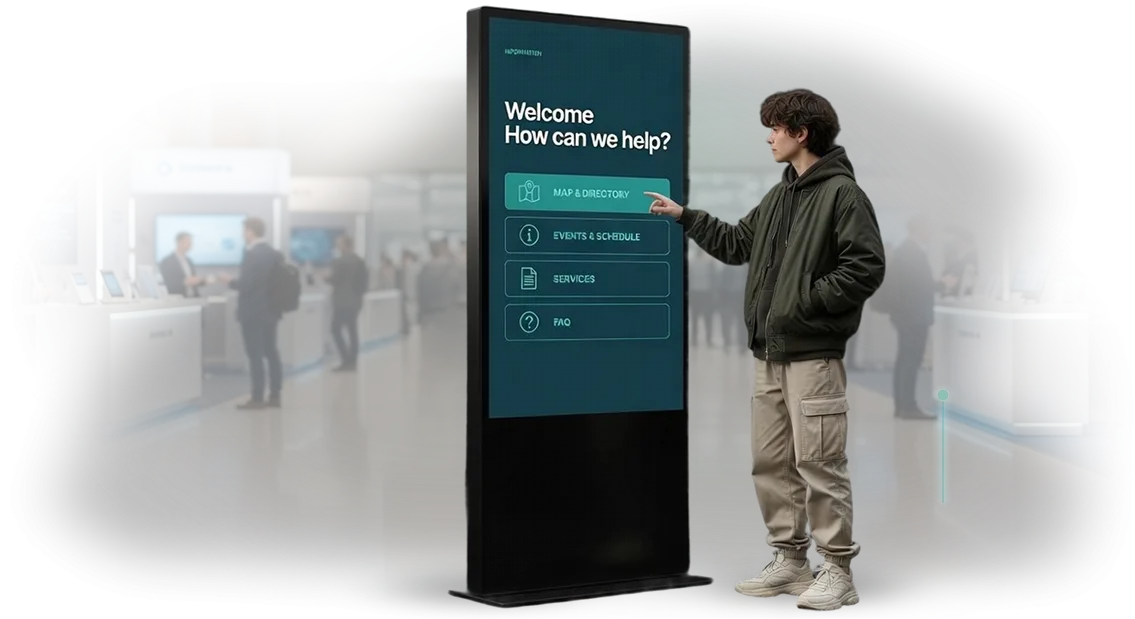
מדוע לקוחות עוזבים חברת השכרת רכב ועוברים למתחרים
לקוח שמגיע לנקודת השכרה כדי לקבל רכב כבר מוכן לשלם. אבל אם מקבלים אותו תור בדלפק והרישום אורך חצי שעה, הוא מתחיל לפקפק בבחירתו.
באותו רגע, שירות שכן עם זמני טיפול מהירים יותר הוא כל מה שצריך — והשוכר עוזב למתחרים, ולוקח איתו גם את הכסף וגם את מצב הרוח.
אובדן לקוחות בנקודת ההשכרה אינו מטרד חד-פעמי אלא דליפת הכנסות שיטתית. כמעט בלתי אפשרי להחזיר שוכר שעזב, בעוד שגיוס לקוח חדש עולה פי כמה יותר.
כל לקוח לא מרוצה משאיר ביקורת שלילית שמאות לקוחות פוטנציאליים רואים. כך שירות השכרת רכב גרוע פוגע לא רק ברווח הנוכחי אלא גם במוניטין שנבנה במשך שנים.
החלק המתסכל ביותר הוא שהסיבה בדרך כלל אינה המחיר ואינה צי הרכבים. אנשים עוזבים בגלל דברים קטנים: המתנה ארוכה, צורך לשאול שוב על התנאים, תעריפים לא שקופים.
בעוד המנהל מוסח על ידי ניירת ושיחות טלפון, הלקוח ממתין ונעשה חרד — וההמתנה הזו עולה לחברת ההשכרה יותר ממה שנראה.
תור בנקודת ההשכרה הופך עסקה פשוטה למבחן סבלנות, שלאחריו הלקוח מתחיל לחפש חלופות.
אנחנו פותרים בעיה זו עם קיוסקים מידע אוטומטיים. השוכר בוחר את הרכב, רואה את התנאים ומשלים את החוזה תוך דקות ספורות — ללא תורים או שאלות מיותרות.
הצוות מטפל רק במצבים לא סטנדרטיים ובשירות פנים אל פנים, ואתם מפסיקים לאבד לקוחות בגלל מהירות תהליכי התמיכה.
אילו יתרונות קיוסק אינטראקטיבי נותן לאולם תצוגה של רכבים
קיוסק אינטראקטיבי בחברת השכרת רכב מסיר את נקודת הכאב העיקרית של הלקוח — ההמתנה. במקום לעמוד בתור למנהל ולעבור ניירת ארוכה, אדם בוחר רכב ואפשרויות נוספות ומשלים את ההזמנה תוך כמה דקות.
זמן ההמתנה נחתך פי כמה — זו תרומה ישירה לרושם שהחברה שלכם עושה ולהחלטה לחזור שוב.
שירות מהיר יותר משמעותו גם הגדלת התפוקה וגם הפחתת עומס העבודה על הצוות. מנהלים מפסיקים לבזבז שעות על חזרה על אותן פעולות: הזנת נתונים, הסברת תנאים, הדפסת מסמכים.
הם מתמקדים בתקשורת פנים אל פנים, בייעוץ בנושאים מורכבים ובמכירת שירותים נוספים. הקיוסק לוקח על עצמו את החלק השגרתי — אתם חוסכים בגיוס עובדים נוספים אפילו בשעות השיא.
הלקוח מקבל תהליך שקוף וקל להבנה ללא לחץ או כפייה. הוא בוחר בעצמו את התעריף, הביטוח, מושב הילד או הניווט ורואה את המחיר הסופי מיד.
גישה זו מפחיתה מחלוקות ומגבירה את שביעות הרצון — אנשים מרגישים שליטה בתהליך במקום לקבל יחס של "מסוע".
הקיוסק עובד מסביב לשעון, אף פעם לא מתעייף ואינו תלוי במצב הרוח של הצוות. הוא נקודת שירות נוספת שמביאה הזמנות גם כשהמשרד סגור.
והנתונים שנאספים על העדפות הלקוחות מאפשרים לכם לעצב הצעות בצורה מדויקת יותר ולהגדיל את ערך ההזמנה הממוצע.
בסופו של דבר, אתם מקבלים שלוש תוצאות: שירות מהיר יותר, עלויות כוח אדם נמוכות יותר וחוויית לקוח טובה יותר באופן ניכר. ולקוח מרוצה חוזר ומביא חברים — מקור הצמיחה האמין ביותר לחברת השכרת רכב.
פורמטים של קיוסקים אינטראקטיביים להשכרת רכב
כשלחברת השכרת רכב יש כמה סניפים או זרם לקוחות גדול, דלפק האדמיניסטרטור הסטנדרטי עמוס מדי.
פורמטי קיוסק להשכרת רכב פותרים בעיה זו בדרכים שונות: אחד מאיץ את מסירת הרכב, אחר מוריד עומס מהצוות, שלישי מגדיל את ערך ההזמנה הממוצע.
אנחנו מפתחים תוכנה למודלים תפעוליים שונים של השכרת רכב — מהצגת מידע פשוטה ועד שירות עצמי מלא ללקוח.
| פורמט קיוסק | למי הוא מיועד | מה הוא נותן ללקוח |
|---|---|---|
| קיוסק שירות עצמי | חברות השכרת רכב עם זרם לקוחות גבוה וכוח אדם מוגבל | הלקוח בוחר את הרכב, משלים את ההשכרה ומקבל את המפתחות — התורים מתקצרים והמפעילים מטפלים רק בנושאים מורכבים |
| עמדת מידע | נקודות השכרה בשדות תעופה, מלונות וקניונים | המבקרים רואים זמינות רכבים, מחירים ותנאים ללא המתנה לייעוץ — פחות פניות שאבדו |
| קיוסק תשלום והחזרה | חברות השכרה עם הזמנה מקוונת | לקוחות משלמים במהירות עבור שירותים נוספים או מחזירים את הרכב ללא מנהל — עומס נמוך יותר על הקופאי ופחות שגיאות חישוב |
יהיה הפורמט אשר תבחרו, אנו מתאימים את הממשק למותג ולתהליכים העסקיים שלכם: מחלון ראווה של רכבים ועד אינטגרציה עם מערכת הנהלת החשבונות שלכם.
זה נותן לכם סטטיסטיקות שקופות לכל סניף ומאפשר לכם לשנות הצעות במהירות — למשל, להעלות מבצעים למסך הראשי בשעות השיא.
אם אינכם בטוחים איזה קיוסק השכרת רכב מתאים לצרכים שלכם, התחילו בייעוץ. ננתח את זרם הלקוחות שלכם ונמליץ על האפשרות הטובה ביותר — מסוף בודד או רשת של עמדות אינטראקטיביות. כך תימנעו מהוצאות מיותרות ותשיגו החזר השקעה מהר יותר.
כיצד מתבצע השקת קיוסק אינטראקטיבי תוך 4 שבועות
קיוסק השכרת רכב מחזיר את ההשקעה רק כשהוא מושק במהירות וללא הפתעות. ארזנו את התהליך ל-4 שבועות: מהבריף הראשון ועד מכשיר עובד שמקבל הזמנות ומוסר מפתחות.
אינכם צריכים להבין בפרטים טכניים — אנו מריצים את הפרויקט במפתח מלא, עומדים בלוחות הזמנים של ההתקנה ולוקחים אחריות על התוצאה.
שלבי הטמעת הקיוסק
- בריף וגילוי צרכים — אתם מספרים לנו על זרם הלקוחות ויעדי האוטומציה שלכם. אנו מבהירים את הפרטים, מציעים פתרון וקובעים את לוח הזמנים.
- אישור פרויקט הקיוסק — תוך 2-3 ימים אנו מציגים לכם את אב הטיפוס של הממשק ואת תרחישי ההפעלה: השכרה, החזרה, שירותים נוספים. אתם מבצעים תיקונים לפני תחילת הפיתוח.
- ייצור והתקנה — אנו מרכיבים את המארז, מתקינים את הציוד ומגדירים את התוכנה בסגנון המותג שלכם. אנו מחברים תשלום.
- אינטגרציה עם מערכת הנהלת החשבונות שלכם — הקיוסק מחליף נתונים עם מסד נתוני ההזמנות, כך שהלקוחות רואים זמינות רכבים אמיתית.
- בדיקות — אנו מריצים את מסע הלקוח מבחירת רכב ועד קבלת מפתחות. אנו מתקנים כל תקלה לפני ההתקנה.
- מסירה במפתח מלא, התקנה והשקת הקיוסק — אנו מספקים ומתקינים את המכשיר במשרד או במגרש שלכם. זמן התקנה סטנדרטי הוא יום אחד.
- תמיכה ופיתוח — אנו נשארים בקשר: ניטור מרחוק, עדכוני ממשק וסיוע בפניות לקוחות.
מה כלול במסירה: חבילה מלאה לקיוסק שלכם
קיוסק השכרת רכב אינו רק מסך על מעמד אלא כלי מכירה מלא: הוא מקבל בקשות, מקטלג רכבים זמינים ומפחית תורים ברישום.
כדי שהפתרון יעבוד מהיום הראשון, אנו מספקים לא רק "חומרה" אלא חבילה מלאה במפתח סוהר — מציוד ועד הדרכת צוות.
הנה מה שכלול במסירה:
- ציוד. קיוסק מסך מגע אמין עם מארז מוגן ומסך עמיד בפני ונדליזם — מתאים להתקנה במשרד או באזור מסירת הרכבים. הוא פועל ביציבות במצב שימוש רציף.
- תוכנה. ממשק לקוח אחיד: קטלוג רכבים, זמינות ומחירים, הזמנה מקוונת, תשלום ומילוי מוקדם של מסמכי השכרה.
- עיצוב מיתוגי. כל המסכים מעוצבים בהתאמה למותג שלכם: לוגו, צבעים, תמונות צי הרכבים. הקיוסק נראה כמו חלק מהמשרד, לא כמו תוכנת צד שלישי מדף.
- התקנה והשקה. המומחים שלנו מגיעים לאתר, מתקינים ומגדירים את הציוד, מחברים אותו למערכת הנהלת החשבונות שלכם ומוודאים שכל התרחישים עובדים.
- הדרכת צוות. אנו מקיימים סדנה מעשית קצרה לאדמיניסטרטורים: כיצד לשנות תעריפים, להוסיף רכבים חדשים, לצפות בסטטיסטיקות בקשות ולטפל בשאלות לקוחות פשוטות.
- אחריות ותמיכה. אנו מספקים אחריות רשמית על החומרה והתוכנה, מעדכנים את המערכת באופן שוטף, מציעים תמיכה מרחוק ושולחים טכנאי במהירות אם הקיוסק זקוק לתיקון.
חבילה זו חוסכת מכם את הצורך לחפש ספק, מעצב, מתכנת ומתקין בנפרד. אתם מקבלים קיוסק עובד מהתחלה ועד ההשקה — עם צוות מיומן ואחריות כתובה וברורה. כל מה שנשאר הוא לחבר לחשמל ולהתחיל לקבל בקשות.
מקרה בוחן: כיצד קיוסק קיצר את התור והחזיר את ההשקעה תוך 3 חודשים
אחד הלקוחות שלנו — רשת ההשכרה "ספיד" — פנה אלינו עם נקודת כאב קלאסית: תור הרישום הגיע עד 20 דקות בשעות השיא, וחלק מהלקוחות עזבו בלי לחכות.
הסניפים היו בשדה התעופה, שם הזמן קריטי: אנשים ממהרים לתפוס טיסה ולא מוכנים לחכות.
מה שעשינו. התקנו קיוסק אינטראקטיבי שמטפל בכל הניירת: מבחירת רכב ועד חתימת חוזה. הלקוח עובר שלושה שלבים בעצמו, והמנהל מתערב רק כדי למסור את המפתחות. ההטמעה ארכה שבועיים ולא דרשה שינויים במערכת הנהלת החשבונות.
תוצאות ההטמעה
התור בשעות השיא הצטמצם ב-70%, וזמן הטיפול הממוצע ירד מ-25 ל-7 דקות. המנהלים הפסיקו לבזבז זמן על ניירת שגרתית ועכשיו מצליחים לשרת יותר אורחים ללא גיוס עובדים נוספים.
החזר השקעה ותגובת לקוחות
הפרויקט החזיר את עצמו תוך 3 חודשים: ניצול הסניף עלה ב-18%, וההשכרות החוזרות גדלו ברבע.
לפי סקר שנערך דרך הקיוסק, 92% מהמבקרים אמרו שהשירות הפך למהיר יותר באופן ניכר, ו-87% היו מוכנים להמליץ על חברת ההשכרה לחברים. שישה חודשים לאחר מכן, הותקנו קיוסקים בכל סניפי הרשת.
אם אתם רוצים לחזור על תוצאה זו, נתחיל בביקורת של הסניפים שלכם ובחישוב החזר השקעה על בסיס זרם הלקוחות שלכם.
כיצד לבחור את פורמט הקיוסק המתאים למשימה שלכם?
פורמט הקיוסק אינו פרט טכני אלא דרך לפתור בעיה ספציפית בעסק ההשכרה שלכם. לפני שמסתכלים על מארזים ומסכים, שאלו את עצמכם: מה הלקוח צריך לעשות בעמדה?
אם הוא רק צריך לבדוק תעריפים ולהשאיר בקשה, פאנל מידע קומפקטי מספיק. אבל אם אדם מגיע לאסוף רכב שכבר הוזמן ורוצה את המפתחות בלי תור, תצטרכו תחנת שירות עצמי מלאה עם הדפסת חוזה וגישה להזמנות.
הקריטריון השני החשוב הוא המיקום. למשרד קטן בעיר, קיוסק עומד עם מסך מגע נוח: הוא תופס מעט מקום ופועל ליד דלפק האדמיניסטרטור.
בשדה תעופה או בתחנת רכבת, שבהם הלקוחות ממהרים והזרימה לא אחידה, תא נייח עם הגנה מפני מזג האוויר ופעילות מסביב לשעון עובד טוב יותר.
ואם אתם פותחים נקודת איסוף בקניון או במיקום שותף ללא צוות בשטח, הקיוסק הופך למנהל וירטואלי שמקבל תשלום, מאמת מסמכים ומדפיס את החוזה.
חשבו איזו נקודת כאב אתם סוגרים. עבור חברת השכרה אחת, המפתח הוא הפחתת התור בשעות השיא; עבור אחרת, קבלת הזמנות מחוץ לשעות העבודה; עבור שלישית, איסוף פרטי קשר משוכרים פוטנציאליים.
כל אחת מהמשימות הללו מקבלת תרחיש הפעלה משלה: מתפריט תעריפים פשוט ועד עיבוד השכרה מלא. ברגע שתגדירו את המטרה בבירור, הפורמט הופך ברור גם ללא ייעוץ.
אם אתם מתלבטים, התחילו עם שתיים או שלוש שאלות: כמה לקוחות עוברים בסניף ביום, האם יש צורך במסירת מפתחות ללא מעורבות עובד, ומה התקציב שהקציתם לציוד.
התשובות מיד פוסלות אפשרויות מיותרות. היועצים שלנו יעזרו לחדד את הפרטים, אבל להגיע לשיחה עם משימה מוגדרת בבירור משמעותו קבלת פתרון מדויק ואי-תשלום יתר על פונקציונליות מיותרת.
שאלות נפוצות על הטמעת קיוסקים אינטראקטיביים
הטמעת קיוסק אינטראקטיבי בנקודת השכרת רכב היא צעד חשוב. בעלי עסקים נוטים לשאול את אותן שאלות: עד כמה מורכבת ההתקנה, מי יתחזק את הציוד, מה עושים אם הקיוסק מתקלקל, ואילו ערבויות המפתח מספק. ריכזנו תשובות לשאלות הנפוצות ביותר.
כמה מהר מתבצעת התקנת הקיוסק בנקודת ההשכרה?
ההתקנה וההגדרה אורכות יום עבודה אחד. מהנדסים מהצוות שלנו מגיעים לאתר, מחברים את הציוד, מתקינים את התוכנה ומכשירים את האדמיניסטרטורים — נקודת ההשכרה יכולה להמשיך לפעול ללא כל השבתה במהלך תקופה זו.
מי מטפל בתחזוקת הקיוסק?
אנו לוקחים אחריות מלאה על התחזוקה. החוזה כולל בדיקות ציוד שוטפות, עדכוני תוכנה וניטור מרחוק. אינכם צריכים לחפש קבלן — ספק יחיד מטפל בהכל.
מה קורה אם הקיוסק מתקלקל?
מערכת הניטור מתריעה על תקלות מראש. אם אכן מתרחשת תקלה, אנו פותרים אותה מרחוק או מחליפים את יחידת החומרה תוך מספר שעות. זמן ההתאוששות הממוצע מצוין בחוזה.
איזו אחריות חלה על הקיוסק?
האחריות מכסה גם את החומרה וגם את התוכנה המותקנת מראש. התקופה מתחילה מרגע ההשקה ומצוינת בחוזה. ניתן גם להאריך את התמיכה לאחר סיום תקופת האחריות.
אם נותרו לכם שאלות, צרו איתנו קשר — נראה לכם כיצד קיוסק אינטראקטיבי יכול לפשט את פעולות ההשכרה שלכם ולהפחית תורי לקוחות.השאירו בקשה לייעוץ על קיוסק אינטראקטיבי
חישוב עלות הקיוסק הוא תמיד אישי: חשוב היכן הוא יותקן, אילו משימות הוא יפתור ועם אילו מערכות הוא צריך לעבוד.
לכן אנו מתחילים בבקשה — אתם מתארים את המצב שלכם, ואנו מכינים הצעה ברורה הכוללת לוח זמנים, היקף ותקציב הטמעה.
כדי שהייעוץ על הקיוסק יהיה ממוקד ככל האפשר, כללו בבקשה את הפרטים הבאים:
- סוג הקיוסק — עומד, צמוד קיר או מובנה — והיכן הוא יותקן;
- המשימות — בחירת רכב, הזמנה, תשלום, מסירת מפתחות או מידע על תעריפים;
- האם נדרשת אינטגרציה עם מערכת הנהלת החשבונות, ה-CRM או שער התשלומים שלכם;
- מספר הקיוסקים והערים שבהן הם יפעלו;
- העדפות עיצוב — סגנון, צבעי מותג, לוגו;
- לוח זמנים משוער להשקה.
לאחר שליחת הבקשה, נחזור אליכם תוך יום עסקים אחד, נבהיר את הפרטים ונציע את הפתרון האופטימלי — תוך התחשבות בפורמט ההשכרה שלכם ובזרם הלקוחות הצפוי.
בלי דיבורים "הנדסיים": אנו מדברים בשפת העסקים ומראים כיצד הקיוסק ישפיע על מהירות השירות ועל עומס העבודה של הצוות.
הזמנת קיוסק משמעותה קבלת כלי עבודה מוכן לשימוש: מעיצוב תרחישים ועד התקנה ותמיכה. אנו מטפלים בכל השלבים כך שלא תצטרכו להתעסק בפרטים טכניים.
אם אתם זקוקים לכך בדחיפות, ציינו זאת בבקשה — נציע דרכים לזרז את התהליך מבלי לפגוע באיכות.
שלחו בקשה לקיוסק עכשיו, ובעוד כמה ימים תדעו בדיוק אילו משימות הוא יפתור וכמה מהר הוא יחזיר את ההשקעה בעסק שלכם. פשוט תארו את המצב שלכם — אנחנו נטפל בשאר.