

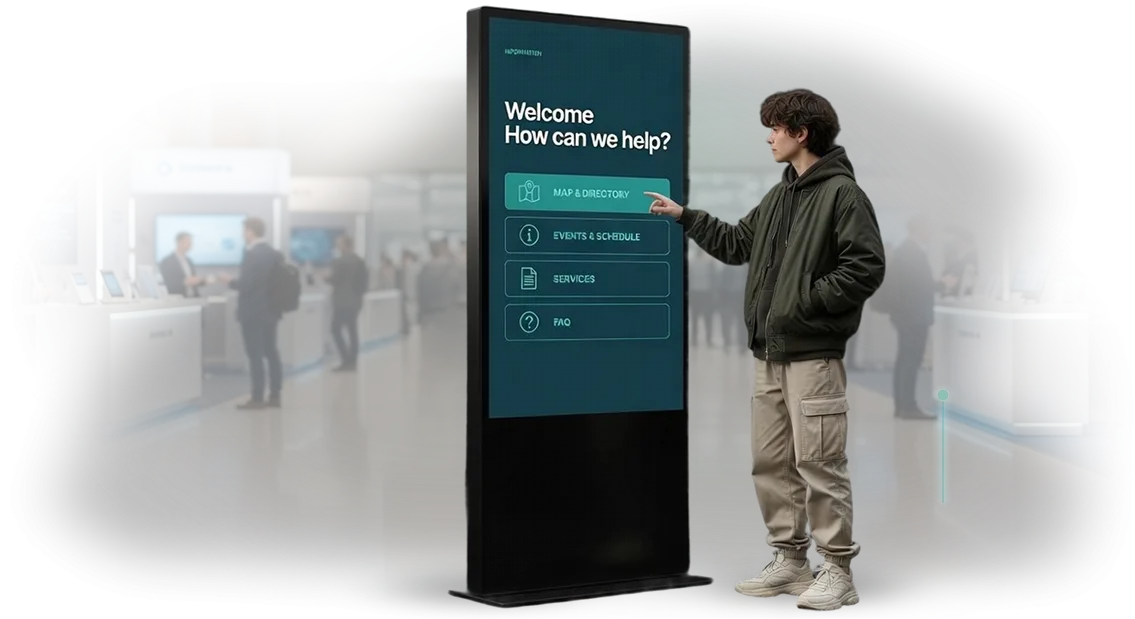
אצטדיון ללא קיוסקים אינטראקטיביים: אוהדים והכנסות שאבדו
אוהד שלא יכול למצוא במהירות את היציע או הכניסה שלו הוא אוהד שאבד. במקום אווירה חגיגית, הוא מקבל לחץ, מאחר לתחילת המשחק, וזוכר את האצטדיון כמקום שאליו לא רוצה לחזור.
ללא ניווט ברור ומידע עדכני באצטדיון, אפילו אוהדים נאמנים הולכים לאיבוד — הם מבזבזים זמן בתורים ומפספסים רגעי מפתח במשחק.
כל דקה שמבוזבזת בהמתנה בקיוסק מזון או בדלפק המידע היא הכנסה אבודה וירידה בנאמנות. כאשר אוהד מבלה 10–15 דקות בחיפוש אחר המקום הנכון, הוא קונה פחות והרושם שלו מהמשחק מתדרדר.
בסופו של דבר, המדד המרכזי סובל — הכנסות מהאוהדים, כולל ביקורים חוזרים ורכישות מרצ'נדייז.
חוויה שלילית מתפשטת במהירות: אורח אחד מאוכזב יספר לעשרות מכרים ועוקבים ברשתות החברתיות על הבעיה. האצטדיון מפסיד לא רק הכנסות נוכחיות אלא גם הכנסות עתידיות — אוהדים בוחרים במקומות אחרים עם שירות נוח יותר. לכן שירות באצטדיון הפך ליתרון תחרותי חשוב לא פחות מהקבוצה עצמה.
אנחנו מטפלים בנקודת הכאב הזו: אנו מתכננים קיוסקים אינטראקטיביים שעוזרים לאוהדים למצוא את היציע שלהם תוך שניות, לבדוק את הרכבי הקבוצות, ולקנות אוכל ללא תורים. אתם מקבלים אורחים מרוצים מהביקור שחוזרים שוב.
5 יתרונות של קיוסקים אינטראקטיביים לאצטדיון
קיוסקים אינטראקטיביים באצטדיון פותרים כמה בעיות בבת אחת: מניווט של עשרות אלפי אוהדים ועד יצירת מכירות נוספות. בואו נבחן את חמשת היתרונות המרכזיים עבור בעל הזירה ומארגן האירוע.
ראשון — מהירות ניווט. במקום לחפש שלטים או לשאול מתנדבים, אורח מוצא את היציע, הכניסה, אזור המזון הקרוב או השירותים בכמה הקשות.
המפה האינטראקטיבית של האצטדיון מקלה על הצוות ומפחיתה את זרם המאחרים: פחות לחץ לאוהדים ופחות עומס על שירותי התמיכה.
שני — מכירות גבוהות יותר של כרטיסים ושירותים נלווים. הקיוסק יכול לשמש כנקודת מכירה: מכירת כרטיסים למשחקים קרובים, הצעת שדרוג לאזור VIP או חניה.
אוהד שכבר הגיע למשחק נוטה יותר לקנות כרטיס למשחק הבא אם ההצעה מופיעה בזמן הנכון וללא תור.
שלישי — מעורבות אורחים. מסך אינטראקטיבי יכול להריץ חידון, להציג סטטיסטיקות קבוצה, היסטוריית מועדון או תמונות מהמשחק.
המנגנונים האלה מגדילים את זמן השהייה בזירה ויוצרים תוכן לרשתות חברתיות: אורחים משתפים את הרגשות שלהם בעצמם, והמותג מקבל חשיפה חינמית.
רביעי — הגדלת סל הקניות הממוצע. הקיוסק יכול להמליץ על מוצרים: מרצ'נדייז, משקאות, סיורים באצטדיון. אוהד רואה הצעות רלוונטיות ממש בכניסה או בהפסקה, ורכישה אורכת דקות במקום חצי מההפסקה.
חמישי — איסוף נתונים על התנהגות אורחים. אתם רואים אילו אזורים במפה פופולריים, אילו מבצעים עבדו, ומאילו קומות מזמינים הכי הרבה. בהתבסס על הנתונים האלה, קל יותר לתכנן לוגיסטיקה, כוח אדם וקידום למשחק הבא.
פורמטים של קיוסקים אינטראקטיביים לאצטדיון
באצטדיון, קיוסק פותר כמה משימות בו-זמנית: ניווט לפי יציע, לוחות משחקים, רכישת כרטיסים ומזכרות, והיכרות עם המועדון.
אבל הלובי, היציעים ואזור האוהדים דורשים כל אחד פורמט שונה — במקום שבו זרם גדול של אוהדים צריך לנוע במהירות, מתאים מארז אחד, בעוד שבמסדרונות צרים נדרש אחר.
לכן אנחנו לא מייצרים מכשיר "אוניברסלי" אחד אלא מתאימים את פורמט הקיוסק למיקום הספציפי באצטדיון.
| פורמט קיוסק | למי והיכן | מה הוא נותן ללקוח |
|---|---|---|
| קיוסק עומד | לובי ראשי, קבוצות כניסה, אזור מזון | מתמודד עם זרם גדול של אוהדים, מציג במהירות את מפת האצטדיון והיציעים |
| קיוסק צמוד קיר | מסדרונות, לובי מעליות, אזורים ליד קרוסלות | חוסך מקום, מסייע בניווט מבלי להפריע לזרם |
| קיוסק נייד | אזור אוהדים, אירועים בשטח, מבצעים עונתיים | ניתן להקמה תוך שעה, מתאים למשימות זמניות ולהשכרת קיוסק לאירוע |
הערה מיוחדת לגבי השכרת קיוסקים. אם אזור האוהדים פעיל רק בימי משחק או שהאצטדיון מארח אירוע גדול, רכישת ציוד לשימוש קבוע אינה משתלמת.
אנחנו מציעים השכרה עם התקנה, תוכן ותמיכה למשך האירוע — אתם מקבלים קיוסק מידע מוכן לחלוטין למשימה ללא השקעה הונית בציוד.
בתוך כל פורמט, הטכנולוגיה אמינה באותה מידה: מארז עמיד בפני ונדליזם ומסך מגע מקצועי בנויים לשימוש אינטנסיבי — מאות אנשים יכולים לעבור דרך קיוסק אצטדיון ביום אחד, והוא חייב לעבוד ללא תקלות מהשריקה הראשונה ועד האחרונה.
אנחנו מתאימים את כל התוכן לזהות המותג של המועדון ולמטרותיו: ניווט ליציעים, פוסטרים לאירועים, מכירת מנויים, משחקים אינטראקטיביים לאוהדים.
לא משנה איזה פורמט אתם צריכים — קבוע או נייד, בבעלות או בהשכרה — נכין הצעה למיקום הספציפי באצטדיון. כתבו לנו ונדון בתוכנית.
כיצד מתבצעת הטמעת קיוסקים באצטדיון
הטמעת קיוסקים באצטדיון היא לא רק התקנת ציוד; זהו תהליך מובנה שבו אתם שולטים בכל שלב. פירקנו אותו לשלבים ברורים — מהבריף הראשוני ועד לתמיכה שוטפת.
כך זה עובד בפועל, כדי שתדעו מראש מה קורה בכל שלב ומתי תקבלו את התוצאה המוגמרת.
-
בריף וסקר אצטדיון. אנו אוספים את המטרות שלכם: ניווט אוהדים, מכירת כרטיסים, מידע על המועדון או השירותים. אנו מבקרים באתר, חוקרים את זרמי המבקרים, מיקומי הכניסות והמאפיינים של החללים — כך שהקיוסקים ימוקמו בדיוק במקום שבו יספקו את הערך הרב ביותר. זהו הבסיס לפרויקט הקיוסק העתידי.
-
פרויקט ואב-טיפוס עיצובי. אנו מפתחים את מבנה התפריט והסגנון החזותי שיתאימו למותג שלכם. אנו מיישרים את התרחישים: כיצד אוהד ימצא את היציע שלו, יקנה כרטיס, יזמין משקה או ישאיר משוב.
בשלב זה, אתם רואים איך הקיוסק ייראה ואילו פעולות המבקרים יוכלו לבצע בכמה הקשות בלבד.
-
אישור לוח זמנים להתקנה. אנו קובעים את תאריכי הייצור, המשלוח וההתקנה. אנו תמיד מתחשבים בלוח האירועים של האצטדיון כדי שהעבודה לא תתנגש עם משחקים, קונצרטים ואירועים אחרים.
אתם מקבלים ציר זמן ברור — מתי בדיוק יותקנו הקיוסקים ומתי תתבצע ההשקה.
-
פיתוח ויצירת תוכן. אנו מגדירים את החלק התוכנתי: מחברים את מאגרי הנתונים שלכם, לוח המשחקים, מערכת הכרטוס או שירותים אחרים — הכל פועל בלוגיקה אחת. אנו טוענים מידע על המועדון, היציעים וכללי הכניסה לאצטדיון. זהו השלב שבו הקיוסק הופך לכלי שימושי עבור המבקרים שלכם במיוחד.
-
בדיקות והשקת קיוסק. אנו בודקים את כל התרחישים המרכזיים: באיזו מהירות מבקר מוצא את המידע הנכון, איך מתבצעות רכישות כרטיסים או בקשות עזרה. אנו מדמים עומס של יום משחק כדי לוודא יציבות.
לאחר מכן, אנו מעבירים את הקיוסק לפעילות ומכשירים את הצוות שלכם לניהול — הם יוכלו לעדכן תוכן ולנטר סטטוסים בלעדינו.
-
תמיכה שוטפת ופיתוח. לאחר ההשקה, אנחנו נשארים בקשר: מומחה ייעודי עונה על שאלות, מעדכן את מידע הקיוסק ועוזר בשיפורים. במידת הצורך, אנו מגיעים לאתר במהירות או פותרים בעיות מרחוק.
אתם מקבלים יותר ממסירה חד-פעמית — אתם מקבלים שותפות ארוכת טווח שבה הקיוסקים תמיד עובדים ומספקים ערך לאוהדים.
מה כלול במסירת קיוסק אינטראקטיבי
כשאתם מזמינים קיוסק אינטראקטיבי, אתם רוצים כלי עובד, לא אוסף רכיבים. חשוב לדעת מראש מה כלול במסירה כדי לא להיתקל בעלויות נוספות או בעיכוב בהשקה.
הרכבנו חבילה מלאה של פתרון מפתח — מחומרה ועד הכשרת צוות — כך שתקבלו תוצאה צפויה ולוחות זמנים ברורים.
חבילת הקיוסק כבר מותאמת לאצטדיונים: המכשיר עומד בעומסים גבוהים, והתוכנה מתמודדת עם משימות סטנדרטיות — ניווט בזירה, לוחות משחקים, מידע על המועדון, הזמנת כרטיסים ומזון.
הכל עובד מיד לאחר ההתקנה, ללא צורך בהגדרה עצמית או בחיפוש קבלנים.
המסירה הסטנדרטית כוללת:
- חומרה — מסך מגע במארז עמיד בפני ונדליזם, עמיד בפני אבק, לחות ושינויי טמפרטורה. תוכנן במיוחד לפעילות מסביב לשעון באזורים עם תנועה גבוהה.
- תוכנה — ממשק מותאם לשליטה במגע, עם הסעיפים הדרושים לכם: מפת אצטדיון, לוח זמנים, חדשות, פרסום. התוכנה מוגדרת למשימות שלכם וניתן לעדכן אותה בקלות מבלי לעצור את הקיוסק.
- עיצוב ותוכן — עיצוב מותאם למותג, הכנת טקסטים ותמונות, וטעינת כל המידע לפני ההשקה. אתם מקבלים פתרון מוכן, לא תבנית "מן המדף".
- התקנת קיוסק — הגדרה במיקום הנכון באצטדיון, חיבור לרשת ולחשמל, והפעלה. אנו בודקים את כל הפונקציות כך שהקיוסק מתחיל לעבוד מהיום הראשון.
- הכשרת צוות — מדריך קצר לעובדים: כיצד לעדכן מידע, לשנות לוח זמנים, להוסיף חומרים ולפתור בעיות פשוטות. ההכשרה אורכת כמה שעות ואינה מסיחה מהתפקידים העיקריים.
- אחריות ותמיכה — תחזוקה, סיוע מרחוק והחלפה מהירה של רכיבים בעת הצורך. אתם אף פעם לא נשארים לבד עם המכשיר לאחר ההשקה.
חבילת מסירה זו מכסה את כל הנושאים הארגוניים. אין צורך לקנות חומרה בנפרד, לחפש מתכנתים או להעסיק מתקינים — אנחנו אחראים לתוצאה כולה. אתם מקבלים קיוסק אינטראקטיבי מוכן שיתחיל לעבוד עבור האוהדים ביום הפתיחה.
מקרה בוחן: הטמעת קיוסקים במתחם ספורט
למתחם הספורט "ארנה" הייתה בעיה מוכרת: בימי משחק נוצרו תורים בדלפקי המידע, ואוהדים בזבזו זמן בחיפוש אחר היציע, לוחות הזמנים והשירותים הנוספים.
הצוות פיזית לא יכול היה לעמוד בכל השאלות, מה שפגע בחוויית הביקור.
התקנו קיוסקים אינטראקטיביים בלובי ובקבוצות הכניסה. באמצעותם, מבקרים יכלו למצוא באופן עצמאי את מפת המתחם, לוח האירועים, מידע על כרטיסים ובתי הקפה.
המערכת הציעה מסלולים ליציע הנכון, ובמידת הצורך חיברה אותם למנהל באמצעות שיחת וידאו.
תוצאות הפרויקט נראו כבר בחודש הראשון. מספר הפניות לדלפק המידע ירד בכמעט שליש, וזמן התגובה הצטמצם מכמה דקות לכמה שניות.
הקיוסקים טיפלו ביותר מ-10,000 פניות ברבעון — הצוות לא היה יכול להתמודד עם נפח כזה ללא אוטומציה.
הכי חשוב — נאמנות האוהדים עלתה. בסקר, 87% מהמבקרים אמרו שהם יכולים לנווט הרבה יותר טוב, ואחד מכל שלושה כינה את הקיוסקים הפתעה נעימה.
ביקורות חיוביות ברשתות החברתיות ועלייה של 15% בביקורים חוזרים מאשרות שאורחים חוזרים למקומות שבהם הם מרגישים בנוח.
הטמעה זו מראה כיצד קיוסקים מוגדרים היטב מקלים על הצוות ויוצרים סביבה שמגבירה נאמנות. עבור בעל מתחם הספורט, זה אומר פחות תלונות, יותר אוהדים מרוצים וזרם קבוע של ביקורים חוזרים.
איך לבחור את פורמט הקיוסק הנכון למטרות שלכם?
בחירת פורמט הקיוסק לאצטדיון שלכם משפיעה ישירות על האופן שבו מבקרים מתקשרים עם המותג שלכם.
אם תבחרו בפתרון אוניברסלי "ליתר ביטחון", אתם יכולים בקלות לשלם יותר מדי עבור תכונות שהאורחים שלכם לא משתמשים בהן — או לפספס את התרחיש שהופך את ההשקעה לכדאית, כמו הזמנת מזון מהירה בהפסקת המשחק.
לכן אנחנו מתחילים לא מקטלוג אלא מהמטרות שלכם. אנו שואלים היכן ימוקם הקיוסק: בכניסה, באזור המזון או באזור ההמתנה. אנו בודקים מי הקהל שלכם — משפחות עם ילדים, אוהדים, אורחי VIP.
רק אז אנו מציעים פורמט: ניווט, בידור, שירות או משולב. כך, אתם לא משלמים על פונקציונליות מיותרת ומקבלים בדיוק את התוצאה שהעסק שלכם צריך.
אם המטרה העיקרית היא לעזור לאורחים למצוא את היציע שלהם ולא לפספס את ההתחלה, אנו מתמקדים במפת אצטדיון פשוטה וכפתורים גדולים. אם הקיוסק צריך לבדר אוהדים לפני המשחק ולייצר חשיפה ברשתות חברתיות, אנו מוסיפים אזור צילום עם מסגרות מותאמות למותג ומיני-משחקים.
עבור אזור המזון, אנו מתכננים עמדה שמקצרת את התור ומאיצה את השירות. לעתים קרובות מארז אחד משלב שני פורמטים — גם זה תלוי במאפייני הפרויקט שלכם.
בואו לייעוץ — נבחן את התרחישים שלכם ונציע את הפורמט האופטימלי ללא תשלום יתר. ספרו לנו על פריסת האצטדיון, זרם המבקרים והציפיות שלכם מהקיוסק, ונציע פתרון שמתאים לתקציב וללוח הזמנים שלכם.
בחירת קיוסק היא חלק מהעבודה שלנו, לא שירות בתשלום נפרד, כך שאתם מקבלים המלצה כנה לפני חתימת החוזה.
שאלות נפוצות על קיוסקים אינטראקטיביים
בעלי אצטדיונים ומארגני אירועים מהססים לעתים קרובות לפני הזמנת קיוסקים אינטראקטיביים: האם החומרה תעמוד בעומס מתמיד, מי יתחזק אותה לאחר ההשקה, ומה קורה לתוכנה עם דרישות לא סטנדרטיות.
המומחים שלנו מטפלים בשאלות אלה בשלב הפרויקט — הנה תשובות למה ששואלים אותנו הכי הרבה.
מה אם קיוסק מתקלקל במהלך משחק?
הקיוסקים בנויים על ציוד תעשייתי מקצועי המיועד לפעילות מסביב לשעון באזורים עם תנועה גבוהה. המארז מגן מפני פגיעות ואבק, והמערכת מנטרת את מצבו של כל רכיב.
אם בכל זאת נוצר מצב חירום, תדעו על כך במהירות דרך החשבון האישי שלכם ותוכלו להחליף את המודול מבלי לעצור את האירוע.
מי מטפל בתחזוקת הקיוסק לאחר ההשקה?
התחזוקה היא באחריותנו. אנו מגדירים ניטור מרחוק ומעדכנים תוכן ותוכנה ללא ביקור באתר. בדיקות מונעות קבועות ותגובה מהירה לפניות שומרות על כל צי הקיוסקים בפעילות עם מעורבות מינימלית של הצוות שלכם.
איזו אחריות ניתנת על חומרה ותוכנה?
הקיוסקים ופיתוח התוכנה מגיעים עם אחריות רשמית. היא מכסה לא רק החלפת רכיבים אלא גם תיקון שגיאות בתוכנה.
אתם תמיד בקשר עם מנהל פרויקט ייעודי שמכיר את המאפיינים של האצטדיון שלכם ועוזר לפתור בעיות במהירות האפשרית.
האם ניתן להתאים את הקיוסק לדרישות לא סטנדרטיות של האצטדיון?
כן, אנחנו לא עובדים מתבנית. אנו משלבים קיוסקים עם מערכת המכירות, בקרת הכניסה או תוכנית המועדון שלכם, ומוסיפים את השפות והסעיפים הדרושים לכם. העיצוב גם מותאם לזהות המותג של הזירה.
כל השינויים מאושרים לפני תחילת הפיתוח — אתם יודעים מה תקבלו כבר משלב הבריף.
האם קשה לצוות לעבוד עם תוכנת הקיוסק?
ממשק המנהל אינטואיטיבי: עובד ללא רקע טכני יכול לעדכן לוח זמנים, להוסיף הודעה או לשנות באנר תוך דקות. אנו מספקים הכשרה קצרה לצוות שלכם ומדריך עזר. לאחר מכן, ניהול הקיוסקים לוקח לא יותר זמן מעבודה עם דואר אלקטרוני ארגוני.
התשובות האלה הן רק חלק ממה שאנחנו בונים לתוך הפרויקט. העיקר הוא שהלקוח מקבל מערכת יציבה ועובדת שקל לתחזק ולפתח. אם עדיין יש לכם שאלות על קיוסקים לאצטדיון שלכם, שאלו אותנו — נציע פתרון למטרות שלכם.קבלו הערכת עלות לפרויקט עבור המטרות שלכם
כל קיוסק באצטדיון משרת מטרה משלו: ניווט אוהדים, מכירת כרטיסים, לוחות אירועים, מפות יציעים. בחירת הפורמט הנכון ללא ניסיון היא קשה, וטעויות עולות זמן ותקציב.
שליחת בקשה לפרויקט אינה התחייבות — זו דרך לקבל הערכה מקצועית לפני שהעבודה אפילו מתחילה.
אנו מנתחים את המשימה שלכם וחוזרים אליכם עם פרטים. הנה מה שתקבלו לאחר פנייה אלינו:
- הערכת עלות לתרחיש שלכם — ללא עבודות נסתרות או "הפתעות" בשלב המסירה;
- המלצה על פורמט הקיוסק ומספר היחידות בהתבסס על קיבולת האצטדיון ומיקומי ההצבה;
- המלצות תוכן: ניווט, לוח משחקים, מפות יציעים, הצעות מיוחדות;
- לוחות זמנים ריאליים מעיצוב ועד השקה — עם שלבים ונקודות בקרה;
- הצעה מסחרית עם היקף העבודה ותנאי הטמעת הקיוסק;
- ייעוץ מומחה בנושא אינטגרציה עם מערכת הכרטוס ושירותי אצטדיון אחרים;
- תוכנית השקה: התקנה, הגדרה, בדיקות לפני אירוע והכשרת צוות.
שלחו לנו את תיאור המשימה דרך הטופס — וקבלו הערכה מעשית והמלצות תוך יום עסקים אחד. אז תחליטו אם להמשיך ליישום. אם הפרויקט מתאים, נקבע את לוחות הזמנים ונעבור לפריסה.