

מדוע סוכנות נסיעות מאבדת לקוחות כבר בשלב הראשון
סוכנות נסיעות מאבדת לקוחות במשרד לא בגלל מחירים או מבחר טיולים, אלא בגלל הצעד הראשון, שבו המבקר נתקל בכאוס. הסצנה המוכרת: דלפק עם ברושורים מנייר, עמדה עמוסה מדי, ואף שלט ברור אחד.
כשאדם לא יכול למצוא את דרכו במהירות, הוא לא מתעכב והולך לאלה שהמידע שלהם נמצא על פני השטח.
קיוסק מידע מיושן עם מסך לא עובד או מאגר נתונים מיושן רק מחמיר את המצב: במקום לעזור, הוא גורם לתסכול. בשעות העומס נוצר תור ליד שולחנות המנהלים, וכל מבקר לוקח 15–20 דקות.
אלה שרק רצו להשוות מחירים ויעדים נאלצים לחכות—והם עוברים לחיפוש מקוון או למתחרים. כך מאבדים לקוחות במשרד, וזה פוגע ישירות בהכנסות.
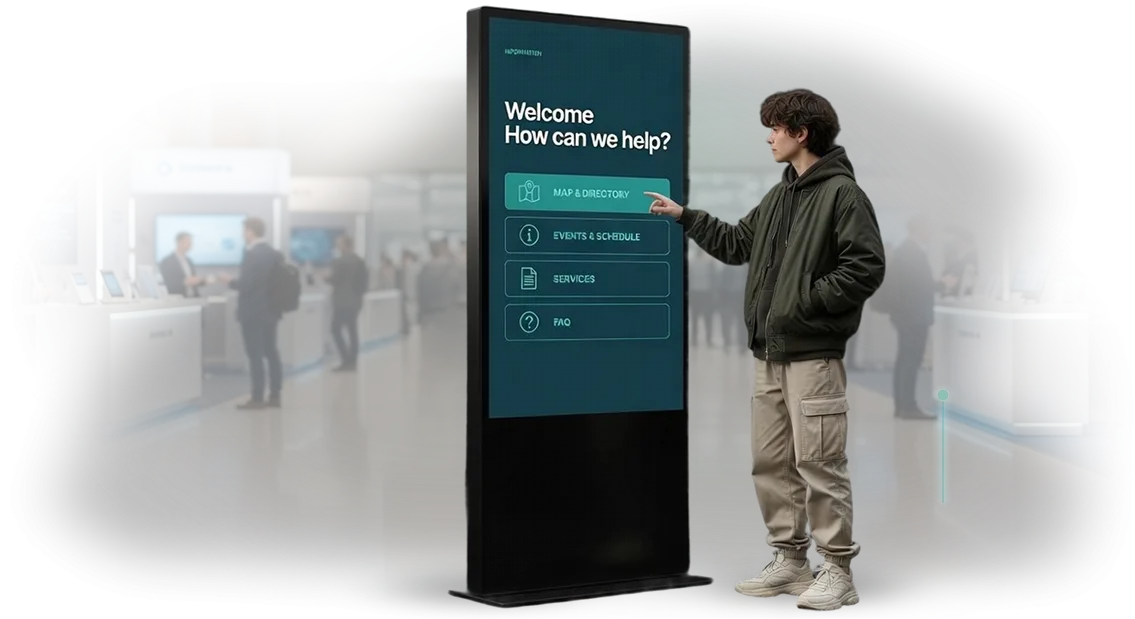
קיוסק תיירות אינטראקטיבי פותר את הבעיה הזו—הוא נותן למבקרים גישה מיידית לטיולים עדכניים, מחירים, מדינות ודרישות ויזה. המבקר מוצא את המידע הדרוש תוך שתיים או שלוש דקות, ללא מעורבות צוות.
המנהלים מתפנים לייעוץ משמעותי ולעבודה עם אלה שכבר מוכנים לבחור טיול. בניגוד לקיוסק מידע מיושן, מכשיר מודרני הוא לא רק מסך, אלא נווט מלא דרך שירותי הסוכנות.
אנחנו מפתחים קיוסקים אינטראקטיביים המשולבים במערכת ההזמנות ובמאגר הטיולים. הממשק כל כך פשוט שגם צעירים וגם מבוגרים משתמשים בו בקלות.
כתוצאה מכך, מבקרים נשארים במשרד זמן רב יותר, מוכנים יותר לחקור מבצעים מיוחדים, ולעתים קרובות יותר חוזרים עם פתרון מוכן. המגע הראשון מפסיק להפחיד אנשים ומתחיל למכור.
מה משתנה בתפעול המשרד לאחר התקנת קיוסק אינטראקטיבי
לאחר התקנת קיוסק אינטראקטיבי בסוכנות נסיעות, לא רק המראה של המשרד משתנה—תהליך העבודה עצמו משתנה. חמישה שיפורים מרכזיים מורגשים גם על ידי לקוחות וגם על ידי מנהלים מהיום הראשון.
מהירות השירות. תייר צריך רק לבחור יעד ותאריכים על המסך כדי לקבל מבחר של טיולים עדכניים תוך כמה דקות. היועץ נכנס לתמונה רק כשהלקוח מוכן לבחור, כך שכל פגישה מהירה ויעילה יותר. התור מתקדם מהר יותר באופן ניכר, והמנהלים מצליחים לשרת יותר מבקרים במשמרת.
הרושם של המבקרים. קיוסק מודרני נראה כמו אלמנט של שירות פרימיום: הוא מראה מיד שהסוכנות עומדת בקצב הציפיות של הנוסעים. האורחים מוכנים יותר לשתף את התרשמותם ברשתות החברתיות ולחזור לטיולים חדשים.
לפי הניסיון של הלקוחות שלנו, לאחר התקנת קיוסקים, התנועה במשרד גדלה—אנשים מגיעים במיוחד כדי לראות את התכונה החדשה ולתכנן את החופשה שלהם באותו זמן.
גידול בערך ההזמנה הממוצע. הקיוסק מציע שירותים נוספים: ביטוח, הסעות, אטרקציות, מלונות. האפשרויות האלה גלויות למבקר לפני השיחה עם מנהל, כך שמכירות של מוצרים נלווים גדלות ללא מאמץ נוסף מצד הצוות.
בממוצע, לקוחות מוסיפים שניים או שלושה שירותים נוספים לטיול, מה שמגדיל את ההכנסה לכל פנייה.
הקלה בעומס על המנהלים. הקיוסק מטפל בשאלות שגרתיות—"מה מזג האוויר במלדיביים", "מה כלול בטיול", "האם יש מקומות לתאריכים האלה". ליועצים יש יותר זמן לבקשות אישיות מורכבות ולסגירת עסקאות.
העובדים מפסיקים להיות מוסחים על ידי חיפוש מידע עזר ויכולים להתמקד באלה שמוכנים להזמין.
גישה אישית. הקיוסק זוכר את העדפות הלקוח ומאפשר בניית מבחר על סמך טיולים קודמים. זה הופך כל אינטראקציה לאישית, ואת הסוכנות למקום שאנשים רוצים לחזור אליו.
הנוסעים מרגישים שמטפלים בהם, ולקוחות אסירי תודה ממליצים על הסוכנות לחברים וחוזרים לטיול הבא שלהם.
פורמטים של קיוסקים אינטראקטיביים לסוכנות נסיעות
לקוחות של סוכנות נסיעות מגיעים לעתים קרובות עם השאלה "מה לראות?", אבל המנהלים עסוקים במשא ומתן. קיוסק אינטראקטיבי מסיר את העומס הזה: אדם חוקר יעדים באופן עצמאי, בוחר טיול ומשאיר בקשה. העיקר הוא לבחור פורמט שמתאים לחלל המשרד ולמשימות החברה.
שלושה פורמטים למשימות שלך
| פורמט | היכן הוא עובד הכי טוב | מה הוא נותן לסוכנות |
|---|---|---|
| קיוסק עומד | משרד מרווח, אזור המתנה, אזור כניסה | לקוחות חוקרים טיולים באופן עצמאי בזמן שהמנהל עסוק—הבקשות גדלות, ותור המבקרים לא גדל |
| קיוסק צמוד קיר | משרד קטן, דלפק קבלה, חלון ראווה ליד הכניסה | תופס מקום מינימלי, תמיד באופק, מציג במהירות מבחר טיולים ומבצעים חמים |
| קיוסק נייד | תערוכות, פורומים, מבצעים בקניונים, מצגות בשטח | מושך תשומת לב לדוכן, עובד ללא התקנה ארוכה, ואוסף פרטי קשר של תיירים פוטנציאליים בכל מקום |
איזה פורמט לבחור תלוי בתרחיש. אם המשרד מאפשר, קיוסק עומד מספק השפעה ויזואלית מקסימלית ונראה כבר מהכניסה. אפשרות צמודת קיר מתאימה למקומות קומפקטיים שבהם כל מטר מרובע חשוב.
קיוסק נייד הוא אופטימלי עבור סוכנויות נסיעות שמשתתפות בקביעות בתערוכות ובאירועים מחוץ למשרד.
אנחנו לא רק מתקינים קיוסק; אנחנו בוחרים את הפורמט למשימות ולחלל שלך. אנחנו ממלאים אותו בפונקציונליות הנדרשת: קטלוג טיולים, בחירה לפי פרמטרים, טופס בקשה, הצגת תמונות וסרטונים של יעדים.
כתוצאה מכך, הלקוח מקבל כלי ברור, והסוכנות מקבלת יותר בקשות ללא הרחבת צוות המנהלים.
איך אנחנו מפתחים קיוסק אינטראקטיבי: שלבי הפרויקט
עבור סוכנות נסיעות, קיוסק אינטראקטיבי הוא עובד שתמיד שמח לראות אורח: מציע יעד, מראה מלון, עוזר להזמין אטרקציה. כדי להבטיח שהקיוסק באמת מספק ערך, מבננו את תהליך הפיתוח לשבעה שלבים ברורים. אתה משתתף בכל החלטה חשובה ושולט בלוחות הזמנים.
- בריף ואנליטיקה — אנו מתעדים את משימות הקיוסק, חוקרים את זרמי המבקרים ומגדירים תרחישים מרכזיים: חיפוש טיולים, בחירת מלון, אנשי קשר, מבצעים מיוחדים.
- אב טיפוס — אנו מציירים את מבנה המסך ואת לוגיקת הניווט. בשלב זה אתה רואה את הניווט ומאשר כיצד מבקרים יעברו בין המדורים.
- עיצוב — אנו יוצרים ויזואליה בסגנון הסוכנות שלך, כפתורים גדולים וגופנים נוחים למסך המגע.
- תכנות — אנו מפתחים מערכת ניהול תוכן ומגדירים עדכונים לטיולים, מחירים ומבצעים ללא מעורבות מתכנת.
- בדיקות — אנו מוודאים ביצועים בתרחישים אמיתיים: עמידות להקשות, זמן סרק ארוך, תקינות כל הקישורים והחיפוש.
- התקנה והשקה — אנו מגדירים את הציוד, מתקינים את הקיוסק במיקום הנכון, מאמנים את המנהלים שלך ומספקים הוראות.
- תמיכה — לאחר ההשקה, אנו נשארים בקשר: מעדכנים תוכן מרחוק, מתאימים מדורים ומוסיפים תכונות חדשות ככל שהסוכנות גדלה.
זמן הפיתוח האופייני הוא בין שבועיים לחמישה שבועות, תלוי במספר המדורים ובאינטגרציות עם מאגר הטיולים שלך. אתה מקבל קיוסק מוכן שעובד ללא תקלות ומושך את תשומת הלב של הלקוחות.
מה כלול במסירת קיוסק אינטראקטיבי למשרד
כשסוכנות נסיעות מזמינה קיוסק אינטראקטיבי, חשוב לקבל פתרון סוהר, לא סט של חלקים שצריך להרכיב ולתאם באופן עצמאי. אנחנו מטפלים בכל המסע: תצורת קיוסק, התקנה, השקה ותמיכה שוטפת.
מסירת קיוסק המידע שלנו הוכחה בעשרות משרדים—לא תצטרך להתמודד עם הפרטים הטכניים.
- לוח מגע ומעטפת — ציוד עמיד לעבודה במשרד כל היום ללא התחממות יתר או עיכובים.
- תוכנה — מערכת עם הטיולים, היעדים והמחירים שלך; התוכן מתעדכן דרך פאנל ניהול פשוט ללא סיוע מפתח.
- עיצוב גרפי — עיצוב קיוסק בזהות המותג של הסוכנות כך שהמכשיר ייראה כמו הרחבה של המותג שלך.
- התקנה והפעלה — אנו שולחים, מתקינים, מחברים ובודקים את כל תרחישי התפעול בעצמנו.
- הוראות והדרכת צוות — אנו מראים למנהלים כיצד להוסיף מבצעים, לשנות מחירים ולייצא בקשות מהקיוסק.
- תמיכה באחריות — תחזוקה לאורך כל חיי השירות: החלפת רכיבים ועדכוני תוכנה ללא השבתה ממושכת.
כך, המשרד שלך מקבל כלי מכירות מוכן, לא "ערכת הרכבה עצמית". צוות התמיכה נשאר בקשר ועוזר כשעולות שאלות על פורמטים חדשים או תוכן.
מקרה בוחן: איך קיוסק אינטראקטיבי הכפיל את מספר הבקשות
אחד הפרויקטים שלנו היה פיתוח תוכנה לקיוסק אינטראקטיבי ברשת סוכנויות נסיעות.
הלקוח הגיע עם נקודת כאב אופיינית: בעונה, המשרדים מוצפים, תיירים מתעייפים מלחכות בדלפק, ומנהלים מבזבזים 20 דקות על אותן שאלות על מדינות, ויזות ומסמכים.
הצוות שלנו הציע לפתור זאת עם קיוסק המכיל מאגר טיולים, חוקי ויזה ובחירת יעדים. האורח חוקר אפשרויות באופן עצמאי, משווה מחירים ומקבל כרטיס עם הצעות מתאימות.
כשמגיע תורו, הוא כבר יודע מה הוא רוצה—הדיאלוג עם המנהל הופך קצר ויעיל יותר.
ההשפעה הופיעה כבר בחודש הראשון. מספר הבקשות גדל פי 2.3: חלק מהלקוחות מגישים את הבקשה שלהם ישירות דרך הקיוסק, אחרים מגיעים לדלפק עם בקשה מוכנה.
במקביל, החשבון הממוצע נשאר, וזמן הייעוץ נחתך בחצי—המנהלים הפסיקו לשמש כשירות מידע והתמקדו במכירות.
אחרי חודש וחצי, הסוכנות הזמינה קיוסק למשרד שני: הפתרון מתקנה בקלות ואינו דורש עבודה חוזרת. אנחנו ממשיכים לתמוך בפרויקט—מעדכנים מאגרי יעדים, מוסיפים מידע על ויזות ומבצעים ומנטרים יציבות.
עבור הלקוח, זה אומר שההשקעה עובדת כל יום במקום להפוך ל"פיסת חומרה בפינה".
אלה סוגי מקרי הבוחן שאנחנו משתמשים בהם כבסיס כשאנחנו מציעים קיוסק לתעשיית התיירות. מה שחשוב הוא לא המסך או המעטפת, אלא התוצאה: יותר בקשות, עובדים מרוצים, וללא כאוס בימי שיא.
איזה פורמט קיוסק מתאים למשרד שלך?
התשובה תלויה לא באופנה, אלא בשלושה גורמים מעשיים: שטח המשרד, תנועת רגלית והמשימות שהקיוסק צריך לפתור. עבור סוכנות אחת, דוכן קומפקטי עם קטלוג טיולים מספיק; אחרת צריכה פאנל מלא עם הזמנה עצמית ותשלום.
במשרד קטן, קיוסק צמוד קיר או קיוסק עומד קומפקטי עובד הכי טוב. הוא תופס פחות מקום מיועץ נוסף, ובמקביל מציג יעדים עדכניים, מבצעים חמים ותמונות מלונות כל היום.
המבקר חוקר אפשרויות בזמן שהוא ממתין לתשובת המנהל—והעובדים לא חוזרים על אותו מידע עשר פעמים.
אם תנועת הרגל גבוהה—סוכנות נסיעות בקניון או ברחוב סואן—כדאי לשקול פאנל אינטראקטיבי רחב. כמה אורחים יכולים לעיין בקטלוג בו זמנית, להשוות מחירי אתרי נופש ולחקור מבצעים מיוחדים.
קיוסק משרדי כזה מקל על המנהלים: הם מתמקדים במכירות והזמנות במקום לענות על שאלות פשוטות.
העיקר הוא להגדיר את המשימות. קטלוג מגע מכסה רק הצגת טיולים; קביעת ייעוץ וקבלת תשלומים דורשים פתרון פונקציונלי יותר.
אנחנו נייעץ בכנות איזו סט תכונות ישתלם במיקום הספציפי שלך ונציע שניים או שלושה פורמטים לתקציב שלך.
כדי שבחירת הקיוסק תיקח יום אחד במקום שבוע, שלח לנו את שטח הרצפה, הפריסה ומספר המבקרים האופייני. תוך כמה שעות, נכין אפשרויות עם מיקום והמלצות.
זו לא מכירה של "קופסה" אלא ייעוץ קיוסק המבוסס על המדדים האמיתיים של סוכנות הנסיעות שלך.
שאלות נפוצות על פיתוח קיוסקים אינטראקטיביים
לקוחות חוששים לעתים קרובות שהקיוסק ידרוש תחזוקה מורכבת או ייכשל ברגע הגרוע ביותר. אנו עונים על השאלות המרכזיות—כדי שתדעו מראש כיצד אנו מפחיתים סיכונים אלה.
מה קורה אם הקיוסק מתקלקל במהלך הפעילות?
אנו מספקים אחריות על ציוד ועבודה, ובמקרים קריטיים, אנו מבצעים אבחון ותיקון מיידי. אם מתרחשת תקלה, אתה לא נשאר לבד עם הבעיה: מהנדס זמין כדי לעזור להחזיר את הפעילות במהירות האפשרית.
באיזו תדירות אני צריך לעדכן מידע על הקיוסק?
עדכון תוכן לוקח למנהל שלך כמה דקות דרך ממשק ידידותי, ללא מתכנת. אתה יכול לשנות מבצעים, יעדים, שעות עבודה או להוסיף תמונות בעצמך בכל עת.
אנחנו יכולים גם להגדיר סנכרון אוטומטי אם המידע באתר ובקיוסק צריך להתאים.
עד כמה הקיוסק עמיד לוונדליזם?
אנו משתמשים במעטפות עמידות ובמסכים מוגנים המיועדים לשימוש אינטנסיבי באזורים עם תנועה גבוהה. ציפוי עמיד לוונדליזם והגנה מפני תנודות חשמל מפחיתים את הסיכון לתקלות, כך שהקיוסק עובד ביציבות גם תחת מגע מתמיד ושינויי טמפרטורה.
מי מטפל בתחזוקה ותמיכה?
אנחנו נשארים בקשר לאחר ההשקה: אנו עוזרים בעדכונים, מייעצים לעובדים ומבקרים באתר במידת הצורך. עבור סוכנות נסיעות, זה אומר טרחה מינימלית ושקט נפשי מקסימלי, בזמן שהקיוסק ממשיך לספק ערך כל יום.
הזמינו פיתוח קיוסק אינטראקטיבי למשרד שלכם
אתה רוצה שהלקוח יחקור את ההצעה בעצמו בלי להבין פרטים טכניים. לכן, לאחר הבקשה שלך, אנו מבנים את העבודה כך שתוכל לראות כיצד הפרויקט מתקדם ומה אתה מקבל בכל שלב.
הכל מתחיל בשיחה קצרה, ותוך יומיים יש לך משהו קונקרטי: אב טיפוס, עלות ותוכנית פעולה.
מה אתה מקבל לאחר הגשת בקשה
- שיחה לבריף — אנו דנים כיצד הקיוסק ישתלב במשרד שלך: אילו שירותים ויעדים הוא יציג לתיירים, היכן נתקין את הדוכן ואיזה זרם מבקרים צפוי.
- חישוב עלות פיתוח — אתה מבין מיד את התקציב, במקום לקבל "הצעת מחיר בטלפון". אנו לוקחים בחשבון פונקציונליות, עיצוב ולוחות זמנים.
- אב טיפוס והצעה מסחרית תוך יומיים — אתה רואה איך המסך ייראה ואילו מדורים יהיו זמינים ללקוחות שלך.
- אישור והשקה — לאחר ה"כן" שלך, אנו נועלים את תוכנית העבודה, לוחות הזמנים ומתחילים בהרכבת הפתרון.
- בדיקות והדרכה — אנו בודקים תרחישים על משימות אמיתיות: חיפוש טיולים, בחירת מלון, אנשי קשר במשרד. אנו מראים לעובדים שלך כיצד לנהל תוכן.
- תמיכה לאחר ההשקה — אנו נשארים בקשר כדי לעדכן הצעות, להוסיף מבצעים או לשנות תפריט ללא עצירת הקיוסק.
הזמנת פיתוח קיוסק פירושה קבלת תהליך שקוף שבו אתה שולט בכל שלב. אתה לא מחכה שבועות לתשובה ולא משלם יותר מדי עבור "שיפורים פנטומים". עלות הפיתוח ידועה מראש וקשורה למשימות שלך, לא למשאלות מופשטות.
כדי לחשב את הפרויקט עבור סוכנות הנסיעות שלך, השאר בקשה באתר. נתקשר אליך בחזרה, נברר את הפרטים, ותוך יומיים נשלח אב טיפוס והצעה מסחרית—כל מה שנשאר הוא לקבל החלטה.