

למה המבקרים משתעממים בגן החיות שלכם?
המבקרים מגיעים לגן החיות בשביל חוויות, אבל אחרי חצי שעה רובם מתחילים להשתעמם. מבוגרים גוללים בטלפונים שלהם, ילדים מושכים בידיהם של ההורים, ומוצגים יקרי ערך נעלמים מעיניהם.
השעמום של המבקרים פוגע ישירות בהכנסות שלכם: מבקר שלא מתחבר עוזב מוקדם יותר, מוציא פחות בבית הקפה ובחנויות המזכרות, והכי חשוב — לא חוזר ולא ממליץ על גן החיות לחברים.
הבעיה היא לא שהחיות לא מעניינות, אלא איך המידע מוצג. שלטים זהים עם טקסט יבש, סיורים ארוכים מדי, וחוסר אינטראקטיביות לא מאפשרים למבקרים להרגיש שותפים לחוויה.
אנשים מאבדים במהירות את הריכוז, ואפילו אוסף חיות ייחודי הופך לרקע לסלפי במקום לסיבה להתעכב ולחקור את המוצג לעומק.
התוצאה: גן החיות מקבל מבקרים מאוכזבים והכנסות שאבדו. אנשים לא קונים שירותים נוספים, לא נשארים למופעים, ולא חוזרים לביקורים חוזרים.
המלצות מפה לאוזן עובדות נגדכם: מבקר משועמם אחד מספר לעשרות מכרים, וגיוס מבקר חדש עולה פי כמה וכמה יותר מאשר לשמר מבקר קיים.
הפתרון הוא קיוסק אינטראקטיבי לגן החיות שהופך טיול למסע מרתק. מסכי מגע בהירים עם משחקים, חידונים וסיפורים על חיות מאפשרים למבקרים לבחור את המסלול שלהם, ללמוד עובדות ולזכות בפרסים.
זה מגדיל את זמן השהייה, מחזק את מעורבות המבקרים, ויוצר רושם רגשי חיובי שמניע אנשים לחזור.
אנחנו מפתחים פתרונות כאלה כבר שנים ויודעים להפוך טיול משעמם לאירוע שמדברים עליו. קיוסקים אינטראקטיביים עוזרים לגני חיות לצמוח במדדים מרכזיים: עלייה במספר המבקרים, הגדלת ההוצאה הממוצעת, וזרם קבוע של ביקורות חיוביות.
המפתח הוא להפוך אותם לחלק מהתכנית הכוללת של הסיור — ואז המבקרים לא רק מסתכלים על חיות, הם חווים את הסיפור של הפארק. זה בדיוק מה שאנחנו עושים.
אילו יתרונות יביא קיוסק אינטראקטיבי?
קיוסק אינטראקטיבי הוא לא רק עמדת מידע — הוא כלי מלא שמשנה את התנהגות המבקרים. במקום להסתכל סביב באופן פסיבי, המבקרים נמשכים למשחק, חקר או חידון, ובלי לשים לב, מבלים 20–30 דקות נוספות בגן החיות.
כל שעה נוספת של שהייה היא הזדמנות למכור כרטיס למופע, חטיף בבית הקפה או מזכרת לילד.
העניין הגובר משפיע ישירות על ההכנסות. כשהקיוסק מציג חיה כמשימה או כתמונה "חיה", המבקרים מוכנים יותר להגיע למתחמים, להשתתף בהאכלות ולקנות סיורים.
חלק מגני החיות משתמשים בקיוסקים כדי למכור תוספות בתשלום — למשל, "טיול וירטואלי בגן הלילה" או תמונה עם חיה נדירה. זה עובד כמו קופה נוספת בלי לדרוש עוד צוות.
הגברת הנאמנות היא סיפור נפרד. אחרי חוויה אינטראקטיבית חיה, המבקרים נוטים יותר לחזור ולהביא חברים, כי מה שנשאר בזיכרון שלהם הוא לא שלט תיאורי אלא החוויה האישית שלהם.
קיוסק עם מכניקה חכמה אוסף פרטי קשר של מבקרים, מזמין אותם לאירועים חדשים, ומברך אותם בימי הולדת — והופך מבקרים חד-פעמיים לקהל קבוע.
בנוסף, הקיוסק מפחית את העומס על הצוות: שאלות טיפוסיות כמו "איפה השירותים" או "מתי שעת ההאכלה" נענות בלי עובדים, שיכולים אז להתמקד בשירות ובטיפול בחיות.
מפה אינטראקטיבית עוזרת לנהל את זרימת המבקרים כך שמתחמים פופולריים לא יהיו צפופים מדי בשעות השיא.
התוצאה: גן החיות לא מקבל רק חומרה — הוא מקבל צמיחה מקיפה במדדים מרכזיים: מעורבות גבוהה יותר, ביקורים ארוכים יותר, הוצאה גבוהה יותר בשטח, וקשר רגשי חזק יותר עם המותג.
על ידי התאמת הקיוסק למטרות שלכם, אתם הופכים כל מבקר למבקר פעיל ונאמן יותר — וזה מחזיר את ההשקעה כבר בעונה הראשונה.
פורמטים של קיוסק אינטראקטיבי למשימות שונות
בחירת פורמט הקיוסק משפיעה ישירות על האופן שבו המבקרים מתקשרים עם המידע ועל היעילות של ניצול החלל באזור. עמדה נייחת, שולחן מגע או יחידה ניידת פותרים משימות שונות: מניווט בגן החיות ועד בידור וחינוך. להלן השוואה בין הפורמטים כדי שתוכלו לבחור את הפתרון המתאים לתרחיש שלכם.
| פורמט | אילו משימות הוא פותר | מה הוא נותן ללקוח |
|---|---|---|
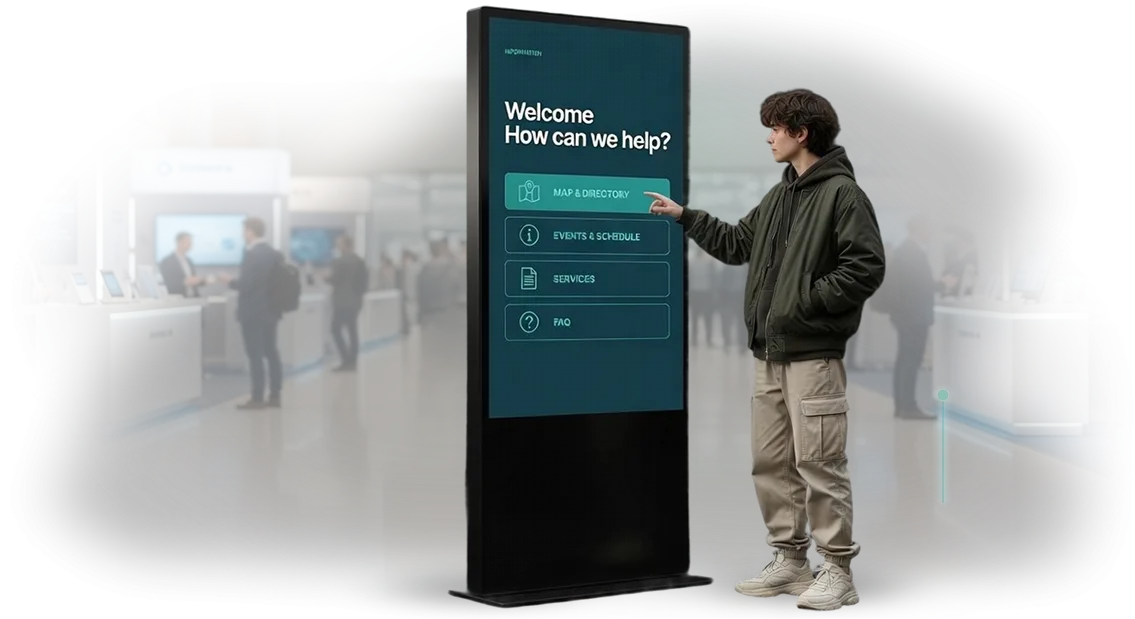
| קיוסק נייח | ניווט, לוח זמנים של מופעים, איתור חיות במפה | מקל על דלפק המידע, מזרז את התמצאות המבקרים, מפחית את עומס העבודה של הצוות |
| שולחן מגע | למידה, משחקים אינטראקטיביים, חקר אנציקלופדיית החיות | מערב משפחות עם ילדים, יוצר מעורבות רגשית, מגדיל את זמן השהייה באזור |
| קיוסק נייד | תערוכות זמניות, אירועים, ימי הולדת, פעילויות עונתיות | גמישות: קל להזיז, להשתמש בחלקים שונים של הפארק ובאירועים ללא השקעות הון |
איך לבחור את הפורמט הנכון
אם המטרה העיקרית שלכם היא לנהל את זרימת המבקרים ולעזור לאורחים למצוא במהירות את הביתן הנכון, בחרו בקיוסקים נייחים בכניסות ובצמתי מסלול. הם עובדים כל השנה ולא דורשים מעורבות של צוות.
למטרות חינוכיות ובידוריות, שולחן מגע הופך למוקד משיכה: כמה אנשים יכולים לתקשר איתו בו זמנית, ופורמט משחקי נזכר טוב יותר מעמדת טקסט.
קיוסק נייד הוא פתרון לאירועים כשצריך להקים במהירות נקודת מידע או פעילות בלי להיות קשורים לרשתות חשמל או לעיצוב הפנים. אפשר להשתמש בו בקלות בחגיגות ובמהלך עונת הקיץ, ולהזיז אותו ברחבי שטח גן החיות.
בכל מקרה, אנחנו מתאימים את התוכן והממשק לתרחיש הספציפי שלכם — ממפה פשוטה ועד תכנית מולטימדיה מלאה.
שלבי פיתוח הקיוסק: מהרעיון ועד ההשקה
פיתוח קיוסק לגן חיות הוא לא קנייה של קופסה עם מסך — זה תהליך מובנה. אנחנו מלווים את הפרויקט מהבריף ועד ההשקה ומעבר לכך — אתם מקבלים כלי עובד בלי טרחה טכנית.
- בריף וניתוח משימה. אנחנו לומדים מה אתם רוצים להעביר למבקרים: מפה, לוח זמנים של מופעים, עובדות מעניינות על חיות. אנחנו מגדירים מטרות, קהל ותרחישים.
- קונספט ותרחיש. אנחנו מפתחים את מבנה התפריט, הטקסטים והסגנון החזותי כדי להתאים לתערוכה שלכם. אנחנו מראים איך מבקר ישתמש בקיוסק ומיישרים את ההיגיון לפני הייצור.
- אישור הפרויקט. אנחנו קובעים את היקף העבודה ולוחות הזמנים. אתם מקבלים תכנית שקופה עם נקודות ביקורת וללא שלבים נסתרים.
- ייצור וניפוי באגים. אנחנו בונים את הממשק, טוענים את התוכן ובודקים תרחישים. אנחנו בודקים עמידות לעומס כך שהקיוסק יפעל בצורה אמינה בשעות השיא.
- התקנה והשקה. אנחנו מספקים, מתקינים ומגדירים את הציוד באתר שלכם. אנחנו מאמנים את הצוות, מבצעים בדיקות אחרונות ומשיקים את הפתרון.
- תמיכה בקיוסק. אחרי ההשקה, אנחנו נשארים בקשר: מעדכנים תוכן, מייעצים לצוות ומתקנים כל תקלה. אתם מקבלים עזרה מהירה בלי צורך להיכנס לפרטים.
גישה זו עוזרת לחזות את התוצאה ולעמוד בלוחות הזמנים. אתם שולטים בכל שלב פיתוח, והשקת הקיוסק עוברת חלק עבור הצוות שלכם.
מה כלול במשלוח: ערכה מלאה לתערוכה שלכם
אתם מקבלים לא רק קיוסק אלא נקודת מעורבות מבקרים מוכנה. הכל כבר מוגדר, נבדק ומוכן לעבודה ביום ההתקנה.
אתם לא צריכים לחפש קבלנים נפרדים ולתאם ביניהם — אנחנו מטפלים בכל השלבים, מבחירת הציוד ועד הכשרת הצוות.
חבילת המשלוח הסטנדרטית כוללת את כל מה שצריך כדי להשיק את התערוכה שלכם:
- חומרת קיוסק — מתחם מסך מגע עם מבנה עמיד לוונדליזם, הגנה מאבק ולחות. מתאים לשימוש חיצוני ופנימי, בנוי לעמוד בעומס מבקרים כבד.
- תוכנה — ממשק עם מפה, תיאורי חיות, מצב מציאות רבודה ומולטימדיה. ניהול תוכן לא דורש מתכנת.
- תוכן אינטראקטיבי — חומר לתערוכה: תמונות, סרטונים, טקסטים, קולות חיות, חידונים. ניתן להתאמה לאוסף שלכם.
- התקנת קיוסק והפעלה — משלוח, התקנה, חיבור ותצורה באתר. אנחנו בודקים הכל יחד עם הצוות שלכם.
- הוראות והדרכה — מדריכים ברורים לצוות: איך להפעיל, לאתחל ולשנות תוכן. הכשרת צוות תוך 30 דקות.
- אחריות ותמיכה — אחריות רשמית על הציוד והעבודה, plus קו חם לפתרון מהיר של תקלות.
חבילה זו חוסכת זמן לצוות שלכם ומבטלת הפתעות בהשקה. אתם יודעים מראש מה אתם מקבלים ויכולים לתכנן את הפתיחה או השיפוץ של התערוכה בלי סיכון.
מקרה בוחן: איך קיוסק אינטראקטיבי החיה את התערוכה
איך האינטראקטיביות שינתה את התנהגות המבקרים
כששלטי תיאור החיות כבר לא תופסים את תשומת הלב, התערוכה מאבדת את מטרתה. בגן חיות אחד, המבקרים חלפו על פני המתחמים תוך 20 דקות בלי ללמוד שום דבר מעניין. הצענו להפוך את עמדות המידע לחלק חי מהתערוכה.
במקום עמדות סטטיות, הופיע קיוסק אינטראקטיבי: המבקרים יכלו לענות על שאלות על חיות, לצפות בעובדות מהירות ולהשתתף בחידון. הפורמט הוכיח את עצמו כמרתק עד כדי כך שמשפחות שלמות התאספו סביב הקיוסק.
הורים התחרו בילדים שלהם, והתוכן עודכן כל הזמן בלי להיות קשור לשלטים מודפסים.
התוצאות עלו על הציפיות: העניין של המבקרים בתערוכה גדל ב-40%, וזמן השהייה הממוצע בגן החיות גדל ב-15 דקות. המבקרים היו מוכנים יותר לחזור — הביקורים החוזרים גדלו ברבע.
עבור Safari Park Zoo, זה אומר לא רק מבקרים מרוצים אלא גם הכנסות נוספות מבית הקפה ומחנויות המזכרות.
מקרה זה מאשר: אפילו אלמנט אינטראקטיבי אחד ממוקם היטב יכול להחיות אזור שלם. אם התערוכה שלכם מרגישה סטטית, אולי זה בדיוק מה שחסר לה. אנחנו מוכנים להתאים את הניסיון הזה לאתר שלכם — מפיתוח תוכן ועד השקה מלאה.
שאלות נפוצות על קיוסקים
כשמדובר בקיוסקים אינטראקטיביים לגני חיות, הלקוחות נוטים לשאול את אותן שאלות. אספנו את הנפוצות ביותר ועונים בכנות — במונחים של התועלת שלכם, בלי פרטים טכניים.
להלן תשובות לארבעה חששות עיקריים: קלות השימוש למבקרים, אמינות הקיוסק, החזר ההשקעה ובטיחות הציוד. אם לא ראיתם את השאלה שלכם כאן, כתבו לנו — נדון בתרחיש שלכם אישית.
האם הקיוסק קל לשימוש למבקרים?
הממשק בנוי סביב ההיגיון של המבקר: כפתורים גדולים, אייקונים ברורים והנחיות בכל שלב. המבקרים לא קוראים הוראות — הם פשוט נוגעים במסך ומקבלים את המידע שהם צריכים תוך כמה שניות.
הקיוסק מיועד לכל הגילאים, מילדים ועד מבוגרים. אנחנו בודקים תרחישים עם קהלים אמיתיים, כך שאנחנו מבטלים בלבול בתפריט לפני ההשקה.
עד כמה הקיוסק אמין ומה קורה אם הוא מתקלקל?
הציוד פועל 24/7, כפי שנדרש בשטחי פארק. אנחנו בונים מרווח ביטחון לעומס וטמפרטורה, כמו גם הגנה מאבק ולחות.
אם מתרחשת תקלה, הקיוסק לא פשוט קופא בשקט: המערכת מאתחלת את הסשן בעצמה או מציגה הודעת שירות. אתם מקבלים לוח מחוונים לניטור ויכולים לאתחל את היחידה מרחוק או לעדכן תוכן — בלי שמהנדס יגיע לאתר שלכם.
כמה מהר הקיוסק יחזיר את ההשקעה?
החזר ההשקעה לא נמדד בימים אלא בצמיחה במעורבות ובנוכחות. מפות ותרחישים אינטראקטיביים שומרים על מבקרים 10–15 דקות יותר, מה שאומר יותר זמן לעצור בבית הקפה, בחנויות המזכרות ובמתחמים נוספים.
יש גם תועלת נוספת — חיסכון בצוות: הקיוסק מטפל בחלק מהשאלות והפניות הטיפוסיות, ומשחרר עובדים לאינטראקציה חיה עם המבקרים.
האם הציוד בטוח לילדים ולבעלי חיים?
החומרים של המתחם והמסך נבחרו תוך התחשבות בשימוש כבד ובתנאי מזג אוויר. אנחנו נמנעים מפינות חדות וחלקים שניתנים להסרה בקלות, והרכיבים החשמליים מבודדים לחלוטין ומוגנים ממגע מקרי.
לגן חיות, גם בטיחות בעלי החיים חשובה: הקיוסק לא משמיע קולות פתאומיים, אין לו ריח, והוא לא מתחמם מעל טמפרטורה נוחה. הוא משתלב בשקט בסביבה ולא גורם לחץ לבעלי החיים.
איך לבחור פורמט קיוסק לגן החיות שלכם?
בחירת קיוסק לגן חיות בדרך כלל מסתכמת בשלוש שאלות: כמה מקום אתם מוכנים להקצות, איזה תקציב קיוסק הגדרתם, ואילו משימות הוא צריך לפתור.
התשובות קובעות את הפורמט — מעמדה קומפקטית בכניסה ועד ביתן בגודל מלא עם מסך מגע במרכז התערוכה.
אם המקום מוגבל, יחידות צרות עומדות או צמודות קיר הן אופטימליות. הן תופסות פחות ממטר רבוע, לא חוסמות את זרימת המבקרים, ועדיין מתמודדות מצוין עם ניווט או דף מידע מהיר על חיה.
כשיש אזור פנוי — למשל, ליד מתחם או בלובי — כדאי לשקול קיוסקים גדולים יותר עם מסך גדול יותר. פורמט זה מאפשר להציג סרטונים על חיות, מפת מסלול, ואפילו להפעיל משחק מיני לילדים.
תקציב הקיוסק קובע לא רק את הגודל אלא גם את מורכבות הממשק, מהירות ההשקה וקלות עדכוני התוכן. לתקציב מוגבל, פתרונות סטנדרטיים עם סט מוכח של תכונות עובדים היטב.
אם התקציב מאפשר, אפשר ללכת על עיצוב מותאם אישית ותכנית מורחבת — למשל, עם לוחות זמנים של האכלות וחידונים. המפתח הוא לא לשלם יותר מדי על תוספות: אנחנו תמיד ממליצים על הפורמט שמכסה בדיוק את המשימות שלכם.
כשבוחרים פורמט למשימה שלכם, חשוב לחשוב על תרחיש התנהגות המבקרים. בכניסה, המבקרים צריכים מפה ושעות פתיחה. באזור נושאי — עובדות מעניינות על חיות. בפינת הילדים — אינטראקטיביות וגרפיקה בהירה.
אותו קיוסק יכול לשלב כמה תרחישים, אבל אם המשימות שונות מאוד, עדיף להתקין שתי יחידות קומפקטיות מאשר אחת יקרה ועמוסה מדי.
אנחנו עוזרים לכם להתמצא בהתחלה: אנחנו מעריכים את החלל, מבהירים את המטרות שלכם ומייעצים היכן קיוסק ישתלם בתשומת לב של מבקרים והיכן הוא יהיה מיותר.
בסופו של דבר, אתם מקבלים פורמט שמתאים לחלל, תואם לתקציב ופותר את המשימות הספציפיות של גן החיות שלכם — בלי ניסוי וטעייה.
שלחו בקשה לפיתוח קיוסק אינטראקטיבי
ספרו לנו איזה קיוסק גן החיות שלכם צריך — נייעץ לכם איך להשתמש בו כדי לשפר את הניווט, להפחית תורים בקופות ולהגדיל את העניין בתערוכות שלכם.
שליחת בקשה אורכת כמה דקות, ובתמורה תקבלו ייעוץ, הערכת עלות ותכנית ראשונית — כל מה שצריך כדי לקבל החלטה בלי אישורים נוספים.
מה התהליך כולל:
- אתם שולחים בקשת קיוסק — מתארים בקצרה את המשימות, האתר והתכונות הרצויות.
- אנחנו עורכים ייעוץ: מבהירים מטרות, קהל יעד ותרחישי שימוש.
- אנחנו מכינים הערכת עלות שקופה המותאמת לתקציב שלכם — בלי עמלות נסתרות או אותיות קטנות.
- אנחנו מרכיבים תכנית ראשונית: שלבי פיתוח, לוחות זמנים, רשימת חומרים וגורמים אחראיים.
- אנחנו מסכמים על הפרטים ומשיקים את הפרויקט — מעיצוב אב טיפוס ועד התקנה והכשרת צוות.
- אחרי ההשקה, אנחנו נשארים בקשר: מעדכנים תוכן, מוסיפים מודולים חדשים ותומכים במערכת.
מלאו את הטופס באתר — נחזור אליכם תוך יום עסקים אחד עם רעיונות ראשוניים. נראה לכם דוגמאות של קיוסקים לגני חיות, נדריך אתכם על לוחות הזמנים ונעזור לכם לבחור פורמט שמשתלב באופן טבעי בתשתית הפארק שלכם. אין כאן התחייבות: ההחלטה נשארת בידכם.