

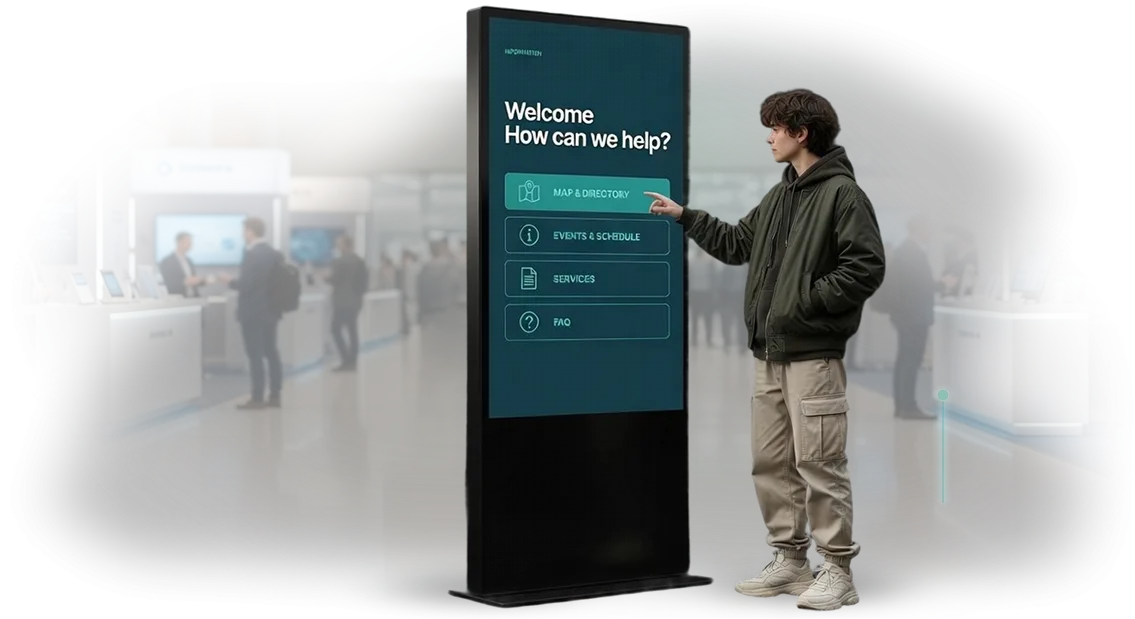
מדוע אורחים עוזבים את התור: clive booth reception פותרת את הבעיה
אורח שעומד בתור בדלפק הקבלה הוא אורח שאבד. ככל שתהליך הצ'ק-אין מתארך, כך עולה הסיכוי שהוא יפנה וילך למלון שממול או ישאיר ביקורת שלילית עוד לפני שנכנס לחדר. תורים במלון הם לא רק אי-נוחות אלא איום ישיר על הכנסות ומוניטין.
כל דקת המתנה שוחקת נאמנות. מטיילים רגילים למהירות: הם מזמינים באינטרנט בכמה קליקים ומצפים שהצ'ק-אין יהיה מהיר באותה מידה.
כשדלפק הקבלה הופך לצוואר בקבוק, גם האורחים וגם הצוות סובלים — פקידי הקבלה עובדים בעומס יתר, והאורחים החשובים ביותר עוזבים.
הפתרון הוא קיוסק קבלה שמטפל במשימות השגרתיות. דלפק צ'ק-אין עצמי מאפשר לאורח להשלים את שלב הרישום תוך דקה, בלי לחכות בתור. זה לא תחליף לצוות אלא דרך לשחרר אותם לטפל באורחים שזקוקים לסיוע.
כך בדיוק עובדת clive booth reception — הפיתוח שלנו שמשלב את הנוחות של שירות עצמי עם האמינות של ציוד מקצועי.
אורחים מבצעים צ'ק-אין בעצמם, מקבלים את המפתח והולכים לחדרם, בעוד פקיד הקבלה מתמקד באינטראקציה פנים-אל-פנים ובטיפול בבקשות חריגות. תורים במלון מפסיקים להיות בעיה אפילו בשעות הצ'ק-אין העמוסות.
התקנת קיוסק קבלה כזה היא צעד לעבר רמת שירות שאורחים זוכרים. הם חוזרים למקומות שבהם הם מרגישים מוערכים ומספרים לאחרים על החוויה.
אתה מקבל יותר אורחים מרוצים, דירוג גבוה יותר וצמיחה בהזמנות ישירות — בלי להרחיב את הצוות או לוותר על איכות.
האץ את הצ'ק-אין והגבר את נאמנות האורחים
זמן הצ'ק-אין הוא המגע הראשון של האורח עם המלון. תור ארוך בקבלה יוצר רושם שלילי עוד לפני שהאורח מגיע לחדרו.
דלפק הרישום העצמי Clive Booth Reception הופך את השלב הזה לטקס מהיר ונעים: אורחים בוחרים את החדר שלהם, משלמים ומקבלים את המפתח תוך דקות ספורות.
בדוק את היתרונות ששווים את תשומת לבך:
- מהירות צ'ק-אין — עד 70% מהאורחים מקבלים שירות ללא תור, ופקיד הקבלה לא מבזבז זמן על הזנת נתונים שגרתית.
- נאמנות אורחים — אורחים מעריכים עצמאות ותגובה מיידית; הזמנות חוזרות גדלות ב-10-20%.
- תדמית המלון — מסוף מגע מודרני בלובי מדגיש קידמה טכנולוגית ודאגה לנוחות.
- מכירות נוספות — הקיוסק מציע שדרוגי חדר, שירותי ספא וארוחות בוקר ברגע ההזמנה.
מבחינת החזר השקעה, המסוף מחזיר את עצמו תוך 6-9 חודשים רק מהזמן שנחסך לצוות הקבלה.
שירותים נוספים דרך הקיוסק מגדילים את הסל הממוצע לכל צ'ק-אין בסכום שמחושב לאחר ביקורת — זה הופך את הקיוסק מהוצאה למקור רווח.
בסופו של דבר, המלון חוסך בשכר: המנהל עובר לאינטראקציות חיות עם אורחים במקום לסריקת דרכונים. מלונות בוטיק ורשתות מלונות כבר משתמשים בגישה הזו — וחוזרים אלינו למסוף שני ושלישי.
פורמטים של קיוסק: בחר את הפתרון המתאים למלון שלך
קיוסק הוא לא רק מסך בלובי. הפורמט הנכון פותר בעיות ספציפיות: הוא מאיץ צ'ק-אין, מקל על צוות הקבלה ומשפר את הרושם של האורח מהדקה הראשונה. אנחנו מתכננים קיוסקים סביב התרחישים של המלון שלך — מעמדות קומפקטיות ועד פתרונות ניידים.
כדי להקל על הניווט, ריכזנו את הפורמטים העיקריים והראינו למי הם מתאימים ולמה.
| פורמט | למי הוא מתאים | מה הוא נותן למלון |
|---|---|---|
| קיוסק דלפק נייח | מלונות עם זרימת אורחים בשעות השיא | מקצר תורי צ'ק-אין, הקבלה מטפלת בבקשות מורכבות |
| קיוסק שירות עצמי | מלונות שבהם אורחים מעריכים מהירות ועצמאות | מקל על הצוות, פועל 24/7 ללא עלויות משמרות נוספות |
| קיוסק מסך מגע בלובי | מלונות עם תשתית מפותחת, ספא, מסעדות | עוזר לאורחים למצוא שירותים, מגדיל הכנסות ממכירות נוספות |
| קיוסק נייד | מלונות עם אירועים, רישומים מחוץ לאתר, לובי | משרת אורחים בכל מקום — מהבריכה ועד אולם הכנסים |
לדוגמה, בפרויקט אחד לרשת Hilton, התקנו קיוסקים נייחים בדלפק הקבלה וניידים לשירות משתתפי כנסים. כתוצאה מכך, זמן הצ'ק-אין הממוצע נחתך בחצי, ואורחים החלו להשתמש בשירותים הנוספים של המלון בתדירות גבוהה יותר.
לא משנה איזה פורמט תבחר, הצוות שלנו מתאים את העיצוב, הממשק והלוגיקה למותג ולתרחישי התפעול שלך. אתה מקבל פתרון מוכן שמשתלב בקלות בתהליכים קיימים ומחזיר את עצמו דרך חיסכון בזמן צוות והגברת נאמנות אורחים.
שלבי השקת הפרויקט: מהבריף ועד לתמיכה
השקת קיוסק אינטראקטיבי היא תהליך עם ניואנסים רבים: מאינטגרציה עם המערכות שלך ועד לעיצוב שמושך את תשומת הלב של המבקר.
כדי שלעולם לא תצטרך לתהות באיזה שלב נמצא הפרויקט או מה יקרה בהמשך, מבננו את העבודה כצינור שקוף: אתה רואה כל שלב ומקבל החלטות על סמך תוצאות ברורות.
- בריף והתעמקות במשימה. אנחנו דנים היכן ימוקם הקיוסק, מי ישתמש בו ואיזו משימה הוא פותר: הזמנת שירותים, ניווט, עיבוד הזמנות או איסוף נתוני לקוחות. אנחנו מתעדים את ההיקף הרצוי ואת התרחישים המרכזיים.
- תוכנית עבודה והערכת עלות. לוחות זמנים קבועים, תקציב ותוצאה צפויה. אתה מקבל תוכנית ברורה עם אבני דרך כדי לראות התקדמות ולהימנע מתשלום נוסף על שלבים נסתרים.
- אב-טיפוס ותרחיש אינטראקציה. אנחנו יוצרים אב-טיפוס של הממשק — איך אורח עובר בין שלבים: ממגע ראשון ועד לפעולת היעד. אתה מאשר את הלוגיקה לפני תחילת הפיתוח.
- עיצוב ותוכן. אנחנו מעצבים את הממשק בסגנון התאגידי שלך ומכינים טקסטים ותרגומים לשפות הנדרשות. עד ההשקה, הקיוסק נראה כמו חלק מהחלל, לא עמדה זמנית.
- פיתוח ואינטגרציה. המהנדסים שלנו מרכיבים את המערכת: אינטגרציה עם מסד הנתונים שלך, לוח השנה, ה-CRM או שירות התשלומים. אתה בודק את הקיוסק בצד שלך ומבצע עריכות לפני ההשקה.
- משלוח והתקנה. אנחנו מספקים את הציוד, משיקים את המערכת ומכשירים את הצוות לעבודה עם הקיוסק ועם פאנל הניהול. הפריסה מתבצעת בלי לעצור את התהליכים התפעוליים שלך.
- תמיכה ופיתוח. לאחר ההשקה, אנחנו נשארים בקשר: אנחנו מעדכנים תוכן, מנטרים יציבות ומוסיפים פונקציות לפי המשימות שלך. אם התפריט או השירותים משתנים — עדכונים לוקחים שעות, לא שבועות.
תהליך עבודה זה מבטיח שהקיוסק מספק תוצאה מדידה: עלייה במספר האורחים שהזמינו שירות או ביצעו הזמנה, עומס נמוך יותר על הצוות וחיסכון בזמן ללקוחות.
אתה שולט בכל שלב ומבין על מה אתה משלם — ואחרי ההשקה, אתה פשוט משתמש בשירות שממשיך לעבוד בשבילך.
מה כלול במשלוח: חבילה מלאה במפתח פתוח
אתה מקבל חבילת משלוח מלאה — בלי צורך לחפש מתקינים, מעצבים או לקנות ציוד בנפרד. אנחנו לוקחים אחריות על התוצאה ומוסרים את הקיוסק לתפעול לאחר שהכל מוגדר ונבדק. ההערכה קבועה לפני ההתחלה — אתה יודע את העלות הסופית ואת לוחות הזמנים מראש.
מה החבילה כוללת:
- ציוד: קיוסק מסך מגע במארז עמיד לוונדליזם, אביזרי הרכבה, כבלים וכל האלמנטים הדרושים להתקנה בלובי שלך.
- תוכנה: מערכת קבלת אורחים מוגדרת עם הסגנון התאגידי שלך ופאנל ניהול תוכן — ניתן לשנות חומרים בלי מפתחים.
- התקנה והפעלה: משלוח, הגדרה, חיבור ובדיקה מלאה של כל תרחישי התפעול.
- הכשרת צוות: הדרכה מעשית לפקידי קבלה ועובדים כדי שיוכלו להשתמש בקיוסק בביטחון מיד ולעזור לאורחים.
- תיעוד: הוראות ברורות לתפעול, תחזוקה ופעולות במצבים לא שגרתיים.
- אחריות ותמיכה טכנית: כל הבעיות נפתרות דרך המוקד שלנו — במהירות וללא אישורים נוספים.
כתוצאה מכך, אתה מקבל כלי רישום אורחים עובד ולא מבזבז זמן בתיאום קבלנים. כל מה שנשאר זה להפעיל את הקיוסק ולקבל את פני המבקרים הראשונים.
מקרה בוחן: זמן הצ'ק-אין נחתך בחצי לאחר התקנת הקיוסק
עבור רשת מלונות Harbor Inn, תכננו ופרסנו קיוסק צ'ק-אין אינטראקטיבי. בעבר, אורחים חיכו בקבלה בין 10 ל-20 דקות: פקידי הקבלה בדקו מסמכים ידנית, מילאו טפסים והנפיקו מפתחות. בשעות הצ'ק-אין, נוצר תור בדלפק והצוות עבד במקסימום יכולת.
לאחר השקת הקיוסק, זמן הצ'ק-אין הממוצע נחתך בחצי — מ-14 ל-7 דקות. בשעות השיא, הקיוסק טיפל בעד 25 אורחים בשעה באופן עצמאי, והקל על הקבלה.
שביעות הרצון של האורחים בסקרים פנימיים עלתה ב-18%: אורחים מעריכים שאחרי נסיעה ארוכה הם לא צריכים לחכות ויכולים ללכת לחדרם כמעט מיד.
תוצאות היישום
- הצ'ק-אין מהיר פי שניים — אורחים מגיעים לחדריהם מוקדם יותר ומשאירים יותר ביקורות חיוביות.
- הצוות הפסיק לטפל במשימות שגרתיות: פקידי הקבלה התמקדו בבקשות מיוחדות, במכירות נוספות ובשירות אורחים נאמנים.
- דלפק הקבלה הפסיק להיות צוואר בקבוק אפילו במהלך צ'ק-אין קבוצתי וטיסות צ'רטר.
- המלון קיבל נתונים על עומסי שיא וכעת מתכנן משמרות בצורה מדויקת יותר — היעילות התפעולית השתפרה בלי להרחיב את הצוות.
כמה חודשים לאחר מכן, מנהל המלון הזמין קיוסק שני לבניין הסמוך, ולאחר מכן הגדיר שליחה אוטומטית של קישורי צ'ק-אין לפני הגעת האורחים. נשארנו לתמיכה: אנחנו מעדכנים תרחישים, מנטרים יציבות ומשכללים פונקציות למשימות חדשות.
זהו תהליך נורמלי עבורנו — אנחנו תומכים בכל פרויקט לאחר ההשקה ושומרים על תוצאה מדידה עבור הלקוח.
איך לבחור אפשרות עמדה לדלפק הקבלה שלך?
בחירת אפשרות עמדה לדלפק הקבלה שלך היא לא שאלה טכנית אלא שאלה של כמה נוח יהיה לאורחים לבצע צ'ק-אין ואיך להקל על הצוות.
עבור מלון קטן עם 15-20 חדרים, מכשיר קומפקטי על הדלפק מספיק: האורח מזין את הנתונים שלו, מקבל מפתח, ופקיד הקבלה עוזר רק כשצריך.
עבור מלון גדול עם זרימת הגעות גבוהה, יש צורך במסוף מרווח יותר עם הנחיות ברורות וניהול תורים כדי שאורחים לא יצטופפו בקבלה בשעות השיא.
השלב הבא הוא להבין את תרחיש השימוש. אם הקיוסק מחליף לחלוטין את הצ'ק-אין הקלאסי, הוא חייב להדריך את האורח בכל שלב: אימות הזמנה, הזנת נתונים, תשלום, הנפקת מפתח.
אם הוא עובד לצד פקיד הקבלה, מספיק לזרז את הפעולות השכיחות ביותר — מילוי מוקדם של נתונים והדפסת מסמכים. אנחנו בוחרים פורמט לפי זרימת העבודה בפועל שלך, לא לפי האפשרות "הכי מודרנית".
חשוב גם איך הקיוסק משתלב בעיצוב הפנים ובאווירה של המלון. עבור מלון בוטיק מעוצב, פאנל מגע אנכי על הדלפק יעבוד; עבור אתר נופש משפחתי, מסוף נפרד עם מסך גדול וממשק פשוט.
גודל, גורם צורה ומיקום משפיעים על כמה טבעי האורחים תופסים את המכשיר ועל כמה מהר הם מתחילים להשתמש בו.
הגישה שלנו לבחירה היא זו: אנחנו מנתחים את אזור הקבלה, זרימת צ'ק-אין טיפוסית, חלקם של אורחים בינלאומיים ורמות כוח אדם בכל משמרת. לאחר מכן אנחנו מציעים אפשרות עמדה ספציפית עם נימוק — ומתאימים את הממשק למותג שלך אם צריך.
כתוצאה מכך, הקיוסק הופך לא רק לעוד מסך בפינה אלא לחלק מלא בתהליך האירוח: הוא מאיץ צ'ק-אין, מפחית את העומס על פקידי הקבלה ומשאיר רושם חיובי.
שאלות נפוצות על פריסה ותפעול
לפני פריסת קיוסק אינטראקטיבי, כל מנהל שואל את אותן שאלות: מי יתחזק את הציוד, כמה מהר נוכל להכשיר צוות, ומה קורה אם הוא מתקלקל. כאן אנחנו עונים על השכיחות ביותר — בכנות ועל סמך ניסיון מעשרות פרויקטים.
מה קורה אם הקיוסק מתקלקל באמצע יום העבודה?
אנחנו מתכננים קיוסקים כך שניתן להחליף רכיבים מרכזיים תוך 15-20 דקות בלי להזמין מהנדס. העובד מקבל הוראה ברורה וערכת חלקי חילוף — ב-90% מהמקרים הבעיה נפתרת במקום.
אם נדרש תיקון, הצוות שלנו מתחבר מרחוק או מבצע ביקור שירות לפי ההסכם — זמן ההתאוששות הממוצע לא עולה על יום עבודה אחד.
כמה זמן נדרש להכשרת צוות?
בדרך כלל מספיק מפגש קצר אחד של 30-40 דקות. פקיד הקבלה לא צריך להבין בטכנולוגיה — הממשק אינטואיטיבי, ואנחנו מספקים מדריך עזר פשוט וסרטוני הדרכה. אחרי יום-יומיים, הצוות עובד בביטחון עצמאי, והתמיכה שלנו נשארת בקשר.
איך הקיוסק ישתלב במערכת הקיימת שלנו?
אנחנו בוחרים פתרון לתהליכים הנוכחיים שלך, לא להיפך. הקיוסק מתחבר בקלות למסדי נתונים, CRM ושירותים פנימיים אחרים. נתונים נמסרים בפורמט שאתה צריך — אתה מקבל סטטיסטיקות ביקורים, הזמנות או טפסים בדוחות מוכרים. העברת נתונים אורכת מיום עד שבוע בהתאם למורכבות האינטגרציה.
אילו אחריות אתם מספקים?
הציוד והעבודה נושאים אחריות של 12 חודשים או יותר. היא כוללת תחזוקה חינם, החלפת חלקים ועדכוני תוכנה. אם מתרחש כשל בתקופת האחריות באשמתנו, אנחנו מתקנים אותו על חשבוננו בתוך לוחות זמנים מוסכמים. לאחר תום האחריות, אנחנו מציעים הארכה בתנאים נוחים.
גישה זו מבטלת את הסיכונים העיקריים עוד לפני שהפרויקט מתחיל. אתה מקבל לא רק דלפק נחמד עם מסך אלא כלי עבודה מגובה באחריות שלנו. אם עדיין יש לך שאלות — כתוב לנו, נמצא פתרון למשימה שלך ונראה איך זה עובד עם דוגמאות מהתחום שלך.קבל פתרון מוכן לדלפק הקבלה שלך תוך חודש
בעוד המתחרים עדיין מאשרים את המפרטים הטכניים שלהם, אתה כבר מקבל קיוסק קבלה עובד. מבננו את התהליך כך שלא יעבור יותר מחודש מהבקשה ועד ההשקה: בלי אישורים מיותרים, עם מחיר שקוף ולוחות זמנים קבועים.
השאר בקשה — ותוך יום נחשב את העלות ונציע פתרון למשימה שלך. אחרי זה, כל מה שנשאר זה לאשר את האב-טיפוס ולהתחיל בייצור.
מה אתה מקבל כשאתה מזמין קיוסק מאיתנו:
- חבילת מפתח פתוח מוכנה: מארז, מסך, תוכנה והתאמה אישית למותג שלך;
- מחיר שקוף בלי עמלות נסתרות — אנחנו קובעים את ההערכה לפני תחילת העבודה;
- השקה תוך חודש, לא תוך חצי שנה;
- התאמת ממשק למבקרים שלך: מביקור ועד הזמנת שירות;
- תמיכה טכנית ואחריות — אחרי ההשקה אנחנו נשארים בקשר;
- תעודת מתקן והוראות לעובדים שלך.
כבר השלמנו עשרות פרויקטים דומים למלונות, מרפאות ומרכזי עסקים, אז אנחנו מכירים את כל המלכודות. אתה לא צריך להבין בחומרה ובתוכנה — אנחנו דואגים לזה, ואתה מקבל כלי שמושך תשומת לב ומקל על עבודת הקבלה.
כדי להזמין קיוסק, השאר בקשה באתר או התקשר אלינו. נדון במשימה, ניתן לך מחיר מדויק ולוחות זמנים — ותוך חודש תקבל את פני האורחים הראשונים עם קבלה דיגיטלית מודרנית.