

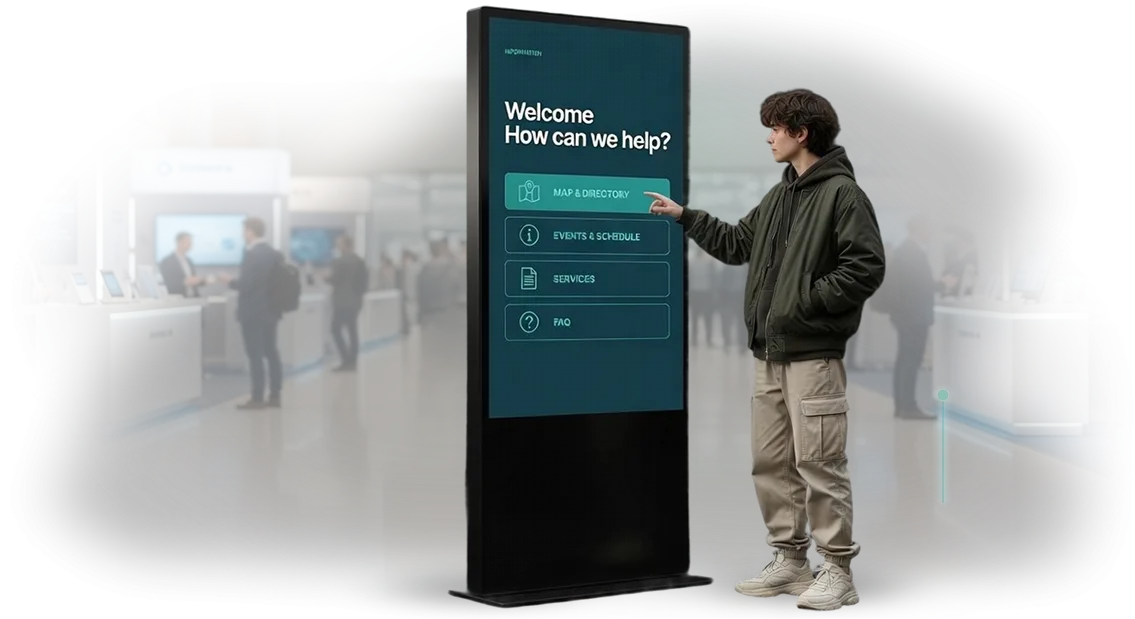
קבלת אורחים מאכזבת? עיצוב דלפק קבלה מחזיר אותם
המלון מקבל את פני האורחים בדלפק, וכאן נוצרת התחושה של "יקר/זול" ו"שירות/אדישות" ב-30 השניות הראשונות.
דלפק לא נוח, חוסר היגיון באזור הקבלה ותורים כאוטיים גורמים לאורחים להטיל ספק ברמת השירות — גם אם החדרים מושלמים.
לכן עיצוב דלפק קבלה אינו פרט אופציונלי אלא נקודת מגע שמשפיעה ישירות על שיעור החזרה של אורחים ועל צמיחת ההזמנות.
המטרה של עיצוב הקבלה היא להסיר כל חסם בין אורחים לצוות: צ'ק-אין מהיר, ניווט ברור ותחושת דאגה. קיוסק אינטראקטיבי מעוצב היטב משלב את הפונקציות של דלפק קבלה, מסוף מידע ומפה — אורחים ממתינים פחות ומקבלים יותר. חוויית הצ'ק-אין הופכת לסיבה שאורחים חוזרים למלון שוב.
אנחנו מעצבים אזורי קבלה סביב תרחישי אורחים אמיתיים: נוסעים עסקיים, משפחות עם ילדים, צ'ק-אין מאוחר, חסמי שפה. המהנדסים שלנו בוחרים פתרונות החל מעיצובים קלאסיים אלגנטיים ועד אפשרויות היי-טק עם מסכים אינטראקטיביים. ההכנסה שלך היא אמת המידה המרכזית: אנחנו מגדילים את תפוקת הדלפק ומפחיתים את העומס על הצוות.
לפי דוח חוויית הלובי של מלונות, מלונות שהשקיעו באזור הקבלה שלהם רואים צמיחה של עד 25% בהזמנות חוזרות. כבר סיפקנו עשרות פרויקטים כאלה: במלון אחד, זמן הצ'ק-אין קוצץ בחצי ושיעור ההמרה ממבקר לאורח עלה ב-15%. עיצוב דלפק קבלה כזה מחזיר את ההשקעה בתוך החודשים הראשונים.
מה הדלפק מספק: רושם, תור, נאמנות, הזמנות
דלפק קבלת אורחים אינו רק רהיט בלובי — הוא כלי שירות עובד. כשהאורח ניגש ומיד רואה לאן לפנות, זמן ההמתנה מתקצר והצוות עונה על שאלות מהר יותר.
כתוצאה מכך, התור מתקדם מהר יותר, גם בשעות השיא של הצ'ק-אין, ואף מבקר לא נשאר ללא השגחה.
המותג של המלון הופך לבלתי נשכח: דלפק מסודר עם הצגה מחושבת יוצר תחושת דאגה עוד לפני שהאורח מקבל את המפתח. פריסה נוחה עוזרת לצוות לבזבז פחות זמן על משימות שגרתיות ויותר זמן עם האורחים. זה משפיע ישירות על נאמנות האורחים: אורח מרוצה חוזר וממליץ על המלון לאחרים.
אפקט מרכזי נוסף הוא צמיחה בהזמנות ישירות. כשהצעות לצ'ק-אין מוקדם, רגיעה בספא או טיולים מוצבות ליד הדלפק, אורחים מחליטים במקום, ללא מתווכים. מכירות נוספות אלה מגדילות את החשבון הממוצע ומשפרות את תפוסת החדרים.
וכשהאורח מקבל תשובה ברורה וניווט קל, סביר יותר שהוא יזמין את הביקור הבא ישירות, תוך עקיפת אגרגטורים.
אנחנו בונים דלפקים כך שכל אחד מהתרחישים האלה עובד עבור העסק שלך: אנחנו חוקרים את זרימת האורחים, מעצבים אזורים נוחים ומטמיעים פונקציות שמפחיתות תורים ומעודדות הזמנות.
כל זה מגיע בעיצוב אחיד שמחזק את ההכרה במלון והופך את הלובי למקום שבו השירות מתחיל לייצר רווח.
פורמטים של קיוסק קבלה לצרכי מלון
למלונות שונים יש סדרי עדיפויות שונים: מלון בוטיק מעריך גישה אישית, מלון רשת מעריך מהירות צ'ק-אין, ואתר נופש כפרי מעריך אווירה וניווט. אותו קיוסק אינטראקטיבי לא מתאים לכולם.
לכן אנחנו מפתחים פורמטים לתרחיש ספציפי — מדלפק קומפקטי ועד אזור קבלה מלא.
| פורמט קיוסק | לאיזה מלון הוא מתאים | מה הוא נותן לאורחים ולצוות |
|---|---|---|
| דלפק צ'ק-אין קומפקטי | מלון קטן עד 30 חדרים | צ'ק-אין מהיר ללא תורים, הנפקת מפתחות אוטומטית, פחות עומס על האדמיניסטרטור |
| קיוסק רב-תכליתי | לובי גדול, מלונות רשת | צ'ק-אין, תשלום, מפה, הזמנת שירותים נוספים — הכל במקום אחד, מקל על הקבלה בשעות השיא |
| אזור קבלה עם קיוסק | מלונות כפריים, אתרי נופש, לובי עם אזורי המתנה | קבלת פנים לאורחים, ניווט אינטראקטיבי, הצגת שירותים ובידור, רושם ראשוני חזק |
בחירת הפורמט משפיעה ישירות על חוויית האורח: קיוסק קומפקטי מבטל תורים, גדול מטפל בפעולות שגרתיות, ואזור קבלה יוצר חיבור רגשי ועוזר לאורחים להתמצא.
אנחנו בוחרים את המבנה, גודל המסך ותרחישי האינטראקציה כדי להתאים לפנים, לתקציב ולהתנהגות האורחים שלך, ומשלבים את הקיוסק עם מערכת ניהול המלון שלך.
כל פורמט מחושב עד לפרט הקטן ביותר: מעיצוב הארון ועד ההיגיון של ההנחיות על המסך. המהנדסים שלנו מטפלים בייצור, התקנה ותמיכה טכנית כך שהקיוסק הופך לחלק משירות המלון ולא למכשיר עצמאי. כתוצאה מכך, אתה מקבל כלי שחוסך זמן לצוות ומגביר את נאמנות האורחים.
איך הפרויקט עובד: מהבריף ועד ההשקה והכשרת הצוות
אנחנו עובדים בתהליך שקוף של שישה שלבים — אתה רואה את התוצאה בכל שלב ויכול לבצע התאמות לפני שהפרויקט נכנס לייצור. אין שלבים נסתרים או הפתעות בלתי צפויות: מהבריף הראשון ועד השקת הקיוסק, אנחנו הולכים יחד איתך.
- בריף ומטרות. אנחנו דנים היכן ימוקם הקיוסק, מי הם המבקרים שלך ומה הם אמורים לקבל. הפלט הוא מפרט טכני, תקציב ולוח זמנים.
- תוכנית ואב-טיפוס. אנחנו מעצבים את תרחישי המסך ואת הסגנון החזותי. אנחנו מאשרים את אב-הטיפוס כדי שתוכל לראות את הממשק העתידי ואת היגיון הניווט מראש.
- פיתוח והרכבה. אנחנו יוצרים את העיצוב ומרכיבים את החומרה — ארון, מסך, מערכת בקרה. אתה מקבל הדגמות ביניים ורואה שהכל מתקדם בכיוון הנכון.
- השקת ניסיון. אנחנו בודקים את הקיוסק בתנאים אמיתיים: מהירות תגובה, נוחות למבקרים, עמידות בעומס. אנחנו גם מאמנים את הצוות שלך על המערכת כאן.
- השקה ותמיכה. אנחנו מתקינים את הקיוסק באתר, מגדירים עדכונים ולוקחים על עצמנו תמיכה טכנית. במידת הצורך, אנחנו מוסיפים תוכן חדש או משנים תפריטים מבלי לעצור את הפעילות.
- אנליטיקה ואבולוציה. אנחנו בוחנים נתוני שימוש ומשכללים תרחישים כך שהקיוסק מספק ערך רב יותר — למבקרים ולעסק שלך.
לוחות הזמנים תלויים במורכבות הפרויקט, אבל בדרך כלל נעים בין 2-4 שבועות מאישור אב-הטיפוס. אנחנו קובעים תאריכים בתוכנית ועומדים בהם, ומזהירים אותך על כל שינוי מראש.
הכשרת הצוות כלולה בשלב השקת הניסיון: העובדים שלך לומדים על הקיוסק האמיתי, לא ממצגת. לאחר מסירת הפרויקט, אתה מקבל מדריך ברור וקשר 24/7 עם מהנדס — כך שהפעילות לא תיעצר גם אם הצוות משתנה.
מה כלול במסירה: חבילה שעובדת מהיום הראשון
כל מה שצריך כדי להשיק קיוסק מידע מגיע בחבילה אחת — אין חיפוש אחר קבלנים, אין גימורים, אין עבודה נסתרת. הפתרון נמסר כבר תפעולי: מהדלפק והממשק ועד נהלי הצוות ותמיכה טכנית לאחר ההשקה.
מה כלול במסירה:
- דלפק וציוד מוכנים — אנחנו מתקינים, מחברים ומגדירים אותו לחלל ולסגנון המותג שלך. אין "תרכיבו לבד."
- ממשק קיוסק — פותח לצרכים שלך: ניווט, קטלוג, טפסים, הזמנות, תשלום או פונקציונליות אחרת. מבקרים מבינים אותו תוך שניות.
- תרחישים לצרכים שלך — אנחנו מגדירים את ההיגיון של כל מסך: ממתן מידע ועד איסוף בקשות והצגת מבצעים. אתה מקבל כלי שפותר משימה עסקית ספציפית.
- פאנל ניהול לעדכונים — שנה מחירים, מבצעים ותוכן ללא מתכנת. כמה קליקים מספיקים — הקיוסק מתעדכן מיד.
- הוראות לצוות — מדריכים קצרים: איך להפעיל, להחליף חומרים מתכלים ולפתור בעיות נפוצות. הכשרת הצוות אורכת שעה.
- אחריות ותמיכה — לאחר ההשקה אנחנו נשארים בקשר: תמיכה טכנית, תחזוקה שוטפת, עדכוני ממשק ותגובה מהירה לתקלות.
העלות קבועה לפני תחילת העבודה, ולוח הזמנים מצוין בחוזה. אתה יודע מראש מה תקבל בסוף וכמה זה עולה. אם נדרשות התאמות, נבצע אותן כחלק מהתמיכה מבלי לעצור את הקיוסק.
מקרה בוחן: מלון עם 120 חדרים — תורים נעלמו, דירוגי האורחים עלו
למלון בוטיק הייתה בעיה קלאסית: אורחים ניגשו לדלפק הקבלה, אבל תהליך צ'ק-אין ארוך גרם להם להמתין 10-15 דקות.
התור גדל בשעות הצ'ק-אין, צוות הקבלה היה לחוץ, והמילה "המתנה" הופיעה יותר ויותר בביקורות. הצענו להחליף את הדלפק המסורתי באזור אינטראקטיבי — וזה שינה גם את המהירות וגם את הרגשות.
היישום ארך פחות מחודש. אורחים נכנסים, רואים מסך קבלת פנים ומתחילים למלא את הפרטים שלהם עוד לפני שהם מגיעים לצוות הקבלה. כתוצאה מכך, זמן ההמתנה קוצץ בחצי — מ-12 ל-6 דקות בשעות השיא.
התור נעלם, צוות הקבלה הפסיק לעבוד במצב כיבוי שריפות קבוע והתמקד באינטראקציה אישית.
ההשפעה נראתה גם במוניטין של המלון: דירוגי המפות עלו מ-4.0 ל-4.6 כבר ברבעון הראשון. בביקורות, אורחים החלו להדגיש "צ'ק-אין מהיר" ו"גישה מודרנית" במקום רק חדרים נקיים וארוחות בוקר. עבור המלון, זה אומר עשרות הזמנות חדשות — דירוגים משפיעים ישירות על הבחירות של מטיילים.
אנחנו מייחסים זאת לא רק לנוחות אלא גם לכך שהקיוסק הפך לחלק מהפנים: העיצוב הרגוע וההיגיון המחושב שלו לא נראו כמו "עוד מסוף" אלא השתלבו ישירות בסגנון הלובי.
הלקוח היה מרוצה מהתוצאה וחזר כמה חודשים לאחר מכן להרחבה: הוספנו תשלום ללא מגע עבור שירותים נוספים וניווט במלון.
היום, אנחנו מיישמים אזורים אינטראקטיביים כאלה גם עבור רשתות גדולות וגם עבור מלונות קטנים — הגישה זהה: תועלת מדידה לאורח וכלכלה ברורה לבעלים.
אנחנו יכולים להראות את החישובים עבור המקרה שלך: שלח לנו תיאור של איך הצ'ק-אין שלך עובד היום — נחשב כמה זמן וכמה ביקורות שליליות תחסוך.
איך לבחור את פורמט הדלפק המתאים לצרכים שלך?
בחירת פורמט דלפק מתחילה לא בעיצוב אלא במשימות שהוא צריך לפתור במלון שלך. אותו קיוסק יכול להאיץ צ'ק-אין, להקל על הקבלה או להפוך את תהליך היציאה לאוטומטי לחלוטין ללא צוות קבלה.
אז הדבר הראשון להגדיר הוא איזה תרחיש אתה צריך: קבלת אורחים בסיסית, טיפול בעומס שיא כבד או תהליך אוטומטי לחלוטין ללא צוות קבלה.
הקריטריונים המרכזיים הם זרימת המבקרים הצפויה ושטח הלובי. עבור מלונות קטנים עם תפוסה נמוכה, קיוסק שולחני קומפקטי המוצב ליד דלפק הקבלה מספיק.
אם עשרות אורחים עוברים בלובי בבת אחת, קיוסק עומד עם מסך גדול הגיוני יותר: הוא מנחה משתמשים בשלבים מהר יותר ומונע תורים.
הערך כמה שטח זמין בפועל, איך אורחים נעים מהכניסה לדלפק, והאם הקיוסק יפריע לצוות.
הגורם השלישי הוא תקציב ולוח זמנים. פורמטים שולחניים זולים יותר לייצור והתקנה, וקל יותר להזיז אותם במהלך שינוי פריסה. יחידות עומדות בולטות יותר, עובדות כאלמנט עיצובי ומציעות יותר הזדמנויות מיתוג.
אבל אל תרדוף אחרי האפשרות הזולה ביותר: מה שחשוב יותר הוא שהארון מתאים לחלל ולא נראה לא במקום. אנחנו בוחרים חומרים וגימורים כדי להתאים לסגנון הלובי כך שהקיוסק משפר את הרושם של המלון ולא פוגע בו.
לבסוף, בדוק איך הקיוסק יעבוד עם מערכת ניהול המלון שלך. אורחים צריכים להיות מסוגלים לבצע צ'ק-אין וצ'ק-אאוט ללא מעורבות הקבלה — זה אומר שהקיוסק חייב להחליף נתונים עם ה-CRM שלך בזמן אמת: הזמנות, חדרים, מפתחות, תשלומים נוספים.
עדיף שצוות הפיתוח יבדוק את האינטגרציה על המחסנית שלך מראש במקום להבטיח "בהמשך." אחרת, במקום האצה, תקבל עוד פעולה ידנית.
אנחנו עוזרים לך לבחור את הפורמט המתאים לתפוסה, לחלל ולתקציב שלך, ואז מעצבים ומשיקים את הקיוסק במפתח פתוח. שאל את עצמך שתי שאלות: כמה אורחים בשעה עוברים בלובי בשעות השיא, וכמה זמן אתה רוצה לחסוך בכל צ'ק-אין. התשובות יצמצמו מיד את האפשרויות לשתיים או שלוש בחירות מתאימות.
מענה לחששות נפוצים לפני ההזמנה
אנחנו מבינים: לפני הזמנת קיוסק, עולים חששות — איך אורחים יתרגלו אליו, מה יקרה אם הוא יתקלקל, והאם ההשקה תיקח יותר מדי זמן. אנחנו נותנים תשובות כנות לדאגות העיקריות כדי שתוכל לקבל החלטה בבהירות מלאה.
האם האורחים יתקשו להשתמש בקיוסק?
לא. אנחנו מעצבים את הממשק לקהל שלך: כפתורים גדולים, תוויות ברורות ומספר מינימלי של שלבים לכל פעולה. אם האורחים שלך מבוגרים יותר, אנחנו מוסיפים רמזים וניווט מפושט.
לפני ההשקה, אנחנו תמיד בודקים עם משתמשים אמיתיים כדי לוודא שהאינטראקציה הראשונה אורכת לא יותר מ-30 שניות.
מה קורה אם הקיוסק מתקלקל?
אנחנו מספקים אחריות על חומרה ותוכנה וכן חוזה שירות. אם מתרחשת תקלה, אתה פונה אלינו — מהנדס יפתור את הבעיה מרחוק או יסדר החלפת מכשיר מהירה.
זמן ההתאוששות הממוצע בפרויקטים שלנו הוא לא יותר מ-4 שעות בשעות העבודה, כך שהשבתה לא משפיעה על זרימת האורחים.
איך הקיוסק ישתלב בתהליכים הקיימים שלנו?
האינטגרציה שקופה: אנחנו מחברים את הקיוסק ל-CRM או למסד הנתונים שלך, מגדירים ייצוא דוחות ומגדירים תשלומים או הזמנות. הצוות מקבל הכשרה קצרה ומדריך. המהנדסים שלנו תומכים ביישום עד שהוא יציב לחלוטין ונשארים בקשר לאחר מכן.
כמה זמן אורכת ההשקה?
בממוצע, זה לוקח 2-4 שבועות מהבריף ועד קיוסק עובד. אם אתה צריך אירוע דחוף או אצווה של מכשירים, יש פורמט מזורז: אנחנו משיקים את הפתרון הבסיסי תוך 7-10 ימים.
לוח הזמנים המדויק קבוע בחוזה: אתה תמיד יודע את התאריך שבו הקיוסק יתחיל לספק ערך.
אנחנו לא רק מוסרים פרויקט — אנחנו לוקחים על עצמנו את הסיכונים הקשורים לאימוץ על ידי אורחים, אמינות ולוחות זמנים. יש לנו יותר מ-50 הטמעות לקמעונאות, מוזיאונים ומרחבים ציבוריים מאחורינו. לדוגמה, City Mall השיק ניווט עם הקיוסק שלנו תוך שבועיים וראה 20% פחות פניות בדלפק המידע בחודש הראשון. ספר לנו על המשימה שלך — נציע פתרון מותאם לתהליכים שלך.בוא נדבר על הדלפק שלך? נראה מה ישתנה במלון שלך
השאר בקשה לקיוסק — ונערוך ביקורת מקצועית של הלובי ואזור הקבלה שלך. נחקור איך אורחים נעים מהכניסה לרישום ונמצא היכן אובדים זמן וכסף.
מה קורה לאחר הבקשה שלך:
- ביקורת לובי: נחקור את זרימת האורחים, שעות השיא ותרחישי הרישום הנוכחיים. נזהה היכן מתרחשים תורים וחוסר שביעות רצון.
- נבחר את פורמט הדלפק והקיוסק לצרכי המלון שלך: צ'ק-אין עצמי, עמדת מידע, תצוגת שירותים נוספים. אנחנו מציעים פתרון, לא רק "קופסה."
- נחשב את התועלת במספרים: כמה זמן כל אורח חוסך, כמה מהירות הצ'ק-אין עולה, ואיך עומס העבודה של הצוות והחשבון הממוצע משתנים.
- נבנה את הקבלה במפתח פתוח: עיצוב, בנייה, תוכנה ואינטגרציה עם מערכת ההזמנות שלך. אתה לא צריך לחפש קבלנים — אנחנו מטפלים בהכל.
- נריץ פיילוט באחד המלונות שלך, נאמן צוות ונראה את התוצאות הראשונות. אז תחליט אם להרחיב את הפתרון.
- אנחנו מבטיחים תמיכה לאחר ההשקה: עדכונים, תמיכה טכנית ושיפורי תרחישים ככל שהעסק שלך משתנה.
כתוצאה מכך, אתה מקבל דלפק שמקבל אורחים, מקל על צוות הקבלה ומגדיל הכנסות ממכירות נוספות. אנחנו לוכדים את כל המדדים לפני ואחרי — אתה רואה את ההשפעה האמיתית, לא הבטחות כלליות.
השאר בקשה לביקורת — בעוד שבוע תדע מה לשנות בלובי כדי שהמלון שלך ירוויח יותר.