

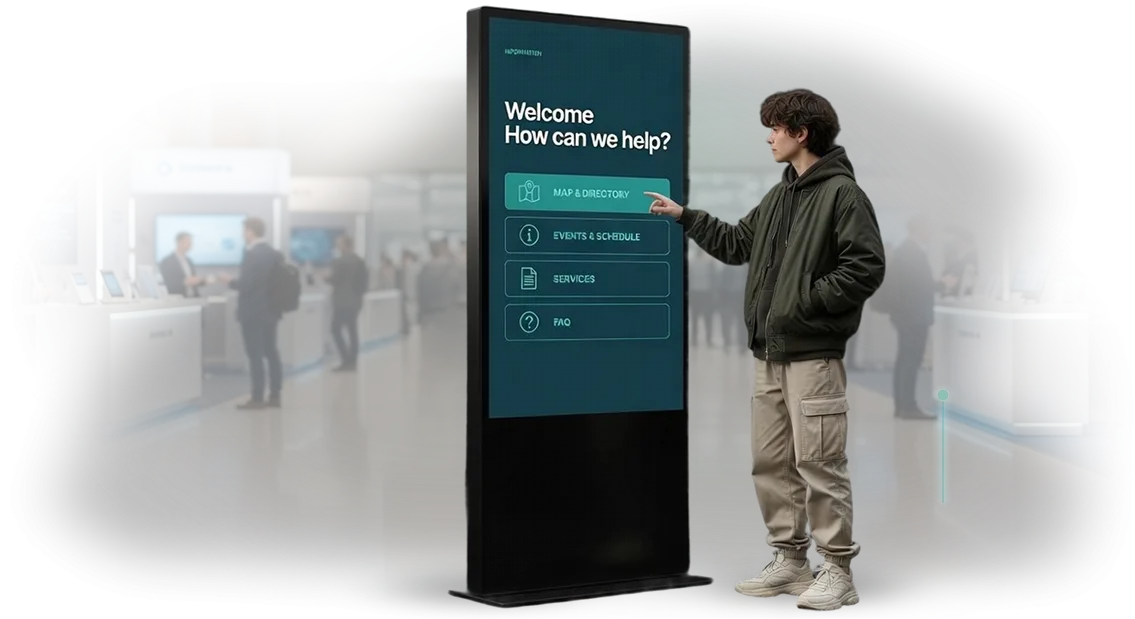
שולחן אינטראקטיבי לספרייה: פתרון שמושך מבקרים
ספריות מודרניות מתמודדות עם אתגר קשה: אנשים מבקרים פחות בגלל ספרים, וקהלים צעירים רגילים לפורמטים דיגיטליים ולחוויות חיות. שולחן אינטראקטיבי לספרייה הוא דרך להפוך מגמה זו ולהחזיר מבקרים למרחב הידע.
שולחן כזה הופך ביקור רגיל לפעילות מרתקת: אפשר לדפדף בפרסומים דיגיטליים, לחקור מפות, לצפות בסרטונים ואפילו להשתתף בחידונים ממש באותו שולחן.
הערך המרכזי של פתרון זה אינו הטכנולוגיה עצמה, אלא הרגשות שהוא יוצר. אורח אינו רק חולף על פני המדפים — הוא עוצר, מתקשר ומגלה משהו חדש.
זה עובד ישירות למשיכת מבקרים: כל מי שניסה את השולחן האינטראקטיבי צפוי לחזור ולספר על כך לחבריו. הספרייה מפסיקה להיות "ארכיון שקט" והופכת למקום מודרני ללמידה, תקשורת ופנאי.
עבור מנהל מוסד, זו גם טענה ברורה בתכנון הפיתוח. ספרייה מודרנית עם אזורים אינטראקטיביים נתפסת על ידי הרשויות והקהילה כמרכז מתקדם ולא כדבר מהעבר.
זה מקל על הצדקת תקציב, מושך שותפים ומעלה את מעמדו של כל המקום.
אנו מתמחים בפתרונות כאלה לספריות ועוזרים ליישם אותם ללא טרחה מיותרת: אנו מתכננים תרחישים לקהל שלך, מגדירים תוכן ומספקים תמיכה לאחר ההשקה.
כתוצאה מכך, אתה מקבל לא רק שולחן, אלא נקודת משיכה שמחייה את המרחב באופן ניכר והופכת את הספרייה למקום שאנשים רוצים לבקר בו שוב.
מה שולחן מגע מודרני מביא למרחב ציבורי
שולחן מגע הופך ספרייה למוקד משיכה: המסך הבהיר נראה מהכניסה, ומבקרים עוצרים ומתחילים לתקשר לפני שהם מגיעים למדפים.
הזמן המושקע בספרייה גדל, הביקורים הופכים תכופים יותר, והנוכחות עולה — ללא עלויות פרסום נוספות. עבור הספרייה, זו דרך ברורה לחזק את מעמדה כמרחב תרבותי מודרני.
היתרונות של השולחן מתגלים בקרב קהלים שונים. ילדים תופסים למידה כמשחק: חידונים ומשימות אינטראקטיביים שומרים על תשומת לבם בזמן שההורים בוחרים ספרים בשלווה.
מבוגרים מקבלים ניווט נוח בין האולמות, לוח אירועים וגישה לשירותים דיגיטליים ללא המתנה בתור. מבקרים מבוגרים מעריכים את רכיבי הממשק הגדולים וההנחיות שלב אחר שלב — הטכנולוגיה עוזרת ולא מפחידה.
שולחן מגע מאפשר פורמטים חדשים של אירועים. הוא מארח מסעות ספרותיים, משחקי מורשת מקומית והצגות; האירוע מושך משפחות שלמות והופך לנושא תקשורתי. אורחים חוזרים כדי לנסות יישומים אחרים ולבדוק את לוח הזמנים — זה בונה ביקורים חוזרים. הספרייה חורגת מהשאלת ספרים והופכת למרכז התרבותי של השכונה.
היתרון המעשי הוא עלייה בהרשמות ובמעורבות. ספרנים יכולים לעדכן בקלות תוכן לתערוכות וקמפיינים, בעוד אנו מעצבים את הממשק כך שיתאים למשימות המוסד הספציפי ותומכים בפרויקט לאחר ההשקה.
כתוצאה מכך, שולחן המגע מספק תוצאות מדידות: יותר מבקרים, שהות ארוכה יותר ועניין רב יותר בחיי הספרייה.
אפשרויות פאנל מגע לחדרי קריאה
פאנל מגע לספרייה אינו רק מסך — הוא כלי שמשנה את האופן שבו הספרייה נתפסת. קוראים מקבלים גישה מהירה לקטלוג, לאירועים ולניווט ללא המתנה למנהל, בעוד הספרייה זוכה לתדמית מודרנית ולערך מוסף.
פורמט הפאנל תלוי במשימות הספציפיות ובמרחב. זיהינו ארבע אפשרויות טיפוסיות שספריות בוחרות לרוב — מקיוסקים קומפקטיים ועד מודולי הצגה גדולים. הטבלה שלהלן מציגה את התרחישים המרכזיים כדי שתוכל להעריך איזה פורמט מתאים לאולם שלך.
| פורמט | למי | מה הוא מספק |
|---|---|---|
| קיוסק קומפקטי | חדרי קריאה קטנים, אזורי כניסה | חוסך מקום, חיפוש מהיר בקטלוג וניווט למבקרים |
| פאנל אינטראקטיבי | אולמות ולובי מרווחים | מושך תשומת לב, מפת ספרייה, לוח אירועים, ניווט מבוסס משחק |
| מדור ילדים | אזורי ילדים, חדרי קריאה משפחתיים | ממשק גדול, תרחישים חינוכיים, ההורים רגועים |
| מודול הצגה | אולמות כנסים, הרצאות | הקרנה למסך גדול, חומרי מרצה, משוב |
לא משנה באיזו אפשרות תבחר, אנו עושים יותר מסתם התקנת מסך. ראשית, אנו מנתחים את המרחב, התנועה והקהל; לאחר מכן אנו מתאימים את הממשק לתהליכי העבודה שלך: אינטגרציה עם הקטלוג, לוח האירועים ומערכת ההרשמה.
בסופו של דבר, אתה מקבל כלי עבודה שמשפר את הנוחות לקוראים, מפחית את עומס העבודה של הצוות ומחזק את תדמית הספרייה כמרחב מודרני.
שלבי הפרויקט: מבריף ועד השקת הפתרון הדיגיטלי
אנו מנהלים את הפרויקט מהשיחה הראשונה ועד לרגע שבו הקיוסק פועל באולם והקוראים משתמשים בו. כל שלב יישום מסוכם איתך, ולוחות הזמנים נקבעים מראש — אתה תמיד יודע מה קורה ומתי תגיע התוצאה.
- בריף. אתה מספר לנו על מטרות הספרייה, הקהל והציפיות. אנו מבהירים את הפרטים ויוצרים מפרט טכני הלוכד את יעדי הפרויקט וקריטריוני הקבלה.
- קונספט ותוכנית. אנו מציעים את העיצוב ותרחישי השימוש לשולחן האינטראקטיבי, ומתארים את התוכן והפונקציונליות. אנו מציגים אבטיפוסים ולוחות זמנים — לאחר אישור, אנו עוברים ליישום.
- יישום. אנו יוצרים את העיצוב החזותי, הממשק והתוכן. אתה מקבל גרסאות ביניים ויכול לבצע עריכות לפני שלב הבדיקות, מה שמבטיח שהתוצאה תואמת את הציפיות שלך.
- בדיקות. אנו מוודאים ביצועים בתרחישים אמיתיים: חיפוש ספרים, ניווט באולמות, עיון באירועים. אנו מתקנים שגיאות ומבצעים אופטימיזציה למהירות התגובה.
- התקנה. אנו מספקים ומתקינים את השולחן בספרייה, ומגדירים אינטגרציה עם הקטלוג ומערכות אחרות. אנו בודקים הכל באתר יחד עם הצוות שלך.
- הדרכה והשקה. אנו עורכים מפגש הדרכה קצר לצוות — כיצד לנהל תוכן, לעדכן מידע ולטפל בבעיות קלות. אנו קובעים את תאריך ההשקה הרשמי.
- תמיכה. לאחר ההשקה, אנו נשארים בקשר: מעדכנים חומרים, עוזרים בשיפורים ומנטרים את פעולתו היציבה של הקיוסק.
התוצאה: אתה מקבל שירות עובד ללא העמסת יתר על צוות הספרייה, עם תהליך יישום ברור ולוחות זמנים צפויים.
פורמט שלבים זה כבר שימש במספר פרויקטים לספריות עירוניות ואוניברסיטאיות — הוא שומר על הכל תחת שליטה ומספק תוצאות בזמן.
מה כלול במסירה: חבילת מפתח
אנו מטפלים בכל המחזור — מבחירת פאנל המגע ועד להדרכת הצוות שלך. אתה מקבל לא "חומרה בקופסה" אלא שולחן אינטראקטיבי עובד לספרייה, מוכן לשימוש ביום ההשקה.
אין צורך לחפש קבלנים או להיכנס לפרטים טכניים: הכל קורה תחת חוזה אחד ולוח זמנים אחד.
חבילת המסירה כוללת:
- פאנל מגע — ציוד מקצועי המיועד לשנים של אינטראקציה אינטנסיבית עם מבקרים. אין מסכים שבירים או חיישנים רגישים: השולחן עובד ביציבות גם כאשר ילדים ומבוגרים נוגעים בו בו זמנית.
- תוכנה עם ממשק ברור — מותאמת לתרחישי ספרייה: קטלוגים, לוחות אירועים, חידונים, חומרים היסטוריים. הממשק אינטואיטיבי; מבקרים מתחילים להשתמש בו ללא הוראות.
- תוכן המותאם למטרותיך — אנו ממלאים את השולחן במידע על האוסף, האירועים והשירותים של הספרייה. אתה מקבל חלון ראווה דיגיטלי מוכן, לא מסך ריק עם דפי הדגמה.
- התקנה והגדרה באתר — המהנדסים שלנו מגיעים, מתקינים את השולחן, מחברים אותו ובודקים את כל תרחישי הפעולה. הצוות שלך לא מתעסק בשגרה טכנית.
- הדרכת צוות — אנו עורכים מפגש לספרנים: כיצד לנהל תוכן, לעדכן חומרים, להשתמש בסטטיסטיקות ולענות על שאלות נפוצות של מבקרים.
- אחריות ותמיכה — אנו מתעדים התחייבויות אחריות ומספקים ערוץ תקשורת עם המומחים שלנו. אם עולה שאלה, אנו מגיבים תוך יום עסקים אחד ומסייעים מרחוק או באתר.
בסופו של דבר, אתה מקבל את כל הכלי במפתח: ציוד, סביבת תוכנה, תוכן, הדרכה וביטחון באמינות. אנו לוקחים אחריות על התוצאה, בעוד התפקיד שלך הוא לקבל את פני המבקרים ולפתח את שירות הספרייה.
מקרה בוחן: כיצד הגדלנו עניין בקריאה
הספרייה העירונית המרכזית פנתה אלינו עם נקודת כאב אופיינית לתעשייה: קוראים הגיעו רק בשביל ספרים ועזבו מיד, בעוד מבקרים צעירים כמעט לא התעכבו.
דוכנים ופוסטרים סטנדרטיים לא יצרו שום תגובה רגשית, והספרייה רצתה להפוך למרחב עירוני מודרני.
הצענו שולחן אינטראקטיבי — פאנל מגע עם חידוני ספרות, מפת עולמות ספרים וכריכות ספרים "חיות". מבקרים בוחרים את התרחיש שלהם: בודקים ידע, מרכיבים ציטוט או מוצאים ספר לפי מצב רוח.
התוצאה לאחר שישה חודשים: הנוכחות גדלה ב-40%, וזמן השהייה הממוצע עלה מ-15 ל-45 דקות. ילדים ובני נוער החלו להגיע במיוחד כדי "לשחק עם השולחן", בעוד ההורים חיכו להם עם ספר ביד. הצוות ציין שסיורים הפכו לאינטראקטיביים: תלמידי בית ספר מקשיבים בתשומת לב כפולה.
הכי חשוב, היחס לספרייה השתנה. בביקורות, מבקרים כותבים שזה "מקום שרוצים לחזור אליו", ומספר הבקשות לחידוש כרטיסי ספרייה עלה בשליש.
לאחר ההשקה, קיבלנו הזמנות לשני שולחנות נוספים לסניפים — הספרייה מתכננת לשכפל את הפורמט.
מבחינת ערך לספריות אחרות: שולחן אינטראקטיבי פועל כמגנט למבקרים וסיבה לסיקור תקשורתי מקומי. פרסומים עירוניים ובלוגרים כתבו על הפרויקט — חשיפה חינמית שקשה להשיג עם פוסטר רגיל.
אנו מטפלים בכל המחזור: ניתוח קהל, בחירת תרחישים, התקנה והדרכת צוות. תוך 2-3 שבועות לאחר ההתקנה, אתה מקבל נקודת משיכה עובדת עם מדדים ברורים — עלייה בביקורים, זמן שהייה ופניות חוזרות.
כיצד לבחור את הפורמט המתאים למשימה שלך?
בחירת פורמט מתחילה במשימות שהפתרון האינטראקטיבי צריך לפתור בספרייה.
אם המטרה היא לערב ילדים, להפוך ביקור לאירוע ולספק גישה לחומרים בצורה משחקית, הבחירה האופטימלית היא שולחן אינטראקטיבי לספרייה עם אלמנטים ויזואליים גדולים ותרחישים שיתופיים.
אם המשימה העיקרית היא חיפוש ספרים מהיר, ניווט באולמות או עיון עצמי במידע, פאנל מגע קומפקטי מספיק. זהו קריטריון הבחירה הראשון.
הקריטריון השני הוא שטח ופריסה. עבור לובי קטן או חדר קריאה עם מדפים צפופים, פאנל מגע על מעמד או מסך צמוד קיר מתאים יותר: הם תופסים מקום מינימלי ואינם חוסמים מעבר.
עבור אזור חופשי שבו ניתן לארגן מרחב סביב המכשיר, שולחן אינטראקטיבי הופך למוקד משיכה: קבוצות מתאספות סביבו בקלות, ומתקיימים חידונים ודיונים.
הקריטריון השלישי הוא קהל. ילדים ובני נוער זקוקים לדימויים חיים, אלמנטים גדולים ותגובה מיידית; מבוגרים זקוקים לממשק ברור, חיפוש ותוכן משמעותי.
אנו בוחרים תרחישים בהתאם למשימות הספציפיות של הספרייה: קטלוג אלקטרוני, מורשת מקומית, חידונים, הצגות של ספרים חדשים או ניווט אירועים. הממשק מוגדר כך שמבקרים בגילאים שונים יכולים להתחיל להשתמש בו בקלות ללא סיוע צוות.
אנו עוזרים לך לנווט בין האפשרויות ולבחור פורמט שמתאים למרחב שלך ופותר בדיוק את המשימות שלך.
פשוט תאר את המטרות שלך, מספר המבקרים המשוער והשטח — המהנדסים שלנו יציעו את התצורה האופטימלית, יציגו תרחישים ויכינו פתרון לספרייה שלך.
שאלות נפוצות של לקוחות: מה חשוב לדעת
מנהלי ספריות שואלים לעתים קרובות שאלות רבות לפני הזמנת שולחן אינטראקטיבי: כיצד הוא ישתלב בפנים, האם מבקרים יוסחו, האם קשה לשנות מידע. להלן אנו מתייחסים לחששות הנפוצים ביותר כדי שתוכל לקבל החלטה בטוחה.
האם השולחן ישבר בשימוש אינטנסיבי?
אנו משתמשים בזכוכית מחוסמת מחוזקת ורכיבים תעשייתיים המיועדים למרחבים ציבוריים עם תנועת מבקרים גבוהה. השולחן עובד באופן אמין תחת מגע מתמיד, ושריטות או שפיכות מקריות לא מזיקות לו. אחריות ותחזוקה מוגדרים בחוזה.
האם קשה להתקין ולחבר?
ההתקנה אורכת יום אחד: הצוות שלנו מספק את השולחן, מתקין אותו, מחבר ומגדיר הכל בעצמו. אין צורך לשכור קבלנים נוספים או להתעסק בחיווט. לאחר ההתקנה, אתה מקבל שולחן עובד והוראות לצוות.
כמה עולה שולחן אינטראקטיבי והאם יש עמלות נסתרות?
העלות תלויה בגודל המסך, בתצורה ובמורכבות התוכן. אנו מצטטים את המחיר הסופי בשלב הדיון ומקבעים אותו בחוזה.
כל השירותים הנוספים — פיתוח תוכן, הדרכה, תחזוקת אחריות — מפורטים גם הם בנפרד, כך שלא יהיו הפתעות.
האם נוכל לעדכן תוכן ללא מתכנת?
כן, אנו יוצרים לוח בקרה פשוט לספרנים: אתה יכול להעלות לוח אירועים, לשנות שאלות חידון או להוסיף חדשות דרך ממשק דפדפן מוכר. ההדרכה אורכת כמה שעות, וניתן להגדיר גישה לעובדים שונים.
מה קורה אם השולחן מתקלקל?
אנו מספקים אחריות על ציוד ועבודה — עד שנתיים. אם מתרחשת בעיה, אתה שולח בקשה, ומהנדס השירות שלנו מגיע אליך או מסייע מרחוק. במהלך תיקונים, אנו יכולים לספק שולחן חלופי כדי שהקוראים לא יישארו ללא השירות.
אם יש לך שאלות אחרות — פשוט כתוב לנו, ונמצא פתרון למשימות הספרייה שלך.בוא נדון בפרויקט שלך? נחשב עלות ולוחות זמנים
השאר בקשה, ותוך מספר ימים נכין הצעה מותאמת לספרייה שלך. נחקור כיצד שולחן אינטראקטיבי יכול לעזור למבקרים למצוא את הספרים שהם צריכים מהר יותר ולעזור לצוות להפוך השאלה שגרתית לאינטראקציה חיה.
ללא התחייבויות: תחילה אתה מקבל פתרון ומבין את העלות המחושבת לאחר ביקורת, ואז אתה מקבל החלטה.
לאחר פנייתך, אנו מובילים אותך בדרך קצרה מרעיון לתוצאה מוגמרת:
- בקשה וראיון קצר — אנו מבהירים את משימות הספרייה, מספר המבקרים, מאפייני המרחב והציפיות הפונקציונליות.
- קונספט תרחישים — אנו מציעים כיצד השולחן יעבוד: ניווט בקטלוג, תערוכות וירטואליות, מסעות חינוכיים לילדים.
- הצגת פתרון — אנו מראים אבטיפוס ממשק ולוגיקת בקרה, ודנים באפשרויות עיצוב התואמות לסגנון הספרייה.
- הערכת עלות ולוחות זמנים — אנו מספקים פירוט שקוף ללא עמלות נסתרות ותוכנית לוח שנה מעיצוב ועד התקנה.
- חוזה וייצור — אנו קובעים את השלבים, מפתחים את המערכת, בודקים אותה בעומס ומספקים את הציוד.
- השקה והדרכה — אנו מתקינים את השולחן בספרייה, עורכים הדרכת צוות ומספקים מדריך ברור.
- תמיכה ופיתוח — אנו נשארים בקשר, עוזרים לעדכן תוכן, מוסיפים תרחישים חדשים ומרחיבים פונקציונליות.
אתה מקבל לא רק מכשיר, אלא כלי שמגביר את האטרקטיביות של הספרייה ומפשט את עבודת הצוות. דיון במשימה והצגת הפתרון אורכים יום או יומיים — לאחר מכן, אתה יודע בדיוק מה תקבל, באיזו עלות ועד איזה מועד.