

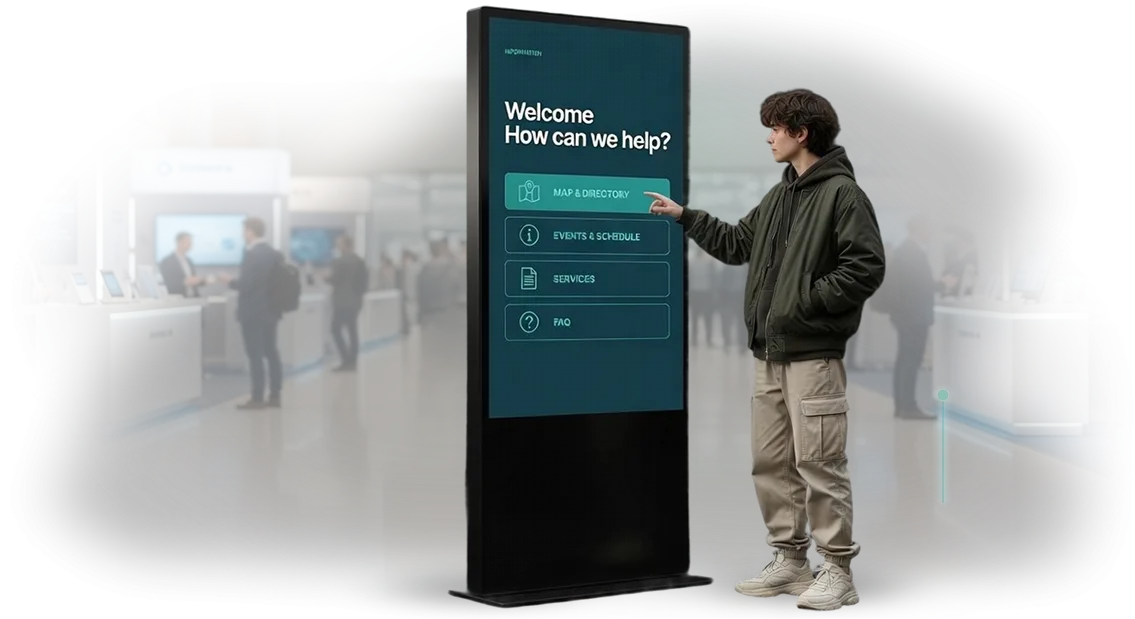
שולחן אינטראקטיבי לקלינאי תקשורת: איך להחזיר את העניין של הילד בטיפולים?
ילד מגיע לטיפול קלינאות תקשורת ללא כל רצון: קלפים מונוטוניים, חוברות עבודה וחזרות אינסופיות מעייפות אותו במהירות. הקשב נודד, המוטיבציה יורדת, וההורים רואים שהטיפולים לא מניבים את התוצאות המצופות.
הקלינאי נאלץ להשקיע אנרגיה לא בפיתוח הדיבור, אלא בשכנוע הילד ובהחזקתו במקום.
שיטות מסורתיות נשענות על התמדה ומשמעת חיצונית, בעוד שילדים מודרניים חיים בעולם של תוכן אינטראקטיבי בהיר. להם קל יותר ללמוד דרך משחק, תנועה ותגובה מיידית למעשיהם.
לכן חומרים סטטיים מפסידים יותר ויותר במאבק על תשומת הלב, וטיפולים ללא מעורבות הילד מאטים את ההתקדמות.
השולחן האינטראקטיבי לקלינאי תקשורת משנה את הגישה: הילד נוגע במסך בעצמו, מבצע משימות ורואה תגובה חיה לכל פעולה.
תרגילים לקולות, נשימה והגייה הופכים למשחקים מרתקים שבהם צריך לעזור לדמות או להרכיב תמונה. במקום כפייה, מופיע עניין — ואיתו טיפולים סדירים והתפתחות דיבור יציבה.
עבור מרכז קלינאות תקשורת, זה אומר יעילות גבוהה יותר לכל טיפול, הורים מרוצים ועלייה בביקורים חוזרים. ההורים רואים התקדמות וממליצים על המרכז למכריהם.
השולחן האינטראקטיבי לקלינאי תקשורת הופך לכלי שמביא שמחה לילד ותוצאות נראות לעין למומחה.
במקביל, הקלינאי מקבל פלטפורמה נוחה למגוון תרגילים ויכול להחזיק את תשומת הלב של הילד מתחילת הטיפול ועד סופו. אלו בדיוק הפתרונות שאנו עוזרים ליישם במשרדים ובמרכזים.
אילו הזדמנויות מציע שולחן אינטראקטיבי לפיתוח הדיבור?
שולחן אינטראקטיבי לקלינאי תקשורת הוא לא רק מסך, אלא כלי עבודה שפותר את האתגר המרכזי של המומחה: להחזיק את תשומת הלב של הילד ולהפוך את הטיפול למשחק.
ילדים תופסים משימות על מסך מגע גדול כבידור, ולכן הם מתערבים מהר יותר ומבצעים תרגילים ברצון רב יותר. הקלינאי מפסיק לבזבז זמן על שכנוע ויכול להתמקד בטיפול עצמו.
הודות לתגובה החיה לכל פעולה, הילד מקבל תוצאה ויזואלית מיד לאחר הנגיעה: התמונה מתעוררת לחיים, צליל רומז לתשובה הנכונה, ודמויות משבחות על הצלחה.
משוב מיידי כזה מחזק את המוטיבציה ועוזר לשמור על ריכוז לאורך זמן רב יותר — אפילו אצל ילדים שמתקשים לשבת בשקט. כתוצאה מכך, אפשר להשלים יותר תרגילים בטיפול אחד מאשר בעבודה עם קלפי נייר.
עבור הקלינאי, השולחן פותח את האפשרות לבנות תוכנית גמישה לילד ספציפי: להקשות על המשימות ככל שמתקדמים, לסירוג בין סוגי תרגילים שונים ולחזור לנושאים קשים בצורה משחקית.
במקביל, המומחה תמיד רואה אילו משימות קלות ואילו דורשות עבודה נוספת. זה הופך את הטיפולים לממוקדים ויעילים יותר.
חשוב לא פחות, השולחן האינטראקטיבי מתאים גם לעבודה קבוצתית: ילדים יכולים לבצע תרגילים בזה אחר זה או יחד, לעזור זה לזה ולתאר במילים את פעולותיהם.
זה מפתח לא רק דיבור, אלא גם כישורי תקשורת, קואורדינציה ויכולת עבודה בזוגות. עבור ההורים, הפורמט הזה ברור וויזואלי — הם רואים שהילד עוסק בהנאה וחוזר לטיפולים ללא פחד.
התוצאה המרכזית של שימוש בשולחן אינטראקטיבי היא דינמיקה חיובית יציבה: טיפולים סדירים בצורה משחקית מניבים התקדמות דיבור ניכרת, והילד תופס את הקלינאי לא כמורה קפדן, אלא כשותף למשחק מרגש.
זה מפחית לחץ גם עבור הילד וגם עבור ההורים, ומאפשר למומחה להשיג מטרות מהר יותר ובסיפוק מקצועי גדול יותר.
פורמטי ציוד לטיפולי קלינאות תקשורת
המשרד של קלינאי תקשורת הוא חלל מוגבל שבו צריך להכניס שולחן עבודה, מדפים עם עזרי הוראה ולהשאיר מקום לתרגילי תנועה.
פורמט הציוד האינטראקטיבי קובע ישירות עד כמה הטיפול יהיה נוח: שולחן קומפקטי נוח לעבודה עם ילד אחד, בעוד שפתרון נייד או צמוד קיר מתאים לקבוצות ילדים.
לכן אנו בוחרים את הפורמט עבור כל משרד ספציפי כדי שתקבלו תועלת מרבית מבלי לשלם יותר מדי על תכונות שלא תשתמשו בהן.
להלן השווינו בין שלושת הפורמטים המרכזיים — לפי גודל, ניידות ותרחישי עבודה אופייניים — כדי שתוכלו לבחור פתרון גם לפני הייעוץ.
| פורמט | למי הוא מיועד | מה הוא נותן ללקוח |
|---|---|---|
| שולחן מגע | קלינאי תקשורת המנהלים טיפולים אישיים | נכנס בקומפקטיות למשרד; הקלינאי יושב ליד הילד; כל התרגילים בשדה אחד — הילד מוסח פחות |
| קיוסק רצפתי | מומחים העובדים עם קבוצות ילדים | תופס מעט מקום, קל להזיז בין משרדים, מאפשר משחקים פעילים ורגעי תחרות |
| פאנל צמוד קיר | למשרדי קלינאות תקשורת קטנים ואזורים משותפים | לא תופס מקום רצפה או שולחנות עבודה, מפנה מקום לרהיטים, נוח לפעילויות לוח |
לא משנה איזה פורמט תבחרו, אנו מתאימים את התוכניות לגיל הילדים ולמטרות הקלינאי: אנו יוצרים אלמנטים גדולים, ניווט ברור והחלפת תרגילים מהירה. אנו מגדירים את הציוד לפני המסירה ומספקים הכשרת צוות.
אם אינכם בטוחים, שלחו לנו פנייה — נעזור לחשב את השטח ולבחור את האפשרות האופטימלית לתקציב שלכם.
שלבי עבודת הפרויקט
תהליך שקוף הוא מה שמבדיל קבלן אמין מ"קופסה שחורה". פיצלנו את העבודה על השולחן האינטראקטיבי לקלינאי תקשורת לשלבים ברורים: אתם תמיד יודעים באיזה שלב נמצא הפרויקט, מה קורה בהמשך ומתי תקבלו את הפתרון המוגמר. אין הפתעות — רק תוצאות צפויות.
- בריף והתעמקות במשימה. אתם מספרים לנו עם אילו גילאים ועם אילו הפרעות דיבור אתם עובדים, ואילו תרגילים אתם צריכים. אנו לומדים את המאפיינים של המשרד שלכם ומתעדים את כל הדרישות.
- אב טיפוס ותוכנית. אנו מכינים את מבנה הטיפול, סקיצות ממשק והערכת עלות. אתם רואים את השולחן העתידי לפני תחילת הפיתוח ומבצעים שינויים.
- אישור. אנו מאשרים את אב הטיפוס, לוחות הזמנים והעלות. אנו חותמים על חוזה — לאחר מכן העלות לא משתנה.
- פיתוח ותוכן. אנו מרכיבים את השלד, מגדירים את הציוד ויוצרים משחקים. אנו מציגים גרסאות ביניים באופן קבוע כדי שתוכלו לעקוב אחר ההתקדמות.
- בדיקות. אנו בודקים את נוחות השימוש, תגובת המגע ואמינות כל התרחישים. אנו מתקנים בעיות לפני ההשקה, לא אחריה.
- התקנה והשקה. אנו מספקים ומתקינים את השולחן, מאמנים אתכם ואת עמיתיכם, מחברים את התוכנה ובודקים יחד אתכם.
- תמיכה. אנו נשארים בקשר לאחר ההשקה: אנו מעדכנים משחקים, מספקים ייעוץ ופותרים בעיות במהירות. אתם אף פעם לא נשארים לבד עם הציוד.
בכל שלב אתם מקבלים תוצאה ברורה ומידע מדויק על לוחות זמנים. זה מאפשר לכם לתכנן את תפוסת המשרד ולהתמקד בעבודה עם ילדים.
אנו מטפלים בכל הצד הטכני — משרטוט ועד הגדרה סופית — ואתם מקבלים כלי שמתחיל לספק ערך מיד.
מה כלול במסירה: ערכת טיפול
שולחן אינטראקטיבי לקלינאי תקשורת הוא, לפני הכול, כלי שחייב לעבוד מיד לאחר ההתקנה. לכן אנו מספקים ערכה מלאה: מציוד ותוכנה ועד הכשרת צוות. אין צורך לרכוש או להזמין שום דבר בנפרד.
- ציוד: שולחן אינטראקטיבי עם מסך מגע בגובה המתאים לילד, מוגן בציפוי עמיד לשריטות. השולחן מגיע מורכב ואינו דורש התקנה מיוחדת — פשוט מחברים לחשמל ועובדים.
- תוכנה: תוכניות מורשות עם תרגילים להפקת קולות, מודעות פונולוגית ונשימה. אפשרות ליצירת טיפולים אישיים לכל ילד ושמירת היסטוריית תוצאות.
- חומרים מתודולוגיים: תרחישי טיפול מוכנים, קובץ קלפים של תרגילים בנושאים שונים והמלצות לעבודה עם ילדים עם הפרעות דיבור שונות.
- התקנה והגדרה: מומחה מגיע לאתר שלכם, מרכיב, מחבר, מגדיר את התוכנה ובודק את כל מצבי הפעולה. הכול מסתיים בביקור אחד.
- הכשרת צוות: מפגש מעשי לקלינאי תקשורת — אנו סוקרים את התוכניות, יוצרים טיפולים ולומדים לעבוד עם דוחות. לאחר ההכשרה, המומחים שלכם יכולים לנהל טיפולים מהיום הראשון.
- תמיכה ועדכונים: עדכוני תוכנה חינמיים לשנתיים הראשונות, תמיכה טכנית טלפונית ומרוחקת. אפשר להשיג אותנו בשעות העבודה — אנו מגיבים ללא דיחוי.
בעת ההזמנה, אתם מקבלים פתרון מוכן לחלוטין לשימוש. כל מה שצריך הוא לחבר את השולחן במשרד ולהתחיל בטיפולים.
תוצאה אמיתית: עלייה במעורבות בטיפולים
טיפולי קלינאות תקשורת דורשים תרגול חוזר, והחזקת תשומת הלב של הילד הופכת לקשה יותר ויותר. כשהילד מוסח, כל מטרה — הפקת קול, ייזום דיבור — לוקחת הרבה יותר זמן, והמוטיבציה יורדת משני הצדדים.
מקרה מאיר עיניים הוא מרכז תיקון הדיבור "אנחנו מדברים בקלות".
המהנדסים שלנו, יחד עם קלינאי התקשורת של המרכז, יצרו מערכת תרגילים אינטראקטיביים לשולחן האינטראקטיבי לקלינאי תקשורת: התעמלות הגייה, משחקי הבחנה בין קולות ומשימות דיבור עם תגובה מיידית למגע.
הילד לא רק חוזר — הוא משתתף בתרחיש שבו כל פעולה נכונה "מחייה את התמונה".
התוצאה נראתה תוך חודשיים. המעורבות של ילדים בטיפולים עלתה ב-70%: הילדים עצמם ביקשו "עוד משימה אחת", ומספר ההסחות ירד פי כמה.
הזמן להשגת מטרות התקצר — לפי רישומי קלינאי התקשורת, קולות הופקו בממוצע שליש מהר יותר מאשר לפני היישום. הדינמיקה החיובית נמשכה בשלבי התיקון הבאים.
מה זה אומר עבור הקלינאי
מקרה זה הראה שהשולחן האינטראקטיבי הוא לא "בידור", אלא כלי עבודה. הוא עוזר להחזיק תשומת לב, להאיץ התקדמות ולהפוך טיפולים ליעילים באופן צפוי. כשהילד מעורב, התוצאות של הקלינאי מגיעות מהר יותר.
איך לבחור את הפורמט הנכון למשימה שלכם?
בחירת הפורמט של שולחן אינטראקטיבי לקלינאי תקשורת מסתכמת בארבעה קריטריונים מעשיים: החדר, גיל הילדים, מטרות הטיפול והתקציב.
במענה עליהם, תבינו באופן עצמאי אם אתם צריכים שולחן נייח או מבנה נייד, איזה אלכסון מסך אופטימלי ואילו אפשרויות באמת חשובות.
הקריטריון הראשון הוא שטח המשרד והפריסה. לחדר קטן, דגם קומפקטי שאינו תופס הרבה מקום מספיק.
אם המשרד מרווח ואתם עובדים עם קבוצה של 3–4 ילדים, בחרו שולחן עם מסך גדול — כך שכל ילד יוכל לראות את המשימות ולהשתתף במשחק.
הקריטריון השני הוא גיל הילדים ומאפייניהם. פעוטות בגילאי 3–5 זקוקים לגרפיקה גדולה ומשימות פשוטות; תלמידי בית ספר זקוקים לקושי מתכוונן ולפרופילים אישיים. לילדים עם מוגבלות תנועתית, התאמת גובה והטיית מסך חשובה.
הקריטריון השלישי הוא מטרות הטיפול. להפקת קולות, מערכת תוכניות סטנדרטית מספיקה.
לתיקון מקיף והכנה לבית ספר, בחרו שולחן המאפשר הוספת תרגילים מותאמים אישית וחיבור אביזרים נוספים — למשל, מיקרופון או אביזרי ציור.
לבסוף, התקציב קובע את פורמט המסירה. החבילה הבסיסית מכסה את רוב משימות קלינאי התקשורת; הגרסה המורחבת עם תוכנה נוספת ואחריות ארוכה יותר משתלמת לאורך חיי שירות ארוכים.
השוו קריטריונים אלה עם התנאים שלכם — זה מספיק להחלטה עצמאית. אם עדיין יש ספקות, המהנדסים שלנו יעזרו לכם לבחור את האפשרות האופטימלית.
תשובות לשאלות נפוצות לפני ההזמנה
לפני הזמנת שולחן אינטראקטיבי לקלינאי תקשורת, השאלות הנפוצות ביותר נוגעות להתקנה, דרישות המשרד, התאמה לתוכנית העבודה שלכם ואחריות. ריכזנו תשובות לשאלות אלה — ללא פרטים טכניים, רק מה שחשוב לטיפולים.
האם קשה להתקין ולהשיק את השולחן?
לא. המהנדסים שלנו מספקים, מרכיבים ומגדירים אותו עבור המשרד שלכם בעצמם, ואז בודקים את פעולתו יחד אתכם. כל מה שנותר לכם הוא להדליק את השולחן ולפתוח את התרגילים הנדרשים.
מהן דרישות החדר?
כל משרד רגיל עם שקע חשמל מתאים — אין צורך באוורור מיוחד או בשרת. לפני המסירה, אנו בודקים מרחוק את המידות ומייעצים כיצד לסדר רהיטים כך שיהיה נוח לילדים.
האם אפשר להתאים את השולחן לתוכנית הטיפול שלי?
כן. אנו מעלים את התמונות, הטקסטים והמשימות שלכם, ומגדירים את רצף התרגילים כך שיתאים למטרות הספציפיות של הקלינאי. אתם מחליטים אילו חומרים להציג לכל ילד, ובמידת הצורך, אנו משכללים תרחישים יחד אתכם.
מה לגבי אחריות ותמיכה?
אנו מספקים אחריות רשמית על הציוד וממשיכים לתמוך בכם: במידת הצורך, אנו מתחברים מרחוק או מבקרים באתר. עדכוני תוכן וחומרים מתכלים זמינים לפי בקשה.
עדיין יש שאלות? כתבו לנו — נייעץ אם הפתרון מתאים למשרד ולתוכנית שלכם.צרו קשר להערכת עלות הפרויקט
פיתוח שולחן אינטראקטיבי לקלינאי תקשורת הוא לא רק התקנת ציוד. חשוב שהטיפולים יהפכו למרתקים יותר ושלמומחה יהיה כלי נוח לעבודה עם ילדים בגילאים שונים. אנו לוקחים משימות אלה בחשבון ומציעים תהליך ברור: ללא ערפל טכני וללא פרטים נסתרים.
אתם שולחים פנייה — ובשלב הבא, אתם מקבלים הבנה ברורה של העלות ולוחות הזמנים. הנה מה כולל שלב זה:
- ייעוץ ראשוני — אנו דנים במשימה שלכם, בקהל היעד של השולחן ובתרחישי הטיפול הרצויים. אתם מקבלים המלצות על הפורמט, התוכן והתכונות שבאמת נחוצות לכם.
- חישוב עלות — תוך 1–2 ימי עסקים, אנו מכינים הערכה המכסה ציוד, תוכנה והתקציב שלכם. אתם רואים ממה מורכב המחיר והיכן אפשר לחסוך מבלי לאבד איכות.
- הצעה מסחרית — תנאים שקופים: היקף עבודה, לוחות זמנים ועלות מחושבת לאחר בדיקה, ללא תשלומים נסתרים או הוצאות בלתי צפויות.
- תוכנית פרויקט — אנו מסכמים על שלבי פיתוח, אבני דרך ואחראים. אתם מבינים מה יקרה בכל שלב ומתי תראו את התוצאות הראשונות.
- פיתוח והשקה — אנו מכינים עיצוב, תוכנה ותוכן, בודקים הכול על ציוד אמיתי, מתקינים את השולחן באתר שלכם ומאמתים את הפעולה באופן אישי.
- תמיכה לאחר ההשקה — אנו מאמנים צוות, עוזרים לעדכן תוכן ונשארים בקשר כדי לשכלל תרחישים למשימות חדשות.
אנו עובדים עם גני ילדים, בתי ספר, מרכזי קלינאות תקשורת ומומחים פרטיים. אנו מתחשבים במאפייני האתר והקהל שלכם, כך שאתם משלמים על הפונקציות שאתם צריכים, לא על תוספות.
שליחת פנייה אורכת כמה דקות, והייעוץ אינו מחייב. השאירו פרטי קשר — נחזור אליכם, נדון במשימה ונכין הערכה עם צעדים ברורים להמשך.