

טבלת פירוגוב אינטראקטיבית: פורמט אנטומי לתערוכות
תצוגות מוזיאון ואולמות הרצאות מוגבלות לרוב למודלים סטטיים ותמונות שטוחות. מבקרים חולפים על פני ויטרינות, וסטודנטים זוכרים חומר פחות טוב כשהם רואים רק תמונה. הזמן של אורח מוגבל, ולכן כל אינטראקציה עם מוצג צריכה להיות חיה ושימושית. החלל מאבד את הפוטנציאל שלו — מוצגים לא מצליחים לשמור על תשומת הלב, וההשפעה החינוכית יורדת.
הטבלה האינטראקטיבית פירוגוב II פותרת בעיה זו. היא מוצג אנטומי למוזיאון שהופך את הלמידה על גוף האדם לתהליך חי: אפשר לקלף איברים שכבה אחר שכבה, להתקרב לפרטים, ולהשוות מצבים בריאים ופתולוגיים.
במקום צפייה פסיבית, היא מציעה חקר שמערב ונשאר בזיכרון. פורמט זה מתאים גם ללימוד אישי וגם לעבודה עם קבוצת מבקרים.
ציוד חינוכי רפואי כזה מאפשר למדריכים להציג חומר חזותית, ולסטודנטים ללמוד אנטומיה באופן עצמאי בקצב שלהם. מוזיאונים מקבלים מוצג שסביבו מתאספים מבקרים — הוא שומר על תשומת הלב, מעורר שאלות, והופך למרכז התערוכה.
אנשים מבלים כמה דקות נוספות מול המסך, כך שהם צוללים עמוק יותר לנושא וחוזרים לעתים קרובות יותר.
הצוות שלנו מתמחה בפיתוח טבלאות אינטראקטיביות המותאמות למקום ספציפי. אנו מתאימים אישית את התוכן, הממשק ותרחישי האינטראקציה כך שהפתרון ישתלב באופן טבעי באולם או בכיתה שלך ויפעל ללא תקלות.
אנו גם מטפלים בבחירת הציוד והתאמת התוכנה — אתה מקבל תוצאה סוהר. התוצאה היא פורמט תערוכה מודרני שמגביר עניין, טווח הגעה וערך חינוכי.
פורמטי פיתוח: משולחני ועד רצפתי
הפורמט של פתרון אינטראקטיבי קובע כיצד אורחים יתקשרו עם התוכן שלך: באופן אישי או בקבוצה, במהירות או לעומק. הבחירה הנכונה משפיעה ישירות על חוויית המבקר ועל העומס על אזור התערוכה.
תלמידי בית ספר זקוקים לבהירות ופשטות, קהל מבוגר זקוק לעומק מידע, ומשפחות זקוקות ליכולת להשתתף בו זמנית.
אנו מפתחים את כל הפורמטים המרכזיים — מפאנלים שולחניים קומפקטיים ועד טבלאות רצפתיות גדולות. אנו מתאימים כל מבנה לחלל ספציפי, לסגנון תערוכה ולמטרות, ומייצרים אותו על ציוד מקצועי — זה מבטיח איכות עקבית ועמידה בלוחות זמנים.
איזה פורמט מתאים לך?
| פורמט | למי | מה הוא נותן ללקוח |
|---|---|---|
| פאנל שולחני | מוזיאונים, מרכזים חינוכיים, אולמות קטנים | חקר אישי של פרטי התערוכה ללא הפרעה למבקרים אחרים |
| טבלה אינטראקטיבית רצפתית | אולמות מרווחים, מוצגים מרכזיים, מקומות אירועים | מושכת תשומת לב, מאגדת קבוצות, יוצרת אזור צילום |
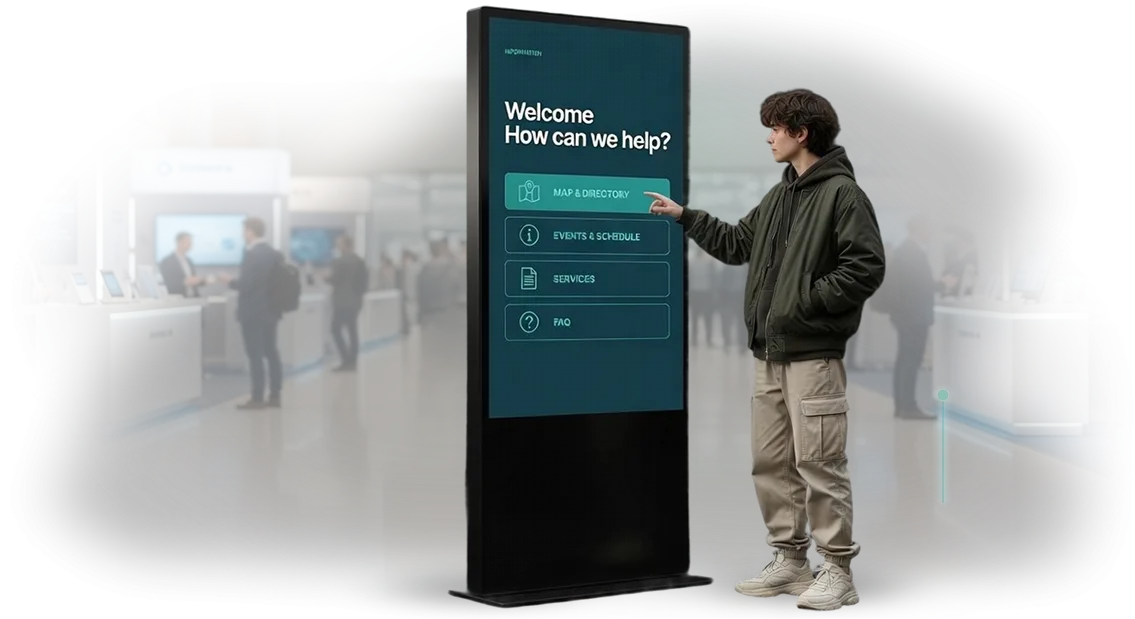
| קיוסק מובנה | תערוכות קבועות, חללי פנים לא סטנדרטיים | חוסך מקום, נראה כחלק מהתערוכה, נוח לאזורים צרים |
אם אינך בטוח איזה פורמט לבחור, זה נורמלי. המהנדסים שלנו יבצעו ניתוח קצר של המתחם שלך ותרחישי האינטראקציה, יכינו המלצות ויספקו הערכת עלות שקופה. אתה מקבל קיוסק אינטראקטיבי סוהר: מהשרטוט הראשון ועד ההתקנה והדרכת הצוות.
איך אנחנו עובדים: 7 שלבים מהבריף ועד ההשקה
בנינו את התהליך כך שתבין מה קורה בכל שלב ואיזו תוצאה אתה מקבל. אין "קופסה שחורה": אתה רואה גרסאות ביניים, מבצע שינויים ומנהל לוחות זמנים.
-
בריף והבנה של המשימה. יש לנו שיחה קצרה או פגישה כדי לגלות היכן תוצב הטבלה האינטראקטיבית, מי הקהל שלך ואילו תרחישים חשובים — מהכרות מבקרים עם אנטומיה ועד חידונים משחקיים לילדים.
-
אנליטיקה וקונספט. אנו מציעים מבנה לקיוסק העתידי: תרחישי ניווט, לוגיקת סעיפים ודרכי הצגת חומר. אתה מקבל תוכנית ברורה, לא ז'רגון טכני.
-
עיצוב ואישור סקיצה. אנו מראים אב טיפוס חזותי של הממשק לפני כתיבת קוד. אתה רואה צבעים, גופנים ומיקום כפתורים, ומבצע שינויים בשלב זה בעודו זול ומהיר.
-
פיתוח ממשק ותוכנה. המעצבים והמהנדסים שלנו מרכיבים את המערכת: אנו מתאימים את הממשק לשליטה במגע, בונים תגובה מהירה ומבטיחים יציבות לפעולה ארוכת טווח ללא אתחולים.
-
הכנת תוכן. אנו עוזרים לך להכין ולהעלות חומרים: תיאורי מודלים אנטומיים, תמונות, סרטונים ושאלות מבחן. במידת הצורך, אנו מייעצים כיצד להציג מידע בצורה ברורה.
-
בדיקות ואיתור באגים. אנו בודקים את הקיוסק בתרחישים אמיתיים: מגעים בו זמנית של כמה מבקרים, פעולה ארוכה ואתחול לאחר תקלה. אנו מתקנים בעיות לפני שהציוד מגיע אליך.
-
השקה, הדרכה ותמיכה. אנו מתקינים את המערכת, מגדירים את הציוד ומכשירים את הצוות שלך. אנו נשארים בקשר לאחר ההשקה: מעדכנים תוכן, מוסיפים סעיפים ועוזרים אם עולות שאלות.
גישה זו כבר הוכחה במוזיאונים, מרכזים רפואיים ומוסדות חינוך — אתה מקבל טבלה אינטראקטיבית סוהר שעובדת ולא מוסח על ידי פרטים טכניים.
מה כלול במשלוח: חבילה למתחם שלך
כשמזמינים טבלה אינטראקטיבית, חשוב להבין בדיוק מה כלול. אנו מרכיבים פתרון סוהר מלא — מהפאנל המגע ועד ההתקנה ותמיכת אחריות. המערכת עובדת מיד לאחר ההתקנה, ללא "תצטרך גם לקנות את זה".
אנו מתאימים אישית את חבילת הטבלה האינטראקטיבית למשימה שלך: כיתה, אולם מוזיאון או דוכן תערוכה. אנו בוחרים את התצורה לפורמט השימוש ולא כופים פתרון סטנדרטי. כל מה שצריך להשקה כבר כלול.
- פאנל מגע במארז מחוזק — ציוד מקצועי שעומד בעומס מבקרים כבד.
- תוכנת קיוסק — ממשק ברור עם ניהול תוכן, ניתן לעדכון ללא מעורבות מתכנתים.
- תוכן אנטומי אינטראקטיבי: מודלי פירוגוב II, חתכים תלת-ממדיים וסצנות לחקר מבנה הגוף.
- התקנת פאנל אינטראקטיבי והפעלה: התקנה במתחם שלך, הגדרה ובדיקת כל המצבים.
- הדרכת צוות והוראות לעבודה עם הציוד והתוכן.
- שירות אחריות ותמיכה טכנית לכל אורך חיי השירות.
התוצאה היא מערכת סוהר שעובדת. אתה מקבל חבילה שצריך רק להפעיל ולהשתמש: שיעורים, סיורים או מצגות מהיום הראשון.
מקרה בוחן: פתרון אנטומי לאוניברסיטה רפואית
לאוניברסיטה רפואית יצרנו טבלת אנטומיה אינטראקטיבית — תחליף דיגיטלי לאטלסים קלאסיים ולעבודה מוגבלת עם דגמים.
האוניברסיטה הייתה זקוקה לכלי חזותי לקבוצות גדולות של סטודנטים, כך שההצעה של הצוות שלנו הייתה שימושית: במקום תמונות סטטיות, מודל תלת-ממדי可控 של הגוף עם ניווט שכבה-אחר-שכבה.
מוקד הפרויקט היה פתרון ששימש בשיעורים מעשיים. כאן פגשנו את הצוות של האוניברסיטה הלאומית למחקר רפואי של רוסיה על שם פירוגוב והתאמנו את התוכן לתוכנית הלימודים שלהם.
המדריך בוחר את המערכת הנדרשת, משנה קנה מידה של איברים ומפעיל מצב מבחן. סטודנטים עובדים בו זמנית: אחד עונה ליד הטבלה בעוד האחרים צופים במסך ומגיבים. פורמט זה מושך את הקהל לדיון במקום להפוך את השיעור להרצאה.
היישום התבצע ללא הפרעה לתהליך האקדמי: המהנדסים שלנו הכינו חומרים לקורס, הכשירו מדריכים ונשארו בתמיכה.
לקחנו בחשבון את דרישות הפעולה הארוכה — הטבלה עומדת ביום לימודים מלא ומוגנת מפני נזק מקרי.
תוצאות הפרויקט:
- סטודנטים החלו למצוא ולזכור מבנים אנטומיים מהר יותר — מהירות התגובה הממוצעת בשיעורים מעשיים עלתה ניכר.
- מדריכים ציינו מעורבות גבוהה יותר: במקום שלושה או ארבעה סטודנטים פעילים בקבוצה, כל תת-הקבוצה משתתפת כעת בשיעור.
- האוניברסיטה המשיכה את השותפות: על בסיס הטבלה הראשונה, התאמנו את הפתרון למחלקה אחרת והרחבנו את מערך תרחישי הלמידה.
מקרה זה מראה כיצד ציוד אינטראקטיבי הופך חומר מורכב לחוויה חזותית שסטודנטים זוכרים דרך פעולה.
אנו מיישמים את אותה גישה לקיוסקים מידע למוזיאונים, תערוכות ומרכזים חינוכיים — בכל מקום שבו מהירות ההבנה והתגובה הרגשית חשובות.
שאלות נפוצות על פיתוח והשקה
לפני השקת טבלה אינטראקטיבית, לכל מנהל יש את אותם ספקות: האם לוחות הזמנים יחליקו, האם זה יעלה יותר מהמתוכנן, והאם הצוות יעמוד בזה. אנו עונים על השאלות המרכזיות בכנות — ללא פרטים טכניים, אבל עם פירוט על לוחות זמנים, תקציב ותמיכה.
כמה זמן לוקח לפתח טבלה אינטראקטיבית?
פרויקט טיפוסי לוקח 4 עד 8 שבועות — מהבריף הראשון ועד ההשקה. אם אתה צריך ניווט פשוט באטלס אנטומי, אנחנו נכנסים לחודש. כשמוסיפים אפקטים מיוחדים, מודלים תלת-ממדיים או אינטגרציה עם מסד הנתונים שלך, לוח הזמנים גדל לחודשיים.
אנו קובעים את השלבים והתאריכים מראש כך שתוכל לראות התקדמות כל שבוע. עיכובים נדירים, ואנו מזהירים על כל סיכון מראש — לפני שהם משפיעים על ההשקה.
כמה עולה טבלה אינטראקטיבית?
העלות תלויה בגודל המסך ובמורכבות התוכן. תצורה בסיסית עם אטלס אנטומי וממשק ברור מתחילה במחיר שמחושב לאחר בדיקה.
אם אתה צריך מארז לא סטנדרטי, שפות מרובות או אינטגרציה עם מערכת החשבונאות שלך, התקציב יגדל בהתאם.
אנו מספקים הערכת עלות מדויקת לאחר בריף קצר — ללא תשלום. המחיר כולל פיתוח, התקנה והדרכת צוות, כך שאין עמלות נסתרות.
כמה קשה לשלב את הקיוסק בתהליכים שלנו?
שום דבר לא משתנה עבור הצוות שלך — הקיוסק עובד באופן אוטונומי, נדלק עם כפתור ואינו דורש תחזוקה מיוחדת. אנו מספקים את הציוד, מתקינים אותו ובודקים שהכל עובד.
כל מה שאתה צריך לעשות זה להציב את הטבלה בלובי או בכיתה ולספר למבקרים על האפשרות החדשה.
אם צריך לעדכן תוכן, אתה שולח לנו את הקבצים ואנו מעדכנים את המערכת מרחוק — ללא קריאה למהנדס.
כמה מהר הצוות ילמד להשתמש בטבלה האינטראקטיבית?
ההדרכה אורכת יום אחד. אנו עורכים היכרות למנהלים ולצוות: מראים כיצד להדליק את הקיוסק, להחליף את שפת הממשק ולאתחל את המערכת אם מתרחשת תקלה. רוב העובדים עובדים בביטחון תוך שעה.
מבקרים לא צריכים שום הדרכה — הממשק אינטואיטיבי, נשלט באצבעות או מחוות, כך שאפילו ילד יכול להבין.
מה לגבי אחריות ותחזוקה לאחר ההשקה?
אנו מספקים אחריות ל-12 חודשים על ציוד ותוכנה. בתקופה זו, אנו מתקנים כל בעיה, מעדכנים תוכן ומספקים ייעוץ טלפוני ללא תשלום.
לאחר תקופת האחריות, אתה יכול לקחת חוזה תמיכה שנתי: בדיקות קבועות, עדכוני מידע וביקורי מהנדס בעדיפות — זה זול יותר מקניית קיוסק חדש לאחר תקלה.
הזמן פיתוח למשימה שלך
ספר לנו על המשימה שלך — ואנו נציע פתרון שעובד עבור הקהל שלך. אתה יכול להזמין קיוסק אינטראקטיבי או טבלת אנטומיה ללא תהליכי אישור ארוכים: אתה משאיר בקשה, ואז אנחנו מנהלים את הפרויקט מהרעיון ועד ההשקה.
מה קורה לאחר הבקשה שלך:
- אתה מקבל ייעוץ — אנו דנים במשימות, בקהל ובתרחישי שימוש, ומייעצים איזה פורמט יניב את האפקט הגדול ביותר.
- אתה לומד את הערכת העלות לטבלה אינטראקטיבית המותאמת למשימה שלך — אנו קובעים את המחיר לפני תחילת העבודה, ללא תוספות נסתרות.
- אתה מקבל הצעה מסחרית עם היקף הפרויקט, השלבים ולוחות הזמנים — אתה מבין על מה אתה משלם ומתי תקבל את התוצאה.
- אתה מאשר תרחישי תוכן ועיצוב ממשק — אתה רואה איך הכל ייראה ויפעל לפני תחילת הפיתוח.
- אתה עוקב אחר התקדמות בשלבים ברורים ובודק גרסאות ביניים — אתה מבצע שינויים בעוד הפרויקט בעיצומו.
- אנו משיקים את הפרויקט יחד איתך ונשארים בתמיכה — לאחר ההשקה, אנחנו לא נעלמים; אנו עוזרים בעדכונים ותוכן.
כך אתה לא מקבל "קופסת חומרה" אלא כלי שמערב מבקרים ומחזיר את ההשקעה. השאר בקשה לפיתוח — נגיב תוך יום עסקים אחד, נייעץ, נחשב ונבנה.
מה אם אתה צריך תצורה לא סטנדרטית?
תצורת קיוסק לא סטנדרטית היא לא מגבלה אלא סיבה לבנות פתרון המותאם בדיוק למשימה שלך. אנחנו לא מגבילים את עצמנו למארזים סטנדרטיים: במידת הצורך, אנחנו עושים גדלים מותאמים אישית, צורות מיוחדות או אינטגרציה לריהוט קיים. המהנדסים שלנו מתכננים את המבנה לחלל ולתרחיש השימוש שלך.
פיתוח קיוסק אישי כולל את החלק החיצוני, הפנים הטכני והתוכנה. אנו בוחרים מסך מגע בפורמט הנדרש, זכוכית מגן ומארז עם דרגת הגנה מתאימה — כך שהציוד עובד באופן אמין בתנאים הספציפיים שלך. אתה מקבל מכשיר מכוונן שאנו תומכים בו לאחר ההשקה.
ציוד אינטראקטיבי מותאם אישית דורש תוכן נכון. אנו מתאימים תוכן לקהל שלך: מודולי הדרכה, אטלסים אנטומיים, קטלוגים, ניווט.
לדוגמה, למרכזים חינוכיים אנו בונים את טבלת האנטומיה האינטראקטיבית "פירוגוב II" עם מודלים מפורטים ותוכניות שיעור.
אם הארגון שלך כבר מפעיל מערכת חשבונאות או מסד נתונים, אנו מגדירים אינטגרציה בין הקיוסק החדש לבינה. מבקרים מקבלים נתונים עדכניים, צוות מקבל נקודת שליטה ואנליטיקה אחת ללא העברת נתונים ידנית. הקיוסק הופך לחלק מהתשתית, לא מכשיר עצמאי.
התוצאה היא לא "קיוסק בכללי" אלא כלי למשימה ספציפית: הגברת מעורבות, האצת שירות, סטטיסטיקה שימושית. ספר לנו על הרעיון הלא סטנדרטי שלך — נציע אפשרות יישום, לוח זמנים ועלות תוך כמה ימים.