

לקוחות עוזבים למתחרים ללא מעורבות חיה
מבקרים מודרניים מצפים להשתתפות חיה, לא לצפייה פסיבית. אם התערוכה מורכבת רק מארונות תצוגה ושלטים, העניין דועך תוך כמה דקות: האדם עובר באולם ועוזב למתחרים — למקום שבו אפשר לגעת, לסובב ולשחק.
האורח אינו זוכר את האוסף, אינו מצלם ואינו ממליץ על המוזיאון לחברים.
זמן przebywania קצר משמעותו חשבון ממוצע נמוך יותר: פחות קפה, פחות מזכרות ופחות סיורים נוספים. ביקורים חוזרים נדירים — המבקר כבר החליט שאין כאן מה לעשות. פרסום מפה לאוזן אינו עובד, ופרסום בתשלום הולך ומתייקר. הכנסות מכרטיסים אינן גדלות, גם אם המוזיאון ייחודי בתוכנו.
אינטראקטיביות פותרת בעיה זו עבור מוזיאון. תצוגה מודרנית עם שולחן מגע הופכת צפייה למעורבות מרתקת: המבקרים בוחרים מה ללמוד, שולטים בתוכן ושוקעים בנושא באמצעות משחק.
מעורבות המבקרים הופכת לשיטתית — הם נשארים 10–15 דקות, זוכרים יותר וחוזרים שוב.
הגדלת זמן przebywania היא דרך ישירה להכנסות גבוהות יותר. כל דקה נוספת ליד התצוגה מגדילה את הסיכוי לרכישה בבית הקפה או בחנות, ורושם חי עורר המלצות.
השולחן האינטראקטיבי של פירוגוב אינו רק מסך אלא כלי שמשתלם באמצעות עניין ונאמנות גוברים.
אם אתם משווים אפשרויות, מחיר השולחן האינטראקטיבי של פירוגוב מורכב מציוד, פיתוח תוכן ועיצוב תרחישים. אנו יוצרים פתרונות מקיפים: מנתחים מטרות תערוכה, מעצבים את הממשק, ממלאים אותו בחומרים ומשיקים אותו לפעולה.
גישה זו מבטיחה תוצאה מדידה — יותר מבקרים, יותר זמן באתר, יותר הזמנות חוזרות.
יתרונות למבקרים ולבעלים
מבקרים זוכרים רגשות, לא מוצגים. דוכנים ופוסטרים רגילים זוכים למבט חטוף, בעוד שולחן אינטראקטיבי מחזיק תשומת לב למשך 5–10 דקות: אפשר לגעת, לסובב ולהתקרב לפרטים.
מעורבות כזו הופכת ביקור חד-פעמי לביקור קבוע ומגבירה את הנאמנות למקום. אינטראקטיביות הופכת את התערוכה לחיה ומובנת, כך שהאורח עוזב עם רושם, לא עם עייפות. אנשים אוהבים להשתתף, לא רק לצפות.
אנו משתמשים בלוחות מגע מקצועיים עם הגנה מפני שריטות ולחות — הם עומדים בעומס מבקרים כבד ופועלים ללא תקלות. זה לא טריק שיווקי אלא ציוד מוכח שמשתלם באמצעות עניין גובר בתערוכה.
במקביל, הצד הטכני נותר בלתי נראה לאורח — הוא פשוט נהנה מהתהליך.
לדוגמה, השולחן האינטראקטיבי של פירוגוב במוזיאון להיסטוריה של הרפואה הפך למושא מרכזי: קבוצות מתאספות סביבו כל הזמן, מבקרים מצלמים וממליצים עליו לחברים.
עבור הבעלים, משמעות הדבר היא מעמד והכרה גבוהים יותר. אלמנט אינטראקטיבי מבדל את המקום ממקומות דומים ונותן לתקשורת ולבלוגרים סיבה לסקר אותו.
זו גם דרך להציג מידע מורכב בפשטות: אנטומיה, אירועים היסטוריים, מכניקה של מכשירים — כל מה שקשה להסביר בטקסט הופך ויזואלי ומרתק.
בנוסף, עומס העבודה על הצוות פוחת: מבקרים מוצאים תשובות בעצמם, ועובדים מתמקדים במשימות חשובות יותר.
המבקר מקבל שליטה על המידע: הוא בוחר את עומק ההתעמקות, חוזר לפרטים מעניינים ומרגיש כמו חוקר. פורמט זה מתאים לילדים, מבוגרים ואנשים עם מוגבלויות.
אינטראקטיביות היא לא רק טכנולוגיה אלא כלי שמחבר בין המבקר למותג. יישום פתרון כזה מגביר את מעורבות הקהל ומחזק את תדמית המקום המודרני.
עבור הבעלים, זו גם השקעה משתלמת: החזר ההשקעה מושג באמצעות עלייה במספר המבקרים וזמן przebywania ממוצע ארוך יותר.
שולחן אינטראקטיבי של פירוגוב: מחיר ופורמטים
מחיר השולחן האינטראקטיבי של פירוגוב תלוי לא בגודל המעטפת אלא במשימות שהוא יפתור.
דגם קומפקטי עם סט בסיסי של אטלסי אנטומיה מספיק לכיתה, בעוד שמרכז רפואי זקוק לשולחן בגודל מלא עם תמיכה במספר משתמשים וספרייה מורחבת.
אנו מייצרים את השולחן האינטראקטיבי של פירוגוב בפורמטים שונים: ממבנים ניידים ועד גרסאות פרימיום נייחות. להלן תרחישים טיפוסיים כדי שתוכלו לראות איזה פורמט מתאים לתקציב ולמשימות שלכם.
| פורמט | למי הוא מיועד | מה הוא נותן ללקוח | התייחסות תקציבית |
|---|---|---|---|
| שולחן קומפקטי | בתי ספר, מכללות, מרכזי הכשרה קטנים | קורס אנטומיה בסיסי, קל להעברה בין כיתות | החל מעלות המחושבת לאחר בדיקה |
| שולחן קלאסי | אוניברסיטאות רפואיות, מרכזי סימולציה | לימוד מעמיק של איברים ומערכות, ניווט תלת-ממדי | החל מעלות המחושבת לאחר בדיקה |
| שולחן פרימיום | מרפאות ומוזיאונים גדולים | פעולה בו-זמנית של מספר משתמשים, תוכן ייחודי לתערוכה | החל מעלות המחושבת לאחר בדיקה |
| מפתח-ביד | כל ארגון הזקוק לכלי מוכן | ציוד + תוכן + התקנה + הדרכת צוות | מחושב באופן אישי |
המחיר הסופי של השולחן האינטראקטיבי של פירוגוב מורכב מאלכסון המסך, מספר המשתמשים בו-זמנית ומורכבות התוכן.
ברוב המקרים, אנו עובדים על בסיס מפתח-ביד: אנו מכינים מודלים תלת-ממדיים, אטלסים ומבחנים לתוכנית הלימודים שלכם, מתקינים ומגדירים את המערכת ומכשירים את הצוות.
כדי לתת עלות מדויקת, אנו רק צריכים ללמוד את המשימות ואת החלל. השאירו פנייה — תוך יומיים נכין הערכת עלות עם מחיר קבוע ולוחות זמנים.
שלבי יישום הפרויקט: מהבריף ועד ההשקה
אתם מקבלים תהליך שקוף: אתם תמיד יודעים באיזה שלב נמצא הפרויקט ומה קורה הלאה. אנו לא עובדים בקופסה שחורה — כל שלב מסוכם אתכם כך שהתוצאה תתאים בדיוק לציפיותיכם.
- בריף והתעמקות במשימה — אנו דנים היכן יוצב השולחן האינטראקטיבי, מי הקהל שלכם ואילו מטרות הקיוסק פותר: מידע, ניווט, בידור, מכירות.
- קונספט ואב-טיפוס — אנו מציעים את מבנה המסך ואת היגיון התרחיש. אתם רואים כיצד מבקר יתקשר עם התוכן לפני תחילת הפיתוח.
- עיצוב השולחן האינטראקטיבי — אנו יוצרים סגנון ויזואלי התואם את המותג שלכם: צבעי חברה, גופנים ועיצוב. אנו מתחשבים בארגונומיה — אלמנטים גדולים הנוחים למסכי מגע.
- אישור עיצוב — אתם מקבלים אב-טיפוס לאישור ומבצעים תיקונים. אנו מתעדים את כל ההסכמות כך שלא יהיו הפתעות בהמשך.
- פיתוח והרכבה — המהנדסים שלנו מרכיבים את החומרה: מעטפת, לוח מגע ויחידת מערכת. מתכנתים מגדירים את התוכנה והגנה מפני תקלות.
- בדיקות והשקה — אנו בודקים ביצועים בתנאים אמיתיים: מהירות תגובה, תרחישי משתמש ועומס. לאחר מכן אנו מתקינים את השולחן במקום שלכם ומכשירים את הצוות.
- השקה ותמיכה — לאחר הפתיחה, אנו נשארים בקשר: מעדכנים תוכן, עוקבים אחר יציבות ופותרים במהירות כל בעיה.
היקף אספקה: מה כלול בפרויקט
עלות הפרויקט כוללת את המחזור המלא — מייצור ועד השקה. אתם לא מקבלים קופסה של חומרה; אתם מקבלים כלי עבודה לפתרון מטרות עסקיות: יידוע, ניווט ואיסוף אנשי קשר. להלן מה שהחבילה כוללת, כדי שתדעו בדיוק על מה אתם משלמים.
- שולחן אינטראקטיבי, מורכב במלואו: מעטפת, לוח מגע ויחידת מערכת כבר מוגדרים ונבדקו במפעל. הציוד מיועד לשימוש אינטנסיבי באזורים עם תנועה רבה.
- אב-טיפוס עיצובי ותוכן מותקן מראש: תפריט, קטלוג, חידון או מצגת — הכל בסגנון החברה שלכם. לאחר ההתקנה, השולחן מוכן לעבודה מיד, ללא אישורים ארוכים.
- משלוח והתקנה במקום שלכם: המהנדסים שלנו מביאים את הציוד, מתקינים אותו ומחברים אותו ביום המוסכם. אתם לא מתעסקים בלוגיסטיקה או בחיפוש קבלני משנה.
- הדרכת צוות: בריף קצר לעובדים שיקבלו את פני האורחים ליד השולחן. הם ילמדו להפעיל את המערכת, להחליף תוכן ולטפל בבעיות סטנדרטיות ללא מעורבות מפתחים.
- מדריך למשתמש: הוראה ברורה עם תרחישי עבודה עיקריים וכללי טיפול. מנהל יכול לרענן את הידע במהירות ולהכשיר עובדים חדשים.
- שירות אחריות ותמיכה טכנית: עדכונים מרחוק, ייעוץ וביקורי מהנדסים במידת הצורך. הציוד פועל באופן אמין, ואתם אף פעם לא נשארים לבד עם בעיה.
- העברת חומרי מקור: כל הקבצים ואבות הטיפוס בבעלותכם. זה מאפשר לכם לבצע עריכות, לעדכן מבצעים ולהרחיב את הפתרון בעתיד — מבלי להיות תלויים בנו.
כל הסעיפים קבועים בחוזה, כך שהמחיר הסופי אינו משתנה במהלך הפרויקט. אתם יודעים מראש על מה אתם משלמים ומקבלים פתרון מפתח-ביד — ללא תשלומים נסתרים או תוספות בלתי צפויות.
מקרה בוחן: כיצד מוזיאון הגביר את מעורבות האורחים
כשהמוזיאון להיסטוריה עירונית פנה אלינו, אורחים בילו פחות מדקה ליד ארונות התצוגה ולעתים קרובות עזבו מבלי להגיע לסוף התערוכה. ההנהלה הבינה: המוצגים היו מעניינים, אך ההצגה לא תפסה תשומת לב. הצענו שולחן אינטראקטיבי שהופך את חקר ההיסטוריה לאינטראקציה חיה.
במקום שלטים סטטיים — מודלים תלת-ממדיים של מוצגים שניתן לסובב ו"להרכיב" לפי תקופות. אורחים בוחרים את התרחיש שלהם, כך שכל ביקור הופך לגילוי.
תוצאות היישום
בחודש הראשון, השולחן יצר למעלה מ-12,000 מפגשים — זה 87% מכלל המבקרים. הזמן הממוצע בתערוכה גדל מ-40 שניות ל-4 דקות, וחלקם של האורחים שהגיעו לסוף האולם גדל פי 2.5. משפחות חזרו כדי להראות את השולחן לחברים.
שלושה חודשים לאחר מכן, מספר המבקרים בסוף השבוע גדל בשליש — הודות לפרסום מפה לאוזן. מדריכי טיולים משתמשים בשולחן כנקודת התחלה למסלול שלהם: הוא מקצר את ההקדמה ומאפשר להעביר יותר קבוצות ביום.
משוב לקוח
מנהל המוזיאון משתף את התוצאות: "ציפינו שהשולחן פשוט ימשוך תשומת לב, אבל קיבלנו כלי שמשנה התנהגות מבקרים. אנשים שואלים שאלות, מתווכחים וחוזרים למוצגים. זה בדיוק מה שאנחנו קיימים עבורו."
במקביל, עלות השולחן דומה להחלפת שני ארונות תצוגה, בעוד שההשפעה על האורחים גבוהה פי כמה. המקרה הראה שתערוכה דיגיטלית מעוצבת היטב משתלמת בחודשים הראשונים ועובדת במשך שנים.
איך לבחור פורמט ולגלות את המחיר?
התשובה הישירה: מחיר שולחן אינטראקטיבי הוא אף פעם לא "ממוצע שוק" — הוא תלוי במשימה שאתם פותרים ובפורמט שמתאים לה.
הפורמט קובע את תרחיש השימוש: היכן יוצב המכשיר, כמה מבקרים יעבדו איתו בו-זמנית והאם יש צורך בתוכן מתעדכן באופן קבוע. לכן אנו תחילה משווים אפשרויות למקרה שלכם ורק אז מציינים מספר.
| פורמט | למי הוא מיועד | מה הוא נותן ללקוח |
|---|---|---|
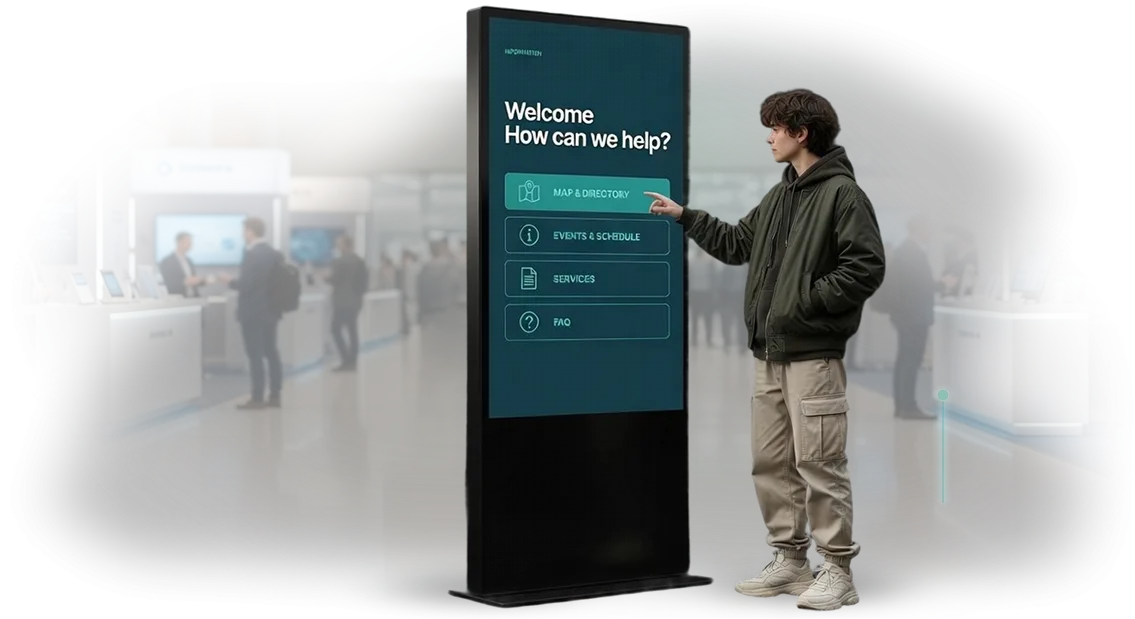
| קיוסק רצפתי | אזורי המתנה, לובי, ניווט באתר | תשובות מהירות לשאלות נפוצות, הפחתת עומס על הצוות |
| שולחן אינטראקטיבי | מוזיאונים, תערוכות, חללים חינוכיים | מעורבות מבקרים, לימוד משותף של חומר, אפקט "וואו" |
| פאנל צמוד קיר | הדגמות מוצר, דוכני מידע | הצגה ויזואלית ללא מעורבות צוות, משיכת תשומת לב |
חשוב להבין: שולחן אינטראקטיבי משתלם לא רק ביום ההתקנה. מבקרים זוכרים עצמים כאלה, משתפים תמונות ברשתות חברתיות, ושירות המידע מפסיק לענות על אותן שאלות. זה מפחית את עומס העבודה על הצוות ומגביר את שביעות רצון האורחים.
כיצד אנו קובעים את העלות: לאחר בריף קצר — בטלפון או בדוא"ל — אנו נותנים טווח תקציבי. עבור שולחן טיפוסי עם תוכן מותאם אישית, העלות מחושבת לאחר בדיקה, בהתאם לגודל המסך, היקף הגרפיקה והאם יש צורך באינטגרציה עם מסד הנתונים שלכם. כל התנאים קבועים בחוזה, ללא תשלומים נסתרים.
כדי לגלות את המחיר למשימה שלכם, שלחו לנו תרחיש: היכן אתם מתכננים להציב את השולחן, מי ישתמש בו ואילו חומרים כבר מוכנים.
תוך יום עסקים אחד, נכין הצעה עם 2–3 אפשרויות — ממינימלית ועד מורחבת — ותוכלו לבחור את זו שמתאימה לתקציבכם.
שאלות נפוצות על אמינות ותחזוקה
אנו מבינים שהשאלה המרכזית בקניית שולחן אינטראקטיבי היא לא המחיר, אלא מה קורה אם הוא מתקלקל. הבה נענה בכנות: הציוד מיועד לחללים ציבוריים בעומס גבוה, ואנו מספקים אחריות רשמית.
אם מתרחשת תקלה, אינכם צריכים לשלוח שום דבר — המהנדסים שלנו יגיעו לאתר שלכם וישחזרו את הפעולה במסגרת האחריות.
במהלך השנים, חידדנו את תהליכי השירות שלנו כך שלא תצטרכו לחשוב על תיקונים. אורך החיים הממוצע של השולחן הוא יותר מ-5 שנים של שימוש פעיל, ולמניעה, מספיק ביקור תחזוקה שנתי קצר. להלן תשובות לשאלות הנפוצות ביותר.
איזו אחריות חלה על השולחן האינטראקטיבי?
הציוד מגיע עם אחריות רשמית של שנה או יותר, בהתאם לדגם. אנו מכסים את כל התקלות בתקופה זו ללא תשלום: אנו מגיעים, מאבחנים ומתקנים באתר במידת האפשר. האחריות על חלק התוכנה נמשכת לכל תקופת השימוש.
מה כולל תיקון ותחזוקה?
תחזוקה מתוכננת היא מניעה: בדיקת מסך המגע, מחברים ועדכון תוכן ותוכנה. אם רכיב נשחק, אנו מחליפים אותו במהירות. זמן התגובה הממוצע לפנייה הוא 1–2 ימי עסקים, ותיקון טיפוסי אורך עד 3 ימים.
כמה זמן יחזיק שולחן אינטראקטיבי?
אורך החיים עם שימוש יומיומי בלובי או במרפאה הוא 5–7 שנים. אנו משתמשים ברכיבים מקצועיים ומספקים המלצות מיקום כך שהציוד יחזיק מעמד זמן רב ככל האפשר. לאחר תום האחריות, התחזוקה נמשכת במסגרת חוזה.
קבלו פתרון מפתח-ביד מוכן
הרכבנו פתרון מפתח-ביד מוכן כך שלא תצטרכו לתאם ספקים, מעצבים ומהנדסים. אנו דואגים להכל: בחירת ציוד, פיתוח ממשק, ייצור מעטפת, משלוח, התקנה והגדרה.
אתם מקבלים שולחן אינטראקטיבי עובד שמושך מבקרים מיד ופותר משימות עסקיות — מיידוע ועד בידור.
השאירו פנייה באתר, ובתגובה תקבלו מיד:
- ייעוץ: נבין כיצד שולחן אינטראקטיבי משתלב בחלל שלכם ואילו תכונות יספקו את הערך הרב ביותר;
- חישוב עלות: נכין הערכת עלות מדויקת למשימות שלכם, ללא תשלומים נסתרים או "הפתעות";
- לוחות זמנים ותוכנית עבודה: נראה את השלבים ותאריך הסיום — אתם מבינים מה תקבלו ומתי;
- קונספט עיצובי: נדגים כיצד ייראו הממשק ועיצוב המעטפת;
- הכנה להשקה: נעזור במיקום, חיבור והדרכת צוות;
- אחריות ותמיכה לאחר ההשקה: נבטיח פעולה יציבה ועדכוני תוכן.
זוהי המשמעות של פתרון מפתח-ביד: אתם מזמינים שולחן, לא סט של חלקים. כל מה שנותר הוא להשתמש בתוצאה.
כדי לחשב את העלות ולקבל ייעוץ, השאירו פנייה — ניצור קשר תוך יום עסקים אחד, נבהיר את הפרטים ונכין הצעה אישית.