

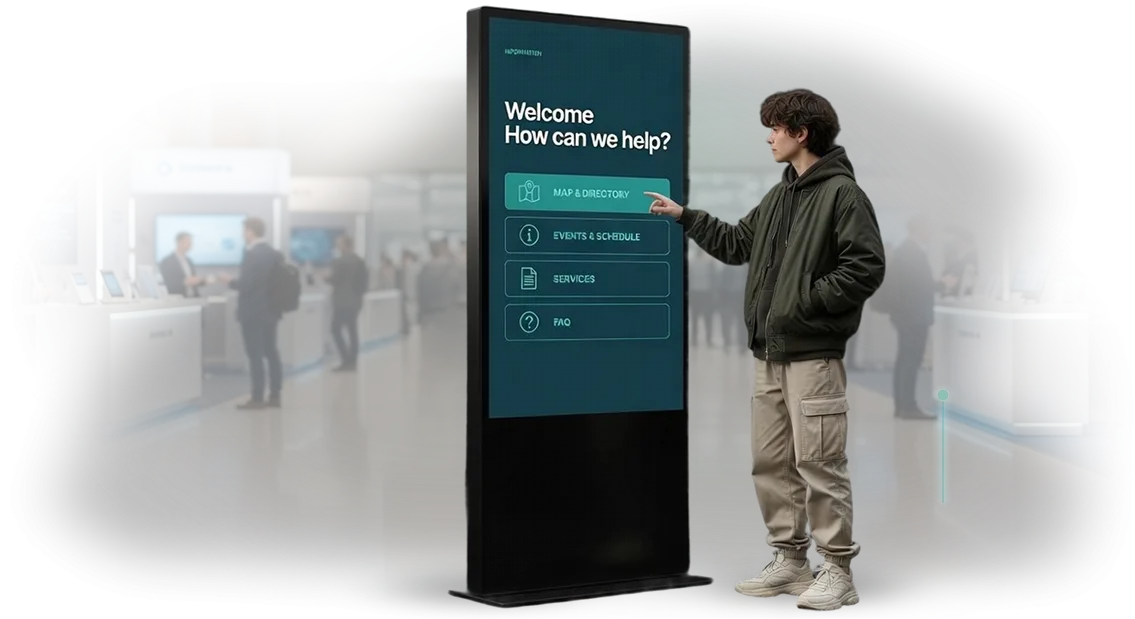
אפליקציית מצב קיוסק לאנדרואיד: איך להשיג שליטה מחדש על המכשירים
אפליקציית מצב קיוסק לאנדרואיד היא כלי שהופך טאבלט או סמארטפון למכשיר בעל מטרה אחת. במקום לתהות לאן נעלמו העובדים או למה הופיעה תוכנה אקראית על המסוף, אתה מקבל התנהגות צפויה מכל מכשיר.
ללא ניהול מכשירים, עסקים סופגים הפסדים: עובד מוסח על ידי משחקים, לקוח יוצא בטעות מהאפליקציה, מישהו משנה הגדרות. כל מקרה כזה פירושו דקות אבודות, תורים ועומס נוסף על התמיכה. בנוסף, ישנם סיכונים הקשורים לגישה לנתונים ארגוניים, שאיש לא שם לב אליהם עד שמתרחש אירוע.
אפליקציית קיוסק לעסקים פותרת את הבעיה ברמת הקונספט: המסך נעול לתוכנה שלך, כפתורי שירות והגדרות אינם זמינים, והעדכונים מתבצעים באופן מרכזי. כך נראית שליטה באנדרואיד — רגועה, ללא ביקור ידני בכל מכשיר.
העובדים מתמקדים בעבודה, הלקוחות מתמקדים בשאלות שלהם, ואף אחד לא מנסה "לשפר" את המערכת.
אנחנו מתכננים מצב קיוסק לפי התרחישים שלך: קטלוג, הזמנה, סקר, תשלום — המכשיר עובד בדיוק כל עוד הלקוח או העובד זקוקים לו. אתה מקבל תהליך צפוי וחיסכון בזמן בכל שלב. התצורה מתחשבת בצרכים הספציפיים שלך, לא בתבניות מופשטות מהאינטרנט.
אפליקציית מצב קיוסק לאנדרואיד מוגדרת כראוי מחזירה את השליטה על המכשירים ללא מיקרו-ניהול. אנחנו לוקחים על עצמנו את ההטמעה, התצורה והתמיכה — התוצאה נשארת: סדר, מהירות שירות ופחות פניות לתמיכה.
אילו יתרונות הטמעת מצב קיוסק מביאה לעסק
טאבלט לא מוגדר הוא לא נקודת מכירה אלא מקור לסיכונים: לקוח יכול לצאת מהאפליקציה, לפתוח אתר לא רלוונטי או לשנות הגדרות בטעות. מצב קיוסק הופך את המכשיר לכלי מאובטח להזמנות ומידע.
אנחנו מיישמים אותו על אנדרואיד עם מנגנוני אבטחה מוכחים — יציב וללא התערבות ידנית.
היתרונות העיקריים של מצב קיוסק לעסק:
- הגנה על נתונים. המשתמש רואה רק את הממשק הדרוש; הגדרות ונתונים אישיים אינם נגישים. פחות סיכונים לדליפות ופחות פניות לתמיכה.
- המרה גבוהה יותר. מסלול קצר להזמנה ללא פרסומות וכפתורים מיותרים. המבקרים פועלים מהר יותר, וההכנסות גדלות בכל מיקום.
- ניהול מכשירים. הגדרות ועדכונים מוחלים באופן מרכזי על כל רשת הקיוסקים. אין צורך לבקר באתרים — השינויים מגיעים תוך דקות.
- עלויות נמוכות יותר. פחות שגיאות עובדים, תקלות והשבתות. המכשירים פועלים שנים ללא התערבות, והניהול הופך לזול משמעותית.
כתוצאה מכך, מצב קיוסק מחזיר את ההשקעה באמצעות שירות מהיר יותר וחיסכון בתמיכה. הלקוחות מקבלים ממשק מודרני, אתה מקבל רשת מכשירים ניתנת לניהול, והעסק שלך מקבל צמיחה צפויה בהמרה ובנאמנות.
פורמטי שיתוף פעולה: מפתרון קיוסק סטנדרטי לפיתוח מותאם אישית
אנחנו מציעים שלושה פורמטי שיתוף פעולה — כל אחד מכסה צורך ספציפי. אנחנו עוזרים לך לבחור את האפשרות הטובה ביותר כדי שלא תשלם יותר מדי על פונקציונליות מיותרת ותקבל תוצאות במסגרת לוח הזמנים שלך.
לעסקים שצריכים להשיק במהירות נקודת מכירה או ניווט, פתרון מוכן מבוסס אנדרואיד עובד היטב. אם התרחישים הסטנדרטיים לא תואמים את התהליכים שלך, אנחנו מתאימים את האפליקציה למשימות ספציפיות. כאשר נדרשת חוויית לקוח ייחודית, אנחנו בונים פרויקט מותאם אישית מאפס.
| פורמט | למי | מה הלקוח מקבל |
|---|---|---|
| פתרון מוכן | חברות שצריכות התחלה מהירה ללא עלויות נוספות | תרחיש מוכח, השקה תוך ימים, חיסכון בפיתוח |
| התאמה של פתרון מוכן | עסקים עם תהליכים ייחודיים ואינטגרציות לא סטנדרטיות | בסיס מוכר ואמין, מותאם למשימות שלך |
| פיתוח מותאם אישית | פרויקטים עם חוויית משתמש ייחודית או לוגיקה מורכבת | מוצר בלעדי שמשקף במלואו את המותג והמשימות |
בכל פורמט, אתה מקבל את מלוא היקף העבודה: עיצוב ממשק, הגדרת ציוד, בדיקות והשקה. ואחרי ההשקה — תמיכה ואבולוציה של המערכת随着 העסק שלך גדל.
לדוגמה, עבור רשת קמעונאית אנחנו לוקחים תרחיש מוכן ומשיקים את המיקומים הראשונים תוך כמה ימים; עבור סלון יוקרתי אנחנו מפתחים ממשק בלעדי עם עיצוב מרשים. בשני המקרים, אתה מקבל פעולה יציבה ואנליטיקה ברורה.
שלבי הפרויקט: מבריף ועד השקה ותמיכה
אנחנו עובדים בשקיפות וללא הפתעות: כל שלב ברור לך, והתוצאה היא קיוסק עובד שבאמת עוזר למבקרים. להלן נתיב פרויקט טיפוסי שעברנו עשרות פעמים.
- בריף והתעמקות — אנחנו נפגשים איתך (או עם הצוות שלך), שומעים איך אתה רוצה לתקשר עם המבקרים, ולתפוס מטרות, אילוצים ותרחישים. אתה מקבל הבנה ברורה של ההיקף ולוח הזמנים.
- אב טיפוס ואישור — אנחנו מראים את המבנה והלוגיקה של המסך העתידי: איפה יהיו הקטעים, איך הניווט עובד, איך המשתמש מגיע למידע הדרוש. אתה רואה את הקיוסק מנקודת המבט של המבקר לפני שנכתבת שורת קוד אחת.
- עיצוב ממשק — אנחנו יוצרים אלמנטים גדולים, ניגודיות וגופנים שעובדים היטב על מסך לובי. הקיוסק נראה כמו חלק מהמותג שלך ולא מבלבל את האורחים.
- פיתוח מצב קיוסק לאנדרואיד — אנחנו מגדירים הפעלה אוטומטית, מגבילים גישה לפונקציות מערכת ומגנים מפני יציאות והפעלות מחדש בטעות. האפליקציה פועלת ללא צורך בהתערבות הצוות שלך.
- בדיקות והפעלת פיילוט — אנחנו בודקים את התנהגות הקיוסק בתורים, תחת הקשות מהירות ו"מרושלות", ובמהלך תקלות רשת. אנחנו מביאים את היציבות לרמה שבה אתה יכול פשוט לשכוח מהקיוסק.
- השקה, תמיכה ואבולוציה — אנחנו מתקינים את האפליקציה, מגדירים עדכונים, מאמנים את הצוות שלך וממשיכים לתמוך בפרויקט. אם צריך להוסיף פונקציונליות, אנחנו מטפלים בזה, כך שלא תצטרך לחפש קבלן חדש.
מה כלול במסירה: חבילת מפתח
אתה מקבל פתרון מוכן להשקה. אנחנו מספקים לא רק אפליקציה אלא חבילה מלאה: מחומרה מוגדרת ועד הוראות לצוות. אין "הפתעות" אחרי המסירה — כל מה שצריך לפעולה יומיומית כבר כלול.
המסירה כוללת:
- אפליקציית קיוסק עובדת המוגדרת למשימה שלך, עם הגנה מפני יציאות בטעות למערכת ופעולות לא מורשות.
- חומרה מוכנה להשקה: עמדה או טאבלט עם תוכנה מותקנת — פשוט חבר והשתמש.
- לוח ניהול לניהול תוכן: שנה תפריטים, מחירים, מבצעים ובאנרים בעצמך, ללא מתכנת.
- תיעוד ברור: מדריך קצר לצוות בקיוסק ומדריך מפורט למנהל.
- הכשרת צוות: אנחנו עורכים מפגש מעשי כדי שהצוות יוכל להשתמש בקיוסק בביטחון ולטפל בבעיות נפוצות.
- אחריות על האפליקציה והחומרה עם זמן תגובה מוגדר — אנחנו משחזרים פעולה במהירות במקרה של תקלות.
- תמיכה לאחר ההשקה: אנחנו עוזרים בעדכונים, שיפורים ועונים על שאלות — אתה אף פעם לא נשאר לבד עם הטכנולוגיה.
זו לא רק מסירת קוד אלא כלי עסקי עובד. אתה מקבל תוצאה צפויה וחוסך זמן לצוות שלך: העובדים שלך מתמקדים בלקוחות במקום להבין הגדרות.
אם你需要 להרחיב פונקציונליות, נוסיף מסכים חדשים, אינטגרציות או נחבר אנליטיקה על פי בקשה ראשונה שלך.
מקרה בוחן: איך שיפרנו את יעילות המכשירים ברשת קמעונאית
כשרשת האלקטרוניקה ТехноМаркет פנתה אלינו, קיוסקי המידע שלהם פעלו בחצי קיבולת. לקוחות חיכו לעתים קרובות ליועץ כדי לבדוק זמינות או לבצע הזמנה, והצוות בילה עד 30% מזמנו על שאלות שגרתיות.
יעילות המכשירים הייתה נמוכה: עדכוני נתונים נדירים, ממשק איטי וניווט לא נוח גרמו למבקרים לוותר על שירות עצמי.
פיתחנו אפליקציית מצב קיוסק לאנדרואיד שפתרה את האתגרים האלה. שילבנו את הקטלוג, זמינות מלאי בכל חנויות הרשת, הזמנה עצמית ותוכנית נאמנות.
הממשק עוצב כך שלקוחות יוכלו להבין אותו ללא סיוע צוות: קטעים גדולים, הנחיות ברורות וחזרה מהירה למסך הבית. הגדרנו גם עדכוני תוכן מרחוק — המכשירים תמיד מציגים מחירים ומבצעים עדכניים.
מדדנו תוצאות בחנות פיילוט. בשבועיים הראשונים, חלק ההזמנות בשירות עצמי עלה ל-34%, ועד סוף החודש — ל-42%.
זמן הסשן הממוצע ירד מארבע דקות לדקה וחצי: הלקוחות מצאו מוצרים וביצעו הזמנות מהר יותר ממה שחיכו בעבר ליועץ. בימים עמוסים, המסופים טיפלו בעד 1,800 סשנים, והתורים בעמדות נעלמו.
מאחר שהצוות כבר לא נאלץ לענות על שאלות שגרתיות, שוחררו כ-20 שעות בשבוע שהופנו לייעוץ על מוצרים מורכבים.
אחרי חודשיים של פעילות פיילוט, ТехноМаркет הזמין הרחבה לכל רשת 40 החנויות. עכשיו קיוסקים עובדים בכל מיקום, וההזמנה החוזרת מאשרת ערך מדיד ללקוח.
אנחנו ממשיכים לתמוך בפרויקט: מעדכנים קטלוגים, מוסיפים תרחישים חדשים ומבטיחים שהמכשירים פועלים בצורה אמינה ללא תקלות.
איך לבחור פורמט פיתוח לדרישות ספציפיות?
דרישות ספציפיות הן בדיוק המקרה שבו אתה לא יכול פשוט לקנות את הפתרון הראשון שתמצא ולקוות שהוא יתאים. פורמט הפיתוח קובע באיזו דיוק המערכת תואמת את התהליכים שלך, את זרימות העבודה של הצוות ואת ציפיות הלקוחות.
הבחירה הנכונה חוסכת תקציב וזמן; הבחירה הלא נכונה מובילה לעבודה חוזרת, עיכובים ומשתמשים לא מרוצים.
התחל בשאלה: מה בדיוק צריך לקרות בקיוסק? אם זה תרחיש סטנדרטי — עיון בקטלוג, ניווט, קבלת מידע — תבנית מוכנה עם תצורה בסיסית מספיקה.
אבל אם יש לך תהליכים עסקיים ייחודיים, כמו אינטגרציה עם מערכת הנהלת חשבונות פנימית, חומרה לא סטנדרטית או תרחישי אינטראקציה מיוחדים עם לקוחות, נדרש פיתוח מותאם אישית.
רק גישה זו מאפשרת ליישם פונקציונליות בדיוק למשימה שלך, ללא הסיכון להיתקע בתוך קוד של מישהו אחר.
אנחנו מתחילים בניתוח דרישות קצר, ואז מציעים את הפורמט האופטימלי: מתצורה מינימלית ועד פתרון מותאם אישית מלא. אנחנו בוחנים מורכבות אינטגרציה, מספר משתמשים, סיכויי צמיחה ולוחות זמנים ריאליים — לא מה שהכי קל למכור.
זה עוזר להימנע משני קצוות: תשלום יתר על פונקציונליות מיותרת וקיצוץ בעלויות על חשבון יציבות ואבטחה.
בסופו של דבר, בחירת פורמט היא לא משימה טכנית אלא החלטה ניהולית שמשפיעה על החזר ההשקעה של הפרויקט. אנחנו לוקחים על עצמנו את הבחירה, עובדים במסגרת התקציב שלך ומציינים את הנתון הסופי המדויק לפני ההשקה.
אם אתה צריך קיוסק שעובד בצורה אמינה ופותר בדיוק את המשימה שלך — ספר לנו על הדרישות שלך, ונייעץ לך איזה פורמט מתאים.
תשובות לספקות נפוצות לפני ביצוע הזמנה
לפני הזמנת אפליקציית קיוסק, כל מנהל שואל את אותן שאלות: "כמה זה יעלה?", "מתי נשיק?", "מי יספק תמיכה ויבטיח אבטחה?" אנחנו עונים על החששות הנפוצים ביותר כדי שתבין איך אנחנו עובדים ומה אתה מקבל.
למה העלות תלויה במשימה הספציפית?
אנחנו לא מוכרים "קיוסק סטנדרטי ממחירון." קודם כל, אנחנו מבררים מה העסק שלך באמת צריך: מיקום יחיד עם קטלוג פשוט או רשת עם אינטגרציה למערכת הנהלת חשבונות.
המחיר הסופי תלוי בזה — אתה משלם על תוצאות, לא על תבנית מוכנה. הערכה שקופה נקבעת בחוזה לפני ההשקה.
אילו לוחות זמנים ריאליים להשקה?
קיוסק טיפוסי — קטלוג, וידאו, משוב — לוקח 2–4 שבועות. אם你需要 אינטגרציה עם מסד נתונים של מוצרים או לוגיקה מורכבת, לוח הזמנים מתארך, אבל אתה תמיד רואה את השלבים על מפת הפרויקט הכוללת. אנחנו מתחשבים מראש בזמן לבדיקות ואישורים, כך שעיכובים אינם סבירים.
איך מוגנים נתונים וניהול הקיוסק?
האפליקציה פועלת במצב Android מאובטח עם גישה מוגבלת להגדרות מערכת. אנחנו מגדירים ניטור מרחוק: אם קיוסק מפסיק להגיב, אתה מגלה מיד ויכול להפעיל אותו מחדש ללא ביקור באתר. נתוני לקוחות מועברים בערוצים מאובטחים.
האם אינטגרציית הקיוסק קשה, ומה לגבי תמיכה?
אנחנו מחברים את הקיוסק למערכת הנהלת החשבונות או ל-CRM שלך כך שהמידע מתעדכן ללא שכתוב קוד. אחרי ההשקה, אנחנו מספקים אחריות ותחזוקה: ייעוץ, שיפורים ובדיקות מונעות. אתה אף פעם לא נשאר לבד עם המכשיר.
אם עדיין יש לך שאלות, הבא לנו את המשימה שלך, ונכין הערכת עלות ותוכנית למצב שלך.מוכן לדון בפרויקט שלך? השאר פנייה
השאר פנייה, ונבחן את המשימה שלך בשיחה הראשונה. ספר לנו איפה הקיוסקים יהיו ממוקמים, מי ישתמש בהם ואיזו תוצאה אתה רוצה להשיג. אז נציע פתרון שמתאים לתקציב וללוח הזמנים שלך.
תוך יום עסקים אחד, המהנדס שלנו ייצור איתך קשר, יבהיר את הפרטים ויכין הערכת פרויקט ראשונית. ללא התחייבויות — רק פרטים: מה צריך לעשות, כמה זמן זה ייקח ומה תהיה העלות.
מה אתה מקבל אחרי פנייה אלינו:
- ייעוץ על מצב קיוסק: איך להגביל גישה להגדרות, להגן על המכשיר ולפשט את הממשק למבקרים.
- תוכנית עבודה ראשונית לפרויקט שלך — ללא סלסולים או פרטים טכניים, רק שלבים ולוחות זמנים.
- הערכת עלות מפורטת לפי שלבים — אתה רואה מיד על מה אתה משלם.
- בחירת הפתרון האופטימלי: אפליקציה משלך, התאמה של פתרון מוכן או השכרת מפתח.
- דוגמאות לפרויקטים דומים מהניסיון שלנו — ראה איך פתרנו אתגרים עבור לקוחות אחרים.
אין תנאים נסתרים או שירותים כפויים. אנחנו עובדים מרחוק, כך שאין צורך לנסוע לשום מקום — אנחנו מטפלים בהכל באמצעות שיחות וידאו או הודעות. ואם הפרויקט דחוף, נדון באפשרות להשקה מואצת.
מלא את הטופס בצד ימין או שלח לנו הודעה במסנג'ר — נדון בפרויקט שלך, נענה על שאלותיך ונציע פתרון שיועיל לעסק שלך.