

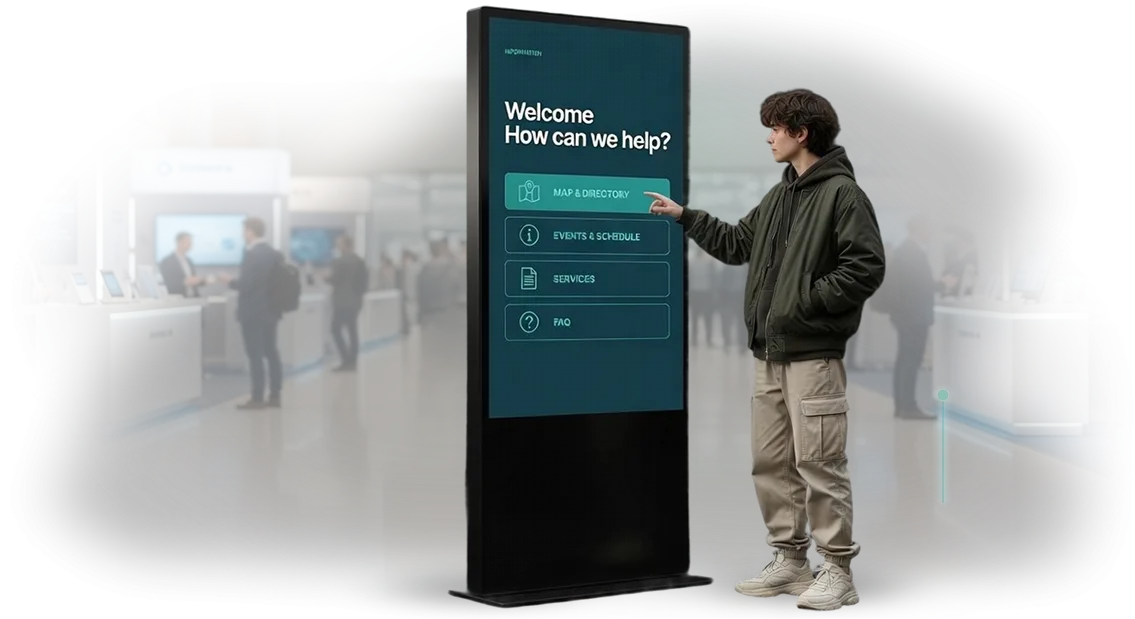
אפליקציית מצב קיוסק Chrome: כיצד להימנע מאובדן מכירות עקב תקלות במכשירים
כאשר קיוסק קופא או נכבה, הלקוח הולך למתחרה — וזו לא צירוף מקרים, אלא אובדן הכנסות ישיר. המבקר לא מבין היכן אירעה התקלה: הוא רק רואה מכשיר לא עובד שהבטיח שירות מהיר.
אירוע אחד כזה בשעות השיא עולה בעשרות הזמנות פוטנציאליות, והמוניטין של המותג סובל יותר מאשר מכל טעות פרסומית.
החלק היקר ביותר בתקלות הוא לא התיקון, אלא העזיבה השקטה של לקוחות ועומס על הצוות, שבמקום למכור, נאלץ להפעיל מחדש מכשירים. כל מכשיר לא עובד משמעותו תורים, עצבים ואובדן נאמנות.
זה מתסכל במיוחד כאשר הקיוסק נכשל ברגע שבו הלקוח כבר מוכן לבצע הזמנה או להזמין שירות.
אנחנו פותרים בעיה זו באמצעות מצב קיוסק יציב של Chrome: הפעלה אוטומטית של היישום הנדרש, הגנה מפני יציאות מקריות, והתאוששות אוטומטית לאחר תקלות.
המכשיר עובד כמו עובד אמין — ללא הקפאות, ללא "מסכים כחולים", ללא צורך לקרוא למנהל מערכת על כל בעיה. אתה מקבל כלי שלא מפריע למכירות אלא משפר אותן.
המהנדסים שלנו כבר הגדירו עשרות קיוסקים כאלה לקמעונאות, HoReCa ותעשיית השירותים. אנחנו יודעים כיצד לבודד את המערכת כך שפעולות לא מורשות לא ישבשו את הפעילות ועדכונים לא יהפכו להפתעות.
התוצאה — פניות תמיכה מינימליות, התנהגות צפויה של הקיוסק, ושקט נפשי לעובדים שלך שמטפלים בלקוחות במקום בתחזוקת ציוד.
מה אתה מקבל מפתרון אינטראקטיבי: יתרונות מרכזיים
קיוסק אינטראקטיבי הוא לא רק מסך עם מידע, אלא כלי מכירות מלא. במקום צפייה פסיבית, המבקר מקבל תסריט מרתק שמנחה אותו לעבר פעולת היעד — רכישה, הזמנה, רישום. זהו ההבדל העיקרי שלו מדוכנים וקטלוגים רגילים.
היתרונות של קיוסק אינטראקטיבי ניכרים בכמה תחומים בו-זמנית. מעורבות האורחים גדלה: תוכן אינטראקטיבי מחזיק תשומת לב הרבה יותר זמן מאשר ברושורים מנייר.
הקיוסק יכול להציע מוצרים משלימים והמלצות אישיות, מה שמגדיל ישירות את הסל הממוצע. במקביל, העובדים מקבלים הקלה — הם לא צריכים לענות על אותן שאלות עשר פעמים ויכולים להתמקד במשימות חשובות יותר.
בונוס נוסף הוא הכרת המותג. קיוסק מודרני עם ממשק בהיר הופך בעצמו לנקודת משיכה, ואורחים מצלמים אותו ומשתפים ברשתות החברתיות.
זוהי חשיפה חינמית לקהל שממשיכה לעבוד גם אחרי הביקור, מגבירה נאמנות ובונה תדמית של חברה טכנולוגית.
הצוות שלנו מפתח פתרונות כאלה במצב קיוסק של Chrome: זו תוכנית מכווננת ומאובטחת שבה המסך תמיד מציג רק את התסריט הנדרש. אין יציאות מקריות, שגיאות או השבתות — הבעלים לא צריך להתעסק בהגדרות. כל העדכונים וההגנה מוגדרים על ידי המהנדסים שלנו.
כפי שמציין המומחה שלנו: "קיוסק הוא עובד שלעולם לא מתעייף. הוא תמיד ידידותי, מכיר את כל המבצעים, ומנחה בעדינות את האורח לבחירה, ולכן קיוסקים אינטראקטיביים מביאים לעלייה ממשית ברווח."
פורמטים של הטמעת קיוסק אינטראקטיבי
בחירת פורמט קיוסק היא לא פרט טכני, אלא החלטה שמשפיעה על התקציב, מהירות ההשקה והרושם של הלקוח.
יחידה עומדת, אפליקציית מצב קיוסק Chrome, או טאבלט קומפקטי — לכל אפשרות יש כלכלה משלה ותפקיד משלה במסע הלקוח.
יישמנו יותר מ-100 קיוסקים לקמעונאות, HoReCa, מוזיאונים ומרכזים עסקיים, ולכן אנחנו יודעים לבחור את הפורמט הנכון למשימות ולחללים שלך. השווה את האפשרויות העיקריות — כל מה שנותר הוא לאשר את העיצוב והתוכן.
| פורמט | למי מתאים | מה הוא נותן ללקוח |
|---|---|---|
| קיוסק בגודל מלא (מעמד רצפה, מתחם) | אולמות מכירה, חללי תצוגה, אזורים עם תנועה גבוהה | לכידת תשומת לב מקסימלית, תדמית חברה טכנולוגית, עמידות לשימוש אינטנסיבי ופעילות 24/7 |
| אפליקציית מצב קיוסק Chrome | נקודות שירות עצמי, שירותים פנימיים, פרויקטים עם תקציבים מוגבלים | השקה מהירה על מחשבים או טאבלטים קיימים, הגנה מפני סגירה מקרית והפרעות מבקרים, עדכוני תוכן קלים |
| קיוסק טאבלט שולחני | אזורי קבלה, בתי קפה, סלונים, אזורי המתנה, אירועים | קומפקטיות וניידות, השקעה מינימלית, התקנה על מעמד תוך שעה, החלפת מכשיר קלה |
לא משנה איזה פורמט תבחר, אנחנו מטפלים בכל מחזור "מפתח-ביד": מכינים תוכן, מגדירים ציוד, מאמנים צוות ומספקים הוראות. אתה מקבל מערכת ניתנת לניהול שמקלה על העובדים ומגבירה את נאמנות המבקרים — ללא הפתעות תפעוליות.
אם אינך בטוח, נמליץ על האפשרות האופטימלית בהתבסס על תנועת הרגליים, שטח הרצפה והמשימות שלך. התקשר אלינו — תוך 15 דקות נדון בתסריט ונציע פתרון עם תקציב ברור.
כיצד מתנהל הפרויקט: שלבי העבודה על המכשיר שלך
עבור רוב החברות, פיתוח קיוסק נראה כמו "קופסה שחורה": אתה משלם, מחכה — וחודש אחר כך מקבל תוצאה. אנחנו עובדים אחרת: אנחנו מחלקים את הפרויקט לשלבים שקופים, מסכימים על כל נקודה חשובה ומעדכנים אותך. אתה תמיד יודע מה קורה ומתי תהיה התוצאה הבאה.
-
בריף וניתוח משימה. אנחנו מגדירים את מטרות המכשיר: מה המבקר צריך לעשות, אילו תסריטי פעולה לשקול, היכן הקיוסק ימוקם ומי ישתמש בו. אנחנו מבהירים את כל הפרטים כדי לבנות פונקציונליות נכונה מההתחלה.
-
אב-טיפוס ואישור עיצוב. אנחנו מראים לך מודל של המסכים העתידיים: תפריטים, כפתורים, בלוקי מידע. אתה מבצע עריכות לפני תחילת התכנות — זה חוסך זמן ותקציב, שכן שינוי ויזואלי זול יותר מאשר שכתוב לוגיקה.
-
פיתוח מצב קיוסק. אנחנו מגדירים מצב מאובטח מבוסס Chrome כך שמבקרים לא יוכלו לצאת מהיישום, לשנות הגדרות או "לשבור" בטעות את המערכת.
אנחנו מחברים אינטגרציות עם הקטלוגים, ספריות ומערכות ההזמנות שלך — כל מה שצריך לפעולה.
-
בדיקות על תסריטים אמיתיים. אנחנו בודקים כיצד הקיוסק מתנהג בשימוש אינטנסיבי: סשנים ארוכים, הפסקות אינטרנט, אתחולים. אנחנו מבטלים נקודות חולשה לפני ההשקה כדי שתקבל מכשיר יציב ולא תוכנה "גולמית".
-
השקה והדרכת צוות. אנחנו מתקינים את התוכנה על המכשירים שלך ומגדירים הפעלה אוטומטית. אנחנו מראים לצוות שלך כיצד לעדכן תוכן, לשנות מחירים ותמונות, ולהוסיף קטעים חדשים — ללא צורך לקרוא למפתחים.
-
תמיכה ופיתוח. לאחר ההשקה, אנחנו נשארים בקשר: עוזרים בתקלות, מעדכנים תוכן ומשכללים פונקציות אם המשימות העסקיות משתנות. הפרויקט ממשיך לחיות ולהניב ערך במקום לקפוא ברגע המסירה.
תהליך עבודה זה מסיר אי-ודאות וסיכון: אתה רואה את התוצאה בכל שלב ומבין על מה אתה משלם. כתוצאה מכך, הקיוסק לא רק "נבנה ונשכח" — הוא הופך לכלי עבודה אמיתי לעסק שלך.
מה כלול במסירה: חבילה מלאה לעסק שלך
בהזמנת קיוסק מידע, אתה מקבל פתרון עסקי מוכן. אנחנו מטפלים בכל השלבים — מפיתוח ועד השקה והדרכת צוות.
חבילת המסירה הסטנדרטית כוללת:
- תוכנת קיוסק — היישום מופעל אוטומטית כשהמכשיר נדלק ופועל במצב מסך מלא. הקיוסק מוכן לשימוש מיד לאחר החיבור.
- אבות-טיפוס וחומרי עיצוב — עיצוב מסכים בסגנון המותג שלך כך שהקיוסק ייראה כחלק מהמותג. נכין מספר אפשרויות ונתאים אותן למשימות שלך.
- תיעוד — הוראות פשוטות לצוות: כיצד להדליק ולכבות את הקיוסק, לעדכן תוכן ולפתור בעיות נפוצות. ללא פרטים טכניים.
- התקנה ואינטגרציה — אנחנו מחברים את הקיוסק לרשת שלך, מגדירים עדכונים ומבטיחים פעולה מאובטחת בדפדפן Chrome. זה מבטיח יציבות והגנה מפני תקלות.
- הדרכת צוות — אנחנו מקיימים הדרכה: כיצד להעלות חומרים חדשים, לשנות לוחות זמנים ולעקוב אחר סטטיסטיקות. כולל הקלטות וידאו.
- תמיכה בהשקה — בשבועות הראשונים, אנחנו נשארים בקשר ועוזרים לפתור כל שאלה. אתה אף פעם לא נשאר לבד עם הטכנולוגיה.
בסך הכל: תוכנה, אבות-טיפוס, תיעוד, התקנה והדרכה — כל מה שצריך כדי להשיק. כל מה שנותר הוא להדליק את הקיוסק ולהשתמש בו כדי למשוך לקוחות.
מקרה בוחן: כיצד רשת קמעונאית הגדילה מכירות ב-40%
עבור רשת חנויות חומרי בניין СтройДом, פיתחנו קיוסקים אינטראקטיביים למידע באזור מוצרי שיפוץ הבית.
לקוחות часто הלכו לאיבוד בין מאות פריטים ועזבו ללא הרכישה הדרושה, בעוד שהמתנה ליועץ יכלה לקחת עד 10 דקות בשעות השיא. זה עלה לרשת עד 15% מההכנסות — ראינו זאת בניתוחי מכירות ובהקלטות מצלמות. מצב זה מוכר כמעט לכל מפעיל קמעונאי.
הצוות שלנו הגדיר אפליקציה במצב קיוסק Chrome: המבקר בוחר קטגוריה בעצמו, רואה זמינות עדכנית, מחיר ומיקום מדויק על המדף. אין התקנות, אין הקשות מיותרות — פשוט ניגשים, מוצאים והולכים לקחת את המוצר.
ההשקה ארכה שבועיים, כולל בדיקות עם לקוחות אמיתיים. יועצים עברו לשאלות מורכבות ועיבוד הזמנות, והתורים נחתכו בחצי.
התוצאה לאחר החודש הראשון בחנויות פיילוט: המכירות בקטגוריית שיפוץ הבית גדלו ב-40%, והסל הממוצע עלה ב-15%.
הקיוסק מציע בנוסף מוצרים משלימים — צבע, מברשות, נייר דבק לצביעה — והלקוח קונה אותם מיד בלי לחזור לאולם. בשעות השיא, קיוסק אחד מטפל ב-150–200 אינטראקציות במשמרת, וזמן ההמתנה לעזרה ירד ל-3–4 דקות.
תוך חודשיים, חלקם של ביקורים חוזרים גדל ב-20%, והרשת הרחיבה את הפתרון לכל 12 החנויות. אנחנו ממשיכים לתמוך בפרויקט: מעדכנים תוכן באופן קבוע, מנטרים יציבות והרחבנו את הקיוסק עם מסופים ניידים לצוות.
זהו אחד ממקרי הבוחן האהובים עלינו — הוא מראה כיצד עוזר דיגיטלי נכון הופך לנקודת צמיחה בהכנסות ללא תקציבי פרסום נוספים.
כיצד לבחור את הפורמט הנכון למשימה שלך?
בחירת פורמט קיוסק מתחילה לא במכשיר, אלא במשימה שהוא צריך לפתור עבור הלקוחות שלך. הגדר בבירור מה המבקר צריך לעשות: לעיין בקטלוג, להזמין שירות, לשלם עבור הזמנה או לקבל מידע.
זה קובע אם מסך פשוט עם מידע מספיק או שאתה צריך מסוף מלא עם אפליקציה המחוברת למערכות החשבונאות שלך.
אם המשימה פשוטה — הצגת תפריט, מחירון או ניווט — פתרון טאבלט או מסך קומפקטי במחיר סביר יעבוד. קל לעדכן אותו והוא מחזיר את ההשקעה במהירות בבית קפה, אולם תצוגה או לובי משרדים.
כשאתה צריך הזמנות, תשלומים, הנפקת מסמכים או גישה לחשבון אישי, עדיף לבחור קיוסק בגודל מלא עם רכיב שרת: הוא מעבד נתונים מהר יותר ומגן על מידע לקוחות.
הניסיון שלנו מראה שבחירה נכונה בהתחלה חוסכת עד שליש מהתקציב על עבודות חוזרות.
הקריטריון השני הוא סביבת ההתקנה. לחללים פנימיים, מסך רגיל עם זכוכית מגן מספיק; למיקומים חיצוניים או עם תנועה גבוהה, תצטרך מתחם מחוזק עם מסך בהיר העמיד בפני שמש ואבק.
זה משפיע לא רק על המחיר אלא גם על פעולה ללא הפרעות: קיוסק שלא דורש תיקונים חודשיים מביא יותר הזמנות ופחות דאגות לצוות שלך. אנחנו בוחרים את התצורה לחלל ולתנועה שלך כך שהציוד לא יאכזב אותך בשעות השיא.
השיקול השלישי הוא היקף ולוח זמנים. אם אתה צריך להשיק במהירות ולכסות מספר מיקומים, בחר פתרון סטנדרטי עם ממשק ברור שהמהנדסים שלנו יתאימו למותג שלך תוך שבועיים.
אם יש לך תהליך לא סטנדרטי — לדוגמה, תורים אלקטרוניים או אינטגרציה עם CRM — ניישם פרויקט מותאם אישית, אבל אפשר יותר זמן לעיצוב. בשני המקרים, אתה מקבל קיוסק עובד, לא רק מסך עם תמונה.
המסקנה פשוטה: הפורמט האופטימלי הוא איזון בין המשימה העסקית שלך, התקציב ותנאי ההפעלה. המומחים שלנו יעזרו לך להעריך פרמטרים אלה ולהציע פתרון שלא משלם יותר מדי על פונקציונליות מיותרת ופותר בדיוק את המשימה שלך.
תוכל להשיק את הקיוסק במהירות, ללא עלויות נוספות, ובביטחון שהוא יניב תוצאות כל יום.
תשובות לשאלות וחששות נפוצים
לפני הזמנת קיוסק אינטראקטיבי, לאנשים רבים יש אותן שאלות: מה קורה אם המכשיר קופא, מי מעדכן את המידע, אילו ערבויות אנחנו מקבלים.
זה נורמלי — אתה משקיע כסף בציוד ופיתוח, ולכן אתה רוצה להבין איך הכל יעבוד אחרי ההשקה.
אנחנו מבנים את העבודה שלנו כדי לבטל סיכונים אלה. אפליקציית מצב הקיוסק של Chrome פועלת בסביבה מאובטחת: היא מופעלת מחדש אוטומטית לאחר תקלות, מונעת התערבות בהגדרות, ואין צורך במתכנת כדי לעדכן תוכן. להלן תשובות לשאלות המרכזיות.
אילו ערבויות אתם מספקים לקיוסק?
אנחנו מספקים אחריות על כל העבודה — מהגדרת ציוד ועד התקנת היישום. אם מתרחשת תקלה בתקופת האחריות, אנחנו מתקנים אותה מרחוק ללא עלות, בדרך כלל תוך מספר שעות. המכשירים עצמם מכוסים באחריות היצרן — אנחנו עוזרים בניירת.
מה קורה אם הקיוסק מתקלקל או קופא?
אפליקציית מצב הקיוסק של Chrome מתוכננת לעבוד ללא פיקוח מתמיד: אם מתרחשת תקלה, היא מופעלת מחדש אוטומטית, ופעולות משתמש שגויות לא עוצרות את המערכת.
אם הבעיה חמורה יותר, נתחבר מרחוק ונשחזר את הפעולה — חשמל ואינטרנט הם כל מה שצריך.
כיצד אני מעדכן תוכן — מחירים, מבצעים, חדשות?
תוכן — מחירים, מבצעים, חדשות — אתה מעדכן בעצמך דרך פאנל פשוט, ללא ידע בתכנות. אם אתה צריך לשנות את המבנה או להוסיף מסכים, נכין את העדכון ונתקין אותו מרחוק כחלק מהתמיכה.
אחרי התשובות האלה, נשארת רק שאלה אחת — מתי מתחילים. השאר בקשה, ונראה לך את הפתרון בפועל, נכין הערכת עלות ונציע אפשרות מתאימה.הזמן פיתוח: הצעד הבא שלך לצמיחת מכירות
הזמן פיתוח — וקבל לא רק אפליקציה, אלא כלי מכירות עובד. אנחנו מטפלים בכל המסע: מרעיון ועד השקה ותמיכה, בזמן שאתה שולט בתוצאה ובלוח הזמנים.
מה קורה אחרי הבקשה שלך:
- בקשה וייעוץ. אנחנו דנים במשימה, בקהל ובנקודות המיקום של הקיוסק — ומציעים פתרונות לתקציב שלך.
- הערכת עלות ולוח זמנים. אנחנו מספקים מחיר ושלבים תוך 1–2 ימי עסקים, ללא עמלות נסתרות.
- אב-טיפוס ממשק. אנחנו מראים כיצד מבקרים יתקשרו עם הקיוסק ומבצעים עריכות לפני תחילת הפיתוח.
- פיתוח ואינטגרציה. אנחנו בונים את היישום, מגדירים חיבורים למערכות שלך ומחברים את הציוד הדרוש.
- בדיקות והשקה. אנחנו מוודאים תסריטים, מאמנים צוות ומפעילים את הקיוסק.
- תמיכה לאחר ההשקה. אנחנו נשארים בקשר: עדכונים, שיפורים ותגובה מהירה לתקלות.
אתה מקבל קיוסק שעובד לצמיחת מכירות: מחזיק את תשומת הלב של הלקוח, מפחית תורים ואוסף אנשי קשר. השאר בקשה — בתגובה, נשלח הערכת עלות, אב-טיפוס ולוח זמנים משוער להשקה תוך שני ימי עסקים.