

מבקרי הארכיון הולכים לאיבוד בין המסמכים — ועוזבים בידיים ריקות
מבקר מגיע לארכיון עם בקשה ספציפית: למצוא מסמך, לאמת עובדה, להכין הפניה. אבל ללא הדרכה, הוא טובע במלאי, בקבצים ובחדר הקריאה — מבזבז זמן, מבקש עזרה מהצוות, ובסופו של דבר עוזב בידיים ריקות.
מספרי נוכחות רשמיים לא אומרים כלום במקרה הזה: האדם לא קיבל תוצאה ולא סביר שיחזור שוב.
מבקר לא מרוצה הוא לא רק אורח שאבד — זה גם סיכון מוניטיני.
הוא יספר לעמיתים על אי-הנוחות, ישאיר ביקורת שלילית, ובשביל חוקרים וסטודנטים הארכיון יהפוך ל"מקום שקשה להיכנס אליו." בינתיים, המשימה של ארכיון היא לא רק לאחסן מסמכים אלא להפוך אותם לנגישים ומובנים.
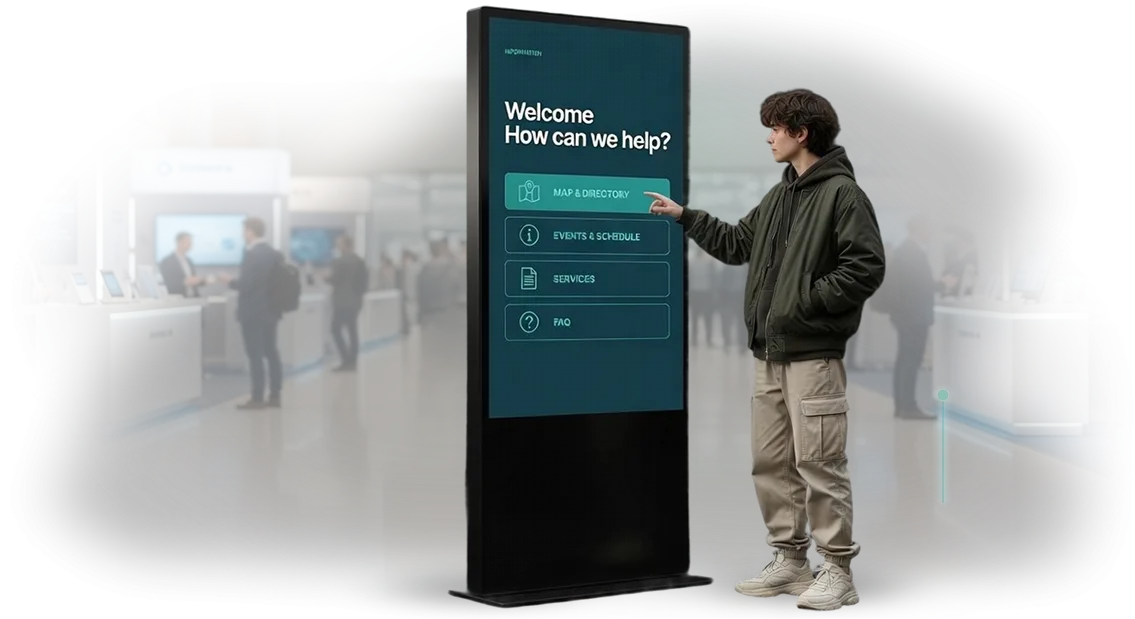
קיוסק אינטראקטיבי לארכיון פותר את הבעיה הזו בנקודת הכניסה. האורח רואה מסוף מגע ברור ומקבל ניווט בארכיון מהמסך הראשון: תוכנית בניין, לוח זמנים של חדר הקריאה, וטיפים לאן ללכת בשביל מלאי ספציפי.
חיפוש מובנה מחליף ייעוץ ארוך ומוביל ישירות לקובץ או לעותק אלקטרוני הנכון. כך, המבקר כבר לא תלוי בהמתנה בתור לפקיד ומוצא את התשובה בעצמו.
הגישה למסמכים ארכיוניים הופכת למהירה ועצמאית: חלק מהחומרים זמינים ישירות בקיוסק, ובשביל השאר המסוף מציע איזו בקשה להגיש ואיך להשיג עותק.
האדם מקבל רושם שהארכיון פוגש אותו באמצע הדרך — וזו הסיבה העיקרית לביקורים חוזרים. הגדלת נוכחות הארכיון כאן עובדת דרך איכות החוויה הראשונה, לא דרך פרסום.
זו בדיוק הגישה שאנחנו בונים בפרויקטים שלנו: שהמבקר ירגיש בטוח מהדקה הראשונה ויעזוב עם התוצאה שהוא צריך.
אתה מקבל כלי שהופך פנייה חד-פעמית לעבודה ארוכת טווח עם הקבצים ומגדיל את ערך הארכיון בעיני הקהל.
מה משתנה במרחב אחרי השקת קיוסק אינטראקטיבי
כשקיוסק אינטראקטיבי מופיע במרחב, השקט המוכר של הארכיון מפנה מקום לתגובה חיה של מבקרים.
אנשים מפסיקים לחלוף על פני ויטרינות ומתחילים ליצור אינטראקציה עם הקבצים: לחפש שמות משפחה, לבחון מסמכים דיגיטליים, לשתף ממצאים עם משפחותיהם.
זה השינוי הראשון והבולט ביותר — המרחב מפסיק להיות "מחסן" והופך למקום של דיאלוג עם ההיסטוריה.
ניווט דיגיטלי ודאגה למבקרים
ההשפעה החשובה השנייה היא הפחתת העומס על הצוות. הקיוסק לוקח על עצמו את תפקיד היועץ: הוא מציע היכן נמצא האולם הדרוש, איך למצוא קובץ ספציפי, ומה כדאי לראות קודם.
מבקרים מרגישים בטוחים יותר, והצוות מקבל זמן לשאלות מהותיות במקום לחזור על הוראות הגעה. זה משפר ישירות את איכות השירות ומפחית תורים בשעות השיא.
קהל צעיר ותדמית חדשה למוסד
טכנולוגיות אינטראקטיביות מושכות את אלה שלעתים רחוקות נכנסים לחדרי קריאה מסורתיים. בשביל צעירים, מסך מגע הוא סביבה מוכרת, ודרך משחק ובהירות ויזואלית, עניין בחומרים ארכיוניים נוצר באופן טבעי.
על ידי השקת שירותים דיגיטליים, הארכיון בונה תדמית של מוסד מודרני ופתוח שמתעדכן עם הזמן.
מנקודת המבט של מחלקת השיווק, זה גם אומר הכרה מוגברת של המרחב. אורחים מצלמים את הקיוסק, מספרים עליו ברשתות החברתיות, וחוזרים עם חברים.
המרחב מקבל "אפקט וואו" שנוח להזכיר בדוחות והכרזות אירועים.
מה המוסד מרוויח בסופו של דבר
במקום דוכנים סטטיים והנחיות מילוליות — ניווט דיגיטלי ברור ופורמט מרתק להצגת חומר. מבקרים נשארים יותר זמן בתערוכה, שואלים שאלות עמוקות יותר לעתים קרובות יותר, וחוזרים שוב ושוב.
בשביל מנהל, פרויקט כזה אומר צמיחה במדדים מרכזיים: טווח הגעה, זמן אינטראקציה, ומספר ביקורים חוזרים — בלי להרחיב את הצוות.
הקיוסק הופך לנקודת משיכה שמחברת בין דורות: סבים וסבתות מחפשים שמות משפחה, נכדים מדפדפים באלבומים דיגיטליים, ויחד הם מגלים מחדש את הארכיון.
חשוב לציין, הפתרון נשאר ניתן לניהול: הצוות יכול לעדכן תוכן בקלות, והמנהל רואה סטטיסטיקות בקשות ומבין מה באמת מעניין את הקהל.
פורמטים של פתרונות אינטראקטיביים לארכיונים
מבקרי ארכיון לעתים קרובות הולכים לאיבוד: הם לא מבינים איך למצוא קובץ, איפה לצפות במסמכים דיגיטליים, או איך להשיג הפניה במהירות.
דוכנים רגילים וקטלוגי נייר לא פותרים את הבעיה — האורח עוזב בלי המידע הדרוש, והצוות מבזבז זמן על שאלות חוזרות.
זה לא רק עניין של נוחות: המוניטין של הארכיון והרצון לחזור תלויים בכמה קל למבקר למצוא את מה שהוא צריך.
פורמטים אינטראקטיביים הופכים את הארכיון למרחב פתוח שבו האורח מבין את הניווט בעצמו תוך דקות. אנחנו מציעים שלושה פתרונות מוכחים — לחדרים שונים, משימות שונות, וזרמי מבקרים שונים.
כל פורמט פותר את המשימה שלו, ויחד הם מכסים את הצרכים של האורח הקבוע, החוקר, וצוות הארכיון כאחד.
| פורמט | למי | מה זה נותן ללקוח |
|---|---|---|
| קיוסק מידע עומד | מבקרי אולם, אנשים ללא תיאום מראש | ניווט מהיר בקבצים, שעות פתיחה, מלאי אלקטרוני — פחות עומס על הצוות |
| ספר זיכרון עם מסך מגע | משפחות חוקרים, אורחי תערוכה, קבוצות בית ספר | שקיעה בסיפורים של אנשים ואירועים, דפדוף במסמכים דיגיטליים, שליטה קלה באצבע — מעורבות גבוהה יותר |
| שולחן אינטראקטיבי לארכיונים | קבוצות חוקרים, חובבי היסטוריה מקומית, צוות ארכיון | עבודה משותפת עם מפות ומסמכים, השוואת חומרים על משטח אחד — ניתוח ודיון מהירים יותר |
אנחנו מתאימים כל פורמט לאוסף שלך: מסגנון ויזואלי ועד לוגיקת חיפוש ומבנה קטגוריות. אתה לא צריך לקנות "מה שיש לכולם" — הממשק מעוצב סביב הקבצים הספציפיים שלך והצרכים של הקהל שלך.
כבר יישמנו פרויקטים לארכיונים ממלכתיים ופרטיים, אז אנחנו יודעים אילו פתרונות עובדים בפעולה אמיתית.
בסופו של דבר, מבקרים מקבלים שירות ברור, והארכיון מקבל כלי מודרני לעבודה עם הקהל שלו בלי להרחיב את הצוות. אתה בוחר את הפורמט, ואנחנו לוקחים על עצמנו עיצוב, ייצור והשקה.
איך הפרויקט מתנהל: מהבריף ועד השקת הקיוסק האינטראקטיבי
עבודה על קיוסק אינטראקטיבי היא לא "קנייה והתקנה" — זה פרויקט רציף עם נקודות ביקורת ברורות.
בנינו תהליך שקוף מבריף ועד השקה כך שבכל רגע אתה יודע באיזה שלב העבודה נמצאת, מה כבר אושר, ומתי הקיוסק יקבל את פני המבקרים הראשונים.
-
בריף וסקירת משימה. אנחנו מתחילים עם המטרה שלך: מה מבקרי הארכיון צריכים למצוא, אילו חומרים דיגיטליים, ומי ישתמש בקיוסק. אנחנו מתעדים את הדרישות למבנה ותרחישי אינטראקציה — בשלב הזה נולד מפרט טכני מדויק.
-
תוכנית פרויקט והערכת עלות. אחרי הבריף, אנחנו מכינים תוכנית מפורטת של שלבי פיתוח הקיוסק עם לוח זמנים ומבנה צוות.
אתה רואה את לוחות הזמנים, תחומי האחריות, והעלות בכל שלב — בלי תוספות נסתרות או "הפתעות" בסוף.
-
אישור סקיצה ומבנה. אנחנו מראים לך אב טיפוס של הממשק: מסך ראשי, קטעים, ניווט. אתה עורך שינויים לפני תחילת הייצור — כך אנחנו מבטלים עבודה חוזרת וזמן מיותר.
-
ייצור תוכן ופיתוח. מעצבים מתאימים חומרים ארכיוניים למסך, ומפתחים בונים את לוגיקת הקיוסק: חיפוש, דפדוף, פילטרים, הגדלת תמונות. במקביל, אנחנו מכינים עיצוב מארז אם אתה צריך גרסה מותאמת אישית.
-
אישור פרויקט ובדיקות. אנחנו מוסרים אב טיפוס עובד לבדיקה שלך. אנחנו מתקנים הערות, בודקים שימושיות לקבוצות גיל שונות, ומוודאים עמידות הממשק למגעים לא זהירים. אחרי ה"כן" שלך, אנחנו מתחילים בייצור.
-
התקנת ציוד אינטראקטיבי. אנחנו מספקים את הקיוסק, מתקינים אותו במקום הנכון, ומגדירים רשת, סאונד וציוד היקפי. אנחנו בודקים פונקציונליות במקום ומראים לצוות שלך איך להפעיל ולתחזק את הציוד.
-
השקה ותמיכה באזור האינטראקטיבי. הקיוסק פועל למבקרים, ואנחנו נשארים בקשר: מעדכנים תוכן, מנטרים יציבות מערכת, ומגיבים במהירות במקום כשצריך. אתה מקבל שירות עובד, לא רק "חומרה בפינה."
כל שלב מסתיים בתוצאה ברורה — סקיצה מאושרת, גרסת בדיקה, קיוסק מותקן. הגישה הזו כבר עזרה לארכיונים להשיק ספרי זיכרון אלקטרוניים וניווט בלי פספוס מועדים או אישורים מוגזמים.
מה כלול במסירה של אזור מבקרים אינטראקטיבי
כשאתה מזמין אזור מבקרים אינטראקטיבי, חשוב להבין מראש מה בדיוק כלול במסירה ובעבור מה אתה משלם.
אנחנו מרכיבים חבילה מלאה "מפתח ביד" — מציוד ועד תמיכה שוטפת — כך שהקיוסק מתחיל לעבוד מהיום הראשון ולא דורש ממך לחפש קבלנים נפרדים.
ההרכב הסטנדרטי של קיוסק אינטראקטיבי כולל:
- ציוד במארז עמיד לוונדליזם — מסך מגע, התקנה או מעמד, הגנה מאבק ונזק מקרי. הכל כבר מותאם למרחב שלך: אולם, לובי, חדר תצוגה.
- רישיון לממשק הקיוסק עם פאנל ניהול תוכן — אתה יכול לעדכן באופן עצמאי טקסטים, תמונות, סרטונים ורשימות אירועים. אין צורך במתכנת: שינויים נשמרים תוך דקות.
- מילוי תוכן — אנחנו ממירים את החומרים הארכיוניים שלך לצורה דיגיטלית, עוזרים לבנות את הסיפור, ויוצרים ניווט נוח בקטעים ומסמכים. הקיוסק פותח את מה שהכי חשוב למבקר — בלי כאוס או סיבוכים טכניים.
- הוראות ותיעוד — מדריכים קצרים לצוות ולמבקרים שלך, כמו גם גרסת ממשק לאנשים עם מוגבלויות.
- שירות תחזוקת קיוסק — בדיקות מתוזמנות, עדכוני תוכן, אבחון מרחוק, ותיקון בעת הצורך. אתה אף פעם לא נשאר לבד עם הטכנולוגיה.
- הכשרת צוות — מפגש קצר שלאחריו העובדים שלך עוזרים לאורחים בביטחון ועונים על שאלות על איך הקיוסק עובד.
החבילה הזו מכסה את כל הנושאים לפני ההשקה: אתה לא צריך להזמין עיצוב בנפרד, למצוא מתקינים, או לארגן תמיכה. אנחנו אחראים על כל התוצאה — הקיוסק עובד, התוכן עדכני, ומבקרים משתמשים בו בלי מעורבות שלך.
מקרה בוחן: איך קיוסק אינטראקטיבי החיה מסמכים
הארכיון האזורי Nasledie הוא מרכז אחסון מסמכים מרכזי שמבקרים בו מאות אנשים כל חודש.
לפני הכנסת הקיוסק האינטראקטיבי, העבודה עם הקבצים לקחה הרבה זמן: אורחים עמדו בתור לצוות, מילאו בקשות נייר, ומומחים חזרו על אותן תשובות שוב ושוב.
ההנהלה רצתה להקל על הצוות ולהפוך את הארכיון לפתוח יותר — הם פנו אלינו עם המשימה הזו.
התקנו קיוסק אינטראקטיבי עם ניווט בקבצים ומלאי אלקטרוני. מבקרים חוקרים מסמכים בעצמם ומקבלים טיפים לאן ללכת בשביל המקור.
בתוך החודש הראשון, חלק הבקשות בשירות עצמי גדל פי כמה, ובקשות שגרתיות לצוות ירדו באופן ניכר.
מה השתנה אחרי ההתקנה
התוצאה העיקרית היא צמיחה בנוכחות ובמעורבות מבקרים. תלמידי בית ספר וסטודנטים מגיעים לסיורים ואז נשארים ללמוד חומרים בקיוסק; חוקרי היסטוריה מקומית עובדים עם מלאי בלי עזרת ארכיונאים.
צוות הארכיון קיבל זמן פנוי לבקשות מורכבות ודיגיטציה של מסמכים חדשים. שישה חודשים אחר כך, ההנהלה הזמינה תחנה נוספת עם סט מורחב של חומרים.
"נהגנו לבזבז חצי יום עבודה על מענה לשאלות פשוטות: 'איפה אני יכול למצוא ספר מטרי?' 'איך אני מזמין הפניה?' עכשיו מבקרים מבינים את המערכת בעצמם, ואנחנו עושים עבודת מחקר.
הקיוסק הפך לעוזר אמיתי לכל הארכיון," מציינת מנהלת המוסד.
זו רק דוגמה אחת לאיך קיוסק אינטראקטיבי מעביר ארכיון לפורמט מודרני.
אנחנו מיישמים את אותה גישה במוזיאונים, ספריות ואולמות תצוגה — התוצאה תמיד מדידה: צמיחה בבקשות שירות עצמי, הפחתת עומס על הצוות, ועניין אמיתי של מבקרים.
איך לבחור את פורמט הקיוסק האינטראקטיבי למשימות הארכיון שלך?
התשובה תלויה לא במפרט הטכני של המסך, אלא בשלושה דברים מעשיים: גודל המרחב, מספר המבקרים, וסוג החומרים שאתה מציג.
אותו ארכיון יכול לפתור את המשימה שלו עם דוכן מסך מגע אחד או מתחם שלם, אם יש לך תערוכה גדולה וזרמי מבקרים מרובים.
בשביל חדר קריאה או לובי קומפקטי, קיוסק עומד או צמוד קיר מספיק. הוא מחליף את הקטלוג הנייר: המבקר מוצא את המסמך הדרוש בעצמו, צופה בעותק האלקטרוני שלו, ולא מסיח את דעת הצוות בעניינים קטנים.
אם התערוכה משתרעת על פני כמה אולמות, כדאי לשקול פאנלי מידע נייחים בכל אחד מהם כדי שמבקרים לא יצטרכו לחזור לכניסה כדי למצוא את הנקודה הנכונה.
הניווט תלוי בסוג החומרים הדיגיטליים. תמונות, סריקות מסמכים, כרוניקות וידאו, והקלטות אודיו של ותיקים כל אחד דורש הצגה שונה. לאוספים שבהם שולטים תצלומים ומסמכים, קיוסק עם מסך מגע ורשימת קבצים עובד היטב.
כשיש לך חומרי וידאו — הצג אותם בולט והפוך את הניווט למבוסס הפניות, לפי שנים ואנשים.
מספר המבקרים קובע את מספר נקודות הגישה. לאירועים טקסיים, קבוצות של 10–20 אנשים מגיעות לארכיון — תור בקיוסק יחיד יוצר צוואר בקבוק.
במקרה הזה, או שמתקינים כמה דוכנים מאותו סוג, או שולחן מגע גדול אחד לעבודה בו-זמנית של 5–7 אנשים. פתרונות כאלה משתמשים בסדרה מקצועית של פאנלי מגע שמספקים תגובה יציבה גם בשימוש ארוך טווח.
המסקנה פשוטה: בחר את הפורמט לפי המשימה, לא מתוך קטלוג של דגמים מוכנים.
לפני שאנחנו מתחילים, אנחנו מבקרים באתר, מחשבים זרימות, לומדים את סוג החומרים, ומציעים תצורה שמתאימה לארכיון שלך — מדוכן יחיד ועד מתחם מולטימדיה. אחרי ההשקה, אתה מקבל קיוסק שמשתלב במרחב ועובד בלי פיקוח מתמיד של הצוות.
שאלות נפוצות וחששות ביצירת פתרונות אינטראקטיביים
לקוחות לעתים קרובות דוחים השקת קיוסק אינטראקטיבי כי הם חוששים שהציוד ייכשל ברגע הכי גרוע, או שהתוכן יתיישן והם יצטרכו לשלם יותר מדי עבור שינויים.
החששות האלה מובנים — במיוחד אם הייתה בעבר חוויה עם קבלנים לא מקצועיים. אנחנו בונים את העבודה שלנו כך שכל חשש מטופל כבר בשלב התכנון.
מה קורה אם הקיוסק נשבר במהלך תערוכה?
אנחנו משתמשים ברכיבים תעשייתיים המדורגים לפעולה מסביב לשעון במרחבים ציבוריים. אנחנו מספקים אחריות על הציוד וקובעים בחוזה את זמן התגובה לבקשות שירות — בדרך כלל לא יותר משני ימי עסקים.
אם המצב דחוף, אנחנו מתחברים מרחוק לאבחון ופותרים את הבעיה מרחוק, בלי השבתה.
באיזו תדירות צריך לעדכן תוכן, ומי מטפל בזה?
עדכון לוקח כמה דקות ולא דורש מתכנת. אתה מעלה קבצים חדשים דרך חשבון אישי — והם מופיעים על המסך מיד. אנחנו יכולים גם לקחת על עצמנו תחזוקת קיוסק: בדיקות ציוד, גיבויים, ועדכוני תוכן לפי לוח הזמנים שלך.
כמה זמן לוקח ליצור פתרון אינטראקטיבי?
פרויקט טיפוסי לוקח שלושה עד שישה שבועות. לוח הזמנים תלוי בנפח החומרים הארכיוניים: כמה מסמכים, תצלומים וסיפורים צריך לדיגיטציה ולבנייה.
אנחנו קובעים שלבים ותוצאות ביניים מראש כך שתוכל לראות התקדמות ולערוך שינויים בלי לפספס מועדים.
האם אנחנו צריכים לשכור מנהל נפרד לניהול הקיוסק?
לא. הממשק ברור לכל עובד, ורק כישורי מחשב בסיסיים נדרשים לניהולו. ביום ההשקה, אנחנו עורכים מפגש הכשרה קצר ומספקים מדריך פשוט.
אם עולות שאלות, תמיכה טכנית מגיבה תוך יום עסקים אחד — בטלפון, באימייל או במסנג'ר.
הזמן פיתוח קיוסק אינטראקטיבי לארכיון שלך
הזמנת קיוסק אינטראקטיבי פירושה להפוך את הארכיון לנגיש למבקרים ולשמר זיכרון לשנים רבות. אנחנו לוקחים על עצמנו את כל המסע: מרעיון ועד התקנה ותמיכה, ואתה מקבל תוכנית שקופה ולוחות זמנים ברורים.
השאר בקשה — ובתוך יום עסקים אחד נכין הצעה מותאמת אישית שמתחשבת במאפייני הארכיון שלך, בנפח החומרים ובמשימות שלך. פיתוח קיוסק ארכיוני כולל כמה שלבים, שכל אחד מהם אנחנו מתעדים בחוזה. החבילה כוללת:
- אב טיפוס ממשק — אתה רואה איך מבקרים ידפדפו במסמכים, יחקרו ביוגרפיות וינועו בין קטעים.
- תוכנית יישום — שלבים, מועדים ואחראים; אתה תמיד יודע מה קורה בכל שלב.
- הערכת עלות לפרויקט שלך — בלי עמלות נסתרות או תוספות "פתאומיות"; המחיר הסופי ברור לפני ההתחלה.
- המלצות ציוד — אנחנו בוחרים מארז ומסך אמינים למרחב שלך, לעוצמת השימוש ולסגנון הארכיון.
- תמיכה לאחר ההשקה — עזרה בעדכון חומרים, תמיכה טכנית, ושיפורים כשהאוסף שלך גדל.
- התאמה לקהלים שונים — מצב למבקרים עם מוגבלויות, שפות ממשק מרובות, וניווט ברור לאנשים בכל הגילאים.
הגישה הזו מבטלת אי-ודאות: אתה יודע את עלות הקיוסק האינטראקטיבי, היקף העבודה והתוצאה מראש.
אנחנו עובדים מרחוק, כך ששיתוף הפעולה נוח ללקוחות בכל עיר — כל האישורים מטופלים מרחוק, וההתקנה הסופית נעשית במקום או מרחוק.
מלא את הטופס — ונחזור אליך עם חישוב עלות ותוכנית יישום. כך תבין במהירות איך הקיוסק ישתלב במרחב שלך ואילו משימות הוא יפתור קודם.