

מדוע מבקרי מרכזי תרבות פונים לבידור פרטי?
המבקרים של היום מפונקים מבחירת אפשרויות: משחקי וידאו, חדרי בריחה ומופעים אינטראקטיביים מספקים חזותיים מרשימים ושינויים מהירים בפעילות. מרכז תרבות שבו אנשים פשוט מצופים להסתכל על תצוגות סטטיות מפסיד בתחרות עוד לפני שהדלתות נפתחות.
האורחים רוצים השתתפות, לא צפייה—ואם המוסד לא מציע זאת, הם מוצאים בידור במקום אחר.
עבור מרכז תרבות, זה מתורגם לירידה בנוכחות וקהל מזדקן. צעירים מגיעים לחגים אבל לא מתעכבים ליד התערוכות, תלמידי בית ספר מאבדים עניין במהירות, והורים לא רואים סיבה לחזור. ללא פורמטים חדשים, המוסד מסתכן בהפיכתו למקום פורמלי שאנשים חולפים על פניו.
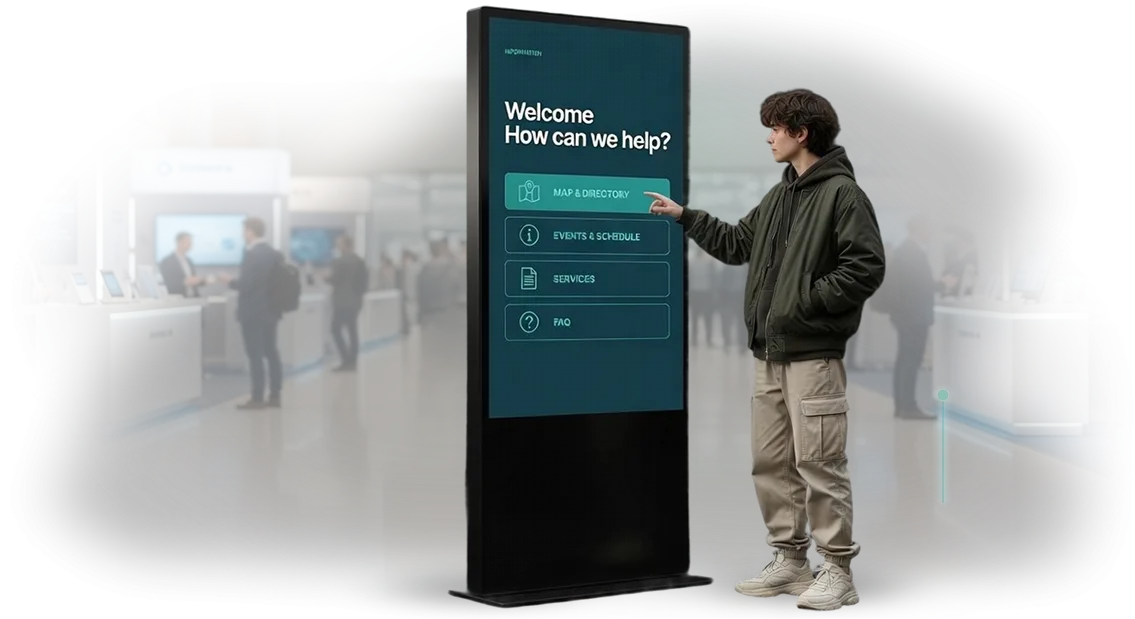
קיוסק אינטראקטיבי משנה את הדינמיקה הזו. האורח בוחר את התרחיש שלו: צופה בקטעי ארכיון, עונה על שאלות חידון, חוקר את ההיסטוריה של היישוב או העיר, משאיר רשומה וירטואלית בספר הזיכרון.
זה הופך את המבקר מצופה למשתתף, וכל ביקור הופך לתגלית קטנה ולא לחובה.
עבור מרכז התרבות, זו דרך להגביר מעורבות ללא הרחבת צוות או השקעות גדולות. הקיוסק עובד בעצמו: הוא מושך תשומת לב, מחזיק אנשים מול המסך, ויוצר נושא לשיחה לאחר האירוע.
זה בדיוק מה שאנחנו מספקים בפרויקטים שלנו—אנחנו מעצבים תרחישים אינטראקטיביים שקשה להתנתק מהם, ואנחנו דואגים שהאורחים ימשיכו לדון במה שראו הרבה אחרי שעזבו.
מה קיוסק אינטראקטיבי יביא למוסד שלך
קיוסק אינטראקטיבי במרכז תרבות הוא לא רק מסך מידע—זה כלי מלא לעבודה עם מבקרים. הוא משלב את הארכיון, ספר הזיכרון ותוכנית האירועים בנקודה אחת נגישה לכל אורח.
מעורבות מבקרים
האורחים כבר לא דפדפו בחוברות נייר—הם פותחים סיפורים בעצמם, צופים בתמונות וסרטונים, מוצאים את קרוביהם בארכיונים.
סוג כזה של אינטראקציה מושך אנשים: מבקר מבלה כמה דקות בקיוסק, זוכר את הרגשות, ומספר עליהם לאחרים. כתוצאה מכך, האירוע משאיר רושם והמוסד מקבל משוב חי.
נוחות לאורחים
הקיוסק מריץ ממשק מגע פשוט, כך שאפילו ילד או אדם מבוגר יכול להבין אותו. המבקרים מוצאים במהירות את לוח הזמנים, מפת הקומה ומידע על חוגים ואירועים—בלי תורים ובלי לחפש איש צוות. זה חוסך זמן לאורחים ומפחית את עומס העבודה על הצוות.
תדמית מודרנית
מסך חד, מארז מסודר ועיצוב מחושב מראים שהמוסד מתקדם עם הזמן. הקיוסק הופך לחפץ אמנות שאנשים מצלמים ומזכירים ברשתות החברתיות—מרחיב את הקהל ומחזק את המוניטין.
עבור שותפים ונותני חסות, זה אות שמרכז התרבות הוא ארגון טוב לעבוד איתו.
כל היתרונות האלה משרתים תוצאה עיקרית אחת: מבקרים חוזרים, מביאים את משפחותיהם וממליצים על המוסד. קיוסק אינטראקטיבי הוא השקעה באמון ובעניין מתמשך בפרויקטים שלך.
פורמטים של קיוסק אינטראקטיבי למרכזי תרבות
עבור מרכז תרבות, קיוסק אינטראקטיבי מטפל בכמה משימות בו זמנית: הוא משמר את הזיכרון של האנשים המקומיים, מציג לאורחים את ההיסטוריה ומפשט את הניווט באירועים. המפתח הוא לבחור פורמט שהמבקרים יתחילו להשתמש בו ללא הנחיה. זה קובע עד כמה הארכיון יתמלא ואיזה רושם המוסד משאיר.
בחירת פורמט המתאים למטרות מרכז התרבות שלך
| פורמט | למי הוא מיועד | מה הוא נותן למבקרים ולצוות |
|---|---|---|
| שולחן מגע | משפחות, קבוצות בית ספר, מבקרי תערוכות | כמה אנשים יכולים להשתמש בו בו זמנית: עיון בתמונות ישנות, צפייה במפות, הוספת זיכרונות לספר הזיכרון. טוב לחקירה מעמיקה של הארכיון. |
| קיוסק עומד | קהל מבוגר, "נכנסו רק לחמש דקות" | נראה בלובי ולא תופס הרבה מקום. תרחיש ברור של "גש — בחר — למד"; מוצא במהירות את המידע הנכון על אירועים. |
| לוח מידע | כל קטגוריות המבקרים | תפריט רחב עם רשימות אירועים, ניווט והיסטוריה. הצוות מעדכן את התוכן בעצמו—אין צורך לקרוא למתכנת. |
בחירת פורמט מסתכמת בשלוש שאלות: מי ישתמש בקיוסק, איפה הוא יעמוד, ואיזה תוכן הכי חשוב. כל שלוש האפשרויות עובדות עבור ספר זיכרון אינטראקטיבי וחומרי ארכיון, אבל כל אחת פותרת משימה משלה.
ספר לנו איזה קהל מבקר במרכז התרבות שלך ואיזה תוכן אתה צריך להציג—נמליץ על הפורמט האופטימלי ונתאים את הממשק לתרחיש הספציפי של המוסד שלך.
איך אנחנו בונים את הפרויקט שלך: מהבריף ועד ההשקה
פיתוח קיוסק אינטראקטיבי למרכז תרבות הוא תהליך שחידדנו במשך 10 שנות עבודה. לא תצטרך להיכנס לפרטים טכניים או לפקח על קבלן בכל שלב: אנחנו לוקחים על עצמנו את כל המחזור—מהרעיון ועד התקנה מוגמרת במפתח.
אנחנו חותמים על חוזה, קובעים לוח זמנים ועוקבים אחר תוכנית שקופה של שישה שלבים.
-
בריף וניתוח משימה. אנחנו מבקרים אצלך באתר או מדברים באינטרנט, דנים בתרחישי שימוש בקיוסק, בקהל היעד ובפורמטים: ספר זיכרון, רשימות אירועים, ניווט בחדרים.
אנחנו עוזרים לך לעצב את הקונספט גם אם יש לך רק חזון גס בשלב זה—נגיד לך מה יעבוד.
-
עיצוב ואישור מודל. אנחנו מכינים כמה אפשרויות חזותיות לקיוסק—צבע, חומרים, עיצוב מסך—כדי שיתאים לפנים ולסגנון של מרכז התרבות. אנחנו מבצעים תיקונים עד שתאשר את המודל.
-
פיתוח תוכנה ותוכן. אנחנו יוצרים ממשק אינטואיטיבי: כפתורים גדולים, ניווט פשוט, חיפוש נוח.
אם זה ספר זיכרון, אנחנו מעצבים את מבנה המדורים, את הפורמט להוספת חומרים ומערכת ניהול כך שהצוות יוכל לעדכן תוכן ללא מפתחים.
-
ייצור מארז והרכבה. על ציוד מקצועי, אנחנו מרכיבים קיוסק אמין ועמיד בפני ונדליזם—הוא יחזיק מעמד לאורך זמן ויעמוד בשימוש אינטנסיבי של מבקרים בכל הגילאים.
-
התקנה והפעלה. אנחנו מספקים את הקיוסק, מתקינים אותו במיקום הנבחר, מחברים ומגדירים אותו. אנחנו משיקים את המערכת ומכשירים את הצוות שלך: איך להפעיל את המכשיר, לשנות חומרים ולמלא עמודים.
-
בדיקות, השקה ומסירה. אנחנו מוודאים שהקיוסק עובד בתנאים אמיתיים ונשאר יציב לאורך שימוש ממושך. אנחנו מוסרים את מלוא מסמכים ופרטי גישה. לאחר ההשקה, אנחנו נשארים בקשר ועוזרים במהירות אם צריך לשנות משהו.
מה כלול בחבילת האספקה וההתקנה
חבילת האספקה כוללת כל מה שצריך כדי שהקיוסק האינטראקטיבי יתחיל לעבוד ביום ההתקנה. מרכז התרבות מקבל פתרון מלא במפתח: אין רכישות נוספות ואין עבודה נסתרת.
- קיוסק מגע עם מארז עמיד בפני ונדליזם—מתוכנן לזרימת מבקרים גדולה ולשימוש קבוע בלובי.
- מסך מגע בהיר—המידע נשאר קריא גם בחדרים מוארים ובאור שמש ישיר.
- תוכנת "ספר זיכרון" מותקנת מראש: עמודי סיפור אינטראקטיביים, תצלומים, מסמכים וניווט קל.
- מודול ארכיון וניהול: הצוות מוסיף רשומות חדשות, עורך טקסטים ומצרף תמונות בעצמו ללא ידע בתכנות.
- מערכת מלאה של מחברים, כבלים וחיווט נסתר: הכל נראה מסודר ובטוח.
- מדריך מפורט וכרטיס עזר מהיר לצוות: הפעלה, כיבוי ופעולות שגרתיות.
- התקנה והפעלה: אנחנו מספקים, מתקינים, מחברים חשמל ורשת ומוודאים שכל הפונקציות עובדות.
לאחר ההשקה, אתה מקבל אחריות על הציוד והתוכנה. תמיכה טכנית עובדת בטלפון ומרחוק: אנחנו עוזרים בהגדרות, עדכונים וכל שאלה.
במידת הצורך, אנחנו מספקים הכשרה קצרה למנהלים—כדי שהקיוסק ינוצל במלוא הפוטנציאל שלו וימשיך להתעשר בחומרים חדשים.
מקרה בוחן: איך קיוסק אינטראקטיבי הגביר את מעורבות האורחים
האורחים לעתים קרובות חולפים על פני תצוגות סטטיות תוך שניות—המידע נקלט באופן שטחי, ולרגשות אין זמן להתעורר. עבור מרכז תרבות, זה אומר שאפילו ארכיון ייחודי לא זוכה לתשומת לב, והמשוב מהמבקרים מוגבל לכמה רשומות בספר הערות. הצענו פתרון שהופך את חקר ההיסטוריה לחוויה חיה.
עבור מרכז תרבות מחוזי, פיתחנו קיוסק אינטראקטיבי עם חומרי ארכיון וספר זיכרון.
במקום לדפדף בעמודים בדרך הרגילה, האורחים יכלו לחפש שמות משפחה של ותיקים, לצפות בתצלומים דיגיטליים ולהשאיר זיכרונות אישיים ישירות מהמסך.
העבודה בוצעה על ידי הצוות שלנו—תוך התחשבות במאפייני המוסדות התרבותיים ובמבקרים שלהם בגילאים שונים.
התוצאות עלו על ציפיות ההנהלה. הזמן הממוצע שאורח בילה בקיוסק גדל ל-7 דקות—אנשים התחילו לדון במה שראו, לקרוא לקרובים ולחזור לביקורים חוזרים.
בחודש הראשון לפעילות, הקיוסק אסף יותר מ-300 רשומות בספר הזיכרון האלקטרוני—פי עשרה יותר משישה חודשים של משוב בנייר.
המבקרים שיתפו באופן פעיל את התרשמויותיהם ברשתות החברתיות, והרחיבו את טווח ההגעה של המוסד ללא תקציב פרסום נוסף.
מנהל מרכז התרבות ציין: "הקיוסק הפך לנקודת מוקד. אורחים שנהגו פשוט לעבור דרך האולם עכשיו מתעכבים זמן רב, מתקשרים ומציעים להוסיף חומרים מהמשפחות שלהם.
קיבלנו לא רק מסך, אלא כלי לדיאלוג חי עם ההיסטוריה." אנחנו רואים בסוג כזה של שינוי המדד העיקרי להצלחה—כשטכנולוגיה עוזרת לאנשים להתחבר רגשית לתוכן.
הניסיון של פרויקט זה מראה: קיוסק אינטראקטיבי משתלם לא כחומרה, אלא כדרך להגביר מעורבות ולאסוף משוב בעל ערך.
אם מרכז התרבות שלך צריך להחיות את התערוכה ולבנות קשר עם המבקרים—המקרה הזה ניתן להרחבה בקלות למשימות שלך. אנחנו כבר יודעים אילו פתרונות עובדים, ואנחנו מוכנים להציע אותם לך.
איך לבחור פורמט קיוסק למשימות המוסד שלך?
בחירת קיוסק לא מתחילה במפרטי ציוד—היא מתחילה במטרות המוסד שלך. טעות נפוצה היא להזמין את המסך הגדול והיקר ביותר "ליתר ביטחון" ואז אף פעם לא לנצל את מלוא הפוטנציאל שלו.
בפועל, הפורמט נקבע על ידי התרחיש: מה בדיוק המבקרים יעשו בקיוסק—יחפשו רשימות אירועים, יעיינו בספר זיכרון ארכיוני, ישאירו משוב או יחקרו את ההיסטוריה של מרכז התרבות.
אתה צריך לבחור את הפורמט סביב התרחיש הספציפי. אם המטרה העיקרית היא ספר זיכרון אינטראקטיבי, מסך גדול לעיון נוח והזנת טקסט נוחה לרשומות חשובים.
אם הקיוסק מיועד לניווט או ללוחות זמנים של חוגים, דגם קומפקטי מספיק. עבור אזורי תצוגה, דגם עומד עם מסך גדול עובד היטב; עבור הלובי, דגם צמוד קיר כדי שלא יחסום את המעבר.
שקול את החלל ואת הקהל. מרכזי תרבות מקבלים גם צעירים וגם מבקרים מבוגרים, לכן חשוב שהממשק יהיה פשוט והקיוסק נגיש מבחינת גובה וזווית מסך.
כדאי גם לתכנן מראש איפה המכשיר יעמוד: ליד מלתחה, במבואה או באולם נושאי—זה משפיע על הממדים, ההגנה מפני נזק ושיטת ההתקנה.
המפתח הוא לא לשלם יותר מדי על פונקציונליות מיותרת. הפורמט האופטימלי הוא לא היקר ביותר—זה זה שפותר את המשימות של המוסד שלך ללא אפשרויות נוספות.
במהלך ייעוץ, אנחנו עוזרים לך להחליט: אנחנו מנתחים את המטרות שלך, את החלל שלך ואת התקציב שלך, מציעים דגם מתאים ומתאימים אותו לסגנון מרכז התרבות במידת הצורך. כך אתה מקבל קיוסק שבאמת עובד עבור המבקרים, לא רק מקשט את הלובי.
שאלות נפוצות על איך הקיוסקים עובדים
לפני הזמנת קיוסק אינטראקטיבי למרכז תרבות, עולות שוב ושוב אותן שאלות: האם הציוד יכול לעמוד בעומס קבוע, מי יעדכן את המידע, ומה קורה אם משהו משתבש? אנחנו עונים עליהן בקצרה ולעניין—כפי שחשוב לפעולה יומיומית חלקה.
מה קורה אם הקיוסק מתקלקל?
הקיוסק בנוי על רכיבים תעשייתיים מקצועיים ומתוכנן לשימוש אינטנסיבי בלובי או במבואה. הציוד והתוכנה מגיעים עם אחריות של 12 חודשים או יותר.
אם מתרחשת תקלה, נבצע אבחון מרחוק או נשלח מומחה ונחזיר את הפעולה ללא זמן השבתה ארוך.
האם המנהל יכול לעדכן תוכן בעצמו?
כן, אין צורך במתכנת. דרך לוח בקרה ברור, אתה יכול לשנות תמונות, טקסטים וסרטונים תוך דקות ספורות. נראה לך איך לעשות את זה ונשאר בקשר אם יעלו שאלות.
מהם לוחות הזמנים להתקנה והשקה של הקיוסק?
פרויקט טיפוסי לוקח שבועיים עד שלושה שבועות מאישור המודל והתוכן. לוח זמנים זה כולל ייצור מארז, התקנת תוכנה, בדיקה ומשלוח. באתר, אנחנו מתקינים את הקיוסק, מחברים אותו ובודקים אותו יחד איתך.
מה לגבי אחריות ותמיכה לאחר ההשקה?
האחריות על ציוד ותוכנה היא שנה או יותר. תקופה זו כוללת עדכוני מערכת וייעוץ בכל שאלות התפעול. אם תרצה, ניתן להאריך את חוזה השירות, והתמיכה הטכנית תמשיך באותם תנאים.
הזמן קיוסק אינטראקטיבי למוסד שלך
כל מרכז תרבות רוצה שהתערוכה שלו תמשוך מבקרים, תספר את סיפורם של גיבורים מקומיים ותשמר זיכרון לדורות הבאים. אבל יצירת קיוסק אינטראקטיבי נראית לעתים קרובות כמו משימה מורכבת: אתה צריך מסך, תוכן, עיצוב, התקנה. במציאות, הכל מתחיל בבקשה פשוטה אחת—ואנחנו דואגים לשאר.
אנחנו מזמינים אותך לייעוץ ראשוני: נדון במטרות המוסד שלך, במאפייני החלל שלך ובפורמט של הקיוסק העתידי.
מהנדס ומעצב ימליצו על הפתרון האופטימלי, ולאחר מכן תקבל הערכת עלות וזמן ראשונית—ללא התחייבויות וללא תנאים נסתרים.
מה אתה מקבל בפנייה אלינו
- הערכת עלות וזמן ראשונית המותאמת לתקציב ולמשימות הפרויקט שלך.
- עזרה בהכנת המפרט הטכני: נחשוב על המבנה, התוכן ותרחישי השימוש.
- ציוד מקצועי ועיצוב שמשתלב בהרמוניה בפנים מרכז התרבות.
- תוכנית עבודה אישית: מהקונספט ועד ההשקה והכשרת הצוות שלך.
- אחריות על הציוד ותמיכה טכנית לאחר ההשקה—הקיוסק יפעל בצורה אמינה.
- מרחב להתרחבות: ניתן להוסיף בקלות מדורים חדשים, שפות או חומרים מאוחר יותר.
איך להזמין קיוסק אינטראקטיבי
השאר בקשה באתר שלנו—נחזור אליך תוך יום עסקים אחד, נענה על שאלותיך ונכין הערכת עלות.
ספר לנו על התערוכה שלך, אולם ההנצחה או ספר הזיכרון, ואנחנו נציע פתרון שמחזק את עניין המבקרים ומדגיש את חשיבות המוסד שלך.
אל תדחה את זה: קיוסק אינטראקטיבי מודרני הופך את התערוכה שלך לנגישה, מערב אורחים בכל הגילאים וחוסך זמן לצוות. מלא את הטופס עכשיו—ובתוך יום תדע איך להגשים את הרעיון הזה במרכז התרבות שלך.