

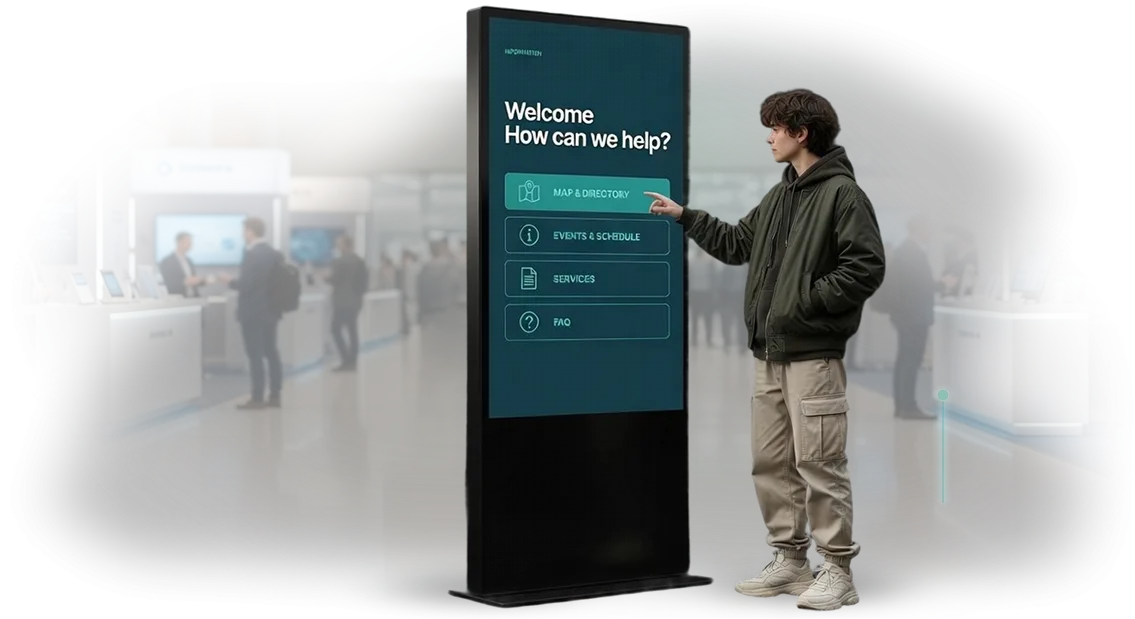
קיוסקים אינטראקטיביים למוזיאוני מדעי הטבע: איך לשמור על מעורבות המבקרים
מבקרים במוזיאוני מדעי הטבע חולפים פעמים רבות על פני ויטרינות התצוגה מהר יותר מהצפוי: דקה או שתיים בתערוכה, תמונה בטלפון — והם ממשיכים הלאה.
כאשר תערוכה היא פסיבית, היא מפסידה לסמארטפון, והמוזיאון מפסיד את הדבר החשוב ביותר: מעורבות מבקרים והרצון לחזור שוב.
קיוסקים אינטראקטיביים פותרים בעיה זו בכך שהם הופכים צפייה לחקירה פעילה.
במקום להתבונן בפריטים מתחת לזכוכית, האורח זוכה לחוויה חדשה: הוא יכול "להציץ פנימה" לתוך מוצג, לראות תהליכים שבאופן עקרוני לא ניתן להציג בויטרינה, ולערוך ניסוי זעיר משלו. זה הופך את המעורבות בתערוכה לטבעית ולא מאולצת.
עבור המוזיאון, משמעות הדבר היא יותר זמן שהייה בכל עמדה, שביעות רצון גבוהה יותר של מבקרים, ושיחות ערות בין האורחים.
הקיוסק מעסיק גם ילדים וגם מבוגרים, ולכן פועל לבניית תדמית המוזיאון כמרחב מודרני שבו מעניין — ומעניין לחזור אליו.
אנו מפתחים קיוסקים אינטראקטיביים המותאמים למטרות של תערוכה ספציפית: אנו מתכננים את התרחישים, הממשק והתוכן כך שהטכנולוגיה המוזיאלית מעצימה את הערך המדעי — במקום להפוך את המסך לעוד מתקן שעשועים.
כתוצאה מכך, אתם מקבלים כלי שבאמת מעסיק מבקרים ומגדיל את זמן השהייה שלהם במוזיאון.
מה קיוסק אינטראקטיבי מספק: יתרונות מרכזיים לתערוכה
קיוסק אינטראקטיבי בתערוכת מוזיאון מדעי הטבע אינו רק שלט אלקטרוני — הוא כלי מן המניין שהופך את הרושם של התערוכה.
במקום להתבונן פסיבית בויטרינות, המבקר מקבל הזדמנות לשלוט בתוכן, לשאול שאלות ולמצוא תשובות בעצמו. עבור המוזיאון, משמעות הדבר היא עניין רב יותר, התעמקות עמוקה יותר בנושא, וכתוצאה מכך — ביקורים חוזרים והמלצות.
מעורבות מוגברת ורשמים בלתי נשכחים
כאשר אורח בוחר בעצמו מה לחקור — סיפורו של גילוי, שחזור של חיה קדומה, או תוצאות של משלחות מדעיות — הוא הופך למשתתף בתהליך, לא לצופה.
קיוסק אינטראקטיבי מחזיק את תשומת הלב פי כמה יותר מאשר תצוגות סטטיות ויוצר רגשות שכדאי לשתף. מבקרים מצלמים את המסכים, דנים במה שראו, וחוזרים למוזיאון עם חברים או משפחה. זהו נתיב ישיר למודעות רבה יותר ללא עלויות פרסום נוספות.
ניווט נוח וגישה לארכיון המוזיאון
בתערוכות גדולות, מבקרים מתקשים פעמים רבות למצוא את דרכם: היכן האולם הנכון, איך מגיעים לתערוכה הזמנית, מה כדאי לראות קודם.
ניווט אינטראקטיבי פותר בעיה זו — אורח מקבל הוראות הגעה, מפות קומות ומידע על אירועים נוכחיים בכמה נגיעות. ערך נפרד הוא הגישה לארכיון המוזיאון.
מוצגים ומסמכים רבים לא ניתן להציג בויטרינות פתוחות בשל תנאי אחסון או חוסר מקום.
הקיוסק פותח את האוסף הדיגיטלי, תצלומים מאוספי המוזיאון, תיאורים מדעיים והפניות היסטוריות — כל זה הופך את התערוכה לעמוקה ומעניינת יותר ללא צורך בשטח רצפה נוסף.
כך, המוזיאון מקבל כלי אוניברסלי שמגביר בו-זמנית את העניין בתערוכה, מפשט את ההתמצאות, והופך לנגיש את מה שהיה נסתר קודם לכן.
יתרונות הקיוסק מורגשים הן למבקרים והן לצוות: הראשונים זוכים לרשמים ונוחות, האחרונים זוכים לשביעות רצון גבוהה יותר של אורחים ולסטטיסטיקות על החומרים המבוקשים ביותר.
פורמטים של קיוסקים אינטראקטיביים לצורכי האתר שלכם
לכל אתר יש מטרות משלו: להציג היסטוריה, לשמר זיכרון, לעזור למבקרים למצוא את דרכם. אין קיוסק אחד שמתאים לכולם, ולכן אנו בוחרים פורמט התואם לתערוכה ולקהל הספציפיים. מסכי מגע הופכים את האינטראקציה לטבעית — אורחים בכל גיל מצטרפים בקלות.
לתערוכות קבע
באולמות קבע, קיוסק הופך לחלק מהנרטיב ועובד במשך שנים.
ספרי זיכרון אינטראקטיביים וקיוסקי ארכיון מצטיינים כאן: הם מכילים נפחים גדולים של חומרים דיגיטליים, ומבקרים מקבלים גישה למסמכים נדירים, תצלומים ונתונים מדעיים ללא סיוע של מאבטח.
פתרון כזה מחזק את הרושם של התערוכה ומעלה את ערכה בעיני המבקר.
לתערוכות זמניות
עבור פרויקטים זמניים, מהירות הפריסה והניידות הן החשובות ביותר. עמדות ניווט וקיוסקים מולטימדיה עוזרים להכיר לאורחים במהירות את המוצגים המרכזיים מבלי להעמיס על החלל. הם קלים להזזה, אינם דורשים התקנה מורכבת, ומתאימים לאירועים עם זרימת מבקרים משתנה.
טבלת סיכום של הפורמטים
הכנו טבלה של הפורמטים העיקריים כדי שתוכלו לבחור פתרון המתאים לצורכי האתר שלכם.
| פורמט | למי זה מיועד | מה זה נותן ללקוח |
|---|---|---|
| ספר זיכרון אינטראקטיבי | מוזיאונים עם סיפורים אישיים, ארכיונים משפחתיים, תערוכות היסטוריה צבאית | התעמקות בגורלות אנשים, אפשרות להשאיר רשומה, מעורבות רגשית של מבקרים |
| קיוסק ארכיון | מוזיאוני מדעי הטבע, מרכזי מדע, אתרים עם אוספים גדולים | גישה לאוספים דיגיטליים, קטעי וידאו נדירים ומחקרים; מקל על עומס המאבטחים |
| עמדת ניווט | תערוכות גדולות, מסלולים מורכבים, מקומות אירועים | התמצאות מהירה של מבקרים, חלוקה שווה של תנועת רגלים, פחות שאלות לצוות |
| קיוסק מולטימדיה | תערוכות זמניות, פסטיבלים, אירועי חברה | מעורבות עם תוכן אינטראקטיבי, איסוף משוב, מעורבות והגעה רחבה יותר |
אנו מתאימים כל פורמט לסגנון המוזיאון ולמאפייני התערוכה. זה חל הן על עיצוב הארון והן על לוגיקת הממשק — הוא נשאר פשוט וברור לכל קבוצת גיל. כתוצאה מכך, אתם מקבלים כלי שמחזק את ההכרה ומחזיר אורחים.
איך מתנהל הפיתוח: מהבריף ועד ההשקה
פיתוח ספר זיכרון אינטראקטיבי או קיוסק ארכיון למוזיאון מדעי הטבע הוא תהליך שבו הצוות שלכם נשאר בשליטה.
אנו מנהלים את הפרויקט מהבריף הראשון ועד ההשקה ומתאמים בכל שלב כך שהתוצאה תעמוד ביעדי האוצרים ובציפיות המבקרים.
בדרך כלל, כל התהליך אורך בין כמה שבועות לכמה חודשים בהתאם לגודל הארכיון ולמספר התרחישים האינטראקטיביים.
בשלב העיצוב
ראשית, אנו הופכים את הרעיון למבנה ברור עבור הקיוסק העתידי. זה השלב שבו נקבעות לוגיקת הניווט ודרכי הצגת התוכן — זה קובע באיזו קלות מבקר ימצא את המידע שהוא צריך.
- בריף קיוסק — אנו מתעדים את המטרות, קהל היעד ותרחישי השימוש: מי יגיע לקיוסק, מה הם צריכים לראות, איזה רושם הם צריכים לקחת איתם.
- קונספט ומבנה — אנו מציעים פריסת מדורים, לוגיקה להצגת חומרי ארכיון ואפשרויות לאינטראקציה עם המסך.
- אישור אבטיפוס — אנו מציגים אב-טיפוס של המסך, ואתם מספקים משוב לפני תחילת העבודה, כך שהממשק הסופי לא יבוא בהפתעה.
בשלב היישום
לאחר אישור המבנה, אנו ממלאים את הקיוסק בתוכן ומכינים אותו לחיים בתערוכה. בשלב זה, חשוב שצוות המוזיאון ירגיש ביטחון: אנו מאמנים את הצוות ומוסרים את כל החומרים לעבודתם.
- יצירת תוכן — דיגיטציה של הארכיון, כתיבת טקסטים, בחירת תמונות וסרטונים, התאמת חומרים למסך הקיוסק.
- התקנה והגדרה — אנו מתקינים את המבנה באולם, מחברים את הציוד ובודקים את התרחישים יחד עם הצוות שלכם.
- השקת ניסיון — אנו עורכים מפגשי ניסיון עם מבקרים או עמיתים, אוספים משוב ראשוני ופועלים על פיו במהירות.
- השקת הקיוסק ותמיכה — אנו פותחים גישה לאורחים ונשארים בקשר: אנו מעדכנים תוכן, מוסיפים חומרים ומנטרים יציבות תפעולית.
אנו תומכים בפרויקט גם לאחר הפתיחה, כך שאתם מקבלים לא משלוח חד-פעמי אלא כלי עבודה שמתפתח יחד עם התערוכה שלכם.
כל שלב שקוף, ולוחות זמנים והיקף העבודה קבועים מראש — אינכם צריכים להיכנס לפרטים טכניים, רק לקבל החלטות על תוכן ועיצוב.
מה כלול בחבילת המסירה של הקיוסק האינטראקטיבי
בין אם אתם עובדים על תערוכת הנצחה, תצוגת ארכיון או אזור חינוכי, קיוסק אינטראקטיבי יהפוך לנקודת משיכה למבקרים. אבל חשוב להבין שרכישת המכשיר עצמו היא רק חלק מהמשימה.
הרכבנו חבילה מלאה כך שתקבלו פתרון סוהר ולא תבזבזו זמן בחיפוש אחר קבלנים בנפרד.
חבילת המסירה הסטנדרטית כוללת:
- חומרת קיוסק — ציוד מגע וארון המותאם לצורכי המוזיאון. טכנולוגיה ברמה תעשייתית מיועדת לפעילות סביב השעון בחללים ציבוריים ולא תכשיל ברגע הקריטי ביותר.
- עיצוב וסטיילינג — מראה הקיוסק מתאים לסגנון התערוכה שלכם. אנו מתכננים את המיקום, הניווט והארגונומיה כך שמבקרים יוכלו לגשת בחופשיות ולהשתמש בטרמינל.
- תוכן ותוכנה — פיתוח ספר הזיכרון האינטראקטיבי, מבנה חומרי הארכיון ויצירת ממשק אינטואיטיבי. אתם מקבלים מערכת ברורה גם לתלמיד בית ספר וגם למבקר מבוגר.
- התקנת קיוסק — משלוח, התקנה באתר, הגדרה ובדיקת כל הפונקציות. המומחים שלנו מחברים הכל בעצמם ומוודאים שהקיוסק מוכן לעבודה מהיום הראשון.
- הדרכת צוות — אנו עורכים תדריך לצוות שלכם: איך להדליק ולכבות את הקיוסק, להוסיף תוכן ולפתור תקלות קלות בעצמם. בנוסף, אנו מספקים מדריך הוראות ברור.
- אחריות ותמיכה — תחזוקה שוטפת, עדכוני תוכנה וייעוץ לאורך כל חיי השירות. אם משהו קורה, אתם לא נשארים לבד עם הבעיה.
בעצם, אתם מזמינים לא "חומרה" אלא מערכת עובדת שמבצעת את משימותיה מהיום הראשון. כל האחריות להתקנה, השקה ותפעול מוטלת עלינו — כל מה שנותר לכם הוא לראות כיצד עניין המבקרים בתערוכה שלכם גדל.
מקרה בוחן: כיצד סיפקנו פרויקט למוזיאוני מדעי הטבע
מבקרים במוזיאוני מדעי הטבע חולפים פעמים רבות על פני ויטרינות וממהרים הלאה — התערוכה לא מצליחה להחזיק את תשומת הלב שלהם. כדי לעסוק באורחים ולתת להם הזדמנות להפוך לחלק מהסיפור, פיתחנו קיוסק אינטראקטיבי עם ספר זיכרון.
זה לא רק עמדת מידע אלא ארכיון חי: כל אחד יכול להשאיר רשומה, זיכרון או משאלה.
במוזיאון להיסטוריה של הטבע, הקיוסק הפך לנקודת משיכה. במקום לקרוא שלטים, אורחים לוקחים חלק ביצירת חומרי ארכיון: הם מתעדים סיפורים, צופים באלה שהותירו אחרים ומשאירים תגובות.
בחודש הראשון, זמן השהייה בתערוכה גדל ב-40%, ומספר הביקורות החיוביות על המוזיאון גדל — אנשים משתפים את התרשמותם וממליצים לחברים.
"קיוסק ספר הזיכרון שינה את התנהגות המבקרים: הם התחילו לעצור, לקרוא ולדון. הפרויקט המוזיאלי הזה הוכיח שאינטראקטיביות עובדת אפילו בתערוכה הקלאסית ביותר," — מריה סוקולובה, מנהלת המוזיאון.
"מקרה הקיוסק הראה כיצד טכנולוגיה מחייה חומרי ארכיון. זה מרגש במיוחד לראות מבקרים מבוגרים כותבים רשומות בשמחה וילדים נהנים לדפדף בעמודים," — אנה פטרובה, אוצרת התערוכה.
"באנו עם הנכדים שלנו שלוש פעמים והשארנו רשומה חדשה בכל פעם. למצוא אותה על המסך זה קסם. תודה על הרעיון," — אלנה מורוזובה, מבקרת.
הגידול בכמות המבקרים ובזמן השהייה מדבר בעד עצמו. לאחר ההשקה המוצלחת, המוזיאון הזמין קיוסק נוסף כזה לאולם השכן. אנו שמחים שהגישה שלנו עוזרת למוזיאונים להיות קרובים יותר לאנשים.
איך לבחור פורמט קיוסק למשימה הספציפית שלכם?
בחירת פורמט קיוסק מתחילה לא בתמונה או בעיצוב, אלא בתשובה לשאלה: מה המבקר צריך לעשות במסך? אם המטרה היא להציג את ההיסטוריה של מוצג, עמוד אנכי קומפקטי עם מסך מגע יעבוד.
אם אתם צריכים לספק גישה לארכיון גדול של חומרים, תצלומים ומסמכים — שולחן אופקי שניתן להשתמש בו כמו ספר עדיף. לכן בחירת קיוסק תמיד מתחילה בניתוח משימות, לא בקטלוג של פתרונות מוכנים.
הקריטריון השני הוא מיקום ההצבה והמאפיינים של זרימת המבקרים. בכניסה לאולם, בדרך כלל מציבים קיוסק עם ניווט מהיר כך שאדם יבין מה לראות תוך 20–30 שניות.
באזור התערוכה שבו אנשים מתעכבים, פורמט "ספר זיכרון" עם דפדוף והתעמקות בפרטים עובד היטב.
חשוב לקחת בחשבון כמה אנשים ישתמשו בקיוסק בו-זמנית: בשעות השיא, מסך צר אחד ייצור תור, בעוד שולחן רחב מאפשר לשניים או שלושה מבקרים להשתמש בו בבת אחת.
הנקודה השלישית היא נפח וסוג התוכן שאתם מתכננים לפרסם. חומרי טקסט, תצלומים, סרטונים, הקלטות אודיו — לכל פורמט יש מאפייני אינטראקציה משלו.
עבור מוזיאון מדעי הטבע, אלה יכולים להיות יומני שדה, תצלומי משלחות ארכיוניים, מפות וקולות של חוקרים. חשוב שהקיוסק יאפשר עדכוני תוכן בקלות ללא מעורבות מפתחים בכל פעם ויתמוך בחיפוש נוח בארכיון.
כאשר אנו לוקחים על עצמנו פרויקט, אנו עורכים תחילה ביקורת קצרה: מטרת הקיוסק, מיקום, מאפייני קהל, סוגי תוכן ותדירות עדכון צפויה. רק לאחר מכן אנו מציעים אפשרויות פורמט ספציפיות עם נימוק — מדוע אפשרות מסוימת זו מתאימה למשימה שלכם.
גישה זו שוללת מצב שבו מסך יקר מתברר כלא נוח למבקרים או ששולחן יפה לא מתאים ללוגיקת התערוכה.
פורמט שנבחר כראוי עושה יותר מאשר רק "מציג מידע": הוא מחזיק תשומת לב, מעודד חקירה מעמיקה יותר של הנושא ויוצר סיבה לחזור למוזיאון שוב.
התוצאה היא קיוסק שמשתלב באופן טבעי באולם ומשרת באמת את המטרה שלכם. אם אינכם בטוחים באיזה פורמט לבחור — שלחו לנו תיאור של המוזיאון והמטרות שלכם, ונעזור לכם להגיע לפתרון האופטימלי.
חששות נפוצים: תשובות לשאלות על קיוסקים
חששות נפוצים סובבים בדרך כלל סביב השאלה האם הקיוסק יישאר ללא תמיכה לאחר ההשקה. יציבות היא קריטית עבור מוזיאוני מדעי הטבע — אלפי מבקרים מגיעים מדי יום, ואפילו השבתה קצרה משפיעה על התרשמות האורחים. הנה מה שאנו מבטיחים.
מה קורה אם הקיוסק מתקלקל במהלך הפעילות?
אנו בונים את הקיוסקים שלנו על ציוד מקצועי המיועד לשימוש אינטנסיבי בחללים ציבוריים. אבל אפילו טכנולוגיה אמינה נכשלת מדי פעם — לכן כל פרויקט מגיע עם אחריות על ציוד והתקנה.
אם מתרחשת תקלה, אתם מתקשרים אלינו — אנו מבצעים אבחון ופותרים את הבעיה במהירות, לעתים קרובות מרחוק.
מי מתחזק את הקיוסק לאחר ההתקנה?
התחזוקה כלולה בהסכם השירות: אנו מנטרים את פעולת הציוד, התוכנה המותקנת והתוכן. במידת הצורך, אנו מגיעים לאתר באופן אישי, ובדיקות מתוזמנות מסודרות כך שלא יפריעו למבקרים. אינכם צריכים להבין בטכנולוגיה — אנו מטפלים בכל העניינים.
איזו אחריות ניתנת ומה היא מכסה?
האחריות מכסה את כל הציוד, כולל מסך המגע, ואת איכות ההרכבה שלנו. משך האחריות הוא בחירתכם — האחריות הבסיסית היא שנה אחת, הניתנת להארכה לשלוש שנים. במהלך תקופה זו, תיקונים והחלפת חלקים מבוצעים ללא תשלום.
האם צוות המוזיאון יכול לעדכן תוכן ללא מפתח?
כן. אנו בונים פאנל ניהול פשוט שבו הצוות יכול לשנות טקסטים, תמונות וסרטונים בעצמם. אתם מוסיפים חומר חדש, שומרים — והקיוסק מציג מיד את המידע המעודכן.
לפני ההשקה, אנו מאמנים את צוות המוזיאון, כך שאין צורך לחכות לקבלן כדי לשנות תוכנית תערוכה.
כמה מהר תגיבו אם המוזיאון נמצא מחוץ לעיר שלכם?
אנו עובדים מרחוק עם לקוחות בכל הארץ, ולכן בנינו תהליך תמיכה באמצעות וידאו וגישה מרחוק. ברוב המקרים, תקלה מאובחנת ונפתרת באותו היום. אם נדרש ביקור באתר, אנו מתאמים זמן נוח ומגיעים בהקדם האפשרי.
מוכנים לדון בפרויקט שלכם? שלחו בקשה להצעת מחיר
שלחו בקשה לקיוסק — ונכין הצעת מחיר ראשונית המותאמת למטרות המוזיאון שלכם. נספר לכם איזה פורמט קיוסק אינטראקטיבי מתאים לתערוכה שלכם ונציע תוכנית יישום המתחשבת במאפייני אוסף מדעי הטבע.
מה תקבלו לאחר יצירת קשר:
- הערכת פרויקט ראשונית — עלות מחושבת לאחר ביקורת, לוחות זמנים והיקף עבודה;
- בחירת פורמט הקיוסק האופטימלי לתערוכה ולקהל שלכם;
- תוכנית יישום עם שלבים, מבריף ועד השקה והדרכת צוות;
- ייעוץ בנושא שילוב הקיוסק עם מוצגים קיימים ותשתית המוזיאון;
- הערכת עלות לתמיכה שוטפת ועדכוני תוכן לאחר ההשקה;
- תשובות לשאלות על אחריות, תמיכה טכנית ופיתוח פרויקט.
זו שיחה מהותית וללא התחייבות על הפרויקט שלכם. אנו עובדים מרחוק, כך שנמצא זמן נוח לשיחה ונדון בפרטים ללא פורמליות מיותרות.
שלחו את הבקשה שלכם — ונחזור אליכם עם הערכה בתוך יום עסקים אחד.