

מדוע מוזיאונים אתנוגרפיים מאבדים את הקהל החי שלהם?
מוזיאונים אתנוגרפיים משמרים מוצגים ארכיוניים ייחודיים — חפצי בית אותנטיים, תלבושות, כלי עבודה, אביזרים פולחניים.
אבל דווקא האוצרות האלה הולכים ונעלמים מעיני הציבור כיום: מספר המבקרים במוזיאונים אתנוגרפיים יורד, והתערוכות נתפסות כהיסטוריה קפואה שאין לה קשר לחיים המודרניים.
הבעיה היא שהצגה מסורתית אינה מעוררת מעורבות. מוצגים מתחת לזכוכית, תוויות וטקסטים נלווים ארוכים מדברים בשפת המוזיאון, לא בשפת המבקר.
הקהל החי של המוזיאון מזדקן — קבוצות בית ספר מגיעות כחלק מתוכנית הלימודים, בעוד צעירים ומשפחות עם ילדים בוחרים בפורמטים אחרים של פנאי.
העניין באתנוגרפיה יורד לא בגלל שלאנשים לא אכפת משורשים ומסורות, אלא בגלל שהמוזיאון לא נותן להם הזדמנות להתחבר רגשית.
עבור המוזיאון עצמו, זהו אובדן שקט של המשימה. האוספים ממשיכים להישמר, החוקרים עובדים, אבל בלי קהל האתנוגרפיה הופכת לארכיון סגור.
כדי לשמר מורשת תרבותית, יש להציג אותה בצורה חיה, וליצור חוויה אישית למבקר — ואז המוצגים מקבלים קול, והמוזיאון שוב הופך למקום משיכה.
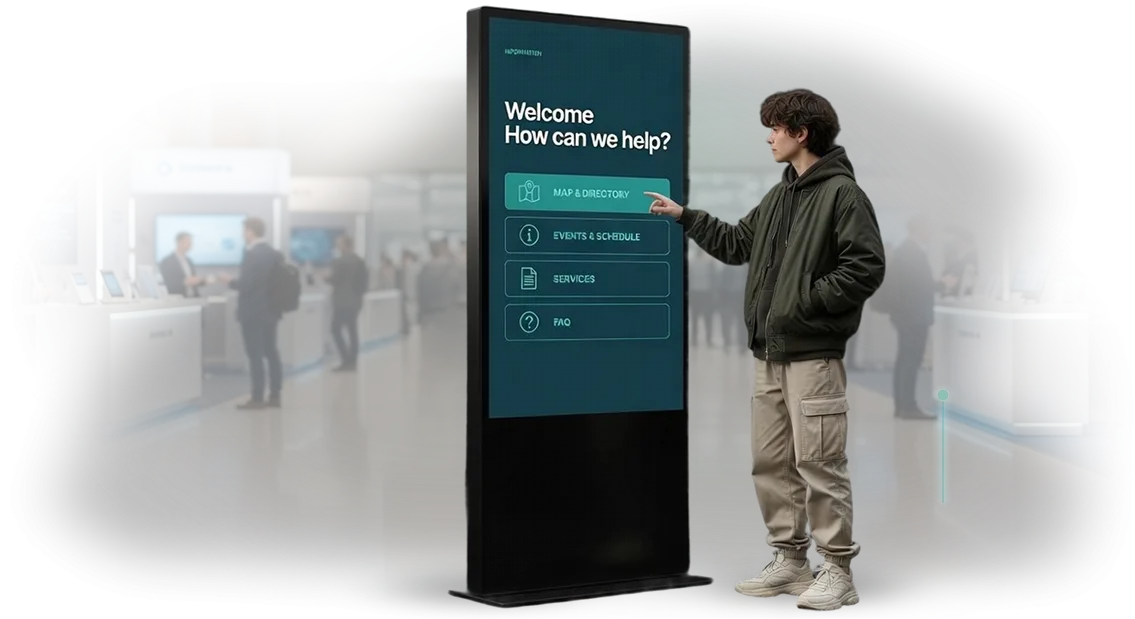
אנחנו פותרים בעיה זו עם קיוסק אינטראקטיבי למוזיאונים. הוא הופך חומרים ארכיוניים לסיפור דינמי שהמבקרים חוקרים בקצב שלהם: עיון באוספים דיגיטליים, צפייה בסרטונים, השתתפות בסיור וירטואלי.
זה נותן למוזיאון כלי שמחזיר את הקהל והופך את האתנוגרפיה למובנת ומעניינת לדורות שונים.
מה ישתנה עבור המבקרים והצוות שלכם לאחר ההשקה
מבקרים במוזיאונים אתנוגרפיים באים לחוויה חיה, אבל לעתים קרובות נתקעים ב"ארון תצוגה ותווית". קיוסק אינטראקטיבי הופך את הצפייה לדיאלוג: האורח בוחר את הנרטיב, בוחן פרטים, מאזין לסיפורים.
זה גם מקל על הצוות משאלות חוזרות ונשנות ביותר — הצוות עובד עם אנשים, לא עם בקשות חוזרות.
מעורבות מבקרים
תרחישים אינטראקטיביים מחזיקים את תשומת הלב פי 5–7 יותר זמן. האורחים חוקרים את המוצגים לעומק, חוזרים לקיוסק שוב ושוב, ומביאים חברים.
הכרה במותג האתנוגרפי
מבקרים מצלמים את המסכים ומפרסמים ברשתות החברתיות — החשיפה גדלה בלי תקציב פרסום, והמוזיאון עצמו נראה מודרני ופתוח.
הפחתת העומס על צוות המוזיאון
הקיוסק עונה על שאלות טיפוסיות, מציג מסלולים ועובדות קצרות על המוצגים. המלווים מתמקדים בסיורים חיים ובתקשורת במקום בשגרה.
דיגיטציה של התערוכה ועניין גובר במוצגים
ספרי זיכרון דיגיטליים, אלבומים ואוספים ארכיוניים מציגים מה שלא יכול להיכנס לארון תצוגה. המבקרים מוצאים שמות מוכרים ותמונות נדירות — וחוזרים כדי לשתף את הגילוי עם המשפחה.
| פורמט | למי | מה הוא נותן ללקוח |
|---|---|---|
| קיוסק מגע | מבקרים בודדים | חקירה עצמאית של המוצגים |
| ספר זיכרון עם חיפוש | חוקרים, צאצאים | סיפורים משפחתיים וסיבה לחזור |
| מדריך אינטראקטיבי | קבוצות, מדריכי טיולים | פחות תורים ושאלות טיפוסיות |
בפרויקט עבור מוזיאון האדריכלות והחיים העממיים, ספר זיכרון כזה הגדיל את הביקורים החוזרים בכמעט שליש. מוכנים לדון במוזיאון שלכם — נראה לכם איך זה עובד.
פורמטים של פתרונות אינטראקטיביים למוזיאונים אתנוגרפיים
מוזיאון אתנוגרפי עובד עם קהלים שונים: תלמידי בית ספר מגיעים לטיולים, הדור המבוגר מחפש סיפורים משפחתיים, חוקרים מחפשים מסמכים וחפצים.
אין קיוסק אוניברסלי — חשוב לבחור פורמט שפותר משימה תערוכתית ספציפית ונותן למבקרים סיבה ברורה ליצור אינטראקציה עם החומר. להלן פורמטי הקיוסק האינטראקטיביים הפופולריים ביותר שאנו מיישמים עבור מוזיאונים.
אילו פורמטים של קיוסק אינטראקטיבי מתאימים לחלל מוזיאלי
| פורמט | למי | מה הוא נותן ללקוח |
|---|---|---|
| קיוסק דיגיטלי למוזיאון | מבקרי תערוכות ותצוגות קבע | היכרות עם ההיסטוריה בפורמט ויזואלי: תצלומים, סרטוני סיפור, זיכרונות — ללא מעורבות צוות. האורח נשאר בתערוכה זמן רב יותר וחוזר שוב. |
| ספר זיכרון אינטראקטיבי | מבקרים משפחתיים, צאצאים של אלה שסיפוריהם מוצגים | היכולת למצוא קרוב משפחה, לצפות בביוגרפיה שלו ולהשאיר הערה או תמונה. המוזיאון מקבל ארכיון חי של תגובות וסיבה לביקור חוזר. |
| קיוסק ארכיון | חוקרים, היסטוריונים מקומיים, סטודנטים, צוות מדעי | גישה מהירה למסמכים דיגיטליים, מפות וכתבי יד בממשק נוח. העומס על הצוות יורד, והעבודה עם חומרים הופכת לעצמאית. |
| לוח מגע עם מפה אינטראקטיבית | משפחות עם ילדים, קבוצות בית ספר | היכרות משחקית עם האזור: יישובים, מלאכות, ניבים, מוזיקה. עוזר להחזיק את תשומת הלב של הילדים ולערב אותם בנושא דרך משחק. |
בחירת הפורמט תלויה בגודל החלל, בהיגיון התערוכה ובתגובה שאתם רוצים לקבל מהאורח. שני קיוסקים יכולים לעבוד בהרמוניה באולם אחד: לוח מגע לקהל צעיר יותר וקיוסק ארכיון לחוקרים.
אנחנו עוזרים לקבוע את הסט האופטימלי בשלב הבריף, ומתאימים את היישום לסגנון המוזיאון שלכם — מעיצוב הממשק ועד לאופן הצגת החומרים.
כיצד מתנהלת עבודת הפרויקט: מבריף ועד השקה
ברור שהעבודה הפנימית של פיתוח קיוסק למוזיאון אתנוגרפי לא צריכה להדאיג אתכם. לכן בנינו את התהליך כרצף ברור של שלבים — מהבריף הראשון ועד קיוסק עובד באולם. אתם תמיד יודעים באיזה שלב נמצא הפרויקט, מה קורה, ומה נדרש מכם.
- בריף פיתוח. אתם מספרים על התערוכה, הקהל והמשימות: מה הקיוסק צריך לספק — מדריך, הפניה ארכיונית, ספר זיכרון אינטראקטיבי. אנחנו שואלים שאלות הבהרה ומתעדים מטרות כדי לנוע באותו כיוון.
- קונספט ותרחיש. אנחנו קובעים את מבנה המדורים ואת היגיון הניווט: מה האורח רואה במסך הפתיחה, איך הוא עובר בין נושאים, אילו חומרים הוא פותח. שלב זה הוא "מפה" ברורה של הקיוסק העתידי.
- אישור אבטיפוס. אנחנו מציגים את העיצוב של כל המסכים; אתם מעירים הערות ומשוב. אנחנו משנים, מבהירים, מלטשים — עד שהתמונה הופכת נוחה וטבעית עבור המבקרים שלכם.
- מילוי תוכן. אתם מספקים תצלומים, רשומות ארכיוניות, טקסטים ואודיו. אנחנו מביאים אותם לסגנון אחיד ומעלים אותם למערכת — הקיוסק הופך בהדרגה לכלי שימושי, לא רק מסך על קיר.
- בדיקה בתנאי מוזיאון. אנחנו בודקים איך מסך המגע מגיב למגע, איך המסכים נקראים בתאורה שונה וממרחקים שונים, והאם המערכת קופאת. אנחנו מבטלים כל תקלה לפני המבקר הראשון.
- השקת הקיוסק האינטראקטיבי. אנחנו מספקים, מתקינים בתערוכה, ומתאימים למיקום הספציפי. אנחנו מאמנים את הצוות: איך להדליק ולכבות את הקיוסק, מה לעשות במצב לא שגרתי. אתם מקבלים מוצג מוגמר לחלוטין.
- תמיכה לאחר ההשקה. אנחנו נשארים בקשר: עוזרים לעדכן חומרים, מייעצים לצוות, ומתקנים בעיות במהירות אם צריך. חידדנו גישה זו במשך 10+ שנים — הלקוחות של הצוות שלנו יודעים שאחרי מסירת הפרויקט אנחנו לא נעלמים.
מה כלול במסירה וכיצד מועבר הפרויקט
מסירת קיוסק אינטראקטיבי למוזיאון אתנוגרפי כוללת לא "חומרה בקופסה", אלא פתרון מוכן שממשיך לעבוד אחרי שאנחנו עוזבים.
כל מה שצריך להשקה ולפעילות יומיומית מרוכז בסט אחד — מתוכן תערוכתי ועד הוראות לצוות שלכם.
- תוכן וממשק. תוכן מחושב לתערוכה: תצלומים ארכיוניים, סיפורי חפצים, טקסטים ומיניאטורות אודיו. הממשק מותאם לגילאים שונים ולרמות מיומנות שונות של מבקרים — מתלמידי בית ספר ועד קשישים.
- התקנה וחיבור. אנחנו מביאים את הקיוסק, מתקינים אותו בנקודה שנבחרה באולם, ומתאימים אותו לתאורה ולאקוסטיקה של החלל. אנחנו בודקים את הפעולה בתנאים אמיתיים כדי ששום דבר לא ייכשל ביום הפתיחה.
- מסירת הפרויקט. אנחנו מוסרים סט מלא של חומרי מקור וקבצי פרויקט. אתם מקבלים את הזכויות לשימוש בתוכן ואת היכולת לעדכן אותו בעצמכם לאחר סיום שיתוף הפעולה.
- הכשרת צוות המוזיאון. אנחנו מקיימים מפגש מעשי למנהלים, מלווים ומתודולוגים. לאחר ההכשרה, האנשים שלכם יכולים להפעיל את הקיוסק, להחליף חומרים ולעזור למבקרים במצבים לא שגרתיים.
- תיעוד הקיוסק. יחד עם הציוד, אנחנו מספקים מדריך פשוט: איך להדליק, להחליף פריט תוכן, לבצע בדיקה יומית, ומה לעשות בתקלות טיפוסיות. אין מורכבות טכנית — רק מה שצריך בפועל.
- תמיכה לאחר ההשקה. אנחנו נשארים זמינים לייעוץ ומספקים עזרה מרחוק בחודש הראשון לפעילות. במידת הצורך, אנחנו יכולים להגיע במהירות לאתר לצורך תחזוקה.
חבילה כזו חוסכת מהמוזיאון פרויקט "תקוע" שבו יש ציוד אבל אף אחד לא יודע如何使用 אותו. אתם מקבלים כלי עובד שמגביר את מעורבות המבקרים ומפחית את עומס הצוות מהיום הראשון.
מקרה בוחן: איך החזרנו מבקרים לתצוגת הקבע
תצוגת הקבע היא הלב של כל מוזיאון אתנוגרפי, אבל לעתים קרובות היא זו שמפסידה לתערוכות זמניות.
בפרויקט אחד, אנשים הגיעו אלינו עם כאב מוכר: מבקרים מיהרו דרך האולמות ב-15–20 דקות, בקושי עצרו ליד ארונות התצוגה, ועזבו בלי לזכור את סיפור המסורות.
עבור המוזיאון האתנוגרפי "מורשת חיה", פיתחנו קיוסק אינטראקטיבי שהפך את צפיית התערוכה למשחק גילוי.
במקום שלטים "אין לגעת" — מפה אינטראקטיבית עם ההיסטוריה של כל מוצג, משימות למבוגרים וילדים, והיכולת "להציץ פנימה" אל חפצים שלא ניתן לפתוח פיזית. זה החזיר לאולמות גם אורחים קבועים וגם תיירים.
מספרים לאחר היישום
בתוך הרבעון הראשון, תפוסת תצוגת הקבע גדלה ב-40% — זו דוגמת יישום שאנחנו אוהבים להראות למוזיאונים אחרים.
זמן השהייה הממוצע באולמות גדל מ-20 ל-45 דקות: האורחים לא רק מסתכלים, הם מתקשרים, קוראים, משלימים משימות, וחוזרים לקיוסק מספר פעמים.
ציינו בנפרד את הצמיחה במעורבות הקהל המשפחתי: הורים עם ילדים החלו לבלות שליש יותר זמן במוזיאון.
בחודש אחד, הקיוסק אסף אלפי סשנים, וחלקם של האורחים שמשאירים ביקורת או נרשמים לרשתות החברתיות של המוזיאון לאחר הביקור הוכפל.
מה זה אומר עבור המוזיאון
לצמיחת התפוסה הייתה לא רק השפעה כמותית. עכשיו הייתה סיבה לביקור חוזר: עדכוני תוכן בקיוסק, תרחישים חדשים, סיפורים עונתיים.
הנהלת המוזיאון אמרה שאחרי ההשקה, תצוגת הקבע שוב הפכה לסיבה העיקרית להגיע — והם כבר הזמינו קיוסק שני לסניף. עבורנו, זה המדד הטוב ביותר לכך שמקרה הקיוסק האינטראקטיבי עובד.
איך לבחור את הפורמט הנכון למשימה ספציפית?
אין קיוסק אוניברסלי למוזיאון אתנוגרפי — בחירת הפורמט תלויה בשלושה דברים: מה המוצג מציג, מי ניגש אליו, והיכן ניתן למקם אותו. פרמטרים אלה קובעים אם האינטראקטיב יעבוד עבור המבקרים או פשוט יתפוס מקום.
ראשית, העריכו את התוכן של ספר הזיכרון האינטראקטיבי. אם זה ארכיון של מאות תמונות, מסמכים וזיכרונות, אתם צריכים פורמט עם ניווט מחושב: חיפוש לפי שם משפחה, כרונולוגיה, אירועים.
לתערוכה קטנה, קיוסק עם פיד סיפורים וכפתורים גדולים מספיק. הקריטריון המרכזי הוא שהמבקר יוכל להבין לבד, בלי רמזים של מלווה, איך לדפדף ולמצוא את מה שהוא צריך.
הגורם השני הוא הקהל. במוזיאונים אתנוגרפיים יש לעתים קרובות מבקרים מבוגרים שמתקשים לעבוד עם מסכי מגע בלי רמזים מוכרים. לכן, גופנים גדולים, קריינות אודיו חזקה, והיכולת להשהות את הצפייה ולקרוא בקצב נינוח הם חשובים.
לקבוצות צעירות יותר, להיפך, אפשר להוסיף חיפוש מהיר וסרטונים נוספים. הקיוסק צריך להתאים לקהל מעורב, לא רק לחלק אחד שלו.
לבסוף, תנאי המיקום. באולם עם ארונות תצוגה, המקום הפנוי מוגבל — בחרו קיוסק צמוד קיר קומפקטי. אם המקום מאפשר וארון התצוגה הופך למרכז הסמנטי, מתאים קיוסק עומד עם פאנל גדול.
קחו בחשבון גם את דרישות המוזיאון: היכולת לעדכן תוכן בלי להזעיק מהנדסים, הגנה מאבק ומגעים מקריים, והפעלה/כיבוי מתוזמנת פשוטה.
אנחנו עוזרים לפתור סוגיה זו בשלב הדיון: אתם שולחים תיאור של התערוכה והמתחם, ואנחנו מציעים פורמט מתאים עם הערכה של כמה תוכן הוא יתמודד ואיך הוא ישתלב בפנים.
כתוצאה מכך, אתם מקבלים לא "קיוסק לשם קיוסק", אלא ספר זיכרון אינטראקטיבי שעובד עבור המבקר ולא דורש עיבוד מחדש בעוד שנה.
תשובות לשאלות נפוצות על פיתוח קיוסקים
לפני הזמנת קיוסק אינטראקטיבי, ראשי מוזיאונים אתנוגרפיים שואלים את אותן שאלות נפוצות: לוחות זמנים, קלות שימוש, אחריות. אנחנו עונים על החשובות ביותר — בלי פרטים טכניים.
מהם לוחות הזמנים לפיתוח קיוסק אינטראקטיבי?
בדרך כלל 4–8 שבועות מבריף ועד השקה, תלוי בכמות התוכן. בהתחלה, אנחנו קובעים תוכנית לוח שנה עם נקודות אישור — אתם תמיד רואים את התקדמות הפרויקט. יש לנו ניסיון בהשקות דחופות לפתיחת תערוכות.
האם קשה לצוות המוזיאון לעבוד עם הקיוסק?
עבור מבקרים, הקיוסק עובד במצב "הדלק והשתמש" — כל אחד יכול לשלוט במסך המגע. עבור הצוות, יש פאנל ניהול פשוט: תמונות, טקסט ומוצגים ניתנים לעדכון בלי תכנות. אנחנו מאמנים את הצוות ומספקים הוראות.
מהי האחריות על הקיוסק האינטראקטיבי?
אנחנו מספקים אחריות רשמית על הציוד והתוכנה — בדרך כלל משנה אחת. אם מתרחשת תקלה, אנחנו פותרים אותה מרחוק או עם ביקור מומחה. אתם נשארים בקשר עם מהנדס לאורך כל תקופת הפעילות.
מה כוללת תחזוקת הקיוסק לאחר ההשקה?
תחזוקה מתוכננת כוללת שירות ציוד, גיבוי נתונים ועדכוני תוכן. ניתן לחבר ניטור מרחוק — אנחנו רואים את מצב הקיוסק ומגיבים למקרי חירום. זה מוריד את הנטל מהצוות שלכם.
השאירו פנייה כדי לדון בפרויקט שלכם
השאירו פנייה — ותוך יום עסקים אחד נחזור עם הצעה לפרויקט שלכם. נספר לכם איך הקיוסק האינטראקטיבי ישתלב בתערוכה, מה יידרש מהמוזיאון, וכמה זמן תימשך ההטמעה.
לאחר הפנייה שלכם, תקבלו:
- ייעוץ ראשוני — ננתח את המשימות של המוזיאון שלכם: מניווט באולמות ועד ספר זיכרון אינטראקטיבי.
- הערכת עלות ראשונית — הצעת מחיר כנה בלי תוספות נסתרות: אתם מבינים את תקציב הפרויקט מיד.
- אפשרויות פתרון למשימה שלכם — מקיוסק ארכיון פשוט ועד עמדת מולטימדיה עם מסך מגע.
- הערכת לוחות זמנים — תוכנית עבודה ריאלית המותאמת ללוח התערוכות והאירועים שלכם.
- דוגמאות מעשיות — נראה פרויקטים דומים למוזיאונים אתנוגרפיים כדי שתוכלו לראות את התוצאה לפני שמתחילים.
- גישה אישית — נתאים את הממשק לאוסף, לסגנון התערוכה ולקהל המבקרים שלכם.
אנחנו עובדים מרחוק בכל הארץ, כך שהדיונים והאישורים מתקיימים אונליין — בזמן שנוח לכם.
לאחר הפנייה שלכם, אתם מקבלים לא רק הצעה מסחרית, אלא היגיון מוכן לקיוסק העתידי: איך המבקרים יתקשרו איתו, באילו חומרים נשתמש, ואיך הפרויקט ישתלב בחיי המוזיאון.
השאירו את פרטי הקשר שלכם — נחזור אליכם תוך יום עסקים, נענה על שאלותיכם, ונכין הערכת עלות לפרויקט שלכם.