

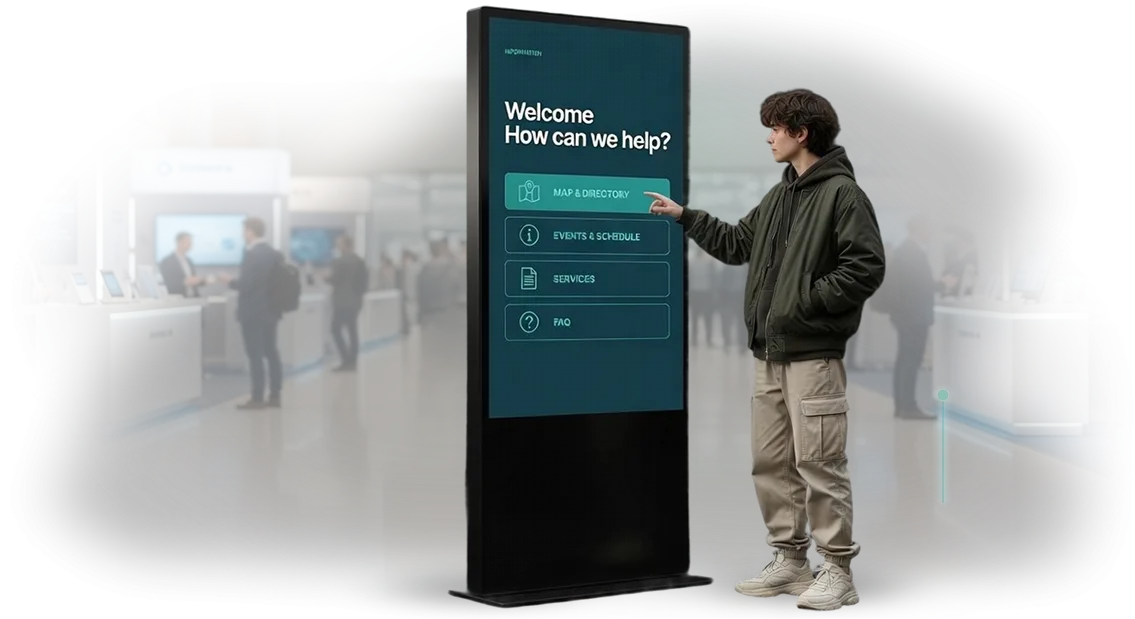
אולמות ריקים: קיוסקים אינטראקטיביים למוזיאוני אמנות
מבקרים מגיעים למוזיאון אמנות בשביל חוויה, אך לעיתים קרובות עוברים בגלריות תוך 20–30 דקות, ועוצרים ליד כל יצירה לכמה שניות.
תערוכות לא מצליחות לשמור על תשומת הלב: ללא הקשר וסיפור, ציורים נתפסים כ"תמונות יפות" ולא כסיבה להתעכב, להרהר ולחזור שוב.
כתוצאה מכך, האולמות מתרוקנים, והמוזיאון מאבד את הדבר החשוב ביותר — העניין החי של הקהל שלו.
הסיבה אינה איכות האוסף, אלא הדרך שבה הוא מוצג. תוויות סטטיות ומדריכי שמע מסורתיים מספקים רק מידע בסיסי, בעוד מבקרים רוצים דיאלוג: להשוות יצירות, לראות פרטים, להבין את התקופה ואת כוונת האמן.
כשאין הזדמנות כזו, האורח מתעייף במהירות ועוזב עם רושם שטחי.
קיוסקים אינטראקטיביים הופכים ביקור במוזיאון אמנות לחקירה.
המבקרים בוחרים את עומק ההתעמקות שלהם: אחד נוגע במסך כדי ללמוד את הסיפור מאחורי יצירת הציור, אחר משווה שכבות שיקום, ושלישי בונה תערוכה וירטואלית מיצירות אהובות.
התערוכה מתחילה "לדבר" עם כל אורח בשפה שלו, והזמן המושקע בגלריות מוכפל.
עבור המוזיאון, זה אומר לא רק ביקור עשיר יותר אלא גם גידול בביקורים חוזרים: אורחים חוזרים לחקור את מה שהחמיצו וממליצים על המקום לחברים.
קיוסקים לוקחים על עצמם חלק מעבודת המדריך, משחררים צוות, ומאפשרים להציג את האוסף ללא מגבלות זמן או כמויות הדפסה.
אנו מפתחים קיוסקים אינטראקטיביים למוזיאוני אמנות תוך תשומת לב לארכיטקטורת החלל ולמאפייני התערוכות.
הפתרון רץ על ציוד מקצועי, משתלב בקלות בפנים, ואינו דורש כישורים מיוחדים מהמבקרים — רק מגע במסך כדי לגלות את האמנות מחדש.
מה קיוסק אינטראקטיבי יביא למוזיאון שלך
מבקר מגיע למוזיאון בשביל חוויה — הוא רוצה לא רק לראות מוצג אלא להבין את הסיפור שלו ולהרגיש תחושת חיבור.
קיוסק אינטראקטיבי הופך צפייה פסיבית לאינטראקציה חיה: האורח בוחר במה להסתכל, דפדף במסמכי ארכיון, מכיר ביוגרפיות, ומשאיר את חותמו בספר הזיכרון.
זה שומר על תשומת הלב פי 2–3 יותר מהרגיל — והרגעים האלה הם שנזכרים והופכים לסיבה לחזור.
מה המוזיאון מקבל:
- מעורבות מבקרים. האורח לא רק קורא תווית ליד ויטרינה, אלא שוקע בסיפור דרך ממשק מגע, תמונות וחומרי וידאו. זה מאריך את זמן השהייה בתערוכה ומגביר את שביעות הרצון מהביקור.
- גידול בביקורים חוזרים. תערוכות מדיה קל לעדכן: סיפורים חדשים, אוספים נושאיים, פרויקטים מיוחדים לתערוכות נותנים למבקרים סיבה לחזור שוב — לבד, עם המשפחה, או כחלק מקבוצה מאורגנת.
- הכרה במוזיאון. קיוסק יוצא דופן הוא בעצמו אובייקט אמנותי. אורחים מצלמים אותו, משתפים ברשתות החברתיות ומספרים לחברים. זה נותן למוזיאון המלצות חינמיות ומחזק את המותג שלו כמקום מודרני.
- פורמט הצגה חדש. ספר זיכרון אינטראקטיבי, חומרי ארכיון, מסמכים דיגיטליים וסיפורים אישיים — מה שפעם ישב במחסן עכשיו עובד עבור התערוכה והופך אותה לייחודית.
אנחנו עוזרים למוזיאונים ליישם פתרונות כאלה כבר למעלה מ-10 שנים. חשוב: קיוסק הוא לא טכנולוגיה לשם טכנולוגיה, אלא כלי שפותר את המשימות של המוזיאון: הוא מעסיק, מפתיע ובונה קהל נאמן.
התחילו בפרויקט פיילוט — ותראו איך התנהגות המבקרים והיחס שלהם לתערוכה משתנים.
פורמטים של קיוסק אינטראקטיבי למוזיאוני אמנות
עבור מוזיאון אמנות, חשוב שמבקרים לא רק יעברו באולמות אלא יתחברו לסיפור של המוצגים.
קיוסק אינטראקטיבי פותר את הבעיה הזו: הוא מספק גישה לפרטים של ציורים, ביוגרפיות של אמנים וחומרי ארכיון שלא יכולים להיכנס על תוויות. במקביל, פורמט הקיוסק משפיע ישירות על תרחיש האינטראקציה ועל נוחות האורח.
אנו מציעים שלושה פורמטים בסיסיים שאנו מתאימים לצרכים של מוזיאון ספציפי: מלובי קומפקטי ועד חלל תצוגה מרווח. להלן סקירה קצרה, ואחרי הטבלה נראה איך פורמט הופך לפתרון מוכן.
| פורמט | למי זה מיועד | מה זה נותן למוזיאון |
|---|---|---|
| קיוסק מגע נייח | מוזיאונים עם תנועת מבקרים גבוהה | גישה מהירה למידע על מוצגים, מפות אולמות אינטראקטיביות, הפחתת עומס עבודה על המלווים |
| שולחן מגע | תוכניות ילדים, קבוצות משפחתיות | חקירה משותפת של מוצגים, מכניקת משחק, מעורבות של כמה מבקרים בו זמנית |
| לוח ארכיון | חוקרים, אוצרים, מוצגים נדירים | התעמקות עמוקה באוספים: מסמכים, תצלומים, היסטוריית שיקום, השוואת גרסאות של יצירות |
| עמדה ניידת | תערוכות זמניות, אירועים | גמישות: קל להעביר בין אולמות, לשנות תוכן בהתאם לתערוכה |
בחירת הפורמט תלויה באיזה תרחיש הכי חשוב למוזיאון שלך — ניווט מהיר, לימוד מעמיק או מעורבות קהל משפחתי. אנחנו נעזור לקבוע את התצורה האופטימלית ולהכין עבורה תוכן.
איך ליצור קיוסק אינטראקטיבי: שלבי העבודה
יצירת קיוסק אינטראקטיבי היא פרויקט שבו גם המשמעות וגם האמינות חשובות. עבור מוזיאוני אמנות, בנינו תהליך שקוף של שישה שלבי פיתוח: אתם שולטים בהתקדמות, בעוד העניינים הטכניים נשארים אצלנו.
-
בריף ומטרות. אנחנו מתחילים מהמשימות של המוזיאון: איזה סיפור להציג, אילו מוצגים להדגיש, מי הקהל שלכם. אנחנו מתעדים ציפיות כך שפיתוח הקיוסק יתנהל בדיוק לפי בקשתכם.
-
קונספט ותרחיש. אנו מציעים מבנה מסך, לוגיקת ניווט וסגנון ויזואלי בהרמוניה עם התערוכה שלכם. אתם רואים אב-טיפוס לפני הפיתוח הראשי ויכולים לבצע שינויים לפני השקת הקיוסק.
-
אישור ותוכנית. אנו מבהירים פרטים, לוחות זמנים והיקף עבודה. אתם מקבלים תוכנית ברורה עם נקודות ביקורת שבהן ניתן לבצע התאמות.
-
יישום ועיצוב. אנו בונים את הממשק, מתאימים אותו למסך מגע וממלאים אותו בחומרים של המוזיאון. אנו מציגים מסכים עובדים בכל שלב — בלי הפתעות בסיום.
-
השקת קיוסק והדרכה. אנו מתקינים את הציוד, מגדירים את המערכת ובודקים אותה באולם. אנו מאמנים צוות כך שיוכלו לסייע למבקרים בביטחון.
-
תמיכה שוטפת. אנחנו נשארים בקשר: מעדכנים תוכן, עוקבים אחר יציבות ומגיבים במהירות לפניות. הקיוסק פועל ללא הפרעות, והמוזיאון מקבל נקודת אינטראקציה אמינה עם אורחים.
מה כלול במסירת קיוסק אינטראקטיבי
חבילת קיוסק אינטראקטיבי מלאה היא לא רק מכשיר אלא פתרון מוכן למסירה. אתם מקבלים כל מה שצריך להשקה: מחומרה ועד תוכן, התקנה והדרכת צוות.
אינכם צריכים לחפש קבלנים בנפרד — אנחנו מטפלים בכל התהליך, ואתם שולטים בתוצאה.
המסירה הסטנדרטית כוללת שישה בלוקים מרכזיים, כבר מוגדרים ומוכנים לעבודה:
- ציוד קיוסק. חומרה מקצועית עם מסך מגע מוגן מפני בלאי בחללים ציבוריים. מתאים לפעילות מסביב לשעון באולמות מוזיאון ואינו דורש פיקוח מתמיד.
- עיצוב מותאם אישית. המעטפת והממשק מפותחים בהתאמה לסגנון המוזיאון שלכם — מקלאסי ועד מודרני. הקיוסק הופך לחלק מהתערוכה, לא לאלמנט זר.
- תוכן קיוסק. התוכן מותאם למשימות שלכם: חומרי ארכיון, ביוגרפיות של אמנים, סיורים וירטואליים, כרונולוגיות אוסף. המבנה והטקסטים מוכנים יחד עם האוצרים שלכם.
- התקנה והפעלה. המומחים שלנו מגיעים לאתר, מתקינים את הציוד ובודקים קישוריות, תאורה וארגונומיה של מיקום. הקיוסק מוכן לחלוטין לעבודה ביום הפתיחה.
- הדרכת צוות. אנו מקיימים הדרכה למלווים, קופאים ומנהלים: איך להפעיל, לאתחל את המערכת ולפתור שאלות נפוצות של מבקרים. העובדים שלכם מרגישים בטוחים מהיום הראשון.
- אחריות ותמיכה. אנו מספקים אחריות רשמית על ציוד ותוכן, ולאחר מכן עוזרים בעדכוני תוכן ותמיכה טכנית. גם אחרי סיום הפרויקט, אתם לא נשארים לבד.
אתם מקבלים חבילה אחת עם לוחות זמנים ברורים ואחריות לתוצאה. אנחנו עובדים מרחוק בכל בלארוס, כך שמוזיאון בכל עיר יכול להזמין קיוסק כזה ללא סיבוכים לוגיסטיים נוספים. כל מה שאנחנו צריכים מכם זה לספק חומרים ולאשר את הקונספט — את השאר נעשה אנחנו.
איך קיוסק אינטראקטיבי החיה תערוכת מוזיאון
מבקרי מוזיאון ממהרים לעיתים קרובות דרך האולמות תוך 15 דקות, ומצליחים רק להציץ בכתוביות מתחת לציורים. התערוכה מאבדת חצי מערכה — רגשות והקשר נשארים מאחורי הקלעים.
קיוסק אינטראקטיבי מחזיר את הסיפורים האלה: הוא הופך צפייה לדיאלוג עם אמנות, לא רק תנועה לאורך הקירות.
עשינו פרויקט כזה עבור מוזיאון האמנות, שרצה להחיות את התערוכה הקבועה שלו ולמשוך קהל חדש.
קיוסק עם ארכיון "ספר זיכרון" — מסמכים דיגיטליים, תצלומים וזיכרונות הקשורים לציורים ולאמנים — הותקן במרכז האולם.
המבקרים בוחרים בעצמם מה לצפות: הביוגרפיה של האמן, סיפור יצירת הציור, או פרטים שאינם נראים מרחוק.
תוצאות היישום
המדד המרכזי — זמן הצפייה בתערוכה הוכפל. במקום מעבר מהיר, אורחים בילו 40–50 דקות באולם וחזרו לחקור את מה שהחמיצו. תנועת המבקרים במוזיאון גדלה בשליש תוך שישה חודשים — הקיוסק הפך לסיבה לחזור ולהביא חברים.
גם מבקרי מוזיאון קבועים שינו את ההרגלים שלהם: במקום המסלול המסורתי, הם החלו לגלות חומרי ארכיון שמעולם לא ידעו על קיומם. צוות המוזיאון קיבל כלי מוכן לסיורים והרצאות — הקיוסק משמש כעזר חזותי, לא רק כעמדת מידע.
בסופו של דבר, המוזיאון קיבל לא "צעצוע יקר" אלא חלק חי מהתערוכה שמבקרים מספרים עליו זה לזה. הזמנה חוזרת לאולם שני אישרה: קיוסק אינטראקטיבי מחזיר את ההשקעה דרך עניין הקהל ועלייה בתנועת המבקרים.
איך לבחור את פורמט הקיוסק האינטראקטיבי הנכון?
קיוסק "אוניברסלי" אחד שמתאים לכל המוזיאונים באותה מידה הוא מיתוס. בחירת הפורמט תלויה במטרות התערוכה, בזרימת המבקרים, בשטח האולם ובתקציב לפיתוח ותמיכה.
ארבעת הקריטריונים האלה קובעים אם קיוסק יהיה כלי עבודה או רק קישוט פנים יקר.
התחילו בשאלה: איזו משימה הקיוסק צריך לפתור — לספר על מוצג ספציפי, להדריך מבקרים דרך האולמות, לספק גישה לחומרי ארכיון, או לאסוף משוב? כל השאר תלוי בתשובה: מגודל מסך ועד לוגיקת ממשק.
שטח האולם יגיד לכם אם אתם צריכים מסוף רצפה קומפקטי או מעטפת דקה צמודת קיר, וסוג התערוכה יצביע אם יש צורך באוזניות כדי לא להפריע למבקרים אחרים.
| פורמט קיוסק | לאיזה מוזיאון הוא מתאים | מה הוא נותן למבקרים |
|---|---|---|
| מסוף מגע רצפתי | אולמות גדולים, תערוכות קבועות עם תנועה גבוהה | גישה חופשית לחומרים, עמידות לשימוש אינטנסיבי, נוחות לאנשים בגבהים שונים |
| קיוסק צמוד קיר | אולמות קטנים, תערוכות זמניות שבהן כל מטר מרובע חשוב | חוסך מקום, משתלב בתערוכה, אינו חוסם נוף של יצירות אחרות |
| שולחן אינטראקטיבי | חדרי קריאה בארכיון, אזורי חינוך, עבודה עם מפות ומסמכים | מאפשר לימוד קבוצתי של חומרים, "דפדוף" בארכיונים דיגיטליים, השתתפות בדיונים משותפים |
| קיוסק חלון ראווה אימרסיבי | מוזיאוני אמנות עם דגש על ספקטקל ומעורבות | יוצר אפקט של התעמקות בתקופה או בכוונת היוצר, מחזק את הרושם הרגשי של המוצג |
פורמט שנבחר נכון משפיע ישירות על האפקטיביות: מבקרים מבלים כמה דקות נוספות בקיוסק, חוזרים לתערוכה ברצון רב יותר ומשתפים התרשמויות ברשתות החברתיות.
זו תוצאה מדידה בצורת היכרות עמוקה יותר עם האוסף וגדילת נאמנות הקהל. פורמט שגוי, לעומת זאת, מוביל לתורים בשעות השיא או לקיוסק שיושב בטל.
אנחנו עוזרים למוזיאונים לבחור פורמט על בסיס תנועת מבקרים אמיתית ומאפייני האוספים שלהם, לא בגישת "מידה אחת מתאימה לכולם".
אנחנו מתכננים פתרונות על ציוד מקצועי עם ארכיטקטורת שרת שעומדת בעומסי שיא בימי תערוכה, ומקבלים על עצמנו תמיכה מלאה לאחר ההשקה.
צרו קשר — נבחר קיוסק שהופך לחלק טבעי מהתערוכה שלכם, לא מוצג טכני עצמאי.
שאלות נפוצות על פיתוח קיוסק אינטראקטיבי
קיוסק מוזיאלי הוא כלי תערוכה ארוך טווח, ולכן לקוחות של מוזיאוני אמנות נוטים לשאול את אותן שאלות: לוחות זמנים, עדכוני תוכן, אמינות, תאימות. הצוות שלנו יודע איך לטפל בהן, ואנחנו חולקים את התשובות שלנו.
כמה זמן לוקח פיתוח קיוסק אינטראקטיבי?
בממוצע, משבועיים עד חודש וחצי. לוח הזמנים תלוי במספר המוצגים ובמספר האישורים מול האוצרים. אנו מגדירים שלבים ותאריכים כך שתדעו מתי הקיוסק יתחיל לעבוד.
איך מעדכנים תוכן כשהתערוכה משתנה?
שינוי תוכן הוא פשוט: הלקוח מקבל פאנל ניהול שבו מעלים תיאורים חדשים, תמונות וסרטונים. אם עדכון דרך הצוות של המוזיאון עצמו אינו נוח, אנחנו לוקחים על עצמנו את התמיכה — נעשה הכל במהירות לפי בקשה.
מה לגבי אחריות ואמינות?
אנו משתמשים בציוד מקצועי ובונים התאוששות עצמית לאחר תקלות. אנו מספקים אחריות על העבודה שלנו ואחריות יצרן על הציוד. אם מתעוררות בעיות, אנו בודקים את המערכת מרחוק, ובמידת הצורך מגיעים לאתר.
האם הקיוסק יתאים לאולם שלנו ולחומרה הקיימת?
אנו מתאימים את הפרויקט לחלל שלכם: גודל מסך, מיקום, קוד עיצובי של המוזיאון. אם כבר יש לכם ציוד, הקיוסק יכול לרוץ עליו; אם לא, נציע פתרון מתאים ונשלב אותו מבלי להחליף את שאר החומרה שלכם.
בואו נדון בפרויקט שלכם ונציע פתרון לצרכי המוזיאון שלכם
ספרו לנו על המטרות של המוזיאון שלכם — ונכין הערכת פרויקט עם לוחות זמנים ברורים והיקף עבודה. עבור מוזיאוני אמנות, שימור מוצגים, נוחות מבקרים והתאמה לסגנון התערוכה חשובים כולם, ולכן אנו מתכננים כל קיוסק בנפרד.
להערכת הפרויקט, אנחנו רק צריכים להבהיר:
- מטרת הקיוסק: ניווט באולמות, ארכיון, ספר זיכרון, מדריך מולטימדיה;
- מיקום ההתקנה ודרישות עיצוב — מעטפת עצמאית, פאנל מובנה, צורה מותאמת אישית;
- מספר מבקרים ותרחישי שימוש: צפייה קצרה או עבודה מעמיקה עם חומרים;
- הצורך באינטגרציה עם מערכות ניהול וקטלוגים של המוזיאון;
- פורמט תוכן: טקסטים, תמונות, אודיו, וידאו, אובייקטים תלת-ממדיים;
- לוחות זמנים ושלב מוכנות התערוכה.
לאחר בקשתכם, ניצור קשר תוך יום עסקים, נבהיר את הפרטים ונציע פתרון למטרות המוזיאון שלכם. נכין הערכת עלות ותוכנית עבודה — ללא תנאים נסתרים, כך שתוכלו לקבל החלטה עוד לפני תחילת הפיתוח.
השאירו בקשה לקיוסק — נחשב את הפרויקט ונציע אפשרויות שמתאימות לתקציב וללוח הזמנים שלכם. במידת הצורך, נראה דוגמאות של פרויקטים שהושלמו למוזיאונים ונענה על שאלות לגבי הצד הטכני.
פיתוח מוזיאלי כולל כל מה שצריך: ציוד, תוכנה, יצירת תוכן והדרכת צוות. נעזור גם בעדכוני תוכן עתידיים כך שהקיוסק יישאר רלוונטי לאחר שינויי תערוכות.