

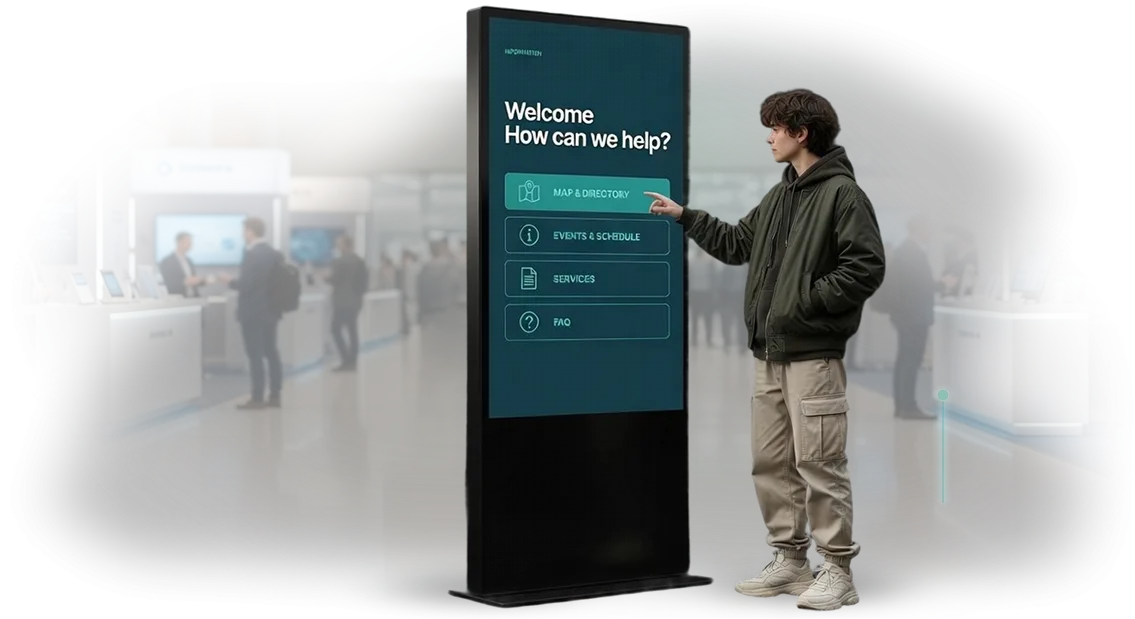
ארכיוני קולנוע מאבדים מבקרים — תערוכות נשארות ללא אינטראקטיביות
מבקרים מגיעים לארכיון קולנוע בשביל היסטוריה חיה, אבל רואים דוכנים סטטיים וסלילים מתחת לזכוכית. אחרי כמה דקות, העניין דועך — התערוכה לא זוכה לתשומת לב, ואנשים עוזבים בלי לזכור את המותג. ארכיוני קולנוע מאבדים מבקרים לא כי התוכן משעמם, אלא כי הוא לא מעורב.
זו הבעיה המרכזית: הארכיון אסף חומרים ייחודיים, אבל בלי אינטראקטיביות הם לא יוצרים רושם. מבקרים מודרניים רגילים לאינטראקציה — הם רוצים לבחור, לעיין, להאזין ולגעת בעצמם.
כשתערוכה עונה לציפייה הזו, אנשים נשארים ליד הדוכן זמן רב יותר, זוכרים את הסיפור ומספרים עליו לאחרים.
קיוסק אינטראקטיבי הופך צפייה פסיבית למסע חי בארכיון: מסך מגע, ממשק אינטואיטיבי, גישה מיידית לפריימים, פוסטרים וסיפורים אישיים. במקום "אל תיגע" — הזמנה לפעולה.
המבקרים מחליטים בעצמם מה לצפות בהמשך, והארכיון זוכה לקהל מעורב ולעשרות אזכורים ברשתות החברתיות.
בצוות שלנו אנחנו מפתחים בדיוק פתרונות כאלה — קיוסקים אינטראקטיביים לארכיוני קולנוע שמחיים תערוכות ומחזירים מבקרים.
מאחורינו 10 שנות ניסיון, מאות פרויקטים שהושלמו, וגישה ללא מורכבות טכנית מיותרת: אתה מקבל כלי מוכן שמשנה את הרושם מהארכיון שלך.
מה ארכיון קולנוע מרוויח מקיוסק אינטראקטיבי
קיוסק אינטראקטיבי הופך ארכיון קולנוע מ"מחסן סלילים" למרחב חי שאנשים רוצים ליצור איתו אינטראקציה. המבקר מפסיק להיות צופה פסיבי: הוא בוחר נושאים בעצמו, צופה בקטעים ומגלה דפים לא ידועים בתולדות הקולנוע.
כאן נולד היתרון המרכזי — גידול בעניין ובזמן שהאורחים מבלים בתערוכה.
עבור ארכיון קולנוע זה עובד כפליים: כל שעת תשומת לב נוספת מגדילה את מעורבות הקהל ואת הנאמנות. קיוסק אינטראקטיבי מחזיק את תשומת הלב של אנשים, נותן להם סיבה לחזור ולהביא חברים.
כתוצאה מכך, גם ביקורים חוזרים וגם המלצות מפה לאוזן גדלות — בלי הוצאות על קמפיין פרסום.
הקיוסק הופך לנקודת משיכה בולטת ולחלק מזהות המותג של המוסד. פורמט ההצגה החריג מבדל את הארכיון ממוזיאונים ומתערוכות רגילות, והמבקרים שמחים לשתף פריימים ורשמים ברשתות החברתיות.
כך המודעות למותג גדלה אורגנית: האורחים עצמם מספרים למעגלים שלהם על המרחב שלך.
בונוס נוסף הוא איסוף פרטי קשר ובניית מאגר לתקשורת המשך. דרך תרחישים אינטראקטיביים אפשר להזמין מבקרים להשאיר דואר אלקטרוני, לספר להם על הקרנות קרובות או לרשום אותם לניוזלטר נושאי.
אלה לידים חמים מוכנים שאפשר להמיר בקלות למשתתפי אירועים ולחברי תוכניות שותפים.
לבסוף, הקיוסק מחזק את הרושם של כל פרויקט ומחזק את הקשר הרגשי עם החומר. מבקרים לא רק צופים במסך — הם נכנסים לסיפור, שואלים שאלות ומקבלים תשובות כאן ועכשיו.
עבור ארכיון קולנוע, זו דרך לתבוע את הנישה שלו, לחזק את התדמית שלו ולהראות שהארכיון הוא לא רק על העבר, אלא גם פלטפורמה רלוונטית לדיאלוג עם קהל מודרני.
פורמטים של קיוסק אינטראקטיבי לתערוכה שלך
בחירת פורמט קיוסק אינטראקטיבי היא לא עניין של "חומרה יפה" אלא אסטרטגיה לאופן שבו מבקרים יתקשרו עם הארכיון. הפורמט הנכון מכפיל את זמן המגע עם החומר והופך צופה מזדמן לחוקר מתעניין.
כל סוג ציוד פותר משימה משלו: פאנל אנכי עובד למהירות ולהגעה רחבה, שולחן מגע עובד לעומק התעמקות ולצפייה משותפת, אזור VR יוצר תחושת נוכחות ורושם וואו. כך זה נראה בפועל עבור תערוכות שונות.
| פורמט קיוסק | למי הוא מתאים | מה הוא נותן ללקוח |
|---|---|---|
| פאנל מגע (אנכי) | אזורי כניסה, לובי, אולמות | גישה מהירה לקטלוג, חיפוש נוח לפי שמות ושנים, הפחתת עומס על הצוות |
| שולחן מגע (אופקי) | תערוכה ראשית, אולמות עם חומרים | צפייה משותפת בארכיונים, דפדוף "כמו נייר," החזקה טבעית של מבקרים ליד הדוכן |
| קיר אינטראקטיבי / פנורמה | אולמות גדולים, אזורי חוויה | סקירה מרשימה של כרוניקות עם אפקט התעמקות, רקע חזק לצילומים והגעה ברשתות חברתיות |
| אזור VR | פרויקטים לנוער, הקרנות מיוחדות | הרגש של "כניסה לתקופה," מעורבות גבוהה, תור ארוך ועניין חי סביב הדוכן |
עבור תערוכות ארכיון קולנוע, אנחנו לרוב משלבים פאנל אנכי לחיפוש מהיר ושולחן מגע לעיון מעמיק בחומרים — זה מכסה את שני התרחישים: "מבט מהיר" ו"עיון מעמיק."
אנחנו עוזרים לך לבחור את הפורמט האופטימלי לאולם, לתקציב ולמספר המבקרים שלך. בשלב הראשון, אנחנו מבצעים סקר שטח, מחשבים תנועה ומציעים תצורה שמספקת מעורבות מקסימלית בלי עלויות מיותרות.
שלבי פיתוח קיוסק אינטראקטיבי למשימה שלך
בנינו את התהליך כך שמהרגע הראשון אתה מבין מה קורה ומה תוצאה תקבל בכל שלב.
יצירת קיוסק לארכיון קולנוע היא לא רק התקנת ציוד, אלא פיתוח לוגיקת הצגת חומרים, ניווט נוח למבקרים ושימור זהיר של מסמכים היסטוריים. להלן הנתיב הסטנדרטי שכל פרויקט עובר.
-
בריף והתעמקות במשימה. ראשית, אנחנו לומדים את האוסף שלך: אילו סרטים, תצלומים, מסמכים וזיכרונות יוצגו. אנחנו מתעדים את המטרות — להציג היסטוריה, לחנך אורחים, לפשט גישה לחומרים ארכיוניים. אתה מקבל תוכנית עבודה ברורה ולוח זמנים.
-
עיצוב המבנה והתרחישים. אנחנו קובעים כיצד מבקרים יתקשרו עם הקיוסק: איפה למצוא את הרשומה הנדרשת, איך לנוע בין חומרים, איזה מסלול לבחור להקדמה קצרה ואיזה לעיון מעמיק. התוצאה היא תוכנית הגיונית שכל אורח יכול להבין, גם בלי הנחיות.
-
פיתוח עיצוב הממשק. אנחנו מתאימים את הסגנון לאסתטיקה של ארכיון הקולנוע שלך — מקלאסיקה קפדנית ועד מולטימדיה מודרנית. אלמנטים גדולים, גופנים מנוגדים ואייקונים ברורים עוזרים לאנשים בכל גיל להשתמש בקיוסק. אתה מקבל אבטיפוס לאישור לפני תחילת ההרכבה.
-
טעינת תוכן והרכבה. בשלב זה, חומרים דיגיטליים מאורגנים, מתויגים ומסודרים במבנה הארכיון. אנחנו עובדים עם הקבצים שלך או עוזרים בהכנה.
חשוב שלכל פריט יהיה הקשר: תאריך, אירוע, פרשנות — כך ההיסטוריה מתעוררת לחיים עבור המבקרים.
-
בדיקות והשקה. אנחנו בודקים את פעולת הקיוסק בתנאים אמיתיים: מהירות תגובה, דיוק תצוגה, עמידות בזרמי משתמשים גדולים. אנחנו עורכים מפגשי בדיקה, מאמנים את הצוות שלך בניהול המערכת ומשיקים את הפרויקט. אתה מקבל פתרון עבודה מלא.
-
תחזוקה ותמיכה. לאחר ההשקה, אנחנו נשארים בקשר: מעדכנים תוכן כשצריך, עוזרים להוסיף חומרים חדשים ומפקחים על פעולה יציבה. תמיכה כלולה בחוזה, כך שאתה מוגן מפני תקלות טכניות והשבתות בלתי צפויות.
כל שלב מסתיים בתוצאה ברורה ובאישור מצידך. כך אנחנו שולטים באיכות ומאשרים כל צעד, כך שהקיוסק הסופי תואם בדיוק את הציפיות שלך והופך לכלי עבודה לשימור והצגת מורשת קולנועית.
מה כלול בחבילת אספקת הקיוסק האינטראקטיבי
אנחנו עובדים עם ארכיוני קולנוע, כך שכל קיוסק מותאם למשימה שלך: איפה הוא יעמוד, מי ישתמש בו ואילו חומרים להציג. לא תצטרך לקנות שום דבר נוסף — לאחר ההתקנה, אתה מקבל קיוסק מוכן לעבודה.
חבילת האספקה כוללת:
- מעטפת קיוסק עם הגנה נגד ונדליזם ועיצוב שמתאים לחלל הלובי או אזור התערוכה.
- מסך מגע עם הגנה נגד סנוור — מבקרים בכל גיל יכולים לעיין בקלות בתצלומים, סרטונים ומסמכים ארכיוניים.
- מחשב מובנה עם מרווח ביצועים — טעינה מהירה ופעולה יציבה בלי אתחולים.
- תוכנה עם רישיון: מעטפת להצגת הארכיון, ניהול והעלאת חומרים חדשים בלי מתכנת.
- ערכת כבלים והתקנה — הכל מחובר ומוגדר, בלי כבלים חשופים או הגדרה מסובכת.
- התקנה והפעלה — אנחנו מגיעים, מתקינים, בודקים ומוסרים את הקיוסק לצוות שלך.
- הוראות והדרכת צוות — אנחנו מלמדים אתכם להפעיל, לשנות תוכן ולפתור בעיות נפוצות.
- שירות אחריות ותמיכה — אחריות על ציוד ותוכנה, מענה לשאלות במהלך יום העסקים.
לאחר ההתקנה, הקיוסק עובד מיד — פשוט חברו לחשמל. אתה מקבל לא רק חומרה, אלא כלי מוכן לשימור זיכרון והכרת מבקרים עם מורשת ארכיונית.
מקרה בוחן: כיצד קיוסק אינטראקטיבי שינה תערוכה
כל תערוכה מתמודדת עם אותה בעיה: מבקרים מתעייפים מהר מקריאת דוכנים וחולפים על פני מוצגים מרכזיים. בארכיוני קולנוע זה בולט במיוחד — אי אפשר להראות קטעים חיים, סאונד וסיפורים אישיים בחלון ראווה סטטי. ספר הזיכרון, שאליו מגיעים אורחים, נשאר לעתים קרובות רק אלמנט פורמלי בתערוכה.
פתרנו את הבעיה הזו עבור הארכיון המרכזי לקולנוע. במקום דוכן מגע רגיל, הצענו קיוסק אינטראקטיבי ששילב כרוניקות ארכיוניות, תצלומים וסיפורים אישיים.
ציוד מקצועי וכלים משוכללים הבטיחו פעולה יציבה בכל יום — הקיוסק נדלק כשהמוזיאון נפתח ואינו דורש פיקוח צוות.
תוצאות מדידות
התוצאה עלתה על הציפיות בחודשים הראשונים. נוכחות בסיורים נושאיים גדלה ב-40%, והזמן הממוצע שאורחים בילו באולם גדל מ-12 ל-35 דקות.
ברבעון אחד בלבד, יותר מ-3000 מפגשים עברו דרך הקיוסק — כל שליש היה חקר עצמאי של הארכיון ללא עזרת מדריך.
המדד המרכזי — ביקורים חוזרים: מספר קבוצות בתי ספר ומשפחות שחזרו כעבור חודש הוכפל. ספר הזיכרון הפך לחיים באמת: אורחים השאירו מאות רשומות ואיחולים, והארכיון קיבל מקור חדש למשוב.
ההנהלה הזמינה קיוסק שני לאולם השכן וגרסה ניידת לתערוכות נודדות.
עבורנו, זה מקרה מדגים של איך קיוסק אינטראקטיבי הופך תערוכה ארכיונית למקום שאנשים רוצים לחזור אליו. הלקוח מקבל עלייה בנוכחות, מעורבות קהל וכלי נוח להצגת אוספים — בלי צורך לשפץ את החלל.
מה אם יש לך דרישות לא סטנדרטיות?
זו השאלה ששואלים אותנו הכי הרבה — ובכנות, אנחנו אוהבים אותה. כי פתרונות סטנדרטיים קל למצוא אצל כל קבלן, אבל משימה לא סטנדרטית היא תמיד הזדמנות ליצור משהו שיעבדו במיוחד עבור התרחיש שלך.
אנחנו רגילים לעבוד לא מתבנית, אלא לפי משימה. ארכיוני קולנוע, מוזיאונים, אוספים פרטיים — לכל ארגון יש את הייחודיות שלו: פורמטי חומר משלו, אילוצי שטח משלו, ציפיות משלו מהמבקרים. לכן פתרון אישי עבורנו הוא לא חריג, אלא דרך עבודה רגילה.
מה זה אומר בפועל? אתה מגיע אלינו עם משימה — אנחנו מפרקים אותה לפרטים הקטנים ביותר: מי ישתמש בקיוסק, אילו חומרים צריך להציג, אילו תרחישי אינטראקציה חשובים. אחר כך אנחנו מציעים פתרון שמתאים למשימה שלך מבחינת היגיון, עיצוב ותקציב.
אנחנו חושבים איך הקיוסק ישתלב בחלל — זה יכול להיות דוכן קלאסי, מבנה יוצא דופן לפי הסקיצות שלך, או פורמט שלא שקלת אפילו.
אנחנו לא רק מתקינים ציוד; אנחנו חושבים על כל התרחיש: איך המבקר יראה את הקיוסק, איך הוא ישתמש בו ומה הוא צריך להרגיש אחר כך.
חשוב גם שפתרון לא סטנדרטי לא אומר "מחוספס": אנחנו מביאים כל פרויקט לפעולה יציבה כך שהוא ישרת אותך שנים בלי התערבות מתמדת.
אם אתה לא בטוח מאיפה להתחיל — בוא לייעוץ, נדון במשימה שלך ונציע אפשרויות קונקרטיות. אפילו הרעיון הכי יוצא דופן יכול להפוך לכלי עבודה עבור הארכיון שלך.
שאלות נפוצות על פיתוח קיוסקים אינטראקטיביים
אספנו את השאלות האופייניות ששואלים אותנו לפני תחילת פרויקט. אנחנו עונים בקצרה ולעניין — כמו שהיינו רוצים לשמוע מקבלן בעצמנו.
כמה זמן לוקח לפתח קיוסק לארכיון?
פרויקט סטנדרטי לוקח 3 עד 6 שבועות: מהבריף הראשוני ועד ההתקנה וההגדרה. לוח הזמנים תלוי בכמות החומר: כמה רשומות ארכיוניות צריך לדיגיטציה, איזה ממשק נדרש וכמה מהר אתה מספק את נתוני המקור.
אם לוח הזמנים צפוף, אנחנו יכולים לפצל את העבודה לשלבים ולהשיק את הבלוק הראשון (לדוגמה, אוספים נושאיים או מפת ארכיון) לפני השאר.
כמה קשה לשלב קיוסק באולם או בתערוכה הנוכחית?
המטרה שלנו היא שהשילוב יהיה חלק עבורך. העיצוב מותאם לסגנון התערוכה, הקיוסק מתחבר לשקע חשמל רגיל ואינו דורש שיפוץ חדר.
אם לאולם יש אילוצי שטח או תאורה, אנחנו מבקרים באתר מראש ובוחרים את המבנה האופטימלי. הצוות צריך רק הוראות בסיסיות — ההדרכה אורכת לא יותר משעה.
מה לגבי אחריות ושירות לאחר ההשקה?
אנחנו מספקים אחריות על ציוד ותוכנה. במהלך תקופת האחריות, אנחנו אחראים לפעולה יציבה של כל קיוסק, עדכונים ותמיכה טכנית בטלפון ומרחוק.
השירות לא מסתיים שם: נציע חוזה תחזוקה שנתי כדי לשמור על פעולת הקיוסק ללא תקלות בשעות השיא והתנעה מיידית בבוקר לפני הפתיחה.
אילו פורמטי חומר נתמכים?
אנחנו עובדים עם וידאו, אודיו, תצלומים, טקסטים, סריקות מסמכים וכתוביות. עבור ארכיוני קולנוע, השמעה זהירה של סלילים ישנים וקולנוע חדשותי חשובה במיוחד — אנחנו מוודאים שהתמונה והסאונד נשארים באיכות המקורית שלהם.
במידת הצורך, אנחנו טוענים כתוביות, תיאורי שמע או גרסאות בשפות מרובות — זה מרחיב את קהל המבקרים.
איך הקיוסק ישתלב בפרויקט העיצוב שלנו?
נמצא אפשרות שמשלימה את התערוכה במקום להיראות כאלמנט זר. נציע כמה דגמים — מיחידות שולחן קומפקטיות ועד דגמים עומדים בסגנון ויטרינות או ארונות ארכיון.
אנחנו בוחרים את המעטפת, החומרים והצבע יחד איתך בשלב האבטיפוס. אתה שומר על זהות המותג שלך, ואנחנו דואגים לחלק הטכני ולנוחות המבקרים.
האם אפשר לשנות את תוכן הקיוסק לאחר המסירה?
כן, התוכן מתעדכן בלי מעורבות מתכנת. העלה רשומות חדשות, שנה אוספים וסדר קטעים דרך פאנל ניהול פשוט.
עבור ארכיון קולנוע זה נוח: הוסף חומרים לתאריכי זיכרון, הקרנות או תערוכות זמניות — והמבקרים תמיד רואים את התוכנית העדכנית.
בקיצור: אנחנו לוקחים על עצמנו את כל המחזור — מהקונספט והעיצוב ועד מסירה, התקנה ותמיכה. אתה מקבל קיוסק עבודה מלא שמעורר רגש במבקרים ואת הרצון לחזור לארכיון שוב.דון בפרויקט הקיוסק האינטראקטיבי שלך עם מומחה
כל ארכיון קולנוע הוא ייחודי: יש לך אוסף משלך, סיפורים משלך וקהל משלך. לכן קיוסק סטנדרטי לא עובד כאן — אתה צריך פתרון שמעביר את רוח החומרים ומערב מבקרים.
כבר עזרנו למוזיאונים, ספריות וארכיונים ליצור תערוכות אינטראקטיביות, ואנחנו מוכנים לעזור גם לך.
השאר פנייה בעמוד — לאחר מכן תקבל ייעוץ מומחה, חישוב עלות ותוכנית יישום פרויקט.
מומחה יצור איתך קשר, יבהיר את המשימות ויציע פורמטים אופטימליים: מקטלוג חיפוש פשוט ועד סיפור מולטימדיה עם וידאו, כרוניקות וזיכרונות. השיחה תהיה בשפה פשוטה, בלי עומס טכני מיותר.
מה אתה מקבל אחרי פנייה אלינו:
- ייעוץ: אנחנו מנתחים את המשימות של ארכיון הקולנוע שלך ובוחרים את קונספט הקיוסק האינטראקטיבי.
- חישוב עלות: הערכה שקופה בלי תוספות נסתרות או "הפתעות" במהלך העבודה.
- תוכנית יישום: שלבים ברורים, לוחות זמנים ורשימת מה שנדרש ממך.
- הדגמת יכולות: אנחנו מראים דוגמאות מהעבודה שלנו עבור ארכיונים ומוזיאונים כדי שתראה את התוצאה לפני התחלה.
- המלצות תוכן: אנחנו עוזרים לבנות תצלומים, סלילים, מסמכים וזיכרונות לניווט קל.
- המלצות טכניות: נייעץ היכן להתקין את הקיוסק, איזו מעטפת לבחור ואיך להבטיח פעולה ללא הפרעות.
- תמיכה לאחר ההשקה: אנחנו נשארים בקשר, מעדכנים תוכן ומשכללים תכונות לתערוכות חדשות.
כדי לקבל חישוב עלות ספציפי לפרויקט שלך, פשוט שלח פנייה. נתאם ייעוץ בזמן נוח, נענה על כל השאלות שלך ונייעץ איך להפוך קיוסק אינטראקטיבי לשימושי במיוחד עבור הארכיון שלך. אנחנו עובדים בכל הארץ — מרחוק ועם ביקורי שטח.