

מוזיאונים ארגוניים מאבדים מבקרים — איך מחזירים את העניין?
כמות המבקרים במוזיאון ארגוני רק לעיתים רחוקות גדלה מעצמה. התערוכות נוצרות פעם אחת ונשארות ללא שינוי במשך שנים — עובדים ואורחים עוברים באולמות באותו מסלול, וכל ביקור נוסף מביא פחות ופחות רשמים חדשים.
העניין בתערוכה דועך, ואיתו הולך לאיבוד הערך המרכזי של המוזיאון: היכולת להחזיק את תשומת הלב של הקהל ולהעביר את סיפור החברה.
עבור העסק, זה לא רק עניין של סטטיסטיקה. ירידה בכמות המבקרים משמעותה שהמוזיאון מפסיק לפעול ככלי לתקשורת פנים-ארגונית ולקבלות פנים של שותפים.
עובדים צעירים לא רואים את הקשר בין העבר של החברה להווה שלה, ואורחים לא מקבלים רושם בלתי נשכח. כתוצאה מכך, מתחמי מוזיאונים ארגוניים מסתכנים בהפיכה לפורמליות שנכללת בתוכנית רק מתוך חובה.
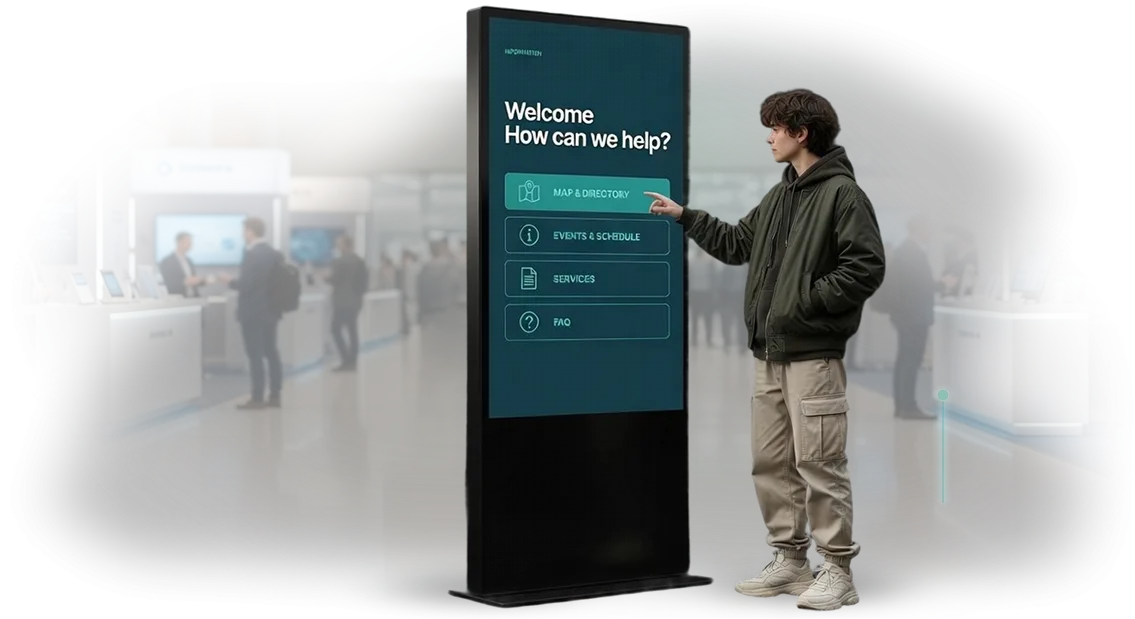
הצעד הראשון לקראת פתרון הוא להפוך את התערוכה לחיה. קיוסק אינטראקטיבי מאפשר למבקרים לבחור מה לראות, לפתוח חומרים ארכיוניים, לדפדף בספר זיכרון אלקטרוני ולחקור את ההיסטוריה בקצב שלהם.
זה הופך אדם מצופה פסיבי למשתתף, וזה בדיוק מה שמחיה את העניין בתערוכה.
פתרונות כאלה אינם דורשים שיפוץ מלא של האולמות. מספיק להוסיף כמה נקודות אינטראקציה שעובדות לצד ויטרינות ועמדות תצוגה.
אורחים מתחילים לחזור, עובדים מביאים לעתים קרובות יותר קולגות ושותפים, והמוזיאון שוב הופך לנקודת משיכה.
אנחנו עוזרים למוזיאונים ארגוניים להשיב את כמות המבקרים: אנחנו מתכננים קיוסקים אינטראקטיביים המותאמים למשימות של מתחם מסוים, ממלאים אותם בתוכן ארכיוני, ודואגים שכל מבקר ייצא עם רושם אישי. בואו נתחיל עם האולם שלכם — ותוך כמה שבועות תראו איך התנהגות האורחים משתנה.
מה קיוסק אינטראקטיבי נותן למוזיאון ולאורחיו
מוזיאון מודרני הוא לא רק מאגר של מוצגים אלא גם מרחב שבו נולדים רגשות וידע. מוצגים סטטיים עם תוויות לעתים קרובות לא מצליחים להחזיק תשומת לב: מבקר עובר באולם ב-15 דקות, כמעט בלי לזכור דבר.
קיוסק אינטראקטיבי משנה את התרחיש — הוא מערב אורחים בסיפור ועוזר למוזיאון למלא את המשימה החינוכית שלו.
מעורבות אורחים
מסך אינטראקטיבי הופך צפייה לדיאלוג: מבקרים בוחרים איזה סיפור לחקור לעומק, בוחנים פרטים של מוצגים ועונים על שאלות חידון. אנשים מבלים פי 2–3 יותר זמן במסך כזה מאשר בעמדה רגילה — מה שאומר שהמידע באמת נטמע.
זה חשוב במיוחד לקהל משפחתי ולקבוצות בית ספר, שבהן כל אחד מוצא משהו שמעניין אותו.
נוחות לכל אורח
הקיוסק לוקח על עצמו את התפקיד של מדריך אישי: הוא עוזר לבנות מסלול דרך האולמות, למצוא במהירות את המוצג הנכון או ללמוד על אירועים אקטואליים. אנשים עם מוגבלויות מקבלים גישה נוחה לתוכן — גופן גדול, קריינות וממשק פשוט.
כתוצאה מכך, המוזיאון הופך למזמין יותר, ואורחים לא מבזבזים זמן בחיפוש מידע.
טרנספורמציה דיגיטלית של התערוכה
הכנסת קיוסק היא צעד לעבר מוזיאון דיגיטלי שנראה מודרני ומושך צעירים. חפצים מתעוררים לחיים באמצעות מציאות רבודה, מסמכים נדירים הופכים לזמינים באיכות גבוהה, וחומרים ארכיוניים כבר לא אוספים אבק במחסנים. עבור ההנהלה, זה סימן להתקדמות; עבור אורחים, זו סיבה לחזור.
גידול בביקורים חוזרים ובטווח הגעה
אורחים שמחים לתעד רגעים מעניינים במסכים ולשתף אותם ברשתות החברתיות — מה שנותן למוזיאון פרסום חינם. ותוכן בלעדי של הקיוסק, כמו תמונות ארכיוניות נדירות או סיפורים אישיים של ותיקים, הופך לסיבה לחזור.
אנחנו מפתחים פתרונות כאלה למשימות ספציפיות של מוזיאון — מספר זיכרון ועד מדריך תערוכה אינטראקטיבי. היישום לוקח מעט זמן ומשתלם דרך עלייה בכמות המבקרים וביקורות חיוביות.
פורמטים של קיוסקים אינטראקטיביים למוזיאונים ארגוניים
מוזיאון ארגוני מודרני פותר כמה משימות: הוא משמר את ההיסטוריה של החברה, עוזר לעובדים חדשים להיטמע בתרבות, ויוצר רושם על אורחים. מבקרים לא קוראים טקסטים ארוכים — הם צריכים פורמט ברור שמערב אותם.
אנחנו בוחרים פתרון אינטראקטיבי למשימה: לפעמים צריך פאנל סקירה, לפעמים קיוסק ארכיוני לחיפוש, ולפעמים ספר זיכרון רגשי. כל הפורמטים רצים על ציוד מגע מקצועי ואינם דורשים הכשרה.
הפורמטים המרכזיים
| פורמט | למי | מה הוא נותן ללקוח |
|---|---|---|
| קיוסק מגע | לאורחים, משלחות ועובדים חדשים | היסטוריית חברה ברורה בכמה דקות: אירועים מרכזיים, הישגים, שלבי התפתחות ללא מדריך. |
| קיוסק ארכיוני | לחוקרים, ותיקים ומחלקת משאבי אנוש | חיפוש מהיר לפי שמות, שנים ומחלקות; גישה למסמכים ותמונות דיגיטליים במקום אחד. |
| ספר זיכרון | לוותיקים, קרובי משפחה ועובדים | אלבום אינטראקטיבי עם ביוגרפיות ותמונות; מבקרים יכולים להשאיר הערה על אדם — המוזיאון הופך לחי. |
| עמדת מולטימדיה | לתערוכות, לובי ותצוגות מרכזיות | משלבת וידאו, תמונות וטקסט במרחב אחד; מושכת תשומת לב ועובדת כאובייקט אמנותי בלתי נשכח. |
אפשר לשלב פורמטים: קיוסק סקירה בלובי, קיוסק ארכיוני באזור שקט, ספר זיכרון ליד התערוכה. אנחנו מכינים את התרחיש והתוכן ומשיקים אותו במפתח פתוח — אתם מקבלים פתרון למוזיאונים ארגוניים.
איך אנחנו יוצרים קיוסק: שלבי העבודה מהשיחה הראשונה
עבור מוזיאון ארגוני, קיוסק הוא לא רק מסך אלא כלי לשימור זיכרון ולמעורבות עובדים ואורחים. כדי לוודא שהתוצאה עומדת בדיוק ביעדים, אנחנו עוברים שבעה שלבים ברורים — מהשיחה הראשונה ועד ההשקה והתמיכה השוטפת. אתם רואים את התוצאה הביניים בכל שלב ויכולים להשפיע על מהלך העבודה.
-
בריף והבנת המשימה. אנחנו מתחילים בשיחה: מי הקהל, אילו סיפורים ומוצגים חשוב להראות, ואיך הקיוסק ישתלב במרחב המוזיאון. אנחנו מתעדים יעדים וקריטריוני הצלחה — כאלה שברורים לכם, לא טכניים.
-
תכנון תרחיש ומבנה. אנחנו מתכננים איך מבקר ינוע בין המדורים: מה הוא רואה קודם, כמה זמן ייקח ההיכרות עם הארכיון, אילו נקודות ימשכו תשומת לב.
-
עיצוב ממשק והצגת תוכן. אנחנו יוצרים סגנון ויזואלי שתואם את התערוכה. אנחנו מפתחים טקסטים, תמונות, וידאו ואודיו כך שהם עובדים ליצירת רגש וזכירות.
-
הרכבה והגדרה של הפתרון. אנחנו מרכיבים את הקיוסק על ציוד מקצועי, מתקינים את התוכנה ובודקים את כל התרחישים. אתם מקבלים מכשיר מוגמר, לא "ערכת הרכבה עצמית".
-
בדיקות עם תרחישים אמיתיים. אנחנו בודקים אמינות בפעולה ממושכת, נוחות שליטה והתנהגות של קבוצות משתמשים שונות — מוערכים ועד תלמידי בית ספר.
-
התקנה והשקה באתר. אנחנו מספקים, מתקינים, מחברים ומגדירים את הקיוסק במרחב שלכם. אנחנו מאמנים צוות אם צריך ותומכים בימים הראשונים של הפעולה.
-
תמיכה ופיתוח. אחרי ההשקה, אנחנו נשארים בקשר: אנחנו מעדכנים תוכן, עוזרים בבעיות טכניות ומשכללים תרחישים למוצגים ואירועים חדשים.
הסדר הזה עוזר להימנע מהפתעות ומביא לקיוסק שבאמת עובד במוזיאון. אנחנו לוקחים על עצמנו את כל השלבים — כל מה שנשאר לכם זה להשתמש בתוצאה.
מה אתם מקבלים בחבילה אחרי ההשקה
אחרי ההשקה, אתם מקבלים לא רק קיוסק אלא כלי שלם לעבודה עם הארכיון של המוזיאון. החבילה כוללת את כל מה שצריך — מחומרה ותוכנה ועד תוכן והוראות.
אנחנו מגדירים את המערכת למשימות שלכם ומוסרים אותה לעובדים שיכולים להשתמש בה בלי מעורבות של מפתחים.
- ציוד קיוסק — מארז מוגן ומסך מגע המיועדים לשימוש אינטנסיבי. מבקרים דפדפו בדפי ספר הזיכרון ובתמונות הארכיון באופן טבעי כמו בספר, והקיוסק עובד ללא תקלות בשעות השיא.
- תוכנת קיוסק — מערכת עם ממשק ניהול ברור. העובדים שלכם יכולים להוסיף ערכים באופן עצמאי, לשנות חומרים ולעדכן מדורים בלי מתכנת.
- תוכן שהוכן למוזיאון — מבנה ספר הזיכרון, מדורי הארכיון, חומרי תמונות ווידאו כבר נטענו והותאמו לשליטה במגע. אתם משיקים את הקיוסק מיד במקום לחכות למילוי שלו.
- הוראות למוזיאון — מדריך שלב-אחר-שלב להפעלה, טיפול יומיומי, עדכון מידע ופעולות במצבי חירום. התיעוד מגיע בצורה מודפסת ואלקטרונית.
- הכשרת צוות — אנחנו עורכים מפגש למנהלים ולמלווים באולמות, מראים איך לעבוד עם המערכת ומה לעשות ביום הראשון אחרי ההתקנה.
- אחריות ותמיכה טכנית — תחזוקה שירותית, אבחון מרחוק וחלקי חילוף. אם עולה שאלה או נדרשת התאמה, אנחנו מגיבים במהירות כדי שהקיוסק לא ישב בטל.
- עדכונים ושכלולים — ככל שהארכיון גדל, אפשר להזמין הוספה של מדורים או פונקציות חדשות. זה ייקח ימים, לא חודשים, ולא ידרוש החלפת ציוד.
כל זה יחד חוסך מכם חיפוש אחר קבלנים נפרדים לכל חלק — אתם מקבלים חבילה אחת שאנחנו אחראים עליה.
הקיוסק מוכן לעבודה מהיום הראשון, והעובדים שלכם מבינים איך להשתמש בו ואיך למקם ערך חדש בספר הזיכרון.
מקרה בוחן: איך קיוסק אינטראקטיבי החיה תערוכה של מותג
למוזיאון הארגוני של חברת ייצור ידועה הייתה בעיה: עמדות על שושלות עבודה נצפו אבל לא נזכרו. מבקרים עברו את התערוכה ב-40 שניות, ועבור עובדים צעירים ההיסטוריה של החברה נשארה "אבק מוזיאלי".
המשימה הייתה פשוטה — לגרום לאורחים להתעכב, לגעת, להתערב ולספר למכריהם על המותג.
הצענו קיוסק אינטראקטיבי, הבנוי סביב סיפור אישי.
אורח עובר שלושה שלבים: בוחר תקופה מההיסטוריה של החברה, "ממקם" את עצמו בתמונה ארכיונית של הסדנה, ומקבל גלויה מותאמת אישית עם סמלי המותג.
הוספנו גם חיפוש מהיר בארכיוני שמות משפחה — זה כיסה את הבקשה של מחלקת משאבי אנוש לחונכות ותוכנית קליטה.
התוצאות מדברות בעד עצמן: התערוכה זוכה לביקור של כ-450 אנשים בחודש, ו-87% מהם משתמשים בקיוסק באופן פעיל — כמעט 390 אורחים.
הזמן שהושקע במסך האינטראקטיבי גדל מ-40 שניות ל-4 דקות, ותוך שישה חודשים יצרו מבקרים יותר מ-1,800 גלויות מותאמות אישית. כל גלויה כזו מתפרסמת ברשתות החברתיות — זה יותר מ-4,500 אזכורים של המותג ללא עלויות פרסום נוספות.
בונוס נוסף הוא ביקורים חוזרים: עובדים שחיפשו בארכיון קרובי משפחה חוזרים למוזיאון עם משפחותיהם, וחלק הביקורים החוזרים גדל ב-30%.
מנהל משאבי האנוש קיבל סטטיסטיקות מוכנות לדוח ההנהלה, והמוזיאון הפך לא רק לנקודת גאווה לחברה אלא לכלי תקשורת פנים-ארגונית מלא.
הקיוסק רץ על ציוד מקצועי שעומד בעומס הגדול ביותר בימי פתוחים וימי נישואין ארגוניים — ללא הקפאות או תקלות.
אנחנו מתאימים את אותה גישה לצרכים של בנקים, מפעלים ורשתות קמעונאיות: העיקר הוא לארוז את סיפור המותג לחוויה אישית של אורח, והחלק הטכני כבר מוכח.
איך לבחור פורמט קיוסק למשימות המוזיאון שלכם?
אין קיוסק אוניברסלי — וזה חדשות טובות. הבחירה מתחילה לא במפרט טכני אלא במשימות של המוזיאון: מה אתם רוצים לספר, למי, וכמה זמן אורח צריך להישאר בתערוכה. על ידי מענה על שאלות אלה, אתם קובעים אוטומטית את הפורמט הנכון.
הקריטריון הראשון הוא מיקום ותנועת רגלים. קיוסק עומד עם מסך גדול בלובי יוצר רושם ראשוני ועובד לקהל ההמוני: הוא מושך תשומת לב ומושך אורחים לדיאלוג ראשון.
קיוסק קיר קומפקטי ליד מוצג ספציפי, לעומת זאת, מיועד לעיון ממושך — הוא נוח לקריאת היסטוריה משפחתית, דפדוף בתמונות ארכיוניות ומסמכים. לחוקרים ועובדים, קיוסק ארכיוני עם חיפוש מלא באוספים מתאים היטב.
הקריטריון השני הוא פורמט התוכן. אם הסיפור של המוזיאון הוא וידאו, יומני חדשות ותמונות גדולות, אתם צריכים מסך גדול עם תרחישים עמוקים.
אם הבסיס הוא מסמכים, מכתבים, תיקים אישיים וחיפוש שמות משפחה, בחרו קיוסק עם מסך מגע בגודל בינוני ומקלדת נוחה. ככל שיש יותר חומרים בארכיון, כך חשובה יותר ניווט מחושב, לא גודל המסך.
הקריטריון השלישי הוא קהל. מוזיאון ארגוני נפוץ ביותר מבקרים על ידי ותיקי התעשייה, עובדים צעירים, תלמידי בית ספר ואורחים.
כל קבוצה צריכה ממשק משלה: כפתורים גדולים ובקרת עוצמת קול לדור המבוגר, תרחישים מהירים ומכניקת משחק לצעירים. הקיוסק חייב להיות נגיש לכולם ללא הכשרה.
אנחנו בוחרים פורמט על סמך המשימות האמיתיות של המוזיאון שלכם: אנחנו מנתחים את המרחב, הקהל והחומרים הארכיוניים, ואז מציעים את המבנה, הממשק והלוגיקה של התרחיש.
אתם מקבלים לא "ציוד" אלא כלי שפותר משימה ספציפית — מהגדלת זמן השהייה של אורחים ועד עבודה שיטתית עם הארכיון.
תשובות לשאלות נפוצות על פיתוח ותפעול
מוזיאונים וארכיונים ארגוניים ממעטים לסלוח על השבתה: הקיוסק פועל במהלך קבלות פנים, ביקורי משלחות ואירועי זיכרון.
לכן אנחנו שומעים את אותן שאלות נפוצות על קיוסקים — כמה מהר אפשר להשיק אותו, מה קורה בתקלה, ומי יעדכן את התוכן. אנחנו עונים על העיקריות כדי שתוכלו לקבל החלטה ללא סיכונים נסתרים.
עד כמה הקיוסק אמין ומה קורה בתקלה?
אנחנו מרכיבים קיוסקים על ציוד מקצועי המיועד לפעולה מסביב לשעון במרחבים ציבוריים. אמינות הקיוסק מובטחת על ידי מרווח ביטחון לעומס, הגנה מפני התחממות ותוכנה יציבה.
במקרה של תקלה כלשהי, המערכת מאתחלת את עצמה אוטומטית וחוזרת למצב פעולה — המבקרים שלכם אפילו לא ישימו לב לעצירה.
עבור מוזיאונים עם תנועה מעשרות עד אלפי אנשים ביום, זה אומר יכולת חיזוי: סיור לא ייקטע, ומוצג ארכיוני לא יישאר "סגור" בגלל בעיות טכניות.
האם קשה לנהל את הקיוסק ולעדכן חומרים?
הניהול בנוי כפאנל ניהול ברור — ללא מתכנתים או קבלנים. צוות המוזיאון יכול לשנות טקסטים, תמונות, סרטונים ולהוסיף רשומות חדשות בעצמו תוך דקות ספורות.
אנחנו מאמנים את הצוות בהתחלה ומספקים מדריך קצר, כך שהפעלת קיוסק אינטראקטיבי לא הופכת לכאב ראש יומיומי.
אם נדרש עדכון רחב היקף לתאריך זיכרון או יום נישואין, אתם פשוט מעלים חומרים דרך הפאנל — והם מופיעים מיד על המסכים.
כמה זמן לוקחת ההשקה, והאם הפרויקט יימשך?
אנחנו עובדים לפי תוכנית מוסכמת מראש עם שלבים קבועים. קיוסק טיפוסי לוקח ארבעה עד שישה שבועות: אישור קונספט, הכנת תוכן, ייצור מארז, ניפוי תוכנה והפעלת ניסיון. לוחות הזמנים קבועים בחוזה, ואתם יכולים לראות את הסטטוס בכל שלב.
אם חלק מהחומרים מוכנים ואחרים לא, אנחנו משיקים בשלבים — קודם המדורים המרכזיים, ואז משלימים את הארכיון.
האם הקיוסק יכול להשתלב עם המערכת הפנימית או מסד הנתונים שלכם?
כן. הקיוסק יכול לפעול באופן עצמאי או להתחבר למשאבים ארגוניים: מסד הנתונים של המוזיאון, הארכיון האלקטרוני או מערכת רישום המבקרים. אנחנו נגדיר את האינטגרציה כך שהנתונים יימשכו אוטומטית, ואתם תמשיכו לעבוד בממשקים המוכרים. במידת הצורך, אנחנו משתמשים בחיבור מאובטח והפרדת הרשאות גישה.
זה חשוב במיוחד למוזיאונים ארגוניים שבהם חלק מהחומרים סגורים לשימוש פנימי ואחרים פתוחים למבקרים.
מה כלול באחריות ובתמיכה?
אנחנו מספקים אחריות על חומרה ותוכנה, כמו גם תמיכה שירותית לאחר ההשקה. התמיכה פועלת בשעות העבודה; לשאלות טיפוסיות, אנחנו מגיבים במהירות ופותרים את רוב המצבים מרחוק.
אם נדרש ביקור מהנדס, נגיע בתוך הזמן המוסכם ונחזיר את פעולת הקיוסק.
אנחנו מציעים גם הרחבת תמיכה לתקופה הבאה: ניטור, עדכוני תוכנה וייעוץ תוכן. אתם מקבלים ערוץ תקשורת אחד לכל נושאי התפעול, בלי לחפש אשם בין קבלנים.
הזמינו פיתוח קיוסק אינטראקטיבי — והמוזיאון ידבר
מוזיאונים ארגוניים לעתים קרובות מפסידים לפורמטים מודרניים: עמדות סטטיות לא יכולות להחזיק תשומת לב, ומבקרים חולפים על פניהן. קיוסק אינטראקטיבי פותר את הבעיה הזו — הוא הופך את התערוכה לסיפור חי שאנשים רוצים להתערב בו. על ידי הזמנת פיתוח מאיתנו, אתם מקבלים מערכת שלמה, לא רק מכשיר.
מה אתם מקבלים בהזמנה:
- פיתוח קיוסק במפתח פתוח: תרחיש, ממשק, חומרים והתקנה — אתם לא צריכים להרכיב את הפרויקט מקבלנים שונים.
- ספר זיכרון אינטראקטיבי ומודול ארכיון: מבקרים דפדפו במסמכים ובזיכרונות, וזוכים לחוויה רגשית.
- עיצוב בזהות המותג של החברה: הקיוסק נראה כמו חלק מהתערוכה, לא עמדה זמנית.
- מערכת פשוטה להעלאת תוכן — הצוות מעדכן חומרים בעצמו, ללא מתכנתים.
- אחריות ותמיכה וציוד מקצועי: אתם מקבלים פעולה יציבה וערוץ תקשורת איתנו לאחר ההשקה.
אתם מקבלים כלי שמגדיל את טווח ההגעה וההכרה של המוזיאון. כדי להזמין קיוסק אינטראקטיבי, כתבו לנו או השאירו בקשה באתר — תוך יום נכין הצעה ותוכנית השקה.
השיחה הראשונה אינה מחייבת: תלמדו איך הפרויקט ייראה ספציפית במוזיאון שלכם. נייעץ לכם איך לתכנן את הארכיון כך שיהפוך לנקודת משיכה לאורחים.