

מדוע מבקרי מוזיאון חולפים על פני מוצגים תוך 30 שניות?
מבקר מגיע למוזיאון בשביל חוויה רגשית, אבל ויטרינה סטטית לא מספרת סיפור. העין גולשת מעל התווית, ובתוך חצי דקה האדם כבר עבר למוצג הבא — כך תערוכת מוזיאון מאבדת את הערך המרכזי שלה.
האורחים לא זוכרים את העובדות, לא חשים תחושת חיבור, ולא חוזרים לחוויות חדשות.
הבעיה אינה המוצגים עצמם, אלא היעדר דיאלוג בין האדם לסיפור. האורח המודרני רגיל לאינטראקטיביות: חשוב לו לבחור לאן להסתכל ומה ללמוד קודם.
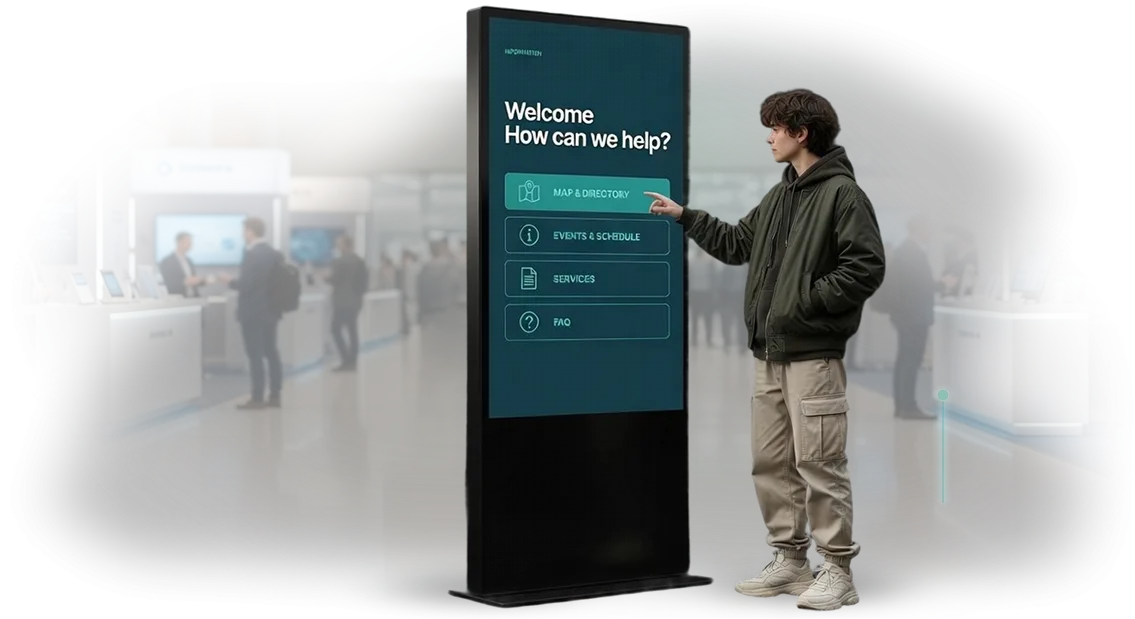
בדיוק מסיבה זו קיוסקים אינטראקטיביים למוזיאונים הופכים לגשר בין המבקר לתערוכה — הם תופסים את תשומת הלב והופכים צפייה פסיבית לחקירה אישית.
אנחנו יוצרים פתרונות שמחזירים את העניין של אנשים באוספי מוזיאון כבר למעלה מעשר שנים. הקיוסקים שלנו נותנים לאורחים הזדמנות לגעת בעידן: לעיין במסמכי ארכיון, לראות שחזורים של אירועים, לשמוע קולות של עדי ראייה.
כך, מעורבות האורחים מפסיקה להיות עניין של מזל והופכת לתהליך ניתן לניהול — התערוכה מתחילה לעבוד בשבילכם, לא לאסוף אבק על המדפים.
הסוד הוא שהממשק אינו מתחרה במוצג אלא משלים אותו. המבקר מבלה לא חצי דקה אלא חמש עד שבע דקות עם הסיפור — מספיק זמן כדי להעמיק, לשאול שאלות משלו, ולשתף את התגלית עם המשפחה.
סוג כזה של טבילה יוצר את אפקט "התיאטרון במוזיאון", כשכל אורח עוזב עם סיפור אישי שהוא ירצה לספר לאחרים.
אנחנו מטפלים בנקודת הכאב הזו: אנו מתכננים קיוסקים שיתאימו לתערוכה שלכם ולהיגיון של החלל שלכם. אין צורך לבנות מחדש את האולמות — פשוט הציבו נקודות מגע במקום שבו האורח מאבד פוקוס. בחלק הבא נראה כיצד זה עובד בפורמטים קונקרטיים.
מה קיוסק אינטראקטיבי ייתן למוזיאון שלכם: 5 תוצאות מרכזיות
מבקר זוכר לא תוויות, אלא רגשות.
קיוסק אינטראקטיבי הופך מפגש עם התערוכה לחקירה אישית: האורח מגלה באופן עצמאי מסמכי ארכיון, דפדף באלבומי משפחה, מקשיב לזיכרונות — ונשאר באולם לא חמש דקות, אלא חצי שעה.
זו בדיוק ההשפעה שאנחנו יוצרים בפרויקטים למוזיאונים: הצוות שלנו נשען על ניסיון רב שנים במתקנים אינטראקטיביים.
1. הגדלת זמן השהייה
כשאורחים שולטים בתרחיש הגילוי שלהם, הזמן שהם מבלים במוזיאון גדל באופן ניכר. במקום הליכה מהירה ליד ויטרינות — לימוד מודע של מוצגים וגילוי עצמאי של עובדות.
המוזיאון מקבל קהל מעורב יותר שמקדיש תשומת לב רבה יותר להיסטוריה ונשאר בחלל זמן רב יותר.
2. טבילה עמוקה בהיסטוריה
תוכן אינטראקטיבי מחייה ארכיונים: תצלומים, מכתבים, מפות, ביוגרפיות. המבקר אינו קורא הערה יבשה, אלא מוצא את עצמו בתוך ההקשר של עידן דרך סיפורים אישיים ופרטים.
טבילה כזו יוצרת חיבור רגשי למוצגים שנשאר בזיכרון ובשיחות זמן רב לאחר הביקור.
3. שמירת תשומת לב וביקורות חיוביות
אינטראקטיביות נותנת סיבה לחזור: סיפורים מעודכנים ותרחישים שונים הופכים כל ביקור לחוויה חדשה. אורחים מרוצים מביאים חברים, משתפים את התרשמותם ומשאירים ביקורות נלהבות. המלצות מפה לאוזן עובדות טוב יותר מכל פרסום ומגדילות את תנועת המבקרים באופן טבעי.
4. הגדלת נוכחות המוזיאון
פורמט יוצא דופן הופך לסיבה משכנעת לבחור במוזיאון שלכם כשמחליטים כיצד לבלות את שעות הפנאי. משפחות, קבוצות בית ספר, תיירים — כולם רוצים לנסות משהו חדש. קיוסק אינטראקטיבי מרחיב את הקהל והופך את המקום שלכם למוכר גם מעבר לעיר.
5. עניין מתמשך בתערוכה
מסכי מגע מאפשרים להציג מה שאי אפשר לשים בויטרינה: מסמכים נדירים, מפות, קטעי כרוניקות. התערוכה הופכת לעמוקה ועשירה יותר, והמוזיאון למקום שאנשים רוצים לחזור אליו. העניין המתמשך הזה הוא שהופך ביקור חד-פעמי לקשר מתמשך.
פורמטים של קיוסק אינטראקטיבי לצורכי תערוכה מודרנית
המבקר המודרני מצפה מהמוזיאון לא רק לויטרינות, אלא לדיאלוג. קיוסק אינטראקטיבי מספק הזדמנות לעיין בהיסטוריה משפחתית, למצוא מסמכים או להשאיר פתק בספר הזיכרון.
כדי שהקיוסק ישרת את התערוכה, חשוב לבחור את הפורמט הנכון: שולחן מגע, עמדה אנכית, ספר זיכרון או מודול ארכיון.
| פורמט | אזורי מוזיאון שמתאימים לו | מה הוא נותן למבקרים ולמוזיאון |
|---|---|---|
| שולחן מגע | אולמות תצוגה, אזורי עבודה קבוצתית | חקירה בו-זמנית של מפות ותמונות, משחקים אינטראקטיביים לילדים ולמבוגרים. מרכז סביבו קבוצות. |
| קיוסק אנכי | לובי, מבואות, מעברים | ניווט בין אולמות, לוח זמנים, תיאורים של מוצגים מרכזיים. קומפקטי, אינו חוסם את זרימת המבקרים. |
| ספר זיכרון | אולמות הנצחה, תערוכות | ספר אלקטרוני עם סיפורים ותצלומים. מבקרים דפדפו ומשאירים זיכרונות משלהם. |
| קיוסק ארכיון | חדרי קריאה, מחלקות היסטוריה מקומית | חיפוש לפי שם משפחה ושנה במסמכים דיגיטליים. עוזר למבקרים למצוא את הסיפור שלהם ולשמר אותו עבור המוזיאון. |
כל הפורמטים רצים על ציוד מקצועי ומשתלבים בקלות בחלל קיים. אנו נבחר פתרון לתערוכה שלכם, נעצב את הממשק ונמלא אותו בתוכן שלכם.
אנחנו מבקרים באתר שלכם, דנים במטרות ומציעים פורמט שישפר את חוויית המבקר ויהפוך את התערוכה לאינטראקטיבית באמת.
איך עובד פיתוח קיוסק: שלבי פרויקט מבריף ועד השקה
פיתוח קיוסק אינטראקטיבי אינו קניית מכשיר מוכן; זהו פרויקט מלא המשלב עיצוב, תוכנה ותוכן. מבננו את שלבי פיתוח הקיוסק כך שתבינו מה קורה בכל שלב ותוכלו להשפיע על התוצאה. להלן מסלול אופייני שאנו עוברים יחד איתכם.
- בריף וניתוח משימה — אנו דנים מי ישתמש בקיוסק, ואילו פונקציות ותוכן נדרשים. אנו מתעדים את המטרות והציפיות כדי למנוע עבודה חוזרת בעתיד.
- קונספט ואב-טיפוס — אנו מציעים את המבנה והממשק של הקיוסק העתידי. אתם רואים איך זה יעבוד לפני הייצור ויכולים לבצע שינויים.
- אישור פרויקט — אנו מסיימים את העיצוב, הפרטים הטכניים ולוחות הזמנים. אנו חותמים על האומדן, נועלים את התקציב ותוכנית העבודה כך ששום דבר לא ישתנה בדרך.
- ייצור והרכבה — אנו מייצרים את המעטפת, מתקינים ציוד מקצועי ותוכנה. כל הרכיבים נבדקים לפני המשלוח לאתר.
- טעינת תוכן — אנו מעלים חומרים, מגדירים תרחישים ומחברים מולטימדיה. כל מה שהמשתמש יראה מוכן לשימוש.
- התקנה והשקת קיוסק — אנו מספקים את הקיוסק, מתקינים אותו באתר, בודקים אותו בפעולה ומכשירים את הצוות שלכם. אתם מקבלים כלי עבודה מלא.
- תמיכה ופיתוח — לאחר ההשקה, אנו נשארים בקשר: מעדכנים תוכן, מתחזקים את הציוד ועוזרים בשינויים בכל עת שיידרשו.
מה כלול במסירת קיוסק אינטראקטיבי: החבילה המלאה
חבילת המסירה המלאה של קיוסק אינטראקטיבי היא מערכת מוכנה להפעלה, לא רק מכשיר בקופסה. אנו דואגים להכל: מהרכבה והתקנה ועד התקנה באולם שלכם והכשרת צוות. כל מה שנשאר לכם הוא להדליק את הקיוסק ולקבל את המבקרים הראשונים.
- קיוסק במעטפת עמידה לוונדליזם עם מסך מגע, המורכב לפי הצרכים הספציפיים של המוזיאון שלכם: גודל, עיצוב, פריסת רכיבים.
- תוכנה מותקנת מראש עם ממשק התואם לסגנון החזותי של התערוכה שלכם ופאנל ניהול קל לשימוש.
- התאמת תוכן בשלב ההתחלה: העברת חומרים, בדיקת קריאות טקסט, מבנה הסעיפים.
- התקנה וחיבור באתר על ידי הצוות שלנו: הקיוסק מותקן, נבדק ומוכן לפעולה עד שעת הפתיחה.
- הכשרת צוות — מפגש מעשי למנהלים ולמפעילי אולמות כדי שיוכלו לעבוד עם המערכת בביטחון ולעזור לאורחים.
- מדריך הפעלה: הפניה קצרה וברורה ללא פרטים טכניים מיותרים, המכסה מצבים שכיחים.
- תמיכת אחריות וסיוע מרחוק בשעות העבודה — הצוות שלכם אף פעם לא נשאר לבד עם שאלה.
חבילה זו מכסה את כל הנושאים הארגוניים. במקום להתעסק עם קבלנים ורכיבים בודדים, אתם מקבלים פתרון אחד שמשתלב מיד בחיי המוזיאון ונותן למבקרים דרך חדשה להתחבר להיסטוריה.
מקרה בוחן: כיצד קיוסק אינטראקטיבי הגדיל את מעורבות המבקרים בתערוכה
מוזיאון-שמורה אזורי התמודד עם מצב אופייני למקומות כאלה: מבקרים עברו בתערוכה תוך 15–20 דקות מבלי לעצור ליד התצוגות. מסמכים היסטוריים ותצלומים הפסידו במאבק מול סמארטפונים והרעש החזותי הרגיל.
הצענו להתקין קיוסק ארכיון אינטראקטיבי שהופך צפייה פסיבית לחקירה חיה. כך נולד הפרויקט שנספר לכם עליו.
מה השתנה לאחר ההשקה
הקיוסק הוצב באולם המרכזי — ממש ליד המוצגים המרכזיים. במקום כיתובים יבשים, המבקרים קיבלו ציר זמן אינטראקטיבי: מסך מגע, הפניות היסטוריות, תצלומים נדירים ויכולת "לדפדף" בדפי ארכיונים משפחתיים בפורמט דיגיטלי.
זמן הצפייה הממוצע בתערוכה גדל כמעט פי 2.5 — אורחים החלו לבלות 5–7 דקות בקיוסק ואז לחזור לויטרינות עם הקשר חדש.
עבור המוזיאון, זה אומר לא רק מעורבות אלא גם תוצאה מדידה: עומק הצפייה גדל, ומבקרים החלו להשאיר ביקורות מפורטות שציינו את הקיוסק כ"תגלית המרכזית של התערוכה". ההנהלה ציינה גם שהקיוסק הקל על המדריכים — אורחים שואלים עכשיו שאלות שגרתיות את המערכת, בעוד הצוות מתמקד בשיחות חיות עם קבוצות.
הצלחת הפרויקט והמשך שיתוף פעולה
המדד המרכזי עבורנו הוא שהמוזיאון-שמורה לא עצר במכשיר אחד. כמה חודשים לאחר ההשקה, הם הזמינו שני קיוסקים אינטראקטיביים נוספים לאולמות שכנים וביקשו מאיתנו להתאים את התוכן לתערוכות נושאיות.
זהו תרחיש קלאסי שאנו רואים אצל לקוחות: קודם הפתרון כפיילוט, אחר כך עבודה שיטתית. במוזיאון-שמורה, הקיוסק הפך לנקודת משיכה שסביבה בנוי הסיור, לא רק "פינה לסמן וי".
מקרה זה מראה בבירור שקיוסק אינטראקטיבי במוזיאון אינו תוספת טכנית, אלא כלי שמגדיל את זמן המגע עם ההיסטוריה, יוצר סיפור חיובי לתקשורת ומעלה את נאמנות הקהל.
לכן אנו ממליצים להתחיל בניתוח תרחיש המבקר ולא בבחירת ציוד — אז התוצאה הופכת לצפויה ומדידה.
איך לבחור את פורמט הקיוסק הנכון לצורכי התערוכה שלכם?
בחירת קיוסק מתחילה לא בדגם, אלא במשימה של התערוכה. אם צריך להטביע את המבקר בהיסטוריה, פורמט ספר זיכרון אינטראקטיבי עם מסך מגע והצגת תוכן עמוד אחר עמוד עובד היטב.
אם המשימה היא חיפוש ארכיוני מהיר, מסוף נפרד עם סרגל חיפוש נוח מתאים יותר. כך מקבלים פתרון שמשרת את התרחיש, לא להיפך.
הקריטריון השני הוא החלל וזרימת המבקרים. למסדרון צר או קיר ליד מוצג, בחרו קיוסק קיר קומפקטי: הוא אינו חוסם את המעבר. ללובי או אזור המתנה, בחרו יחידת רצפה עם מסך גדול הנראה מרחוק.
העריכו את התאורה, המרחק לשקע החשמל ונגישות לאנשים עם מוגבלות בניידות — פרטים אלה קובעים כמה נוח למבקרים להשתמש בקיוסק.
הקריטריון השלישי הוא תרחיש האינטראקציה. אם בתערוכה יש תנועה גבוהה ואנשים מגיעים בקבוצות, צריך קיוסק עם תגובה מהירה וכפתורים גדולים. אם מבקרים לומדים חומרים במשך זמן רב, הוסיפו סימניות אישיות או אפשרות לשליחת חומרים במייל. בחירת פורמט היא איזון בין עומק התוכן למהירות הגישה אליו.
למוזיאונים וארכיונים, חשוב לתכנן עדכוני תוכן. בחרו פורמט המאפשר לשנות חומרים מבלי לבנות מחדש את כל המערכת: הוסיפו עמודים חדשים לספר הזיכרון או הרחיבו את הארכיון. כך הקיוסק נשאר רלוונטי לשנים ומחזיר את ההשקעה דרך שימוש חוזר.
אם אינכם בטוחים איזו אפשרות מתאימה למקום שלכם, שלחו לנו את תוכנית האולם ותיאור התערוכה. נעזור לכם לבחור פורמט שמתאים לחלל ופותר את משימת התערוכה, ולא רק הופך לעוד מסך באולם.
שאלות נפוצות על הטמעת קיוסקים אינטראקטיביים
רוב הספקות נוגעים להתקנה, עדכוני תוכן ואמינות. הנה תשובות לשאלות המרכזיות.
האם הקיוסק קשה להתקנה, והאם הוא יפריע למבקרים?
ההתקנה אורכת יום או יומיים ואינה דורשת סגירת המוזיאון. אנו מחברים את הציוד, מגדירים את הממשק ומכשירים את הצוות. אנו ממקמים את הקיוסק כך שלא יחסום מעברים או יפריע לחוויית הצפייה.
באיזו תדירות צריך לעדכן תוכן, ומי עושה את זה?
התוכן מתעדכן דרך פאנל שליטה פשוט: איש צוות המוזיאון יכול לשנות טקסטים ותמונות בעצמו. זה לוקח כמה דקות, אין צורך במתכנת. השינויים מופיעים בקיוסק מיד.
מה קורה אם הקיוסק מתקלקל?
הציוד והתוכנה מכוסים באחריות, כולל תמיכת שירות. המומחים שלנו מבצעים אבחון מרחוק, ורוב הבעיות נפתרות מרחוק. במקרה של תקלה, תיקון או החלפה מטופלים במסגרת זמן קצרה לפי החוזה.
האם הקיוסק בטוח למבקרים ולנתוני המוזיאון?
אנו משתמשים בחומרים עמידים בפני שחיקה ובזכוכית מגן — הקיוסק מתוכנן לזרימת מבקרים קבועה. למבנה אין פינות חדות והוא בטוח לילדים ולאורחים עם מוגבלות בניידות. התוכנה מבודדת מהמערכות הפנימיות של המוזיאון.
הזמינו פיתוח קיוסק אינטראקטיבי לחלל שלכם
שליחת בקשת ייעוץ משמעה קבלת תוכנית פרויקט מוכנה למשימה שלכם, לא מילים כלליות. ננתח כיצד קיוסק אינטראקטיבי ישתלב בחלל שלכם, אילו תכונות יביאו את הערך הרב ביותר למבקרים, וכיצד להישאר במסגרת התקציב.
בהתבסס על הבריף, נכין חישוב עלות ביום פנייתכם — ללא המתנה, ללא אישורים מיותרים.
למה להזמין קיוסק מאיתנו היא בחירה חכמה:
- קבלו חישוב עלות ביום פנייתכם ותוכנית עבודה ברורה תוך 2-3 ימים.
- נבחר את פורמט הקיוסק האופטימלי למקום שלכם: מוזיאון, תערוכה, משרד, קניון או חלל עירוני.
- ניצור ממשק שכל קהל מבין — מתלמידי בית ספר ועד מבוגרים, ללא צורך בהדרכה או הוראות.
- נציע פתרון לתקציב שלכם: מתצורה סטנדרטית ועד עיצוב בלעדי המשתלב בפנים החלל.
- אנחנו לוקחים על עצמנו ייצור, התקנה, הגדרה ותמיכה טכנית — אתם עובדים עם קבלן יחיד.
- אנו מספקים אחריות על ציוד ותוכנה, כך שתוכלו לתכנן את פעולת הקיוסק לשנים קדימה.
תנו למבקרים שלכם ליצור אינטראקציה עם היסטוריה, קטלוג או מידע על המקום ברמה חדשה לגמרי. שלחו בקשת ייעוץ — נדון במשימותיכם ונחשב את עלות הפרויקט ביום פנייתכם.