

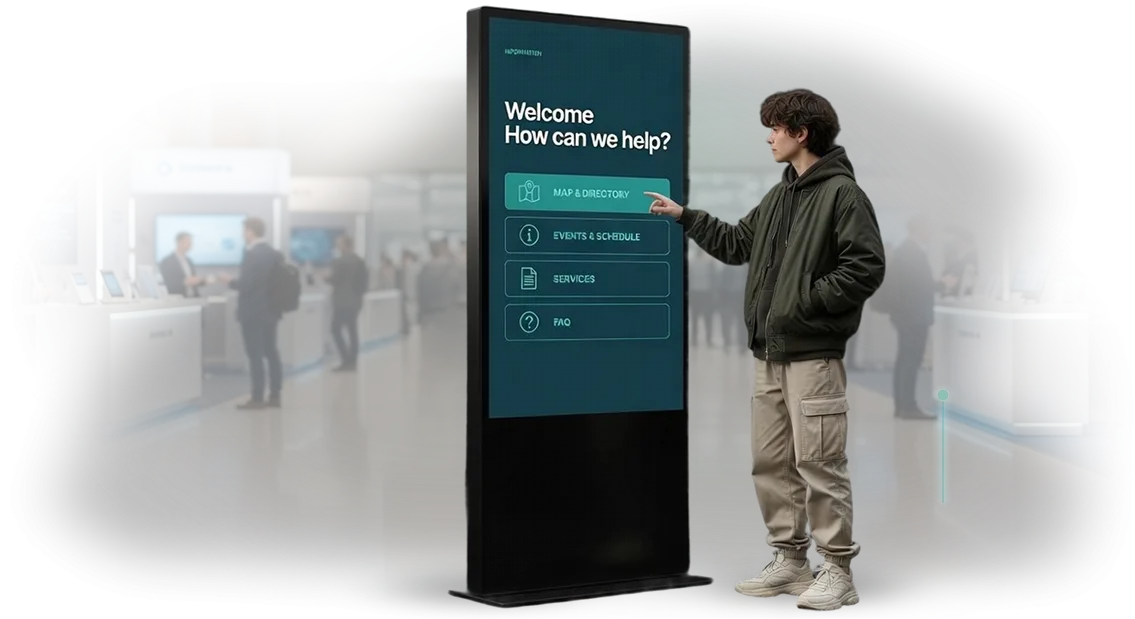
קיוסקים לאוניברסיטאות: איך למשוך מועמדים פוטנציאליים ולא לאבד אותם?
קמפיין הקבלה הוא התקופה האינטנסיבית ביותר עבור אוניברסיטה: עשרות אלפי מועמדים, מאות שאלות, זרם של אנשים בימי פתוח.
במרוץ הזה, סטודנטים לעתיד הולכים לאיבוד: הם לא מוצאים את הפקולטה הנכונה, לא מקבלים תשובה לשאלה המרכזית "מה אלמד ומה אהיה?" ועוזבים למתחרים. לאבד מועמד פירושו לאבד תקציב לשנים הבאות.
קיוסקים אינטראקטיביים באוניברסיטה משנים את התרחיש הזה. קיוסקים לאוניברסיטאות פועלים כיועץ אישי: המועמד בוחר את התכנית שמעניינת אותו, רואה את מפת הקמפוס, את לוח הימים הפתוחים, ומקבל תשובות לשאלות באמצעות סיור וירטואלי.
אין תורים — המידע זמין בכל זמן, וסטודנטים והוריהם מרגישים את הדאגה של האוניברסיטה.
הנקודה המרכזית היא שהקיוסק עוזר למשוך מועמדים פוטנציאליים גם לאחר הביקור. המכשיר מציע אפשרות להשאיר פרטי קשר או להוריד ברושור, ואוסף סטטיסטיקות: אילו תכניות מעוררות עניין, כמה זמן מבקר לומד תכנית.
הנתונים האלה מאפשרים למשרד הקבלה להתאים את התקשורת בזמן ולחזור לאלה שלא הספיקו לשאול שאלה.
עבור האוניברסיטה, זה לא רק תדמית מודרנית אלא גם תוצאה מדידה. האוניברסיטה מקבלת כלי שעובד מסביב לשעון, מפחית את העומס על משרד הקבלה, והופך אינטראקציה של דקה עם מועמד למעורבות ארוכת טווח.
אנחנו — הצוות שלנו — מתכננים קיוסקים לאוניברסיטאות כדי לעמוד ביעדי קמפיין הקבלה: מניווט ועד איסוף בקשות. נעזור לכם ליישם פתרון שמחזיר את ההשקעה בגל הקבלה הראשון.
אילו יתרונות יביא פתרון אינטראקטיבי לאוניברסיטה
אוניברסיטה מודרנית מתחרה על תשומת הלב של המועמדים לא רק עם תכניות אקדמיות אלא גם עם האווירה שסטודנט פוגש מהביקור הראשון.
דוכנים סטנדרטיים וברושורים מנייר כבר לא מחזיקים עניין — סטודנטים לעתיד מצפים להשתתפות חיה ורשמים חיים.
פתרונות חינוכיים אינטראקטיביים עוזרים לאוניברסיטה לבלוט בין מוסדות אחרים והופכים את המפגש הראשון עם האוניברסיטה לאירוע בלתי נשכח.
היתרון המרכזי עבור האוניברסיטה הוא הגברת העניין של המועמדים. ספר זיכרון אינטראקטיבי או קיוסק ארכיון מאפשר למבקרים לגעת בהיסטוריה של האוניברסיטה: לעיין במסמכים מקוריים, לראות תמונות של בוגרים, להקשיב לזכרונותיהם.
הפורמט הזה מערב חזק יותר מטקסט סטטי ומעודד אורחים להישאר יותר זמן, לחקור פרטים, ולשתף רשמים עם חברים — כלומר חשיפה נוספת ללא עלויות פרסום.
בהירות ויזואלית היא יתרון חשוב נוסף. שכבות מורכבות של מידע היסטורי מאורגנות לתרחישים נוחים: כמויות גדולות של נתונים הופכות לזמינות לחקירה עצמאית.
המבקר בוחר מה לראות — זה מסיר את הנטל מהצוות שכבר לא צריך לחזור על אותו מידע שוב ושוב. כתוצאה מכך, זמן הצוות נחסך, והאורחים מקבלים מידע במהירות וללא מתווכים.
בנוסף, פתרונות חינוכיים אינטראקטיביים יוצרים תדמית של אוניברסיטה מודרנית, פתוחה וטכנולוגית.
מועמדים והוריהם זוכרים קבלת פנים כזו, ממליצים עליה לחברים, ומשרד הקבלה רואה זרם של מועמדים מוכנים יותר ומעוניינים יותר.
הפריסה של הקיוסק מחזירה את ההשקעה באמצעות נאמנות מוגברת, יותר ביקורים חוזרים, ועלייה כוללת בעניין באוניברסיטה — מימי פתוח ועד אירועי סיום.
פורמטים של פתרונות אינטראקטיביים למשימות שונות של האוניברסיטה
אוניברסיטה היא לא רק כיתות לימוד וספריות. סטודנטים, מועמדים ואורחי אירועים מגיעים לכאן כל יום, וכל אחד מהם צריך מידע שונה: איפה הבניין, איך למצוא אולם הרצאות, במה האוניברסיטה גאה.
דוכנים סטנדרטיים ושלטי נייר מעמיסים על אנשים וגורמים להם לבזבז זמן. קיוסק אינטראקטיבי עונה בכמה הקשות — ובמקביל בונה תדמית מודרנית לאוניברסיטה.
אנחנו מתכננים פתרונות לתרחיש ספציפי, לא רק "מסכים". להלן הפורמטים המרכזיים שאנו מיישמים והמשימות שהם פותרים. אפשר להשתמש בפורמט אחד כבסיס או לשלב כמה למערכת ניווט ומידע אחת.
פורמטים מרכזיים של קיוסקים אינטראקטיביים
| פורמט | למי | מה הוא נותן ללקוח |
|---|---|---|
| ספר זיכרון אוניברסיטאי | ותיקים, בוגרים, סטודנטים, אורחי אירועי הנצחה | כרוניקה דיגיטלית עמידה: ביוגרפיות, תמונות, סיפורים של אנשים והישגים. מבקרים יכולים להשאיר תגובה — האנדרטה נשארת חיה ומרגשת |
| קיוסק ארכיון | משרד קבלה, מוזיאון, ספרייה, חוקרים | חיפוש מיידי בארכיון האלקטרוני ובמסמכים. הצוות מפסיק לענות על עשרות בקשות דומות — הפריט המבוקש נמצא בכמה הקשות |
| ניווט בקמפוס | מועמדים בימי פתוח, סטודנטים בשנה הראשונה, אורחי כנסים | מפה אינטראקטיבית עם מסלולים לבניין, לכיתה, לקפיטריה או לאולם האסיפה. אנשים לא הולכים לאיבוד, לא מאחרים, ומסיחים פחות את דעת הצוות |
| חלון ראווה להישגי האוניברסיטה | מועמדים, שותפים, נציגי תקשורת | הצגת פקולטות, פרויקטי מחקר וניצחונות בפורמט אינטראקטיבי ברור. תומך בהכוונה תעסוקתית ומגביר את ההכרה באוניברסיטה |
כל אחד מהפורמטים האלה ניתן לשילוב בקלות עם אחרים: לדוגמה, קיוסק ניווט יכול להציג בו זמנית חדשות, היסטוריה של האוניברסיטה ומפת קמפוס.
במהלך ייעוץ, נסקור את המשימות שלכם ונבחר שילוב שנוח לאורחים, לסטודנטים ולמשרד הקבלה.
איך מתנהל פיתוח קיוסקים לאוניברסיטאות: שלבים ולוחות זמנים
פיתוח קיוסק לאוניברסיטה הוא פרויקט שצריך לפתור כמה משימות: לעזור למועמדים למצוא את דרכם, להציג לאורחים את ההיסטוריה של האוניברסיטה, ולהפוך את הארכיון לנגיש לסטודנטים ולצוות.
כדי להבטיח שהתוצאה לא תאכזב, התהליך מחולק לשלבים ברורים — בכל אחד מהם אתם רואים תוצאת ביניים ויכולים לבצע שינויים.
- בריף והתעמקות. אנו לומדים את יעדי האוניברסיטה, קהל היעד, ואוספים מידע על תוכן עתידי: ספר זיכרון, מסמכי ארכיון, מפת בניינים. אנו מתעדים דרישות ולוחות זמנים.
- תרחיש ואב-טיפוס. אנו מתארים את מבנה המדורים, לוגיקת הניווט והטקסטים. אתם מאשרים את התרחיש לפני תחילת העיצוב — זה חוסך זמן ומונע עבודה חוזרת.
- עיצוב ממשק. אנו יוצרים מסכים בסגנון המותג של האוניברסיטה, עם אלמנטים גדולים לשליטה במגע. הממשק ברור גם לסטודנטים וגם לאורחים מבוגרים.
- פיתוח והרכבה. אנו מתכנתים את לוגיקת ההפעלה, מחברים מסדי נתונים עם ארכיונים ותמונות, ומתאימים את הציוד לסביבת ההתקנה — לובי, ספרייה, מוזיאון.
- טעינת תוכן ובדיקות. אנו טוענים חומרים של ספר זיכרון ובודקים חיפוש, ניווט והצגת מסמכים. בשלב הזה קל להוסיף נתונים חסרים.
- השקה ותמיכה. אנו מתקינים את הקיוסק, מאמנים את הצוות ומספקים הוראות. לאחר ההשקה, אנו נשארים בקשר: מעדכנים תוכן ומפקחים על פעילות יציבה.
לוח זמנים טיפוסי לפרויקט הוא 4 עד 8 שבועות, תלוי בכמות החומרים ובמהירות האישורים. אנו גם תומכים בקיוסק לאחר המסירה, כך שהוא לא הופך ל"מוצג" אלא עובד למען תדמית האוניברסיטה כל יום.
מה כלול במסירה: חבילה להשקת הקיוסק האינטראקטיבי שלכם
עבור אוניברסיטה, קיוסק אינטראקטיבי הוא דרך לשמר היסטוריה ולערב סטודנטים, מועמדים ובוגרים. הרכבנו חבילת מסירה של קיוסק עם כל פרט כבר מחושב: מהמעטפת ועד הכשרת הצוות. אתם מקבלים פתרון עובד, לא סט הוראות.
החבילה הסטנדרטית כוללת:
- קיוסק מגע עם מעטפת עמידה. אנו בוחרים את הגודל והעיצוב שיתאימו ללובי, למוזיאון או לספרייה שלכם — הקיוסק ייראה מתאים ויחזיק מעמד לאורך זמן.
- תוכנה לספר הזיכרון שלכם. מבקרים דפדפו בעמודים, צופים בתמונות וסרטונים, מחפשים רשומה ומשאירים זכרונות. אין ניווט מסובך — הכל אינטואיטיבי.
- התקנה באתר של הקיוסק האינטראקטיבי. המומחים שלנו יגיעו, יתקינו את הקיוסק, יחברו אותו ויבדקו אותו. עד יום הפתיחה תקבלו תחנה מוכנה לשימוש, לא קופסת הבטחות.
- הגדרת הפעלה אוטומטית והגנה מפני קריסות. הקיוסק יידלק מעצמו לאחר אתחול, והמערכת תמנע ממבקרים לסגור בטעות את האפליקציה או לצאת לתפריט המערכת.
- הכשרת צוות. אנו מקיימים מפגש קצר: איך להעלות חומרים חדשים, להחליף תמונות ולפתור תקלות טיפוסיות. כל מה שהצוות צריך לעשות זה לחבר את הקיוסק לחשמל ולפתוח תיקיית קבצים.
- תבנית תוכן עם מבנה מוכן. מדורים כמו "ההיסטוריה של המוסד", "בוגרים", "זיכרון הדורות" — אתם ממלאים אותם בטקסטים ובתמונות משלכם ללא מתכנת.
- מדריך למשתמש וקו ישיר למהנדס. למצבים בלתי צפויים — מסמך קצר וערוץ תמיכה לכל תקופת העבודה.
זה מה שכלול בקיוסק האינטראקטיבי — או יותר נכון, זה כלי מוכן שמתחיל לעבוד מהיום הראשון. הוסיפו תוכן, והקיוסק הופך לנקודת משיכה לאורחים ולסיבה לביקורים חוזרים.
מקרה בוחן: איך עזרנו לאוניברסיטה להגדיל את מספר המועמדים
הביקור של מועמד באוניברסיטה מתחיל הרבה לפני משרד הקבלה — עם הצעדים הראשונים בקמפוס ועם התחושה של "האם זו האוניברסיטה שלנו או לא". אוניברסיטאות מוציאות תקציבי פרסום עצומים אבל מאבדות מועמדים בשלב החשוב ביותר: כשסטודנט לעתיד מגיע ליום פתוח ורואה, במקום היסטוריה חיה, דוכנים עם תמונות מיושנות ותור למשרד הדיקן.
כשאחת האוניברסיטאות האזוריות הגדולות פנתה אלינו, הצענו להפוך את נקודת המגע המרכזית — לובי הבניין — למרחב אינטראקטיבי.
יחד עם צוות האוניברסיטה, יצרנו את הארכיון הדיגיטלי האוניברסיטאי: קיוסק אינטראקטיבי עם ההיסטוריה של האוניברסיטה, ספרי זיכרון, הישגי בוגרים וסיור וירטואלי בקמפוס.
מועמדים יכולים "לדפדף" בעצמם בדפי ההיסטוריה, למצוא שמות מוכרים, וליצור קשר מיידי עם משרד הקבלה באמצעות טופס נוח.
תוצאות היישום מדברות בעד עצמן: מספר הפניות למשרד הקבלה גדל ב-38% כבר בתקופת הקבלה הראשונה, ו-42% יותר מבקרים השאירו את פרטי הקשר שלהם לאחר היום הפתוח.
הכי חשוב — הרושם מהביקור השתנה: מועמדים החלו להישאר בקמפוס זמן רב יותר, לשאול יותר שאלות, ולתפוס את האוניברסיטה כמודרנית ופתוחה.
למה זה עבד
במקום מוצג פסיבי, נתנו למועמדים תפקיד של חוקרים: הם שולטים בתרחיש בעצמם, מגלים סיפורים שמרגשים אותם, ועוזבים עם חוויה חיובית אישית.
עבור האוניברסיטה, זו דרך לבלוט מול מתחרים מבלי להגדיל את תקציב הפרסום. הקיוסק האינטראקטיבי עובד כל השנה ואינו דורש מעורבות מתמדת של הצוות.
המקרה הראה שהתקציב שהושקע בהיסטוריה אינטראקטיבית מחזיר את עצמו לא רק באמצעות הגדלת ההמרה אלא גם באמצעות נאמנות של סטודנטים לעתיד — הם מדברים על הביקור ברשתות החברתיות, כלומר חשיפה נוספת ללא עלויות קידום נוספות.
איך לבחור את הפורמט הנכון של קיוסק אינטראקטיבי לאוניברסיטה שלכם?
כדי לבחור פורמט קיוסק, הגדירו את המטרה המרכזית שלכם: לספר למועמדים על תכניות, להציג את ההיסטוריה של האוניברסיטה, או להדריך אורחים בקמפוס. לארכיון וספר זיכרון, פאנל מגע גדול עם חיפוש לפי שמות ושנים הוא נוח. לניווט ולוחות זמנים, קיוסק קומפקטי עם מפה.
הקריטריון השני הוא מיקום ההתקנה. בלובי עם תנועה גבוהה, קיוסק עומד מושך תשומת לב ועובד כאזור צילום. במסדרון או בכיתה, דגם צמוד קיר חוסך מקום ולא חוסם מעבר. חשבו מראש על תאורה וגישה לרשת כדי שהמסך יישאר קריא.
השלישי הוא לוחות זמנים ועדכונים. אם אתם צריכים את הפרויקט עד קמפיין הקבלה, בחרו פתרון עם תוכן מוכן והתאמה תוך כמה שבועות.
אם התוכן ישתנה, מערכת ניהול חשובה כדי שהצוות שלכם יוכל להוסיף חדשות ואירועים בעצמם ללא מפתחים. זה חוסך בתקציב התחזוקה.
לבסוף, קבלו החלטה על סמך התקציב האמיתי שלכם, אבל אל תקצצו במה שחשוב: מעטפת עמידה, מסך איכותי ותמיכה פשוטה מחזירים את עצמם. הקיוסק הנכון הוא כזה שמשתמשים בו כל יום ושהמבקרים מוצאים בו ערך.
אנחנו עוזרים לכם לבחור פורמט שמתאים למשימה, לחלל וליכולות של האוניברסיטה, ואז מתכננים, ממלאים ומשיקים פתרון מפתח. אתם מקבלים כלי שעובד למען ההכרה באוניברסיטה ומפשט את התקשורת עם מועמדים ואורחים.
שאלות נפוצות על קיוסקים אינטראקטיביים לאוניברסיטאות
לפני השקת קיוסק אינטראקטיבי, לצוות האוניברסיטה יש בדרך כלל את אותן שאלות: האם הקיוסק ידרוש תחזוקה מורכבת, מי יכול לעדכן את המידע, וכמה אמינה תהיה המערכת בשימוש יומיומי.
אנחנו עונים על החששות האלה בקצרה ולעניין — כדי שתבינו מה אתם מקבלים עם הפתרון המוכן.
להלן שאלות טיפוסיות של לקוחות והתשובות שלנו. אם השאלה שלכם לא כאן, פשוט כתבו לנו — נספר לכם יותר על האפשרויות והתנאים.
האם קשה להתקין קיוסק בבניין אוניברסיטה?
לא, התהליך אורך יום אחד. אנחנו מביאים את הקיוסק, מחברים אותו לשקע חשמל ולרשת, טוענים את התוכן הראשוני ובודקים שהכל עובד. אין צורך בשיפוצים, בהגדרות מחדש או בתנאים מיוחדים — חדר סטנדרטי עם שקע מספיק. הצוות מקבל הוראה קצרה, ובמידת הצורך אנו מספקים הכשרה למנהלים.
מי יכול לעדכן את המידע על הקיוסק?
כל איש צוות ללא רקע טכני. אנו מגדירים ממשק ידידותי שבו אפשר להחליף טקסטים או להוסיף תמונות או סרטונים תוך דקות ספורות. העריכות לא דורשות הזמנת קבלן — פשוט התחברו לפאנל הניהול ממחשב או מטאבלט. זה נוח לעדכון שוטף של ספר הזיכרון, לוחות אירועים או ניווט בבניין.
כמה אמינים קיוסקים כאלה בפעילות רציפה?
הקיוסקים מתוכננים לפעילות 24/7 באזורים עם תנועה גבוהה — לובי, ספריות, מוזיאונים. אנו משתמשים בציוד מקצועי שעומד בשימוש אינטנסיבי ומגדירים הגנה מפני קריסות: לאחר אתחול, המערכת חוזרת אוטומטית למסך העבודה. אם משהו דורש תשומת לב, התמיכה שלנו עוזרת מרחוק ובמהירות.
האם אפשר לעצב את הקיוסק בהתאמה לאוניברסיטה?
כן, אנו מתאימים לחלוטין את העיצוב לסגנון המותג שלכם: לוגו, צבעים, גופנים, מבנה מדורים. הקיוסק ייראה כמו חלק מהפנים, לא מכשיר זר.
במידת הצורך, נוכל להוסיף תאורה אחורית, מעטפת מותאמת אישית או אלמנטים נוספים — נדון בזה בשלב הבריף.
מוכנים לדון בפרויקט שלכם? קבלו ייעוץ והערכת עלות
קיוסק אינטראקטיבי לספר זיכרון או לאוסף ארכיוני הוא פרויקט שבו גם אמינות הציוד וגם ההצגה הרגשית של החומר חשובים.
נעזור לכם להחליט על הפורמט, מבנה המדורים ודרכי הניווט כך שהתוצאה תגביר את ההכרה באוניברסיטה ותהיה נוחה לאורחים ולסטודנטים.
השאירו בקשה לייעוץ — ונכין עבורכם הערכת עלות לקיוסק האינטראקטיבי למשימות שלכם. בתשובה תקבלו לא רק מספרים אלא פתרון ברור עם נימוק לכל שלב.
- נבהיר את תרחיש השימוש — ארכיון, ספר זיכרון, ניווט בקמפוס או תערוכת מוזיאון.
- נבחר את התצורה הנכונה — מקיוסק עומד ועד מסך צמוד קיר, תוך התחשבות בתקציב ובחלל שלכם.
- נראה את המבנה והעיצוב — איך ייראו מדורים, חיפוש והצגת חומרים עבור סוגים שונים של מבקרים.
- נתן לוחות זמנים מדויקים — מאישור אב-טיפוס ועד התקנה והכשרת צוות.
- נסביר את התמיכה — עדכוני תוכן, תמיכה טכנית, שירות אחריות לאחר ההשקה.
- נראה דוגמאות — איך פתרנו משימות דומות עבור אוניברסיטאות ומוזיאונים.
ההערכה תיקח יום עבודה אחד: נחזור אליכם, נשאל שאלות הבהרה, ונשלח הצעת מחיר עם תיאור העבודה.
כך תוכלו להשוות תנאים, לקבל החלטה ולהזמין פיתוח מצוות שלוקח אחריות על התוצאה בכל שלב — מהרעיון ועד ההשקה.
אפשר ליצור איתנו קשר דרך הטופס באתר או בטלפון — ציינו זמן נוח לשיחה, ונחזור אליכם עם הצעה קונקרטית לפרויקט שלכם.