

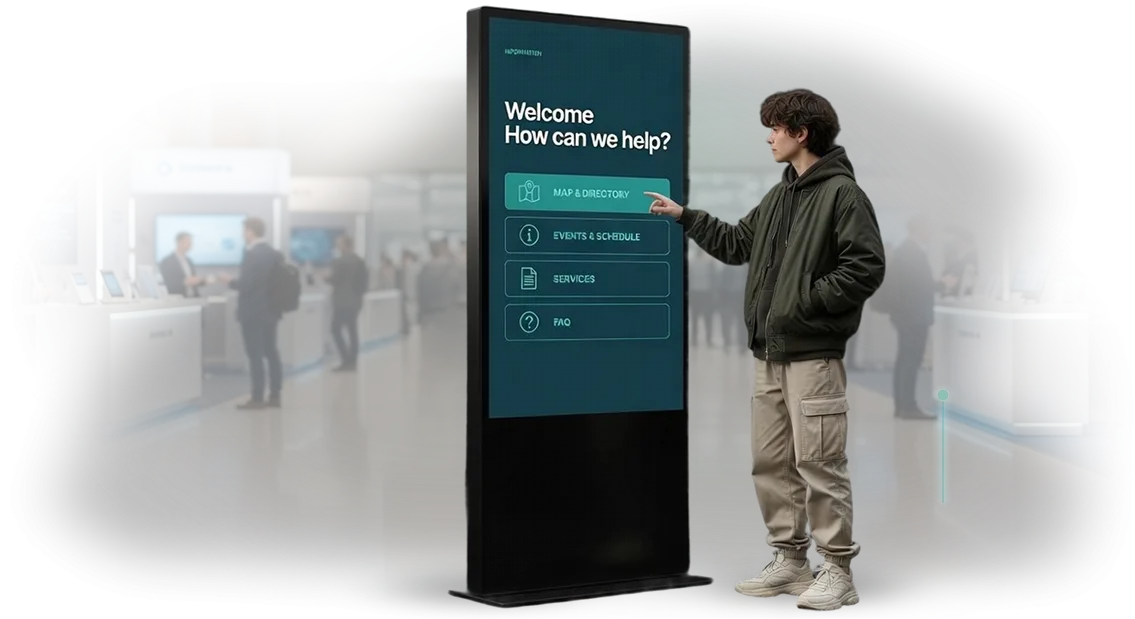
כיצד קונסיירז' וירטואלי פותר את נקודות הכאב של מבקרי מועדון כושר
מבקרי מועדון כושר מעריכים את זמנם ואינם סולחים על עיכובים. תורים בדלפק הקבלה בשעות השיא הם הגורם המעצבן העיקרי: אנשים מגיעים לאימון, אבל במקום זה עומדים ומחכים.
חלק מהאורחים פשוט מסתובבים ועוזבים, וכל עזיבה כזו היא הפסד לא רק של מבקר אלא גם של מנוי עתידי.
מצטרפים חדשים מתקשים להתמצא במועדון גדול: איפה חדרי ההלבשה, איפה אזורי האימון, את מי לשאול. במקום לחקור את החלל ולהרגיש בטוחים, האדם מתבלבל ומבזבז זמן בחיפושים.
הרושם הראשוני נפגע — והרושם הראשוני הזה הוא שלעתים קרובות מכריע אם האורח יחזור אי פעם.
נקודת כשל נוספת היא הזמנת אימון ניסיון. אורח מוכן לנסות אימון אבל לא יכול למצוא במהירות את לוח הזמנים, לבחור זמן נוח ולהזמין מקום.
העניין מתקרר תוך דקות, ופונים פוטנציאליים רבים הולכים למתחרים רק בגלל שלב נוסף אחד בתהליך.
קונסיירז' וירטואלי פותר את כל שלוש המשימות בבת אחת. הוא עובד ממש בדלפק הקבלה, עונה מיידית על שאלות, עוזר בניווט במועדון ומקבל הזמנות לאימוני ניסיון ללא מעורבות של מנהל. כתוצאה מכך, התורים מתקצרים, האורחים מגיעים לאימונים מהר יותר, והמועדון מאבד פחות לידים.
החברה שלנו מתמחה בקיוסקים אינטראקטיביים לתעשיית הכושר. כבר השקנו פתרונות שמקלים על דלפק הקבלה ועוזרים להפוך מבקרים מזדמנים ללקוחות קבועים.
מה קיוסק אינטראקטיבי נותן למועדון: חמישה יתרונות מרכזיים
מבקר מועדון כושר לא רוצה לעמוד בתור בדלפק הקבלה כשהוא כבר יכול להתחיל את האימון שלו. קיוסק אינטראקטיבי מסיר את התסכול הזה: הזמנת שיעורים קבוצתיים, קניית ביקור אורח או בדיקת מנוי אורכת פחות מדקה.
זה לא רק תחליף למנהל אלא כלי שמשנה את הרושם מהמועדון מהשניות הראשונות.
הזמנה מהירה יותר ללא תורים. בשעות השיא — בבוקר ואחרי העבודה — דלפק הקבלה עמוס, וזה עולה למועדון בלקוחות.
הקיוסק מטפל בפעולות שגרתיות: הלקוח בוחר אימון בעצמו, רואה מקומות פנויים ומאשר את ההזמנה מיידית. זמן השירות הממוצע יורד משמעותית, והמנהל מקבל דקות לתקשורת חיה עם האורח.
הקלה על עומס המנהל. המנהל מפסיק להיות "מפעיל הזנת נתונים" ומתמקד במה שהוא מוערך עליו: קבלת פנים, ייעוץ ומכירת שירותים נוספים.
הקיוסק מעבד עומסי שיא בעצמו, לא מבקש הפסקות ולא עושה טעויות בלוח הזמנים. זה מפחית עלויות כוח אדם ומשפר את איכות השירות ללא הרחבת הצוות.
תדמית מודרנית למועדון הכושר. מסך מגע טכנולוגי בכניסה מעביר מיידית את הרמה של המועדון: "המקום הזה דואג לנוחות ומעריך את הזמן שלכם." זה חשוב במיוחד ללקוחות פרימיום ועסקיים שמשווים מועדונים לפי פרטים. הקיוסק הופך לחלק מהפנים ועובד למען המוניטין של המועדון מהיום הראשון.
יותר ביקורים חוזרים. כשהביקור מתחיל בצורה חלקה — ללא תורים או חיכוכים — הלקוח מפתח הרגל לחזור. הקיוסק יכול להזכיר על אימונים קרובים, להציע שינויים בלוח הזמנים ולהראות המלצות מותאמות אישית.
כך המועדון מחזיר את האורח בעדינות מבלי לחכות שהוא יזכור את האימון בעצמו.
מכירות נוספות. קל להציב על המסך מבצעים, הצעות אישיות או הודעות על תוכניות חדשות. הלקוח רואה אותן ברגע הנכון — כשהוא כבר הגיע למועדון ונמצא במצב רוח לקנות. זהו ערוץ נוסף שמכסה את ההשקעה בציוד ומייצר הכנסה קבועה.
אנחנו מפתחים קיוסקים לצרכים הספציפיים של כל מועדון: עם העיצוב שלכם, אינטגרציה עם מערכת הניהול שלכם ולוגיקה שכל לקוח חדש יכול להבין.
אנחנו מגדירים את המכשיר, מאמנים את הצוות ומספקים תמיכה לאחר ההשקה — כך שאתם מקבלים תוצאות, לא רק מסך בדלפק הקבלה.
פורמטים של קיוסק אינטראקטיבי למועדוני כושר: השוואה
כל פורמט של קיוסק אינטראקטיבי פותר משימה משלו: אחד מקבל את פני האורחים בכניסה, אחר מזרז את עבודת הקבלה, והשלישי עוזר בהזמנת אימונים ללא מעורבות מנהל.
כדי שקיוסק ישתלם, הוא חייב להיות ממוקם בנקודה הנכונה במסע הלקוח ולא להפריע לזרימת האנשים.
להלן השוואה בין שלושת הפורמטים העיקריים שאנו מתקינים במועדוני כושר. השתמשו בתרחיש של המועדון שלכם כמדריך: נפח מבקרים, פריסה והיכן תורים נוצרים לרוב.
| פורמט | למי זה מתאים | מה זה נותן למועדון הכושר |
|---|---|---|
| קיוסק עומד | מועדונים עם תנועה גבוהה בכניסה, רשתות כושר | מקבל את פני האורח, מציג את לוח הזמנים והמבצעים ומוביל ישירות להזמנה. משחרר את המנהל משאלות חוזרות ומפחית את התור בקבלה בשעות השיא |
| טרמינל שולחני | מועדונים וסטודיו קטנים שבהם דלפק הקבלה הוא מרכז הכול | משלים את עבודת המנהל: באמצעות הטרמינל אפשר לבדוק מנויים, להזמין אימונים ולצפות בהיסטוריית ביקורים. הצוות מקדיש פחות זמן לשגרה ויותר לתקשורת חיה עם האורחים |
| קיוסק שירות עצמי | אזורי הזמנת שיעורים קבוצתיים, כניסות לחדר כושר, בריכות | האורח מבצע צ'ק-אין בעצמו, בוחר זמן פנוי ומשלם עבור שירותים נוספים. התוצאה: פחות שגיאות במעקב, הזמנה מיידית ללא תור ומכירות גבוהות יותר של שירותים נוספים |
אם יש לכם תנועה גבוהה ואזורים מרובים, הבחירה האופטימלית היא בדרך כלל שילוב של קיוסק עומד בכניסה וטרמינל קומפקטי באזור ההזמנות. למועדון עם מנהל יחיד, פתרון שולחני מספיק.
אנחנו עוזרים לכם לבחור את הפורמט המתאים לפריסה ולתקציב שלכם ומספקים ייעוץ בנושא מיקום, כך שהקיוסק באמת עובד ולא סתם עומד בפינה.
כיצד מתבצעת השקת קיוסק במועדון שלכם: 7 שלבים
השקת קיוסק היא יותר מסתם התקנת ציוד בלובי — היא מביאה "עובד דיגיטלי" חדש שעוזר לאורחים ומקל על המנהלים.
כדי שתראו את היתרונות מהיום הראשון ולא תוסחו מפרטים טכניים, בנינו תהליך פשוט ושקוף של שבעה שלבים.
- בריף. אנחנו נפגשים פנים אל פנים או בשיחה ודנים במשימות העיקריות של הקיוסק במועדון שלכם: שירותי מידע, הזמנת אימונים, מכירת מנויים או מסך קבלת פנים לאורחים חדשים. אנחנו קובעים מה הכי חשוב למבקרים שלכם ומציבים ציפיות ברורות לגבי לוחות זמנים.
- תרחיש ממשק. אנחנו ממפים את הלוגיקה של מסכים ופעולות — כיצד אורח ימצא את לוח הזמנים, יזמין שיעור או ילמד על מאמנים. אנחנו מאשרים את התרחיש איתכם כך שיהיה נוח לקהל שלכם ולא יעורר שאלות אצל המנהלים.
- אב טיפוס עיצובי. אנחנו מפתחים את הסגנון החזותי של הקיוסק בצבעי המותג של המועדון, עם הלוגו ואלמנטי הניווט שהאורחים שלכם מכירים. אתם רואים מראש איך ייראה כל מסך ומאשרים את האב טיפוס לפני תחילת הפיתוח.
- פיתוח ואינטגרציה. אנחנו מגדירים את הקיוסק ומחברים אותו למערכת ניהול הלקוחות או ללוח השיעורים שלכם. אנחנו בודקים כל תרחיש, מחיפוש מידע ועד שליחת בקשה, כך שהאורחים יוכלו להשתמש בקיוסק ללא בעיות מהיום הראשון.
- הכשרת צוות. אנחנו עורכים בריף קצר למנהלים ולמאמנים: איך הם יכולים לעזור לאורחים, מה לעשות במצבים חריגים ואיך לעדכן את המידע בקיוסק. אנחנו מספקים דף עזר, כך שהצוות מתעדכן במהירות.
- השקת הקיוסק. אנחנו מתקינים את הציוד באזור הקבלה או בלובי, מחברים אותו ובודקים אותו בשעות השיא. אנחנו מוודאים שהקיוסק פועל ביציבות ושהאורחים יכולים להשתמש בו ללא סיוע צוות.
- תמיכה לאחר ההשקה. אנחנו נשארים בקשר, עוקבים אחר פעולת הקיוסק ומעדכנים תוכן לפי בקשתכם. ככל שהמועדון גדל ומופיעים שירותים חדשים, ניתן להרחיב את הקיוסק בקלות — הוספת מסכים, פונקציות ותרחישים.
מה כלול במסירה של קיוסק אינטראקטיבי למועדון שלכם
קיוסק אינטראקטיבי למועדון כושר הוא לא רק מכשיר — הוא תחנת עבודה מלאה לאורח. אנחנו מוסרים חבילה מלאה שבה התרחישים, הממשק, התוכן והכשרת הצוות — הכול מחושב.
לא תצטרכו להגדיר שום דבר בעצמכם או לאסוף מידע חלק אחר חלק — הצוות שלנו מטפל בכל שלב.
הנה מה שאתם מקבלים במסירה:
-
תרחיש פעולת קיוסק. אנחנו מתכננים את הלוגיקה סביב בקשות אופייניות של מבקרים: לוחות זמנים של שיעורים, מחירי מנויים, שירותים ומאמנים. אורח מוצא את מה שהוא צריך בכמה הקשות, והמנהל לא מוסח משאלות חוזרות.
-
ממשק בסגנון המותג של המועדון. אנחנו מפתחים ממשק מסך מגע עם כפתורים גדולים ומבנה ברור — קל לשימוש אפילו למי שרואה קיוסק בפעם הראשונה. העיצוב תואם לסגנון המועדון ויוצר רושם חיובי.
-
תוכן ועדכוניו. אנחנו ממלאים את הקיוסק במידע עדכני: לוחות זמנים, מחירים, מבצעים ותמונות של אזורי האימון. אנחנו מגדירים עדכונים שוטפים כך שהנתונים לעולם לא מתיישנים והצוות לא צריך לערוך כל מסך ידנית.
-
הנחיות תפעול למנהלים. אנחנו מכינים הוראה קצרה: איך להפעיל את הקיוסק, איך לפתור בעיות נפוצות ובאיזו תדירות לנקות את המסך. הצוות יודע את כל הצעדים הנדרשים ולא מבזבז זמן.
-
הכשרת מנהלים. אנחנו עורכים מפגש הכשרה מקוון לצוות שלכם: עוברים על כל התרחישים, עונים על שאלות ומוסרים דף עזר. תוך שעה, הצוות שלכם יכול להשתמש בקיוסק בביטחון ולעזור לכל אורח.
לאחר ההשקה, אנחנו נשארים בקשר: תמיכה טכנית עוזרת לפתור כל בעיה במהירות. בסופו של דבר, אתם מקבלים לא "דבר בפני עצמו" אלא כלי שמקל על דלפק הקבלה ומשפר את איכות השירות לאורחים.
הקיוסק חוסך זמן למנהלים, מזרז את השירות ומפחית את מספר השאלות המילוליות — בעוד האורחים מעריכים את אפשרות השירות העצמי, והמועדון זוכה לפתרון מודרני שמחזק את חוויית המותג.
מקרה בוחן: כיצד קיוסק צמצם את התור באזור המכירות של מועדון
עבור מועדון כושר, אזור המכירות הוא לא רק נקודת קופה אלא גם המקום שבו האורחים מחליטים אם להישאר או לעזוב. בשעות השיא, המנהלים הוסחו משאלות על לוחות זמנים ומחירים, מה שגרם לתור לגדול ולמבקרים לאבד סבלנות.
במועדון הכושר Atlant, בעיה זו הופיעה בערב: עד 30 איש חיכו להזמין אימונים קבוצתיים, וחלק מהלקוחות הפוטנציאליים עזבו בלי לקנות כלום.
מה עשינו
התקנו קיוסק אינטראקטיבי אחד באזור המכירות והעברנו אליו פעולות שגרתיות: בחירת אימון בשירות עצמי, הזמנה, בדיקת מקומות פנויים ותעריפים.
המנהל נשאר לייעוץ ומכירות אישיות, בעוד הקיוסק טיפל בזרם הפעולות החוזרות.
התוצאה עבור המועדון
לאחר ההשקה, זמן ההמתנה הממוצע בתור ירד מ-12 ל-4 דקות. יותר מ-70% מכלל הזמנות האימונים החלו לעבור דרך הקיוסק, ובשעות השיא המנהלים כבר לא עבדו במצב של "עונים כל הזמן על אותה שאלה".
הזמנות השיעורים הקבוצתיים גדלו ב-25% בחודשיים הראשונים, ומספר המבקרים שעזבו בלי לקנות כמעט נחתך בחצי.
עבורנו, פרויקט זה הפך לסיבה להזמנה חוזרת: שלושה חודשים לאחר מכן, המועדון הזמין קיוסק שני לאזור הבריכה ובנפרד ניווט לאזור האימון האישי.
המסקנה העיקרית: קיוסק נכון לא מחליף אדם אלא לוקח ממנו את השגרה, ומחזיר לו זמן למכירות וטיפול באורחים.
איך לבחור את פורמט הקיוסק המתאים למשימה שלכם?
בחירת פורמט היא לא עניין של "גדול או קטן" אלא של התאמה למשימות המועדון ולטביעת הרגל של אזור הקבלה.
קיוסק עומד עוזר בלובי מרווח עם תנועה גבוהה, קיוסק צמוד קיר חוסך מקום על דלפק קומפקטי, וקיוסק שולחני עובד למועדונים וסטודיו קטנים.
| פורמט | לאיזה מועדון | מה הוא פותר |
|---|---|---|
| עומד | מועדונים בינוניים וגדולים, לובי מרווח | תורים בשעות השיא, הזמנת אימונים מהירה |
| צמוד קיר | דלפק קומפקטי, מקום מוגבל | חוסך שטח רצפה, לא מפריע לאורחים |
| שולחני | מועדוני מיני, סטודיו פרטיים | התחלה קלה, ניידות, ידידותי לתקציב |
המדריך העיקרי הוא התרחיש. אם אתם צריכים להקל על המנהל בשעות השיא, בחרו בפורמט העומד. אם כל מטר רבוע חשוב, לכו על צמוד קיר. אם התנועה נמוכה ותקשורת אישית היא העדיפות, פתרון שולחני יעבוד.
אנחנו עוזרים לכם לבחור פורמט לצרכים הספציפיים של מועדון הכושר שלכם עוד לפני תחילת הפיתוח. אנחנו מבקשים תמונות או פריסה של אזור הקבלה, מבהירים את זרימת האורחים והפונקציות, ואז מציעים תצורה שמתאימה לחלל שלכם ולזרימת העבודה של הצוות.
במקביל, כל פורמט עובד בתוך מערכת אחת: מאגר לקוחות, הזמנת שיעורים, מכירת מנויים וסטטיסטיקת ביקורים.
בסופו של דבר, הקיוסק לא סתם עומד בדלפק הקבלה — הוא באמת מזרז את השירות ומפחית את העומס על המנהלים. אתם בוחרים את האפשרות הנכונה, ואנחנו דואגים לשאר.
שאלות נפוצות על קיוסקים אינטראקטיביים לכושר
כל קיוסק הוא טכנולוגיה, ואנחנו מבינים: מועדון כושר צריך יציבות, לא סיבה לדאגה. לכן אנחנו עונים על שלוש השאלות המרכזיות מראש, כדי שתבינו איך קיוסקים אינטראקטיביים עובדים בפועל ואיזו תמיכה עומדת מאחוריהם.
מה קורה אם הקיוסק מתקלקל?
אנחנו מתכננים את הציוד ככלי עבודה, לא כגאדג'ט שביר. כל הרכיבים נבחרים לשימוש מסביב לשעון בחלל ציבורי עם תנועה גבוהה, כך שתקלות הן נדירות ביותר.
אבל גם אם אחת מתרחשת, לא תישארו לבד עם הבעיה: אנחנו מספקים ניטור מרחוק של הסטטוס, אבחון מהיר והחלפת מודולים פגומים.
ברוב המקרים, הבעיה נפתרת תוך יום עסקים אחד, והאורחים שלכם ממשיכים להשתמש בקיוסק ללא הפרעה לשירות.
באיזו תדירות צריך לעדכן את התוכן?
בדיוק באותה תדירות שבה החיים של המועדון משתנים: לוחות זמנים של שיעורים קבוצתיים, מבצעים, סגל המאמנים וחדשות. העדכון אורך כמה דקות ואינו דורש מתכנת — אתם עובדים עם פאנל ניהול פשוט שבו השינויים מופיעים מיידית.
אנחנו יכולים גם להגדיר סנכרון אוטומטי עם מערכת הניהול שלכם, כך שלוח הזמנים תמיד נשאר עדכני ללא התערבות ידנית.
האם נדרש חיבור לאינטרנט?
לא, חיבור קבוע אינו נדרש. הקיוסק מאחסן את הגרסה העדכנית של המידע וממשיך לעבוד גם במהלך הפסקות רשת קצרות. כשהחיבור משוחזר, הנתונים מסתנכרנים אוטומטית.
משמעות הדבר היא שהלקוחות שלכם תמיד יראו את המידע שהם צריכים — ללא קשר לאיכות החיבור בכל רגע נתון.
במהות, אנחנו מכסים את כל הסיכונים הטכניים כדי שתוכלו להתמקד בעסק שלכם — צמיחת המועדון וטיפול במבקרים. קיוסק אינטראקטיבי הופך לאלמנט רגוע וצפוי של השירות שלכם, לא למקור לדאגות נוספות.הזמינו הדגמת קיוסק למועדון שלכם
הדגמת קיוסק ראשונה היא הזדמנות לראות כיצד אוטומציה מקבלת את פני האורח ומורידה עומס מהמנהלים.
אנחנו נראה את התרחישים שחשובים במיוחד למועדוני כושר: הזמנת אימונים בשירות עצמי, בדיקת מנויים ומכירת שירותים נוספים — הכול בממשק חי, לא במצגת.
מיד לאחר שליחת הבקשה שלכם, אתם מקבלים:
- הערכת עלות המחושבת לאחר בדיקת התצורה של המועדון שלכם ומספר המיקומים;
- הדגמת קיוסק באמצעות תרחישי "לפני" ו"אחרי" אמיתיים לדלפק הקבלה שלכם;
- המלצות על מספר הקיוסקים ונקודות המיקום הטובות ביותר על בסיס תנועת המבקרים;
- לוחות זמנים משוערים ליישום — מהמסירה ועד ההשקה לזרימת העבודה;
- ייעוץ מנהל: נענה כיצד הקיוסק משתלב בתהליכים הנוכחיים שלכם וב-CRM;
- מומחה ייעודי שמנהל את הפרויקט שלכם מהבקשה ועד ההשקה.
זה מספיק כדי לקבל החלטה ללא סיכון. תראו איך הקיוסק נראה, כמה זמן אורכת פעולה אחת וכיצד חוויית הלקוח משתנה עוד לפני שחתמתם על חוזה.
שלחו בקשה להדגמה — נכין הערכת עלות אישית ונזמין אתכם לתצוגה מקוונת. אנחנו עובדים עם מועדוני כושר ברחבי חבר העמים, תוך התאמת הממשק למותג ולמטרות שלכם.