

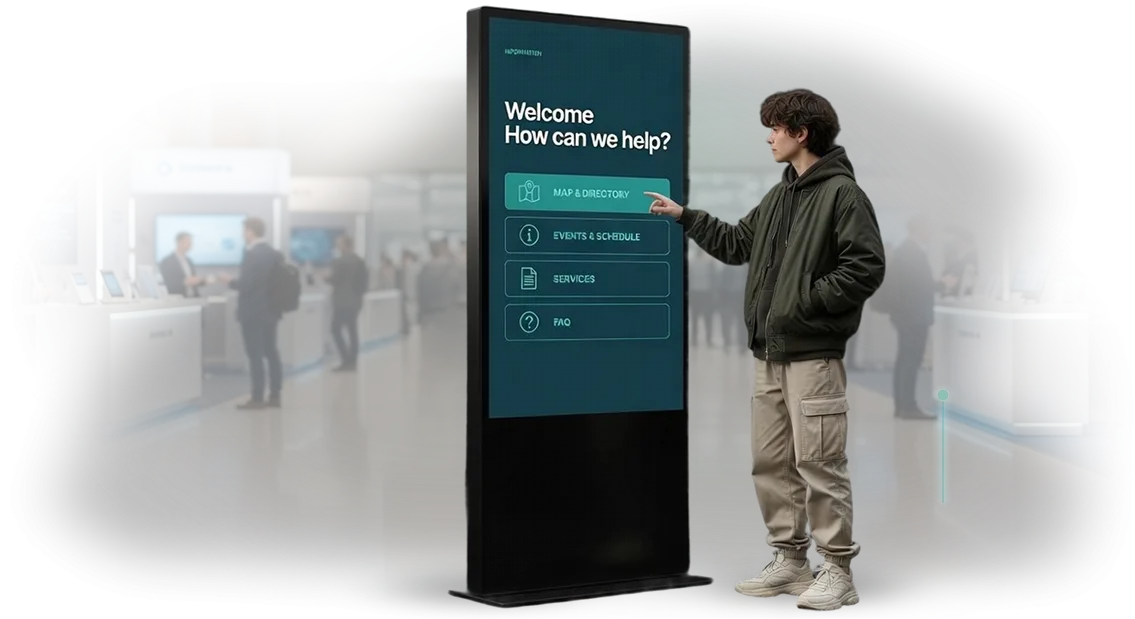
מאבדים לקוחות בגלל תורים במשרד הנוטריון?
תורים במשרד הנוטריון הם לא רק המתנה — הם משדרים ללקוח מסר ברור: הזמן שלך לא מוערך כאן. שעה במסדרון בלי לדעת מתי יגיע תורך דוחפת מבקרים לחפש משרד אחר.
אנשי עסקים ולקוחות צעירים, שרגילים לתכנן כל שעה, רגישים במיוחד לכך.
תיאום פגישה לא נוח עם הנוטריון מוסיף מחסום שני. קו טלפון עמוס, משיבון, אין משבצות פנויות לימים הקרובים — כל זה דוחה את הביקור או מבטל אותו לחלוטין.
כל מקרה כזה משמעותו לא רק אובדן אגרה, אלא גם סיכוי שהלקוח ילך למתחרה ויישאר שם.
משרד נוטריון פועל על אמון, ושמועות על תורים אינסופיים מתפשטות מהר. לקוחות משתפים חוויות ברשתות החברתיות ובמפות, וביקורות שליליות מפחידות מבקרים חדשים. בסופו של דבר, אפילו נוטריונים מקצועיים סובלים בגלל ארגון קבלת קהל לקוי.
תור אלקטרוני וקיוסק למשרד הנוטריון משנים את המצב הזה. המבקר קובע מראש באינטרנט או לוקח כרטיס במקום ורואה על המסך את זמן ההמתנה האמיתי.
הצוות מפסיק להיות מוסח על ידי שיחות טלפון וקריאת שמות — כל המידע על זרימת הקהל נאסף אוטומטית. ההנהלה מקבלת סטטיסטיקת עומס ברורה ויכולה להתאים את לוח הזמנים מראש כדי להימנע משעות שיא.
אנחנו מטפלים בזה מקצה לקצה: אנחנו מעצבים את הממשק, מגדירים את מערכת התור האלקטרוני, מתקינים את הקיוסק ומכשירים את הצוות. אתה מקבל לא רק פתרון טכני, אלא כלי ששומר על לקוחות ומגדיל את הכנסות המשרד. תיאום פגישה נוח עם הנוטריון הופך ליתרון התחרותי שלך.
מה קיוסק אינטראקטיבי נותן למשרד הנוטריון שלך
מבקר במשרד נוטריון מגיע לעניין שלעתים קרובות קשור ללחץ: ניירת, מועדים, החלטות חשובות. המתנה ארוכה בתור מוסיפה מתח ומקלקלת את הרושם אפילו מעבודה נוטריונית ללא דופי.
קיוסק אינטראקטיבי משנה זאת בכניסה — והופך עמידה כאוטית לתהליך ברור וניתן לניהול.
מבקרים נשארים מרוצים
הקיוסק מאפשר למבקרים להצטרף לתור או לבחור זמן מתאים בלי הצטופפות ליד הדלפק. אדם רואה מיד כמה אנשים לפניו ויכול להכין את המסמכים ברוגע. פחות עצבנות — יותר אמון במשרד ובמומחים שלו.
היכולת לבחור שירות בעצמם ולקבל כרטיס מפחיתה חרדה. זהו טיפול פשוט שהופך ביקור רגיל לשירות נוח, ולקוחות מעריכים בדיוק פרטים כאלה.
הצוות מקבל הקלה
עובדים מפסיקים להיות מוסחים על ידי שאלות כמו "מי אחרון" ורישום ידני. הקיוסק לוקח על עצמו את השגרה: רישום, ניהול תורים, תזכורות. נוטריונים ומזכירות מקבלים זמן למשימות מקצועיות במקום מטלות ארגוניות.
טעויות שנגרמות מהגורם האנושי הופכות לנחלת העבר: הנתונים נרשמים פעם אחת במערכת ולא הולכים לאיבוד כשהם מועברים בין עובדים. זה מאיץ את העבודה של כל המשרד — מקבלת מסמכים ועד הנפקת תעודות מוכנות.
המותג מתחזק
קיוסק מודרני הוא סימן לכך שהמשרד מכבד את זמן הלקוחות ועומד בקצב הזמן. יחס כזה נזכר: מבקרים מספרים למכרים על הנוחות וחוזרים בעצמם בפעם הבאה שהם זקוקים לעזרה.
תהליך מכוונן היטב, זמני המתנה קצרים ותשומת לב לפרטים בונים מוניטין של משרד אמין. אתה מחזק את מעמדך בשוק בלי פרסום נוסף — כל ביקור חיובי עובד בשבילך.
פורמטים של קיוסק למשרד נוטריון: בחרו לפי הצרכים שלכם
מבקרים במשרד נוטריון ממתינים בתור בממוצע יותר זמן מאורך הפגישה עצמה. זה יוצר מתח, מסיח את דעת העובדים מהעבודה וגורם ללקוחות לדחות את ביקוריהם.
קיוסק עם מסך מגע עם תור אלקטרוני ותיאום פגישות הופך את הכאוס לתהליך ברור: האורח בוחר שירות בעצמו, מקבל כרטיס ורואה את זמן ההמתנה.
אנחנו מייצרים קיוסקים למתקנים עם נפחי מבקרים שונים — מחלון בודד ועד משרדים רב-תכליתיים. כל הפורמטים פועלים על אותה תוכנה, כך שתוכל להרחיב את המערכת בקלות ככל שאתה גדל.
נעזור לך לבחור פתרון שמתאים לשטח הרצפה, לעיצוב הפנים ולסוגי השירות שלך — בלי לשלם יותר מדי על אפשרויות מיותרות.
פורמטי קיוסק ומטרתם
| פורמט | למי הוא מתאים | מה הוא נותן ללקוח |
|---|---|---|
| קומפקטי צמוד קיר | משרדים קטנים עם זרימה של עד 50 איש ביום | חוסך מקום, לא חוסם מעבר, התקנה מהירה |
| קיוסק עומד עם מסך מגע | משרדים עם זרימת מבקרים גבוהה באופן קבוע | מאיץ את הצ'ק-אין, מפחית עומס על האדמיניסטרטור, מקצר את התור |
| עמדת הזמנות עם טרמינל מידע | מתקנים עם שירותים וחדרים מרובים | ניווט שירות ברור, פיצול זרימות מבקרים, המתנה נוחה |
בכל אחת מהאפשרויות האלה, מבקר קובע מומחה ספציפי תוך דקה, ואתה מקבל סטטיסטיקת עומס: אילו שעות הכי עמוסות, כמה אנשים עזבו בלי שטופלו. הנתונים האלה עוזרים להתאים את לוח העבודה ולהפחית זמני השבתה.
אם אינך בטוח איזה פורמט מתאים לך — נגיע עם קיוסק הדגמה, נראה איך הוא עובד על דוגמה חיה ונעזור לך להחליט. בחר לפי המשימה שלך, ואנחנו נדאג לשאר.
איך עובד פיתוח והטמעת קיוסק: שלב אחר שלב
פיתוח קיוסק למשרד נוטריון הוא פרויקט סוהר שבו תוצאה צפויה ולוחות זמנים ברורים חשובים. אנחנו מחלקים את העבודה לשלבים כך שבכל שלב תוכל לראות מה קורה ומה התועלת שאתה מקבל.
- בריף וניתוח — אנו דנים כיצד עובדת קבלת המבקרים כיום: שעות שיא, מספר חלונות, שאלות טיפוסיות. אתה מקבל הבנה כיצד הקיוסק ישתלב בזרימת העבודה והיכן הוא יפחית את העומס.
- תוכנית ואב-טיפוס — אנו מציעים את לוגיקת המסך: הזמנת נוטריון ספציפי, תור אלקטרוני, רמזים למבקרים. אנו מסכמים על התוכנית מראש כדי שתוכל לראות את המערכת העתידית עוד לפני שפיתוח מתחיל.
- אישור — אנו מסיימים טקסטים, עיצובים ותרחישים. אתה עורך שינויים לפני ההשקה, לא אחריה — זה חוסך זמן ותקציב.
- הטמעה — אנו יוצרים את התוכנה ומגדירים אינטגרציה עם לוח הזמנים ומאגר הלקוחות שלך. אתה מקבל תוצאות ביניים קבועות ומבין את מצב הפרויקט.
- השקה והכשרה — אנו מתקינים את הקיוסק, בודקים אותו בתנאים אמיתיים ומכשירים את הצוות. קבלת המבקרים לא נעצרת, והעובדים מתרגלים במהירות למערכת החדשה.
- תמיכה ופיתוח — אנו נשארים בקשר לאחר ההשקה: מעדכנים תרחישים, מוסיפים פונקציות ועוזרים כשהמשימות של המשרד משתנות.
מנהל אחד מטפל בכל הפרויקט — אתה מתקשר איתו ישירות, בלי להעביר אותך בין מחלקות. לוחות הזמנים קבועים בחוזה, ואתה מקבל את התוצאה מול רשימת בדיקה ברורה, כך שהתהליך נשאר שקוף בכל שלב.
מה כלול במסירה וההשקה של קיוסק אינטראקטיבי
כשאתה מזמין קיוסק אינטראקטיבי למשרד נוטריון, המסירה כוללת לא רק מכשיר, אלא פתרון סוהר מוכן. אנחנו דואגים להגדרה, התקנה, כוונון והכשרה — כל מה שנותר לך הוא להשתמש בתוצאה. הנה היקף המסירה כדי שתוכל לראות את נפח העבודה והערבויות מראש.
- חומרת קיוסק: מסך מגע, מארז עמיד והרכבה, הגנה מפני נזק ובלאי. המכשיר מיועד לפעילות מסביב לשעון באזור המתנה, כך שלא יידרשו תיקונים תכופים.
- תוכנת תור אלקטרוני ותיאום פגישות: המבקר בוחר את השירות הנדרש בעצמו, מקבל כרטיס או קובע זמן ספציפי. זה מוריד עומס מהצוות ומבטל הצטופפות ליד הדלפק.
- התאמה אישית למשרד שלך: רשימת פעולות נוטריוניות, לוח קבלת קהל, כללי עדיפות לקטגוריות מבקרים מסוימות וטקסטים של רמזים על המסך. המערכת מתחשבת בתקנון הפנימי שלך.
- התקנה וחיבור באתר: אנו מספקים את הציוד, מתקינים אותו במקום נוח, מגדירים הדפסת כרטיסים ומקשרים אותו למערכת החשבונאות שלך. הכל עובד ונבדק ביום ההשקה.
- הכשרת צוות: אנו מראים כיצד לשנות את לוח הזמנים, להוסיף או להשבית שירותים, לצפות בסטטיסטיקת ביקורים ולטפל במצבים טיפוסיים. אין צורך להעסיק אדמיניסטרטור נפרד.
- אחריות על חומרה ותוכנה, בתוספת תמיכה לאחר ההשקה. אם מתעוררת בעיה כלשהי, אתה פונה אלינו — אנו פותרים אותה מרחוק או בביקור באתר כך שהקיוסק לעולם לא יישאר בטל.
מקרה בוחן: איך אוטומטנו תיאום פגישות וקיצרנו זמני המתנה
הטמענו קיוסק אינטראקטיבי עם תור אלקטרוני והזמנה מראש במשרד הנוטריון City Notary Chamber. לפני כן, לקוחות הגיעו לעתים קרובות בלי תיאום, הצטופפו ליד הדלפק וחיכו 30–45 דקות בתור חי.
האדמיניסטרטור ענה בו זמנית לשיחות, רשם מבקרים ביומן נייר ובקושי הספיק לייעץ על שירותים.
לאחר השקת הקיוסק, התור הפך לניהול. המבקר בוחר שירות על מסך המגע, מקבל כרטיס ורואה על התצוגה לאיזה מומחה לגשת ומתי. אלה שהזמינו מראש דרך הקיוסק או באינטרנט עוברים בלי לחכות.
זמן התור הממוצע ירד ל-10–12 דקות אפילו בשעות שיא, ומחלוקות על "של מי התור" נעלמו לחלוטין.
תוצאות מפתח
- חיסכון בזמן מבקרים — בממוצע 25–30 דקות פחות המתנה לאדם.
- האדמיניסטרטור הפסיק לבצע רישומים ידניים וכעת מקדיש עד שעתיים ביום לייעוץ במקום לנהל יומן.
- ההמרה לפגישות עלתה ב-20%: פחות לקוחות עזבו בלי לחכות לתורם.
- הלקוח העריך את האפקט וכעבור שישה חודשים הזמין קיוסק שני לסניף, כולל אותנו בחוזה תחזוקה שנתי.
כעת המשרד רואה זרימת מבקרים צפויה ויכול לתכנן ברוגע את עומס העבודה של הצוות. הקיוסק מחזיר את עצמו לא רק דרך מהירות השירות אלא גם דרך נאמנות לקוחות — לקוחות חוזרים לעסקאות חוזרות, בידיעה שיטפלו בהם בזמן.
שאלות נפוצות על קיוסקים למשרדי נוטריון
החלטות על אוטומציה של תורים נעצרות לעתים קרובות לא בגלל תקציב, אלא בגלל ספקות: "מה אם הציוד יתקלקל ביום העמוס ביותר?", "מי יטפל בהגדרות?", "האם נצטרך לתמוך במערכת בעצמנו?" אלה שאלות הוגנות, ועדיף לטפל בהן לפני הרכישה מאשר בזמן השבתה.
קיוסק למשרד נוטריון הוא אותו סוג של כלי עבודה כמו שרת או קו טלפון: הוא פשוט חייב לעבוד. לכן אנחנו לוקחים על עצמנו את כל התהליכים — מההשקה ועד התחזוקה. ראה את התשובות לשאלות המרכזיות להלן.
מה קורה אם הקיוסק מתקלקל?
תקלות אינן נכללות בתרחיש שלך: אנו משתמשים בציוד מקצועי המיועד לפעילות רציפה בחללים ציבוריים.
ואם אכן מתרחש אירוע, לא תישאר לבד עם הבעיה — המומחה שלנו יגיע לפי בקשה או נתחבר מרחוק, ובזמן שהתיקון מתבצע נציע פתרון זמני כדי שהתור ימשיך לנוע.
איך מתעדכנת התוכנה?
אינך צריך לעקוב אחר זה. כל העדכונים וההגדרות מבוצעים על ידי הצוות שלנו מרחוק — זה בדרך כלל לוקח כמה דקות ולא עוצר את פעולת הקיוסק.
אתה תמיד מקבל את הגרסה העדכנית ביותר של המערכת עם פונקציות חדשות, ונתוני הזמנות המבקרים נשארים מאובטחים.
מי מתחזק את הקיוסק?
אנחנו מאוטמים את התהליך מקצה לקצה: הגדרה, השקה, תחזוקה שוטפת ותמיכה הם באחריות הצוות שלנו. אינך צריך להעסיק מומחה נפרד או להבין בפרטים טכניים. צוות משרד הנוטריון מקבל מדריך הוראות קצר, ואנחנו מטפלים בכל השאר.
כמה זמן לוקחת ההגדרה וההשקה?
המחזור הסטנדרטי — מבריף ועד קיוסק עובד — לוקח כמה ימים. אנו מספקים את הציוד, מגדירים אותו לכללי הביקור והכרטיסים שלך, מבצעים השקת ניסיון ורק אז מוסרים אותו לפעולה. ביום ההשקה, המומחים שלנו נשארים בקשר כדי לוודא שהכל עובר חלק.
התשובות האלה הן חלק מהערבות שלנו: אתה מקבל לא רק מכשיר, אלא פעולה צפויה של התור האלקטרוני. אם עדיין יש לך ספקות, שאל אותנו ישירות — נסביר איך זה עובד ספציפית למקרה שלך.הזמינו קיוסק אינטראקטיבי למשרד שלכם
מבקרים לא אוהבים תורים במשרד הנוטריון — זהו מקור העצבנות והביקורות השליליות העיקרי. קיוסק אינטראקטיבי פותר את הבעיה: הלקוח בוחר שירות בעצמו, מקבל כרטיס ומחכה ברוגע עד שהעובד פנוי. אין הצטופפות ליד החלון, אין ויכוחים על "מי אחרון".
השאר פנייה, ונכין לך הצעת מחיר למשרד שלך תוך יום אחד: עלות פיתוח שקופה ולוחות זמנים להשקה. נסביר איך הקיוסק ישתלב בעיצוב הפנים שלך ואילו תרחישי הזמנה הוא יכסה הכי מהר.
מיד לאחר יצירת הקשר איתנו, אתה מקבל:
- סקירה חינמית של תהליך השירות שלך — היכן בדיוק הזמן של המבקרים מתבזבז.
- חישוב עלות שקוף לפיתוח המותאם למשימות שלך, בלי תוספות נסתרות.
- המלצות על מיקום הקיוסק לפי שטח הרצפה וזרימת הלקוחות שלך.
- הדגמה חיה של הממשק על דוגמה אמיתית מהמשרד שלך.
- תוכנית השקה ברורה עם תאריכים — מבריף ועד מערכת עובדת.
- הערכת החזר השקעה: כמה שעות עבודה של צוות הקיוסק יחזיר בכל חודש.
אנחנו עובדים מרחוק בכל הארץ, כך שלוחות הזמנים אינם תלויים בעיר שלך. במשך יותר מ-10 שנים השקנו עשרות קיוסקים לארגונים עם זרימת מבקרים גבוהה — ממשרדי נוטריון ועד מרכזים רב-תכליתיים — ומסרנו כל פרויקט בזמן.
השאר פנייה באתר — נחזור אליך תוך יום עסקים אחד, נענה על שאלותיך ונקבע זמן נוח לבריף. נתחיל במה שיחסוך לעובדים שלך שעות ולעצבים של הלקוחות שלך כבר בחודש הראשון לפעולת הקיוסק.
איך לבחור פורמט קיוסק שמתאים לפרטי הנוטריון?
בחירת פורמט קיוסק מתחילה לא בעיצוב המארז, אלא בפרטי המשרד עצמו: איך נראית זרימת המבקרים שלך, אילו שירותים דומיננטיים, איך התור מאורגן היום.
אצל הנוטריון, לקוח מוצא את עצמו במצב עדין — מייפוי כוח דחוף ועד עסקת נדל"ן — וזה מציב דרישות מיוחדות על הקיוסק.
ראשית — פרטיות: מבקרים לא רוצים שזרים יראו איזה שירות הם בוחרים. שנית — הקהל: לקוחות נוטריון רבים הם אנשים מבוגרים שזקוקים לפונטים גדולים והנחיות פשוטות.
שלישית — הקיוסק חייב לעבוד בסנכרון עם התור האלקטרוני ומערכת ההזמנות כך שהכרטיס יגיע למומחה הנכון ללא עיכוב.
בהתבסס על דרישות אלה, אנו בוחרים פורמט למתחם שלך. לאולם מרווח עם תנועה גבוהה, קיוסק עומד עם מסך מגע גדול והדפסת כרטיסים הוא התאמה טובה.
לאזור קבלה קומפקטי — צמוד קיר: הוא חוסך מקום ומבצע את אותן פונקציות. אם מבקרים רגילים לגשת לאדמיניסטרטור, אנו מתקינים טרמינל שולחני ליד הדלפק — העובד יכול לרשום אדם לפגישה תוך כמה שניות.
אנחנו לא מוכרים "קופסה": קודם כל אנו מנתחים את מספר החלונות, שעות השיא והבקשות הטיפוסיות, ואז מציעים את הפורמט, הממשק ותוכנית האינטגרציה עם מערכת ההזמנות שלך.
אם אינך בטוח איזה קיוסק מתאים לך — שלח לנו תיאור של המתחם שלך ונייעץ לך.