

משרד מפעיל תקשורת: כיצד לחסל תורים ולהגביר נאמנות
תור במשרד של מפעיל תקשורת הוא ניקוז שקט של לקוחות. אנשים נכנסים כדי לקבל כרטיס SIM, לשנות תוכנית או לפתור בעיה — ועוזבים ללא שירות, כשהם נושאים עימם רגשות שליליים.
חלק ניכר מהמבקרים בתנאים כאלה מוכן לעבור למתחרים — והאובדן הזה מתורגם להפסד הכנסות ממשי ולפגיעה במוניטין.
הבעיה אינה רק זמני המתנה ארוכים. בזמן שהנציגים מבזבזים זמן על פעולות פשוטות, לא נותר להם משאב לייעוץ במוצרים מורכבים ולמכירות.
לקוח לחוץ שעומד בתור לא סביר שירצה להירשם לשירות נוסף — הוא רק רוצה לסיים את העניין מהר יותר. זה יוצר מעגל קסמים: מהירות שירות נמוכה מפחיתה נאמנות ומונעת הגדלת הכנסה לכל ביקור.
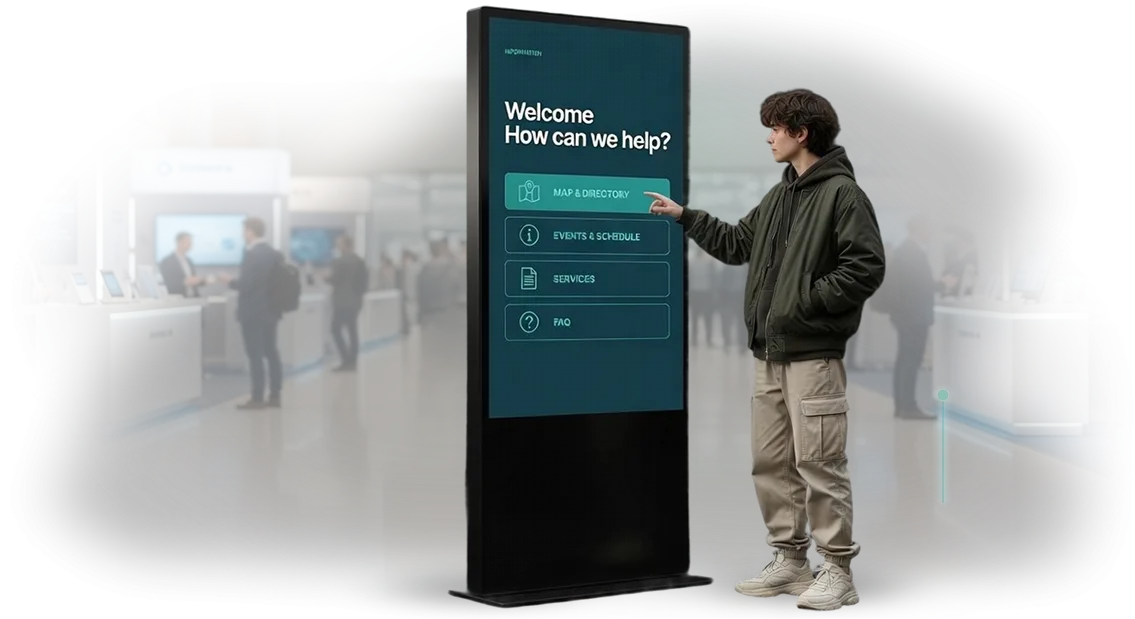
קיוסקים אינטראקטיביים שוברים את המעגל הזה. מבקרים יכולים לשלם את החשבון, להזמין שירות או לקבל אישור בעצמם — ללא נציג ובקצב שלהם. בקשות פשוטות עוברות לקיוסק, בעוד הצוות עובר למשימות הדורשות אינטראקציה חיה.
בדיוק בזה אנחנו עוזרים: אנו מתכננים היגיון תרחישים שהופך תור לזרימה של צעדים קצרים וברורים. כך אנו מטפלים בנקודת הכאב המרכזית של המשרד — אובדן לקוחות בגלל המתנה.
התוצאה היא מהירות שלקוחות מבחינים בה מיד. זמן הביקור הממוצע יורד, מבקרים עוזבים מרוצים מוקדם יותר, וצוות המכירות מקבל ידיים פנויות לשיחות משמעותיות.
נאמנות לא נבנית באמצעות פרסום אלא באמצעות המהירות שבה הבעיה שלך נפתרת — והקיוסק הופך את הפתרון הזה למוחשי.
יכולות קיוסק אינטראקטיבי לנקודת המכירה שלך
במשרדי מפעילי תקשורת, הלקוחות מוטרדים לרוב מההמתנה בתור. כשכל מה שהם צריכים הוא ייעוץ מהיר, שינוי תוכנית או תשלום — וכמה אנשים עומדים בקרבת מקום — הרושם שלהם מהחברה נפגע.
קיוסק אינטראקטיבי פותר את הבעיה: מבקרים מצטרפים לתור האלקטרוני בעצמם, בוחרים את סוג הפעולה ומיד רואים את זמן ההמתנה המשוער. במקום המון כאוטי ליד הדלפק — תהליך ברור שחוסך עצבים וזמן.
ההשפעה העיקרית על נקודת המכירה היא שירות מהיר יותר.
הצוות מפסיק לשמש כמרכזנים ולענות על אותן שאלות: "מי אחרון?", "מתי יגיע תורי?" הקיוסק מטפל בצד הארגוני, בעוד הצוות מתמקד במה שבאמת מוסיף ערך: ייעוץ, בחירת תוכניות וחיבור לשירותים נוספים.
כתוצאה מכך, זמן הביקור הממוצע יורד, והמשרד מצליח לשרת יותר מנויים באותה תקופה.
הפחתת עומס העבודה על הצוות היא יתרון ברור נוסף. נציג אינו צריך עוד לטפל בקליטת לקוחות ולצפות בתור החי בו-זמנית. המערכת מחלקת את הזרימה בעצמה ומנחה מבקרים לחלון הנכון.
זה בולט במיוחד בשעות השיא, כשמספר הבקשות מוכפל. הקיוסק עובד מסביב לשעון, ומחליק עומסי שיא ללא גיוס צוות נוסף.
לבסוף, קיוסק אינטראקטיבי מודרני משנה את תדמית המשרד. לקוחות רואים שמפעיל התקשורת משתמש בכלים דיגיטליים ומכבד את זמנם. זה בונה תדמית של חברה טכנולוגית שנעים להתעסק איתה.
גישה זו מגבירה נאמנות בקרב מנויים קיימים ומושכת חדשים — רשמים חיוביים משותפים ומומלצים לחברים.
פתרון מלא הבנוי על חומרה אמינה ותוכנה מלוטשת מחזיר את ההשקעה במהירות: המשרד מאיץ את השירות, מפחית עומס על הצוות וזוכה לסגנון מודרני מוכר. הקיוסק הופך למשתתף מלא בשירות הלקוחות, לא רק לחידוש טכני.
אם המטרה היא לשפר את יעילות נקודת המכירה ולשמר לקוחות, מערכת צ'ק-אין אינטראקטיבית ותור אלקטרוני היא צעד מעשי בכיוון הזה.
פורמטי קיוסק למשימות משרד מפעיל תקשורת
לקוח נכנס למשרד של מפעיל תקשורת עם משימה ספציפית — לפתור בעיה במהירות. פורמט הקיוסק קובע באיזו קלות מבקר יכול להצטרף לתור האלקטרוני, לקבל כרטיס או להתמצא בשירותים.
עם בחירה נכונה, הקיוסק מוריד עומס מהמנהלים ומאיץ את השירות — כלומר נאמנות גבוהה יותר ותפוקה טובה יותר למשרד.
אנו בוחרים את הפורמט עבור המשרד שלך: מפתרונות צמודי קיר קומפקטיים ועד יחידות עומדות עם מסך גדול. האפשרויות העיקריות והיתרונות שלהן מופיעים בטבלה שלהלן.
| פורמט קיוסק | מתאים ל | מה הלקוח מקבל |
|---|---|---|
| יחידה עומדת עם מסך | משרדים גדולים עם אזור המתנה ותנועת רגליים כבדה | מארגן את התור האלקטרוני, מוריד עומס מהמנהל, לקוחות רואים את סטטוס הקריאה |
| קיוסק צמוד קיר | משרדים קטנים עם שטח רצפה מוגבל | תופס מקום מינימלי, מנפיק כרטיסים ומציג מפת מחלקות |
| מסוף קביעת פגישות | משרדים עם הזמנה מראש | לקוחות בוחרים משבצת נוחה משלהם — פחות אי-הגעה, זרימה מחולקת באופן שווה |
| קיוסק מידע | משרדים עם פורטפוליו שירותים רחב | עוזר ללקוחות להתמצא, מגביר מודעות למוצרים, מפחית שאלות לצוות |
נייעץ לך על הפורמט האופטימלי למשרד שלך. שלח לנו את תכנית הרצפה — נכין המלצה והערכת עלות בהתבסס על תנועת הלקוחות שלך.
כיצד אנו מוסרים את הפרויקט: מבריף ועד תמיכה
פרויקט הטמעת קיוסק תור אלקטרוני במשרד מפעיל תקשורת מתנהל לפי תרחיש שקוף. אתה תמיד יודע מה המצב ומתי יהיה ההשקה, בעוד אנו מטפלים בכל הפרטים הטכניים.
- בריף וסקר. אנו דנים בזרימת המבקרים, בשעות השיא ובתרחישי הצ'ק-אין כך שהקיוסק יתייחס לצרכים הספציפיים של המשרד שלך.
- עיצוב קיוסק. אנו יוצרים את היגיון התפריט וממשק ברור לכל קבוצות הגיל. אתה מקבל אבטיפוס — אתה יכול לראות איך הקיוסק ייראה לפני תחילת הפיתוח.
- אישור. אנו מבצעים עריכות במהירות, מסיימים את רשימת השירותים, שעות הפעילות ונוהל האינטגרציה עם מערכת הצ'ק-אין הקיימת שלך.
- פיתוח. אנו מגדירים את התור האלקטרוני ומודול התזמון: מבקרים מחולקים באופן שווה על פני משבצות זמן, הצוות לא מבזבז זמן על תיאום ידני.
- בדיקות והשקה. אנו מוודאים תרחישים, מאמנים צוות, מתקינים את הקיוסק ומפעילים אותו לפי לוח הזמנים המוסכם.
- תמיכה. אנו נשארים בקשר לאחר ההשקה: מעדכנים שירותים, מוסיפים פונקציונליות ומגיבים במהירות לכל בעיה.
להלן לוחות זמנים ונקודות בקרה אופייניים. הם מעודנים לאחר הבריף ותלויים במאפייני המשרד.
| שלב | לוח זמנים | נקודת בקרה |
|---|---|---|
| בריף וסקר | 2-3 ימים | בריף מאושר |
| עיצוב | 5-7 ימים | אבטיפוס מאושר |
| אישור | 1-2 ימים | אב-טיפוס חתום |
| פיתוח | שבועיים | גרסת בדיקה מוכנה |
| בדיקות והשקה | 4-5 ימים | קיוסק משרת לקוחות |
| תמיכה | מתמשך | נוהל תגובה |
כתוצאה מכך, אתה מקבל קיוסק עובד בלוח זמנים צפוי ללא שלבים נסתרים. קבע בריף — נראה לך איך זה יעבוד במשרד שלך.
מה כלול במסירת הקיוסק האינטראקטיבי
כשמשרד מפעיל תקשורת מזמין קיוסק אינטראקטיבי, חשוב להבין: אתה מקבל לא רק מכשיר, אלא פתרון מלא לשירות עצמי של לקוחות.
אנו מרכיבים חבילה עבור המיקום הספציפי שלך — מיחידת מסך המגע ועד לתוכנת התור האלקטרוני והתזמון שמשתלבת בתהליכים שלך.
המסירה כוללת:
- קיוסק עם מסך מגע, מארז מוגן וארגונומיה מחושבת — חומרה מוכנה לפעילות יומיומית באזור ההמתנה.
- תוכנת תור אלקטרוני והזמנה מראש: לקוחות בוחרים שירות, מקבלים כרטיס או קובעים זמן נוח.
- התאמה לתרחישי המשרד שלך: רשימת שירותים, תעריפים, עדיפויות מבקרים ואינטגרציה עם מערכת ניהול התורים שלך.
- לוח ניהול לעדכון עצמאי של לוחות זמנים, רשימות שירותים והודעות — ללא צורך במתכנת.
- הדרכת צוות: קורס מעשי קצר למנהלים, בתוספת הוראות ומדריכי עזר מהירים לעבודה עם הקיוסק.
- אחריות ותמיכה טכנית: במידת הצורך, מהנדס מתחבר מרחוק או מגיע למקום בזמן תגובה קצר.
- תמיכה לאחר ההשקה: עדכונים, ייעוץ וחידודים ככל שתהליכי המשרד מתפתחים.
הלקוח מקבל מחזור מלא: מאספקת חומרה ועד לפעילות יומיומית של הקיוסק. זה מקל על הצוות ומפחית תורים — מבקרים עוברים שירות מהר יותר, ועובדים מקדישים יותר זמן לאינטראקציות חיות.
כל מה שאתה צריך כבר כלול בחבילה; אין צורך לחפש קבלני משנה בנפרד.
מקרה בוחן: כיצד קיצרנו את זמני ההמתנה בחצי
רשת הסלונים Mobilink — מפעילת תקשורת — פנתה אלינו. בשעות השיא, עד תריסר מבקרים היו מתאספים ליד דלפק הרישום, וכל אדם נאלץ להמתין 15–20 דקות.
חלק מהלקוחות עזבו ללא שירות, בעוד מנהלים בזבזו זמן על הזמנות ידניות ודפדוף ביומני נייר במקום לייעץ.
החלפנו את התור החי בקיוסק אינטראקטיבי עם תור אלקטרוני ופונקציית קביעת פגישות. מבקרים בוחרים שירות בעצמם, מקבלים כרטיס או מזמינים משבצת זמן.
המערכת מחלקת את הזרימה בעצמה: לקוחות מופנים ישירות לחלון פנוי, ללא המון ליד הדלפק. ההטמעה ארכה שלושה שבועות — כולל הגדרה, הדפסת כרטיסים, הדרכת צוות ואינטגרציה עם ה-CRM הפנימי.
לאחר חודש, זמן ההמתנה הממוצע ירד משמונה עשרה לשבע דקות — בדיוק חצי. חלקם של המבקרים שפתרו את הבעיה בביקור הראשון גדל ל-94%.
ההזמנות המקוונות גדלו בשליש, ולקוחות שעזבו ללא שירות כמעט נעלמו.
כך אומרים עובדים ומנהלי חנויות: "לקוחות נהגו להתחיל את היום במתח בגלל התור. עכשיו הם ניגשים לקיוסק, בוחרים שירות, ובתוך דקה הם יושבים עם מומחה. הפסקנו לאבד אנשים בכניסה," — מנהל פיתוח רשת קמעונאית.
"המנהלים משוחררים מהשגרה של הזמנה ידנית. בעבר, כל לקוח לקח שתי דקות של הזנה ידנית; עכשיו הקיוסק עושה את זה לבד, והעובדים מתמקדים במכירות ובייעוץ," — מנהלת המשרד הראשי.
"המערכת מנהלת את הקצב בעצמה, אז אין המון באולם. אנחנו פחות מותשים, איכות השירות עלתה, ואין ערימה של בעיות לא פתורות בסוף היום," — יועצת משרד בכירה.
לאחר השקת פיילוט מוצלחת, הרשת התקינה את אותם קיוסקים בעוד שתים עשרה סלונים. נשארנו לתמיכה: עדכון הממשק לתעריפים ושירותים חדשים, ניטור יציבות ושליחת מהנדסים בהתראה קצרה בעת הצורך.
מה אם יש לי דרישות ספציפיות לקיוסק?
אם יש לך דרישות ספציפיות לקיוסק — זו לא בעיה, זה מצב נורמלי למשרד מפעיל תקשורת. לכל משרד יש מאפיינים משלו: תכנית רצפה, מגוון שירותים, זרימות מבקרים, נהלי עבודה פנימיים. פתרון סטנדרטי לרוב לא מתאים, ואנחנו מבינים את זה.
אנו מתייחסים לכל משימה כאינדיבידואלית. לפני ההשקה, אנו מנתחים איך המשרד שלך עובד, אילו תרחישי שירות לקוחות וצוות צריכים, ואיך הקיוסק צריך להשתלב בתהליכים הקיימים.
לאחר מכן אנו מתאימים את היגיון זרימת העבודה והממשק למאפיינים שלך — אתה מקבל מערכת שמשקפת את תהליכי העסק שלך במקום לאלץ אותך להתאים לתבנית.
קיוסק מותאם אישית לא אומר מסובך. לדוגמה, אנו יכולים להגדיר תרחיש נפרד ללקוחות עסקיים, הזמנה עם מומחה ספציפי, או מצבי פעולה שונים לשירות המוני וייעוץ אישי.
כל זה מיושם ללא שינוי בממשק שהמבקרים רגילים אליו, ובכל זאת משפר באופן ניכר את מהירות ואיכות השירות.
יש לנו ניסיון בפרויקטים של מפעילי תקשורת עם דרישות לא סטנדרטיות: מקיוסקים קומפקטיים לאולמות קטנים ועד פתרונות עשירים בתכונות למשרדים עם אזורי שירות נפרדים.
אנחנו תמיד מוצאים את האפשרות שמתאימה לך — תוך התחשבות במאפייני המשרד, קהל היעד ומשימות הצוות.
בסופו של דבר, אתה מקבל קיוסק שתואם לחלוטין את צרכי המשרד שלך ואינו דורש שינוי של זרימות העבודה שלך. ספר לנו על הדרישות האישיות שלך — נציע את הפתרון האופטימלי ונגדיר אותו למשימות שלך.
חששות נפוצים בהזמנת קיוסקים אינטראקטיביים
לפני השקת פרויקט, כל לקוח שואל את אותן שאלות: "מה אם הקיוסק יתקלקל?", "כמה זמן הוא יחזיק?", "האם התוכנה תתיושן בעוד שנה?" זה טבעי — החומרה פועלת במקומות עם תנועה גבוהה, והמהירות שבה לקוחות מקבלים שירות תלויה ביציבות שלה. אנו מתייחסים לחששות המרכזיים כדי שתוכל לקבל החלטה עם תמונה מלאה.
מה קורה אם הקיוסק נכשל, ומי אחראי לתיקונים?
אנו מספקים אחריות על החומרה ומטפלים בשירות. אם מתרחש כשל, אתה פונה לתמיכה שלנו — בצ'אט או בטלפון. ברוב המקרים, אנו פותרים את הבעיה מרחוק; במידת הצורך, אנו מגיעים למקום ומחליפים את הרכיב ישירות. ההחלפה מהירה כי אנו משתמשים בחלקים ברמה מקצועית שנשמרים במלאי.
כמה זמן הקיוסק יחזיק, והאם אצטרך להחליף אותו בעוד כמה שנים?
אורך החיים של קיוסק אינטראקטיבי הבנוי על החומרה שלנו הוא 5–7 שנים של פעילות פעילה. אנחנו לא חוסכים במארז או ברכיבים, כך שהציוד עומד בשימוש מתמיד במשרד מפעיל תקשורת.
לאחר תקופה זו, בדרך כלל מספיק לרענן חלקים בודדים במקום להחליף את כל הקיוסק — וזה זול משמעותית מקניית חומרה חדשה.
האם התוכנה לא תתיושן ככל שהטכנולוגיה מתקדמת?
התוכנה מתעדכנת בצורה חלקה ללא השבתה. אנו משחררים עדכונים באופן קבוע, מוסיפים תרחישי הזמנה ותשלום חדשים ומבטיחים תאימות למערכות שלך.
אתה לא נעול לגרסה אחת — ארכיטקטורת השרת מאפשרת להרחיב את הפונקציונליות של הקיוסק גם אם תהליכי העסק שלך משתנים עם הזמן.
כיצד מובטחת אבטחת הנתונים של מבקרים ועובדים?
הקיוסק פועל בסביבה מאובטחת: כל הנתונים מועברים בערוצים מוצפנים, ושום מידע אישי של לקוחות אינו מאוחסן על המכשיר עצמו. הגישה למערכת מוגדרת לפי תפקיד — עובדים רואים רק מה שהם צריכים לעבודתם. זה עוזר לעמוד בדרישות החוק ומבטל חששות לגבי דליפות נתונים.
האם קשה לשלב את הקיוסק עם ה-CRM הנוכחי או מערכת הנהלת החשבונות?
אנו מטפלים באינטגרציה בעצמנו. אנו מגדירים חילופי נתונים עם תוכנת התור האלקטרוני והשירותים הפנימיים שלך, ומסנכרנים לוחות זמנים, הזמנות וסטטוסים.
עבורך, זה חלק: מבקר מזמין בקיוסק, וההזמנה מופיעה בתחנת הנציג מיד. ללא הזנה ידנית חוזרת, ללא שגיאות.
אם נותרו לך שאלות — שאל אותן לפני חתימת החוזה. נתאר בפירוט את תכנית השירות, זמני התגובה ותנאי האחריות, כך שהקיוסק יפעל כמו שעון ואתה תתמקד בעסק שלך, לא בחומרה.קבל הערכת פרויקט למיקום השירות שלך
השאלה המרכזית של כל מנהל מיקום שירות היא כמה עולה קיוסק ומתי הוא יחזיר את עצמו. התשובה תלויה בפורמט המשרד שלך, בכמות המבקרים ובמשימות שהמסופים צריכים לבצע.
לכן אנו מעדיפים לא לצטט מחיר "בחלל ריק" אלא להכין הערכת פרויקט אישית למיקום שלך — תוך התחשבות בעומס הנוכחי, בשטח הרצפה ובתרחישי השימוש.
השאר בקשה לייעוץ — ותוך יום עסקים אחד תקבל:
- הערכת עלות ראשונית לקיוסק המותאם לפורמט שלך: מסוף בודד, מספר אזורי שירות עצמי או פתרון מקיף עם תור אלקטרוני.
- המלצות על תרחישי פעולה: הזמנה עם מומחה, הנפקת כרטיסים, תשלומים, בדיקת סטטוס בקשות — מה יפחית את העומס על הצוות.
- הערכת לוח זמנים: מאישור קונספט ועד השקה במשרד הפעיל שלך.
- תיאור התצורה והיכולות שחשובות ספציפית למפעיל תקשורת: הגנת נתונים, אינטגרציה עם מערכות פנימיות, ממשק ברור לקבוצות גיל שונות.
- דוגמאות להטמעות במשרדים דומים והתוצאות שהושגו: תורים מופחתים, שירות מהיר יותר, שביעות רצון גבוהה יותר של מבקרים.
- תכנית צעדים ברורה עם בעלי תפקידים ונקודות בקרה — ללא סלסולים או פרטים טכניים מיותרים.
ללא אותיות קטנות וללא תוספות נסתרות: לאחר ההערכה, אתה מבין את עלות הפרויקט המלאה ואת ההשפעה על המשרד שלך. אנו עובדים מרחוק בכל הארץ ויכולים להריץ פיילוט במיקום אחד כדי שתוכל להעריך את התוצאות לפני הרחבה.
השאר בקשה דרך הטופס באתר או התקשר אלינו — נדון במשימה שלך ונכין הערכה תוך יום עסקים אחד. זה ללא התחייבות: תקבל מספרים, לוחות זמנים והמלצות, וההחלטה נשארת בידיך.