

פארק תרבות ונופש מאבד מבקרים בגלל תורים וניווט
בסוף שבוע, פארק התרבות והנופש מתמלא במשפחות ובחבורות חברים, אבל יחד עם המבקרים מגיעים גם כאוס ותורים.
האורחים מבלים זמן רב בחיפוש אחר המתקן, בית הקפה או הבמה הנכונים; תורים ארוכים נוצרים באטרקציות הפופולריות; ילדים מתעייפים לפני שהספיקו ליהנות. במקום רגיעה — זמן אבוד ורושם הרוס.
עבור הפארק, זהו הפסד ישיר. אורח שעומד בתור לא קונה משקאות, מזכרות או שירותים נוספים, ולעתים קרובות עוזב את השטח מוקדם. רגשות שליליים גם מפחיתים את הסיכוי לביקור חוזר — משיכת אורח חדש עולה יותר מאשר שימור אורח קבוע.
בחגים ובחופשות בית הספר, הבעיה הופכת קריטית: זרם המבקרים גדל פי כמה, בעוד הניווט והצוות נשארים זהים. חלק מהמבקרים עוזבים בלי לחכות בתור; חלק אף פעם לא מוצאים את מה שבאו בשבילו. המוניטין וההכנסות של הפארק נפגעים.
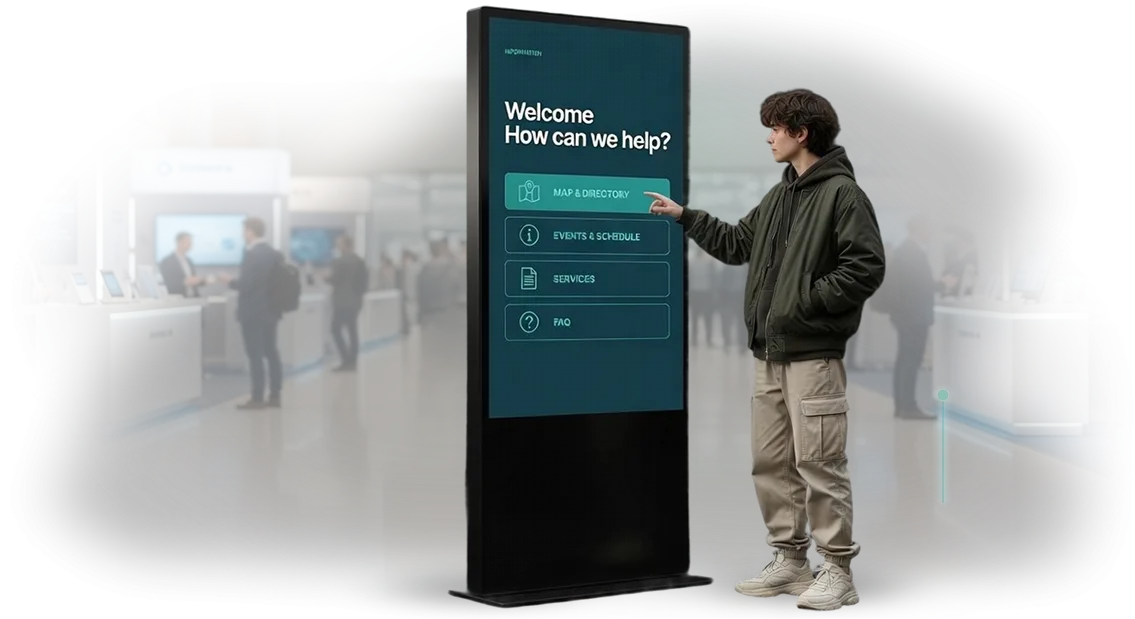
הפתרון הוא קיוסקים מידעיים המטפלים בניווט בפארק, בתורים אלקטרוניים ובהזמנת מתקנים. בכמה נגיעות בלבד, אורח מתכנן מסלול, מזמין זמן למתקן פופולרי, ומנצל את זמן ההמתנה בצורה פרודוקטיבית — אוכל, טיול או צפייה במופע. עבור הפארק, זה אומר זרימה מבוקרת ללא צפיפות ותפוסה צפויה של אזורים.
קיוסקים כאלה הופכים כאוס לתהליך ברור ומעניקים לפארק יותר מכירות מכל אורח.
אנחנו מפתחים תוכנה המותאמת לצרכים של הפארק שלך: אנחנו מעצבים את הממשק, מחברים את הקיוסקים לשירותים שלך, ומוודאים שהאורחים נהנים בזמן שאתה רואה צמיחה בהכנסות ובנאמנות.
מה קיוסק אינטראקטיבי נותן לפארק שלך
תורים בקופות ואורחים מבולבלים שלא מוצאים את האטרקציה הנכונה הם הרוצחים העיקריים של חוויית הפארק. כשמבקר מבלה 15–20 דקות בהמתנה או בשיטוט בשטח, הוא עוזב עם תחושת זמן מבוזבז, גם אחרי יום שלם בפארק.
קיוסק אינטראקטיבי הופך כאוס לתהליך ברור — מהכניסה, האורח רואה מפה, לוח זמנים וסשנים זמינים, כך שהוא מוצא בידור מהר יותר ועוזב מרוצה.
היתרון המרכזי הוא צמיחה בהכנסות ללא השקעה שיווקית נוספת. הקיוסק מציע כרטיסים, אוכל, השכרת ציוד ומזכרות במקום אחד, ומציע לאורח את מה שלא שם לב אליו בעצמו.
זה מעלה את הסל הממוצע דרך רכישות אימפולסיביות, וביקורים חוזרים הופכים להרגל — מבקרים חוזרים כי הפארק קל ונוח.
עומס העבודה על הצוות גם הוא פוחת: במקום לחזור על אותה אינפורמציה לאורח העשרים בשעה, העובדים מתמקדים במשימות חיות — עזרה במתקנים, הבטחת נוחות וטיפול במצבים חריגים. פחות שגרה פירושו איכות שירות גבוהה יותר, וכל אורח מרגיש את זה.
לבסוף, הקיוסק בונה תדמית מודרנית לפארק. ממשק מחושב היטב, ניווט מהיר והזמנות דיגיטליות מראים שהפארק מתעדכן עם הזמן ודואג לכל פרט.
אורחים מצלמים את תהליך הרכישה, משתפים התרשמויות ברשתות החברתיות, והפארק מקבל פרסום חינמי בקרב מבקרים פוטנציאליים.
בשילוב, הקיוסק הוא הנקודה שבה האינטרסים של האורח (מהירות ובהירות) ושל הפארק (הכנסות, נאמנות, יעילות צוות) נפגשים. אנחנו מוודאים שהעוזר הדיגיטלי עובד עבור התוצאות שלך מהיום הראשון.
פורמטים של קיוסק אינטראקטיבי לפארק: איזה מהם לבחור?
עבור פארק, קיוסק הוא לא רק מסך אלא כלי שמקל על הצוות ועוזר לאורחים למצוא את דרכם במהירות. הפורמט קובע באיזו נוחות מבקרים מקבלים כרטיסים, מוצאים את דרכם למתקנים ומצטרפים לתור.
הבחירה מסתכמת בשלוש שאלות: איפה הקיוסק עומד, באיזה זרם מבקרים הוא מטפל, ואילו משימות הוא מכסה.
השוואת פורמטים למשימות הפארק שלך
| פורמט | למי והיכן | מה זה נותן ללקוח |
|---|---|---|
| טרמינל מגע (עמדה) | בכניסה הראשית, בלובי, ליד המנהל | ניווט מהיר, רישום לתור, הקלה על הצוות — אורחים ממתינים פחות ופחות צפופים |
| קיוסק חיצוני (טרמינל) | בשבילים פתוחים, ליד אזורי ילדים, ליד בתי קפה | עובד בכל מזג אוויר, מציג מפה ולוח אירועים, מדריך מבקרים למקום הנכון — אף אחד לא משוטט בפארק אבוד |
| קיוסק פנימי צמוד קיר | בביתנים, בתי קפה, בכניסות למתקנים | קומפקטי, לא תופס שטח רצפה שימושי, מזרז שירות ומפחית תורים |
| קיוסק עם הדפסת כרטיסים | כל אחד מהדגמים לעיל, בנוסף לאזור הקופות | אוטומציה של מכירות וכניסה, מנפיק כרטיס תוך 30 שניות — אין צורך לעמוד בקופה |
אם הבעיה המרכזית היא צפיפות בכניסה בסופי שבוע, טרמינל מגע עם תור אלקטרוני מתאים ביותר. אם אורחים הולכים לאיבוד בשטח — קיוסקים חיצוניים עם מפת הפארק.
עבור אזורי מזון ואטרקציות, קיוסק צמוד קיר עם הדפסת כרטיסים ורישום לתור הוא נוח.
אנחנו נבחר את התצורה הנכונה לפארק שלך: מיקום, הגנה מפני מזג אוויר, סט פיצ'רים ושילוב קופה רושמת. הקיוסק הופך לחלק ממערכת הניווט והשירות הכוללת ולא למכשיר עצמאי. בקש חישוב — נראה איך זה עובד עם המספרים שלך.
איך פיתוח קיוסק עובד: מבריף ועד השקה
בנינו את התהליך כך שתמיד תדע באיזה שלב נמצא הפרויקט ומה תקבל כתוצאה. אתה לא צריך להבין בפרטים הטכניים — אנחנו לוקחים על עצמנו ניתוח, ייצור והשקה, בזמן שאתה שולט בלוחות זמנים ובאיכות בנקודות אישור ברורות.
- בריף וניתוח משימות. אנחנו דנים באילו תרחישים מבקרי הפארק צריכים: ניווט, לוח זמנים, רשימת אירועים, רישום לתור או משוב. אנחנו לוכדים את הדרישות לעיצוב, מספר נקודות ושעות פעילות.
- אב טיפוס עיצובי ואישור. אנחנו מכינים את הפתרון החזותי לקיוסק: מראה, ממשק, פונטים ופלטת צבעים, כך שיתאים לסגנון הפארק. אתה מאשר את האב טיפוס — רק אז אנחנו מתחילים בייצור.
- ייצור והרכבה של המעטפת. אנחנו בונים את המעטפת לתנאי חוץ: הגנה מפני לחות, אבק, תנודות טמפרטורה וונדליזם. במקביל, אנחנו מגדירים את התוכנה על ציוד מקצועי.
- הכנת תוכן ולוגיקה. אנחנו מעלים את החומרים שלך: מפות, רשימות אירועים, לוחות זמנים, טקסטים. אנחנו מגדירים תרחישי ניווט ותור אלקטרוני כך שמבקר יוכל להשלים משימה בכמה נגיעות ללא עזרת צוות.
- התקנה והפעלה. אנחנו מספקים את הקיוסק לאתר, מתקינים אותו במיקום המוסכם ומחברים לחשמל ולרשת. אנחנו בודקים את כל התרחישים בתנאים אמיתיים.
- הדרכת צוות. אנחנו מראים לצוות שלך איך לנהל תוכן, לעדכן רשימות אירועים ולסקור סטטיסטיקות. אין צורך בהכשרה מיוחדת — מדריך קצר מספיק.
- השקת ניסיון ותמיכה. אנחנו משיקים את הקיוסק במצב ניסיון, אוספים משוב ומבצעים כוונונים לפי הצורך. אחרי ההשקה אנחנו נשארים בקשר ומבקרים לפי בקשה במסגרת הזמן המוסכם.
כל שלב מסתיים בתוצר ברור: אב טיפוס מאושר, מעטפת מוגמרת, קיוסק עובד. אתה תמיד יודע מה קורה ומתי בדיוק תשיק את השירות לאורחי הפארק.
מה כלול במסירת קיוסק: החבילה המלאה
אתה לא מקבל "קופסת ציוד" אלא פתרון סוהר עובד — מהעמדה ועד תמיכה טכנית. אנחנו מטפלים בהתקנה, בהגדרה ובהדרכת צוות כך שהקיוסק עובד מהיום הראשון ולא מסיח את דעת הצוות שלך מהאורחים.
חבילת המסירה המלאה כוללת:
- קיוסק במעטפת מוגנת — עמיד למזג אוויר, אבק וטיפול גס. ניתן למקם אותו בחוץ או בלובי בלי לדאוג לעמידות.
- תוכנה — תור אלקטרוני, הזמנות למתקנים ואירועים, ניווט בפארק. אורחים בוחרים שירות בעצמם, משלמים (אם צריך) ומקבלים כרטיס או אישור.
- התקנה והגדרה באתר — המומחים שלנו מגיעים, מתקינים את הקיוסק, מחברים לרשת שלך ובודקים את כל התרחישים. הצוות שלך לא מעורב בצד הטכני.
- הוראות לצוות — מדריך פשוט והדרכה קצרה: איך להפעיל, למלא נייר (אם משתמשים בהדפסה) ולפתור מצבים נפוצים. אין נהלים מורכבים.
- אחריות על חומרה ותוכנה — אתה מוגן מפני תקלות בלתי צפויות במהלך שנת הפעילות הראשונה.
- תמיכה טכנית — אם משהו משתבש, אתה פונה אלינו במקום לחפש קבלנים חיצוניים. אנחנו מגיבים במהירות, ורוב הבעיות נפתרות מרחוק.
- עדכוני מערכת — אנחנו משפרים פונקציונליות ומעדכנים את התוכנה ללא אישורים נוספים, כך שהקיוסק לעולם לא מתיישן.
כל זה מתועד בחוזה — אתה יודע על מה אתה משלם ואיזו תמיכה תקבל. כל מה שאתה צריך לעשות זה לבחור מיקום לקיוסק ולהפעיל אותו.
מקרה בוחן: איך קיוסקים קיצצו את התורים בפארק ב-30%
קופות בפארק הן תמיד צוואר בקבוק: בסופי שבוע ובחגים נוצרים תורים מולן, מבקרים מאבדים זמן ומצב רוח, וחלק מהאורחים עוזבים בלי לקנות כרטיסים בכלל. עבור ההנהלה, זהו הפסד ישיר של הכנסות ודלק לביקורות שליליות.
התקנו ארבעה קיוסקים מידעיים בפארק והעברנו מכירת כרטיסים והזמנת מתקנים למערכת תורים אלקטרונית.
הפרויקט עבור הפארק המרכזי לתרבות ונופש «המרכזי» היה משמעותי: בעונת הפעילות הראשונה של הקיוסקים, זמן ההמתנה בקופות ירד ב-30%.
האורחים הפסיקו לעמוד בתורים ארוכים והלכו ישר לאטרקציה שרצו — זה נראה מיד בהתרשמות שלהם מהביקור.
מכירות הכרטיסים גדלו ב-20%: אנשים שעזבו בעבר בגלל התור הצליחו עכשיו לקנות כרטיסים ולהוציא כסף בבתי קפה, בדוכני מזכרות ובשירותים נוספים בתוך הפארק.
עבור ההנהלה, זה אומר לא רק הכנסות גבוהות יותר אלא גם חלוקה מחדש של עומס העבודה על הצוות: קופאים מתמקדים באורחים שצריכים עזרה, בעוד קיוסקים מטפלים בפעולות שגרתיות.
התור האלקטרוני פועל ללא עיכובים, ודוחות המכירות נוצרים אוטומטית — מה שמקל על תכנון תפוסת המתקנים ועל חידוש מלאי באזורים עם הביקוש הגבוה ביותר.
תוצאות הפרויקט אושרו על ידי הזמנה חוזרת: שנה לאחר מכן, הפארק הרחיב את צי הקיוסקים והוסיף למערכת הזמנות לסיורים קבוצתיים.
אנחנו ממשיכים לתמוך בפתרון, כך שהשפעת קיצור התורים נמשכת בכל עונה, לא רק בחודש הראשון אחרי ההשקה.
שאלות נפוצות על קיוסקים לפארק
אנחנו מבינים: עבור פארק, קיוסק הוא לא רק עמדת מפה אלא כלי עבודה לכל העונה. חשוב שהוא לא יאכזב בימי שיא, לא ידרוש תחזוקה מורכבת וניתן יהיה לעדכן אותו בקלות לאירועים ומחירים חדשים. הנה תשובות לשאלות שמנהלי פארקים שואלים הכי הרבה לפני השקה.
האם הקיוסק יחזיק מעמד אם הוא עובד בחוץ כל השנה?
אנחנו מתכננים קיוסקים לתנאי חוץ: מעטפת מוגנת, רכיבים יציבים ותוכנה מלוטשת. הציוד עובר השקות ניסיון ובנוי לפעולה ארוכת טווח בתנודות טמפרטורה ולחות גבוהה.
לא תצטרך לפקח על החומרה כל יום. המערכת עצמה מדווחת על מצבים חריגים, ואנחנו בודקים מרחוק את מצב המכשירים כדי למנוע תקלות לפני שהן משפיעות על המבקרים.
מי יתחזק את הקיוסק, וכמה מהר נפתרות בעיות?
אנחנו מטפלים בתחזוקה בעצמנו — זה חלק מהשירות. אנחנו מבצעים בדיקות מונעות קבועות, מעדכנים את התוכנה ומגיבים במהירות לפניות הצוות שלך.
אם משהו מתקלקל, אתה פונה אלינו בטלפון או בהודעות. לפי הניסיון שלנו, 90% מהבעיות נפתרות מרחוק תוך כמה שעות, ואנחנו שולחים טכנאי לאתר כשצריך.
איך מעדכנים מידע — רשימות אירועים, שעות פתיחה, מפת הפארק?
עדכוני תוכן לא דורשים עצירת הקיוסק או מעורבות של מתכנת. אתה שולח לנו חומרים חדשים בכל פורמט נוח — אנחנו מעלים אותם מרחוק ומוודאים שהכל מוצג כראוי.
זה יכול לקחת בין כמה דקות לכמה שעות, תלוי בנפח. המבקרים תמיד רואים לוחות זמנים ואירועים עדכניים, ואתה לא צריך להיכנס לפרטים טכניים.
האם הקיוסק יכול לעבוד עם הקופה הרושמת או מערכת החשבונאות שלנו?
כן, אנחנו מתחברים למערכות הקופה והחשבונאות שהפארק שלך כבר משתמש בהן. הקיוסק שולח נתוני רכישה והזמנות למערכת המרכזית, כך שאתה לא צריך לנהל רישומים ידניים או להעביר מספרים בין תוכנות.
הכל מוגדר לפי זרימת העבודה שלך: ממכירת כרטיסים ועד הזמנת מתקנים. אתה מקבל תמונה אחידה של הכנסות ועומס, בעוד מבקרים מקבלים שירות מהיר ונוח ללא תורים.
הזמן פיתוח קיוסק למשימות שלך
הזמנת קיוסק לפארק שלך קלה יותר ממה שזה נראה: פשוט תאר את המטרות שלך וקבל הצעה מותאמת אישית. אנחנו מטפלים בכל התהליך — מהערכת עלות ועד השקה — ומראים לך מראש מה תקבל. אין עמלות נסתרות ואין לוחות זמנים בלתי צפויים.
הנה מה שכלול בהזמנת פיתוח קיוסק:
- אב טיפוס ממשק לפני תחילת העבודה. אתה רואה איך הקיוסק ייראה ויפעל, ותוכל לבקש שינויים לפני תחילת התכנות.
- חישוב עלות מדויק. הסכום קבוע לאחר הבריף ולא משתנה בדרך — אתה משלם בדיוק מה שסוכם.
- הצעה מותאמת אישית לצרכי הפארק שלך. אנחנו לוקחים בחשבון ניווט בשטח, תור אלקטרוני, הזמנת מתקנים, לוחות אירועים ותרחישים נוספים.
- תוכנית עבודה עם לוחות זמנים ברורים. בכל שלב אתה יודע מה מוכן ומתי מגיעה התוצאה הבאה — אין שבועות "אבודים".
- אחריות איכות. אם משהו לא עובד כמו שצריך אחרי ההשקה, אנחנו מתקנים בחינם במהלך תקופת האחריות.
- תמיכה לאחר ההשקה. אנחנו עוזרים לעדכן תוכן, להוסיף סעיפים חדשים ולהרחיב את יכולות הקיוסק ככל שהפארק שלך גדל.
לאחר פנייתך, נשלח הערכת עלות והצעה מותאמת אישית, ולאחר אישור, נכין אב טיפוס ותוכנית עבודה.
ספר לנו על הפארק שלך — ובקרוב מבקרים ימצאו את דרכם בעצמם, יירשמו ללא תורים וישאירו יותר זמן לרגיעה.
איך לבחור את פורמט הקיוסק הנכון?
בחירת קיוסק מתחילה במשימות שלך, לא בקטלוג. בפארק, קיוסק יכול להציג מפה, לטפל ברישום לתור אלקטרוני למתקנים או לרשום אורחים לסדנאות.
אין פתרון אוניברסלי: לניווט, עמדה קומפקטית מספיקה; לתורים, קיוסק עם הדפסת כרטיסים וממשק פשוט עובד הכי טוב. לכן אנחנו מתחילים בייעוץ ומתאימים את הפורמט לתרחישים ספציפיים.
מומחה מהצוות שלנו מבקר בפארק, צופה היכן ואיך מבקרים נעים, מתי מתרחשים עומסי שיא ועל מה אורחים שואלים הכי הרבה. זה מאפשר לנו לבחור את פורמט הקיוסק האופטימלי — עם גודל מסך נכון, סוג התקנה ותוכנה.
גישה זו מבטלת תשלום יתר על אפשרויות מיותרות ומבטיחה שהקיוסק יהיה בשימוש קבוע.
אנחנו גם מתחשבים בתנאי ההתקנה: קיוסק חיצוני מוגן מפני לחות ותנודות טמפרטורה, בעוד קיוסק פנימי יכול להיות קומפקטי ונייד יותר.
חשוב שהקיוסק יהיה קל לשימוש עבור כל האורחים — מהורים עם עגלות ועד מבקרים מבוגרים. לאחר ההשקה, התוכנה מאפשרת עדכון תרחישים ללא החלפת ציוד.
פורמט הקיוסק הנכון הוא כזה שמבקרים שולטים בו תוך שניות, בזמן שאתה מקבל תור מסודר וסטטיסטיקות ברורות. כדי למנוע טעויות, פשוט קבע ייעוץ עם מומחה.
אנחנו נחשב את העומס, נציע את הפתרון האופטימלי ונראה איך הוא משתלב במרחב הפארק. ללא התחייבות.